Category: S
-
Sinus bradycardia
A normal but slow heart rhythm. An unusually slow heartbeat brought on by normal causes, such as deep relaxation or excellent fitness, or by abnormalities of the conduction systems, such as sick sinus syndrome. Sinus bradycardia requires no treatment unless it causes symptoms. A slow sinus rhythm with an atrial rate below 60 beats per…
-
Senility
The physical and mental deterioration associated with old age. An obsolete term referring to abnormal deterioration in the mental functions of old people. The deterioration of mental activity associated with the last stages of the natural life span. Mental or physical weakness that may be associated with old age. Many specialists in aging find the…
-
Saluretics
Agents that promotes urinary excretion of sodium and chloride ions. A substance that increases the concentration of salts in urine.
-
Strobilus
A cone-like structure formed from sporophylls or sporangiophores. Cone, an inflorescence or sporebearing axis covered in overlapping scales or reduced leaves.
-
Stipe
A stalk or support such as the petiole of a frond or the stalk of an ovary or fruit. A stalk that supports a plant structure, such as the petiole of a fern or the stalk of a mushroom. The stalk of a pistil, or ovule when present. The stem or stalk of a fruit…
-
Swizzle stick
The little rod, now plastic but formerly wood, used to stir a mixed drink has been known as a swizzle stick since the late nineteenth century. The swizzle part of the name originated in the early nineteenth century as a generic name forany drink made from a mixture of intoxicating spirits. Swizzle may have derived…
-
Sweller
Invented in the 1960s as the name of a can of food bulging at both ends because of an accumulation of gases caused by spoilage (therefore making the item eligible for a discount), the noun sweller ultimately derives from an Indo-European source that made its way into dozens of languages including—of course—Medieval Gothic where it…
-
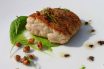
Sweetbread
The word sweetbread, the culinary name for the pancreas and thymus, is surely the result of an early and brilliant marketing ploy on the part of butchers everywhere. People, of course, will eat anything, but it may be easier to get them to buy and eat the pancreas and the thymus if you call it…
-

Sushi
Although sushi is perhaps the one word most recognized by speakers of English as being Japanese in origin, the name of this dish was not the first word, or even the first food word, borrowed from the Japanese language. The first Japanese word to enter English was bonze, meaning Buddhist priest, which appeared in 1588.…
-
Sumptuary laws
Beginning in the fourteenth century and continuing even till the eighteenth century, the British government enforced certain laws restricting what people could wear and eat. These laws were concerned not with rationing a scarce product (as was the case with sugar during the Second World War), as with trying to prevent the nation from degenerating…