Mindblown: a blog about philosophy.
-
Mechanical advantage
The factor by which a mechanism multiplies the force or torque put into it.
-
Maximal oxygen uptake
The maximum oxygen that the body consumes during intense exercise. Maximal oxygen uptake is the greatest amount of oxygen that can be used by the body during intense exercise.
-
Maximal heart rate (HRmax)
The highest heart rate an individual can achieve during an exercise session. A commonly accepted estimate of maximal heart rate is 220 minus age. Age-related maximal heart rate is determined by subtracting the person’s age from 220. For example, for a 50-year old person, the estimated maximum age-related heart rate would be calculated as 220…
-
Lumbar spine
The low back area of the vertebral column that consists of five large vertebrae. The largest five vertebrae between the thorax and the pelvis, the area that needs the most protection during exercise. That part of the spine consisting of the most inferior five individual vertebrae located just superior to the sacrum. Situated above the…
-
Lumbar plexus
One of the four primary nerve branches along the spine; services the gluteal and inguinal regions and the lower extremities. The point where several nerves which supply the thighs and abdomen join together, lying in the upper psoas muscle. Network of nerves formed by the ventral divisions of some of the lumbar nerves; it is…
-

Low-back pain
A common symptom of musculoskeletal disorders or of disorders involving the lumbar vertebrae and related soft tissue structures such as muscles, ligaments, nerves, and intervertebral discs.
-
Lordosis
Abnormal curvature of the spine. Lordosis (bent backward) is an increased concave curve in the lumbar region of the spine. Lordosis is often accompanied by an increased anterior pelvic tilt. The abdomen and the buttocks protrude, and the arms hang further back. Sway back, increased or excessive lumbar curve. Excessive forward curvature of the lower…
-
Longitudinal axis
A line from the top of the head running vertically to the feet through the center of the body.
-
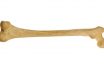
Long bone
A bone that is longer than it is wide. Long bones include the femur, tibia, and humerus. Any long limb bone that contains marrow and ends in a part that forms a joint with another bone.
-
Locus of control
Determines where a person perceives he or she receives personal power. The degree to which a person views outcomes as happening because of his or her own ability or because of chance, fate, or other. A term used in reference to an individual’s sense of mastery or control over events. Persons with an internal locus…
Got any book recommendations?