Mindblown: a blog about philosophy.
-
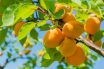
Fruit
The seed-bearing organ, with or without adnate parts. A ripened ovary along with any other structures that may ripen with it and form a unit with it. The fleshy seed-bearing part of plants (including tomato and cucumber, which are usually called vegetables). On one hand the expression to enjoy the fruits of your labour is…
-
Fructification
The state of fruiting.
-
Fructescence
The time of maturity of the fruit.
-
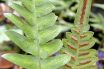
Frond
Leaf (lamina + petiole), usually compound, often used for ferns and palms. The leaf of a fern or cycad. Leaf of a fern or palm, or similar leaf-like structure. A large leaf usually with many divisions. The leaves of a fern. Fronds carrying spore-bearing organs (son) are called “fertile” fronds; if not, they are called…
-
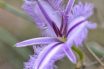
Fringed
Bordered by hair-like appendages. Having a margin beset with slender appendages.
-
Frequency
Number of occurrences per area. As related to exercise, how often work is performed. In physics, the rate at which a sound source vibrates, measured in cycles per second. The number of times something takes place in a given time. The rate of vibration in oscillations. Need to have an action occur often (e.g., urinary…
-
Free-central placentation
Ovules attached to a freestanding axis in the centre of a unilocular ovary.
-
Free-basal placentation
Ovules attached to a freestanding axis arising from the base of a unilocular ovary and not reaching the top.
-
Free
Not attached to other parts, neither adhering nor united. A label term used to describe an amount that is “nutritionally trivial” and unlikely to have an effect in the body. Not united with any other parts of a different kind. Petals not fused to one another or flower parts not attached to one another (i.e.,…
-
Frass
Insect damage on herbarium specimen, small plant debris or excrement produced by insects.
Got any book recommendations?