Mindblown: a blog about philosophy.
-
Biomaterial
Any substance other than a drug that can be used for any period of time as part of a system that treats, augments, or replaces any tissue, organ, or function of the body. A synthetic material which can be used as an implant in living tissue. An inert substance used to replace a body part…
-
Normal b. w.
Measures 1 mm for each structure, including the connective tissue attachment, junctional epithelium, and gingival sulcus.
-
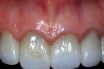
Biologic width
The combined apicocoronal height of connective tissue and epithelial attachment. It exists around teeth as well as around dental implants once exposed to the oral cavity. Structure of the attachment apparatus containing connective tissue attachment, junctional epithelium, and gingival sulcus.
-
Biointegration
The bonding of living tissue to the surface of a biomaterial or implant, independent of any mechanical interlocking mechanism. It is often used to describe the bond to hydroxyapatite‐coated dental implants.
-
Bioinert
Describes a biomaterial that does not elicit a biologic response or is unaffected by the adjacent biologic environment.
-
Biofilm
A multispecies community of microorganisms that adhere to each other and a surface, and are encased in an extracellular matrix. The extracellular matrix is a complex polymeric substance, and protects the microorganisms from environmental stresses. Thin layer of microorganisms adhering to the surface of a structure. Films of bacteria or other microbial organisms, usually embedded…
-
Biofeedback
A method of behavioral modification in which signals are relayed to the patient regarding the status of certain physiologic functions such as the heart rate and blood pressure. The use of instrumentation to provide information (i.e., feedback) about variations in one or more of the subject’s own physiological processes not ordinarily perceived (e.g., brain wave…
-
Bioengineering
Use of engineering in biomedical technology such as the movement analysis of body parts or prostheses. Branch of biology dealing with (1) processing or artificial production of plant and animal materials, especially in the fermentation of organic products; and (2) application of engineering principles to medical problems (e.g., manufacture of artificial limbs and other organs).…
-
Biodegradable
Property of a material to degrade when placed in a biologic environment. Capable of being broken down into innocuous products by microorganisms. Describes any material that can be broken down by biological action (e.g., dissimilation, digestion, denitrification, etc.). The breakdown of material (chemicals) by microorganisms (bacteria, fungus, etc.). A substance that is capable of being…
-
Biocompatible
Capable of existing together; acceptable to the body. This term is used to describe blood, organs, or tissue that can be transplanted or transfused into a patient’s body without being rejected. It describes a biodynamic process in which a material neither elicits an immune response nor is rejected by the host. Property of a material…
Got any book recommendations?