

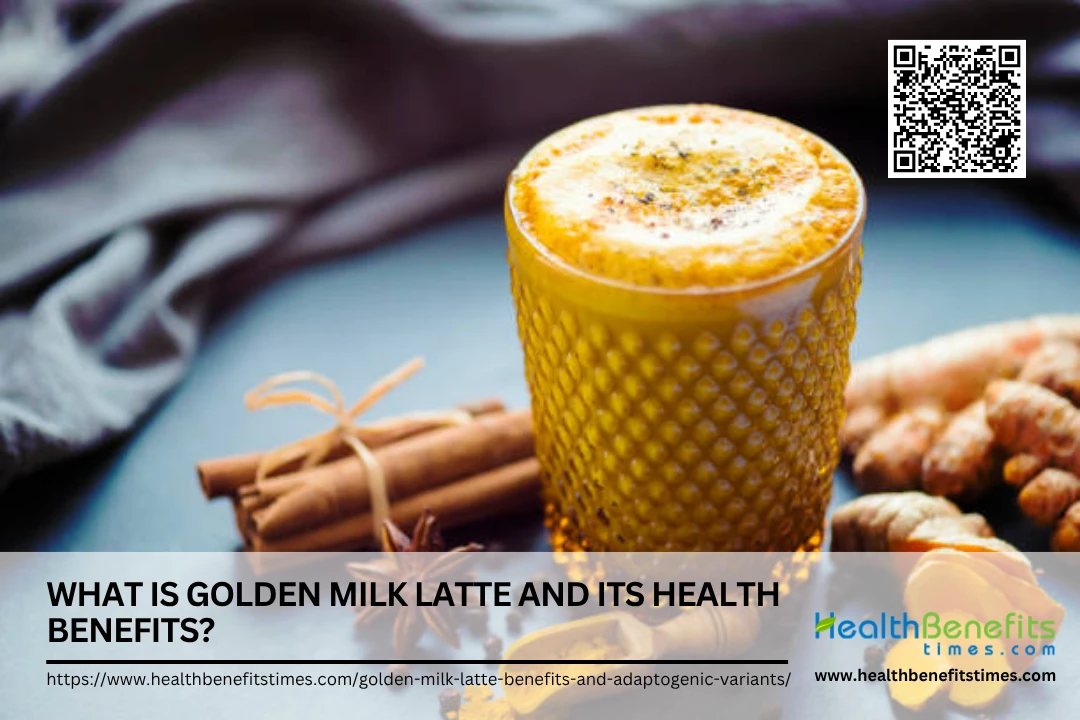
Golden Milk Latte – also known as turmeric milk or turmeric latte – is a warm, golden-colored drink celebrated for its potential health benefits. This creamy beverage originates from ancient Ayurvedic traditions and has recently gained global popularity as a caffeine-free alternative to coffee. (1) Traditionally called haldi doodh in India, it was used as a home remedy for ailments like sore throat, cough, and colds. (2) Today, Golden Milk Latte is enjoyed both in its classic form and in modern variations boosted with adaptogenic herbs and superfoods. In this article, we’ll explore what Golden Milk Latte is, its nutritional profile, how it works in the body, and the science-backed benefits attributed to it. We’ll also discuss the different types (including new-age adaptogenic blends), how to make it at home, the best time to drink it, potential side effects, who might benefit from it, and tips for choosing quality pre-made products.
What is Golden Milk Latte?
Golden Milk Latte is a warm beverage typically made by simmering milk (dairy or plant-based) with turmeric and other spices such as cinnamon, ginger, and often a pinch of black pepper. This combination gives the drink its characteristic golden-yellow hue and a mildly spicy, comforting flavor. (3) In India, turmeric milk has been consumed for centuries as a remedy for various ailments, and it remains a household go-to for boosting immunity and soothing discomfort. (2) The term “latte” in its name comes from Western adoption – many cafes now serve this turmeric-infused milk as a frothy, café-style latte. Golden Milk Latte is caffeine-free, making it an appealing choice for those seeking a calming beverage, especially on cold days or evenings. (4) Whether enjoyed traditionally or in modern smoothies and lattes, the core ingredients remain the same: turmeric (the star ingredient), combined with complementary spices to enhance both taste and benefits.
Nutritional Profile and Key Ingredients
Golden Milk Latte’s health appeal comes from its key ingredients and their nutrients:
- Turmeric: The primary ingredient, turmeric, contains the active compound curcumin, which is renowned for its antioxidant and anti-inflammatory properties. (5) Turmeric itself provides small amounts of essential minerals – for example, a teaspoon (~2 grams) of ground turmeric offers about 15% of the Daily Value (DV) for iron and nearly 20% DV for manganese. (6) (7) While it’s low in calories and macronutrients, turmeric’s true value lies in curcumin and other phytonutrients.
- Ginger: Golden milk often includes ginger (fresh or ground). Ginger contributes a compound called gingerol, along with related polyphenols, which have antioxidant effects and support digestion. Ginger is also low in calories but rich in bioactive substances that can soothe the stomach and reduce nausea.
- Cinnamon: This spice not only adds a cozy flavor but also provides cinnamaldehyde and other polyphenols. Cinnamon has been linked to benefits like blood sugar regulation and anti-inflammatory effects. It also contains trace minerals; for instance, cinnamon is a source of manganese and calcium in small quantities.
- Black Pepper: A pinch of black pepper is traditionally added, not just for taste but to boost turmeric’s efficacy. Black pepper contains piperine, which dramatically enhances the absorption of curcumin in the body. (8) Without piperine, curcumin is hard for the body to absorb; with piperine, bioavailability of curcumin can increase by up to 2,000%. (8) This is why quality golden milk recipes include black pepper as a key ingredient.
- Milk Base: Golden milk can be made with cow’s milk or plant-based milks (such as almond, soy, or coconut milk). Cow’s milk provides high-quality protein, calcium, and often vitamin D (if fortified), which contribute to bone health. (9) Enriched plant milks can offer similar calcium and vitamin D levels, making them good alternatives. (10) Coconut milk adds healthy fats (including MCTs) that help in absorbing fat-soluble curcumin. (11) Using a milk with some fat content is beneficial since curcumin is fat-soluble and is better absorbed alongside fats. (11)
- Sweeteners (Optional): Many traditional recipes use a touch of honey or jaggery for sweetness, whereas modern versions might use maple syrup or stevia. A small amount of honey can add flavor and additional antioxidants, but it does contribute sugar and calories. It’s worth noting that if golden milk is heavily sweetened, it can raise sugar intake – unsweetened versions are preferable, especially if you’re drinking it for health reasons. (12)
- Adaptogens and Add-ins: Newer variants may include adaptogenic herbs or other superfoods. For instance, ashwagandha (an adaptogen) or reishi mushroom powder might be added to create an “adaptogenic golden milk.” These add-ins don’t significantly change the basic nutrition profile (they’re used in small amounts), but they do introduce additional phytochemicals (like withanolides from ashwagandha or beta-glucans from reishi). We’ll discuss their roles in a later section.
In summary, a classic Golden Milk Latte tends to be moderate in calories (especially if unsweetened and made with low-fat milk or light plant milk) and rich in micronutrients like calcium and iron in modest amounts. Its true “nutritional” power, however, comes from the synergy of its spices and their bioactive compounds.
How Golden Milk Latte Works in the Body
Golden Milk Latte’s reputed health effects stem from how its ingredients interact with our bodies:
- Anti-Inflammatory Action: The turmeric in golden milk contains curcumin, which influences inflammatory pathways at the molecular level. Curcumin can inhibit certain enzymes and signaling molecules (like NF-κB) that drive inflammation, thereby helping to reduce inflammation throughout the body. (5) (13) Ginger and cinnamon also have natural anti-inflammatory compounds. Research shows that all three – curcumin, gingerol, and cinnamaldehyde – exhibit potent anti-inflammatory properties. (13) By dampening chronic inflammation, these spices may help alleviate pain and protect tissues from inflammatory damage.
- Antioxidant Effects: Golden milk ingredients are loaded with antioxidants, which protect our cells from oxidative stress. Curcumin itself is a strong antioxidant, capable of neutralizing free radicals. In addition, it can boost the activity of the body’s own antioxidant enzymes. Diets rich in antioxidants are linked to lower risks of infections and diseases. (14) Ginger and cinnamon contribute here too; both rank high in antioxidant content. By drinking a turmeric latte, you flood your system with a variety of antioxidants that may help protect cells from damage and reduce the overall oxidative burden. (15) (16) This cellular protection is one way golden milk supports overall health.
- Enhanced Nutrient Absorption: One remarkable aspect of golden milk is the synergy between turmeric and black pepper. Piperine, the active component in black pepper, inhibits certain metabolic enzymes, which in turn slows the breakdown of curcumin in the gut and liver. This means more curcumin can enter the bloodstream and remain available to cells. In fact, adding black pepper can increase curcumin absorption by several orders of magnitude. (8) Additionally, consuming turmeric with fat (from whole milk, coconut milk, or added oils like coconut oil or ghee) further improves curcumin’s bioavailability, since curcumin dissolves in fat and can be absorbed more efficiently with it. (11) In essence, the traditional recipe wisely pairs turmeric with pepper and milk to ensure the body can actually use what’s in the turmeric.
- Digestive Support: Golden milk has carminative (digestive soothing) properties largely thanks to ginger and turmeric. Ginger is well-known to support digestion by speeding up gastric emptying – meaning it helps your stomach empty its contents into the small intestine more quickly, which can ease indigestion and discomfort. (17) Turmeric stimulates bile production by the gallbladder (increasing bile output by up to 62% in studies), aiding in the digestion of fats. (18) Black pepper, for its part, may stimulate digestive enzyme activity in the gut, helping you break down food more effectively. (19) Together, these effects can make golden milk a gentle digestive aid, reducing bloating and supporting gut health.
- Blood Sugar Modulation: Cinnamon (and to a lesser extent ginger) in golden milk can influence carbohydrate metabolism. Cinnamon has been shown to improve insulin sensitivity and slow the absorption of glucose from the intestines. (20) (21) By making cells more responsive to insulin, cinnamon helps blood sugar enter cells more efficiently, thereby lowering blood sugar levels or preventing large spikes. Ginger, too, in some studies has lowered fasting blood glucose and HbA1c (a marker of long-term blood sugar control) when consumed regularly. (21) However, it’s important that the golden milk is not loaded with added sugars if you’re drinking it for this benefit – sugar would counteract these positive effects. (12)
- Brain and Mood Effects: Curcumin can cross the blood-brain barrier and has several actions in the brain. Notably, it can increase levels of brain-derived neurotrophic factor (BDNF), a growth hormone that helps form new neural connections and supports brain cell survival. (22) Low BDNF is linked to neurological disorders like Alzheimer’s, so curcumin’s ability to boost BDNF suggests a neuroprotective effect. (22) Curcumin also interacts with neurotransmitter pathways and has been studied for its potential antidepressant effects (by raising serotonin and dopamine levels, and reducing inflammation in the brain). Cinnamon compounds may help prevent the buildup of tau proteins in the brain – one of the hallmarks of Alzheimer’s disease – and animal studies indicate cinnamon could improve Parkinson’s disease outcomes and memory. (23) (24) Ginger’s antioxidant and anti-inflammatory actions in the brain have been associated with improved memory and reaction time in research. (25) These mechanisms underlie golden milk’s reputation for supporting memory, cognitive function, and mood. Many people also find the ritual of drinking a warm, soothing beverage relaxing in itself, which can help reduce stress and promote mental well-being.
- Adaptogenic Stress Relief (in modern variants): Some modern golden milk lattes incorporate adaptogens like ashwagandha – a herb known for helping the body adapt to stress. Adaptogens work via the endocrine and nervous systems to balance stress hormones (like cortisol). For example, ashwagandha has been shown in multiple clinical trials to significantly reduce cortisol levels and alleviate feelings of stress and anxiety. (26) (27) When added to golden milk (sometimes called “moon milk” when taken at night), ashwagandha may enhance the drink’s ability to promote relaxation and better sleep. In fact, ashwagandha’s Sanskrit name somnifera means “sleep-inducing,” reflecting its traditional use for improving sleep quality. (28) (29) Thus, an adaptogen-infused golden latte can work in the body by not only providing turmeric’s benefits but also modulating stress response systems, helping you unwind.
Overall, Golden Milk Latte works through a combination of biochemical effects – reducing inflammation, fighting oxidative stress, aiding digestion and metabolism, protecting the brain, and potentially balancing stress hormones – all of which contribute to its multifaceted health benefits.
Evidence-Based Health Benefits of Golden Milk Latte
Golden Milk Latte is often touted as a cure-all in wellness circles, but which benefits are backed by scientific evidence? In this section, we’ll break down the key health benefits attributed to golden milk and provide a simple explanation followed by supporting research findings for each.
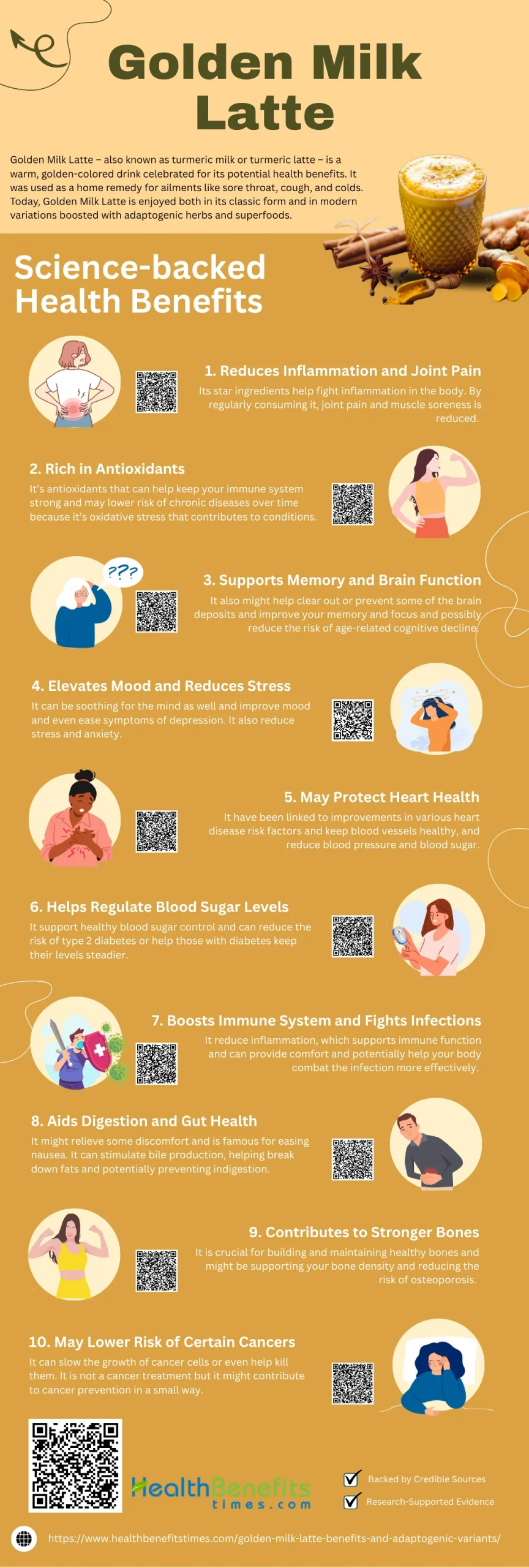
In simple terms: Golden milk’s star ingredients (turmeric, ginger, and cinnamon) help fight inflammation in the body. Inflammation is the body’s natural response to injury or illness, but chronic inflammation can lead to persistent pain and diseases like arthritis. By regularly consuming anti-inflammatory spices like those in golden milk, people often report reduced joint pain and muscle soreness. For instance, someone with arthritis or post-workout muscle aches may find that golden milk soothes their discomfort over time. It’s a bit like nature’s version of an anti-inflammatory medicine, but gentler on the stomach. Reducing inflammation not only eases pain but can also improve mobility in stiff joints and potentially lower the risk of chronic inflammatory diseases in the long run.
What research shows: There is substantial evidence that turmeric and ginger in particular have anti-inflammatory and analgesic (pain-relieving) effects. A clinical trial in patients with active rheumatoid arthritis found that curcumin (500 mg daily) was as effective as a common NSAID drug (50 mg diclofenac) in reducing joint pain and swelling. (30) Similarly, a 2022 systematic review of 29 randomized trials (with 2,396 total patients) concluded that curcumin or turmeric extracts consistently led to lower levels of inflammation and reduced pain in various types of arthritis. (31) Ginger has shown comparable benefits: a 2020 review noted that people with osteoarthritis who took ginger (by mouth or even topically) experienced less knee pain and improved function compared to placebo. (32) These findings echo what many have observed anecdotally – turmeric and ginger can help relieve chronic inflammatory pain. By drinking golden milk (which contains these spices in more food-like doses), one might not get the high doses used in supplements, but it can still contribute to an anti-inflammatory diet. Over time, this could mean fewer aches and pains day to day, complementing other treatments for conditions like arthritis. (33) (32)
2. Rich in Antioxidants (Protects Cells from Damage)
In simple terms: Golden Milk Latte is loaded with antioxidants, which are compounds that protect your cells from damage. Think of antioxidants as little “bodyguards” that neutralize harmful free radicals (unstable molecules that can damage cells and DNA). Turmeric’s bright yellow pigment, curcumin, is a strong antioxidant, and ginger and cinnamon bring their own antioxidants to the mix. By drinking golden milk, you’re essentially bathing your cells in protective compounds. This can help keep your immune system strong and may lower your risk of chronic diseases over time because it’s often oxidative stress (too many free radicals and not enough antioxidants) that contributes to conditions like heart disease, cancer, and aging. In everyday life, getting more antioxidants can mean better skin health, reduced inflammation, and improved overall vitality.
What research shows: Diets high in antioxidant-rich foods are consistently linked to better health outcomes. Studies have shown that increasing antioxidant intake helps lower the risk of infections and diseases by preventing cellular damage. (14) Turmeric, ginger, and cinnamon are all ranked among the top spices for antioxidant content. A scientific review in 2015 found that antioxidants from spices and herbs can indeed help the body repair cell damage and reduce illness risk. (34) Curcumin itself has demonstrated antioxidant power in lab studies, scavenging free radicals and boosting levels of the body’s own antioxidant enzymes. (5) The National Center for Complementary and Integrative Health (NCCIH) notes that polyphenol-rich spices like turmeric may help protect the body’s cells from oxidative stress when included regularly in the diet. (14) In golden milk recipes that also include cinnamon and ginger, you’re getting a trio of antioxidants. Cinnamon is rich in polyphenols; one study even showed it outranks many “superfoods” in antioxidant activity gram-for-gram. Ginger contains compounds like gingerol and zingerone that have potent free-radical-fighting capabilities. While human trials specifically on “golden milk” are scarce, the cumulative evidence on its ingredients suggests that this beverage can contribute to an improved antioxidant status in the body, potentially helping to prevent cell damage over time. (15) (16)
3. Supports Memory and Brain Function
In simple terms: Drinking golden milk may be good for your brain. Curcumin in turmeric has effects that could help your brain work better and stay healthier as you age. It can promote the growth of new brain cells and connections (by raising something called BDNF, a brain hormone). The spices in golden milk also might help clear out or prevent some of the brain deposits that are linked with Alzheimer’s disease. What this means in everyday terms is that golden milk could improve your memory and focus and possibly reduce the risk of age-related cognitive decline. Some people even report clearer thinking or a better mood after adding turmeric to their diet regularly. While it’s not a miracle brain booster, including these spices in your routine is a simple way to nurture your brain health.
What research shows: Several studies have highlighted curcumin’s neuroprotective properties. Notably, research indicates that curcumin can increase levels of brain-derived neurotrophic factor (BDNF), which is a protein that helps neurons grow and form new connections. (22) Low BDNF levels are associated with memory impairment and neurodegenerative diseases like Alzheimer’s. (22) By boosting BDNF, curcumin may help delay or counteract brain changes that lead to Alzheimer’s disease. (22) Additionally, turmeric’s anti-inflammatory and antioxidant effects extend to the brain, potentially reducing neuroinflammation which is implicated in cognitive decline. Cinnamon, another golden milk spice, has shown promise in neurological studies: compounds in cinnamon have been found to inhibit the buildup of tau proteins in the brain – tau accumulation is a hallmark of Alzheimer’s pathology. (24) Furthermore, animal studies suggest cinnamon can preserve the function of proteins that protect neurons in Parkinson’s disease models and improve cognitive function in aged rodents. (23) Ginger, too, has demonstrated brain benefits; for example, a study in middle-aged women found daily ginger supplementation improved their working memory and reaction time. (25) It appears that regular intake of these spices might support cognitive function. A small human trial in adults over 50 found that taking 80 mg of curcumin daily led to significant improvements in memory and attention after 12 weeks. (35) Those on curcumin also reported better mood (less tension and fatigue) compared to placebo. (35) While more research is needed (especially long-term and in larger populations), these findings underscore the potential brain benefits of golden milk’s ingredients – suggesting that sipping a turmeric latte could be a boon for your brain health over time.
4. Elevates Mood and Reduces Stress (Relaxation and Sleep Support)
In simple terms: Golden milk isn’t just good for the body; it can be soothing for the mind as well. Many people find that a warm cup of golden milk at the end of the day helps them relax. Part of this is the ritual and comfort of a warm drink, but the ingredients play a role too. Turmeric has been studied for its potential to improve mood and even ease symptoms of depression. Modern adaptogenic versions of golden milk often include herbs like ashwagandha, which are known to reduce stress and anxiety. In plain terms, golden milk can act as a natural mood-booster and stress-reliever. It might help you unwind from a stressful day and, if taken at night, even prepare your body for a better sleep. Some call the nighttime version “moon milk” because it’s meant to bring calm and restful sleep.
What research shows: The connection between turmeric and mood has been the subject of growing research. Chronic inflammation and oxidative stress are linked to depression, and curcumin’s ability to reduce those might partly explain observed antidepressant effects. In a controlled trial, 60 individuals with major depressive disorder who took curcumin supplements showed improvement in their symptoms, especially when curcumin was combined with an antidepressant medicationmedicalnewstoday.com. (36) Although that particular study’s results did not reach statistical significance, a meta-analysis of multiple trials has since found that curcumin has a significant overall effect in reducing depression and anxiety symptoms compared to placebo in people with depressive disorders. Curcumin likely elevates brain neurotransmitters (like serotonin and dopamine) and lowers stress hormones. On the adaptogen side, ashwagandha (commonly added to “relaxation” golden milk recipes) has robust evidence for stress reduction. A 2021 systematic review of clinical trials involving about 500 participants concluded that ashwagandha consistently reduces stress and anxiety levels and lowers cortisol (the stress hormone) compared to placebo. (26) (27)
Participants taking ashwagandha also reported better sleep and less fatigue in several studies. (37) (38)
For example, one trial in 130 adults found that 300 mg of ashwagandha daily for 90 days led to significantly improved sleep quality and reduced stress scores versus placebo, alongside lower cortisol levels. These findings support why a golden milk latte with ashwagandha at bedtime can subjectively help one feel calmer and sleepier. (29) Even without adaptogens, the base ingredients might aid mood: in a 12-week study of people over 50, those taking curcumin reported feeling less tension, anger, and confusion after just 4 weeks. (35) In summary, evidence suggests golden milk’s components can positively influence mood and stress, making this drink a natural choice for those seeking a bit of calm and cheer in a cup.
5. May Protect Heart Health
In simple terms: Drinking golden milk may be good for your heart. The spices inside have been linked to improvements in various heart disease risk factors. For example, they might help lower “bad” LDL cholesterol and triglycerides, keep blood vessels healthy, and reduce blood pressure and blood sugar – all of which take stress off your heart. Additionally, the anti-inflammatory and antioxidant effects of turmeric, ginger, and cinnamon can protect the heart and arteries from damage. While it’s certainly not a replacement for exercise or a balanced diet, adding a daily golden milk could give your cardiovascular system extra support. Think of it as a heart-friendly tonic that, over time, might help keep your arteries clearer and your heart stronger.
What research shows: Heart disease is complex, but chronic inflammation and high levels of cholesterol, blood sugar, or blood pressure are well-known contributors. Golden milk’s ingredients have shown promise in addressing several of these factors. Cinnamon has perhaps the most documented effects on cholesterol: a recent meta-analysis of clinical trials found that cinnamon supplementation tends to reduce levels of LDL (“bad”) cholesterol and triglycerides, while modestly increasing HDL (“good”) cholesterol. (39) Ginger similarly has beneficial effects on blood lipids – a meta-analysis of 26 trials concluded that ginger intake significantly lowered triglycerides and LDL cholesterol, and slightly raised HDL, in participants (meaning an overall improved lipid profile). (40) (41)
These improvements in cholesterol and triglycerides can translate to lower risk of plaque buildup in arteries. Turmeric/curcumin may directly support blood vessel health: research suggests curcumin can enhance endothelial function, which is the ability of blood vessels to relax and dilate properly. (42) Endothelial dysfunction is a precursor to atherosclerosis, so curcumin’s effect here is heart-protective. One noteworthy study looked at people undergoing heart surgery; those who took 4 grams of curcumin per day around the time of their surgery had a 65% lower chance of experiencing a heart attack during their post-surgery hospital stay compared to those given a placebo. (43) This implies a powerful acute cardioprotective effect, likely due to curcumin’s antioxidant and anti-inflammatory actions protecting the heart muscle during stress. (44) While doses in that study were high, it demonstrates curcumin’s potential. Moreover, the anti-inflammatory nature of all three spices can help reduce chronic inflammation that contributes to heart disease. (45) (46)
It’s important to temper expectations – sipping golden milk isn’t going to magically cure heart disease – but as a supportive measure, science backs many of the cardiovascular benefits attributed to its ingredients. Regular consumption, alongside a healthy lifestyle, may help improve cholesterol levels, blood pressure, and vascular function, thereby protecting your heart in the long run. (47) (42)
6. Helps Regulate Blood Sugar Levels
In simple terms: If you’re concerned about blood sugar spikes or managing diabetes, golden milk’s spices might offer some help. Cinnamon and ginger – common components of golden milk – have been found to support healthy blood sugar control. They do this by improving how cells respond to insulin (the hormone that lowers blood sugar) and by slowing the absorption of sugar from your gut. In practice, this could mean that drinking an unsweetened turmeric latte with a meal might lead to a smaller rise in blood sugar afterward. Over time, better blood sugar management can reduce the risk of type 2 diabetes or help those with diabetes keep their levels steadier. It’s a gentle aid, of course – you should still eat a balanced diet – but every bit of natural support helps in maintaining metabolic health.
What research shows: Cinnamon is one of the most studied spices for diabetes and blood sugar control. Doses ranging from 1 to 6 grams of cinnamon per day have been shown to significantly lower fasting blood sugar levels in people with type 2 diabetes or prediabetes. (20) In fact, a review of clinical trials concluded that cinnamon can reduce fasting glucose by a meaningful amount (some studies show reductions on the order of 10-29 mg/dL). Cinnamon also appears to reduce insulin resistance, meaning it helps the body’s cells more effectively take up glucose in response to insulin. (20) Another way cinnamon works is by slowing carbohydrate digestion: it seems to inhibit certain digestive enzymes, which leads to less glucose being absorbed quickly from the gut. (21) One study cited in a review noted that adding cinnamon to a sugary meal reduced the amount of glucose that entered the bloodstream afterward. (21) Ginger also shows promise – a 2015 randomized controlled trial in 50 patients with type 2 diabetes found that 2 grams of ginger powder daily for 10 weeks lowered their fasting blood sugar by 12% and their HbA1c (a 3-month average of blood sugar) by 10% compared to placebo. (48) (49)
Meta-analyses have echoed these findings that ginger modestly improves glycemic control. The caveat is that many golden milk recipes include a sweetener (like honey). For golden milk to truly be blood-sugar friendly, it should be unsweetened or very lightly sweetened. (12) In unsweetened form, thanks to cinnamon and ginger, golden milk may actually help stabilize your blood sugar rather than raise it. So, while enjoying a tasty turmeric latte, you could also be helping your metabolism handle sugars more efficiently – a nice bonus for those mindful of blood sugar levels (50)
7. Boosts Immune System and Fights Infections
In simple terms: Golden milk has a long history as a remedy for the common cold and other minor infections. Its ingredients have antibacterial, antiviral, and antifungal properties that can help your immune system fend off pathogens. Think of turmeric, ginger, and cinnamon as a trio of natural germ fighters – they can inhibit certain bacteria and viruses in the lab, and they also reduce inflammation, which supports immune function. Drinking a warm cup of golden milk when you feel a cold coming on might not cure you, but it can provide comfort and potentially help your body combat the infection more effectively. Plus, the vitamin and antioxidant content support overall immunity. In short, golden milk earns its nickname “liquid gold” by helping to boost your immune defenses especially during flu season or times of stress.
What research shows: Turmeric’s reputation as an immune booster is backed by some scientific evidence, though much of it comes from laboratory and animal studies. Curcumin has demonstrated broad-spectrum antimicrobial activity. For instance, a review of studies found that curcumin can significantly inhibit the growth of many viruses in cell cultures, including influenza viruses, hepatitis viruses, and others. (51) It appears to interfere with viral replication and can even modulate the immune response to infections. However, curcumin on its own is rapidly metabolized and not very bioavailable in the human body, which might limit its direct antiviral effects in practice. (52) Cinnamon contains cinnamaldehyde, which has been shown in animal studies to stop the growth of certain bacteria and fungi. (53) An older scientific review even noted that cinnamon oil and its components were effective against antibiotic-resistant fungal strains. (53) Ginger is known for its anti-nausea benefits, but it also has antimicrobial effects against respiratory viruses and bacteria (like RSV and staph, in some lab studies). People in many cultures use ginger and turmeric tea as a home remedy when they have a cold or cough – likely because of these properties and the soothing anti-inflammatory effect on sore throats. It’s important to note that, to date, we don’t have clinical trials showing that drinking golden milk will prevent or cure infections in humans. Even a comprehensive review concluded that while curcumin shows potent antiviral and antimicrobial activity in experiments, we lack direct evidence that golden milk as a drink can reduce infections in people. (52) (54)
Nevertheless, the immune-strengthening potential is plausible: these spices’ antioxidants and anti-inflammatory actions can bolster the immune system’s functionality. So, golden milk can be seen as one piece of an immune-healthy diet. At the very least, as a warm, comforting drink, it can soothe symptoms (like a sore throat) while the body’s natural defenses do their work – with a little help from turmeric and friends in slowing down the invaders. (51) (53)
8. Aids Digestion and Gut Health
In simple terms: Golden milk can be gentle on the stomach and even actively help your digestion. If you ever feel bloated, gassy, or have an upset stomach after a meal, sipping on a ginger- and turmeric-infused drink might relieve some discomfort. Ginger is famous for easing nausea and speeding up the emptying of the stomach – meaning food moves along more smoothly. Turmeric can stimulate bile production, helping break down fats and potentially preventing indigestion after a heavy meal. Many people use golden milk as a night-time drink to settle their stomach or as a way to kickstart their digestion in the morning. It’s a natural alternative to over-the-counter digestive aids, aligning with how traditional medicine systems have used these spices for centuries to support gut health.
What research shows: Ginger’s efficacy for digestive issues is well-established. Clinical studies have found that ginger can alleviate symptoms of dyspepsia (chronic indigestion), which often involves pain and fullness in the upper abdomen. One mechanism is that ginger significantly speeds up gastric emptying. In a study cited by a 2011 review, taking ginger helped stomachs empty 25-50% faster in people with dyspepsia compared to placebohealthline.com. (17) This reduction in gastric stasis translates to relief from that uncomfortable feeling of food “just sitting there.” Ginger is also a proven remedy for nausea and vomiting – including morning sickness and chemotherapy-induced nausea – though golden milk typically contains ginger in more moderate culinary doses. Turmeric has been shown to improve various digestive parameters as well. Research indicates that curcumin can reduce symptoms of bloating and gas in indigestion. Moreover, by increasing bile flow by up to ~60%healthline.com, turmeric aids in better fat digestion, which can ward off the fullness and discomfort that come after a fatty meal. (18) There’s also promising evidence for turmeric in managing inflammatory digestive disorders: for instance, patients with ulcerative colitis (an inflammatory bowel disease) had fewer flare-ups when they took curcumin alongside their regular therapy, suggesting turmeric helps maintain remissionhealthline.com. (55) In traditional Ayurvedic medicine, turmeric and ginger are often combined to stoke the “digestive fire,” essentially improving digestion and nutrient absorption. Black pepper in golden milk can further stimulate digestive enzymes, contributing to efficient digestionhealthline.com. (19) All told, these actions support why golden milk is often recommended for digestive relief. While you wouldn’t use golden milk to treat a serious gastrointestinal condition without medical guidance, it is certainly a stomach-friendly drink that can complement your body’s digestive processes and provide relief from mild digestive woes. (17) (18)
9. Contributes to Stronger Bones
In simple terms: If you make your golden milk with cow’s milk or fortified plant milk, you’re also getting a dose of bone-strengthening nutrients like calcium and vitamin D. These are crucial for building and maintaining healthy bones. Calcium is the main mineral in bones, and vitamin D helps your body absorb that calcium properly. By enjoying a golden milk latte, especially one made with a calcium-fortified milk, you might be supporting your bone density and reducing the risk of osteoporosis (the brittle bone disease) later in life. It’s like a tasty alternative to a glass of plain milk, with extra benefits layered in. For people who avoid dairy, using an enriched almond or soy milk in golden milk can still provide those critical nutrients. Essentially, golden milk can be a delicious way to help keep your bones strong.
What research shows: One cup of cow’s milk naturally contains roughly 300 mg of calcium (about 30% of the daily requirement for most adults) and is often fortified with vitamin D (providing around 25% of the daily need). Many plant-based milks (like almond, soy, or oat milk) are fortified to match these levels. (9) (10)
Calcium and vitamin D work hand in hand for bone health. If your diet doesn’t provide enough calcium, your body will leach calcium from bones to keep blood levels normal, gradually weakening the boneshealthline.com. Vitamin D is crucial because without adequate D, even calcium-rich diets won’t fully benefit bones – vitamin D increases calcium absorption in the gut. (56) A golden milk made with a calcium- and D-fortified milk thus becomes a good source of these nutrients. Research in nutrition underscores that meeting daily calcium and vitamin D needs correlates with better bone mineral density and a lower incidence of fractures in older adults. The importance of vitamin D is further highlighted by evidence that low vitamin D status is associated with bone loss and frailty. (57) By choosing enriched plant milk for your turmeric latte (or using regular dairy milk), you ensure the drink contains these bone-friendly nutrients. (58) As an example, someone who might not enjoy drinking plain milk might find it more palatable to consume as a flavorful golden milk – thereby inadvertently supporting their skeletal health. It’s worth noting that the spices themselves, while not major contributors of calcium or D, may have minor bone benefits too. Curcumin has been studied for its potential to mitigate bone loss in osteoporotic animals (with some positive results, possibly due to its anti-inflammatory action on bone cells). But the direct human evidence is limited. So the main bone benefit from golden milk comes from the milk base’s nutrients. In summary, incorporating golden milk in your diet can contribute to your calcium and vitamin D intake, which is known to help maintain bone density and prevent conditions like osteopenia and osteoporosis (9)
10. May Lower Risk of Certain Cancers
In simple terms: Some early research suggests that ingredients in golden milk might have anti-cancer properties. Turmeric, ginger, and cinnamon all contain compounds that, in laboratory studies, can slow the growth of cancer cells or even help kill them. Curcumin, for example, has been studied for its potential to inhibit cancer at various stages – from preventing DNA mutations to impeding tumor growth and spread. While this sounds very promising, it’s important to understand that most of the evidence so far is from test tubes or animal studies, and drinking golden milk is not a cancer treatment. However, including these spices as part of a healthy lifestyle might contribute to cancer prevention in a small way. It certainly adds antioxidant and anti-inflammatory effects to your diet, which are generally considered helpful in reducing cancer risk. So, golden milk could be one delicious component of a cancer-preventive diet, though it’s no magic bullet on its own.
What research shows: The anti-cancer potential of turmeric (curcumin) has been the subject of extensive research. In laboratory (in vitro) experiments, curcumin has demonstrated the ability to affect cancer cells in numerous ways: it can induce apoptosis (programmed cell death) in cancer cells, hinder angiogenesis (the formation of new blood vessels tumors need to grow), and modulate immune responses to better detect and destroy cancer cells. (59) For instance, a study in colon cancer cell lines showed curcumin downregulated specific cell signaling pathways and boosted immune system activity against the cancer cells. (59) Ginger contains 6-gingerol, especially abundant in raw ginger, which has been found to have anti-cancer effects in preclinical studies. One test-tube study noted that 6-gingerol could inhibit the growth of colon cancer cells and promote their death. (60) Other components of ginger have shown activity against ovarian and prostate cancer cells in lab settings. Cinnamon has compounds like cinnamaldehyde that, in animal models and cell studies, appear to protect DNA from damage and to inhibit cancer cell proliferation. (61) It’s encouraging that when these spices are tested in isolation, they show such effects. However, when it comes to actual human trials, the evidence is still limited and not as clear-cut. Small clinical trials using curcumin supplements in people with precancerous lesions (like colon polyps) have shown some reductions in lesion number or size, but larger trials are needed to confirm efficacy. The doses of curcumin used in such trials are usually much higher than what one would get from a cup of golden milk. Additionally, as experts point out, the small amounts of spices in a typical golden milk are likely insufficient alone to have a measurable impact on cancer risk. (62) (63)
Therefore, while the laboratory evidence is intriguing, it should be viewed with cautious optimism. At the very least, golden milk’s ingredients contribute to an anti-inflammatory and antioxidant-rich diet, which is a known strategy for cancer risk reduction in general. But to rely on golden milk alone for cancer prevention or treatment would be premature. It’s best seen as a complementary habit – one that might, alongside other healthy choices, help tilt the balance in favor of your body’s defenses against cancer. (64) (65)
Different Types of Golden Milk Latte (Including Adaptogenic Blends)
Golden Milk Latte is wonderfully versatile, and over time, many variations have emerged that build on the traditional recipe. Here are some of the different types and twists you might encounter:
- Traditional Golden Milk: This is the classic preparation – turmeric, milk (often whole cow’s milk in the original, but any milk works), ginger, cinnamon, and black pepper, usually with a touch of honey. Traditional golden milk is simple and focused on the core Ayurvedic ingredients. It’s often enjoyed warm and sometimes includes other spices like cardamom or cloves for extra flavor. In India, some families also add a pinch of ghee (clarified butter) which can enhance taste and aid nutrient absorption (since curcumin loves fat). This traditional version is the one used for home remedies against colds or to promote sleep.
- Adaptogenic Golden Milk: In recent years, wellness enthusiasts have started to elevate golden milk with adaptogens – herbs and mushrooms that help the body adapt to stress. A popular adaptogen added to golden milk is ashwagandha. Adaptogenic golden milk (sometimes marketed as “stress relief” or “mood boosting” golden latte) often includes ashwagandha root powder and sometimes others like reishi mushroom or holy basil (tulsi). These additions aim to amplify the anti-stress and calming effect of golden milk. For example, ashwagandha is known to support adrenal health and reduce cortisol (a stress hormone), so adding it “supercharges your drink” for stress supportbulletproof.com. (66) There’s even a trendy nighttime version called Moon Milk, which is essentially golden milk plus ashwagandha and sometimes nutmeg – formulated to help you unwind for sleep. (67) (29) Adaptogenic blends may also include maca root (for energy and hormonal balance) or Rhodiola (for endurance and mental focus). These modern blends reflect a fusion of Ayurvedic wisdom with other herbal traditions, creating a more potent wellness tonic.
- Mushroom Turmeric Latte: A subset of adaptogenic lattes, some golden milk products emphasize medicinal mushrooms. For instance, a reishi turmeric latte or chaga golden milk will include extracts of these mushrooms. Reishi, known as the “mushroom of immortality” in Chinese medicine, is believed to support immunity and relaxation. Blending it with golden milk makes for a deep, earthy latte that carries both anti-inflammatory benefits from turmeric and immune-modulating benefits from the mushroom. Such blends often appeal to those looking for a caffeine-free morning boost that supports immunity and stress resilience.
- Spiced Variations (Turmeric Chai Latte): Golden milk already shares some ingredients with chai (like ginger and cinnamon), and many cafes offer a turmeric chai latte. This variation adds more traditional chai spices such as cardamom, black tea, star anise, and fennel to the golden milk base. The result is a more robust, spicier beverage that combines the benefits of turmeric with the aromatic pleasure and digestive benefits of chai spices. It may contain a bit of caffeine if black tea is included, but one can also make caffeine-free turmeric chai by skipping the tea.
- Protein-Enriched Golden Milk: For those using golden milk as a post-workout drink or meal replacement, some recipes include protein powder or collagen peptides. For example, blending an unsweetened vanilla protein powder into a golden milk can turn it into a recovery shake with anti-inflammatory benefits (thanks to turmeric’s role in muscle recovery). Collagen, when added, not only provides protein but also supports skin and joint health. These versions are popular among fitness enthusiasts who want something beyond the standard protein shake.
- Golden Milk Smoothies and Iced Lattes: Golden milk isn’t limited to hot drinks. In summer, an iced golden milk latte with a sprinkle of turmeric on top is refreshing. Some people blend turmeric, ginger, and cinnamon into smoothies – for instance, a mango-turmeric smoothie – which is essentially a cold golden milk with fruit. You still get the benefits of the spices, but in a chilled, tropical form. There are also golden milk smoothies that include greens or avocado for added nutrition, creating a hybrid between a green smoothie and golden milk.
- Premade Golden Milk Mixes: To cater to convenience, many companies now sell golden milk mixes or powders. These typically contain ground turmeric, ginger, cinnamon, black pepper, and often additional herbs or flavors (like vanilla, cardamom, or the adaptogens mentioned). Some mixes are purely spice blends that you stir into milk, while others have a milk powder or coconut milk powder base so you just add hot water. The adaptogenic mixes might be labeled “Turmeric Latte with Ashwagandha” or “Relaxing Golden Milk Blend.” It’s not a different type per se, but worth noting that you can get creative combinations like turmeric cacao mix (combining cocoa powder with golden milk spices for a chocolatey turmeric latte) or turmeric matcha (though that does add caffeine). These premade blends make it easy to try different variations without having to stock each individual ingredient.
Each type of golden milk latte still stays true to the core concept – a turmeric-based nourishing drink – but with its own twist. Whether you prefer the straight-up traditional version or a modern blend with adaptogenic herbs and mushrooms, there’s a golden milk style for every need and palate. The newer variants underscore how flexible this ancient recipe is: you can tailor it for morning energy (e.g. with maca or matcha), for nighttime calm (with ashwagandha and nutmeg), for immune support (with reishi), or just for gourmet flavor (with chai spices or cocoa). Feel free to experiment and find your perfect cup of liquid gold.
How to Make Golden Milk Latte at Home
One of the best things about golden milk is how easy it is to make at home. You don’t need any special equipment – just a stove (or microwave), a saucepan, and a spoon or whisk. Here’s a simple guide to prepare a classic Golden Milk Latte (with options to customize):
Ingredients (1 serving):healthline.com (68)
- 1 cup of milk of your choice (8 ounces). You can use cow’s milk for a creamier texture and more protein, or opt for almond milk, soy milk, oat milk, or coconut milk. If using plant milk, check that it’s unsweetened (to control sweetness) and calcium-fortified if you want the extra nutrients.
- 1 teaspoon turmeric powder (dried, ground turmeric). If you have fresh turmeric root, you can use about 1 tablespoon grated – but powder is more common and convenient.
- 1/2 teaspoon cinnamon powder.
- 1/2 teaspoon ginger powder (or about 1 teaspoon freshly grated ginger). Fresh ginger gives a stronger, fresher flavor; powder is milder and easier to mix.
- 1 pinch of black pepper (around 1/8 teaspoon or a couple of grinds of the pepper mill). This is small but crucial for absorption as discussed.
- 1 teaspoon honey or maple syrup (optional, to taste). You can adjust sweetness or omit entirely if avoiding sugars. For a low-carb option, a few drops of stevia or monk fruit sweetener can be used.
- (Optional) 1/2 teaspoon of ghee or coconut oil. This traditional addition provides healthy fat which can further help curcumin absorption and adds a rich taste.
- (Optional spices) a pinch of cardamom or nutmeg for extra flavor; a piece of vanilla bean or 1/4 teaspoon vanilla extract for a fragrant twist.
Directions: (69)
- Combine and Heat: In a small saucepan, pour in the milk. Add the turmeric, cinnamon, ginger, and black pepper (and any other spices you’re using). Whisk everything together. Turn the heat to medium.
- Simmer: Bring the mixture to a gentle simmer (avoid a rapid boil to prevent scorching the milk). Once it starts simmering, reduce the heat to low. Let it simmer for about 5–10 minutes, stirring occasionally. This simmering allows the spices to infuse the milk and also reduces the mixture slightly, concentrating the flavors. You’ll notice the color turn a vibrant golden and the aroma of spices releasing.
- Add Sweetener and Fat: If you’re using honey or another sweetener, stir it in last (you can also add it to your cup later). Likewise, if adding ghee or coconut oil, stir it in until melted and combined. The fat will make the latte silky and help carry the spice flavors.
- Strain (if needed) and Serve: If you used fresh grated ginger or large spice pieces, pour the golden milk through a fine strainer into your cup to catch any solidshealthline.com. ({% trusted %}) If you used all powders, there may not be much to strain (though some sediment at the bottom of the cup is normal, just give it a swirl while drinking). Top your latte with a tiny sprinkle of cinnamon or turmeric for presentation if desired. Enjoy it warm.
That’s it – you have a cozy cup of golden goodness! The recipe is very forgiving: you can adjust the spice amounts to your taste (for example, more ginger if you love the zing, or extra cinnamon for sweetness). If you prefer a frothy latte texture, you can also use a milk frother or blend the heated mixture for a few seconds to incorporate some air. Golden milk can be made ahead of time in a batch – you can store the prepared mixture in the refrigerator for up to 5 days and reheat a cup as needed. (70) Just be sure to stir or shake it, as the spices will settle at the bottom on storage.
Adaptation Tips: For an adaptogenic golden milk, you can stir in your ashwagandha powder (usually about 1/2 teaspoon per cup, or per the product recommendation) along with the other spices. The same goes for mushroom extracts or other herbs. They generally don’t change the method – just mix them in. If you’re using a premade golden milk mix, follow the package (often something like “mix 1 tablespoon of powder with 1 cup hot milk”). And if you ever feel creative, golden milk can be blended with other ingredients like pumpkin (for a pumpkin-turmeric latte) or cocoa (for a chocolate golden milk) – the method remains: heat everything, whisk, and enjoy.
With this basic recipe, you can savor the authentic taste of a Golden Milk Latte at home anytime – customizing it to perfectly suit your preferences.
Best Time to Drink Golden Milk Latte
When is the ideal time to enjoy a Golden Milk Latte? The answer can depend on your goals and routine, but here are some insights:
- Evening or Bedtime: Traditionally, turmeric milk is often consumed in the evening or at night. There are a few reasons for this. Firstly, a warm milk-based drink before bed can be very soothing and may improve sleep quality. In fact, the concept of “moon milk” has emerged, which is essentially golden milk with sleep-promoting herbs, meant to be sipped before bedtime for relaxation. (67) Milk (especially cow’s milk) contains tryptophan, an amino acid that can promote sleepiness, and warm liquids can have a calming effect. Moreover, if you’re using ashwagandha or other adaptogens in your golden milk, nighttime is ideal since you’ll maximize their sedative and stress-reducing effects when you’re winding down. People with insomnia or restless sleep might find that making golden milk part of their bedtime ritual helps signal the body that it’s time to relax and get ready for sleep. Anecdotally, many report sleeping more soundly after a cup of golden milk at night, likely due to the combined comfort and the active components reducing cortisol and soothing aches that might otherwise keep one awake.
- First Thing in the Morning: On the flip side, some enjoy golden milk as a morning beverage, in place of coffee or tea. While golden milk doesn’t provide caffeine (unless you add some tea to it), it can still be invigorating in a gentle way. The natural spices can stimulate digestion – making it a nice aperitif to get your metabolism going before breakfast. If you’re aiming for anti-inflammatory benefits throughout the day (for example, managing arthritis pain or muscle soreness), having golden milk in the morning might be a great choice. It essentially loads you up with antioxidants and anti-inflammatory compounds at the start of the day, potentially curbing inflammatory processes early. Additionally, turmeric’s potential mood-lifting effect can be a boon in the morning to start the day on a positive note. Some people also add a shot of espresso to their morning golden milk (creating a “golden milk cappuccino”) to get a bit of caffeine while still reaping the turmeric latte benefits.
- Post-Meal or Afternoon: Golden milk can be consumed after meals as well, particularly after dinner. Because it aids digestion (thanks to ginger and turmeric stimulating bile), having it about 30 minutes after a heavy meal could help you digest better and avoid feeling too bloated. In an afternoon slump, a lightly spiced golden milk might perk you up without the jitteriness of coffee. The spices can increase alertness naturally, and if you don’t load it with sugar, it won’t cause a crash later. It’s also a nice treat to curb sweet cravings – the cinnamon and ginger provide natural sweetness and flavor, possibly helping you steer clear of less healthy snacks around 3pm.
- Post-Workout or Recovery: Another “time” to consider is after exercise or physical activity. If you’ve had a strenuous workout, drinking golden milk (perhaps with added protein) could be beneficial. This is due to curcumin and ginger’s known effects on reducing muscle inflammation and soreness. Some athletes incorporate curcumin supplements to enhance muscle recovery – golden milk is a tastier way to do similarly. One pilot study with athletes found that a turmeric supplement improved recovery markers like reduced muscle soreness and lower inflammation levels (CRP) after intense exercise. (71) So having golden milk in your recovery window might assist your body in bouncing back.
In summary, nighttime is perhaps the most popular time for golden milk, aligning with its relaxing profile, but there’s really no wrong time. If your primary aim is relaxation and sleep, drink it in the evening. If you want digestive or anti-inflammatory support, morning or after meals could work well. You could even enjoy two cups a day – one in the AM and one PM – as long as the total turmeric amount remains moderate (culinary doses are generally safe at any time). One thing to note: if you take medications or supplements that should be taken with fat or pepper for absorption, you might coordinate those with your golden milk (since it has both). Also, consider that turmeric’s yellow color can lightly stain teeth over time; a nighttime rinse or tooth brushing after your golden milk is a simple fix for that if it’s a daily habit.
Ultimately, the best time to drink golden milk is the time you’ll consistently drink it, because the benefits accrue with regular use. Listen to your body – some people might find it energizing, others sedating – and adjust accordingly. Golden milk’s flexibility means you can plug it into your day whenever it fits your needs best.
Potential Side Effects and Precautions
Golden Milk Latte is generally safe for most people when consumed in moderate amounts (like 1 cup per day as a beverage). However, it’s important to be aware of potential side effects and precautions, mainly related to its key ingredients (especially turmeric and some spices) and any high-dose usage. Here are some considerations:
- Gastrointestinal Upset: The most common side effects of turmeric (curcumin) and ginger occur in the digestive tract. Some individuals may experience stomach upset, acid reflux, bloating, or even diarrhea if they consume too much turmeric or ginger. (72) Turmeric in large supplemental doses (grams per day) has been reported to cause nausea or even dizziness in certain cases. (72) In the context of golden milk, using typical culinary quantities is unlikely to cause significant issues, but sensitivity varies. Ginger, while great for digestion in small amounts, can cause heartburn or mild cramps in some people at higher doses. If you notice any discomfort after drinking golden milk, you might try using a bit less turmeric or ginger, and ensure you’re not drinking it on a very empty stomach if that triggers reflux for you.
- Blood Thinning Effects: Both turmeric and ginger have mild blood-thinning (anticoagulant) properties. Curcumin can inhibit platelet aggregation (the clumping of blood cells), which is normally a good anti-inflammatory effect, but if you are on pharmaceutical blood thinners (like warfarin or aspirin) or have a bleeding disorder, caution is warranted. The spices might potentiate the effect of your medications. Cinnamon in high doses can also affect the blood (and high coumarin content in some cinnamon species can strain the liver, though normal dietary use is fine). It’s wise for individuals on blood-thinning medication to consult a doctor before making golden milk a daily habit, or at least ensure the amounts of turmeric/ginger remain within typical dietary ranges. The NIH advises that turmeric/curcumin supplements may interact with blood thinners and anti-platelet drugs. (73) However, the small amounts in a cup of golden milk (maybe ~1 tsp turmeric) are much lower than supplement doses. Still, monitor for any unusual bruising or bleeding if combining.
- Gallbladder Issues: Turmeric stimulates bile production, which is normally beneficial, but if you have gallstones or a bile duct obstruction, turmeric could potentially exacerbate discomfort. It prompts the gallbladder to contract, which might be painful if a stone is present. Therefore, people with known gallbladder disease are often advised to avoid high doses of turmeric or curcumin. Similarly, those with pancreatitis or other bile-related conditions should use caution. Small amounts in food are usually fine, but it’s something to be mindful of.
- Pregnancy and Breastfeeding: While turmeric as a spice in cooking is generally considered safe during pregnancy (many pregnant women in South Asia drink turmeric milk for colds, for example, in moderation), high doses of curcumin are not recommended during pregnancy. Turmeric in supplement form has been suggested to possibly stimulate uterine contractions or affect menstrual flow (hence in traditional medicine it was sometimes used to bring on periods). The evidence isn’t conclusive, but out of an abundance of caution, pregnant women are often told to limit medicinal quantities of turmeric. A cup of golden milk with 1/2 to 1 tsp turmeric should be within a safe culinary range, but it’s best to discuss with one’s healthcare provider. Similarly, for breastfeeding women, turmeric is likely safe in diet, but mega-doses should be avoided unless approved. MNT guidelines note that pregnant or breastfeeding individuals, or those undergoing chemotherapy or surgery, should not take turmeric/curcumin supplements. (74) So, if you fall into these categories, enjoy golden milk occasionally for flavor, but don’t consume it excessively or assume “more is better.”
- Medication Interactions: Turmeric (curcumin) and piperine (from black pepper) can interact with certain medications by affecting liver enzymes. Piperine is known to inhibit CYP3A4 and other enzymes, which means it can increase the blood levels of many drugs. Curcumin also has some effect on drug metabolism pathways. Notably, turmeric/curcumin might interact with medications such as blood thinners (as discussed), diabetes medications (due to blood sugar lowering effect, it might add to their action), blood pressure meds, and chemotherapy drugs. (73) There’s evidence it could alter the effects of drugs like acetaminophen, certain antidepressants, antihistamines, and cholesterol medications, by affecting how they are metabolized. (73) If you are on any critical medications, it’s a good idea to check with a pharmacist or doctor. In most cases, the amounts in a drink are small, but if you’re drinking it daily and also taking meds daily, it’s worth verifying no adverse interactions. As a rule of thumb, separate golden milk and medication intake by at least a couple of hours to minimize direct interactions in absorption.
- Allergies: Although rare, some people do have allergies to spices like turmeric or ginger. An allergic reaction could manifest as a skin rash, hives, or swelling of the lips and mouth after consuming turmeric. (75) Severe allergies could even lead to anaphylaxis (difficulty breathing, throat swelling) – this is extremely rare for culinary spices but not impossible. (75) (74)
If you have known allergies to members of the Zingiberaceae family (turmeric is related to ginger and cardamom) or have had reactions to curry powders, use caution. Signs of a mild allergy would include itchiness or rash; discontinue if you suspect this and consult an allergist.
- Kidney Stones (Oxalates): Turmeric is moderately high in oxalates, compounds that can contribute to kidney stone formation in susceptible individuals (specifically, oxalate-type stones). If you have a history of kidney stones, you don’t need to avoid turmeric entirely, but it’s wise not to go overboard. One cup of golden milk per day is unlikely to cause issues, but curcumin supplements or diets extremely high in turmeric might. Ensuring adequate hydration and possibly taking turmeric with calcium-rich milk (as in golden milk) could actually help, since calcium can bind oxalates in the gut.
- Quality of Ingredients: This is more a precaution than a side effect, but the source of your spices matters. Turmeric powder has, in some unfortunate cases, been found adulterated with lead (a toxic heavy metal) in parts of South Asia, because unscrupulous suppliers added lead chromate to enhance its yellow color. (76) Always obtain your turmeric from reputable brands that test for contaminants. Consuming contaminated turmeric can lead to lead exposure, which has serious health risks. Similarly, ensure your spices are fresh and stored properly to avoid mold or staleness. If using a store-bought mix, check the ingredient list for any unnecessary additives or high sugar content.
For most healthy individuals, a cup of golden milk is very safe and side effects are unlikely. The issues arise primarily with high doses or particular medical situations. To put it in perspective: studies in humans using up to 12 grams of curcumin a day (far more than you’d get in any drink) found relatively minor adverse effects, mainly mild digestive complaints. (77) Thus, the amount in a latte (maybe 2–3 grams of turmeric powder, equating to ~0.1 grams curcumin) is quite small. However, always listen to your body. If golden milk causes any discomfort, consider adjusting the recipe (less spice, more dilution, or skipping an ingredient) or consult a healthcare provider if symptoms persist.
In summary, enjoy golden milk in moderation and be mindful if you have any relevant medical conditions or are on medication. When in doubt, discussing with a healthcare professional can clarify whether golden milk is suitable for your specific situation.
Who Should Consider Drinking It?
Golden Milk Latte can be a beneficial addition to many people’s diets, but certain individuals might find it particularly worth considering. Here are some groups of people who may want to drink golden milk and why:
- Individuals with Joint Pain or Arthritis: If you suffer from achy joints, stiffness, or diagnosed arthritis (osteoarthritis or rheumatoid arthritis), golden milk could be a helpful natural remedy to incorporate. Turmeric’s curcumin has shown significant promise in reducing joint pain and swelling. (31) In fact, clinical research demonstrated that curcumin can match the effects of common anti-inflammatory drugs in relieving arthritis pain without notable side effects. (30) Ginger also can alleviate pain from osteoarthritis (especially knee pain) when taken regularly. (32) So, those with conditions like knee osteoarthritis, rheumatoid arthritis, or general joint wear-and-tear might find that a daily golden milk helps ease their symptoms over time. It’s not a replacement for prescribed medications, but it’s a complementary strategy that’s safe and healthful. Many arthritis foundations even mention turmeric as a supplement to consider for joint health (with a doctor’s approval).
- Active Individuals and Athletes: If you exercise frequently, especially with high intensity, golden milk might be a great recovery drink for you. The anti-inflammatory and antioxidant compounds can assist in muscle recovery and reducing delayed onset muscle soreness. Athletes who experience a lot of muscle fatigue or minor injuries might benefit from turmeric’s effects on speeding healing. For example, a pilot study in elite football players found that a turmeric supplement (with curcumin and piperine) helped attenuate post-match muscle soreness and lowered inflammation markers like CRP compared to no supplement. (71) While that was a concentrated supplement, even in food form turmeric and ginger can aid recovery. Adding a source of protein (like whey or plant protein) to golden milk can make it an ideal post-workout beverage: protein for muscle repair and turmeric/ginger for inflammation control. Therefore, runners, weightlifters, or anyone into sports might consider drinking golden milk regularly to support their training and recovery process.
- People with Digestive Complaints: Those who have frequent indigestion, bloating, or sluggish digestion (perhaps functional dyspepsia or IBS without severe symptoms) could find relief in golden milk. It’s gentle on the stomach and the ginger in it is time-honored for reducing nausea and improving digestion. If you often feel uncomfortably full or gassy after meals, a small cup of warm golden milk might help settle your stomach. Similarly, individuals with acid reflux might find golden milk preferable to acidic coffees or teas (though some might need to skip pepper or use low-fat milk if full-fat triggers reflux). Additionally, people with inflammatory bowel conditions (like ulcerative colitis) in remission might use golden milk as part of an anti-inflammatory diet to prolong their symptom-free period – of course, with their doctor’s guidance. (55)
- Those Under Stress or Needing Better Sleep: If you’re dealing with a lot of stress, anxiety, or have trouble sleeping at night, an adaptogenic golden milk could be a great fit. Students during exam periods, busy professionals, new parents – anyone who feels worn thin – might benefit from the calming ritual of golden milk in the evening. With ashwagandha added, it becomes a potent anti-stress tonic. Clinical trials have shown ashwagandha’s ability to reduce stress, improve sleep, and even enhance mental focus under stress. (26) (27)
So if you find yourself tossing and turning, swapping that late-night glass of wine or scrolling on your phone for a cup of moon milk (golden milk with adaptogens) might improve your sleep hygiene and sleep quality. People who are trying to cut down on caffeine or alcohol might also find golden milk a satisfying substitute that still “takes the edge off” in a healthier way.
- Older Adults and Those Focused on Longevity: As we age, inflammation often increases (the so-called “inflammaging”), and risk of chronic diseases rises. Golden milk’s anti-inflammatory and antioxidant goodies can be particularly useful for older adults aiming to stay healthy and mobile. The potential brain benefits (memory support, possibly lowering risk factors for neurodegeneration) are relevant to those with a family history of dementia or who simply want to be proactive in caring for their brain. Additionally, because golden milk made with fortified milk supplies calcium and vitamin D, it helps older individuals maintain bone density – useful in preventing osteoporosis-related fractures. (9) (57)
An older adult with mild memory complaints, some joint stiffness, and poor sleep – a common combo – might find golden milk uniquely addresses all three to a degree, making it a functional “longevity elixir” (with the caveat that it’s just one part of a bigger lifestyle puzzle).
- People with Metabolic Syndrome or Prediabetes: Given the evidence that turmeric, ginger, and cinnamon can improve cholesterol profiles and blood sugar levels, individuals with metabolic syndrome (a cluster of high blood sugar, high blood pressure, abnormal cholesterol, and central obesity) could use golden milk as one tool in their arsenal. If you have prediabetes or a mild case of type 2 diabetes that’s largely managed with diet, an unsweetened golden milk could be a smart choice of beverage. It’s a tasty way to incorporate cinnamon and ginger, which have shown modest glucose-lowering effects. (50) (78)
Plus, replacing sweet dessert or snacks with a spiced golden milk might satisfy the sweet tooth without causing a sugar spike. Just ensure it’s prepared with minimal sweetener. It can complement other diet changes aimed at improving insulin sensitivity.
- Those Seeking a Coffee Alternative: Many people are trying to reduce caffeine for various reasons (anxiety, blood pressure, better sleep, pregnancy, etc.). Golden milk provides a comforting hot beverage that can fill the gap left by coffee or strong tea. It has a rich, slightly spicy flavor that can be psychologically satisfying in the same way a latte or chai is. So, if you’re someone who experiences jitters or crashes from coffee, or you’re advised to avoid caffeine, golden milk is an excellent alternative. It’s also safe during pregnancy in moderate amounts when many other herbs or teas might not be.
On the other hand, who might not benefit or should avoid it? People with severe allergies to any component, as discussed in side effects, should steer clear. Also, if you dislike the taste of turmeric or ginger strongly, forcing yourself to drink something unpalatable isn’t necessary – there are other ways to get similar benefits (like capsules or different spices). And as mentioned, anyone on certain medications or with conditions like gallbladder obstruction should be cautious or consult a healthcare provider.
In general, though, golden milk is broad in its appeal and utility. Whether you’re a health enthusiast, someone dealing with specific aches and pains, or just curious, many could consider drinking it for its array of potential benefits. Always remember that it’s a supplemental food, not a cure-all – but it’s certainly one of the more delicious and wholesome things you could add to your routine.
What to Look for in Pre-Made Golden Milk Products
Thanks to the popularity of Golden Milk Latte, there are now many pre-made products available – from powdered mixes to ready-to-drink refrigerated bottles. These can be convenient, but not all products are created equal. If you’re buying a golden milk product, here’s what to look for (and look out for) to ensure you’re getting a high-quality and healthful option:
- Clean Ingredient List: Opt for products that have simple, natural ingredients – basically the ones you’d use at home. The primary ingredients should be something like: turmeric, ginger, cinnamon, black pepper, and maybe a form of milk powder (if it’s a mix) or just the spices if it’s meant to be added to your own milk. Be wary of mixes that have a lot of fillers, artificial flavors, or preservatives. For instance, some powdered mixes might bulk up with cheap ingredients like maltodextrin, excess sugar, or powdered creamers. A clean label is a good sign of quality.
- Minimal Added Sugar: One of the biggest pitfalls in pre-made drinks is sugar content. Some bottled “turmeric lattes” or cafe premixes contain a lot of sweetener to cater to the average palate. Check the nutrition facts – if a single serving has, say, 20 grams of sugar, that’s like adding 5 teaspoons of sugar to your cup! That would counteract some health benefits (like blood sugar control) and add unnecessary calories. Look for products labeled unsweetened or those sweetened lightly with natural options (and even then, aim for <5 grams of sugar per serving if possible). You can always sweeten to taste yourself. Healthline notes that many golden milk recipes use honey or syrup, and any blood-sugar-lowering benefit of the spices would be negated if the drink is heavily sweetened. (12) The same logic applies to store products. So, prioritize low-sugar or no-sugar versions and adjust sweetness on your own.
- Presence of Black Pepper (or Piperine): As discussed, black pepper is key for curcumin absorption. Some pre-made mixes might skip pepper to have a smoother taste, but that sacrifices efficacy. Ideally, the product will list black pepper or piperine extract among the ingredients. If not, you might have to remember to grind a bit of pepper into your cup manually. Some higher-end supplements or mixes use a patented piperine extract (often called BioPerine®) which essentially ensures you’re getting the absorption benefit in a concentrated form. Either way, make sure pepper is included or add your own, otherwise you might not absorb much of the curcumin at all.
- Quality and Sourcing of Turmeric: Turmeric quality can vary. Look for clues that the brand cares about sourcing – for example, “organic turmeric,” “non-GMO,” or mention of testing for heavy metals and purity. As mentioned earlier, there have been instances of turmeric adulteration with lead-laced compounds to enhance color. (76) Reputable brands will often have their products tested for contaminants like heavy metals, pesticides, and microbes. Some will even mention “third-party tested” on the label. If you’re buying from an online retailer or health store, you might read reviews or see if the company provides a certificate of analysis. Choosing organic could reduce the likelihood of chemical contaminants. Ensuring the turmeric is sourced from a region known for stringent quality control (or from a brand that audits its supply chain) can give peace of mind. In short, trust established brands or those that are transparent about their sourcing.
- Concentration of Key Ingredients: Not all mixes will tell you exactly how much turmeric or curcumin is in a serving, but some do. If you find one that says something like “each serving contains 1500 mg of turmeric root powder,” that’s helpful information. Remember that turmeric powder itself is about 3-5% curcumin by weight. Some premium mixes might even include turmeric extract standardized to curcumin (e.g., “95% curcuminoids”) for extra potency. If you’re using it therapeutically, those could be worth considering, though for everyday enjoyment, whole turmeric is fine. The key is ensuring the product isn’t mostly sugar or milk powder with only a sprinkle of turmeric for color. If turmeric is the first ingredient listed, that’s a good sign. If it’s far down the list after sugar or creamers, that’s a red flag.
- Adaptogens or Other Additions: If you’re specifically interested in adaptogenic golden milk, check that the product actually contains the advertised herb in meaningful quantities. For example, if it’s labeled “Turmeric Ashwagandha latte mix,” see that ashwagandha is listed and ideally that they indicate how much (e.g., “with 300 mg ashwagandha per serving”). Some products might just dust a tiny amount for label appeal. The same goes for reishi or other ingredients. Also, ensure you’re not inadvertently doubling up on something you might be sensitive to. For instance, a mix might include cayenne pepper for an extra kick – good for some, but not if you have acid reflux or dislike spicy heat. Read the full ingredient list so there are no surprises.
- Allergens and Dietary Needs: If you’re vegan or lactose intolerant, check that the mix doesn’t contain dairy powder (some do include dried milk). If you have a nut allergy, ensure there are no hidden nut-derived ingredients. Most mixes are pretty straightforward, but it’s always worth a glance for any mention of soy, gluten, or other allergens if you need to avoid them.
- Packaging and Freshness: Spices can lose potency over time. If you’re buying a powdered mix, make sure it’s in a well-sealed package (a resealable pouch or jar) that protects from light and moisture. Once opened, store it in a cool, dark place to preserve the spice aromas and benefits. If buying a ready-to-drink bottle, check the expiration date and whether it needs refrigeration. Usually, those have a shorter shelf life and may use natural preservatives like ginger or citric acid.
- Reputable Vendor: Buy from a reliable source. If you’re purchasing online, consider purchasing directly from the brand’s website or a reputable health retailer rather than a random third-party seller, to avoid counterfeit or old products. For example, there have been cases of adulterated supplements in the market; sticking to known retailers reduces that risk.
- Certifications: You might see labels like USDA Organic, Non-GMO Project Verified, or Fair Trade on some golden milk products. These can be additional indicators of quality (organic ensures no synthetic pesticides, Fair Trade indicates ethical sourcing, etc.). While not mandatory, they can tip the scale in favor of one product over another if you’re comparing.
In essence, look for a product that mirrors what you’d make at home: turmeric-forward, properly spiced, and not loaded with junk. If the product meets these criteria, it can be a great time-saver without compromising on the health benefits. On the flip side, if a pre-made mix is sugary or skimpy on the good ingredients, you might be better off DIY-ing your golden milk or trying a different brand.
One more tip: If you buy a mix and find the taste lacking, you can always improve it by adding a dash more of certain spices. Some mixes play it safe and mild; don’t hesitate to customize by adding extra ginger or cinnamon to your cup if needed. The goal is a balance of convenience and quality – fortunately, the market has evolved to offer several excellent options that deliver the true golden milk experience.
Conclusion
Golden Milk Latte is a shining example of how ancient wisdom and modern wellness can blend into a single, delicious drink. From its origins as a simple homemade remedy in South Asia to its current status as a global health trend, golden milk has earned its reputation by delivering both flavor and potential benefits. This bright golden beverage is more than just a comforting drink – it’s packed with antioxidants and anti-inflammatory compounds that science suggests may support our joints, heart, brain, and more. (79)
We’ve explored how traditional turmeric milk has evolved to include exciting new twists, adding adaptogenic herbs and other superfoods to meet today’s health needs. Whether you prefer the classic recipe passed down through generations or a modern blend with ashwagandha and reishi, golden milk offers a versatile way to enhance your daily routine. It can be a morning metabolic booster, an afternoon pick-me-up, or a bedtime relaxant, depending on how you use it. Importantly, it’s grounded in verified science – numerous studies back the roles of turmeric, ginger, and cinnamon in reducing inflammation, protecting cells, aiding digestion, and even uplifting mood. While golden milk is not a magic cure-all, when combined with a balanced diet and healthy lifestyle, it can be a valuable (and tasty) component of your wellness toolkit. (79)
As with any natural remedy, it’s wise to enjoy golden milk in moderation and pay attention to your body’s responses. We’ve noted some precautions for those with specific health conditions or medications – a reminder that “natural” doesn’t always mean risk-free for everyone. But for the vast majority, a daily cup of golden milk is a safe and nourishing habit.
In closing, Golden Milk Latte invites you to slow down and savor a moment of warmth and health. It’s a ritual that connects you with a tradition going back centuries, even as you adapt it to your 21st-century life. So whether you’re stirring a pot on the stove, blending a quick mix, or sipping one at a café, you can appreciate both the rich taste and the rich heritage in your cup. Here’s to drinking in the golden glow of good health – one latte at a time. Cheers!
Comments
comments