

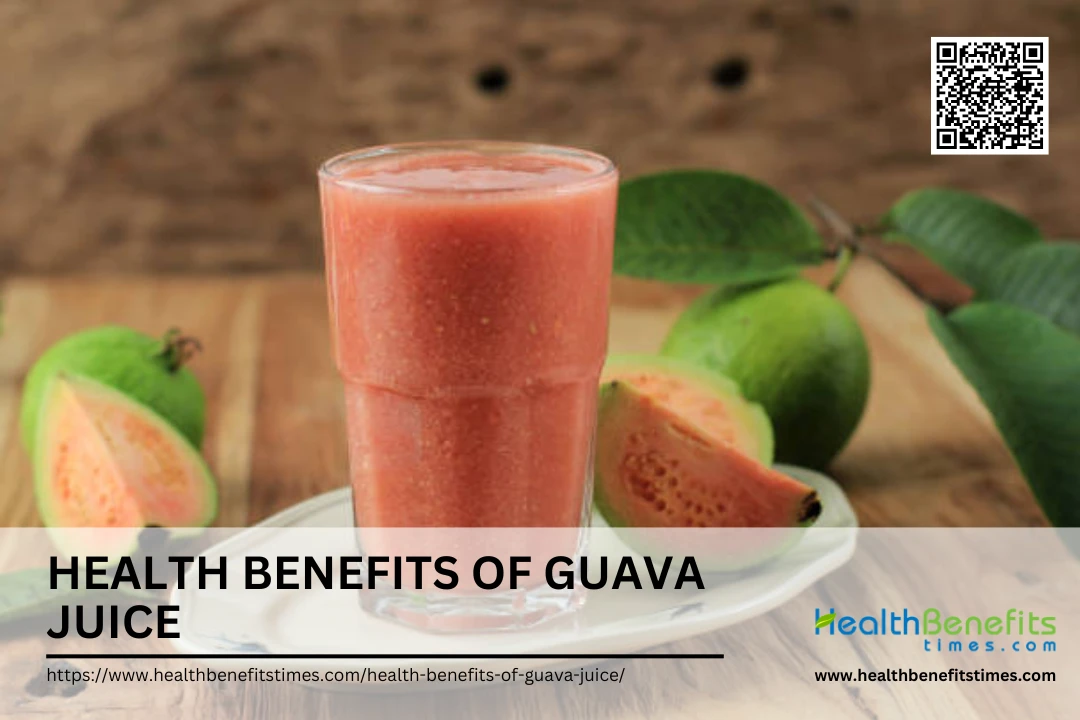
Emerging studies also suggest that guava juice could play a role in anemia prevention, especially in pregnant women, due to its rich nutrient profile. (5) The juice has demonstrated potential in inhibiting the growth of certain cancer cells and enhancing skin health. (6) Furthermore, advancements in guava juice processing, such as ultrasound techniques, have improved its phenolic and antioxidant content, making it even more beneficial. (7)
This versatile drink has also been explored for its potential in managing diabetes and supporting digestive health due to its high dietary fiber content. (8) With its numerous health benefits, guava juice continues to be a focus of scientific interest and a popular choice for health-conscious individuals. (9)
Health benefits of Guava Juice
Guava juice, packed with essential vitamins, antioxidants, and fiber, offers numerous health benefits. Its refreshing taste and natural nutrients make it a delicious choice for a healthier lifestyle.
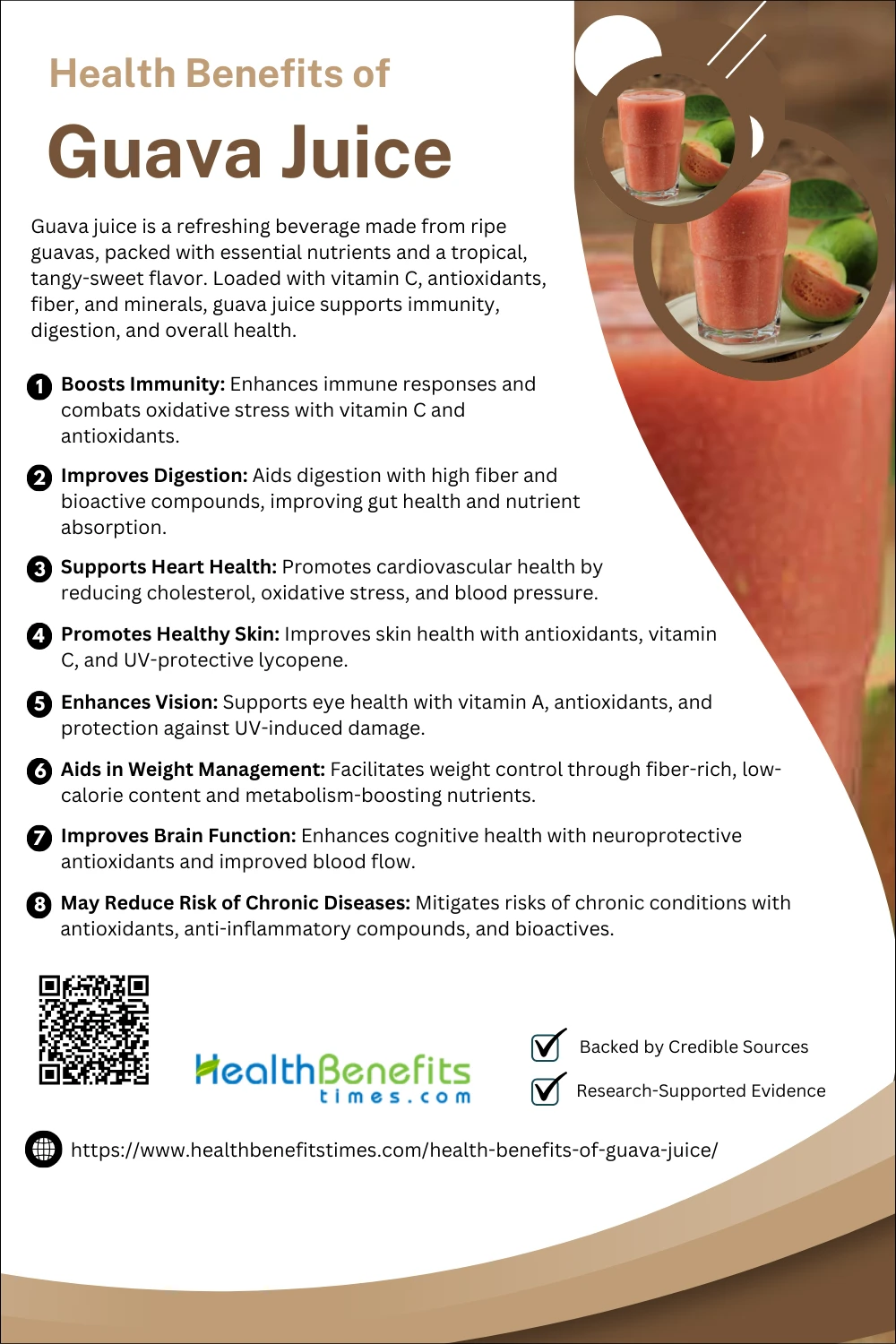
Guava juice, rich in antioxidants and vitamin C, significantly enhances immunity by supporting cell-mediated responses, as shown in a study on pregnant women. (10) Research also demonstrates its efficacy in wound healing through macrophage activation in mice Antoni et al., 2022. High phenolic content in fermented guava juice further boosts antioxidant capacity. (11) Guava juice also alleviates oxidative stress in strenuous conditions, showcasing its comprehensive health benefits. (12)
2. Improves Digestion
Guava juice has been shown to significantly aid digestion due to its high fiber content and bioactive compounds. Fermented guava juice enhances enzyme activity, such as α-amylase and α-glucosidase, essential for polysaccharide breakdown. (13) In vitro digestion studies reveal improved phenolic bioavailability. (14) Ultrasound-treated guava juice increases lycopene accessibility. (15) Furthermore, fiber-fortified guava juice promotes gut health and phenolic kinetics support antioxidant benefits during digestion. (16) (17)
3. Supports Heart Health
Guava juice is a heart-healthy beverage that supports cardiovascular health by reducing oxidative stress and lowering cholesterol levels. (18) Its rich antioxidant profile minimizes platelet aggregation, improving blood flow. (19) Lactic acid fermentation of guava juice further enhances its angiotensin-converting enzyme inhibitory properties, reducing blood pressure. (13) Guava juice also alleviates stress on the heart during exhaustive conditions. (12) Additionally, its bioactive compounds aid in preventing coronary diseases. (20)
4. Promotes Healthy Skin
Guava juice promotes healthy skin by delivering essential antioxidants and vitamin C, which enhance collagen production and combat aging. (21) Its high lycopene content provides UV protection, reducing damage from harmful rays. (22) Studies also link guava juice to improved skin immunity by promoting macrophage activity. (23) Furthermore, fermented guava juice enhances hydration and elasticity, reducing signs of skin aging. (3) Its antimicrobial properties help prevent skin disorders. (24)
5. Enhances Vision
Guava juice is a potent enhancer of vision health due to its high vitamin A and antioxidant content, essential for retinal function and preventing macular degeneration. (6) Its abundant vitamin C also combats oxidative stress in ocular tissues Arboleda, 2019. Lycopene in guava juice protects against UV-induced damage to the eyes. (25) Guava juice also strengthens vascular health, promoting efficient blood flow to the eyes. (3) Additionally, its bioactive compounds reduce inflammation, supporting overall ocular wellness. (20)
6. Aids in Weight Management
Guava juice aids in weight management by offering a low-calorie, nutrient-dense option rich in dietary fiber, which promotes satiety and reduces hunger. (26) It also enhances metabolism through bioactive compounds like vitamin C and pectin Yen & Lin, 1999. Guava juice supports digestion and improves stool consistency, aiding weight loss. (9) Furthermore, it maintains physicochemical properties critical for nutritional quality. (27) Its hydrating properties boost energy and metabolic efficiency. (28)
7. Improves Brain Function
Guava juice improves brain function by offering neuroprotective benefits through its rich antioxidants and GABA-enhancing properties. (29) It reduces oxidative stress and inflammation, critical for cognitive health. (30) Fermented guava juice enhances blood flow and cognitive function. (13) Additionally, guava’s vitamin A content supports neurotransmitter activity. (3) Its bioactive compounds also strengthen the blood-brain barrier, promoting neural resilience. (20)
8. May Reduce Risk of Chronic Diseases
Guava juice is effective in reducing the risk of chronic diseases due to its high antioxidant content, which combats oxidative stress and inflammation. (1) It supports cardiometabolic health and reduces risks associated with diabetes and heart disease. (31) Rich in quercetin, guava juice mitigates metabolic syndromes and chronic inflammation. (32) The juice’s ascorbic acid content enhances immunity and cellular repair. (10) Moreover, its bioactive compounds provide neuroprotective effects. (20)
Key nutrients of Guava Juice
Guava juice is a powerhouse of nutrients, including vitamin C, vitamin A, potassium, fiber, and antioxidants, making it a wholesome choice for boosting overall health.
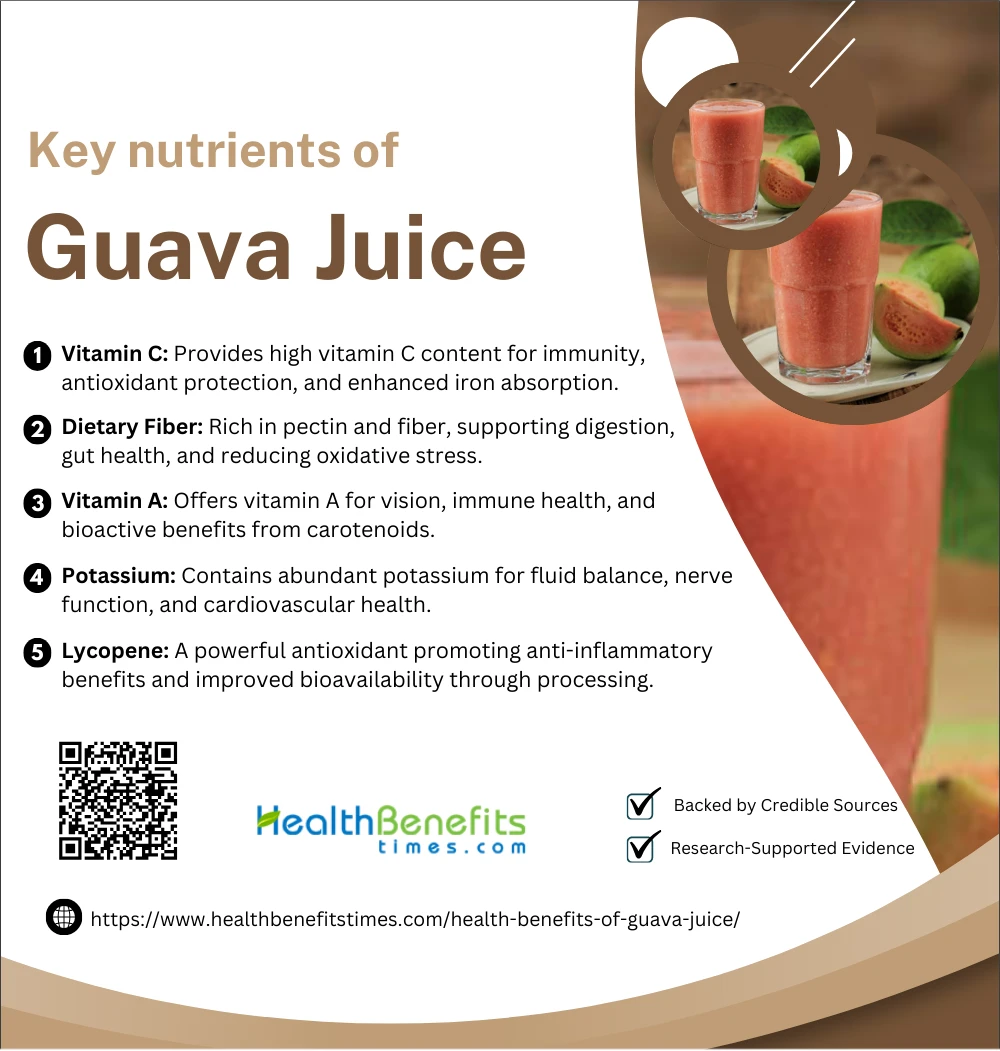
Guava juice is an excellent source of vitamin C, delivering up to 200 mg per serving, which supports immunity and antioxidant protection. (28) Its vitamin C stability depends on storage conditions and packaging. (33) Crystal guava juice, in particular, retains significant vitamin C content. (34) Additionally, vitamin C in guava juice enhances iron absorption and reduces oxidative stress. (35) Its bioactive properties contribute to overall health. (36)
2. Dietary Fiber
Guava juice is a natural source of dietary fiber, offering pectin and other components that promote digestive health. (17) Its antioxidant dietary fiber content supports gut health and reduces oxidative stress. (37) Fortification with probiotics enhances its fiber benefits. (2) Processing techniques preserve fiber-rich compounds in guava juice. (38) Additionally, enzymatic treatments improve fiber bioavailability. ({% %})
3. Vitamin A
Guava juice contains Vitamin A, vital for vision and immune health. The carotenoid-rich composition of guava enhances its nutritional value. (39) Guava pulp used in juice production retains significant Vitamin A. (40) Processing techniques influence Vitamin A stability 1. ({% %}) Fortification further boosts its health benefits. (2) Additionally, guava’s bioactive compounds complement Vitamin A’s effects. (41)
4. Potassium
Guava juice is a rich source of potassium, a mineral crucial for maintaining fluid balance, nerve function, and muscle health. Studies indicate that guava juice has higher potassium levels than many other fruits, making it particularly beneficial for cardiovascular health. (3) Research also highlights its role in reducing blood pressure due to its high potassium and low sodium content. (6) Additionally, guava’s potassium concentration significantly contributes to electrolyte balance and hydration. (42) Moreover, unsweetened guava juice has been shown to retain its potassium during storage. (41)
5. Lycopene
Guava juice is a potent source of lycopene, a powerful antioxidant known for its anti-inflammatory properties. Ultrasound processing of guava juice has been shown to enhance lycopene bioavailability. (43) Pink guava beverages fortified with lycopene exhibit superior nutritional quality. (44) Probiotic fermentation further boosts lycopene bioaccessibility and antioxidant capacity in guava pulp. (45) Red guava has particularly high lycopene content, ideal for carotenoid-rich functional foods. (46) Processing and storage conditions influence lycopene retention, underscoring the importance of optimized techniques. (47)
How to Incorporate Guava Juice into Your Diet
Incorporating guava juice into your diet is simple and delicious. Enjoy it as a refreshing drink, smoothie base, or ingredient in vibrant, healthy recipes.
Start your morning with a refreshing glass of guava juice alongside your breakfast. Packed with vitamin C, antioxidants, and dietary fiber, guava juice can energize you for the day. Pair it with eggs, toast, or oatmeal for a balanced meal.
2. Smoothie Ingredient
Blend guava juice into smoothies for a vibrant, tropical twist. Combine it with fruits like mango, banana, or pineapple, and a handful of spinach for a nutrient-packed drink. Add a dollop of yogurt or almond milk for creaminess and additional protein.
3. Salad Enhancer
Make your salads stand out with a guava juice dressing. Mix it with olive oil, apple cider vinegar, a touch of honey, and a pinch of salt. Drizzle this sweet-tangy dressing over a salad of mixed greens, avocado, and nuts for a delightful tropical flavor.
4. Cooking Companion
Use guava juice as a marinade for meats, seafood, or tofu. Its natural sweetness tenderizes proteins and adds depth to dishes. For example, marinate chicken with guava juice, garlic, soy sauce, and chili flakes before grilling for a unique, sweet-savory flavor.
5. Hydration Booster
Combine guava juice with coconut water to create a hydrating drink, especially after a workout. This blend replenishes electrolytes and provides essential nutrients like potassium, making it a healthier alternative to commercial sports drinks.
6. Mocktail Magic
Impress your guests with guava juice-based mocktails. Mix guava juice with sparkling water, a splash of lime juice, and garnish with mint leaves. You can also add crushed ice and a slice of fresh guava for an aesthetically pleasing and refreshing drink.
7. Dessert Base
Create sweet treats like guava sorbets or popsicles. Simply freeze guava juice in molds or churn it with sugar and a squeeze of lemon for a delightful sorbet. It’s a great way to enjoy guava’s natural flavor as a healthy dessert.
8. Soup and Sauce Flavoring
Add guava juice to soups or sauces for a subtle sweetness and a unique depth of flavor. For instance, use it in barbecue sauce or as a base in fruit-based curries to enhance the overall taste and aroma.
9. Snack Pairing
Guava juice pairs excellently with nuts, crackers, or light snacks. Enjoy it as a midday pick-me-up or pair it with granola bars for a balanced snack that keeps you full and satisfied.
10. Ice Cubes
Pour guava juice into ice cube trays and freeze them. Use these cubes in plain water, iced tea, or cocktails for a burst of guava flavor without diluting your drink. It’s a creative way to keep your beverages cool and flavorful.
Homemade vs. Store-Bought Guava Juice
| Aspect | Homemade Guava Juice | Store-Bought Guava Juice |
| Ingredients | Made from fresh guava and natural ingredients, with no additives or preservatives. | Often contains preservatives, added sugars, artificial flavors, and colors. |
| Nutritional Value | Retains more nutrients like vitamin C, fiber, and antioxidants due to minimal processing. | Nutritional content may be reduced due to pasteurization and added sweeteners. |
| Taste and Freshness | Fresh, natural taste of guava with no artificial aftertaste. | Flavor varies depending on brand; may taste artificial or overly sweet. |
| Control | Total control over ingredients, sugar levels, and thickness. | Limited control; pre-made formulations often include unwanted additives. |
| Convenience | Requires effort to peel, blend, strain, and prepare. | Ready-to-drink and widely available in stores. |
| Shelf Life | Shorter shelf life (1–3 days in the fridge) due to lack of preservatives. | Longer shelf life (weeks to months) due to pasteurization and preservatives. |
| Cost | More economical if guavas are in season. | Typically more expensive per serving, especially for premium brands. |
| Customization | Easily tailored to personal preferences (e.g., sugar-free, mixed with other fruits). | Limited customization options. |
Potential Side Effects and Considerations
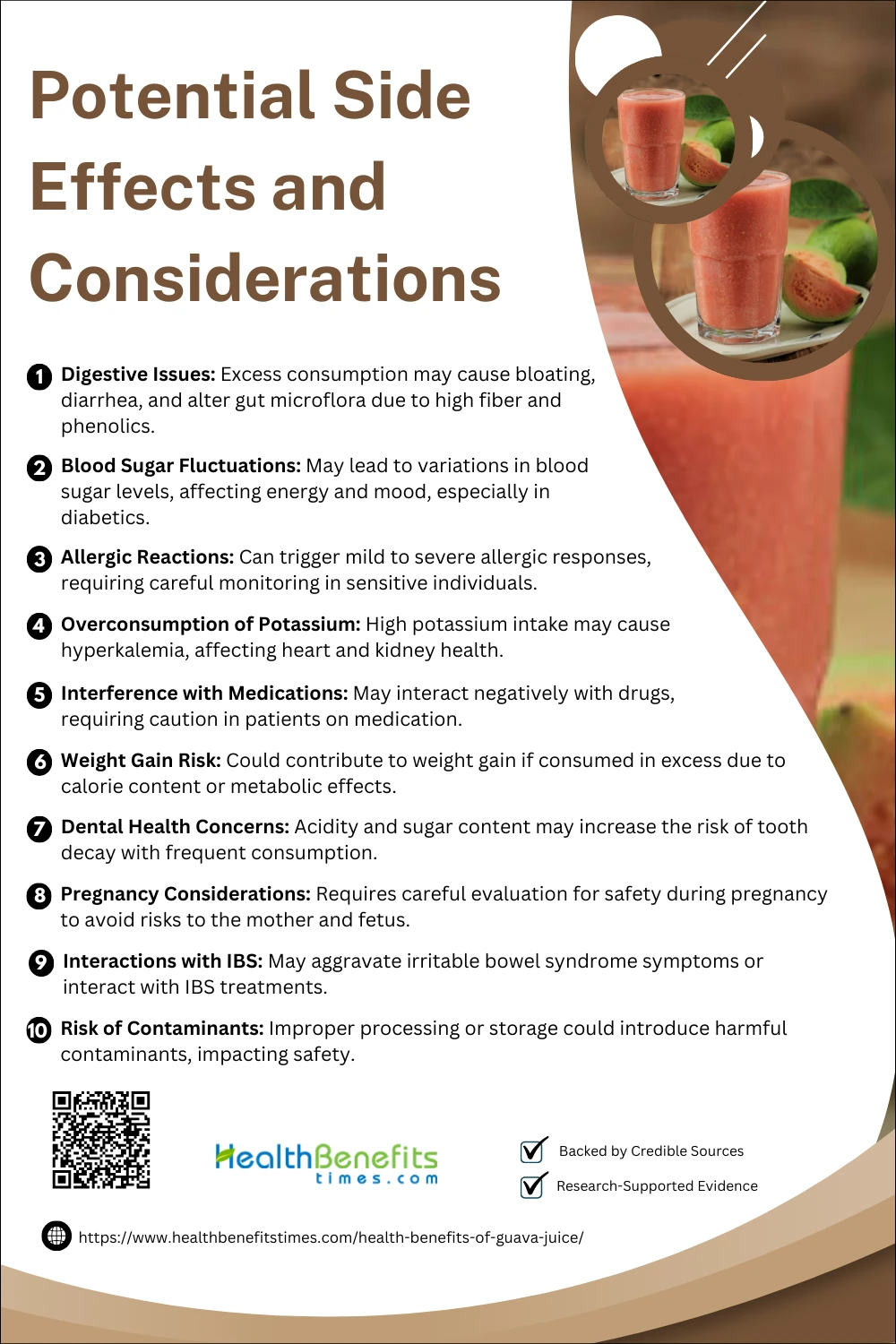
While guava juice is nutritious, overconsumption may lead to excess sugar intake or digestive issues. Moderation and awareness of individual allergies ensure safe enjoyment.
1. Digestive Issues
Excessive guava juice consumption can cause digestive issues, including bloating and diarrhea, due to its high dietary fiber content. Studies indicate that digestive discomfort is amplified during gastric digestion, especially in individuals with sensitive stomachs. (14) Research also highlights potential gastrointestinal interactions of guava’s polyphenols and flavonoids. (48) Guava juice’s phenolic content may further affect gut microflora, impacting digestion. (49) Additionally, improper storage or fermentation of guava juice can alter its gastrointestinal bioaccessibility. (50) Preclinical findings also suggest a significant role of dietary fiber in guava juice on digestion efficiency. (51)
2. Blood Sugar Fluctuations
Blood sugar fluctuations can have significant effects, including fatigue, mood changes, and cognitive impairments, especially in diabetic patients. Frequent hypoglycemia increases risk of cardiovascular events and reduced quality of life. (52) Hyperglycemia contributes to diabetic complications, including neuropathy. (53) Proper self-management can mitigate these risks. (54) Fluctuations may also trigger headaches and hinder neuronal energy metabolism. (55) Continuous monitoring and nutritional strategies are crucial for effective management. (56)
3. Allergic Reactions
Allergic reactions, ranging from mild rashes to life-threatening anaphylaxis, require timely identification and management. Drug hypersensitivity often manifests through immune responses, and certain antihistamines may impair cognitive function. (57) (58) Preventive measures are crucial for individuals at high risk. (59) Furthermore, biological agents can trigger adverse effects through non-immune mechanisms. (60) Herbal medicines may also pose challenges due to inconsistent safety monitoring. (61)
4. Overconsumption of Potassium
Overconsumption of potassium can lead to hyperkalemia, causing cardiac arrhythmias and muscle weakness. (62) High potassium levels may exacerbate hypertension and kidney dysfunction. (63) Acute symptoms include gastrointestinal discomfort. (64) Dietary guidelines emphasize controlled intake for individuals with renal impairment. (65) Monitoring intake is critical, particularly with potassium-rich supplements. (61)
5. Interference with Medications
Medication interference can cause severe side effects, particularly in vulnerable populations. Interactions between antidepressants and other drugs can lead to hazardous effects. (66) Herbal supplements, often perceived as harmless, also pose risks of adverse drug interactions. (67) Vitamins may act as pharmacological agents and interact negatively with medications. (68) Anticonvulsant medications often exhibit drug-specific side effects, while antihypertensives can result in therapeutic antagonism. (69) (70) Close monitoring and professional consultation are crucial to avoid complications.
6. Weight Gain Risk
Weight gain is a frequent side effect of psychotropic drugs, complicating patient management. (71) Antipsychotics, especially atypical neuroleptics, are often implicated. (72) Weight gain can lead to discontinuation of therapy. (73) Obesity treatments carry their own risks. (74) Addressing these concerns requires monitoring and tailored interventions. (75)
7. Dental Health Concerns
Dental treatments often come with side effects that affect oral health, such as medication-induced dry mouth, which fosters tooth decay. (76) Chemotherapy worsens periodontal issues. (77) Cannabinoids, despite potential medicinal benefits, can disrupt oral health. (78) Elderly oral health challenges include medication-induced oral microbial changes. (79) Poorly monitored dental materials may cause unforeseen risks. (80)
8. Pregnancy Considerations
Medications during pregnancy require careful evaluation to avoid fetal risks, such as embryotoxicity associated with immunosuppressive drugs. (81) Psychotropic drugs present concerns for untreated maternal mood disorders versus fetal exposure. (82) Anticoagulants used in pregnancy pose bleeding risks. (83) MRI safety is critical during gestation. (84) Multidisciplinary management ensures maternal and fetal safety. (85)
9. Interactions with IBS
Managing irritable bowel syndrome (IBS) involves addressing potential interactions, including the role of gut-brain dynamics and neuromodulators. (86) NSAIDs can worsen IBS symptoms and intestinal permeability. (87) Low-dose antidepressants may alleviate pain but cause side effects. (88) Probiotic-based microbiota modulation remains controversial. (89) Individualized treatments improve outcomes. (90)
10. Risk of Contaminants
Contaminants pose significant risks to health, especially through food and environmental exposure. Emerging pollutants challenge treatment methods. (91) PBDEs in supplements may disrupt human health. (92) Arctic contaminants impact sensitive populations. (93) Infant health is particularly vulnerable to chemical exposures. (94) Balancing benefits and risks is critical in contaminant management. (95)
Conclusion
Guava juice is a delicious and nutrient-packed beverage that offers a wide range of health benefits, from boosting immunity and improving digestion to supporting heart health and enhancing skin vitality. Its rich content of vitamins, antioxidants, and fiber makes it a wholesome addition to a balanced diet. While moderation is key to avoiding potential side effects, incorporating guava juice into your routine can be a refreshing way to enhance your overall well-being. Embrace the natural goodness of guava juice and enjoy its positive impact on your health and lifestyle.
Comments
comments