


Why Adjustability Matters
Many hospital beds are adjustable, allowing the person using the bed to raise or lower different sections of the bed. This can be helpful for people who are having trouble breathing, making it easier for them to prop themselves up. It can also be helpful for people who are experiencing swelling or circulation problems as they can raise the section of the bed their legs are on, helping them feel more comfortable.
Being able to raise the bed into a more sitting up position can make it easier for people who don’t have a lot of strength to get up out of the bed. It can also make it easier for caretakers to help the person get in and out of the bed and repositioned throughout the night.
Who May Benefit Day to Day
Hospital beds can be helpful for people who:
- Have a hard time getting in and out of a traditional bed
- Have a hard time repositioning themselves while they’re sleeping
- Are recovering from an injury or surgery
- Don’t have a lot of strength or get tired easily
- Are getting caretaking services at home
Using a hospital bed can make getting in and out of bed, as well as repositioning during the night, easier on the person using the bed as well as anyone helping them. This can help avoid unnecessary strains and injuries.
What to Look for in a Hospital Bed
When shopping for a hospital bed, keep in mind how it will be used and make sure you find one that will work well for that person’s needs. Consider if it will need to be lowered for the person to be able to get out of bed safely with their feet on the floor. Consider if it will need to be raised so the caretaker can help them change, provide other personal care services, or change the sheets without having to bend over.
Also think about what type of mattress will work best for the person using the bed. Some people do well using a mattress that helps prevent bed sores. Make sure whatever mattress you choose will lay flat on the bed without sagging into any of the crevices or bunching up when the bed is adjusted.
Getting the Room Ready
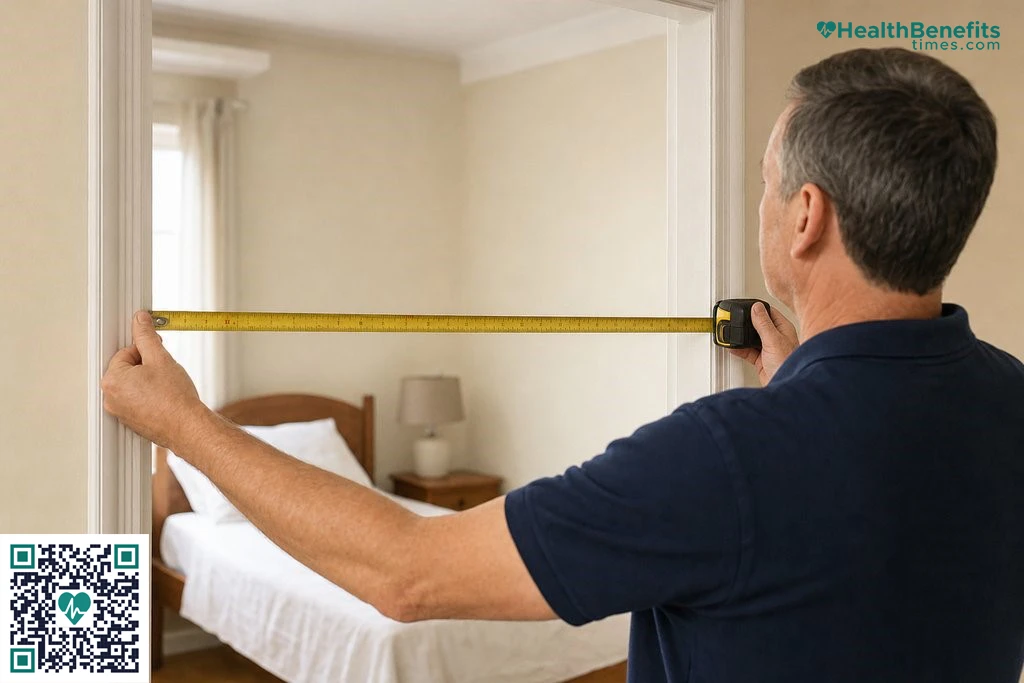
Some beds can come with rails or other accessories to help prevent falls and make it easier for the person to move around. These aren’t necessarily good for everyone, however. Depending on the person’s level of confusion and restlessness, a bed rail of the type described at en.wikipedia.org/wiki/Bed_rail could end up trapping them in the bed or encouraging them to try and climb over it.
Keeping the Setup Safe and Personal
Once the bed is set up, make sure caretakers know how to properly use the bed and any accessories that came with it. This includes making sure they know how to adjust the height of the bed, how to lock the wheels (if applicable), what to do in case of a power outage, etc. Periodically check the bed to make sure everything is in working order, including the controls, cords, mattress, etc.
Hospital beds can drastically change the look and feel of a person’s room, especially if they’re used to getting up and going about their day on their own. Try to decorate around the bed in a way that will make the room feel as normal as possible for the person using it. Use their favorite sheets and blankets, add some soft lighting, move in a comfortable chair, etc.
Talk to the person using the bed as much as possible about where they’d like the bed to go and anything they’d like added to make the bed more comfortable for them. This can go a long way in helping them retain some dignity during a time when a lot of decisions are being made for them.
Comments
comments