

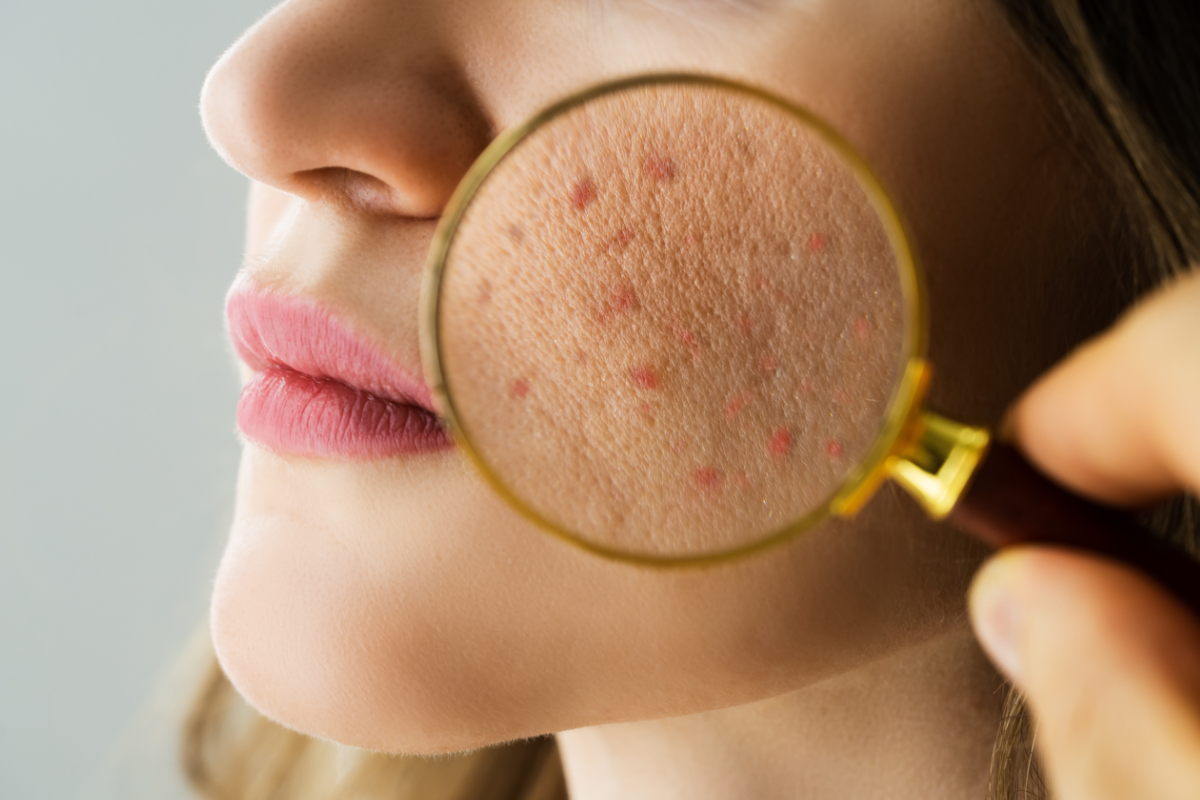
As people age, melasma often becomes more persistent. Cumulative ultraviolet exposure, hormonal fluctuations, slower epidermal turnover, and changes in dermal structure all influence how pigment behaves over time. These factors explain why melasma that once responded to basic skincare may later require more structured medical management. For individuals exploring melasma removal treatment Singapore, understanding how controlled, clinically guided treatments stabilize pigment-prone skin is essential for setting realistic expectations and planning long-term care.
Why Melasma Requires Ongoing Medical Attention With Age
Melanin production is a protective response designed to shield skin cells from ultraviolet-induced DNA damage. In melasma, this response becomes exaggerated and poorly regulated. Melanocytes produce excess melanin, which is then unevenly distributed into surrounding keratinocytes. In many cases, pigment is present not only in the epidermis but also within the dermis, where it is slower to clear.
With aging, epidermal turnover slows by approximately 20–30% compared with early adulthood. Pigment-laden cells remain in the skin longer, prolonging visible discoloration. Dermal thinning and changes in vascular signaling may further amplify pigment visibility. These biological shifts mean that melasma often becomes less responsive to superficial or intermittent treatments over time, making controlled, sustained intervention more relevant.
Screening and Early Identification of Melasma Patterns
Accurate diagnosis is a critical first step in stabilizing melasma-prone skin. Dermatologists typically evaluate lesion distribution, symmetry, color, and triggering history to distinguish melasma from other pigmentary conditions such as post-inflammatory hyperpigmentation or solar lentigines.
Clinical tools may include dermoscopy, which reveals pigment networks and vascular patterns, and Wood’s lamp examination, which can help estimate whether pigment is predominantly epidermal or dermal. Epidermal melasma often responds more readily to topical therapy, while dermal or mixed melasma tends to be more resistant and slower to improve.
Early assessment is also important to exclude other causes of facial pigmentation and to identify contributing factors such as hormonal therapy or photosensitizing medications. A dermatologist in Singapore may incorporate these findings into a long-term management plan rather than focusing solely on short-term pigment clearance.
Daily Care and Lifestyle Factors That Influence Stability
Daily habits play a central role in whether melasma remains controlled or recurs. Ultraviolet radiation is the most significant external trigger for melanocyte activation. Even brief or indirect sun exposure can reactivate pigment production in melasma-prone skin.
Broad-spectrum sunscreen with an SPF of at least 30 reduces UVA and UVB exposure, limiting melanocyte stimulation. Physical sunscreens containing zinc oxide or titanium dioxide may also block visible light, which has been shown to worsen melasma in some individuals. Consistent, daily application is more important than occasional high-SPF use.
Skin barrier integrity is another key factor. Overuse of exfoliants, harsh cleansers, or aggressive treatment combinations can induce subclinical inflammation. Inflammatory mediators released during irritation stimulate melanocytes, undermining pigment control. Gentle cleansing, appropriate moisturization, and avoidance of unnecessary irritation help maintain a stable environment that supports long-term improvement.
Age-Related and Chronic Conditions Linked to Melasma
Melasma is strongly associated with hormonal influences. Pregnancy, oral contraceptives, and hormone replacement therapy can all increase melanocyte sensitivity. As hormonal patterns shift with age, particularly during perimenopause, melasma behavior may change in distribution or intensity.
Chronic sun damage also contributes to melasma persistence. Repeated ultraviolet exposure alters dermal signaling pathways, including those involving vascular endothelial growth factor, which may enhance melanocyte activity. In addition, chronic inflammatory skin conditions such as acne or rosacea can exacerbate pigmentary instability through repeated barrier disruption and inflammation.
These overlapping mechanisms explain why melasma is often described as a chronic condition requiring maintenance rather than a one-time treatment.
Prescription Treatments Versus Over-the-Counter Options
Topical therapy remains a foundation of melasma management, but the strength and specificity of treatment matter. Over-the-counter brightening products typically contain vitamin C derivatives, niacinamide, or retinol at concentrations below 1%. These agents may reduce oxidative stress, inhibit melanin transfer, or modestly increase epidermal turnover. While useful for maintenance, their effects are often limited in established melasma.
Prescription treatments act more directly on melanocyte activity. Hydroquinone at 4% inhibits tyrosinase, the enzyme required for melanin synthesis, more effectively than the 2% formulations available without prescription. Azelaic acid at 15–20% reduces melanocyte activity and has anti-inflammatory properties, making it suitable for long-term use in some patients. Topical retinoids such as tretinoin (0.025–0.1%) accelerate epidermal turnover and enhance penetration of other agents.
Clinical improvement with prescription therapy typically becomes noticeable after 6–12 weeks of consistent use. However, discontinuation without a maintenance plan may allow pigment to recur, highlighting the importance of controlled treatment schedules.
In-Clinic Procedures for Melasma Stabilization
Procedural treatments may be used to reduce existing pigment and support topical therapy, particularly in resistant cases. Chemical peels using glycolic, lactic, or salicylic acid exfoliate pigment-laden keratinocytes and stimulate regeneration. Superficial peels are often preferred in melasma, as deeper peels carry a higher risk of post-inflammatory hyperpigmentation.
Laser and light-based treatments must be selected cautiously. Low-fluence Q-switched or picosecond lasers may fragment pigment particles while minimizing thermal injury. Intense pulsed light can address vascular and pigment components simultaneously but may not be suitable for all skin types. Multiple sessions are usually required, and parameters are adjusted conservatively to reduce rebound pigmentation.
These procedures do not eliminate melanocytes. Instead, they reduce existing pigment and help reset abnormal signaling, which is why they are most effective when combined with ongoing topical and photoprotective measures.
What Our Dermatologist Says
In my clinical practice, I often explain that melasma is not a condition we “cure” in the traditional sense. Melanocytes are meant to respond to environmental cues, and in melasma-prone skin, that response is simply exaggerated.
The goal of treatment is stability. Controlled use of topical agents, careful selection of procedures, and strict sun protection help keep melanocyte activity within a more predictable range. Patients who understand this long-term approach tend to experience fewer relapses and more consistent improvement.
Putting This Into Practice
- Have pigmentation assessed to confirm melasma type and depth
- Apply broad-spectrum sunscreen daily, regardless of weather
- Use prescribed topical treatments consistently and as directed
- Avoid unnecessary irritation from aggressive skincare routines
- Attend follow-up visits to adjust treatment and maintenance plans
When to Seek Professional Help
- Facial pigmentation that persists or worsens over time
- Dark patches that recur after stopping treatment
- Pigmentation associated with hormonal changes
- Worsening discoloration despite diligent sun protection
- Interest in procedural options requiring medical supervision
Commonly Asked Questions
Why does melasma come back so easily?
Underlying triggers such as ultraviolet exposure and hormonal influences may continue to stimulate melanocytes even after pigment clears.
Is melasma removal permanent?
Melasma often requires ongoing management rather than permanent removal, as the tendency for pigment overproduction may persist.
Are lasers safe for melasma?
Some low-energy laser approaches may help, but inappropriate settings can worsen pigmentation, making careful selection essential.
Does age make melasma harder to treat?
Yes. Slower skin turnover and cumulative sun damage can reduce responsiveness to treatment over time.
How long before improvement is visible?
Topical treatments often show changes in 6–12 weeks, while procedural treatments may require several months for gradual improvement.
Next Steps
Melasma reflects a complex interaction between skin biology, aging, and environmental exposure. Stabilizing pigment-prone skin requires controlled, evidence-based treatment and consistent daily care. If facial pigmentation remains persistent or recurrent, a consultation with a dermatologist can help determine an appropriate long-term strategy tailored to your skin’s behavior and risk factors.
Comments
comments