

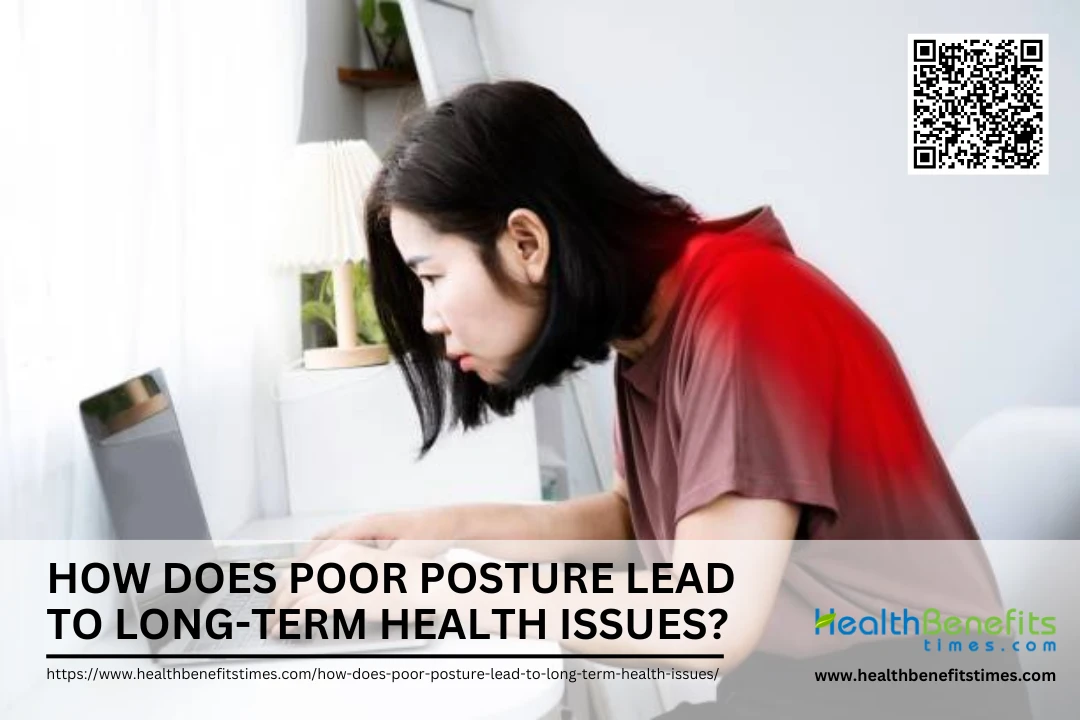
Furthermore, excessive forward head posture—commonly seen in individuals using digital devices—can result in severe strain on the cervical spine, leading to conditions such as “tech neck”. (5) Poor sitting habits have also been implicated in workplace inefficiencies and decreased productivity due to increased fatigue and discomfort. (6) Moreover, poor posture in occupational settings, such as forced positions in manual labor or prolonged sitting in office jobs, has been associated with long-term musculoskeletal disorders. (7) Besides physical health concerns, psychological distress can also be influenced by posture. Studies suggest that slouched sitting postures can contribute to depressive symptoms and increased stress levels. (8) Additionally, biomechanical research on adolescents has found that poor sitting posture during growth periods can result in long-term spinal deformities and chronic pain in adulthood. (9) Addressing these postural issues through ergonomic improvements and posture awareness training may significantly mitigate the risks of long-term health complications.
Understanding Poor Posture
Poor posture refers to incorrect body alignment that places excessive stress on muscles and joints, leading to discomfort and long-term health issues. (10) It can be classified into several types, including forward head posture, kyphosis (hunchback), lordosis (excessive inward spinal curve), and scoliosis. (11) Common causes of poor posture include prolonged sitting, improper ergonomics, weak core muscles, and habitual misalignment. (12) Psychological factors, such as stress and lack of self-awareness, also contribute to postural issues. (13) Addressing these factors through posture correction techniques and ergonomic improvements can help reduce its negative impact. (10)
Health Issues Caused by Poor Posture
Poor posture can lead to long-term health issues, including chronic pain, joint problems, poor circulation, and even mental stress. Over time, these effects can impact mobility, digestion, breathing, and overall well-being.

1. Chronic Back and Neck Pain
Prolonged poor posture contributes to chronic back and neck pain by placing excessive strain on the spine and surrounding muscles. Forward head posture and slouching cause muscle fatigue and misalignment, leading to persistent discomfort. (14) Incorrect sitting posture, particularly during prolonged screen use, intensifies musculoskeletal strain. (15) Spinal imbalance caused by poor posture is linked to lower back pain and stiffness. (16) Adolescents with improper sitting habits exhibit a higher incidence of cervical spine misalignment. (9) Studies also show that poor posture contributes to increased pressure on spinal discs, exacerbating chronic pain conditions. (17)
2. Spinal Disorders
Improper posture over time leads to spinal disorders, such as kyphosis, lordosis, and scoliosis. Poor sitting habits contribute to spinal misalignment, affecting posture stability and flexibility. (18) Research highlights the role of poor spinal alignment in degenerative disc diseases and vertebral stress fractures. (14) Studies show that spinal curvature disorders can originate from prolonged bad posture habits in childhood. (19) Occupational postural stress contributes to disc herniation and chronic vertebral issues. (20) Excessive forward head posture increases spinal load, leading to long-term skeletal deformities. (21)
3. Reduced Lung Capacity
Poor posture, particularly slouching and forward head positioning, restricts diaphragm movement, leading to reduced lung expansion and oxygen intake. Studies have shown that thoracic kyphosis can decrease forced vital capacity (FVC) and forced expiratory volume. Incorrect sitting posture compresses the rib cage, further limiting lung function. (22) Slouched posture reduces pulmonary efficiency, increasing the risk of respiratory distress. (23) Poor alignment affects intercostal muscle engagement, impairing airflow. (24) Respiratory therapy suggests that posture correction significantly enhances lung function. (25)
4. Digestive Issues
Poor posture can compress the abdomen, leading to digestive problems such as acid reflux and constipation. Slouched sitting positions exert pressure on the intestines, slowing down digestion and increasing bloating. (26) Research indicates that poor spinal alignment may disrupt gastrointestinal motility. (27) Incorrect posture can also worsen symptoms of irritable bowel syndrome (IBS) and acid reflux. (28) Prolonged bad posture weakens the abdominal muscles, reducing their ability to aid digestion. (29) Studies highlight that slouching after meals increases intra-abdominal pressure, leading to digestive discomfort. (30)
5. Headaches and Migraines
Poor posture, especially forward head positioning, increases tension in the neck and upper back muscles, leading to headaches and migraines. Misalignment of the cervical spine contributes to nerve compression and vascular constriction, exacerbating headache symptoms. (31) Studies link prolonged poor sitting posture with musculoskeletal strain, a key factor in migraine development (34). ({% %}) Incorrect posture can also trigger eye strain, contributing to tension headaches. (32) Postural correction therapies have been found effective in reducing headache frequency. (33) Chiropractic studies suggest that improving spinal alignment helps alleviate chronic migraines. (34)
6. Cardiovascular Problems
Poor posture can negatively affect cardiovascular health by restricting blood flow and increasing pressure on blood vessels. Prolonged slouching has been linked to reduced circulation and an elevated risk of heart disease. (35) A sedentary lifestyle combined with poor posture contributes to metabolic syndrome and cardiovascular strain. (36) Research suggests that improper sitting posture can disrupt heart rate variability and increase blood pressure. (37) Additionally, poor posture has been associated with autonomic nervous system dysfunction, impacting cardiovascular regulation. Wearable technology has been used to monitor posture-related cardiovascular risks, emphasizing the importance of maintaining proper alignment. (38)
7. Muscle stiffness
Poor posture is a significant contributor to muscle stiffness and chronic pain conditions, particularly in the back and neck regions. Studies show that incorrect posture can lead to myofascial pain syndrome, causing persistent discomfort and reduced mobility. (39) Improper alignment places excessive strain on muscles, resulting in increased stiffness and pain over time. (14) Moreover, poor posture can exacerbate inflammation in the musculoskeletal system, worsening the cycle of pain and stiffness. (40) Recent research suggests that conditions like piriformis syndrome and other muscular disorders are closely linked to postural imbalances. (41) Addressing postural problems through targeted corrective exercises has shown promising results in alleviating discomfort and enhancing muscular function. (42)
8. Mental Health Issues
Postural misalignment is not just a physical concern but also deeply linked to mental health issues, including anxiety and depression. Ergonomic studies highlight that poor posture impairs cognitive function, increasing fatigue and stress levels. (43) Additionally, musculoskeletal strain due to improper ergonomics is associated with increased psychological distress. (32) Furthermore, prolonged slouching has been linked to lower self-esteem and emotional well-being due to its impact on hormonal regulation and breathing patterns. (44) Poor spinal alignment can also exacerbate mental exhaustion and contribute to cognitive overload, impairing focus and productivity. (45) Addressing postural imbalances through targeted ergonomic interventions and posture-corrective therapies is crucial for mitigating these mental health effects. (46)
9. Joint Degeneration
Prolonged poor posture can contribute to joint degeneration by causing abnormal stress on joints and misalignment of the musculoskeletal system. Research suggests that postural imbalances may accelerate the wear and tear on joints, leading to conditions such as osteoarthritis. (47) Additionally, excessive static loading and improper weight distribution may weaken joint structures, exacerbating degeneration. (48) Studies highlight that sitting for long periods without proper posture increases spinal disc compression, accelerating cartilage deterioration. (49) Poor posture also influences hip and knee degeneration, as it creates asymmetric joint stress. (50) Workplace ergonomics and postural education can mitigate these effects by preventing early onset joint damage. (51)
10. Increased Fatigue
Maintaining poor posture while sitting or standing for long durations can lead to muscle fatigue, reducing energy efficiency and causing chronic exhaustion. Studies indicate that visual fatigue, eye strain, and postural stress contribute to overall physical exhaustion. (32) Ergonomic assessments suggest that prolonged slouched sitting increases postural strain, leading to higher fatigue levels. (52) Research in occupational settings found that poor posture disrupts neuromuscular balance, further aggravating fatigue. (44) A biomechanical study highlights that static posture restricts movement, leading to higher metabolic costs and reducing muscular endurance. (53) Moreover, postural misalignment contributes to poor circulation and oxygen intake, worsening fatigue symptoms. (29)
11. Reduced flexibility
Poor posture leads to muscle stiffness and decreased flexibility, as it causes chronic muscular tightness and reduces the body’s range of motion. Research indicates that hamstring tightness is strongly associated with poor posture and low back pain, leading to restricted movement. (54) Studies show that poor sitting posture and a sedentary lifestyle decrease spinal mobility, further reducing flexibility. (55) In office workers, piriformis tightness caused by extended sitting leads to limited hip movement and muscular imbalances. (56) Research also highlights that lumbar instability due to poor posture restricts movement, increasing the risk of chronic discomfort. (57) Proper ergonomic intervention and stretching exercises can counteract these effects, restoring flexibility. (58)
How to Correct and Prevent Poor Posture
Maintaining good posture is essential for overall health, preventing musculoskeletal issues, and reducing chronic pain. Here are science-backed strategies to correct and prevent poor posture:
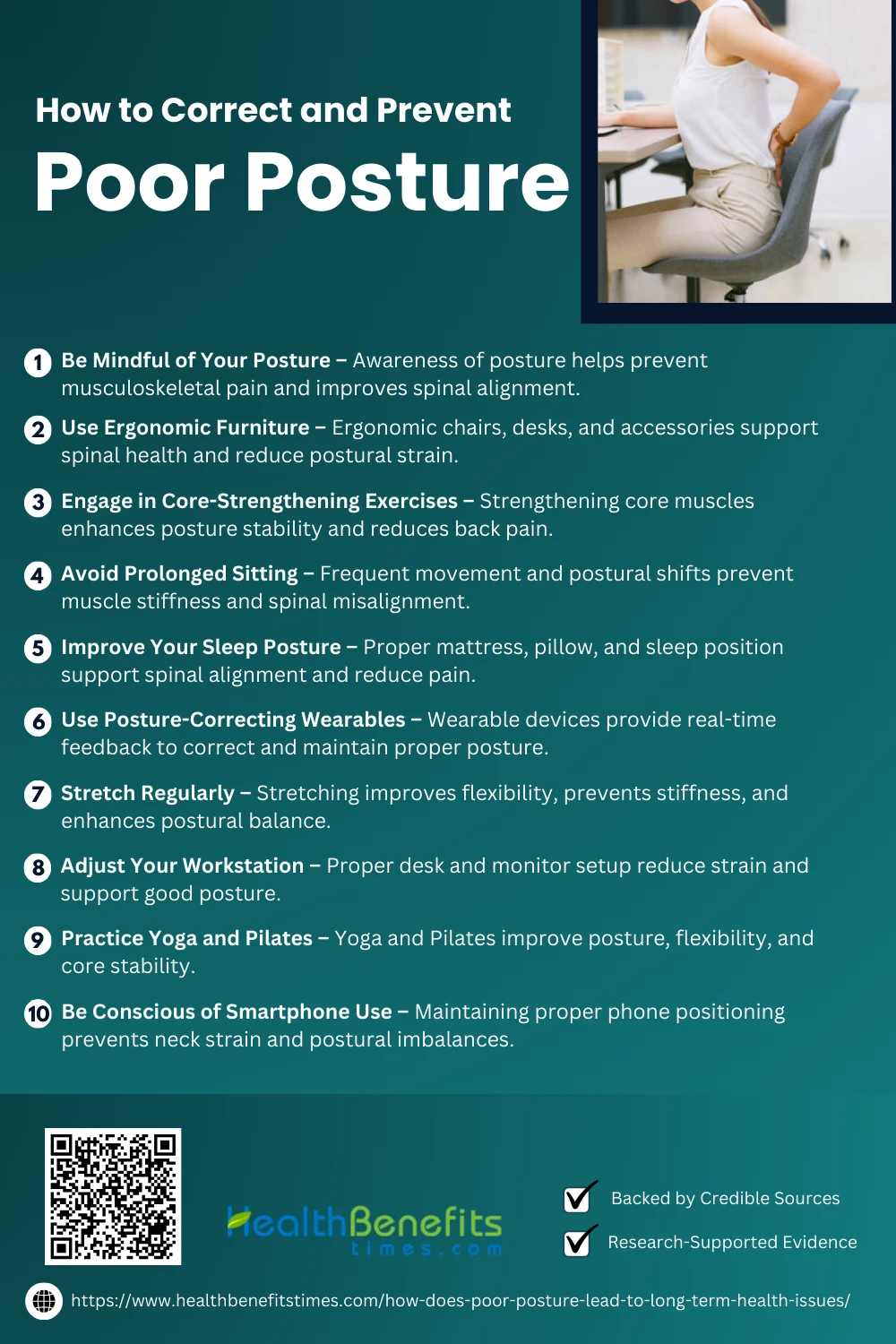
1. Be Mindful of Your Posture
Being mindful of posture is crucial for spinal health, preventing chronic musculoskeletal pain and postural imbalances. Research shows that poor posture increases the risk of chronic back pain and myofascial pain syndrome, leading to long-term discomfort. (39) Studies on customized postural correction devices indicate that conscious posture monitoring can prevent musculoskeletal problems. (59) Additionally, awareness of sitting habits has been linked to better spinal alignment and long-term postural health. (60) Mindfulness techniques, including periodic posture checks, can significantly improve postural habits and alleviate tension. (61)
2. Use Ergonomic Furniture
Using ergonomic furniture is essential for maintaining proper posture, preventing back pain, and enhancing spinal alignment. Studies highlight that adjustable chairs and desks improve posture and reduce strain on the lumbar spine. (62) Using anti-fatigue mats and ergonomic chairs has been shown to significantly decrease the risk of workplace musculoskeletal disorders. Research on standing desks and kneeling chairs indicates they contribute to better spinal alignment and comfort in work environments. (63) Studies suggest that ergonomic learning environments also reduce postural stress in students, highlighting the importance of well-designed workspaces. (64)
3. Engage in Core-Strengthening Exercises
Core-strengthening exercises play a vital role in posture correction by stabilizing the spine and improving postural control. Research highlights that deep core training interventions significantly reduce postural deformities and enhance musculoskeletal support. (65) Strengthening the pelvic and lumbar muscles through core activation exercises has been found to correct postural imbalances and increase spinal endurance. (66) Additionally, exercises like planks and bridges promote neuromuscular stability, preventing slouched posture and spinal stress. (67) Engaging in regular physiotherapy-based core workouts can significantly improve postural endurance and reduce back strain. (68)
4. Avoid Prolonged Sitting
Sitting for long hours can lead to musculoskeletal imbalances, increasing the risk of postural misalignment. Studies confirm that extended sitting weakens postural muscles, leading to lower crossed syndrome and back pain. (95) Research further highlights that frequent postural shifts and active breaks reduce the negative effects of prolonged sitting on the spine. (70) Studies on ergonomic interventions suggest that alternating between sitting and standing improves lumbar health and reduces strain. (71) Moreover, active sitting techniques, such as using stability balls and ergonomic chairs, have been found to support better spinal alignment. (72) Incorporating movement-based work environments, such as standing desks, prevents postural decline and long-term spine stress. (68)
5. Improve Your Sleep Posture
Improving sleep posture is crucial for spinal alignment and reducing musculoskeletal strain. Research indicates that choosing the right mattress and pillow can significantly improve sleep posture and prevent spinal misalignment. (73) Studies also highlight that side sleeping with proper support can relieve pressure on the spine and reduce lower back pain. (74) Maintaining a neutral spine position while sleeping prevents chronic pain and enhances postural health. (75) Furthermore, research on sensor-based sleep monitoring suggests that tracking sleep posture helps in identifying and correcting misalignment. (76) Using ergonomic sleep aids, such as cervical pillows and lumbar supports, can also help maintain proper posture throughout the night. (76)
6. Use Posture-Correcting Wearables
Posture-correcting wearables provide real-time feedback and help maintain proper spinal alignment. Research demonstrates that electronic posture-correcting devices with accelerometers effectively reduce slouching and improve postural awareness. (77) Studies highlight that vibro-tactile feedback systems in wearables enhance user engagement and support postural correction. (78) Smart posture devices, such as wearable necklaces and back monitors, prevent chronic musculoskeletal issues by promoting proper alignment. (79) Additionally, biofeedback-based posture trackers are proven to be effective in long-term postural correction and injury prevention. (80) Recent developments in haptic posture correction systems suggest that wearable technology can be a non-invasive and efficient method for improving posture. (81)
7. Stretch Regularly
Regular stretching is essential for maintaining flexibility and preventing postural imbalances. Studies show that dynamic stretching improves posture stability and reduces the risk of musculoskeletal disorders. (30) Engaging in yoga-based stretching routines supports the stabilization of the muscular system and enhances postural control. (82) A well-balanced stretching routine can help counteract the negative effects of prolonged sitting and enhance postural resilience. (30)
8. Adjust Your Workstation
A properly adjusted workstation is crucial for posture correction and reducing musculoskeletal discomfort. Research on workplace ergonomics suggests that monitor height, chair support, and keyboard placement significantly influence spinal alignment. (83) Additionally, real-time posture monitoring using AI-powered smart chairs has been shown to help users maintain neutral spinal positions. (84) Ergonomic interventions, such as height-adjustable desks and lumbar supports, can prevent chronic postural strain. (30)
9. Practice Yoga and Pilates
Practicing yoga and Pilates helps improve posture, flexibility, and core stability, reducing musculoskeletal imbalances. Research shows that Pilates enhances spinal alignment and strengthens postural muscles, leading to reduced back pain. (85) Studies also highlight that yoga improves posture and mental well-being, promoting better postural awareness. (86) Pilates exercises have been found to increase muscle endurance and spinal mobility, preventing postural deterioration. (87) Additionally, targeted yoga postures enhance musculoskeletal function, supporting spinal health. (88) Yoga and Pilates, when practiced consistently, can significantly improve postural stability and body awareness. (89)
10. Be Conscious of Smartphone Use
Excessive smartphone use contributes to tech-neck syndrome and poor spinal alignment, increasing the risk of chronic musculoskeletal issues. Studies show that prolonged neck flexion while using smartphones increases cervical spine stress, leading to long-term postural changes. (90) Research suggests that posture-tracking smartphone applications can help users maintain better postural habits. (91) Implementing smartphone ergonomics, such as holding devices at eye level, prevents neck strain and reduces spinal pressure. (92) Research on wearable smart posture trackers indicates they can provide real-time feedback to improve neck posture. (93) Additionally, integrating postural awareness programs with smartphone use can help prevent long-term postural decline. (94)
Conclusion
Maintaining good posture is essential for preventing long-term health issues, including chronic pain, poor circulation, and reduced mobility. Poor posture can negatively impact your spine, muscles, and even mental well-being over time. However, by making small adjustments—such as improving ergonomics, strengthening core muscles, and practicing posture awareness—you can protect your body from these negative effects. Prioritizing proper posture not only enhances physical health but also boosts energy levels and confidence. Taking proactive steps today can help you avoid serious health complications in the future, ensuring a healthier, pain-free life.
Comments
comments