

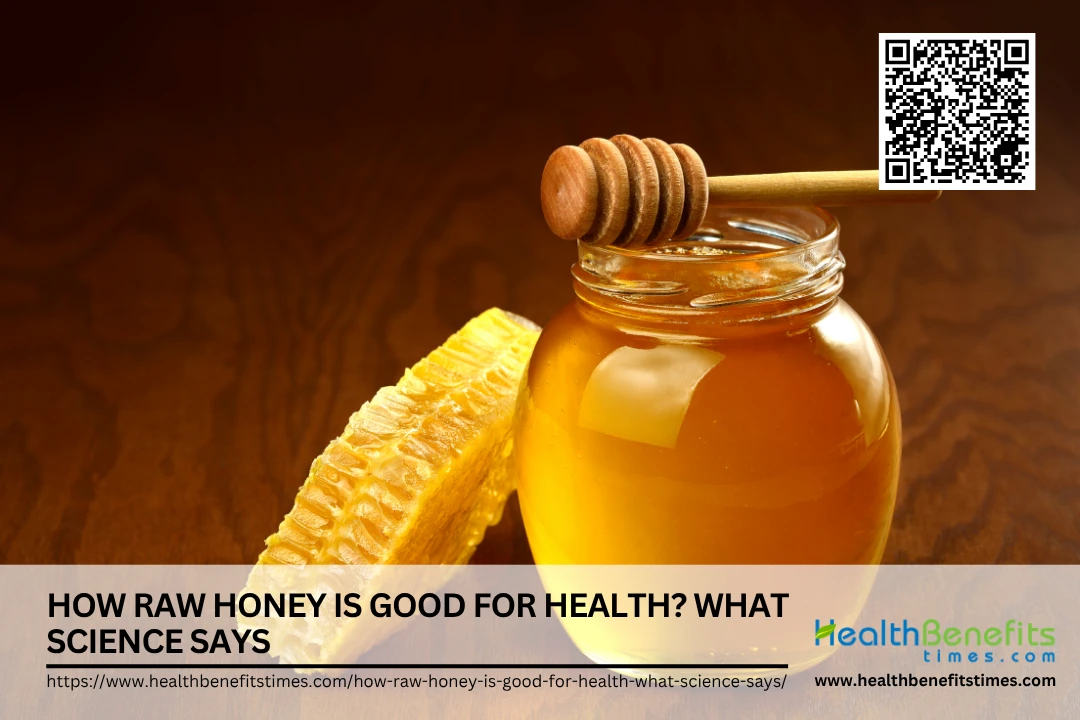
Nutritional Profile of Raw Honey
Nutritional Profile of Raw Honey (per 100 g)
Raw honey is a natural sweetener celebrated for its energy density and trace nutrients. A 100 g serving of raw honey provides approximately 304 kcal, making it a quick source of energy. It is composed predominantly of carbohydrates (≈82.1 g), mainly fructose and glucose, which are readily absorbed and utilized by the body. (1) Despite its sweetness, raw honey contains minimal protein (0.3 g) and virtually no fat, yet it contributes small amounts of vitamins and minerals, including potassium, calcium, and iron, supporting overall wellness. (2)
| Nutrient | Amount per 100 g | % Daily Value* |
| Calories | 304 kcal | 15% |
| Total Carbohydrates | 82.1 g | 30% |
| – Sugars | 82.1 g | — |
| Dietary Fiber | 0.2 g | 1% |
| Protein | 0.3 g | 1% |
| Total Fat | 0 g | 0% |
| Sodium | 4 mg | 0% |
| Potassium | 52 mg | 1% |
| Calcium | 6 mg | 1% |
| Iron | 0.42 mg | 2% |
| Vitamin C | 0.5 mg | 1% |
*Percent Daily Values (%DV) are based on a 2,000 kcal diet.
Due to following science backed Health Benefits, Raw Honey is Good for Health.
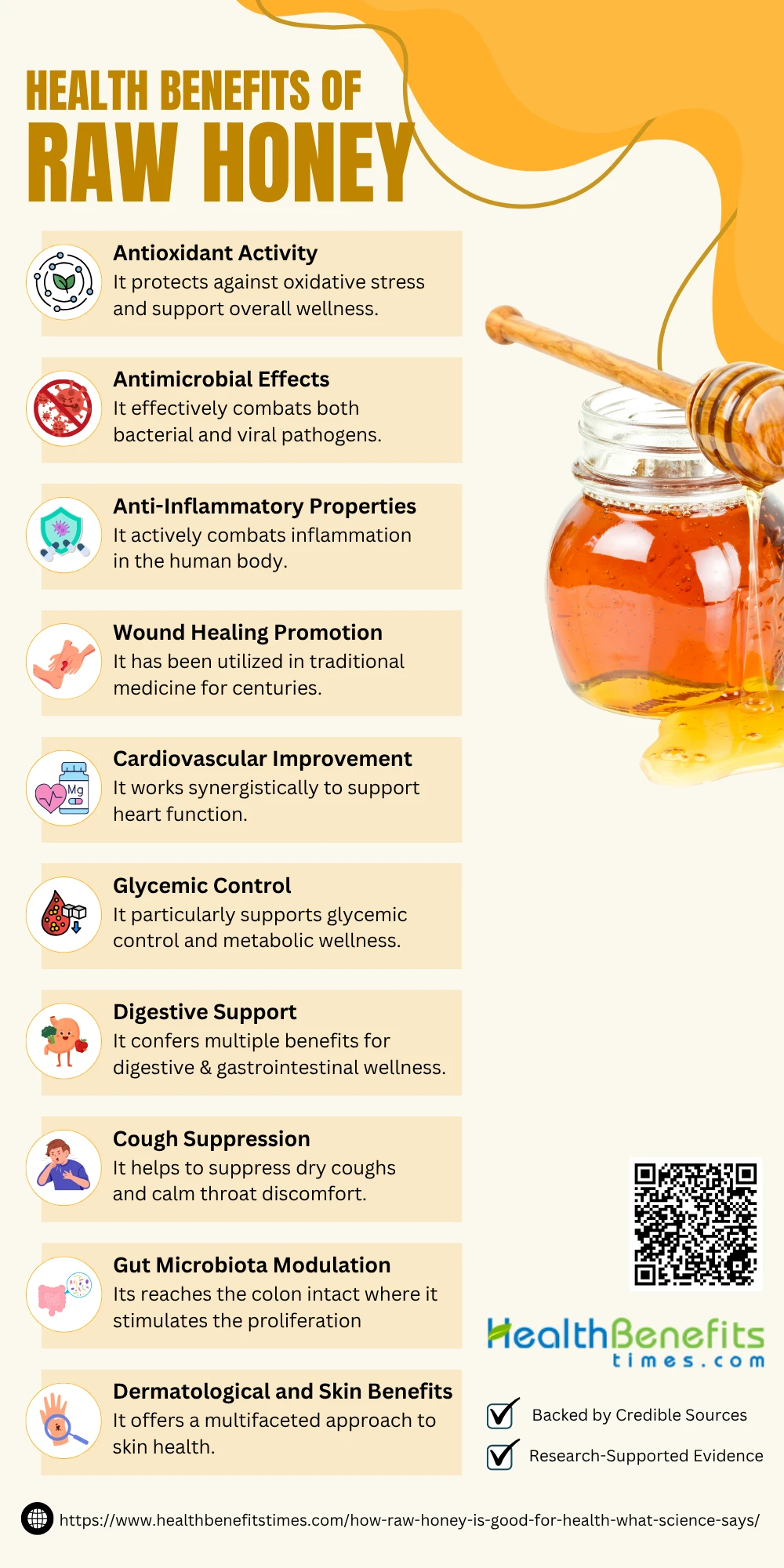
Raw honey serves as a remarkable natural source of antioxidants, containing over 180 bioactive compounds that work synergistically to protect against oxidative stress and support overall wellness. (3) (4) (5) The antioxidant capacity stems primarily from phenolic compounds and flavonoids, including caffeic acid, gallic acid, quercetin, chrysin, and kaempferol, which contribute to honey’s therapeutic potential through multiple molecular pathways. (6) (7) (4) (8) (9) (10) These bioactive compounds demonstrate potent free radical scavenging activity, as evidenced by high antioxidant capacity measured through DPPH, ORAC, and FRAP assays across various honey varieties from different geographical origins. (11) (8) (9) The antioxidant mechanisms include hydrogen donation, metallic ion chelation, and direct neutralization of reactive oxygen species, providing comprehensive cellular protection against oxidative damage. (3) (12) (4) Raw honey’s unique composition allows it to modulate critical signaling pathways, including the upregulation of Nrf2 activity, which triggers the transcription of cytoprotective genes and enhances endogenous antioxidant enzyme production. (13) (12)
Research Findings
- Studies demonstrate that honey consumption significantly elevates antioxidant enzyme activities, including superoxide dismutase (SOD), catalase (CAT), and glutathione peroxidase (GPx), while reducing lipid peroxidation markers across multiple organ systems. (14) (15) (12)
- Research conducted by Erejuwa et al. revealed that honey supplementation in diabetic rats increased total antioxidant status and restored activities of key antioxidant enzymes in kidney, liver, and pancreatic tissues, with benefits independent of its hypoglycemic effects. (15) (12)
- According to research published in Oxidative Medicine and Cellular Longevity, honey exhibits powerful wound healing properties by activating AMPK/Nrf2 signaling pathways, stimulating cellular antioxidant responses, and improving mitochondrial function in human dermal fibroblasts. (4) (3)
- Studies by Ahmed et al. demonstrate that honey’s antioxidant activity ameliorates oxidative stress in gastrointestinal tract, liver, pancreas, and reproductive organs through modulation of multiple molecular targets including caspase activation, cytokine regulation, and inflammatory pathway inhibition. (4) (3) (13)
- Research indicates that honey possesses superior protective effects compared to individual antioxidant vitamins, as it provides synergistic benefits without the pro-oxidant effects associated with high-dose vitamin supplementation, making it a safer long-term antioxidant intervention. (12) (16)
- According to clinical studies, honey supplementation in healthy individuals increases plasma antioxidant capacity, reduces markers of oxidative stress, and enhances immune system function through its rich phenolic content and natural enzymatic activity. (12) (6) (16)
2. Antimicrobial (Antibacterial and Antiviral) Effects
Raw honey demonstrates powerful antimicrobial properties through its unique bioactive compounds that effectively combat both bacterial and viral pathogens. The honey’s high sugar content creates an osmotic environment that dehydrates harmful microorganisms, while its low pH of approximately 3.2-4.5 inhibits microbial growth. Beyond these physical properties, raw honey contains multiple antimicrobial compounds including hydrogen peroxide produced by glucose oxidase, phenolic compounds such as flavonoids and phenolic acids, and specialized proteins like bee defensin-1. These bioactive components work synergistically to provide broad-spectrum antimicrobial activity against resistant bacterial strains including methicillin-resistant Staphylococcus aureus and various gram-positive and gram-negative bacteria. Raw honey also exhibits virucidal effects against enveloped viruses including influenza, herpes simplex, and respiratory syncytial virus by disrupting viral membranes and interfering with viral replication processes.
Research Findings
- Antibacterial Efficacy: Research by multiple studies has demonstrated that raw honey exhibits superior antibacterial activity compared to commercial honey, with effectiveness against both antibiotic-resistant and susceptible bacterial strains.
- Hydrogen Peroxide Production: According to research conducted on honey’s antimicrobial mechanisms, the glucose oxidase enzyme naturally present in honey generates hydrogen peroxide when diluted, creating powerful antibacterial effects.
- Non-Peroxide Antimicrobial Activity: Research by scientists studying stingless bee honey found that honey retains substantial antibacterial potency (89.9-98.7%) even after hydrogen peroxide removal, indicating additional antimicrobial compounds.
- Phenolic Compound Activity: Studies have shown that phenolic compounds including flavonoids and phenolic acids in raw honey contribute significantly to antimicrobial activity by disrupting bacterial cell membranes and metabolic pathways.
- Antiviral Properties: Research by various laboratories has confirmed honey’s virucidal effects against multiple virus types, including influenza A virus, with mechanisms involving immune system activation and viral replication inhibition.
- Broad-Spectrum Activity: According to research conducted across multiple studies, raw honey demonstrates antimicrobial effectiveness against over 60 bacterial species and various viral pathogens without developing resistance issues common with antibiotics.
3. Anti-Inflammatory Properties
Anti-Inflammatory Properties of Raw Honey: A Natural Health Enhancer
Raw honey emerges as a powerful natural anti-inflammatory agent, enriched with bioactive compounds that actively combat inflammation in the human body. This golden substance contains high concentrations of flavonoids and polyphenols, including quercetin, kaempferol, chrysin, and apigenin, which work synergistically to mitigate inflammatory processes. (17) (18) These bioactive compounds effectively inhibit pro-inflammatory enzymes such as COX and LOX, while simultaneously blocking the production of inflammatory mediators including cytokines and nitric oxide. ({% https://www.qscience.com/content/journals/10.5339/qmj.2022.fqac.27 trusted %}) Raw honey’s flavonoids also modulate important transcription factors like NF-κB, which controls the expression of numerous inflammatory mediators, thereby providing comprehensive anti-inflammatory protection. (18) Additionally, the phenolic compounds present in raw honey maintain their potency and therapeutic benefits when the honey remains unprocessed, making raw honey superior to heated or processed varieties in delivering anti-inflammatory health benefits. (19) (20)
Research Findings
- Enzyme Inhibition Studies: Research conducted by inflammatory pathway specialists demonstrates that honey flavonoids effectively inhibit key inflammatory enzymes, with quercetin and kaempferol showing significant suppression of COX, LOX, and iNOS enzyme activities in laboratory studies.
- Cytokine Reduction: According to research published in clinical journals, manuka honey treatment significantly reduced inflammatory cytokines TNF-α, IL-1β, and IL-6 levels while increasing anti-inflammatory IL-10 production in gastric ulcer studies. (21) (22)
- Clinical Application Success: Research by health center specialists showed that raw honey application for seven consecutive days resulted in significant improvement in inflammatory skin conditions, with patients showing reduced severity scores and enhanced healing outcomes. (17)
- Transcription Factor Modulation: Studies conducted by molecular research teams found that honey components effectively inhibit NF-κB activation, a master regulator of inflammatory gene expression, thereby controlling multiple inflammatory pathways simultaneously.
- Immune System Enhancement: According to research by immunology specialists, honey bee products demonstrate therapeutic potential in regulating inflammatory mediator production and improving immune responses through activation of protective cells in both laboratory and clinical studies. (23)
4. Wound Healing Promotion
Raw honey serves as a powerful natural wound healing agent that has been utilized in traditional medicine for centuries and is now gaining recognition in modern healthcare settings. The therapeutic properties of raw honey for wound care stem from its unique combination of antimicrobial, anti-inflammatory, and antioxidant components that work synergistically to accelerate the healing process. (24) (25) The effectiveness of honey in wound management is attributed to its hydrogen peroxide content, low pH levels, high osmolarity, and phenolic compounds that create an environment conducive to tissue regeneration while inhibiting bacterial growth. (26) (27) (28) Furthermore, raw honey promotes angiogenesis, facilitates re-epithelialization, and stimulates the proliferation of extracellular matrix while reducing inflammatory markers, making it an exceptional therapeutic option for various types of wounds. (26) (29)
Research Findings
- Enhanced wound healing time: Research conducted by multiple systematic reviews and meta-analyses demonstrated that honey dressings significantly accelerate wound healing time, showing reductions of approximately 17 days compared to conventional treatments. (30) (31)
- Superior antimicrobial activity: Studies by researchers have shown that honey exhibits potent antimicrobial effects against over 60 species of bacteria, including antibiotic-resistant strains such as MRSA and Pseudomonas aeruginosa, through its hydrogen peroxide production and low pH environment. (32) (33) (34)
- Increased tissue regeneration: Research by wound healing specialists found that honey stimulates the production of growth factors including VEGF (2.3-fold increase), FGF, and EGF (1.7-fold increase), which are essential for new tissue formation and blood vessel development. (35) (36)
- Reduced inflammation markers: According to research conducted on wound healing mechanisms, honey significantly decreases pro-inflammatory markers including IL-1β and TNF-α levels while promoting the healing environment through immunomodulatory effects. (35) (37)
- Clinical effectiveness in burn treatment: Research by hospital-based studies showed that honey-based dressings (Api-Tulle) resulted in faster development of healthy tissue growth and better infection control compared to conventional dressings, with 85% of honey-treated patients showing no signs of wound complications. (38) (39)
5. Cardiovascular Health Improvement
Raw honey serves as a potent natural ally for cardiovascular health through its rich composition of bioactive compounds including polyphenols, flavonoids, and antioxidants that work synergistically to support heart function. (40) The phenolic compounds naturally present in honey, such as quercetin, kaempferol, apigenin, and caffeic acid, demonstrate remarkable antioxidant and anti-platelet potential that directly contributes to cardiovascular protection. (41) These bioactive substances help neutralize harmful free radicals while reducing oxidative stress, which plays a crucial role in preventing chronic diseases like cardiovascular disorders. (42) Raw honey’s therapeutic properties extend to lipid metabolism improvement, blood pressure modulation, and protection against myocardial injury, making it a comprehensive natural solution for heart health. (43) The anti-inflammatory properties of honey, attributed to its flavonoid content, further support cardiovascular wellness by inhibiting inflammatory processes that can contribute to heart disease development. (44)
Research Findings
- Research conducted by multiple clinical trials demonstrates that honey consumption significantly reduces total cholesterol levels, with studies showing reductions in LDL cholesterol and triglycerides while increasing beneficial HDL cholesterol. (45)
- According to research published in cardiovascular journals, natural honey consumption leads to measurable improvements in cardiovascular risk factors, with one study documenting a 3.3% reduction in total cholesterol, 4.3% decrease in LDL cholesterol, and 19% reduction in triglycerides. (46)
- Research by cardiovascular specialists reveals that honey’s phenolic compounds effectively prevent the oxidation of low-density lipoproteins, a key mechanism in protecting against atherosclerosis and coronary heart disease. (47)
- Studies conducted on isolated heart models show that honey administration significantly reduces myocardial infarction size and cardiac arrhythmias, with research demonstrating dose-dependent cardioprotective effects. (48)
- Research by clinical investigators indicates that honey consumption, particularly raw and unprocessed varieties, shows beneficial effects on blood glucose control and overall cardiometabolic health when incorporated into a healthy dietary pattern. (49)
6. Glycemic Control and Metabolic Benefits
Raw honey emerges as a natural sweetener with remarkable health advantages, particularly in supporting glycemic control and metabolic wellness. (49) This unprocessed form of honey retains its full spectrum of bioactive compounds, including flavonoids, phenolic acids, and antioxidants that contribute to its therapeutic properties. (20) (44) The unique fructose-to-glucose ratio in raw honey provides metabolic advantages, as fructose is absorbed more slowly and enhances hepatic glucose uptake, leading to better blood sugar management. (50) (51) Raw honey also demonstrates significant antioxidant activity through its polyphenolic compounds, which help combat oxidative stress and inflammation. (4) (12) The synergistic effect of honey’s components supports pancreatic function and insulin sensitivity, making it particularly beneficial for metabolic health. (52) (53)
Research Findings
- Blood glucose regulation: Research conducted by scientists demonstrated that honey combined with diabetes medications significantly improved glycemic control compared to medications alone, reducing blood glucose levels more effectively (52) (53)
- Insulin enhancement: Studies show that honey consumption increased insulin levels while reducing fructosamine, a marker of long-term blood sugar control (52)
- Metabolic improvements: Research by multiple clinical trials indicates that raw honey, particularly robinia and clover varieties, provides beneficial effects on fasting glucose and total cholesterol levels (49)
- Antioxidant protection: Laboratory studies reveal that honey’s polyphenolic compounds effectively reduce oxidative stress markers and inflammatory mediators in various body tissues (4) (12)
- Lipid profile benefits: Research conducted on diabetic patients showed that honey consumption led to significant reductions in triglycerides, VLDL cholesterol, and improved overall lipid profiles (53) (52)
- Enhanced metabolic function: Studies by diabetes researchers demonstrate that honey’s unique sugar composition promotes better glucose metabolism and reduces metabolic dysfunction markers (54)
7. Digestive and Gastrointestinal Support
Raw honey’s complex composition of organic acids, enzymes, flavonoids, and non-digestible carbohydrates confers multiple benefits for digestive and gastrointestinal wellness. Its natural antibacterial and anti-inflammatory constituents help maintain a balanced gut microbial environment and soothe the intestinal lining. The prebiotic carbohydrates in raw honey selectively promote beneficial bacteria growth, supporting gut barrier integrity and reducing the adhesion of harmful pathogens in the stomach and intestines. (55) (56) (57)
Research Findings
- Honey’s non-digestible oligosaccharides foster growth of Bifidobacterium and Lactobacillus species, enhancing gut microbiota balance and improving stool regularity (according to research in The Potential of Honey as a Prebiotic Food to Re-engineer the Gut Microbiome Toward a Healthy State) (55)
- In vitro gastric digestion studies demonstrate that honey reduces survival of enterotoxigenic E. coli more rapidly than simple sugars, suggesting protective antimicrobial action in the stomach (according to research by UC Davis). (56)
- Clinical and experimental evidence shows raw honey alleviates symptoms of peptic ulcers, gastritis, and gastroenteritis through mucosal protection and its anti-inflammatory flavonoids (according to the Medicinal Uses of Honey review). (57)
8. Cough Suppression and Respiratory Relief
Raw honey’s unique demulcent properties coat and soothe irritated airways, helping to suppress dry coughs and calm throat discomfort. (58) Its rich content of flavonoids and phenolic acids exhibits natural antimicrobial activity, supporting the clearance of respiratory pathogens while reducing inflammation along the mucosal lining. (59) Additionally, the abundant antioxidants in raw honey scavenge free radicals in the respiratory tract, bolstering local immunity and promoting overall respiratory comfort. (60) These gentle yet multifaceted actions make raw honey an accessible, wellness-focused remedy for individuals seeking natural cough relief and respiratory support.
Research Findings
- A randomized clinical trial comparing natural honey to dextromethorphan in children with acute cough demonstrated that honey reduced cough frequency and severity more effectively than the pharmaceutical antitussive treatment. (58)
- A rapid systematic review of 14 randomized controlled trials concluded that honey is superior to usual care, placebo, and salbutamol for reducing both the frequency and severity of coughs in adults and children with viral respiratory infections. (59)
- In adults with persistent post-infectious cough, a controlled trial found that honey plus coffee significantly decreased cough frequency compared to systemic steroids, suggesting honey’s efficacy in chronic cough management. (60)
9. Prebiotic and Gut Microbiota Modulation
Raw honey is increasingly recognized as a natural prebiotic that promotes digestive wellness by supplying non-digestible oligosaccharides which serve as fuel for beneficial gut microbes, helping to balance microbial communities and support gut barrier function. (61) Its unique carbohydrate profile—including isomaltose, panose, and maltose—resists digestion in the upper gastrointestinal tract, reaching the colon intact where it selectively stimulates the proliferation of Lactobacillus and Bifidobacterium species. (62) In vitro and animal studies suggest that these prebiotic effects contribute to enhanced short-chain fatty acid production, reduction of gut pathogens, and modulation of inflammatory responses, positioning raw honey as a gentle dietary tool for overall gut health and wellness. (63)
Research findings
– According to research conducted by Gruden et al., raw honey’s oligosaccharides significantly increase the growth of Lactobacillus and Bifidobacterium, supporting a favorable microbiota composition. (61)
– Research by Baltrušaitytė et al. demonstrates that in vitro fermentation of raw honey elevates short-chain fatty acid production—such as butyrate and acetate—which nourish colonocytes and reinforce gut barrier integrity. (62)
– Research by Calani et al. found that Rosaceae-derived raw honey can inhibit growth of pathogenic bacteria like E. coli and C. difficile while nurturing beneficial microbes, underscoring its dual antimicrobial and prebiotic roles. (63)
10. Dermatological and Skin Benefits
Raw honey offers a multifaceted approach to skin health, harnessing natural compounds that soothe, protect, and rejuvenate. Its rich content of flavonoids and phenolic acids imparts powerful anti-inflammatory and antioxidant properties, which help calm redness and neutralize free radicals on the skin. The hygroscopic nature and acidity of honey create a protective barrier that maintains a moist environment, ideal for skin repair, while its low pH inhibits harmful microbes. (64) Additionally, enzymes in raw honey generate low levels of hydrogen peroxide, providing gentle antimicrobial action without harsh chemicals. Together, these characteristics support healthier, more resilient skin for individuals pursuing overall wellness. (65)
Research Findings
- According to a clinical overview in Clinical Reviews in Allergy & Immunology, honey’s phenolic compounds modulate inflammatory pathways, reducing cytokine release and alleviating chronic skin inflammation. (66)
- Research by Jull et al. demonstrated that wounds treated with honey dressings healed significantly faster compared to standard treatments, highlighting its efficacy in promoting tissue regeneration. (67)
- A systematic review in Nutrients found that honey stimulates fibroblast proliferation and collagen synthesis, essential for wound closure and reduced scarring. (68)
- Studies published in Dermatology and Therapy report honey’s osmotic effect draws excess fluid from wounds, reducing edema and creating conditions that expedite healing.
How to Use Raw Honey for Maximum Health Benefits
Raw honey is a nutrient-dense sweetener brimming with antioxidants, enzymes, vitamins, minerals, and bioactive compounds that collectively support metabolic health, immune function, gut balance, and tissue repair. Clinical research demonstrates that unprocessed honey can improve blood sugar and lipid profiles, accelerate wound healing and reduce infection risk, nurture beneficial gut bacteria, and deliver anti-inflammatory and antioxidant effects.
- Substitute raw honey for refined sugars in beverages or recipes to help lower fasting glucose and total cholesterol levels, as clinical trials report reductions of 1.05 mmol/L in fasting glucose and 0.61 mmol/L in total cholesterol compared to controls (69)
- Apply a thin layer of raw honey directly to minor cuts, burns, or ulcers and cover with a sterile dressing; meta-analysis shows honey dressings accelerate healing time by 17 days on average and increase healing percentage by 18% versus standard dressings (70)
- Stir 1–2 teaspoons of raw honey into warm water or herbal tea each morning to deliver prebiotic oligosaccharides that selectively stimulate growth of beneficial gut bacteria such as Bifidobacteria and Lactobacilli (55)
- Incorporate raw honey into your daily routine—by spoonful or mixed into yogurt—to tap into its anti-inflammatory flavonoids and phenolic acids, which help lower markers of inflammation and bolster immune health (71)
- Drizzle raw honey over fruits, oatmeal, or smoothies for an antioxidant boost; its rich polyphenol content scavenges free radicals and protects cellular integrity (72)
Precautions and Who Should Avoid Raw Honey
Raw honey offers notable health benefits, yet it is not risk-free. Certain populations must exercise caution or avoid it altogether to prevent serious adverse effects—from life-threatening botulism in infants to anaphylactic reactions in sensitized individuals.
- Infants under 12 months should never be given raw honey due to the risk of infant botulism, a severe neuroparalytic disease caused by Clostridium botulinum spores that can colonize an infant’s gut and produce toxin in situ — honey is the only well-documented food source linked to this condition in infants. (73)
- Individuals with known IgE-mediated pollen allergies, especially to Asteraceae (e.g., ragweed or mugwort), may experience severe allergic reactions to raw or artisanal honeys containing residual pollen proteins; documented cases include near-fatal anaphylaxis and urticaria after honey ingestion — skin prick-to-prick tests are essential for diagnosis in sensitized patients. (74)
- Consumers of “mad honey” (honey containing grayanotoxins from Rhododendron species) should avoid raw preparations, as ingestion can cause hypotension, bradycardia, and suspected anaphylaxis, requiring prompt epinephrine and supportive care. (75)
- People with type 2 diabetes or impaired glucose tolerance should use raw honey cautiously; although honey has a lower glycemic index than glucose, it remains a concentrated source of simple sugars and can impact blood glucose levels—clinical trials indicate modest improvements in glycemic control when consumed within a balanced diet, but individual responses vary and monitoring is advised. (54)
- Individuals with severe immunocompromise or gastrointestinal disorders should consult a healthcare provider before consuming raw honey, as its microbial content—including yeasts and environmental bacteria—may pose infection risks in vulnerable hosts (no specific clinical trial data available).
Conclusion
Raw honey offers a range of scientifically supported health benefits rooted in its rich composition of antioxidants, enzymes, vitamins, minerals, and bioactive compounds. Regular consumption—as part of a balanced diet—can help reduce oxidative stress, modulate inflammation, and support immune function. Clinical studies have demonstrated that raw honey may improve glycemic control and lipid profiles, alleviate symptoms of upper respiratory infections and gastrointestinal disorders, and accelerate wound healing through its antimicrobial action. While more rigorous, large-scale trials are needed to fully elucidate optimal dosages and long-term effects, current evidence underscores raw honey’s value as a natural functional food with diverse therapeutic potentials.
Comments
comments