


Moreover, the incorporation of superfoods into daily diets has proven to be an accessible and sustainable approach to addressing these deficiencies. Biofortified foods like sweet potatoes have been particularly impactful in tackling vitamin A deficiency across vulnerable populations in Sub-Saharan Africa. (5) Other examples, such as chia seeds and quinoa, are widely recognized for their role in enhancing omega-3 and protein intake. (6) Superfoods not only fill dietary gaps but also promote gut health and reduce inflammation, offering a multifaceted strategy for improved nutrition and health outcomes. (7) Their use continues to gain global recognition as a natural, holistic remedy for malnutrition.
What Are Superfoods?
Superfoods are nutrient-rich foods recognized for their dense concentrations of vitamins, minerals, antioxidants, and other bioactive compounds, offering numerous health benefits. Defined for their ability to enhance nutrition and prevent diseases, superfoods have gained prominence in health and wellness discussions. For instance, quinoa, a gluten-free grain, is an excellent source of complete protein and essential amino acids. (8) Chia seeds are known for their high omega-3 fatty acids and fiber content, benefiting heart health. (9) Similarly, blueberries are abundant in antioxidants, supporting immune function. (10) Avocado provides heart-healthy monounsaturated fats, while spirulina offers protein and iron, combating malnutrition. (11) (12)
How super foods are effective in combating nutritional deficiencies?
Superfoods, packed with essential nutrients like vitamins, minerals, and antioxidants, effectively combat nutritional deficiencies by promoting better absorption and utilization. Their natural composition supports health, offering a powerful solution to dietary imbalances.
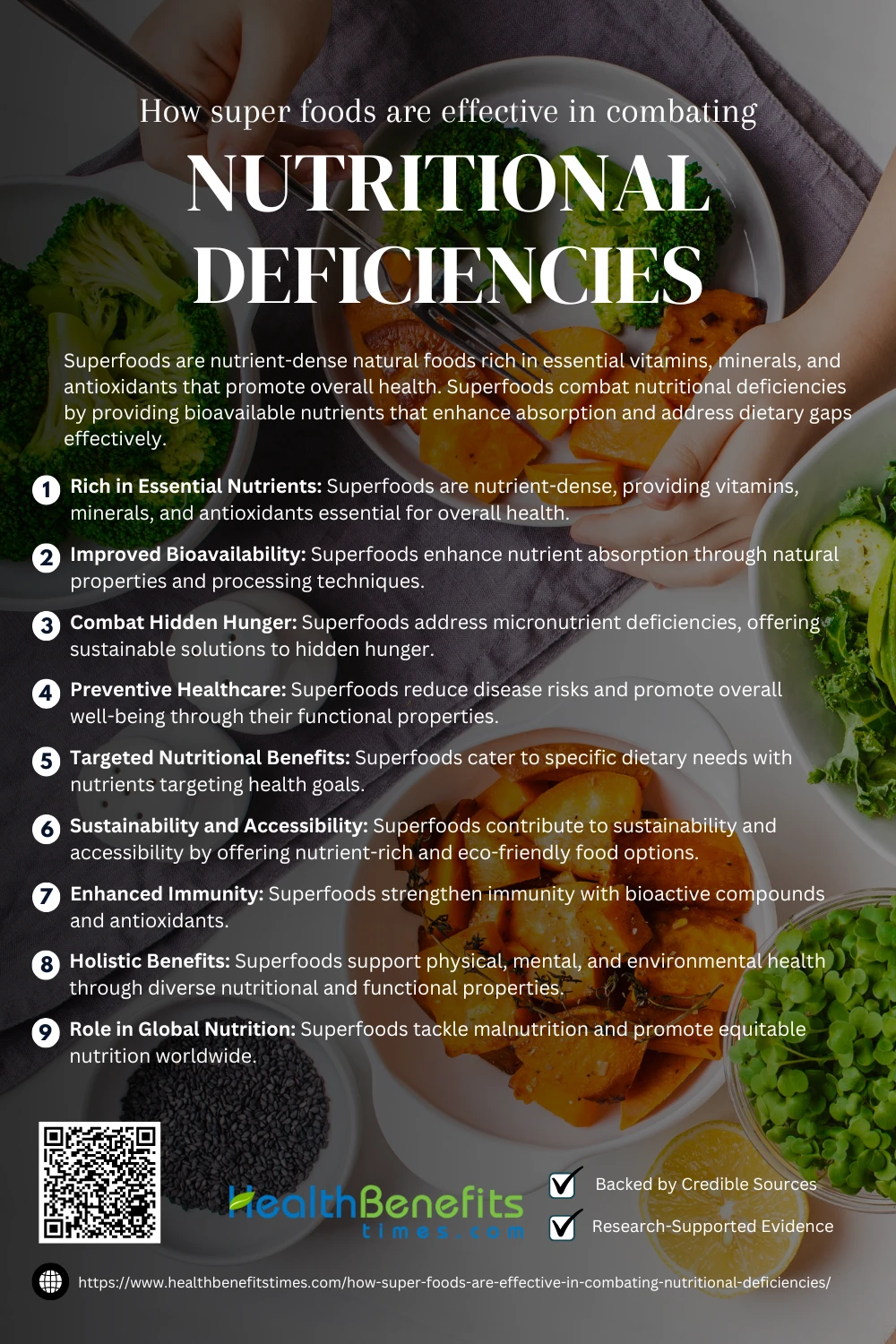
Superfoods are celebrated for their rich nutrient profiles, which include essential vitamins, minerals, and antioxidants. For example, quinoa is a complete protein source containing all essential amino acids. (13) Chia seeds are high in omega-3 fatty acids and fiber, supporting cardiovascular health. (14) Blueberries are antioxidant-rich, aiding in immune defense. (1) Sweet potatoes provide beta-carotene, converting into vitamin A to combat deficiency. (11) Avocado, with heart-healthy fats, improves lipid profiles. (7)
2. Improved Bioavailability
Superfoods are increasingly recognized for their potential to improve nutrient bioavailability, essential for maximizing health benefits. Baobab powder, for instance, demonstrates enhanced mineral uptake, bolstering its reputation as a nutrient-dense option. (15) Similarly, processing millet and legumes through germination significantly increases bioavailable iron content, making them more impactful dietary choices. (16) Bee pollen, through cell wall modification, achieves improved digestibility and nutrient release, cementing its status as a superfood. (17) Studies on Bambusa nutans shoots also highlight bioavailability enhancement through boiling, presenting another functional food alternative. (18) Advances in fermentation further boost the nutrient quality of traditional foods, enhancing bioactive compound availability. (19) Furthermore, finger millet’s diverse processing techniques underscore its nutritional versatility. (20)
3. Combat Hidden Hunger
Superfoods play a critical role in addressing hidden hunger by providing essential micronutrients often lacking in diets. Moringa oleifera, a nutrient-rich plant, has shown promise in combating micronutrient deficiencies in adolescents through innovative products like fortified snack bars. (21) Bambusa nutans shoots, processed for enhanced nutritional content, improve food security while tackling hidden hunger. (18) Additionally, fermented foods like millet deliver bioavailable vitamins and minerals, significantly reducing nutritional gaps. (19) Incorporating these superfoods in daily diets offers a sustainable approach to mitigating global malnutrition.
4. Preventive Healthcare
Superfoods are vital in preventive healthcare by reducing disease risks and enhancing overall well-being. Bamboo shoots, a sustainable superfood, are known for their nutrient richness and functional food potential. (22) Fermented products like kimchi deliver probiotics that support immune health. (23) Additionally, omega-3-rich seeds, like chia and flaxseed, contribute to cardiovascular health. The integration of such nutrient-dense foods into daily diets underscores their essential role in fostering sustainable health practices.
5. Targeted Nutritional Benefits
Superfoods are pivotal in delivering targeted nutritional benefits, addressing specific dietary needs effectively. Chia seeds, rich in omega-3 fatty acids, support cardiovascular health. (24) Spirulina, a microalgae, boosts immune function due to its high protein and antioxidant content. (25) Additionally, moringa offers micronutrient benefits critical for combatting deficiencies. (26) These foods exemplify how targeted nutrition can meet diverse health goals sustainably.
6. Sustainability and Accessibility
Superfoods are instrumental in achieving sustainability and accessibility by providing nutrient-dense food options suitable for diverse populations. Millets, often dubbed “climate-smart superfoods,” offer a sustainable solution for combating food insecurity. (27) Bamboo shoots, rich in nutrients, are versatile and environmentally friendly. (28)
7. Enhanced Immunity
Superfoods are powerful allies in boosting immunity through their dense nutrient profiles and bioactive compounds. Mushrooms, packed with immune-modulating polysaccharides, are a prime example of functional superfoods. (29) Similarly, chlorophyll-rich wheatgrass enhances oxygenation and immune defense. (30) Camel milk, rich in immunoglobulins, supports the innate immune system. (31) Sweet potatoes, loaded with antioxidants, further bolster immunity. (32) Together, these superfoods highlight their potential in fortifying the body against illnesses.
8. Holistic Benefits
Superfoods provide holistic benefits, addressing physical, mental, and environmental health needs. Honey, revered for its medicinal and nutritional properties, supports immunity and serves as a natural remedy. (33) Maca root enhances energy and reproductive health, highlighting its versatile applications. (34) Collectively, these superfoods exemplify a sustainable approach to health and wellness.
9. Role in Global Nutrition
Superfoods significantly impact global nutrition, offering solutions to malnutrition and health inequities. Millets, hailed as climate-resilient superfoods, contribute to sustainable nutrition worldwide. (35) Similarly, camel milk addresses immune deficiencies and serves as a nutrient-rich alternative. (31) These superfoods exemplify the potential to alleviate nutritional challenges on a global scale.
List of popular Superfoods and Their Efficacy
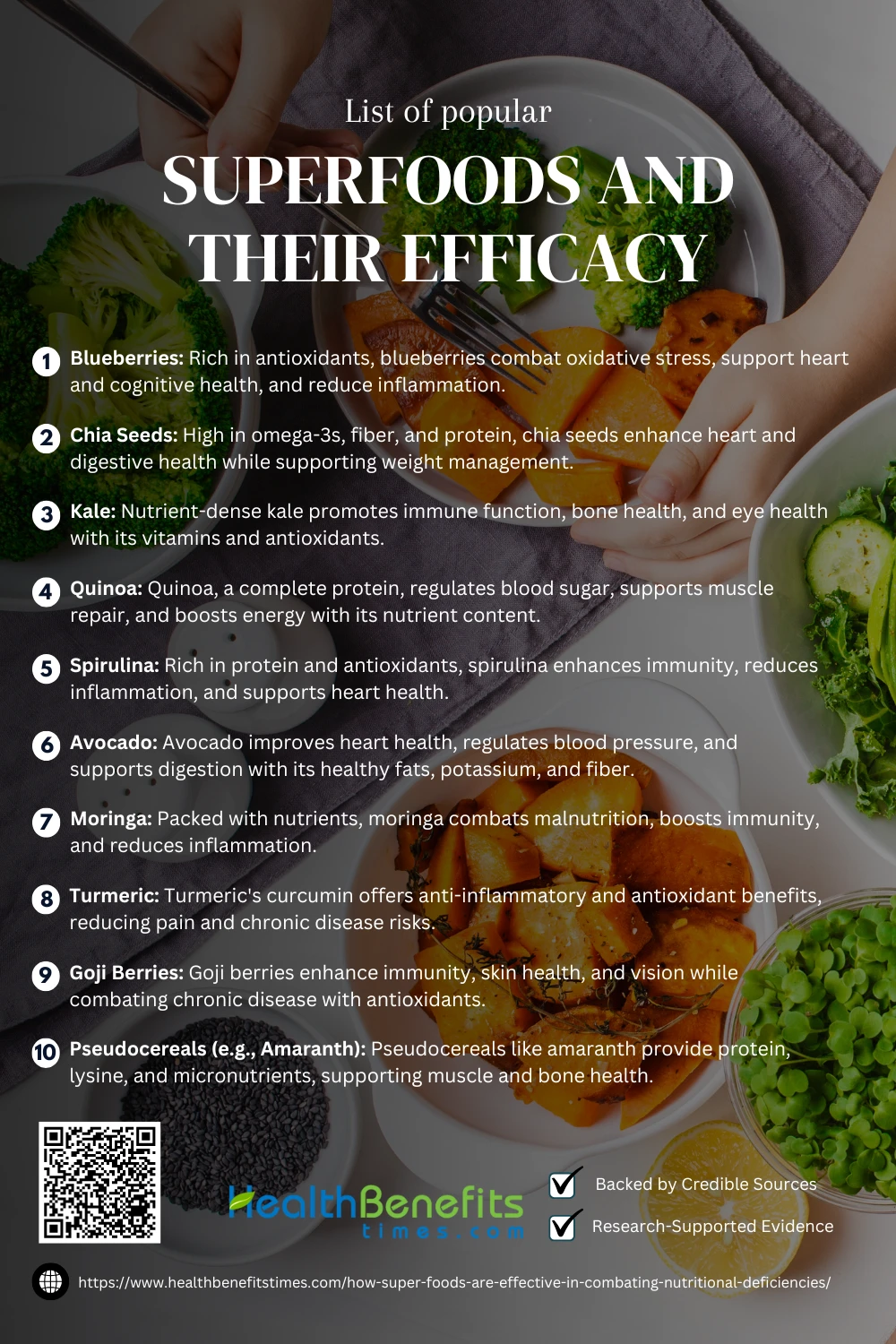
Popular superfoods like kale, quinoa, and blueberries are celebrated for their nutrient density. Rich in vitamins, minerals, and antioxidants, they support overall health, enhance immunity, and combat nutritional deficiencies effectively.
- Blueberries
Blueberries are one of the richest sources of antioxidants, particularly anthocyanins, which help combat oxidative stress and inflammation. They are linked to improved heart health by reducing bad cholesterol and supporting healthy blood vessel function. Additionally, they promote cognitive health by preventing age-related memory decline. - Chia Seeds
Chia seeds are a versatile superfood packed with omega-3 fatty acids, fiber, and protein. These nutrients aid in heart health by lowering triglycerides and maintaining healthy cholesterol levels. Their high fiber content also supports digestive health, while the protein aids in muscle repair and satiety, making them excellent for weight management. - Kale
Kale is a leafy green vegetable loaded with vitamins A, C, and K, as well as calcium and antioxidants. It supports immune function, strengthens bones, and improves blood clotting due to its vitamin K content. Its antioxidants like lutein and zeaxanthin are essential for eye health and preventing macular degeneration. - Quinoa
Quinoa is a complete protein containing all nine essential amino acids, making it ideal for vegetarians and vegans. Its high protein content aids muscle repair, while its low glycemic index helps regulate blood sugar levels. Quinoa is also rich in magnesium and iron, supporting energy production and nerve function. - Spirulina
Spirulina, a type of blue-green algae, is exceptionally high in protein, vitamins, and minerals. It has potent anti-inflammatory properties and boosts immune function by enhancing the activity of natural killer cells. Additionally, its antioxidant content helps fight oxidative stress and supports cardiovascular health. - Avocado
Avocado is rich in monounsaturated fats, particularly oleic acid, which improves heart health by reducing LDL (bad cholesterol) and increasing HDL (good cholesterol). It also contains potassium and fiber, promoting blood pressure regulation and digestive health. Its creamy texture and nutrient profile make it a versatile superfood. - Moringa
Often referred to as the “miracle tree,” moringa is packed with vitamins A, C, and E, as well as calcium and potassium. It combats malnutrition and boosts energy levels while improving skin health and immunity. Its anti-inflammatory properties also aid in managing chronic diseases. - Turmeric
Turmeric is a bright yellow spice containing curcumin, a compound with strong anti-inflammatory and antioxidant effects. It is effective in reducing joint pain, improving gut health, and lowering the risk of chronic conditions like heart disease and diabetes. - Goji Berries
Goji berries are rich in vitamins A and C, iron, and fiber. They are known to boost immune function, improve skin health, and enhance vision by protecting against macular degeneration. Their antioxidants also combat free radicals, reducing the risk of chronic diseases. - Pseudocereals (e.g., Amaranth)
Pseudocereals like amaranth are gluten-free grains rich in lysine, protein, and micronutrients such as magnesium and phosphorus. They support muscle development, bone health, and overall nutrition. Their ability to sustain energy levels makes them a popular choice for athletes and active individuals.
Superfoods vs. common foods
| Aspect | Superfoods | Common Foods |
| Nutrient Density | High levels of essential nutrients (vitamins, minerals, antioxidants, etc.) per serving. | Lower nutrient density, often requires larger quantities to meet nutritional needs. |
| Health Benefits | Provides targeted health benefits such as boosting immunity, reducing inflammation, and improving digestion. | General nutritional value, may lack specific health-enhancing properties. |
| Examples | Blueberries, quinoa, kale, spirulina, moringa, chia seeds. | Rice, wheat, potatoes, lettuce, apples, chicken. |
| Phytochemical Content | Rich in bioactive compounds (e.g., flavonoids, carotenoids, polyphenols) for added health benefits. | Limited phytochemical content, with basic nutrients like carbohydrates, proteins, and fats. |
| Processing Needs | Often consumed in natural or minimally processed forms to retain nutrients. | Frequently processed to improve taste, shelf life, or texture, which may reduce nutrients. |
| Accessibility | May be expensive or less available depending on region or season. | Widely available, affordable, and easily accessible globally. |
| Sustainability | Some superfoods promote environmental sustainability (e.g., quinoa, millet, moringa). | Mixed sustainability; some foods like rice and wheat require high resource inputs. |
| Popularity in Diet | Frequently included in specialized diets (e.g., plant-based, ketogenic, anti-inflammatory). | Integral to traditional and everyday diets worldwide. |
| Scientific Backing | Heavily researched for potential health benefits and disease prevention. | Limited research focus on specific health benefits compared to superfoods. |
| Cultural Relevance | Emerging foods with increasing popularity, often driven by trends and scientific discoveries. | Established foods, deeply ingrained in cultural and traditional dietary practices. |
Practical Aspects of Incorporating Superfoods
Incorporating superfoods into daily meals is simple and rewarding. Practical strategies like adding spinach to smoothies, sprinkling chia seeds on yogurt, or preparing quinoa salads ensure a nutrient-rich and balanced diet.
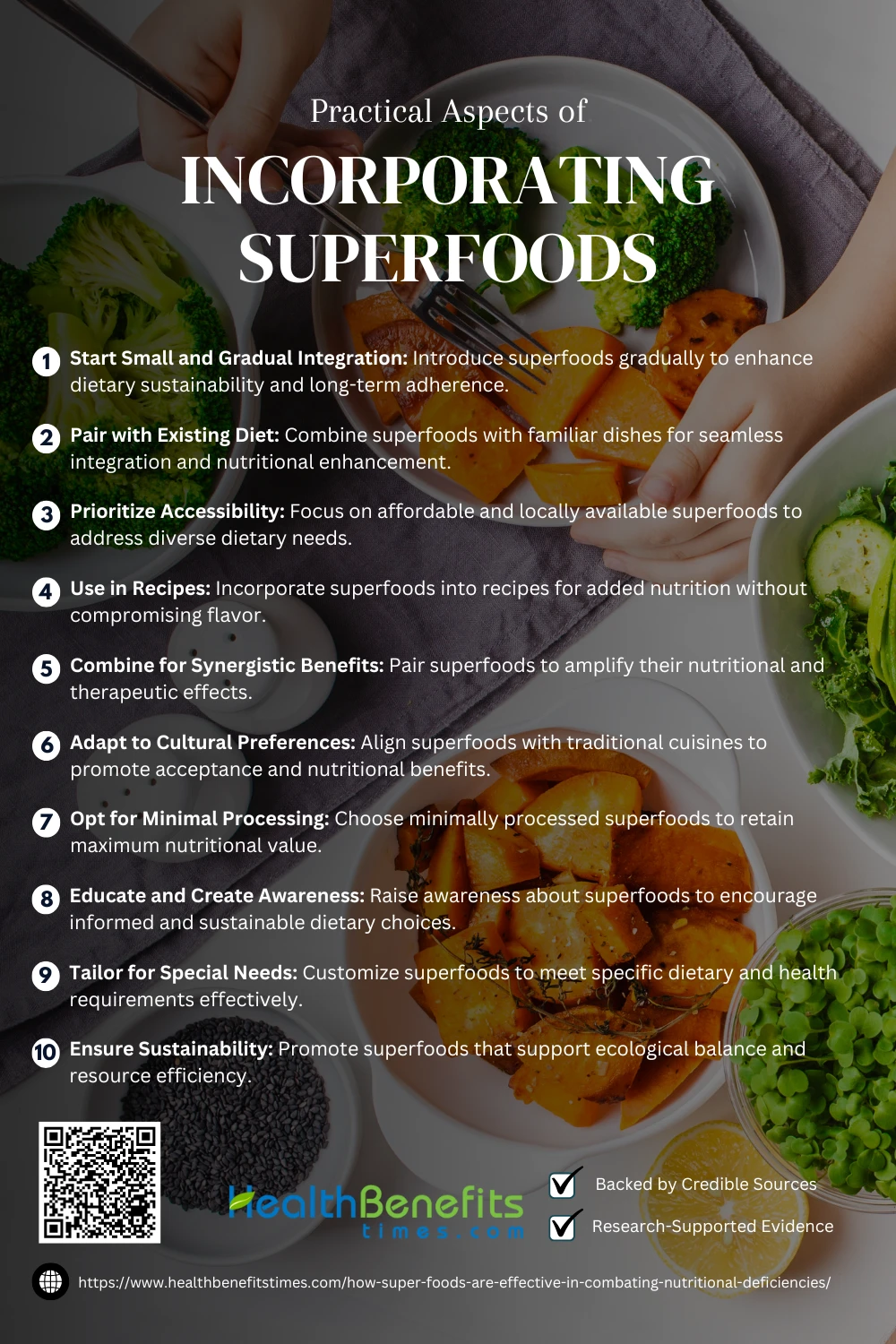
Starting small and gradually integrating superfoods into the diet is a sustainable approach to enhancing health. For instance, beginning with nutrient-rich options like chia seeds or spirulina ensures the body adapts without overwhelming dietary changes. (36) Combining familiar foods with superfoods like millets ensures nutritional balance while improving glycemic control. (37) Gradual adaptation to superfood-rich recipes can significantly improve long-term adherence and health benefits. (38)
2. Pair with Existing Diet
Pairing superfoods with existing diets ensures seamless integration into daily meals. For example, blending quinoa with traditional dishes enhances protein intake. (28) Incorporating nutrient-dense spirulina into smoothies boosts immune health. (39)
3. Prioritize Accessibility
Prioritizing accessibility ensures superfoods reach diverse populations, addressing health needs effectively. Local options like millet and sweet potatoes provide affordable, nutrient-rich solutions. (37) Utilizing fermented foods improves nutrient availability and shelf life, enhancing affordability. (40) Educating communities about superfoods fosters informed choices, promoting dietary inclusivity. (41)
4. Use in Recipes
Incorporating superfoods into recipes enhances nutrition while retaining culinary enjoyment. For example, adding spirulina to smoothies boosts protein and antioxidant content. (42) Integrating quinoa into salads provides essential amino acids and fiber. (36) Using turmeric in soups or golden milk delivers potent anti-inflammatory benefits. (43)
5. Combine for Synergistic Benefits
Combining superfoods for synergistic benefits enhances their nutritional and therapeutic effects. For instance, pairing turmeric with black pepper boosts curcumin absorption. (44) Similarly, blending spirulina with citrus juices enhances iron bioavailability. (45) Adding chia seeds to oatmeal increases omega-3 and fiber intake. (32) These combinations amplify health outcomes and dietary versatility.
6. Adapt to Cultural Preferences
Adapting superfoods to cultural preferences promotes acceptance and integration into traditional diets. For example, incorporating millets into local cuisines supports regional dietary habits and improves nutrition. (37) Similarly, using turmeric in traditional recipes aligns with cultural practices while offering health benefits. (46)
7. Opt for Minimal Processing
Opting for minimally processed superfoods preserves their nutritional integrity and maximizes health benefits. For instance, raw kale retains its vitamin content compared to processed counterparts. (47) Such practices ensure nutrient retention and promote a sustainable, health-focused diet.
8. Educate and Create Awareness
Educating communities about superfoods fosters informed dietary choices, bridging knowledge gaps. For example, introducing the nutritional benefits of underutilized crops like millets increases their acceptance and promotes sustainability. (28) Campaigns tailored to cultural and regional contexts ensure greater dietary inclusivity. (48)
9. Tailor for Special Needs
Tailoring superfoods for special dietary needs maximizes their impact. For example, spirulina supplements are ideal for protein deficiencies, while turmeric reduces inflammation in arthritis patients. (28) (49) Nutrient-dense moringa addresses malnutrition effectively in low-resource areas. (37) These tailored uses showcase superfoods’ adaptability.
10. Ensure Sustainability
Ensuring sustainability in superfood incorporation involves promoting environmentally friendly and resource-efficient choices. For instance, cultivating millets reduces water usage and enhances biodiversity. (37) Similarly, the adoption of pseudocereals like quinoa supports soil conservation and resilience against climate change. (50) These approaches integrate nutrition with ecological responsibility.
Myths and Misconceptions about super foods
- Superfoods are a Cure-All
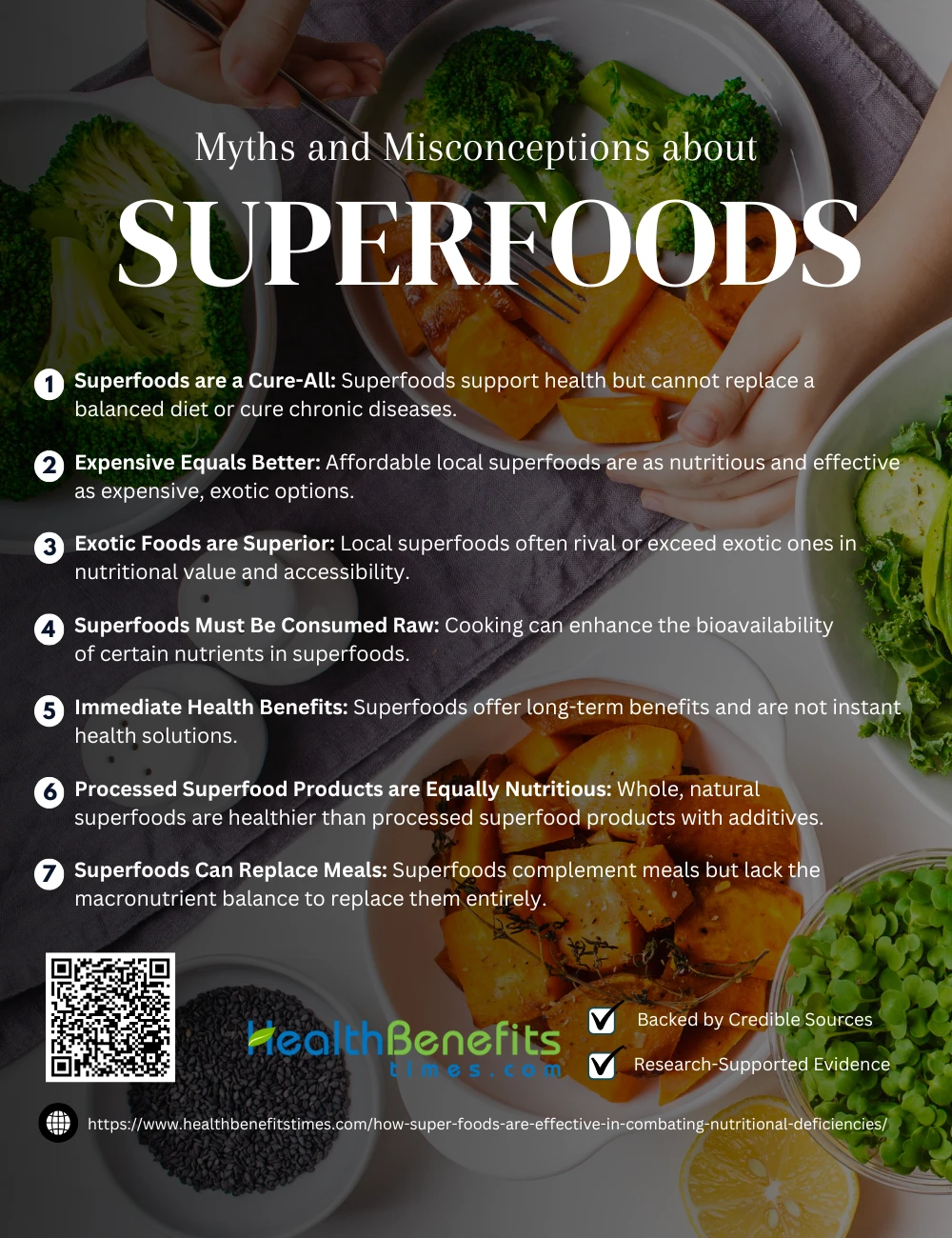
Many people mistakenly believe that superfoods can single-handedly prevent or cure chronic diseases such as diabetes, heart conditions, or cancer. However, while superfoods like blueberries or turmeric provide valuable nutrients and bioactive compounds, they cannot replace the need for a balanced diet. Their role is supplementary, supporting overall health rather than serving as a miracle solution. - Expensive Equals Better
A prevalent misconception is that only expensive and exotic superfoods, such as quinoa or acai berries, offer significant health benefits. This belief often overlooks affordable, nutrient-dense foods like lentils, sweet potatoes, and local greens. These options are equally effective in meeting dietary needs and are more accessible for diverse populations. - Exotic Foods are Superior
The marketing of exotic superfoods has overshadowed the nutritional benefits of local alternatives like kale, turmeric, or moringa. These indigenous foods often contain equivalent or higher levels of nutrients, such as antioxidants and vitamins, demonstrating that local superfoods can rival or surpass their imported counterparts in value. - Superfoods Must Be Consumed Raw
Some believe that cooking superfoods destroys their nutritional value. While it’s true that certain nutrients degrade with heat, others, such as lycopene in tomatoes or beta-carotene in carrots, become more bioavailable after cooking. Preparing foods appropriately is essential to maximize their health benefits. - Immediate Health Benefits
There’s a widespread expectation that consuming superfoods will lead to instant health improvements. However, the benefits of superfoods accrue over time and must be part of a long-term, consistent healthy eating pattern. Superfoods complement a comprehensive lifestyle approach rather than offering quick fixes. - Processed Superfood Products are Equally Nutritious
The assumption that all products labeled as “superfoods” are equally healthy is misleading. Many processed items, such as superfood bars or powders, contain added sugars, artificial flavors, and preservatives that diminish their nutritional value. Whole, natural superfoods are often a better choice. - Superfoods Can Replace Meals
Some individuals believe superfoods can act as meal replacements due to their high nutrient density. However, superfoods usually lack a balance of macronutrients such as carbohydrates, proteins, and fats required for a complete diet. They should be used as part of a well-rounded meal rather than a substitute.
Conclusion
Superfoods play a vital role in addressing nutritional deficiencies by providing concentrated doses of essential vitamins, minerals, antioxidants, and other nutrients. Unlike supplements, superfoods offer these nutrients in their natural, bioavailable forms, enhancing absorption and overall health benefits. Their diverse range—from leafy greens and berries to nuts and seeds—makes it easy to incorporate them into daily meals for a balanced diet. Superfoods not only help fill nutritional gaps but also boost immunity, support cognitive function, and reduce the risk of chronic diseases. By embracing superfoods, individuals can take a proactive step toward combating deficiencies and achieving long-term health.
Comments
comments