

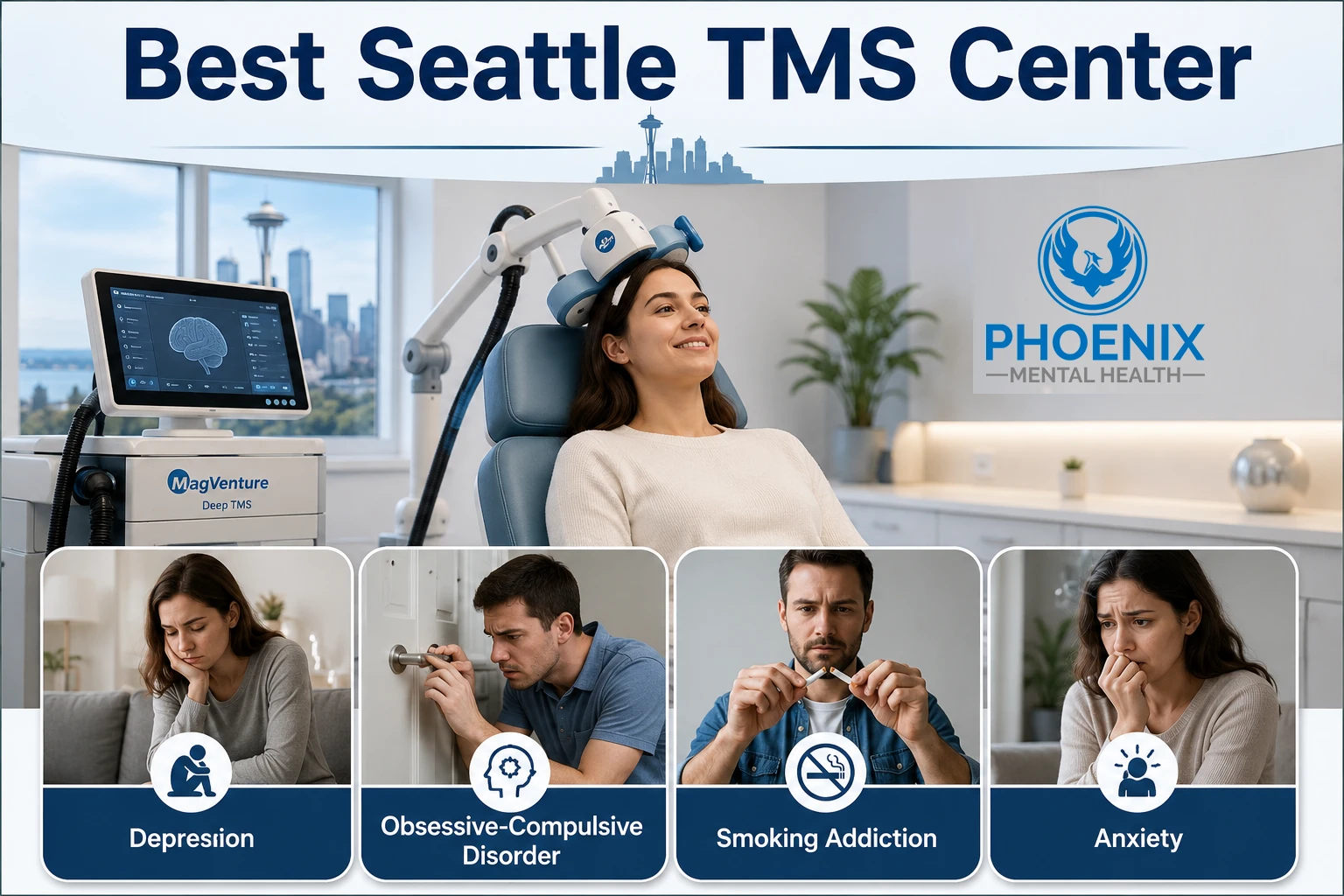
With multiple clinics offering TMS therapy, understanding what to look for can help you make a confident and informed decision.
Verify the Qualifications of the Clinical Team
One of the first factors to consider is the expertise of the healthcare professionals overseeing your treatment. A reputable TMS center should have experienced psychiatrists, physicians, or mental health specialists who are trained in administering and monitoring TMS therapy.
When evaluating a center, consider asking:
- Who supervises the treatment program?
- How much experience does the team have with TMS therapy?
- Are individualized treatment plans provided?
A qualified team can assess your needs accurately and ensure treatment is delivered safely and effectively.
Look for Personalized Treatment Plans
Mental health conditions affect each individual differently. The best Seattle TMS centers understand that successful treatment requires a personalized approach rather than a one-size-fits-all solution.
A quality center should:
- Conduct a thorough initial evaluation
- Review your medical and mental health history
- Create customized treatment protocols
- Monitor progress throughout therapy
Personalized care can improve treatment effectiveness and help patients achieve better results.
Consider the Technology and Equipment Used
Advancements in TMS technology have improved treatment precision and patient comfort. When researching providers, ask about the equipment they use and whether it is FDA-cleared for treating depression and other approved conditions.
Modern TMS systems often provide:
- Greater treatment accuracy
- Enhanced patient comfort
- Improved treatment efficiency
- Consistent stimulation targeting
Choosing a center that invests in advanced technology may contribute to a better treatment experience.
Evaluate Patient Support and Communication
Starting a new mental health treatment can feel overwhelming. A quality TMS center should prioritize patient education and maintain open communication throughout the treatment process.
Look for providers that:
- Clearly explain the treatment process
- Answer questions thoroughly
- Provide realistic expectations
- Offer ongoing support during therapy
Strong communication helps patients feel informed, comfortable, and engaged in their care.
Check Insurance and Payment Options
TMS therapy is often covered by insurance for patients who meet specific criteria, particularly those with treatment-resistant depression. Before choosing a Seattle TMS center, verify whether the clinic accepts your insurance and offers assistance with insurance verification.
It’s also helpful to ask about:
- Coverage requirements
- Out-of-pocket costs
- Payment plans
- Financing options
Understanding the financial aspects beforehand can help avoid unexpected expenses.
Read Reviews and Patient Testimonials
Patient reviews can provide valuable insight into the quality of care offered by a TMS center. Look for feedback regarding professionalism, communication, treatment effectiveness, and overall patient experience.
You may also consider seeking recommendations from:
- Primary care physicians
- Psychiatrists
- Mental health professionals
- Trusted family members or friends
A strong reputation within the community is often a positive indicator of quality care.
Conclusion
Choosing the best Seattle TMS center requires careful research and consideration. By focusing on provider qualifications, personalized treatment plans, technology, patient support, and financial transparency, you can identify a center that aligns with your needs. The right TMS provider can make a significant difference in your treatment journey, helping you take meaningful steps toward improved mental health and overall well-being.
Comments
comments