


What Is Intermittent Fasting?
Intermittent fasting (IF) is an eating pattern that alternates between periods of eating and voluntary abstention from food, without necessarily changing the type or quantity of food consumed. It is increasingly popular for its potential to improve metabolic health and cellular repair mechanisms. (1) (2) Intermittent fasting has been explored across a range of populations and health conditions and is generally considered safe when practiced appropriately. (3)
Among the most popular IF approaches is the 16:8 method, where individuals fast for 16 consecutive hours and consume all their daily calories within an 8-hour eating window. This protocol supports circadian rhythms, aids metabolic function, and may reduce oxidative stress. (4) Studies have demonstrated that restricting food intake to earlier hours of the day might further enhance insulin sensitivity and lipid profiles. (5)
Common reasons people adopt IF include weight loss, simplicity, and blood sugar control. Clinical research highlights IF’s benefits for reducing visceral fat, stabilizing glucose levels, and simplifying dietary habits without extensive calorie counting. (6) (7) (8) Additionally, IF may offer protective effects against cardiovascular diseases and cognitive decline. (9) (10)
The Science behind Fasting Until Noon
Fasting until noon aligns with the principles of circadian biology, which emphasize eating in sync with the body’s internal clock. Research indicates that eating earlier in the day supports glucose metabolism and insulin sensitivity, while delayed meals may disrupt these processes. (2) The morning hours are metabolically optimal, as the body’s hormonal rhythms—particularly cortisol and insulin—peak during this time. (11) Skipping breakfast may compromise these benefits, potentially impacting energy homeostasis. (12) (13) Moreover, late fasting patterns can affect appetite regulation and cognitive performance. (14)
Potential Health Benefits of Fasting Until Noon
Fasting until noon may offer several health benefits, including improved metabolism, weight loss, and better blood sugar control. This daily routine could also support mental clarity and reduce inflammation over time.
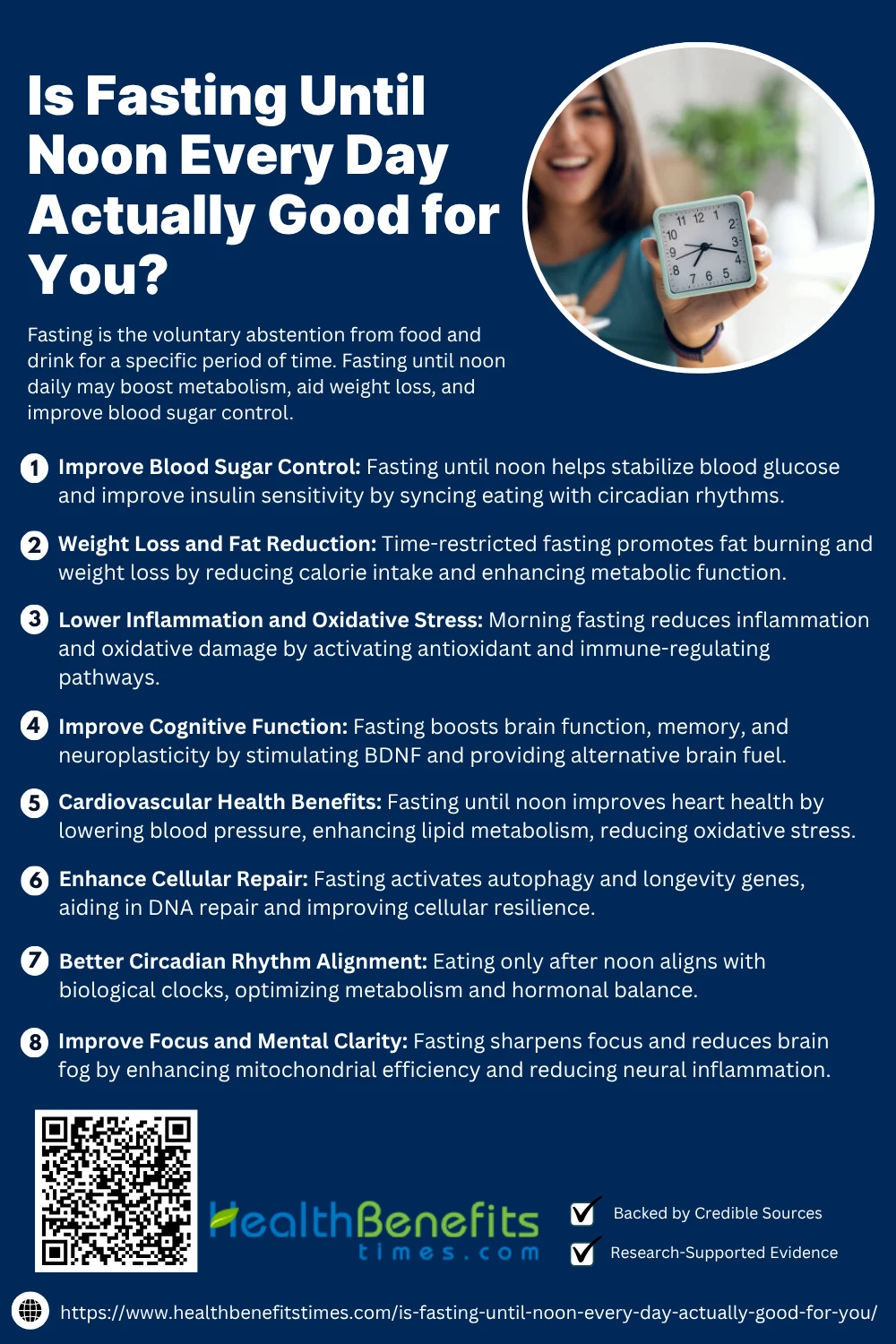
Fasting until noon may significantly enhance glycemic control by aligning eating windows with circadian rhythms. Research indicates that blood glucose levels stabilize more effectively when morning fasting is paired with time-restricted feeding, particularly improving insulin sensitivity Study on exercise timing and blood glucose. (15) Additionally, limiting intake during morning hours was linked to lower glucose variability in diabetic patients Ranjbar et al., 2024. (16) A clinical trial showed improved metabolic outcomes with late feeding schedules University of Athens study. (17) These findings align with recent reviews advocating for chrononutrition strategies in managing blood sugar Nutritional Care Review. (15) Such regimens may also reduce the need for insulin among prediabetic individuals Current Developments in Nutrition. (16)
2. Weight Loss and Fat Reduction
Time-restricted eating, particularly fasting until noon, supports weight loss by extending overnight fat oxidation and reducing overall caloric intake. A controlled study from the University of Athens confirmed that delayed eating improved fat metabolism and decreased body mass index. (17) Aligning eating periods with circadian biology helps optimize metabolic efficiency and suppress hunger hormones Nutrition and Metabolism Research. (15) Moreover, strategic fasting improves mitochondrial function and adipose tissue regulation Current Developments in Nutrition. (16) These benefits also extend to reductions in visceral fat and liver triglycerides Metabolic Outcomes Study, making noon fasting an evidence-backed approach for sustainable weight management Clinical Nutrition Study. (16) (15)
3. Lower Inflammation and Oxidative Stress
Fasting until noon significantly reduces markers of systemic inflammation and oxidative stress by enhancing antioxidant pathways and regulating immune responses. A 10-day fasting study revealed decreased oxidative damage and inflammation in participants. (18) Similarly, Ramadan fasting modulated macrophage-driven inflammation. (19) Systematic reviews confirm reductions in reactive oxygen species and cytokines. (20) Extended morning fasts improved redox balance in obese individuals, while circadian-aligned fasting triggered anti-inflammatory proteome shifts. (21) (22)
4. Improve Cognitive Function
Fasting until noon has been linked to enhanced cognitive performance by modulating brain-derived neurotrophic factor (BDNF) and improving neural plasticity. (23) Evidence suggests that even short-term fasting promotes neurogenesis and memory retention. (24) Moreover, beta-hydroxybutyrate generated during fasting acts as an alternative energy source, enhancing cognition. (25) Morning fasting aligns with circadian rhythms, benefiting executive functions. (26) Finally, animal studies confirm fasting’s role in preventing cognitive decline. (27)
5. Cardiovascular Health Benefits
Fasting until noon aligns with circadian rhythms and supports cardiovascular health by improving lipid metabolism and reducing oxidative stress. Studies show that early time-restricted eating lowers blood pressure and inflammation markers, while intermittent fasting improves endothelial function. (28) (29) Moreover, reduced morning insulin exposure may protect cardiac tissue. (30) Circadian alignment from early fasting reduces cardiovascular strain, and modulates metabolic pathways to prevent atherosclerosis. (31) (32)
6. Enhance Cellular Repair
Fasting until noon enhances cellular repair by activating autophagy and reducing oxidative damage. Research shows that periodic fasting upregulates DNA repair and longevity genes and promotes anti-inflammatory proteomes. (21) (33) Cellular resilience improves through enhanced mitophagy and stress adaptation. (34) Fasting also improves circadian gene expression linked to repair, and boosts stem-cell rejuvenation pathways. (35)
7. Better Circadian Rhythm Alignment
Fasting until noon aligns eating behaviors with the body’s natural circadian rhythm, enhancing metabolic health and hormonal synchronization. This strategy optimizes peripheral clock gene expression and supports glucose regulation. (29) Early time-restricted feeding reinforces central-peripheral clock harmony. (36) Chrononutrition studies confirm better weight and lipid profiles with aligned fasting. (37) Clinical trials also highlight improved cortisol patterns and lower circadian misalignment-related risks. (38)(39)
8. Improve focus and mental clarity
Fasting until noon enhances mental clarity by modulating neurochemical activity and optimizing mitochondrial energy use. Beta-hydroxybutyrate produced during fasting boosts cognitive performance and memory. (25) Research links morning fasting with improved attention and reduced brain fog. (27) Fasting also enhances synaptic plasticity and hippocampal function. (23) Intermittent fasting reduces neural inflammation, improving focus. (24) Enhanced circadian alignment during fasting benefits executive brain functions. ({% https://www.mdpi.com/2072-6643/13/1/191 trusted %})
Who Might Benefit From This Practice?
Fasting until noon may benefit individuals aiming for weight loss, improved insulin sensitivity, or enhanced mental clarity. It’s especially helpful for those seeking a simple, structured approach to healthy eating.
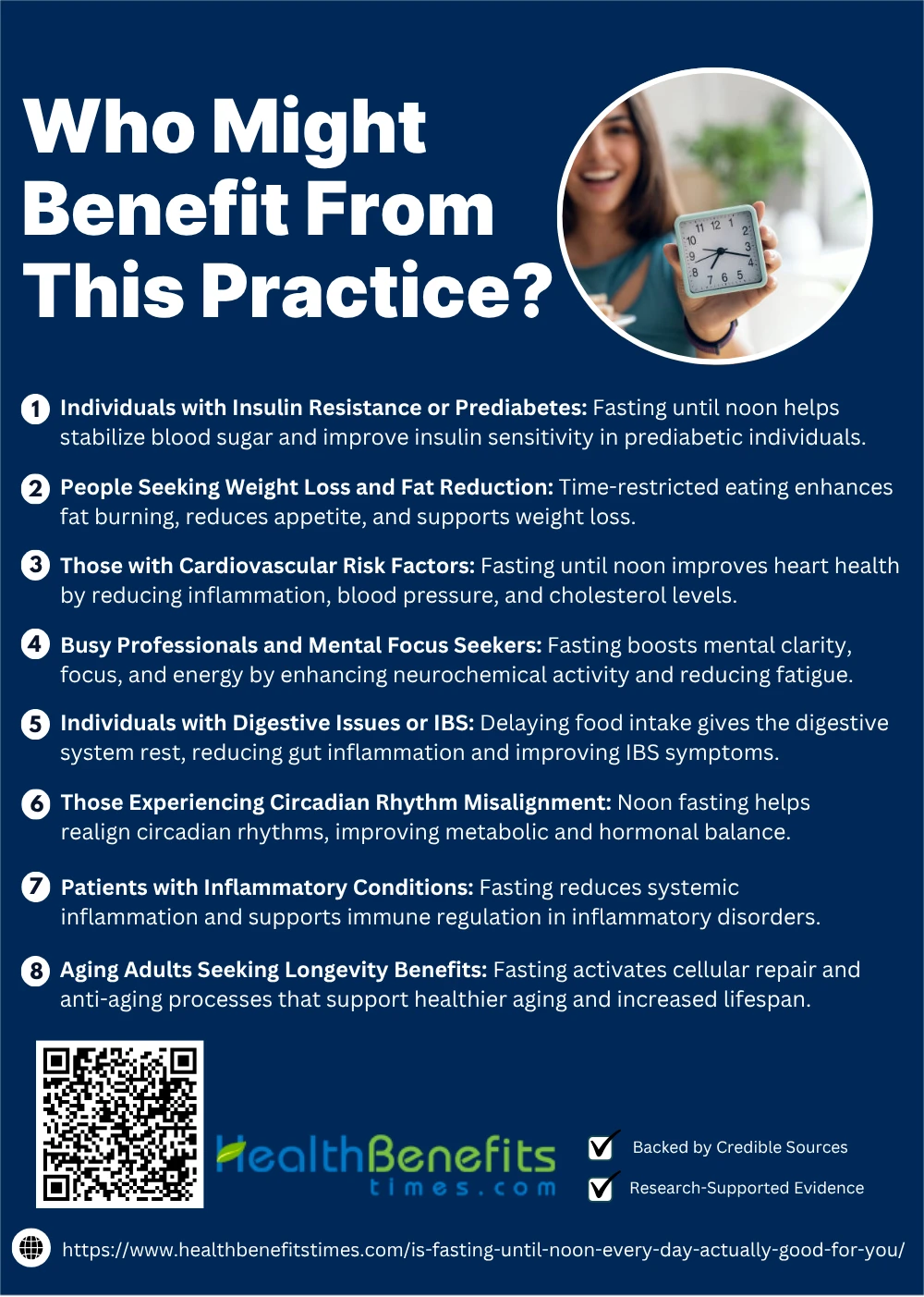
Fasting until noon can improve insulin sensitivity by promoting lower postprandial glucose and reducing glycemic variability. A study highlighted its role in maintaining normoglycemia through delayed meal timing (Cardiometry, 2024). Time-restricted eating has shown benefits for prediabetic individuals by improving fasting glucose control and aligning feeding with circadian insulin peaks. (15) (16)
2. People Seeking Weight Loss and Fat Reduction
Skipping breakfast and restricting intake to later in the day enhances fat oxidation and energy metabolism. A clinical trial confirmed significant fat reduction and BMI improvement with noon-time fasting. (17) Hormonal adaptations during early fasting also reduce appetite, while exercise during the fasting window enhances lipolysis. (15) (16)
3. Those with Cardiovascular Risk Factors
Fasting until noon supports heart health by lowering blood pressure, reducing inflammation, and improving lipid metabolism. Research confirms that time-restricted eating improves cardiovascular markers such as LDL cholesterol and triglycerides. (40) A study in Jurnal Keperawatan showed reduced cardiovascular risks through intermittent fasting. (41) Aligning meals with circadian cycles may further protect vascular function. (29)
4. Busy Professionals and Mental Focus Seekers
Busy professionals often report enhanced clarity and focus when skipping breakfast. Fasting increases levels of norepinephrine and ketones, improving attention and alertness. (25) A review of neurocognitive outcomes during intermittent fasting shows improvements in working memory and cognitive flexibility. (27) Additionally, reduced post-meal fatigue contributes to better sustained mental energy. (24)
5. Individuals with Digestive Issues or IBS
Fasting until noon may ease gastrointestinal distress by allowing the gut extended rest, potentially reducing inflammation and dysbiosis. Research has linked time-restricted eating with improved gut microbiota composition. (42) Another study showed improved GI function in IBS patients following intermittent fasting (Hod et al., 2020). Additionally, early time-restricted feeding was shown to reduce intestinal permeability. (43)
6. Those Experiencing Circadian Rhythm Misalignment
Fasting until noon may help restore circadian alignment by synchronizing metabolic and hormonal rhythms. Studies show that aligning eating times with the body’s internal clock improves metabolic outcomes. (36) Another paper highlights that misaligned eating increases insulin resistance (Morris et al., 2016). Aligning food intake with circadian cues may prevent metabolic syndrome. (44)
7. Patients with Inflammatory Conditions
Fasting until noon can reduce chronic inflammation by downregulating pro-inflammatory cytokines and enhancing antioxidant defenses. Studies reveal intermittent fasting decreases systemic inflammation and oxidative stress in autoimmune and metabolic conditions. (40) It may also induce anti-inflammatory proteomes and modulate immune signaling pathways beneficial in inflammatory disease management. (45) (21)
8. Aging Adults Seeking Longevity Benefits
Fasting until noon activates autophagy and enhances mitochondrial efficiency—both critical to healthy aging. Research shows that intermittent fasting extends lifespan by improving cellular repair and reducing oxidative damage. (34) Another study highlights enhanced metabolic flexibility and inflammatory modulation in older adults. (46) Time-based eating also promotes anti-aging gene expression patterns. (40)
Who Should Be Cautious of Fasting?
Fasting until noon isn’t suitable for everyone. People with diabetes, eating disorders, pregnant women, or those with specific medical conditions should approach this practice carefully and consult a healthcare professional first.
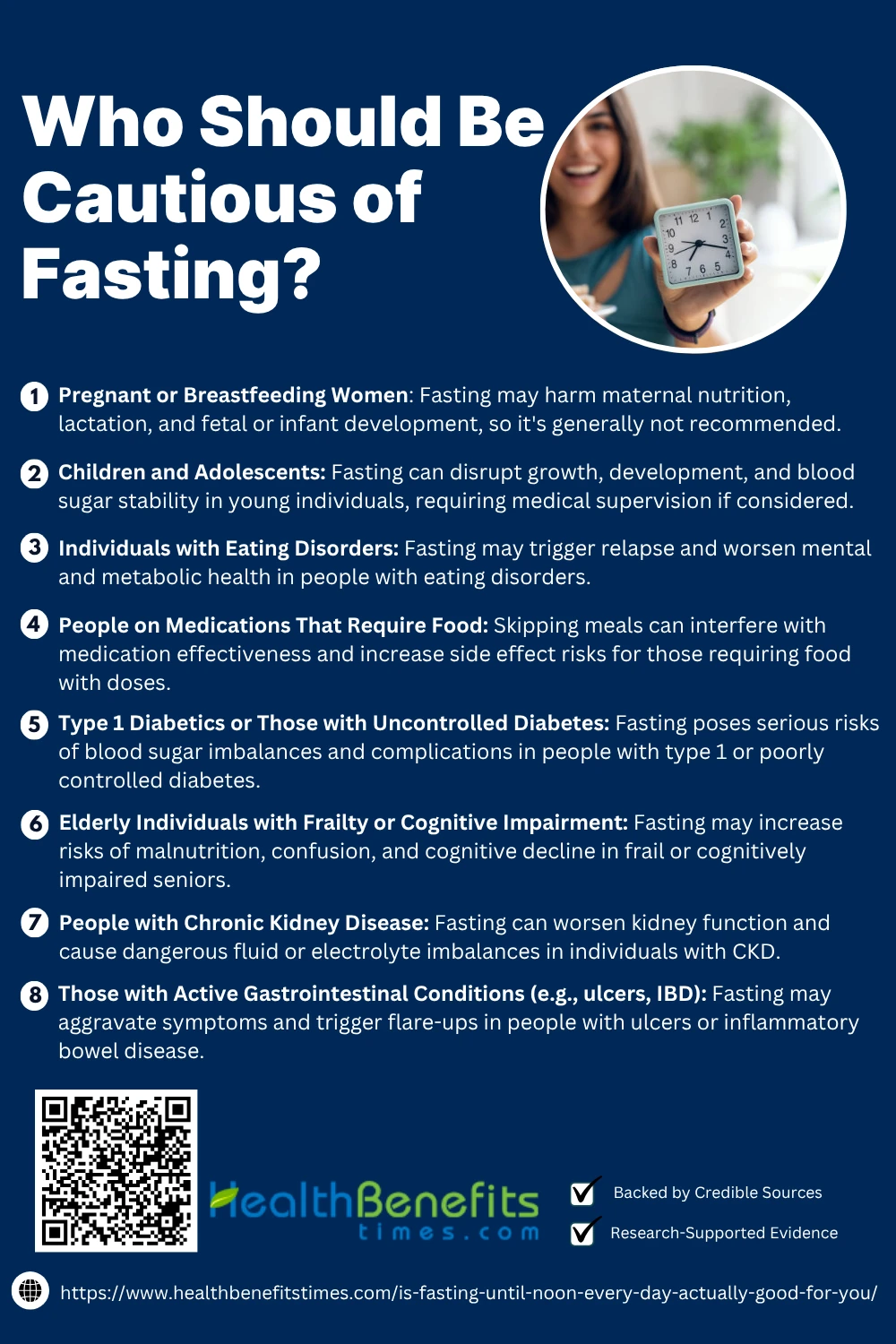
Pregnant and breastfeeding women require steady nutrient intake to support fetal and infant development. Fasting may lead to deficiencies in key vitamins and increase metabolic stress. (47) It may impair lactation performance and maternal glycemic control. (48) Malnutrition risk is elevated in these populations during fasting periods, along with potential neonatal impacts. (49) (50)
2. Children and Adolescents
Fasting can pose risks to young individuals, including hypoglycemia and stunted growth due to nutrient deficiencies. Research shows that adolescents with type 1 diabetes are particularly vulnerable during fasting periods, risking severe complications like diabetic ketoacidosis. (51) Furthermore, cognitive development may be impaired during prolonged fasting. (52) Experts advise that fasting in youth should always involve medical supervision and tailored nutrition plans. ({% trusted %}) ({% trusted %})
3. Individuals with Eating Disorders
Fasting can dangerously exacerbate restrictive eating behaviors in individuals with eating disorders, potentially triggering relapse and metabolic instability. Studies show that fasting reinforces disordered thought patterns and heightens anxiety around food intake, increases cortisol levels, and reduces treatment efficacy. Clinical consensus discourages fasting among such patients. (53) (54)
4. People on Medications That Require Food
Fasting may interfere with the absorption and safety of medications requiring food, risking hypoglycemia, gastrointestinal distress, or drug inefficacy. Antidiabetics and corticosteroids, for example, demand strict mealtime coordination. (46) Fasting also complicates medication timing for chronic kidney and transplant patients. (55) Guidelines highlight dosage adaptation needs and recommend caution during religious fasting. (56) (57)
5. Type 1 Diabetics or Those with Uncontrolled Diabetes
Individuals with type 1 diabetes or uncontrolled glucose levels face heightened risks during fasting, including hyperglycemia and hypoglycemia. Continuous glucose monitoring during Ramadan revealed frequent glycemic imbalances in such patients. (58) Fasting without preparation can also cause severe diabetic complications. (59) Clinical guidance strongly discourages unsupervised fasting in these groups. (60) (61)
6. Elderly Individuals with Frailty or Cognitive Impairment
Elderly individuals with frailty or cognitive impairment should approach fasting cautiously, as their physiological resilience is reduced, raising risks of malnutrition and delirium. Studies indicate that fasting can impair cognitive function in older adults without robust neuroprotection mechanisms Sharifi et al., 2024. (62) Malnutrition itself contributes to cognitive frailty, reinforcing vulnerability Griffiths et al., 2023. (63) Additionally, fasting alters blood metabolites linked to antioxidation and cognition, which may exacerbate frailty Kameda et al., 2020. (64) Clinical evidence also underscores the inverse link between cognitive impairment and fasting tolerance in the elderly Tagliafico et al., 2023. (24)
7. People with Chronic Kidney Disease
Fasting may pose significant risks for individuals with chronic kidney disease (CKD), particularly regarding fluid and electrolyte balance. Evidence indicates that fasting without proper medical supervision can exacerbate CKD symptoms and increase complications such as dehydration or hyperkalemia Alobaidi, 2024. (65) Clinical guidelines stress caution, noting impaired kidney function demands strict monitoring during fasting periods Malik et al., 2021. (66) A systematic review highlights that many CKD patients lack awareness of these risks Bragazzi, 2014. (67) Thus, fasting should only proceed under specialized medical consultation Habas et al., 2022. (68)
8. Those with Active Gastrointestinal Conditions (e.g., ulcers, IBD)
Fasting can aggravate symptoms in individuals with active gastrointestinal conditions such as peptic ulcers and inflammatory bowel disease (IBD). Clinical reviews emphasize that fasting may increase acid secretion, worsening ulceration risk. For IBD patients, fasting may disrupt the gut barrier and immune balance. (69) Research also warns of increased flare-ups among fasting ulcerative colitis patients (Park et al., 2020). Therefore, clinicians advocate caution and individualized planning. (70)
Tips for Safe Fasting Until Noon
Fasting safely until noon requires proper planning. Stay hydrated, eat nutrient-dense meals during your eating window, and listen to your body’s signals to avoid fatigue, dizziness, or nutritional deficiencies.
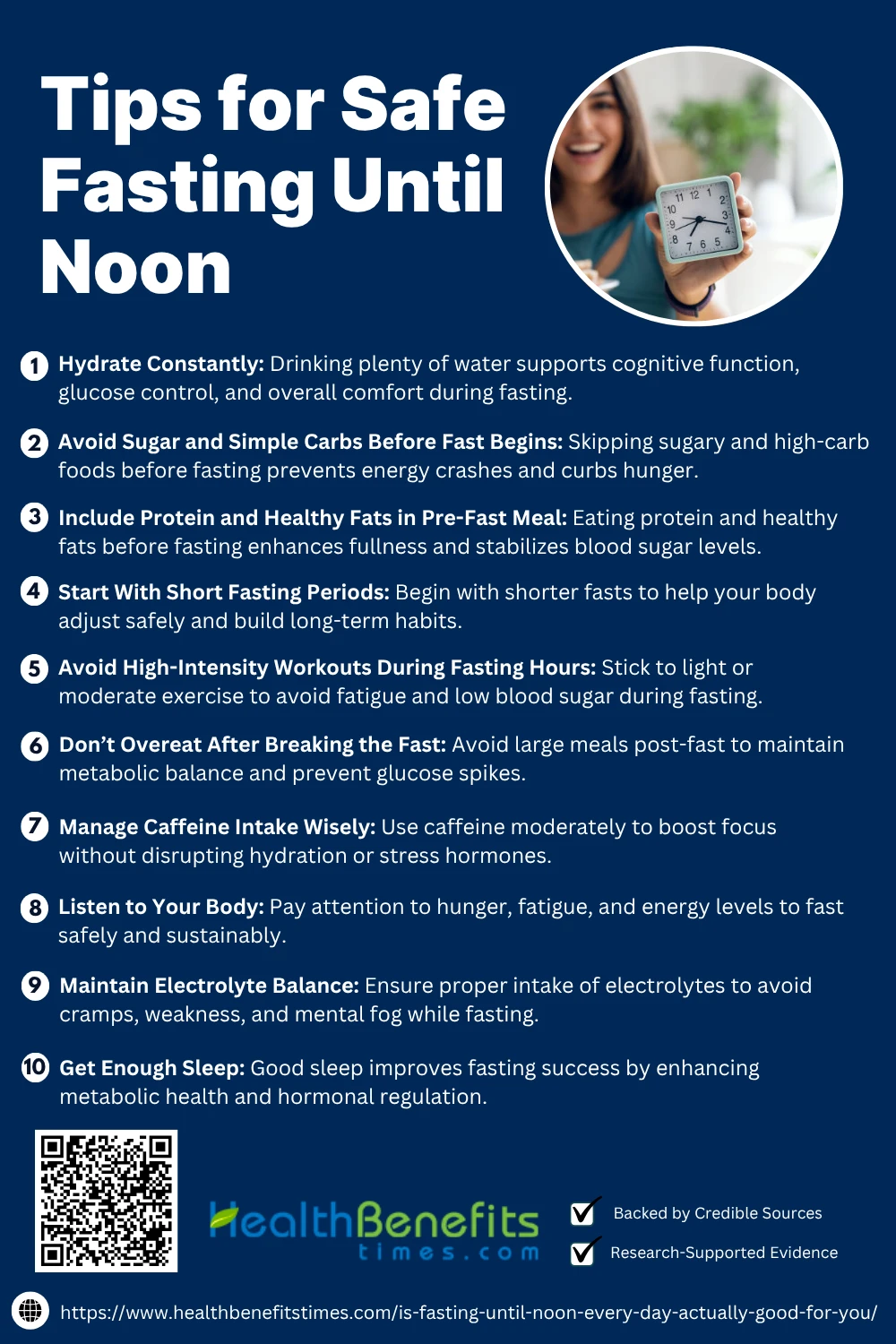
Maintaining hydration is essential for safe fasting until noon, as even mild dehydration can impair cognitive performance and metabolic function. Studies confirm that regular water intake helps stabilize fasting blood glucose and improves tolerance to hunger cues. (40) Research on clear fluid fasting also indicates that hydration before noon is safe and enhances physiological comfort. Hydration further protects renal function during fasting periods.
2. Avoid Sugar and Simple Carbs Before Fast Begins
Consuming sugar and simple carbohydrates before fasting can lead to early hunger and glucose crashes. Avoiding them helps improve insulin sensitivity and glycemic control, enhancing fasting endurance. (71) Low-glycemic meals reduce postprandial glucose fluctuations. (72) High-carb preloads also spike cravings during fasts. (73)
3. Include Protein and Healthy Fats in Pre-Fast Meal
Starting your fast with protein and healthy fats enhances satiety and stabilizes glucose levels throughout the fasting period. Clinical guidelines recommend protein-rich suhoor meals to support energy levels and prevent hypoglycemia. (74) Studies show fats reduce postprandial glucose spikes and promote metabolic balance. (75) (76)
4. Start With Short Fasting Periods
Gradually adapting to fasting by starting with shorter periods helps the body adjust and reduces adverse effects. A clinical study confirmed high tolerance and metabolic stability during a 16-hour fasting schedule in healthy volunteers. (77) Research also indicates this method promotes sustainable habits and safety in long-term fasting. (78) (79)
5. Avoid High-Intensity Workouts During Fasting Hours
High-intensity exercise while fasting may trigger fatigue, dizziness, or hypoglycemia due to depleted glycogen reserves. Experts recommend sticking to moderate or low-intensity activities during fasting periods to prevent adverse effects. (40) A clinical review found fasting impaired workout recovery and increased perceived exertion. (80) Athletes also experienced reduced performance during Ramadan fasting.
6. Don’t Overeat After Breaking the Fast
Overeating post-fast may spike blood glucose and insulin levels, disrupting metabolic benefits. A balanced, portion-controlled meal is key to maintaining glycemic stability. (81) Excessive intake post-fasting can trigger binge cycles and undermine health goals. (82) Mindful eating improves satiety and metabolic response and prevents blood sugar crashes. (83) (84)
7. Manage Caffeine Intake Wisely
Consuming caffeine strategically can ease morning fasting, but overuse may disrupt cortisol rhythms and induce anxiety. Studies show that moderate intake boosts alertness without impairing metabolic fasting benefits. However, excessive consumption increases diuresis and dehydration risk. (85) Limiting caffeine to early morning helps sustain focus during fasting. (86)
8. Listen to Your Body
Fasting success hinges on body awareness. Hunger signals, sleep quality, and energy levels guide safe fasting limits. Ignoring fatigue may indicate hypoglycemia or adrenal strain. Mindful observation fosters sustainable routines and reduces stress response during prolonged fasts. (87)
9. Maintain Electrolyte Balance
Balancing electrolytes during fasting is essential for preventing fatigue, muscle cramps, and cognitive issues. Research stresses that prolonged fasting may lead to sodium and potassium imbalances, especially in warm climates. (88) Electrolyte-rich fluids like mineral water or broths support neuromuscular function. (72) Hormonal responses also influence fluid-electrolyte rhythms during fasting.
10. Get Enough Sleep
Adequate sleep is crucial for effective and safe fasting, supporting hormonal balance and glucose regulation. Poor sleep reduces insulin sensitivity and heightens appetite during fasting hours. (89) Intermittent fasting paired with sufficient rest improves metabolic health and fasting tolerance. (90) A regular sleep schedule also enhances circadian alignment for energy efficiency. (2)
Possible risks and Downsides of Fasting Until Noon Every Day
Fasting until noon daily may cause fatigue, irritability, and nutrient deficiencies. It can disrupt hormones, affect metabolism, and isn’t ideal for everyone, especially those with medical conditions or intense schedules.
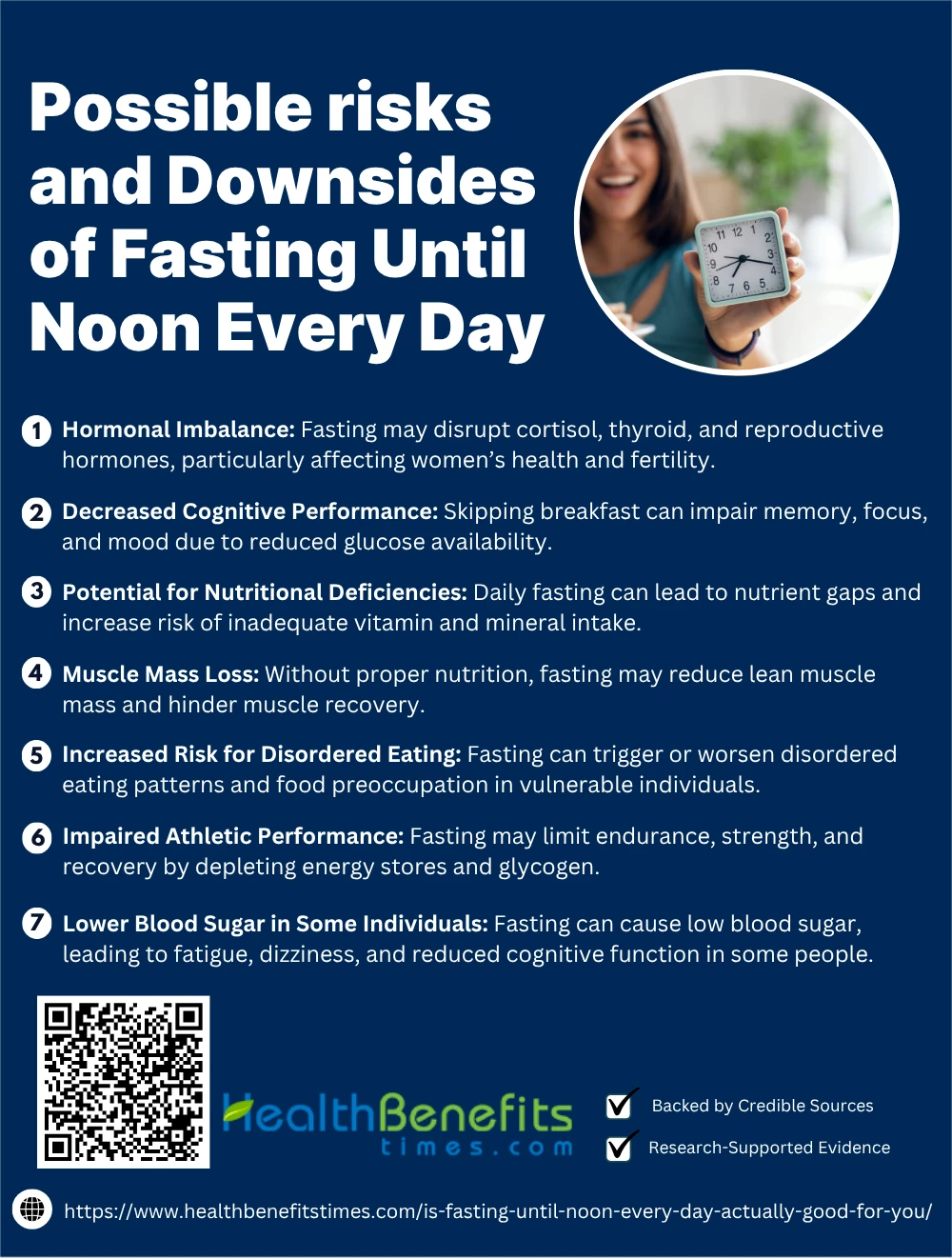
Fasting can disrupt hormonal balance by elevating cortisol and suppressing reproductive hormones, especially in women. (87) Chronic stress responses impair thyroid and adrenal function (Endocrine Society). Intermittent fasting may reduce leptin and estrogen levels, potentially affecting fertility and metabolic health. (91) (92)
2. Decreased Cognitive Performance
Skipping breakfast or prolonged fasting may reduce memory, attention, and executive function (Frontiers). Studies show cognitive performance dips with low glucose availability. (93) Morning meals enhance brain activity in children and adults (American Journal of Clinical Nutrition). Fasting can also impair mood and concentration. (94)
3. Potential for Nutritional Deficiencies
Fasting may increase susceptibility to disordered eating, especially in individuals prone to restriction-binge cycles. (95) It can lead to obsessive thoughts about food and loss of hunger cues. (96) Research also links intermittent fasting to increased risk of bulimia-like behavior. (97)
4. Muscle Mass Loss
Without sufficient protein and training, fasting may accelerate lean muscle loss. Catabolic states increase during prolonged fasting, reducing muscle synthesis. (98) (98) Low amino acid intake further impairs recovery and strength. Research shows intermittent fasting can reduce fat-free mass (BMC Medicine).
5. Increased Risk for Disordered Eating
Fasting may increase susceptibility to disordered eating, especially in individuals prone to restriction-binge cycles. (95) It can lead to obsessive thoughts about food and loss of hunger cues. (96) Research also links intermittent fasting to increased risk of bulimia-like behavior. (97)
6. Impaired Athletic Performance
Fasting may hinder athletic output by reducing glycogen stores and endurance capacity (JISSN). Limited energy availability impairs training intensity and muscle recovery. (99) Early workouts in fasted states can decrease VO₂ max and power. (100) Long-term fasting may also slow post-exercise muscle synthesis. (101)
7. Lower Blood Sugar in Some Individuals
Fasting may cause hypoglycemia in people with insulin sensitivity or metabolic imbalances. (102) Symptoms include dizziness, confusion, and fatigue during prolonged fasts. (103) Skipping meals affects glucose regulation in diabetics and non-diabetics alike. (104) Research also highlights fasting-related glucose dips in morning hours. (105)
Conclusion
Fasting until noon every day can offer a range of health benefits, including weight loss, improved blood sugar control, and enhanced mental clarity. However, it’s not a one-size-fits-all solution. While some people thrive on this routine, others may experience fatigue, irritability, or nutritional imbalances. It’s important to consider your personal health needs, lifestyle, and consult with a healthcare professional before committing to a fasting regimen. Ultimately, success with fasting depends on how well it fits into your daily routine and supports your overall well-being. Listen to your body, stay informed, and make choices that align with your long-term health goals.
Comments
comments