

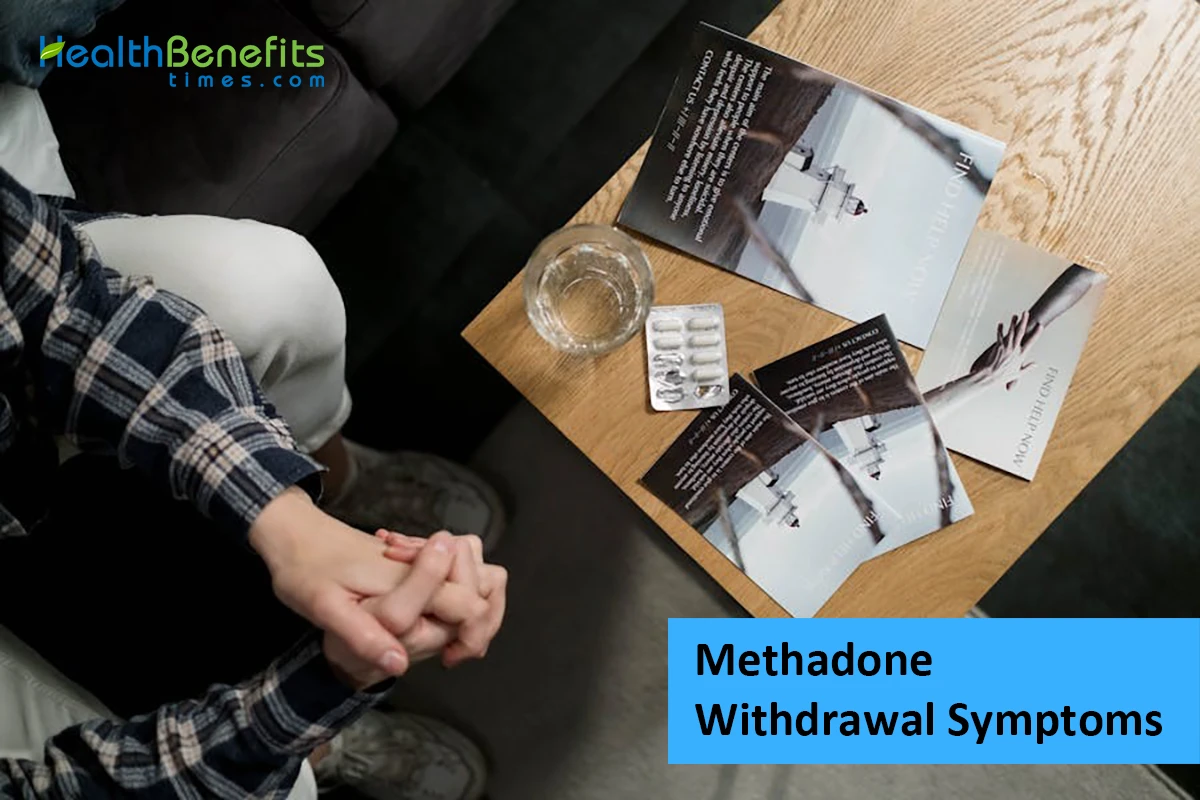
What is Methadone Withdrawal?
Methadone withdrawal occurs when the body, accustomed to the drug, receives less or none at all. Because methadone is long-acting, Methadone withdrawal symptoms may appear later but last longer and be more emotionally and physically demanding. Withdrawal is also physical and mental, and its severity depends upon the dose, duration, and overall health of the subject.
Typical Methadone Withdrawal Side Effects
Methadone withdrawal side effects may be very varied in both their severity and duration. The following is the most common symptom classification:
Physical side effects
Joints and muscle pain: One of the early symptoms, sometimes preceded by flu-like malaise, in the legs, back, and arms.
- Sweats and chills: On and off body temperature resulting in uncontrollable shivering or sweating.
- Nausea, vomiting, diarrhea: Gastrointestinal distress is common, and, when left untreated, results in dehydration.
- Runny nose and eyes: They resemble a bad cold or flu.
- Insomnia and fatigue: Insomnia and chronic fatigue can make normal daily functioning difficult.
- Sneezing and yawning: Far too often underrecorded, they are mild but regular withdrawal symptoms.
- Racing heart and high blood pressure: Overactivation of the autonomic nervous system can cause palpitations and restlessness.
Psychological symptoms
- Irritability and anxiety: Restlessness and mood swings are to be anticipated.
- Depression and loss of motivation: Low periods will make withdrawal harder to cope with.
- Opioid cravings: Psychological methadone dependence can cause strong cravings for opioids.
- Impaired concentration: Muddled mind and loss of memory may be persistent during withdrawal.
Methadone withdrawal timeline
Since methadone has a long half-life, withdrawal may be initiated gradually but prolonged for longer intervals than short-acting opioids. A sample of the common pattern is:
- Early stage (12–48 hours since last dose): Sweating, muscle pain, yawning, and rhinorrhea will happen.
- Peak stage (3–5 days): Symptoms reach their peak, including severe muscle pain, nausea, vomiting, diarrhea, and intense cravings.
- Late phase (1–3 weeks): Physical symptoms will gradually subside, but mental symptoms such as depression, anxiety, and insomnia may linger.
- Post-acute withdrawal (a few months): Some individuals may experience mild anxiety, sleep disturbances, or cravings, often triggered by stress or environmental cues.
Factors That Influence Severity Of Withdrawal
Here are several factors that influence the severity of methadone withdrawal:
- Duration of use: The longer the drug use, the greater the dependence and the worse the withdrawal.
- Dosage: Higher doses each day lead to more severe withdrawal.
- Health status: Prior mental or medical illness will complicate withdrawal.
- Support system: Strong medical and emotional support can minimize symptoms and help prevent relapse.
Methadone Withdrawal Treatment
Methadone withdrawal should be managed with medical supervision, self-care, and psychological support.
Medical supervision
Suddenly stopping methadone is dangerous. Doctors suggest tapering, gradually decreasing the dose over weeks or months, in order to prevent withdrawal symptoms. Doctor monitoring makes it safe, particularly in patients with heart disease or other chronic illness.
Medications to augment
Doctors may prescribe medication to manage some symptoms:
- Clonidine: Prevents restlessness, sweating, and anxiety.
- Anti-nausea medication: Acts against vomiting and nausea.
- Pain medications: For joint and muscle pain.
- Sleeping aids: These can help manage insomnia during the peak of withdrawal.
Fluids and nutrients
It is particularly crucial when there is diarrhea or vomiting. A regular diet rich in vitamins and minerals will enable the body to heal and build strength.
Psychological support
Counseling, therapy, or support groups can overcome emotional concerns and reduce relapse. Behavior therapy allows patients to manage craving and triggers.
Lifestyle changes
Physical activity: Light walking or stretching can reduce muscle tension and mood improvement.
Relaxation skills: Yoga, deep breathing, and meditation can reduce anxiety and stress.
Routine setting: Having a regular daily routine can aid individuals in getting back to normal.
When To Seek Urgent Assistance?
Methadone withdrawal is rarely life-threatening, but severe dehydration, irregular heartbeat, or suicidal thoughts require immediate medical attention. Always consult a medical physician if withdrawal symptoms are too much to manage alone.
Conclusion
Methadone withdrawal can be emotionally and physically challenging, but recovery is possible with proper medical care, treatment, and self-help. Understanding the symptoms, the withdrawal timeline, and effective coping strategies can make the process safer and more successful. Recovery isn’t simply getting rid of physical dependence—it is recovering to health and emotional balance.
If you or a loved one is considering reducing methadone, go visit a healthcare professional to develop a personalized tapering schedule and get connected with the appropriate support system along the way.
Comments
comments