

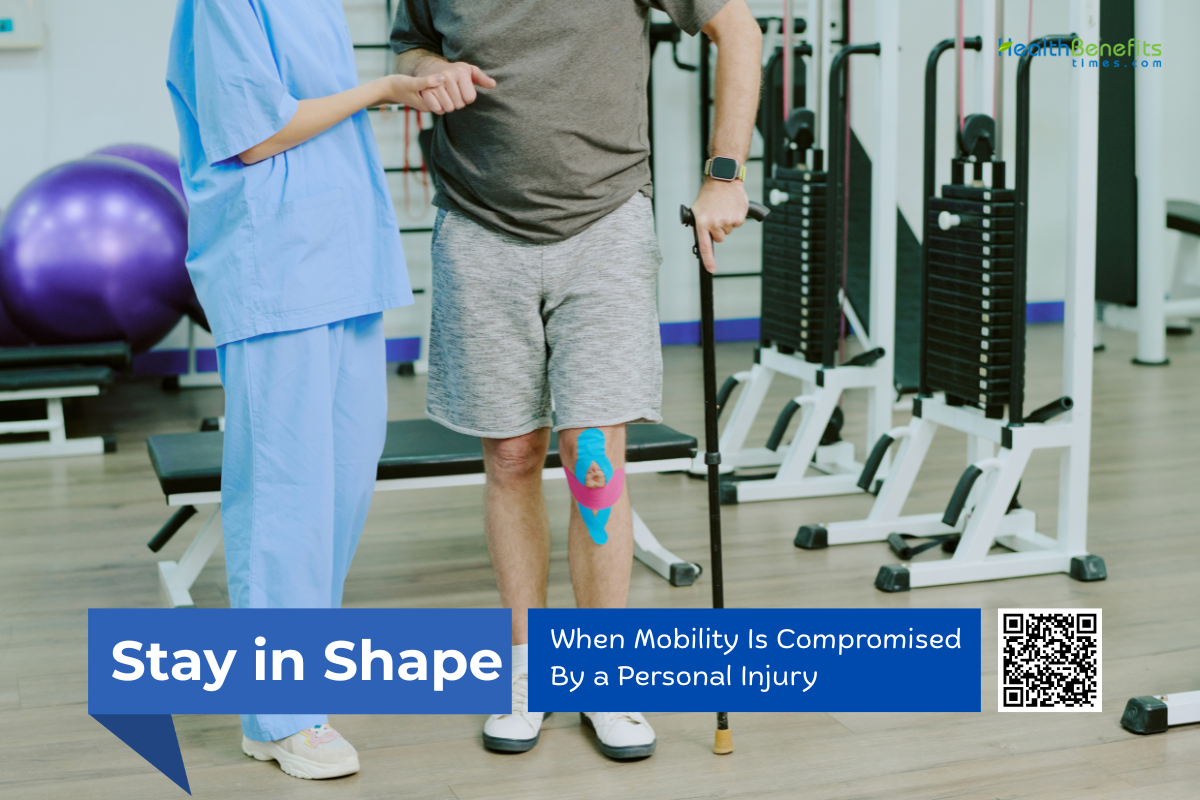
While rest is necessary, remaining inactive for too long may lead to a loss of muscle tissue, loss of flexibility, weight gain, and poor mental health. The good thing, however, is that you don’t have to stop exercising altogether — even if you’re hurt.
Here are four ways you can stay fit, even when on the sidelines recovering from an injury.
1. Emphasize Capabilities the Body Has Not Yet Lost
It’s best to focus on what you can do rather than on what you can’t do following an injury. Otherwise, you might find yourself making excuses and doing nothing at all.
You don’t want to overextend yourself — as this can set your progress back weeks or months. Doing so can also make matters more difficult for your personal injury lawyer if the insurer claims your injuries resulted from overexertion during fitness routines. So, you’ll want to know your limits and get feedback from your doctor so you focus on what you can safely do.
Often, an injury affects only certain parts of the body. For instance, in lower-body injuries, physical exercise in other parts of the body may be possible, such as the arms. Walking or stationary cycling may still be an option.
Physical activities such as seated weight training, resistance band training, and range-of-motion exercises can be adapted to accommodate injuries. These activities help keep muscles active, as they tend to stiffen when a person is idle for extended periods. This is imperative because it promotes consistency, which is often thwarted by a person trying to do too much, too soon. You’ll be on the path to better health if you exercise while healing from an injury.
2. Maintain a Consistent, Low-Impact Routine
Sometimes, it’s the consistency rather than the intensity of the physical activity that’s critical when recovering from an injury. Non-strenuous activities can promote cardiovascular health without placing significant stress on the affected area. Such activities can involve walking, swimming, stationary cycling, or water exercises. Choose what works best for you.
That routine can provide structure during a period when your typical routine may be interrupted by physician visits or limited mobility.
3. Prioritize Nutrition and Weight Management
As activity levels decrease, the role of nutrition becomes even more critical. If you’re less active but don’t modify your eating habits, you may gain weight. This could increase stress on the body during recovery. You can avoid this problem by practicing portion control and adopting a more balanced diet to maintain a healthy weight range.
Well-balanced meals that include lean proteins, whole grains, fruits, vegetables, and healthy fats are important for maintaining muscle health and promoting energy. Also essential is proper hydration. It also supports optimal joint function.
4. Support Mental Wellbeing and Remain Engaged
The emotional implications of personal injury should not be underestimated. Frustration, boredom, and stress are common experiences that often stem from physical limitations, especially for individuals who value an active lifestyle.
You may see progress if small improvements are tracked. Some individuals may use recovery periods to develop new skills or hobbies. Mental resilience is critical during recovery, and engaging in activities will help prevent isolation from inactivity.
Remaining engaged in fitness, even in a limited capacity, will help validate a sense of identity and a sense of control during a challenging time. To stay mentally healthy is often a contributing factor to positive physical recovery.
If you’re sidelined by an injury, that doesn’t have to mean that you abandon your health and fitness goals altogether. Find ways to do some exercise and maintain a good level of fitness. While adaptation and patience are key here, so is the determination to facilitate recovery through a realistic fitness routine you can handle.
Comments
comments