

Causes of Bruxism (Teeth Grinding)
Investigating the root origins of jaw tension reveals a highly complex, multifactorial landscape influenced by a blend of biology, psychology, and daily lifestyle habits. The precise etiology of tooth grinding remains a subject of ongoing clinical inquiry, but researchers universally agree that no single trigger operates in isolation.
1. Psychosocial Factors and Emotional Distress: Psychological turbulence stands as one of the most prominent and widely documented catalysts for awake bruxism. Daily anxiety, heightened stress, nervous tension, and depressive moods directly elevate autonomic cardiac activity and cause involuntary muscle bracing 4. When the human body perceives a stressful event, the primitive “fight or flight” response inadvertently targets the masseter and temporalis muscles in the face, maintaining them in a continuous state of hyper-vigilance and rigid contraction throughout the day.
2. Sleep-Related Breathing Disorders: The physical architecture of your nighttime breathing plays a critical, often overlooked role in nocturnal jaw activity. Obstructive Sleep Apnea (OSA) is widely recognized as a primary risk factor driving severe cases of sleep bruxism 5. When the upper airway becomes partially or completely obstructed by relaxed tissues during sleep, the brain instinctively triggers a survival mechanism a micro-arousal that forces the lower jaw forward to physically reopen the collapsed airway. This desperate mechanical thrusting inherently involves intense, rhythmic teeth grinding.
3. Neurotransmitter Imbalances: Deep within the central nervous system, the delicate balance of chemical messengers dictates all muscle movement. Variations in the dopaminergic and serotonergic systems profoundly influence the onset of bruxism 6. For instance, systemic disturbances in dopamine synthesis can trigger involuntary motor movements, causing the jaw muscles to contract rhythmically and without conscious permission during periods of rest.
4. Nutritional and Mineral Deficiencies: A lack of essential vitamins and minerals directly compromises muscle function and overall neurological stability. Clinical evaluations frequently link nocturnal sleep bruxism with significant deficiencies in Vitamin D, alongside inadequate dietary calcium and magnesium intake 7. Because Vitamin D regulates the neuroimmune system and calcium facilitates proper muscle contraction, their absence rapidly increases neuromuscular excitability, leading directly to involuntary spasms, twitching, and nocturnal clenching 1.
5. Medications and Pharmaceuticals: Various therapeutic drugs introduced into the body can initiate jaw grinding as an unintended secondary side effect. Selective serotonin reuptake inhibitors (SSRIs), certain powerful antidepressants, medicines used for attention deficit hyperactivity disorder (ADHD), and the chronic use of dopamine precursors are well-documented clinical triggers 8. These specific chemical compounds alter the brain’s baseline motor control, manifesting physically as hyperactive jaw movements and jaw tremors.
6. Substance Use and Lifestyle Habits: The heavy consumption of nervous system stimulants exponentially increases the likelihood of muscle hyper-arousal. Nicotine acts to stimulate central dopaminergic activities, rendering regular cigarette smokers approximately twice as likely to report bruxism compared to non-smokers. Additionally, heavy alcohol consumption and high caffeine intake critically disrupt normal sleep architecture, forcing the brain into lighter, more fragmented sleep stages where involuntary grinding predominantly occurs.
7. Genetics and Hereditary Links: Family lineage heavily dictates an individual’s underlying biological susceptibility to this condition. Hereditary factors are strongly implicated in the disorder’s prevalence, with an estimated twenty to fifty percent of affected individuals reporting at least one direct family member who also suffers from severe, audible teeth grinding.
Symptoms of Bruxism (Teeth Grinding)
Recognizing the physical and emotional markers of this condition is absolutely vital, as many individuals remain entirely unaware of their nocturnal grinding until severe secondary complications arise. The manifestations of this parafunctional habit ripple outward, affecting the teeth, joints, muscles, and overall quality of life.
1. Dental Degradation and Fractures: Continuous, heavy friction causes teeth to become flattened, visibly chipped, or structurally cracked, alongside the rapid wear of protective tooth enamel that exposes the sensitive inner dentin layers 4.
2. Severe Thermal Sensitivity: As the thick enamel barrier erodes away from persistent physical trauma, the underlying nerve endings become exposed, rendering the teeth acutely sensitive to hot, cold, or intensely sweet foods and beverages 8.
3. Muscle Fatigue and Facial Soreness: Patients frequently wake up experiencing intense tightness, stiffness, or deep exhaustion in the jaw muscles, feeling as though the lower face has been heavily exercising all night.
4. Temporomandibular Joint (TMJ) Dysfunction: The constant, excessive downward pressure degrades the delicate cartilage of the jaw joint, leading to a painfully locked jaw, restricted range of motion, and audible clicking or popping sounds during basic chewing 5.
5. Referred Ear Pain: Because the intricate structures of the temporomandibular joint sit in extremely close anatomical proximity to the ear canal, severe joint inflammation is often perceived by the brain as a deep earache, despite the complete absence of an actual ear infection.
6. Temporal and Tension Headaches: Symmetrical, dull, aching pain radiating across the temples is a hallmark morning symptom, driven directly by the overexertion and spasm of the fan-shaped temporalis muscles located on the sides of the skull.
7. Cervical and Neck Pain: The immense muscular tension generated in the lower jaw does not remain perfectly isolated; it travels downward through interconnected fascia into the cervical spine, causing chronic neck stiffness and generalized upper shoulder pain 9.
8. Soft Tissue Oral Trauma: Many individuals unknowingly chew the inside of their delicate cheeks or the lateral borders of their tongue during sleep, resulting in painful, raw oral sores and a scalloped, indented appearance along the tongue’s edges.
9. Sleep Disturbance and Chronic Insomnia: The sheer physical effort of grinding, coupled with continuous neurological micro-arousals, completely shatters the continuity of deep sleep, leaving the individual chronically fatigued and suffering from clinical insomnia.
10. Partner Disruption: In more severe, advanced cases, the auditory volume of teeth gnashing and bone-on-bone scraping is loud enough to consistently wake, alarm, or bother a sleeping partner in the same room.
Bruxism (Teeth Grinding) Facts Table
| Symptoms |
|
| Causes |
|
| Types of Bruxism (Teeth Grinding) |
|
| How does spread |
|
| Age Group |
|
| You might be at a higher risk for exposure of this disease if you: |
|
| How doctors diagnose |
|
| Other facts |
|
Natural Remedies for Bruxism (Teeth Grinding)
Exploring conservative, non-invasive therapeutic avenues offers a vital baseline for managing chronic jaw tension and restoring a peaceful quality of life. The natural remedies outlined below specifically target the underlying physiological imbalances, neurological hyper-arousal, and muscular rigidity that characterize this frustrating condition.
1. Magnesium, Calcium, and Vitamin D Supplementation
Addressing profound nutritional voids often yields highly significant improvements in neuromuscular stability and tension relief. Clinical research consistently associates sleep bruxism with prominent biological deficiencies in Vitamin D alongside inadequate dietary calcium intake 10. Vitamin D serves a critical role in neuroimmune modulation and strictly regulates the synthesis of dopamine a primary neurotransmitter intrinsically linked to motor control and jaw movements. Simultaneously, calcium is absolutely required for the proper, controlled contraction of muscle fibers, while magnesium acts as the body’s natural cellular relaxant that signals those exact same fibers to release their tension. When these vital elements are deficient, the body experiences heightened neuromuscular excitability, which directly translates to involuntary muscle spasms, nocturnal clenching, and jaw rigidity. Replenishing these specific micronutrients actively mitigates muscle tension, reduces the sheer frequency of grinding episodes, and powerfully supports the systemic remineralization of dental enamel damaged by friction 7.
Note: This remedy is commonly utilized by taking a high-quality, bioavailable oral dietary supplement daily, or by integrating magnesium-rich tablets and nutrient-dense foods into your routine to promote deep nocturnal muscle relaxation.
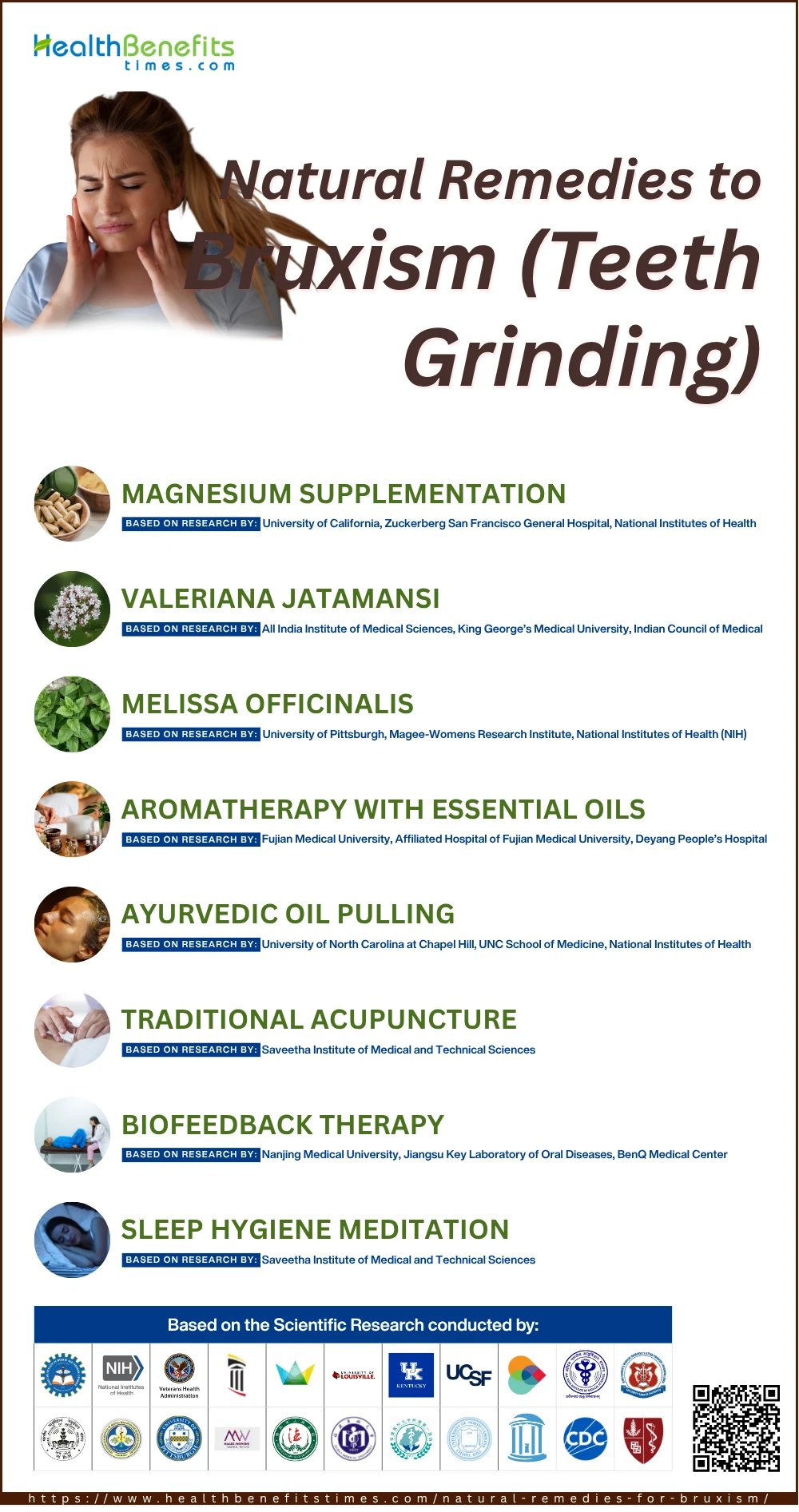
Turning to ancient botanical medicine provides an excellent, time-tested mechanism for soothing an overactive central nervous system. Valeriana jatamansi, heavily utilized in traditional Ayurvedic practices, possesses highly potent central nervous system depressant and anxiolytic (anti-anxiety) properties 11. The complex bioactive compounds hidden within this root’s rhizome directly modulate GABAergic and serotonergic neurotransmission in the human brain, fundamentally mirroring the calming effects of synthetic muscle relaxants but entirely without the risk of heavy chemical dependency. By naturally enhancing these specific receptor expressions, Jatamansi effectively curtails anxiety-related behaviors, deeply improves sleep architecture, and reduces the subconscious stress that triggers the jaw to clench during the lighter, more vulnerable phases of the sleep cycle 12.
Note: This botanical remedy is most commonly consumed by brewing the dried root powder into a warm, earthy tea, or taking it as a standardized herbal extract roughly an hour before bedtime for maximum systemic absorption.
3. Melissa Officinalis (Lemon Balm)
Calming the emotional turbulence that fuels daytime and nighttime clenching can often be achieved through gentle, plant-based sedatives. Melissa officinalis, widely known to the public as lemon balm, contains aromatic essential oils and compounds that boast documented sedative, anti-inflammatory, and anti-spasmodic qualities 13. It acts directly upon the cholinergic systems in the brain specifically targeting nicotinic and muscarinic acetylcholine receptors to promote a profound state of deep physical and psychological relaxation. While extremely severe, highly active pediatric cases may eventually require broader medical interventions, the gentle antinociceptive (pain-relieving) properties of lemon balm make it an exceptionally excellent complementary therapy for easing mild to moderate stress-induced muscle hyper-arousal without introducing the harsh side effects associated with synthetic benzodiazepines.
Note: This calming herb is commonly applied to a wellness routine by ingesting it safely as a liquid tincture or steeping the raw, fragrant leaves into a hot herbal infusion meant strictly for evening relaxation.
4. Aromatherapy with Essential Oils
Inhalation of highly concentrated botanical extracts offers a direct, rapid biochemical pathway to the brain’s emotional center, bypassing the digestive tract entirely. Utilizing pure essential oils, particularly extracted from Nardostachys jatamansi, has been shown to successfully improve brain wave activity, significantly alleviate the biological markers of anxiety, and counteract the physiological stress induced by sleep deprivation 14. Because the olfactory nerve is intimately connected directly to the limbic system, inhaling these therapeutic aromas swiftly regulates heart rate, lowers cortisol output, and signals the autonomic nervous system to shift from a state of hyper-arousal to a restorative rest-and-digest state. This profound systemic relaxation indirectly dismantles the neuromuscular tension required to fuel aggressive, rhythmic jaw clenching.
Note: This olfactory method is applied therapeutically by diffusing the oil into the bedroom air overnight using a cold-water diffuser, or diluting it heavily with a gentle carrier oil to safely massage into the skin of the neck and chest.
5. Ayurvedic Oil Pulling (Gandusha / Kavala)
Integrating traditional Indian folk medicine into modern daily oral hygiene practices can offer localized relief and strengthening for the entire oral cavity. Known in ancient Ayurvedic texts as Kavala or Gandusha, oil pulling involves the active, vigorous swishing of pure, cold-pressed oils inside the mouth 15. While it does not cure the neurological or psychological root of bruxism, the mechanical action of pulling the viscous fluid aggressively through the teeth acts as a gentle, low-impact physical therapy for the jaw, strengthening the localized musculature, gums, and periodontium. Furthermore, the thick lipid environment helps protect the mouth against the severe secondary complications of grinding, such as oral malodor, bleeding gums, cracked lips, and severe dryness of the throat 16.
Note: This oral practice is performed daily by swishing a tablespoon of organic sesame or sunflower oil vigorously in the mouth for ten to fifteen minutes before spitting it out entirely into a waste bin.
6. Traditional Acupuncture
Targeting the body’s intricate meridian lines through ancient Chinese medicine provides an evidence-based, highly respected mechanism for profound pain relief. Acupuncture has proven to be an exceptional complementary treatment for managing the severe facial and temporomandibular joint pain generated by chronic bruxism 17. By inserting ultra-fine, sterile needles into specific anatomical points, practitioners stimulate local blood flow, encourage the massive release of endogenous opioids (endorphins), and manually disrupt the intense, painful spasms locking the masseter and temporalis muscles. Clinical evaluations demonstrate that acupuncture significantly improves maximal mouth opening, provides marked, lasting pain relief, and enhances both the physical and emotional function of patients suffering from severe jaw dysfunction 18.
Note: This clinical therapy is applied exclusively by a licensed, certified professional who strategically places thin needles into specific facial, neck, and systemic points during a relaxing, quiet therapeutic session.
7. Biofeedback Therapy
Harnessing the power of modern technology to effectively rewire subconscious physical habits offers a highly targeted cognitive-behavioral approach. Biofeedback therapy utilizes sensitive electronic monitoring to provide patients with real-time auditory or tactile feedback about their precise level of muscle tension 19. When a patient begins to clench their jaw beyond a healthy, normal threshold, a wireless device or sensor immediately issues a mild vibration or auditory sound. This immediate sensory alert trains the brain to consciously recognize the excessive masticatory muscle activity, fostering an active neuromuscular readaptation. Over a sustained period, patients organically learn to reduce excessive muscle contraction, significantly decreasing both the total episodes and the average duration of grinding events during sleep 20.
Note: This technological intervention is utilized by wearing a specialized, sensor-equipped headband or custom intraoral device that issues a gentle alert whenever you unconsciously begin to tense your jaw muscles.
8. Sleep Hygiene and Mindfulness Meditation
Cultivating a pristine, distraction-free sleep environment and managing pre-sleep cognition directly impacts the ultimate severity of nocturnal movement behaviors. Sleep bruxism is incredibly sensitive to sleep fragmentation and autonomic nervous system arousal. By instituting strict sleep hygiene measures such as maintaining a cool, dark room, regulating consistent sleep schedules, and entirely minimizing ambient noise patients can consistently achieve deeper, less interrupted sleep cycles 21. Combining this environmental optimization with mindfulness meditation or guided relaxation audio tracks dramatically lowers systemic cortisol levels right before bed. Clinical observations indicate that these combined behavioral strategies effectively reduce the likelihood of the sudden micro-arousals that traditionally trigger a violent teeth-grinding episode 22.
Note: This lifestyle remedy is practiced by maintaining a strictly consistent bedtime routine and actively listening to guided breathing or meditation audio tracks to deeply calm the mind as you fall asleep.
Is there any exercise or physical activities for Bruxism (Teeth Grinding)?
Engaging in specific, targeted physical therapy exercises serves as an absolutely essential pillar in dismantling chronic jaw tension. These highly precise movements are designed to restore facial symmetry, improve vital joint lubrication, and permanently release the painful trigger points buried deep within the facial musculature.
The Rocabado 6×6 Exercise Program
Pioneered by Dr. Mariano Rocabado, this highly structured regimen is widely considered the gold standard in physical therapy for temporomandibular joint rehabilitation. The protocol utilizes a specific set of six unique exercises intended to be performed exactly six times a day, focusing heavily on correcting upper body posture, stabilizing the delicate jaw joint, and teaching the mandible how to move flawlessly without strain 23. It emphasizes achieving the proper, natural resting position of the tongue, controlling the smooth hinge-like rotation of the TMJ, and applying rhythmic stabilization techniques. Studies show that this dedicated routine significantly increases the maximum interincisal distance (how wide the mouth can comfortably open) and profoundly reduces masseter and pterygoid pain upon physical palpation 24.
Note: To do this, establish the resting position by placing the tip of your tongue on the upper palate just behind your front teeth, then practice opening your mouth cleanly and applying gentle resistance to your chin with your fingers across six specific micro-exercises.
Temporalis Muscle Stretch
The broad, fan-shaped temporalis muscle, which spans the side of your head directly above your ears, is a primary culprit in the severe tension headaches associated with bruxism. Stretching this specific muscle effectively breaks the cycle of chronic contraction, allowing fresh, oxygenated blood flow to rapidly flush out inflammatory byproducts trapped within the tight tissue 25. Because this powerful muscle helps elevate the mandible, lengthening it manually prevents the jaw from snapping shut with aggressive force during your designated resting periods.
Note: To do this, sit upright, place the heels of your hands firmly on your head just in front of your ears, and slowly open your mouth as wide as possible while gently pushing your hands upward against the muscle, repeating this motion ten times.
Resisted Opening and Closing Exercises
Building vital endurance and stabilization in the jaw requires teaching the muscles exactly how to operate under light, controlled resistance. These exercises specifically target the brain-to-muscle connection, enhancing neuromuscular control and ensuring that the jaw opens in a smooth, synchronized path rather than deviating wildly to one side 26. By forcing the muscles to work against a slight opposing physical force, you fatigue the hyperactive fibers safely and stimulate the stabilizing ligaments that hold the joint in perfect alignment.
Note: To do this, place a single thumb beneath your chin and apply slight upward pressure while slowly opening your mouth, and then move your finger to the ridge of your lower lip, applying gentle downward pressure while you slowly close your mouth.
Correction of Deflected Oral Opening
A perfectly healthy jaw should open and close in a completely straight, vertical line. However, chronic grinding often causes one side of the jaw to become significantly tighter than the other, resulting in a visible zigzag or lateral deviation when you speak, eat, or yawn. Correcting this abnormal deflection requires mindful mirror therapy to actively retrain the central nervous system’s habitual motor pathway 27. Ensuring a perfectly straight trajectory prevents asymmetrical, destructive wear and tear on the fragile cartilage discs housed within the temporomandibular joint.
Note: To do this, stand directly in front of a mirror with your tongue resting lightly on the roof of your mouth, and slowly open and close your jaw while visually ensuring your chin travels in a perfectly straight line without drifting sideways.
Intraoral and Extraoral Masseter Massage
The dense masseter muscle, located prominently at the outer angle of the jaw, is the primary engine behind the crushing, destructive force of bruxism. Over time, it develops hardened, intensely painful nodules clinically known as trigger points. Direct, targeted massage physically breaks down these fibrous adhesions, restoring crucial elasticity to the muscle belly 28. Applying firm compressive force to these points initially causes brief discomfort but rapidly induces a reflex relaxation, completely abolishing the localized pain and chronic stiffness 29.
Note: To do this, place your thumb inside your mouth directly against the inner cheek wall and your index finger on the outside of your cheek, gently squeezing, holding, and rolling the thick muscle band to knead away the tight nodules.
Diaphragmatic Breathing and Postural Correction
The spatial positioning of your cervical spine directly influences the resting tension of your entire jaw. Forward head posture and slumping shoulders pull aggressively on the fascia connecting the neck to the mandible, forcing the jaw muscles to work overtime just to keep the mouth properly closed. Integrating deep diaphragmatic breathing and upper body stabilization exercises physically corrects this anatomical imbalance 30. Proper thoracic breathing simultaneously lowers the heart rate and deactivates the sympathetic nervous system, stripping away the physiological anxiety that subconsciously drives clenching.
Note: To do this, sit tall with your shoulders rolled back and down, placing a hand on your stomach; inhale deeply through your nose so that your belly pushes outward rather than your chest rising, and exhale slowly to release upper body tension.
Foods to Avoid and Activities to Avoid
When attempting to heal an overworked, inflamed jaw, eliminating the biochemical triggers and mechanical stressors that exacerbate muscle tension is absolutely vital. You must actively remove specific irritants from your daily routine to give your central nervous system a legitimate chance to return to baseline.
(i) Foods to Avoid When You Suffer from Bruxism (Teeth Grinding)
- Excessive Caffeine: You should strictly eliminate high doses of coffee, concentrated energy drinks, and strong black teas, particularly in the mid-to-late afternoon. Caffeine is a highly potent central nervous system stimulant that vastly increases muscle hyper-arousal and makes your delicate sleep architecture incredibly fragile, inviting frequent grinding episodes 4.
- Alcoholic Beverages Before Bed: You must avoid consuming any alcohol close to your intended bedtime. While a strong drink might initially make you feel sleepy, alcohol severely disrupts Rapid Eye Movement (REM) sleep, creating violent micro-arousals throughout the night that frequently trigger aggressive jaw thrusting and nocturnal clenching.
- Chewy, Tough, or Sticky Foods: You need to completely remove challenging items like tough steaks, chewy bagels, saltwater taffy, and thick caramels from your daily diet. These specific foods require intense, sustained masticatory effort, which heavily exhausts an already fatigued jaw and significantly exacerbates your baseline facial pain.
- Hard and Crunchy Items: You should avoid biting directly into raw whole apples, raw carrots, thick bread crusts, or hard candies. The sheer, immense mechanical force required to break these dense items down places extreme, entirely unnecessary stress on a highly inflamed temporomandibular joint.
- Refined Sugars and Ultra-Processed Foods: You must actively reduce your daily intake of highly processed sugars. These inflammatory foods generate systemic inflammation and contribute heavily to the dysregulation of cortisol, maintaining your body in a subtle state of physical stress that prevents deep, restorative nocturnal relaxation.
(ii) Activities to Avoid When You Suffer from Bruxism (Teeth Grinding)
- Smoking and Nicotine Use: You must avoid cigarettes, electronic vaping, and nicotine patches. Nicotine aggressively stimulates dopaminergic pathways deep in the brain, chemically forcing your facial muscles into a state of heightened arousal that dramatically increases clenching behavior 6.
- Chewing on Non-Food Objects: You must consciously stop biting your fingernails, chewing on plastic pen caps, or aggressively gnawing on wooden toothpicks. These mindless parafunctional habits train your jaw muscles to remain in a state of constant, low-grade contraction throughout the entire day.
- Chewing Gum: You should avoid chewing gum entirely. The repetitive, continuous chewing motion severely overworks the masseter muscle and strongly reinforces the neurological loop of repetitive jaw movement, directly worsening your clinical symptoms.
- Excessive Evening Screen Time: You need to avoid staring at bright smartphones, tablets, or televisions within an hour of attempting to sleep. The harsh blue light emitted by screens suppresses natural melatonin production, ensuring your brain remains in a hyper-alert state that fatally fragments your sleep cycle 31.
- Poor Ergonomic Posture: You must avoid hunching over computer keyboards, cradling a telephone between your ear and shoulder, or sleeping flat on your stomach with your neck twisted. These highly asymmetrical postures place immense strain on your cervical spine, radiating painful tension directly up into your facial muscles.
Myths and Misconceptions
| Myth | Reality |
| Grinding only happens while you are deeply asleep. | Awake bruxism is incredibly common across the population. Many people semi-voluntarily clench their jaws during the day while actively concentrating, driving, or dealing with emotional stress 5. |
| It is simply a bad habit you can consciously decide to stop. | Sleep bruxism is an entirely unconscious, central nervous system-driven motor behavior. You cannot consciously choose to stop it while your brain is deeply asleep 3. |
| Standard mouth guards completely cure the underlying condition. | Splints and guards only physically protect the teeth from mechanical wear and tear; they absolutely do not cure the neurological drive to clench and grind 32. |
| Only highly stressed or anxious people grind their teeth. | While emotional stress is a major trigger, bruxism is heavily linked to genetics, sleep apnea, medication side effects, and severe vitamin deficiencies 10. |
| Children will simply outgrow it naturally, so treatment isn’t ever needed. | While many children do outgrow it, severe cases can cause permanent dental damage, or accurately signal the hidden presence of a serious airway obstruction or sleep breathing disorder 33. |
| Grinding teeth means you definitively have an intestinal parasite. | This is a deeply outdated folklore myth. Modern clinical science definitively proves bruxism is related to sleep architecture, neurotransmitters, and airway issues, not parasitic worms. |
| Teeth grinding strictly only damages the teeth themselves. | The immense pressure destroys tooth enamel but also severely degrades the temporomandibular joint, causes severe temporal headaches, triggers earaches, and creates chronic neck pain 8. |
| All mouth guards work exactly the same way for every patient. | Standard flat occlusal splints are entirely different from Mandibular Advancement Devices (MADs). Using a standard flat splint when you have sleep apnea can actually dangerously worsen your breathing 34. |
| You would definitely know if you were grinding your teeth heavily at night. | Because it happens unconsciously, many individuals remain entirely unaware until a dentist notices severe wear on their enamel or a partner complains loudly about the noise 4. |
| Prescription painkillers and muscle relaxers are the absolute best long-term solution. | Pharmacological treatments like benzodiazepines are heavily restricted due to high dependency risks and harsh side effects; they are not considered an effective, permanent cure by any medical board 35. |
Special Considerations
When exploring complex treatment pathways, it is critical to recognize that this condition manifests entirely differently across various stages of life and unique health circumstances. A generalized, one-size-fits-all approach is often dangerously inadequate when dealing with specialized demographics.
Children
The overall prevalence of teeth grinding in the pediatric population is astonishingly high, ranging between fourteen and twenty percent. It frequently begins around one year of age, corresponding exactly with the eruption of deciduous (baby) teeth. While many children naturally outgrow this physical habit as their dental arches expand, parents must remain vigilant. Pediatric bruxism is highly correlated with enlarged tonsils, dangerous airway obstructions, and underlying anxiety 33. Pharmacological interventions are strictly limited in children due to severe developmental safety concerns 13. Therefore, primary care physicians heavily favor highly conservative approaches, relying on rigorous sleep hygiene, mindfulness meditation therapies, and gentle physical therapy to calm the child’s nervous system without stunting vital alveolar bone growth 22.
Pregnancy
During gestation, women undergo massive, rapid hormonal fluctuations, severe sleep disruptions, and heightened systemic stress all of which act as perfect biological catalysts for the onset of acute bruxism. Because the developing fetus heavily restricts the safe use of standard muscle relaxants, anti-anxiety medications, and even certain potent herbal remedies, pregnant individuals must lean heavily into purely mechanical and behavioral interventions. Utilizing safe magnesium supplementation (under strict medical supervision to prevent early contractions), engaging in deep diaphragmatic breathing, and performing daily Rocabado 6×6 exercises serve as the safest, most effective pathways to achieve facial pain relief without endangering fetal health in any capacity.
Chronic Conditions
Individuals currently dealing with pre-existing medical syndromes face a highly complicated clinical picture. For instance, patients suffering from severe neurological movement disorders like Parkinson’s disease or cranial dystonia frequently present with severe secondary bruxism, drastically complicating their ability to speak, chew, or swallow safely 36. Similarly, managing bruxism in a patient diagnosed with Obstructive Sleep Apnea (OSA) requires extreme clinical caution. Providing a standard flat occlusal splint to an OSA patient can fatally compromise their airway by allowing the tongue to fall backward during sleep. Instead, these individuals strictly require a Mandibular Advancement Device (MAD) or a CPAP machine, which simultaneously holds the airway open while protecting the dental enamel from friction 37.
Elderly
The statistical landscape shifts drastically in older populations, with only about three percent of individuals over the age of sixty reporting awareness of frequent grinding 6. Primary bruxism largely fades naturally with advanced age. When severe grinding does suddenly emerge in an elderly patient, it is almost exclusively classified as secondary bruxism. This sudden onset is typically a direct side effect of new pharmaceutical interventions, such as L-dopa therapy for Parkinson’s, prolonged use of SSRI antidepressants, or the compounding neurological effects of severe dementia. For the elderly, careful medication audits are far more critical than prescribing standard mouth guards, especially since many older adults utilize full or partial dentures that greatly complicate the fitting of intraoral appliances.
Precaution Before Use of Natural Remedies
Before diving headfirst into alternative therapies and botanical solutions, you must navigate your treatment plan with an abundance of clinical caution, ensuring that you do not inadvertently worsen your condition.
- Consult Your Healthcare Provider First: You must always speak directly with a primary care physician before beginning new herbal regimens like Valerian root, Jatamansi, or Lemon Balm, as these potent botanicals can dangerously interact with prescription antidepressants, blood pressure medications, or synthetic sedatives.
- Strictly Verify Nutrient Dosages: You should strictly monitor your precise intake of Vitamin D and Calcium. While deficiencies absolutely trigger muscle spasms, over-supplementation without corresponding blood tests can lead to toxic calcification of the arteries or the formation of extremely painful kidney stones.
- Rule Out Sleep Apnea Completely: You must never rely solely on calming herbs or standard over-the-counter mouth guards if you suspect your grinding is heavily linked to snoring or gasping for air. Using a basic oral appliance with undiagnosed sleep apnea can dangerously restrict your oxygen intake at night 5.
- Always Dilute Essential Oils: You must always dilute highly concentrated essential oils with a safe carrier oil (like pure coconut or jojoba) before applying them to your skin for massages, as pure, undiluted extracts can cause severe chemical burns or aggressive allergic contact dermatitis.
- Monitor Carefully for Dental Movement: You should ensure that any over-the-counter boil-and-bite mouth guard does not painfully shift your teeth overnight. Inadequate guards can permanently change your natural bite, leading to severe orthodontic complications and permanent malocclusion over time.
When to See a Doctor
While natural remedies and physical exercises offer profound relief for mild to moderate cases, bruxism can easily escalate into a severe medical issue requiring professional clinical intervention. You should seek immediate help from a dentist, physical therapist, or sleep medicine specialist if you experience the following red flags:
- Extreme Dental Damage or Mobility: You notice that your teeth are visibly flattening, becoming severely chipped, cracking under chewing pressure, or feeling unusually loose in your gums 4.
- Unbearable Joint Pain or Locking: You experience a completely locked jaw, an utter inability to open your mouth wide enough to eat normally, or a deafening clicking and popping sound every time you chew food 8.
- Severe Sleep Disruption and Apnea: Your bed partner continuously complains about the extremely loud, disturbing noise of your grinding, or they specifically notice you stopping breathing and gasping for air during the night 37.
- Chronic Systemic Pain: You suffer from relentless temporal headaches, deep earaches without any sign of a localized ear infection, or intense facial pain that prevents you from functioning normally during the day.
- Severe Dentin Hypersensitivity: You develop an agonizing, sharp nerve pain in your teeth every single time you consume a hot cup of coffee, a cold glass of water, or a sweet piece of fruit, signaling that your protective enamel has been entirely worn away.
Comments
comments
This article is based on Scientific Research Conducted by following Research Organization:
- Nutrient insufficiencies and deficiencies involved in the pathogenesis of bruxism (Review)–Saveetha Institute of Medical and Technical Sciences, India
- Nutrients Associated with Sleep Bruxism–Saveetha Institute of Medical and Technical Sciences, India
- Bruxism physiology and pathology: an overview for clinicians–University of Maryland School of Medicine, United States, Veterans Affairs Maryland Health Care System, United States, National Institutes of Health (NIH), United States
- Bruxism–National Institute of Dental and Craniofacial Research (NIDCR), United States
- Bruxism Management–StatPearls Publishing, United States, National Center for Biotechnology Information (NCBI), United States
- Bruxism: A Literature Review–University of Kentucky, United States, University of Louisville, United States, Veterans Affairs Medical Center, United States, National Institutes of Health (NIH), United States
- Exploring the Role of Oral Microbiota in the Pathophysiology and Treatment of Bruxism–Saveetha Institute of Medical and Technical Sciences, India
- Bruxism–MedlinePlus, United States, National Library of Medicine (NLM), United States
- Exploring the therapeutic potential of medicinal plants and their active principles in dental care: A comprehensive review–Saveetha Institute of Medical and Technical Sciences, India
- Self-reported sleep bruxism is associated with vitamin D deficiency and low dietary calcium intake: a case-control study–University of California, San Francisco, United States, Zuckerberg San Francisco General Hospital, United States, National Institutes of Health (NIH), United States
- Central nervous system depressant activity of Jatamansi (Nardostachys jatamansi DC.) rhizome–All India Institute of Medical Sciences (AIIMS), India, King George’s Medical University, India, Indian Council of Medical Research (ICMR), India, Postgraduate Institute of Medical Education and Research (PGIMER), India
- Valeriana species and insomnia: multi-organ mechanisms and translational perspectives–Saveetha Institute of Medical and Technical Sciences, India
- Evaluation of electromyographic signals in children with bruxism before and after therapy with Melissa Officinalis L—a randomized controlled clinical trial–University of Pittsburgh, United States, Magee-Womens Research Institute, United States, National Institutes of Health (NIH), United States
- Aromatherapy With Nardostachys Jatamansi DC. Essential Oil Targeting the MAOA Gene Regulates Cardiac Neural Remodeling and Amino Acid Metabolism to Alleviate Sleep Deprivation-Induced Myocardial Injury–Fujian Medical University, China, The First Affiliated Hospital of Fujian Medical University, China, Fujian Provincial Hospital, China, Deyang People’s Hospital, China
- Role of Ayurveda in management of oral health–University of North Carolina at Chapel Hill, United States, UNC School of Medicine, United States, National Institutes of Health (NIH), United States, Centers for Disease Control and Prevention (CDC), United States
- Exogenous lipoid pneumonia caused by repeated sesame oil pulling: a report of two cases–University of California, San Francisco, United States, Kaiser Permanente Division of Research, United States, Stanford University School of Medicine, United States, National Institutes of Health (NIH), United States
- Is acupuncture an effective treatment for temporomandibular disorder?: A systematic review and meta-analysis of randomized controlled trials–Saveetha Institute of Medical and Technical Sciences, India
- Effect of acupuncture for temporomandibular disorders: a randomized clinical trial
- Efficacy of biofeedback therapy via a mini wireless device on sleep bruxism contrasted with occlusal splint: a pilot study–Nanjing Medical University, China, Jiangsu Key Laboratory of Oral Diseases, China, Jiangsu Province Official Hospital, China, BenQ Medical Center, China, Nanjing University of Aeronautics and Astronautics, China
- Effectiveness of Biofeedback in Individuals with Awake Bruxism Compared to Other Types of Treatment: A Systematic Review–University of California, San Francisco, United States;, Zuckerberg San Francisco General Hospital, United States;, National Institutes of Health (NIH), United States
- Sleep Bruxism: A Narrative Review of Current Concepts, Mechanisms, and Clinical Implications–Saveetha Institute of Medical and Technical Sciences, India
- Sleep hygiene measures combined with mindfulness meditation in the management of sleep bruxism in children: A randomized controlled clinical trial
- Temporomandibular disorders. Part 2: conservative management–Saint Louis University School of Medicine, United States, American Academy of Orthopaedic Manual Physical Therapists, United States, National Institutes of Health (NIH), United States
- Effectiveness of Rocabado exercises in patients with rheumatoid arthritis in remission with temporomandibular joint involvement: A randomized-controlled study–Saveetha Institute of Medical and Technical Sciences, India
- Physical Therapy for Jaw Pain: How To Stop Grinding Teeth–BenchMark Physical Therapy (Upstream Rehabilitation Inc.), United States
- TMJ Jaw Exercise Your Guide to Lasting Pain Relief–Pain and Sleep Center, United States
- Physiotherapy Approaches for Temporomandibular Disorders: A Multimodal Conservative Management Strategy–Hassan II University of Casablanca, Morocco
- Aesthetic Treatment of Bruxism–Council of Scientific and Industrial Research (CSIR), India, Institute of Microbial Technology (IMTECH), India, Postgraduate Institute of Medical Education and Research (PGIMER), India, Texas Biomedical Research Institute, United States, Academy of Scientific and Innovative Research (AcSIR), India
- Assessment of the masseter stiffness in patients during conservative therapy for masticatory muscle disorders with shear wave elastography–University of Toronto, Canada, The Hospital for Sick Children (SickKids), Canada
- Jaw Exercise Versus Jaw & Posture Exercise Therapies in Comparison to Occlusal Splint Effectiveness in Probable Sleep Bruxism: A Randomised Controlled Study
- The effect of sleep hygiene and physiotherapy on bruxism, sleep, and oral habits in children with sleep bruxism during the COVID-19 pandemic–The Chinese University of Hong Kong, China, Prince of Wales Hospital, China, University of Oxford, United Kingdom, National Institutes of Health (NIH), United States
- Sleep bruxism: Current knowledge and contemporary management–University of North Carolina at Chapel Hill, United States, UNC Gillings School of Global Public Health, United States, Centers for Disease Control and Prevention (CDC), United States
- Sleep Bruxism in Children: Etiology, Diagnosis, and Treatment—A Literature Review–University of California, San Francisco, United States, Kaiser Permanente Division of Research, United States, National Institutes of Health (NIH), United States
- Influence of MAD Application on Episodes of Obstructive Apnea and Bruxism during Sleep—A Prospective Study–Harvard University, United States, Brigham and Women’s Hospital, United States, Massachusetts General Hospital, United States, National Institutes of Health (NIH), United States
- Pharmacotherapy for sleep bruxism–Saveetha Institute of Medical and Technical Sciences, India
- Current Treatments of Bruxism–University of California, San Francisco, United States, Kaiser Permanente Division of Research, United States, Stanford University School of Medicine, United States, National Institutes of Health (NIH), United States
- The effect of continuous positive airway pressure and mandibular advancement device on sleep bruxism intensity in obstructive sleep apnea patients–University of Toronto, Canada, University Health Network (UHN), Canada, Mount Sinai Hospital, Toronto, National Institutes of Health (NIH), United States