

Causes of Gastritis
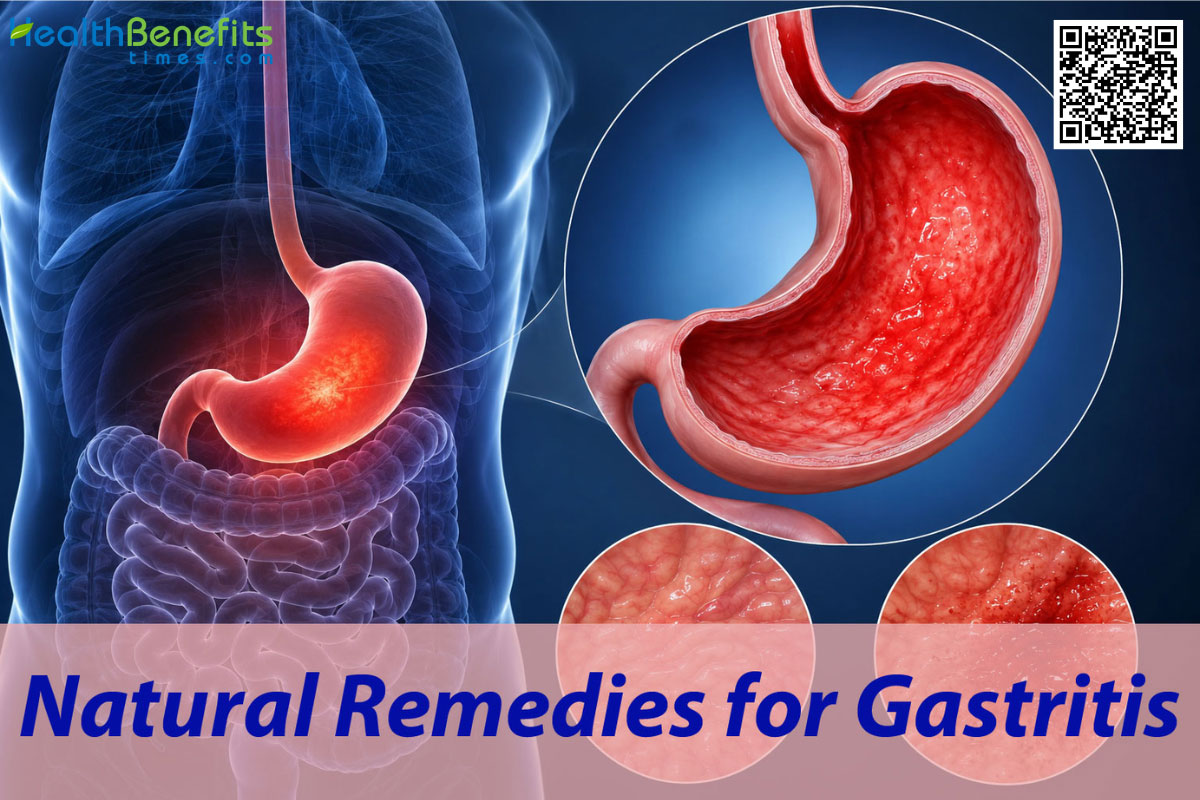
Discovering the underlying reasons for stomach distress can be quite illuminating for those seeking to improve their digestive health. The stomach lining is surprisingly tough, but it remains vulnerable to several common chemical, infectious, and physical triggers that disrupt its protective mucus layer.
1. Bacterial Infections
A highly prevalent spiral-shaped bacterium known as Helicobacter pylori (H. pylori) targets the stomach lining directly, often lasting a lifetime if left untreated and serving as one of the most prominent underlying causes of chronic stomach inflammation 2.
2. Routine Pain Medication Use
Frequent or long-term reliance on common over-the-counter pain relievers, specifically nonsteroidal anti-inflammatory drugs (NSAIDs) like ibuprofen or aspirin, can chemically strip the stomach of its protective barrier 3.
3. Autoimmune Disorders
In certain unfortunate situations, the body’s own immune system becomes confused and mistakenly attacks the healthy cells of the stomach lining, leading to a condition that severely impairs the absorption of essential daily nutrients 4.
4. Chemical Bile Reflux
The unnatural, backward flow of digestive bile fluids from the small intestine up into the stomach cavity can cause severe chemical burns and long-term cellular damage to the gastric tissues 5.
5. Severe Physical Trauma or Illness
Critical health emergencies, such as severe bodily burns, sepsis, or major surgeries, can dramatically reduce the flow of life-sustaining blood to the stomach tissues, resulting in rapid-onset stress gastritis 6.
6. Excessive Alcohol Consumption
Drinking heavy or highly concentrated amounts of alcohol directly irritates and erodes the stomach lining on contact, making the delicate tissues far more vulnerable to damage from normal stomach acids 7.
Symptoms of Gastritis
Recognizing the physical signs of digestive trouble allows individuals to seek timely, appropriate care. Many individuals living with mild to moderate stomach inflammation might never actually notice any outward signs, but when physical symptoms do manifest, they generally include:
- A persistent gnawing ache, sharp pain, or heavy discomfort located primarily in the upper central region of the abdomen.
- Frequent, unpredictable bouts of nausea or the sudden urge to vomit shortly after consuming daily meals.
- A sensation of feeling completely full too quickly during the very early stages of eating a meal.
- Feeling uncomfortably bloated, swollen, or excessively full for hours after a meal has ended.
- A noticeable, prolonged loss of appetite that may eventually lead to unintended and unhealthy weight loss.
- Passing dark, tarry stools or vomiting material that closely resembles coffee grounds, which are critical warning signs indicating active bleeding in the stomach.
Gastritis Facts table
Organizing the most critical clinical details into a clear, structured format provides a quick, educational overview of the disease for general readers.
| Feature | Details |
| Symptoms 2 |
|
| Causes 4 |
|
| Types of Gastritis 3 |
|
| How does spread 6 |
|
| Age Group 8 |
|
| You might be at a higher risk for exposure of this disease if you: 5 |
|
| How doctors diagnose 9 |
|
| Other facts |
|
Natural Remedies for Gastritis
Exploring the world of natural botanical therapies offers a reassuring, holistic approach to supporting digestive health alongside traditional medical care. Scientific evaluations consistently demonstrate that certain medicinal plants and nutritional elements possess distinct anti-inflammatory, antibacterial, and mucosal-healing properties that can significantly benefit a compromised stomach lining.
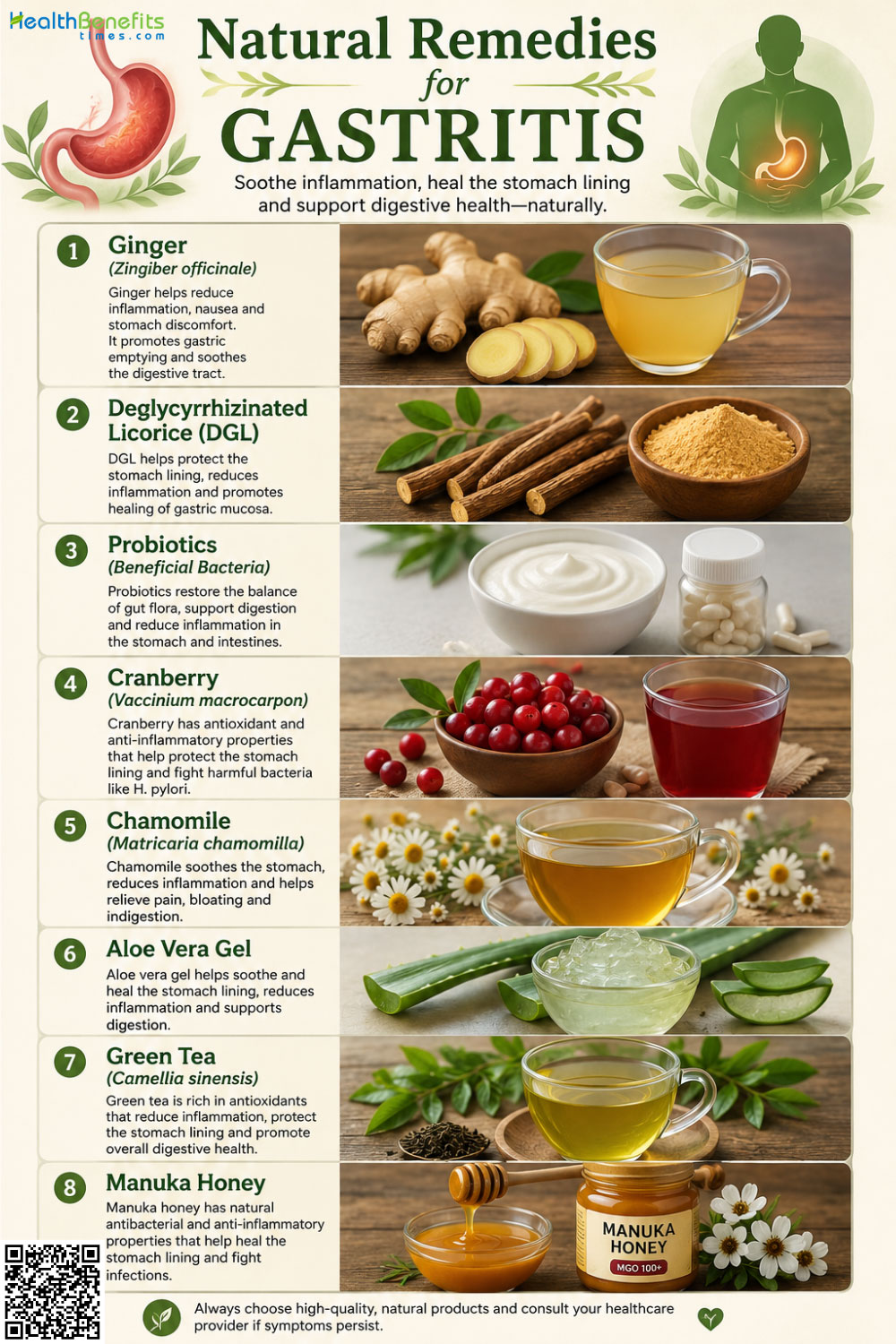
1. Ginger (Zingiber officinale)
Renowned for centuries in global traditional healing systems, the spicy ginger root is highly regarded for its extraordinary ability to soothe gastrointestinal distress. Scientific clinical evaluations reveal that ginger contains potent bioactive compounds, specifically known as gingerols and shogaols, which exert strong antioxidant effects by inhibiting cellular inflammatory pathways inside the gut 11. Controlled studies indicate that incorporating a daily dose of ginger powder can actively assist in the eradication of H. pylori bacteria while dramatically improving functional symptoms of upset stomach, such as nausea, belching, and trapped gas 12. Furthermore, ginger has been clinically shown to safely accelerate gastric emptying, helping the stomach process and move heavy food more efficiently, thereby reducing the uncomfortable sensation of post-meal fullness 13.
Note: You can easily use this remedy by steeping freshly grated ginger root in hot water for a soothing tea, or by taking a standardized ginger capsule right before your heaviest daily meal to improve digestion.
2. Deglycyrrhizinated Licorice (DGL)
Extracts derived from the sweet licorice root have long been utilized by experienced herbalists to heal damaged mucosal tissue, but standard licorice contains a compound that is known to dangerously raise blood pressure. Deglycyrrhizinated licorice, widely known in health circles as DGL, has this specific risky compound chemically removed, resulting in a highly safe, gentle, and effective alternative 14. The natural flavonoids and protective compounds remaining in DGL promote the rapid secretion of thick, defensive mucus inside the stomach, effectively coating the damaged lining and shielding underlying cells from harsh gastric acids 15. Clinical observations suggest that DGL actively aids in the physical healing of ulcers and significantly reduces localized burning without carrying the cardiovascular side effects typically associated with whole licorice root 16.
Note: You can apply this remedy by slowly chewing a DGL tablet approximately twenty minutes before eating, allowing the herbal extract to mix with your saliva and thoroughly coat your stomach lining.
3. Probiotics (Beneficial Bacteria)
Rebuilding the stomach’s natural microbial balance is considered a foundational pillar of functional digestive recovery. Specific live strains of beneficial probiotics, particularly those belonging to the Lactobacillus and Bifidobacterium families, have repeatedly demonstrated the unique ability to inhibit the physical growth and adhesion of harmful bacteria to the delicate gastric walls 17. These helpful microscopic bacteria actively compete with dangerous pathogens for physical space and dietary nutrients while simultaneously prompting the host’s immune system to increase the production of protective immune compounds 18. Rigorous research confirms that supplementing with these high-quality probiotics alongside standard antibiotic therapies not only improves the total bacterial eradication rates but also drastically reduces the severe side effects of medication, such as abdominal pain and diarrhea 19.
Note: You can safely consume these beneficial bacteria by eating fermented foods like plain, unsweetened yogurt, or by taking a daily multi-strain probiotic capsule on an empty stomach to repopulate your gut flora.
4. Cranberry (Vaccinium macrocarpon)
Often exclusively associated with maintaining urinary tract health, tart cranberries are actually remarkably effective at supporting a balanced, healthy gastric environment. The deep red berries contain a rich concentration of specialized plant compounds known as proanthocyanidins, which possess the unique mechanical ability to prevent infectious bacteria from anchoring onto the stomach’s mucosal cells 20. Regular daily consumption of cranberry juice has been shown in human trials to successfully suppress bacterial proliferation and notably lower the cellular levels of inflammatory markers directly within the digestive tract 21. Drinking the juice over a span of several weeks also enhances the overall effectiveness of standard medical eradication treatments, cementing its role as a powerful complementary dietary strategy 22.
Note: You can drink a small glass of pure, 100% unsweetened cranberry juice daily, or take a concentrated cranberry extract pill with your breakfast to help prevent unwanted bacterial adhesion.
5. Chamomile (Matricaria chamomilla)
A wonderfully gentle, aromatic herb, chamomile is celebrated across the globe for its soothing, anti-spasmodic properties that physically relax the smooth muscles of the digestive tract. The delicate white and yellow flowers contain a wealth of natural plant chemicals that impart mild antimicrobial benefits alongside strong, localized anti-inflammatory effects on the internal organs 23. Drinking chamomile preparations helps to significantly reduce the severity of mucosal inflammation, easing the sharp cramping, erratic spasms, and painful bloating that are so often associated with an irritated stomach lining 24. It also provides a secondary, calming neurological effect, which is highly beneficial since psychological stress is a well-documented aggravator of physical gastric distress 25.
Note: You can easily prepare this remedy by steeping dried chamomile flowers in hot water for five minutes, drinking the warm tea between meals or right before bed to relax your digestive muscles.
6. Aloe Vera Gel
Carefully extracted from the thick inner leaves of the desert succulent plant, pure Aloe Vera gel is a deeply hydrating, cooling, and tissue-protecting botanical remedy. Laboratory studies and clinical observations demonstrate that consuming Aloe Vera gel decreases harmful cellular reactions and substantially lowers the presence of pro-inflammatory compounds, reducing ongoing inflammation within the intricate gastric blood vessels 26. Furthermore, the clear gel actively stimulates the cellular production of specific immune proteins responsible for accelerating the healing of stomach ulcers and actively repairing the damaged mucosal lining 27. Its naturally low molecular-weight gel fractions provide a soothing, physical barrier that gently coats and protects acute gastric lesions from further chemical erosion 28.
Note: You can drink a small, measured amount of purified, decolorized Aloe Vera juice—specifically labeled for internal consumption—about fifteen minutes before eating a meal to cool and coat your stomach.
7. Green Tea (Camellia sinensis)
Rich in a highly specific group of plant-based antioxidants known as catechins, green tea provides profound cellular protection against cumulative oxidative stress in the body. Expansive public health evidence reveals a strong inverse relationship between regular, daily green tea consumption and the statistical risk of developing chronic gastritis over a person’s lifetime 29. The active, water-soluble polyphenols within the tea leaves have been shown to directly inhibit the physical growth and spread of gastric bacteria while minimizing the long-term inflammatory damage inflicted upon the deeper stomach glands 30. Careful, moderate consumption helps the human body maintain an incredibly resilient and healthy mucosal barrier over time.
Note: You can sip lightly brewed, warm green tea throughout the mid-morning or afternoon, making sure not to drink it on a completely empty stomach to avoid mild irritation from the natural tea tannins.
8. Manuka Honey
Originating almost exclusively from the nectar of the resilient Manuka tree, this specialized, dark honey possesses unique, potent antibacterial and antioxidant properties not found in standard commercial sweeteners. Manuka honey exerts profound, localized anti-inflammatory effects that actively promote the rapid healing of painful gastric ulcers while shielding the delicate mucosal lining from ongoing oxidative damage 31. It is frequently utilized in holistic practices as a robust adjunct support in treating various upper gastrointestinal tract diseases because of its distinct synergistic effects when directly paired with traditional antibacterial drug therapies 32.
Note: You can eat a teaspoon of high-grade Manuka honey straight off the spoon, or stir it gently into a lukewarm cup of herbal tea to soothe a burning throat and stomach lining.
Is there any exercise or physical activities for Gastritis
Moving the body intentionally and mindfully can foster deep internal healing, as physical activity directly influences systemic blood flow, cellular metabolism, and the delicate communication pathway known as the gut-brain axis. Engaging in the right type of gentle exercise can dramatically alleviate the discomfort of stomach inflammation without ever placing undue mechanical stress on the healing digestive organs.
1. Yoga and Mind-Body Practices
Mindful movement practices have emerged as highly effective, evidence-based tools for managing functional gastrointestinal disorders without the need for intense physical strain. Extensive research highlights that practicing specific yoga postures significantly decreases physical symptom severity, relieves crippling anxiety, and vastly improves the overall quality of life in patients suffering from chronic digestive issues 33. On a physiological level, yoga helps regulate the autonomic nervous system, effectively shifting the body away from a tense stress response toward a restorative state, which organically encourages proper, pain-free gastric motility 34.
Note: You can practice gentle seated twists, supported forward folds, and deep diaphragmatic breathing on a soft mat for twenty minutes a day to softly massage your internal organs and reduce bloating.

2. Mild Aerobic Walking
Light, rhythmic cardiovascular exercise gently stimulates the body’s natural, internal maintenance and repair processes. Engaging in mild aerobic activities, such as brisk outdoor walking, noticeably improves overall cardiovascular blood circulation, ensuring that the inflamed, healing tissues of the stomach receive a steady, uninterrupted supply of oxygen and reparative nutrients 35. Mild physical activity also naturally speeds up sluggish digestion, reducing the total amount of time heavy food sits in the stomach, which can immediately alleviate feelings of trapped gas and post-meal fullness 36.
Note: You can take a leisurely, unhurried twenty-minute walk around your local neighborhood or a flat park trail about an hour after eating to gently encourage your food to digest properly.
3. Tai Chi
Deeply rooted in ancient martial arts traditions, Tai Chi consists of a series of incredibly slow, flowing physical movements seamlessly paired with deep, rhythmic breathing patterns. This inherently low-impact activity demonstrates notable effectiveness in alleviating functional gastrointestinal distress by profoundly lowering systemic psychological and physical stress levels 37. Because intense, high-impact exercise can sometimes delay gastric emptying or trigger sudden bouts of nausea, Tai Chi offers a perfect, low-intensity alternative that keeps the abdominal core engaged without reducing vital blood flow to the gut 38.
Note: You can follow along with a beginner’s Tai Chi routine in a highly relaxed, upright posture, maintaining continuous, fluid motion to thoroughly calm your central nervous system and relax your stomach.
Foods and Activities to Avoid When You suffer from Gastritis
When you suffer from an inflamed stomach, your digestive system is highly sensitive and requires a peaceful, non-irritating environment to physically heal. Eliminating known chemical irritants allows the localized swelling to naturally subside and actively prevents any further injury to the highly vulnerable mucosal lining.
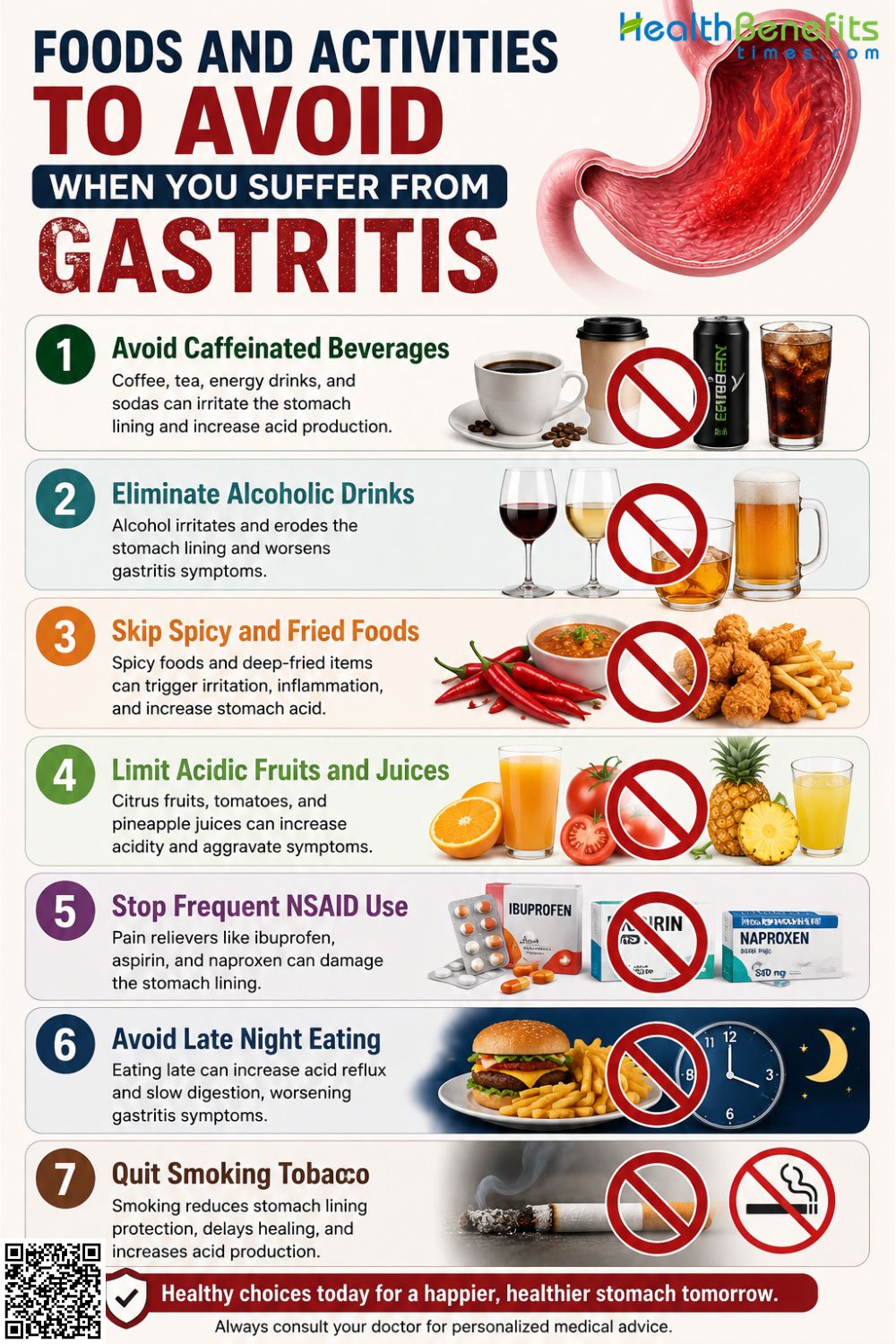
1. Avoid Caffeinated Beverages
You should completely avoid drinks like strong coffee (including decaffeinated versions), black tea, and modern energy drinks, as they unnecessarily stimulate excess acid production and deeply irritate the stomach wall 39.
2. Eliminate Alcoholic Drinks
You must stop drinking alcohol, as it acts as a direct, harsh chemical solvent that physically erodes your protective mucus barrier, exacerbating internal pain and severely delaying your body’s natural healing process 7.
3. Skip Spicy and Fried Foods
You should stay away from heavy, greasy meals and intensely spicy culinary dishes, which severely slow down your digestion and can immediately provoke uncomfortable acid reflux and intense burning sensations 40.
4. Limit Acidic Fruits and Juices
You need to restrict naturally acidic foods like raw citrus fruits, tomatoes, and packaged fruit juices containing citric acid, as they dramatically increase the acidic burden on your already inflamed stomach lining 41.
5. Stop Frequent NSAID Use
You should consult your doctor about alternatives to daily over-the-counter pain medications like ibuprofen, which relentlessly strip away your protective mucosal layer and perpetuate a vicious cycle of inflammation.
6. Avoid Late Night Eating
You must avoid consuming heavy, dense meals within three hours of going to bed, as lying down full drastically increases the physical likelihood of stomach acid washing backward up into your throat during sleep.
7. Quit Smoking Tobacco
You should strongly consider quitting smoking, because inhaling nicotine forces the valve above your stomach to relax, increases baseline acid production, and thoroughly interferes with the natural immune healing of stomach tissues.
Myths and Misconceptions
Navigating the complex world of digestive health often means sorting through decades of outdated advice and common medical folklore. Understanding the clinical truth behind these pervasive myths prevents well-meaning individuals from accidentally worsening their condition through misguided treatments.
| Myth | Reality |
| Spicy foods and severe psychological stress are the primary, root causes of stomach ulcers and gastritis. 42 | While strong spices and acute emotional stress can temporarily aggravate existing symptoms and cause pain, the vast majority of real cases are actually caused by a hidden bacterial infection or the long-term, chronic use of pain relievers. |
| Drinking a large glass of cold, whole milk will heal a stomach ulcer and cure mucosal inflammation. 43 | Milk provides only a fleeting, highly temporary coating effect. Ultimately, the dense animal proteins and heavy calcium in milk strongly stimulate the stomach to produce even more acid, which frequently causes a painful rebound effect that worsens the condition. |
| Eating ridiculously hot chili peppers will permanently destroy your stomach lining and burn a hole in your gut. 44 | While extremely hot peppers contain high levels of capsaicin that can cause temporary, intense burning sensations and discomfort, they do not inherently eat away at healthy stomach tissue or independently cause chronic ulcer disease. |
Special Considerations
Different stages of the human lifespan and unique physiological states require highly customized approaches to managing stomach inflammation. An acute awareness of these distinct medical differences ensures safe, effective, and harmless care across diverse populations.
1. Children
Pediatric digestive issues demand incredibly careful, specialized attention from medical professionals. The absolute most common cause of chronic stomach inflammation in young children is a bacterial infection, which is very often contracted in early childhood due to shared family environments, poor hand hygiene, or living in crowded households 6. Symptoms in the pediatric population may present quite differently than in adults, often showing up as a generalized failure to thrive physically, unexplained bouts of vomiting, or vague abdominal pain rather than classic heartburn or indigestion. Parents and caregivers must work closely with pediatricians, as untreated, lingering childhood infections can easily establish a firm foundation for severe, lifelong gastric complications.
2. Pregnancy
Expectant mothers frequently encounter a myriad of digestive challenges as natural hormonal shifts and a continuously growing baby place immense upward physical pressure on the stomach cavity. Heartburn, indigestion, and symptomatic gastroesophageal discomfort usually present quite early in the first trimester and relentlessly progress throughout the entirety of the pregnancy 45. When addressing these issues during this highly sensitive time, the absolute primary goal is to alleviate maternal distress without ever jeopardizing delicate fetal development 46. Simple lifestyle adjustments, such as eating much smaller meals, elevating the head and shoulders during sleep, and using safe, doctor-approved antacids, are the heavily preferred medical interventions 47.
3. Chronic conditions
Individuals currently living with long-term metabolic or systemic inflammatory disorders face incredibly unique gastrointestinal hurdles. For example, patients suffering from diabetes mellitus frequently endure delayed gastric emptying and severely impaired stomach motility due to a complication known as autonomic neuropathy, which heavily compounds the baseline symptoms of gastritis with severe, unrelenting nausea and bloating 34. Furthermore, underlying autoimmune disorders can trigger a highly specific type of inflammation where the body aggressively attacks its own parietal cells, entirely hindering the absorption of critical, life-sustaining nutrients like vitamin B12 and iron 48. Successful management requires a deeply holistic medical approach that simultaneously controls the primary chronic disease while gently soothing the irritated digestive tract.
4. Elderly
The aging human stomach naturally undergoes profound functional changes that drastically increase its overall vulnerability to chronic inflammation over time. Chronic atrophic gastritis, representing the severe end stage of prolonged, untreated mucosal irritation, is remarkably prevalent in older demographic populations, affecting roughly half of all individuals over the age of seventy 49. This advanced, irreversible tissue atrophy drastically reduces the stomach’s physical ability to secrete digestive juices and absorb vital nutrients from food, predisposing the elderly to severe forms of anemia and even complex neuropsychological disorders directly related to vitamin deficiencies 50. Careful, routine monitoring is highly recommended by specialists for older adults presenting with new-onset digestive symptoms to swiftly rule out any dangerous complications.
Precaution before use of natural remedies when you have Gastritis
Approaching natural, holistic healing requires the exact same level of medical diligence and safety awareness as utilizing conventional pharmaceutical medicine. Before you begin integrating powerful herbs and botanical supplements into your daily routine, you must take careful steps to prevent unexpected adverse reactions.
- Consult Your Doctor First: You should always clearly inform your primary care physician or specialist gastroenterologist before beginning any new botanical supplement routine to ensure it absolutely does not conflict with your existing medical treatment plan.
- Monitor for Drug Interactions: You need to be aware that natural, potent compounds like concentrated green tea extracts, licorice, or high-dose ginger can negatively interact with prescription blood thinners, necessary antibiotics, or your daily acid-reducing medications.
- Verify Pregnancy Safety: If you are pregnant or lactating, you must exercise extreme, uncompromising caution, as many traditional herbs completely lack comprehensive safety data regarding fetal development and should never be consumed in large medicinal doses without expert clinical guidance.
- Start with Very Low Doses: You should always introduce one natural remedy at a time at an incredibly minimal dose to carefully monitor your body’s physical response, as heavily inflamed and sensitive stomachs may react unpredictably to entirely new substances.
- Ensure Supplement Quality: You must purchase all herbal products exclusively from highly reputable, third-party tested manufacturers to entirely avoid hidden contaminants, incorrect dosages, or adulterated ingredients that could accidentally further irritate your gastric mucosa.
- Beware of Hidden Allergies: You must be extremely cautious with chamomile preparations if you have known allergies to plants in the common daisy or ragweed family, and closely monitor your physical reaction to concentrated fruit extracts if you have existing food sensitivities.
When to see Doctor
While natural herbal remedies and mindful lifestyle modifications offer substantial, highly effective relief for mild, everyday irritation, certain severe symptoms clearly indicate a medical emergency. You must recognize the warning signs that strictly require immediate clinical intervention.
- Visible Bleeding in Vomit: If you suddenly notice bright red blood in your vomit, or vomit material that looks exactly like dark coffee grounds, you must seek immediate emergency care, as this is a critical warning sign of a bleeding ulcer or severe tissue erosion.
- Dark, Tarry Stools: If you pass bowel movements that are pitch black, sticky, tarry, or visibly mixed with dark maroon blood, you need to contact a doctor right away, as this strongly suggests active, dangerous internal bleeding somewhere in your digestive tract.
- Severe, Unrelenting Pain: If you experience sudden, sharp, or increasingly severe cramps and pain in your upper abdomen that absolutely do not subside with basic rest or over-the-counter care, you must get an urgent, professional medical evaluation.
- Unexplained Weight Loss: If you find yourself dropping physical weight rapidly without trying, accompanied by a total loss of your daily appetite or feeling full after just a few bites, you need comprehensive medical testing to definitively rule out serious complications.
- Difficulty Swallowing Food: If you experience alarming difficulty swallowing, or the frightening feeling that chewed food is physically getting stuck on the way down your throat, you must schedule an appointment for an internal examination.
- Extreme Fatigue and Dizziness: If you feel constantly, unexplainably exhausted, light-headed upon standing, or short of breath, you should see a doctor, as this can be a clear sign of systemic anemia resulting directly from slow, hidden stomach bleeding
Comments
comments