


Causes of Indigestion (Dyspepsia)
1. Gastric Neuromuscular Dysfunction
The human stomach acts as a highly coordinated muscular blender that relies on precise timing to process meals. In many individuals struggling with indigestion, the stomach empties its contents into the small intestine far too slowly, a condition related to impaired muscular relaxation and delayed gastric emptying 1. When the stomach muscles fail to expand and contract at the right rhythm, food remains trapped in the upper digestive tract much longer than it should, resulting in immense pressure and a lingering sense of heaviness.
2. Gut-Brain Axis Miscommunication
Your brain and digestive tract are in constant, lightning-fast communication via a vast network of sensitive nerves. Mental health struggles, such as high anxiety, immense psychological stress, and clinical depression, can actually alter gastrointestinal motility and lower a person’s physical pain threshold 2. When the nervous system is highly stressed, it sends erratic signals to the gut, making completely normal digestive processes feel abnormally painful or uncomfortable.
3. Post-Infectious Gastrointestinal Changes
Surviving a severe bout of food poisoning or a harsh stomach flu can sometimes leave lasting microscopic damage behind. Developing functional dyspepsia after an acute gastrointestinal infection, such as norovirus or salmonella, occurs in a notable percentage of cases due to lingering, low-grade inflammation and altered gut motility 1. Even after the offending virus or bacteria has been cleared from the body, the digestive system remains highly sensitized and reactive to normal meals.
4. Helicobacter pylori Bacterial Infection
A very specific, spiral-shaped bacterium known as H. pylori has the unique ability to survive and colonize the harsh, acidic environment of the stomach lining. While many people host this bacteria for their entire lives without any noticeable issues, it can trigger chronic gastroduodenal inflammation in others 3. This localized irritation disrupts normal acid production and severely irritates the stomach walls, leading to persistent dyspeptic symptoms.
5. Medication Side Effects and Irritation
Certain common pharmaceuticals found in almost every household medicine cabinet are notoriously hard on the delicate digestive tract. Regular use of anti-inflammatory painkillers, such as ibuprofen, aspirin, and naproxen, can chemically irritate the mucosal lining of the stomach and trigger persistent indigestion 4. These medications temporarily suppress the stomach’s ability to produce its protective mucus layer, leaving the tissue vulnerable to its own digestive acids.
6. Excessive Duodenal Acid Exposure
The delicate lining of the stomach and the upper part of the small intestine, known as the duodenum, can become overly sensitive to normal stomach acids. Preliminary research indicates that increased postprandial duodenal acid exposure is a significant underlying factor, especially in patients who frequently experience waves of nausea after eating 1. The body basically misinterprets its own natural digestive juices as a harsh irritant.
Symptoms of Indigestion (Dyspepsia)
Navigating a flare-up of indigestion involves dealing with a highly varied spectrum of uncomfortable physical sensations. Because it is a syndrome rather than a single, uniform disease, individuals rarely experience the exact same set of warning signs.
- Epigastric Pain and Burning: A distinct, localized ache or a hot, corrosive sensation situated right below the ribcage in the upper center of the abdomen 5.
- Early Satiety: The frustrating sensation of feeling completely stuffed and unable to finish a meal, even after taking only a few bites of a normal-sized portion.
- Postprandial Fullness: An uncomfortable, prolonged sensation of food sitting heavily in the stomach like a rock for hours after a meal has been finished.
- Bloating and Distension: A tight, swollen, and stretched feeling in the upper belly, often accompanied by the physical need to loosen clothing to relieve the pressure.
- Nausea and Queasiness: A persistent sickness or uneasy feeling in the stomach, which can sometimes lead to a feeling of wanting to vomit, though actual vomiting is relatively infrequent in purely functional cases 6.
- Excessive Belching: An annoying increase in trapped stomach gas that forces its way up the esophagus to relieve internal pressure.
- Heartburn: A painful, burning sensation migrating upward into the chest, which frequently co-occurs alongside other dyspepsia symptoms due to stomach acid irritating the lower esophagus.
Indigestion (Dyspepsia) Facts Table
| # Symptoms |
|
| # Causes |
|
| # Types of Indigestion (Dyspepsia) |
|
| # How does spread |
|
| # Age Group |
|
| # You might be at a higher risk for exposure of this disease if you: |
|
| # How doctors diagnose |
|
| # Other facts |
|
Natural remedies for Indigestion (Dyspepsia)
1. Ginger Root (Zingiber officinale)
Harnessing the power of this ancient, spicy rhizome is perhaps one of the most globally recognized methods for settling an upset stomach. Ginger contains highly potent bioactive compounds, specifically gingerols and shogaols, which possess remarkable anti-nausea, anti-inflammatory, and prokinetic properties 8. Clinical research demonstrates that ginger effectively accelerates gastric emptying, preventing food from lingering in the stomach and causing that highly uncomfortable sensation of postprandial fullness. Furthermore, ginger acts directly on the delicate nervous system by naturally inhibiting specific serotonin receptors in the gut, which actively suppresses the brain’s signals that trigger nausea and retching 9.
-
- Note: You can steep freshly grated ginger root in hot water to make a soothing tea, chew on a small piece of candied ginger after a heavy meal, or take it in standardized capsule form to gently relieve feelings of extreme fullness and nausea.
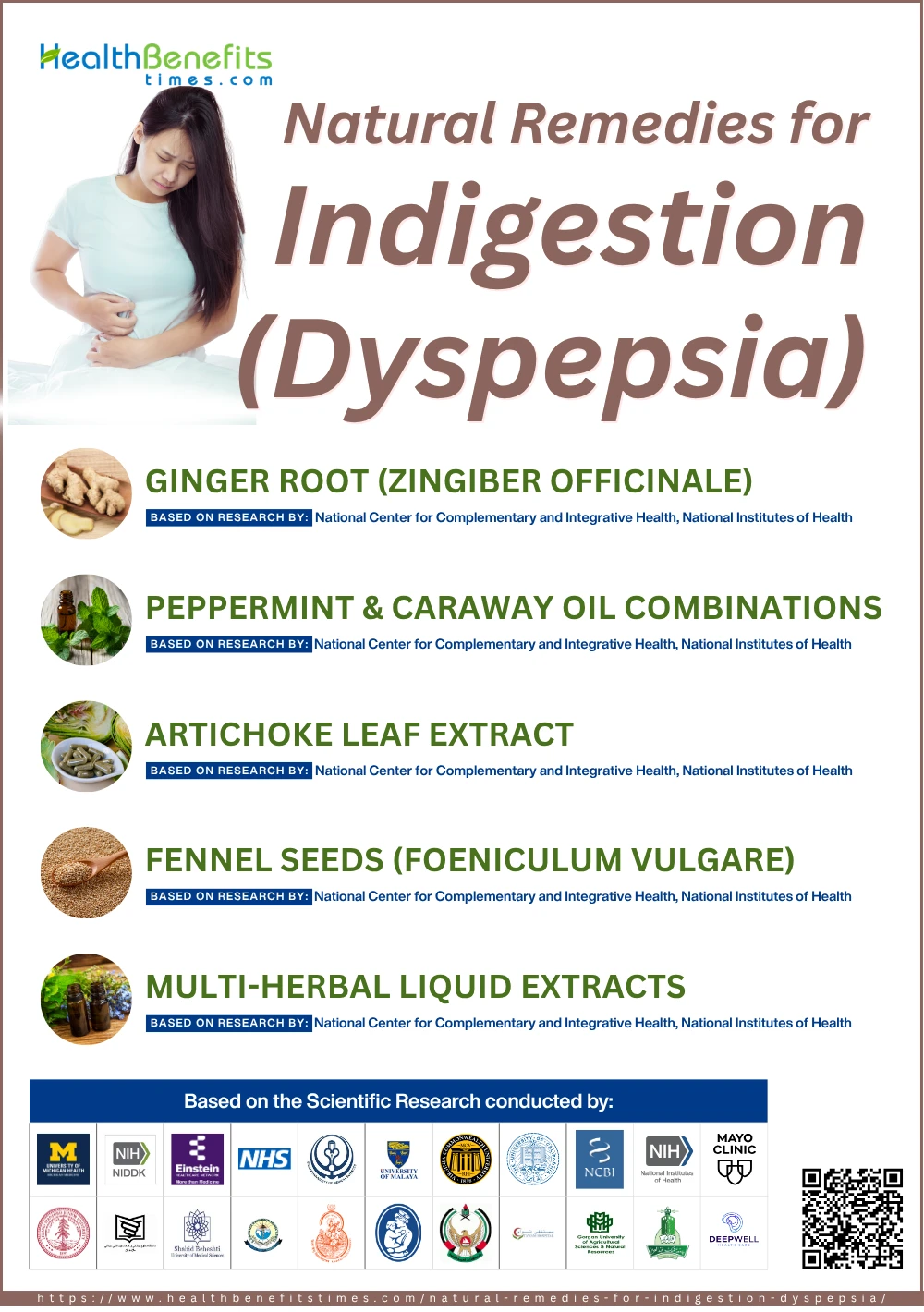
Finding relief from painful stomach cramps often requires relaxing the tight, spasming smooth muscles of the digestive tract. Essential oils extracted from fragrant peppermint leaves and earthy caraway seeds have shown significant efficacy in treating both epigastric pain and meal-induced distress when utilized together 10. Peppermint oil contains menthol, a natural compound that effectively blocks calcium channels in intestinal muscles, providing a powerful and immediate antispasmodic effect 11. When formulated together in specific clinical preparations, these two oils work harmoniously to decrease visceral hypersensitivity and tone the stomach without causing excessive irritation.
-
- Note: You can take specially formulated, enteric-coated capsules containing combined peppermint and caraway oil shortly before meals to prevent intestinal cramping and reduce the overall sensation of a heavy, bloated stomach.
3. Artichoke Leaf Extract (Cynara scolymus)
Looking past its popular culinary uses, the rugged, green leaves of the artichoke plant contain incredibly dense concentrations of medicinal bitter compounds, most notably one called cynaropicrin. Artichoke leaf extract works primarily by acting on the liver and gallbladder to naturally stimulate the production and secretion of bile 12. Increased bile flow dramatically improves the body’s natural ability to break down heavy dietary fats, accelerating the overall transit time of food through the gastrointestinal tract. Clinical evaluations reveal that artichoke extract provides localized antioxidant and hepatoprotective benefits, shielding the digestive organs from oxidative stress while reducing symptoms of bloating and early satiety 13.
-
- Note: You can take artichoke leaf extract in standardized liquid tinctures or daily pill supplements to promote healthy, robust bile flow and prevent the sluggish digestion typically associated with rich, fatty meals.
4. Fennel Seeds (Foeniculum vulgare)
Chewing on tiny, licorice-flavored seeds after a meal is a time-honored tradition in many cultures around the world, and modern science fully supports this practice. Fennel possesses profound spasmolytic properties that directly influence gastric motility in a very targeted way. Scientific observations involving tissue models show that fennel extracts help relax the upper and middle parts of the stomach while simultaneously promoting active, healthy contractions in the lower pumping section 14. This fascinating dual-action mechanism helps the stomach expand comfortably to accommodate incoming food while ensuring it is efficiently pushed downward into the intestines, thereby alleviating bloating, belching, and painful fullness 15.
-
- Note: You can brew a teaspoon of gently crushed fennel seeds into a warm, aromatic tea to sip slowly after dinner, or simply chew a small pinch of the raw seeds as an effective, breath-freshening digestive aid.
5. Multi-Herbal Liquid Extracts (STW 5 / Iberogast)
Relying on a single herb is sometimes insufficient for a complex, multi-symptom disorder like functional dyspepsia, which is exactly why multi-targeted phytotherapy was developed. Commercial liquid preparations combine several distinct plant extracts—including bitter candytuft, chamomile flower, licorice root, and lemon balm leaf—to address multiple stomach symptoms simultaneously. Bitter candytuft naturally tones the stomach muscles, while chamomile and lemon balm provide profound anti-inflammatory effects and calm the localized nervous system. Research confirms that these specific combinations significantly improve the overall dyspepsia symptom score, easing early satiety, stomach pain, and daily sickness 16.
-
- Note: You can administer these standardized liquid herbal drops by mixing the recommended dosage into a small glass of water or juice, typically taken three times a day just before or during your meals to comprehensively protect against indigestion.
Is there any exercise or physical activities to relief Indigestion (Dyspepsia)
1. Pavanamuktasana (Wind-Relieving Pose)
Laying the foundation for immediate physical relief, this traditional posture is specifically designed to target the lower digestive organs. By gently compressing the abdomen, this pose physically massages the intestines, which helps smoothly push trapped gas through the digestive tract and alleviates severe, painful bloating 17. On a deeper biological level, engaging in this restful pose helps modulate the neuroendocrine axis, actively reducing the secretion of cortisol, the primary stress hormone that so often halts proper digestion.
-
- Note: You should lie flat on your back on a comfortable mat, gently bring one or both knees up to your chest, wrap your arms around your shins to pull them close, and hold this gentle abdominal compression for several deep breaths before slowly releasing.
2. Marjariasana (Cat-Cow Pose)
Creating fluid, rhythmic movement along the spine, this dynamic duo of poses serves to enhance bodily flexibility while gently stimulating the entire abdominal core. The continuous transition between arching and rounding the back improves healthy blood circulation directly to the stomach and intestines. Furthermore, the mindful, breath-linked movement of this flow is excellent for lowering stress hormones and calming the central nervous system, which is absolutely vital for patients whose indigestion is primarily triggered by daily anxiety 18.
-
- Note: You should start on your hands and knees in a neutral tabletop position, inhaling as you drop your belly and lift your chest toward the sky, and exhaling as you round your spine toward the ceiling while tucking your chin, repeating this smooth flow for several continuous cycles.
3. Vajrasana (Thunderbolt or Pelvic Pose)
Taking a quiet moment to sit down after a large meal is highly beneficial when done in the correct, supportive posture. Vajrasana is highly unique in traditional practices because it is one of the very few poses explicitly recommended to be performed immediately after eating a meal. Sitting in this specific kneeling position safely alters the flow of blood, directing it away from the lower limbs and concentrating circulation tightly in the pelvic and abdominal regions, which actively assists the stomach in churning and efficiently breaking down food 19.
-
- Note: You should kneel on a soft, supportive mat, sit back completely on your heels with your spine kept perfectly straight, rest your hands gently on your thighs, and practice slow, deep breathing for five to ten minutes right after finishing your meal.
Foods and Activities to Avoid When You suffer from Indigestion (Dyspepsia)
Protecting your stomach effectively requires knowing exactly what aggravates its delicate lining and disrupts its natural mechanical rhythm. Making strategic dietary and lifestyle adjustments is considered a safe, risk-free first line of defense, even if changing your diet isn’t always a permanent cure.
- High-Fat and Heavily Fried Foods: Consuming incredibly heavy, greasy meals significantly delays normal gastric emptying. Fats require an immense amount of time and digestive effort to break down, meaning the food sits in the stomach for several extra hours, greatly increasing physical pressure and the likelihood of postprandial fullness and bloating 20.
- Spicy and Highly Acidic Ingredients: Heavily spiced dishes, along with naturally acidic foods like raw citrus fruits and concentrated tomato-based products, can chemically irritate a highly sensitive stomach mucosa, causing immediate burning sensations and upper abdominal pain.
- Caffeine and Dark Chocolate: Your morning coffee and evening chocolate treat both contain powerful compounds that can artificially relax the lower esophageal sphincter—the crucial muscular valve keeping stomach contents down—which frequently leads to acid reflux and uncomfortable heartburn.
- Alcohol and Carbonated Beverages: Fizzy drinks introduce excessive, unnecessary air directly into the gastrointestinal tract, causing severe distension and frequent belching. Alcohol, meanwhile, acts as a harsh solvent that inflames the gastric lining and seriously delays proper digestion.
- Eating Too Quickly or Overeating: Wolfing down a meal rapidly prevents you from chewing thoroughly, which forces the stomach to work twice as hard to break down large, solid food particles. Consuming massive portion sizes simply stretches the stomach walls painfully beyond their comfortable biological capacity.
- Late-Night Snacking: Lying down horizontally shortly after eating completely removes the helpful force of gravity from the digestive equation. You should always avoid eating rich or heavy foods within three to four hours of going to bed to prevent nighttime indigestion and acid backing up into the throat.
- Smoking Tobacco: Drawing smoke into the lungs inadvertently introduces trapped air into the stomach, while the absorbed nicotine itself physically weakens the esophageal valve and stimulates excessive, highly irritating stomach acid production.
Myths and Misconceptions
Separating proven scientific fact from outdated folklore is absolutely crucial for effectively managing any chronic health condition. Because stomach aches are so incredibly common, there is an absolute abundance of misinformation regarding what actually causes and cures functional dyspepsia.
| Myth | Reality |
| Indigestion is always caused by an ulcer or a serious stomach disease. | Functional dyspepsia is defined precisely by the total absence of structural, biochemical, or organic diseases. It is primarily an issue with how the stomach functions mechanically and communicates with the brain, not a physical sore, wound, or tumor 21. |
| Changing your daily diet will completely cure your stomach issues forever. | While actively avoiding known triggers like fatty foods and caffeine brings substantial, welcome relief, there is actually no definitive scientific proof that dietary changes alone can entirely cure the underlying mechanisms of functional dyspepsia. |
| Indigestion is a highly contagious stomach bug that spreads like a common cold. | Indigestion itself is a personal physiological syndrome and cannot possibly be passed to others. However, the specific H. pylori bacteria, which is just one potential cause of dyspepsia, can be transmitted between humans through saliva or contaminated food 22. |
| Intense, highly strenuous exercise will force your digestive system to work faster. | Extremely high-intensity workouts can actually pull essential blood flow away from the gut to support your skeletal muscles, potentially worsening nausea and cramping. Gentle, moderate activity is far superior and much safer for maintaining optimal gut health. |
| You shouldn’t use herbal remedies because they are just fake “placebos.” | Modern clinical trials clearly demonstrate that standardized herbal preparations (like ginger extracts and specific oil combinations) exert real, measurable pharmacological effects, such as relaxing smooth muscles and blocking specific nausea receptors in the gut. |
Special Considerations
- Children and Adolescents
Witnessing a young child complain of a persistent tummy ache can be highly stressful and worrying for parents. Up to seven percent of school-aged children and adolescents actually suffer from pediatric functional dyspepsia, characterized by early fullness and epigastric pain without any underlying organic cause 23. Because their delicate digestive and nervous systems are still actively developing, treating children requires an integrative, incredibly gentle approach. Rather than jumping straight to harsh pharmaceuticals, pediatric gastroenterologists often recommend mind-body techniques, such as age-appropriate yoga routines and deep breathing exercises, which have been scientifically proven to decrease pain intensity and improve overall school attendance.
- Pregnancy
Expecting a child brings about a host of beautiful life changes, alongside some highly uncomfortable gastrointestinal realities. Indigestion and heartburn are incredibly common during pregnancy, especially from the 27th week onward, as surging maternal hormones naturally relax the digestive tract and the rapidly growing baby physically presses upward against the mother’s stomach 24. Thankfully, specific natural interventions are highly effective and safe. Ginger is widely endorsed by major medical associations as a safe, effective remedy for pregnancy-induced nausea and dyspepsia when taken in appropriate, low doses, with no significant side effects ever reported to the mother or the developing child.
- Chronic Conditions
Living with long-term metabolic or cardiovascular diseases immensely complicates the daily management of stomach issues. For instance, individuals suffering from Diabetes Mellitus frequently experience a severe condition called gastroparesis, where autonomic neuropathy (chronic nerve damage) severely impairs gastric motility, leading to intense nausea and painful bloating 25. These patients must be highly diligent in monitoring their digestive symptoms, as delayed stomach emptying can drastically and dangerously alter their daily blood sugar spikes. Targeted herbal prokinetics and specialized yoga can assist, but treatments must always be meticulously coordinated with an endocrinologist to ensure glycemic control is never compromised.
- The Elderly
Advancing in age naturally and unavoidably slows down the mechanical processes of the gastrointestinal tract, making older adults highly susceptible to chronic indigestion. However, the elderly must approach both pharmaceutical and natural remedies with extreme caution. Older patients frequently take multiple prescription drugs daily, significantly raising the risk of severe drug-herb interactions. Furthermore, certain chemical prokinetic drugs used for dyspepsia carry severe warnings for sudden cardiac issues in the elderly. Safe, well-tolerated herbal alternatives like artichoke extract are heavily preferred in this demographic to avoid devastating neurological or cardiac side effects.
Precaution before use of natural remedies when you have Indigestion (Dyspepsia)
- Beware of Bleeding Risks with Ginger: While highly effective for relieving nausea, the active compounds found in ginger possess potent antithrombotic and antiplatelet properties. You should absolutely consult a physician before using daily ginger supplements if you are currently taking conventional blood thinners (anticoagulants), as combining them can significantly increase the risk of severe, uncontrolled bleeding 26.
- Monitor Blood Pressure with Licorice: Standard licorice root contains glycyrrhizin, a unique compound that, when consumed in high excess or over long periods, can cause dangerous drops in blood potassium and severe spikes in high blood pressure 27. You should specifically seek out Deglycyrrhizinated Licorice (DGL) products, which have this specific risky compound safely removed, to soothe your stomach without risking your heart.
- Watch the Dosages Carefully: More is definitely not always better when it comes to phytotherapy. Consuming massive, unregulated doses of raw ginger (above five grams daily) is highly likely to cause severe heartburn, lower abdominal discomfort, and mucosal irritation, entirely defeating the initial purpose of taking it for indigestion 28.
- Investigate Plant Allergies and Sensitivities: Herbal remedies belong to specific botanical families that can easily trigger allergic cross-reactions in sensitive individuals. You should be highly cautious when using chamomile if you are allergic to ragweed, or avoid peppermint oil if you are already prone to severe acid reflux, as it may inadvertently relax the esophageal valve too much 29.
- Always Consult Your Healthcare Provider: Self-diagnosing and self-treating can dangerously mask underlying, severe issues. You should always speak with a certified pharmacist or general practitioner before beginning a new daily regimen of herbal drops, teas, or pills to ensure they absolutely won’t interfere with your current medical treatments or underlying conditions.
When to see Doctor
- Unintentional, Rapid Weight Loss: Dropping a significant amount of body weight without actively dieting, changing your meals, or increasing exercise is a major warning sign of severe digestive failure or an underlying malignancy 2.
- Difficulty or Pain When Swallowing: Experiencing a terrifying sensation that food is getting physically stuck in your throat or chest, or feeling sharp, stabbing pain while swallowing, requires urgent, immediate endoscopic evaluation to check the esophagus.
- Persistent or Violent Vomiting: Throwing up repeatedly throughout the day, or being entirely unable to keep even simple, clear fluids down, indicates a potential physical blockage in the digestive tract or a severe, acute gastric disorder 4.
- Bloody or Black Output: Vomiting material that looks exactly like dark coffee grounds or bright red blood, as well as passing dark, black, tarry stools in the bathroom, indicates highly dangerous active, internal gastrointestinal bleeding.
- Severe, Unrelenting Pain: Sudden, agonizing pain in the abdomen that does not let up, or pain that strangely radiates upward into your chest, jaw, neck, or left arm, could actually signal a life-threatening cardiac event merely masquerading as severe indigestion.
- Physical Changes in the Body: Developing a hard, palpable lump or mass in the stomach area, noticing persistent, long-lasting abdominal swelling, or seeing the skin and the whites of your eyes suddenly turn yellow indicates severe organ dysfunction.
- Onset in Older Age: Developing severe dyspeptic symptoms for the very first time in your life after the age of fifty-five warrants a thorough, proactive medical checkup to definitively rule out more severe gastric conditions that appear later in life
Comments
comments
This article is based on Scientific Research Conducted by following Research Organization:
- Functional Dyspepsia: A Review of the Symptoms, Evaluation, and Treatment Options–University of Michigan Health System, United States
- Symptoms & Causes of Indigestion What are the symptoms of indigestion?–National Institute of Diabetes and Digestive and Kidney Diseases, United States
- Functional Dyspepsia–Einstein Healthcare Network, United States
- Indigestion–National Health Service, United Kingdom
- The prevalence of dyspepsia symptoms and its correlation with the quality of life among Qashqai Turkish migrating nomads in Fars Province, Southern Iran–Shiraz University of Medical Sciences, Iran
- Dyspepsia–NHS Devon, United Kingdom
- Epidemiology of functional dyspepsia: A global perspective–University of Malaya, Malaysia
- The Effectiveness of Ginger in the Prevention of Nausea and Vomiting during Pregnancy and Chemotherapy–Virginia Commonwealth University, United States
- The Effect of Ginger (Zingiber officinalis) and Artichoke (Cynara cardunculus) Extract Supplementation on Functional Dyspepsia: A Randomised, Double-Blind, and Placebo-Controlled Clinical Trial–University of California, Los Angeles (UCLA), United States
- Functional dyspepsia: Learn More – Functional dyspepsia: What can help?–National Center for Biotechnology Information, United States
- Influence of Menthol Infusion on Esophageal Peristalsis in Patients With Ineffective Esophageal Motility–National Institutes of Health Clinical Center, United States
- Complementary and alternative treatment in functional dyspepsia–National Institutes of Health, United States
- An Overview of the Versatility of the Parts of the Globe Artichoke (Cynara scolymus L.), Its By-Products and Dietary Supplements–National Center for Biotechnology Information, United States
- Fennel Tea Has a Region‐Specific Effect on the Motility of the Stomach–National Center for Biotechnology Information, United States
- The effect of a fennel seed extract on the STAT signaling and intestinal barrier function–National Center for Biotechnology Information, United States
- Efficacy and Safety of STW 5-II for Functional Dyspepsia Treatment: A Patient Data-Based Meta-Analysis–National Center for Biotechnology Information, United States
- Role of Yoga in Distinctly Targeting Modifiable Risk Factors in Type 2 Diabetes to Improve Immuno-Metabolic Axis–National Center for Biotechnology Information, United States
- Yoga in Pediatric Gastroenterology–National Center for Biotechnology Information, United States
- Effect of yoga practices on micronutrient absorption in urban residential school children–National Center for Biotechnology Information, United States
- Integrative Medicine for Gastrointestinal Disease–National Center for Biotechnology Information, United States
- Non-ulcer dyspepsia: myths and realities–PubMed, United States
- Nonulcer dyspepsia: what it is and what it is not–Mayo Clinic, United States
- Integrative Treatment of Reflux and Functional Dyspepsia in Children–Stanford University, United States
- Ginger in gastrointestinal disorders: A systematic review of clinical trials–Shahid Beheshti University of Medical Sciences, Iran, Mazandaran University of Medical Sciences, Iran
- Transient Effect of Specific Yogic Posture on Gastric Motility in Diabetes Mellitus Patients: A Randomized Controlled Trial–SDM College of Naturopathy and Yogic Sciences, India
- Ginger: A Nutraceutical Supplement for Protection Against Various Cardiovascular Diseases in Clinical Trials–Agricultural Sciences and Natural Resources University, Iran, Global Newborn Society, United States, Tawam Hospital, United Arab Emirates, United Arab Emirates University, United Arab Emirates, Boston Children's Health Physicians/New York Medical College, United States, Banaras Hindu University Institute of Eminence, India
- The Power of Licorice (Radix glycyrrhizae) to Improve Oral Health: A Comprehensive Review of Its Pharmacological Properties and Clinical Implications–King Abdulaziz University, Saudi Arabia
- Herbal Approaches to Pediatric Functional Abdominal Pain–Deep Well Health Care, United States, University of Maryland School of Medicine, United States, CHOC Children's, United States, Cincinnati Children's Hospital Medical Center, United States, University of Cincinnati College of Medicine, United States, Loma Linda University Medical Center, United States, Vanderbilt University Medical Center, United States
- Review article: The physiologic effects and safety of Peppermint Oil and its efficacy in irritable bowel syndrome and other functional disorders–Baylor College of Medicine, United States, Arkansas Children's Research Institute, United States, Children's Nutrition Research Center, United States