

Medical professionals generally divide this condition into two distinct categories based on underlying causes. Primary dysmenorrhea refers to the common, recurring pelvic cramps that occur without any detectable pelvic disease or structural abnormality, typically starting within two years of an adolescent’s first period 2. In contrast, secondary dysmenorrhea develops later in life and is directly driven by an identifiable underlying medical condition affecting the reproductive organs, often presenting with pain that gradually worsens over time rather than following a predictable cyclic pattern 3.
Causes of Menstrual Cramps
Understanding the root triggers behind pelvic discomfort is an essential first step toward effective management. The human uterus is a powerful muscle, and its contractions are driven by specific chemicals and structural states.
1. Excess Prostaglandin Production
The most common cause of primary dysmenorrhea relates to naturally occurring chemicals known as prostaglandins. The inner lining of the uterus produces these hormone-like substances to help the uterus contract and shed its lining each month. When prostaglandin levels are unusually high, they force the uterine muscles to contract with intense strength, temporarily cutting off the oxygen supply to local blood vessels and triggering sharp pain signals 4.
2. Endometriosis
A frequent driver of secondary dysmenorrhea is a condition called endometriosis. This occurs when tissue that behaves like the normal lining of the uterus begins to grow outside of the uterine cavity, attaching to the ovaries, fallopian tubes, or other pelvic structures. During the menstrual cycle, these misplaced tissues respond to hormones by swelling and bleeding, which creates severe internal inflammation, localized scarring, and intense cramping 5.
3. Adenomyosis
Sometimes, the specialized glandular tissue that normally lines the inner uterine cavity physically pushes deep into the muscular walls of the uterus. This abnormal structural growth, known as adenomyosis, causes the entire organ to become mildly enlarged and symmetrical. It often leads to much heavier menstrual bleeding and highly painful, prolonged contractions during menstruation 6.
4. Uterine Fibroids
Benign, non-cancerous growths can routinely develop within the muscular wall of the uterus, a condition referred to as uterine fibroids. Depending on their overall size and specific location within the pelvis, these firm growths can place significant physical pressure on surrounding nerves and tissues. This added pressure dramatically intensifies normal menstrual cramping and can cause the uterus to feel asymmetrical or heavy 2.
5. Pelvic Inflammatory Disease (PID)
Bacterial infections that spread to the female reproductive organs often lead to a condition known as pelvic inflammatory disease. The resulting chronic infection causes swelling in the womb, fallopian tubes, or ovaries. The inflammation and subsequent scar tissue left behind by the bacteria can make the normal menstrual shedding process incredibly painful and may be accompanied by abnormal vaginal discharge 5.
6. Intrauterine Devices (IUDs)
While highly effective as long-term contraception, certain types of birth control devices can influence menstrual pain. Non-hormonal copper intrauterine devices, in particular, can sometimes irritate the delicate uterine lining. For a subset of individuals, this localized inflammatory response leads to heavier bleeding and significantly sharper cramping, especially during the first few months after the device is inserted 3.
Symptoms of Menstrual Cramps
The physical presentation of this condition extends far beyond simple pelvic discomfort, often involving systemic reactions that affect the entire body.
- Throbbing, sharp, or dull aching pain centralized entirely in the lower abdomen.
- Cramping sensations that radiate downward through the lumbar region of the lower back and into the upper thighs.
- Gastrointestinal disruptions, including sudden bouts of nausea, vomiting, indigestion, and bloating 7.
- Overwhelming physical fatigue, general lethargy, and noticeable drops in daily energy levels.
- Systemic nervous system symptoms such as tension headaches, lightheadedness, and episodes of dizziness.
- Significant psychological shifts, including heightened irritability, unexpected mood swings, anxiety, and depressive feelings.
- Physical swelling or fluid retention, frequently presenting as tender breasts or swollen legs.
- Elimination-related difficulties, manifesting as sudden diarrhea, painful constipation, or an increased need to urinate 7.
- Disruptions to normal sleep architecture, leading to insomnia or restless nights during the heaviest days of flow.
Menstrual Cramps Facts Table
For a quick reference guide on the reality of painful periods, the following table organizes the most critical medical facts into a clear, easily digestible format.
| Category | Details |
| Symptoms |
|
| Causes |
|
| Types of Menstrual cramps |
|
| How does spread |
|
| Age Group |
|
| You might be at a higher risk for exposure of this disease if you: |
|
| How doctors diagnose |
|
| Other facts |
|
Natural Remedies for Menstrual Cramps
Finding comfort during your cycle does not always have to involve reaching into a medicine cabinet for conventional painkillers. Nature provides a rich repository of botanical elements, thermal techniques, and nutritional interventions that work in harmony with your body to soothe angry muscles and quiet pain signals. By understanding how these natural remedies interact with your biology, you can build a personalized, gentle toolkit to ease your monthly discomfort.
1. Ginger Root Extracts and Powders
Botanical interventions often shine when treating systemic inflammation, and ginger is an excellent example of a natural powerhouse. The active compounds found in ginger possess remarkable pain-reducing properties that rival some over-the-counter medications. When your body produces too many prostaglandins, these inflammatory chemicals prompt your uterus to spasm. Research indicates that ginger physically modulates pain by inhibiting the specific chemical pathways known as the COX and LOX pathways that generate these prostaglandins in the first place 8. By lowering the overall concentration of inflammatory signals, ginger effectively relaxes the uterine muscle, dramatically cutting down the severity of the cramping. Furthermore, ginger is famous for settling upset stomachs, meaning it works double-duty by also alleviating the nausea, vomiting, and diarrhea that frequently accompany a heavy period. Clinical trials consistently demonstrate that taking encapsulated ginger powder can result in a significant drop in pain intensity for women suffering from primary dysmenorrhea 9.
Note: You can easily add freshly grated ginger to boiling water to make a soothing tea, or take standardized oral capsules (often 250mg or 500mg) three to four times a day during the first few days of your cycle for maximum medicinal benefits.
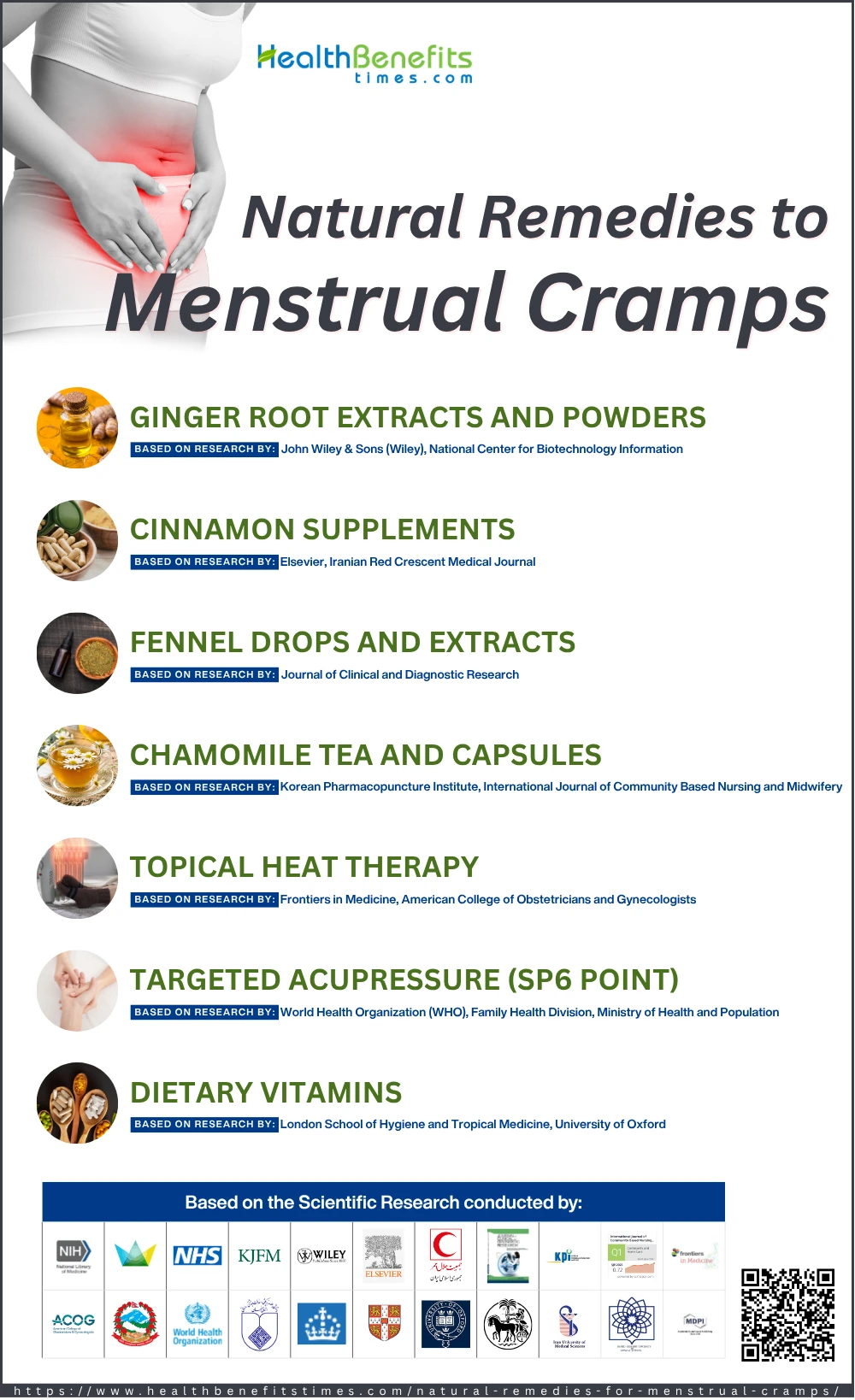
Spices found in an everyday kitchen pantry can sometimes hold surprising medicinal value, and cinnamon is a standout for reproductive health. Beyond its comforting aroma, cinnamon is packed with antioxidants and anti-inflammatory agents that target the smooth muscles of the pelvic region. When introduced into the body during menstruation, cinnamon acts to relieve the intensity of pain and effectively shortens the overall duration of the discomfort 10. Clinical trials have demonstrated that individuals who utilize cinnamon not only report a notable reduction in their pain scores but also experience a decrease in the volume of menstrual bleeding and a reduction in nausea 11. The warming nature of the spice is thought to improve local pelvic blood circulation, which helps flush out pain-causing chemicals faster. Because it is highly tolerated and has practically no reported side effects, it serves as a very safe, multi-symptom defense against the various discomforts of a tough period.
Note: For medicinal benefits, you can take a 420mg cinnamon capsule two to three times daily during the first three days of your period, or steep high-quality cinnamon sticks in hot water to sip as a comforting tea.
3. Fennel Drops and Extracts
Herbalists have long championed the use of sweet, licorice-flavored plants for women’s health, with fennel leading the pack for cramp relief. Fennel contains specific volatile oils and an antispasmodic agent called anethole, which has been scientifically demonstrated to relax smooth muscle contractions. Because menstrual cramps are fundamentally caused by the hyperactive tightening of the smooth muscle lining the uterus, fennel’s targeted relaxing effect can act as a powerful natural painkiller. In multiple clinical evaluations, women who consumed fennel extract from the onset of their periods reported pain relief comparable to traditional non-steroidal anti-inflammatory drugs 12. In addition to releasing muscle tension, fennel also aids in general digestion, which can be highly beneficial if your cramps are accompanied by cyclical bowel irregularities or severe abdominal bloating.
Note: You can ingest fennel in the form of specific herbal capsules (typically 30mg) or take diluted liquid fennel oil drops (usually 20 to 30 drops) every few hours as soon as your menstrual pain begins to harness its antispasmodic effects.
4. Chamomile Tea and Capsules
Taking a moment to sip a warm beverage is inherently relaxing, but chamomile offers distinct biochemical advantages that go far beyond basic comfort. The tiny, daisy-like flowers of the chamomile plant are rich in bioactive compounds such as chamazulene, apigenin, and alpha-bisabolol. These specific elements work together to directly suppress the nervous system’s pain response and significantly reduce inflammation within the pelvic cavity. Furthermore, chamomile contains flavonoids and glycine, components that have been shown to relieve muscle spasms and act as mild nerve relaxants 13. This makes chamomile an ideal remedy for periods that bring not only physical cramping but also heightened emotional distress, premenstrual syndrome (PMS) symptoms, or anxiety. Comprehensive reviews of clinical trials conclude that chamomile is highly effective for treating primary dysmenorrhea and simultaneously reducing the amount of menstrual bleeding 14.
Note: To relieve symptoms, you can drink two to three cups of warm chamomile tea daily starting just before your period begins, or consume it as a concentrated 400mg capsule for more potent, immediate pain relief.
5. Topical Heat Therapy
Sometimes the simplest, most intuitive remedies are also the most scientifically sound, as is the case with applying warmth to a sore abdomen. When a uterus contracts too hard, it temporarily restricts local blood vessels, leading to an oxygen shortage in the pelvic tissues a condition known as ischemia, which is intensely painful. Applying a steady, low-level heat source to the skin over the lower abdomen causes the local blood vessels to dilate and expand. This vasodilation rushes fresh, oxygen-rich blood back into the deprived uterine muscles and helps quickly carry away and dissipate the accumulated prostaglandins that are causing the spasms 15. In rigorous clinical comparisons, continuous topical heat therapy has been shown to be just as effective as taking 400mg of oral ibuprofen for the treatment of dysmenorrhea 16.
Note: You can apply a commercial heating pad, a hot water bottle wrapped safely in a towel, or a stick-on thermal patch directly over your lower abdomen for extended periods to continuously relax the contracting uterine muscles.
6. Targeted Acupressure (SP6 Point)
Ancient medical practices emphasize the flow of energy and blood through the body, utilizing therapeutic touch to resolve blockages that cause pain. Acupressure borrows the precise anatomical maps used in acupuncture but relies on firm finger pressure rather than inserting needles. For menstrual cramps, the most highly regarded target is the Sanyinjiao point, commonly referred to as SP6. When this specific area is stimulated, it sends sensory signals up the nervous system that effectively block or compete with the pain signals radiating from the uterus. Studies reveal that dedicating just twenty minutes to applying acupressure at the SP6 point yields an immediate, statistically significant drop in pain scores and reduces overall menstrual distress 17. Furthermore, continued application can diminish the severity of accompanying systemic symptoms like fatigue for up to two hours after the treatment 18.
Note: You can sit comfortably and use your thumb to apply deep, firm pressure to the SP6 point located about four finger-widths above your inner ankle bone, just behind the shinbone massaging in small circles for several minutes on each leg to block pain signals.
7. Dietary Vitamins (Vitamin B1, Vitamin E, and Magnesium)
Correcting underlying nutritional imbalances is a highly effective way to make your body more resilient against the hormonal storms of menstruation. Vitamin B1 (thiamine) plays a massive role in neurological function and muscle contraction; supplementing it at 100mg daily has been shown to be an effective cure for dysmenorrhea in a vast majority of patients 19. Magnesium, often dubbed nature’s relaxant, prevents muscles from seizing up and helps regulate the body’s baseline inflammatory response. Vitamin E acts as a potent antioxidant that actively interferes with the production of cramp-inducing prostaglandins. Clinical reviews indicate that taking these vitamins whether alone or as a combined supplement regimen can dramatically lower the severity of pelvic pain, proposing them as excellent alternative therapeutic candidates for clinical use 20.
Note: You can incorporate these nutrients naturally by eating a balanced diet rich in nuts, seeds, and fish, or by taking specific daily vitamin supplements in the days leading up to your period to calm your nervous system.
Is there any exercise or physical activities for Menstrual cramps
Moving a body that is actively in pain might seem deeply counterintuitive at first glance, but strategic, gentle physical activity is one of the most effective ways to combat dysmenorrhea. Exercise increases heart rate and blood flow, which helps flush pain-triggering chemicals out of the pelvis, while simultaneously triggering the release of endorphins the brain’s natural, built-in painkillers.
1. Restorative Yoga Poses
Stretching the body intentionally while focusing on deep breathing provides immense relief to cramped, exhausted muscles. Yoga is particularly beneficial because specific physical postures, known as asanas, are designed to target the lower back, open the pelvic floor, and gently massage the internal abdominal organs. Research has proven that practicing a regimen of specific yoga poses such as the Cobra, Cat, and Fish poses actively reduces both the total duration and the intense severity of primary dysmenorrhea 21. Furthermore, integrated practices like Yoga Nidra have shown positive effects on individuals dealing with hormone imbalances, aiding in the alleviation of anxiety and depression commonly associated with menstrual cycles 22.
Note: You can perform these poses gently on a mat by arching your back upwards for the Cat pose, lying on your stomach and lifting your chest for the Cobra pose, and opening your chest while resting backward on your forearms for the Fish pose.
2. Gentle Pilates Core Movements
Focusing on the deep muscles of the core and pelvic floor can drastically alter how your body handles uterine contractions. Pilates emphasizes controlled, precise movements that stabilize the pelvis and encourage localized blood flow without demanding high-impact cardiovascular strain. Specific core-strengthening movements, such as the pelvic bridge, double leg stretch, and adductor ball squeeze, are utilized specifically to alleviate the secondary back pain and pelvic pressure associated with periods 23. By engaging and intentionally releasing the muscles surrounding the uterus, you inadvertently massage the cramped areas, bringing warmth and oxygen directly to the ischemic tissues.
Note: To do a pelvic bridge, you lie flat on your back with knees bent and feet flat on the floor, then slowly lift your hips upward to gently squeeze the glutes before rolling your spine slowly back down to the mat.
3. Light Aerobic Walking
Simple, rhythmic cardiovascular exercise remains one of the most accessible ways to shift your hormonal balance and alleviate systemic bodily pain. When you walk, the continuous movement of your large leg muscles pumps blood efficiently back to the heart, clearing out the localized pooling of blood in the pelvic region that often causes an aching, heavy sensation during menstruation. Clinical trials implementing moderate-intensity aerobic exercise and walking programs have resulted in a significant decrease in menstrual distress, fatigue severity, and poor sleep quality scores among participants 24. The gentle swinging of the hips during a walk also naturally loosens a stiff, aching lower back.
Note: You can take a 20-to-30-minute brisk walk outdoors or on a treadmill at a comfortable, conversational pace, allowing your arms to swing naturally and focusing on taking deep, rhythmic breaths to encourage healthy blood circulation.
4. Focused Relaxation Exercises
Sometimes the body needs guided relaxation to release the involuntary clenching of muscles that accompanies severe pain. Relaxation exercises, which often include deep diaphragmatic breathing and progressive muscle relaxation, help shift the nervous system out of a stressed state. Interventions focused specifically on relaxation exercise have been found to be highly effective in reducing menstrual pain within just four weeks of practice, while also boasting a significantly lower dropout risk compared to more strenuous workout regimens 25. Taking the time to consciously relax the body stops the cycle of tension and pain that makes cramps feel unbearable.
Note: You can lie flat on your back in a quiet room, close your eyes, and take slow, deep breaths into your belly while consciously tensing and then completely releasing each muscle group in your body, starting from your toes and moving up to your head.
Section 6: Foods and Activities to Avoid When You suffer from Menstrual cramps
Protecting your body from potential physiological stressors is just as crucial as actively treating the pain. Certain lifestyle habits and dietary choices can inadvertently fuel the inflammatory fires in your pelvis, making a bad period significantly worse.
- Refined Sugars and Sweets: Consuming high amounts of sugary foods like jellybeans, cakes, and sweetened beverages causes rapid spikes and crashes in blood sugar. This nutritional instability triggers systemic inflammation throughout the body; studies show that women with menstrual disorders tend to consume more high-sugar foods and beverages than healthy participants 26.
- Caffeinated Beverages: Coffee, energy drinks, and highly caffeinated sodas act as vasoconstrictors, meaning they temporarily narrow your blood vessels. Because menstrual cramps are worsened by a lack of blood flow to the uterus, drinking high amounts of caffeine correlates strongly with an increase in dysmenorrhea symptoms 27.
- Skipping Breakfast or Lacking Protein: Fasting or missing major meals, particularly breakfast, deprives your body of the essential macro and micronutrients needed to regulate hormones and energy levels. Research indicates that a lack of animal protein, accompanied by low intake of Vitamin D and Vitamin B12, alongside skipping breakfast, is heavily associated with an increase in the severity of menstrual pain 28.
- Salty Fast Foods and Snacks: Highly processed foods heavily laden with sodium, such as potato chips and canned soups, cause the body to aggressively hold onto water. This fluid retention leads to severe bloating, which places additional, painful physical pressure on an already sensitive, contracting uterus.
- Intense, Exhaustive Workouts: While gentle exercise is highly recommended, pushing your body through grueling, high-intensity interval training or heavy weightlifting during the heaviest days of your flow can redirect necessary blood away from the pelvis to the extremities, leaving your core feeling depleted and crampy.
- Avoiding Bathing or Warm Showers: Skipping personal hygiene routines that involve warm water deprives you of natural heat therapy. Studies have actually found that a lower frequency of bathing is statistically associated with heavier, more severe menstrual pain 28.
Myths and Misconceptions
When dealing with a condition as common as period pain, cultural misunderstandings and outdated medical advice frequently circulate as facts. The following table breaks down common myths and replaces them with evidence-based realities.
| Myth | Reality |
| Only teenagers and very young women experience severe menstrual cramps. | While primary dysmenorrhea frequently starts in adolescence, individuals of any reproductive age can suffer from intense period pain. Secondary dysmenorrhea caused by issues like endometriosis or fibroids typically develops and worsens when women are in their late 20s, 30s, or 40s. |
| Aspirin is the most effective and powerful over-the-counter medication for period pain. | Clinical network meta-analyses reveal that aspirin is actually less effective than ibuprofen, diclofenac, and naproxen in treating dysmenorrhea, making it a poorer choice for primary cramp relief 29. |
| You should stay entirely in bed and avoid all physical movement when you have cramps. | Complete bed rest can actually cause your pelvic muscles to stiffen and reduce blood flow, potentially making the pain worse. Gentle, low-impact movements like walking or yoga promote vasodilation and trigger endorphins, providing natural pain relief. |
| Severe, debilitating pain that causes vomiting and fainting is just a normal part of being a woman. | Mild to moderate discomfort is normal, but pain so severe that it regularly prevents you from attending school or work is a major medical red flag indicating a potential underlying disease that requires a doctor’s attention. |
| Diet and nutrition have absolutely no effect on the severity of your menstrual cycle. | Nutrition plays a critical role in hormonal balance and inflammation. Studies have shown positive correlations between healthy dietary patterns, such as the Mediterranean diet or daily olive oil consumption, and lighter menstrual bleeding and reduced pain 30. |
| Natural herbal remedies are completely safe to take in unlimited quantities. | “Natural” does not mean “harmless.” Botanicals like ginger and cinnamon contain potent active compounds that can interact negatively with prescription medications, cause stomach upset if taken in massive doses, or trigger unexpected allergic reactions. |
Special Considerations
Tailoring pain management strategies to fit specific life stages and medical backgrounds is critical for maintaining overall safety and long-term effectiveness.
1. Children and Adolescents
Young girls entering puberty often experience some of the highest rates of primary dysmenorrhea, making it a leading cause of school absenteeism and lost social activities. Because their reproductive systems are newly functioning, hormonal fluctuations can trigger sudden, severe cramping. Unfortunately, there is substantial ignorance or misinformation among adolescent females regarding effective treatments for dysmenorrhea; studies show a vast majority cannot name effective nonsteroidal anti-inflammatory agents beyond basic aspirin 31. It is vital for caregivers to establish open communication, providing safe access to heating pads, guided yoga routines, and appropriate education on pain relief to prevent unnecessary suffering and missed educational opportunities.
2. Pregnancy
Any individual who knows or suspects they might be pregnant should view severe lower abdominal cramping with immediate suspicion. Menstruation naturally ceases during a healthy pregnancy, meaning true “menstrual cramps” cannot occur. If sharp, period-like cramping presents alongside spotting or bleeding during pregnancy, it is absolutely essential to seek emergency medical care. This clinical presentation can be an early warning sign of a miscarriage or a highly dangerous ectopic pregnancy, where a fertilized egg mistakenly implants outside the uterus 2.
3. Chronic Conditions
Individuals living with pre-existing chronic reproductive disorders, such as polycystic ovary syndrome (PCOS), endometriosis, or uterine fibroids, must approach natural remedies with a slightly altered mindset. While targeted herbs like chamomile and flaxseed have been shown to help relieve pelvic pain and dyspareunia associated with endometriosis, they cannot cure the underlying structural disease 32. Relying solely on natural remedies to mask the severe pain of a progressive chronic disease can inadvertently delay crucial medical interventions, such as laparoscopy or hormonal therapies, that could preserve fertility and prevent permanent internal scarring.
4. Elderly
Menopause marks the natural, biological cessation of the menstrual cycle, generally occurring in a woman’s late 40s to mid-50s. Once an individual has gone a full 12 consecutive months without a period, they are officially considered post-menopausal. Any occurrence of pelvic cramping, throbbing lower abdominal pain, or unexpected vaginal bleeding in the elderly population is never a normal variant of “period pain.” Such symptoms must be evaluated immediately by a medical professional to rule out serious pathologies, including endometrial polyps or reproductive cancers.
Precaution before use of natural remedies when you have Menstrual cramps
Empowering yourself with natural medicine requires a firm foundation of safety, common sense, and biological awareness to prevent unwanted side effects.
- Consult Your Healthcare Provider First: Make sure you always speak with your doctor or a qualified pharmacist before beginning any new herbal regimen, especially if you are currently taking prescription birth control, blood thinners, or medication for blood pressure, as herbs can chemically interact with these drugs.
- Monitor Dosages Carefully: Ensure you stick to the scientifically studied dosage guidelines, because consuming massive quantities of powerful herbs can lead to severe heartburn, acid reflux, or minor gastrointestinal bleeding.
- Check for Potential Allergies: You must be aware of your personal allergy profile; for instance, chamomile is closely related to the ragweed, marigold, and daisy families, meaning that if you have severe pollen allergies, chamomile tea might trigger an allergic reaction or an asthma attack.
- Prioritize Supplement Quality: Always purchase your herbal capsules, teas, and extracts from reputable, third-party-tested brands, as the dietary supplement industry is not strictly regulated in all areas, and cheap products may be contaminated or lack the actual active ingredients.
- Do Not Ingest Essential Oils: Be absolutely certain that you only use essential oils aromatically or heavily diluted for topical skin massage; you should never swallow pure essential oils, as they are incredibly concentrated and can cause immediate chemical burns to your esophagus and toxic liver damage.
- Listen to Your Body’s Feedback: Pay close attention to how your body reacts to a new natural treatment, and if a remedy makes your nausea worse, unexpectedly increases your bleeding, or gives you a rash, you should discontinue its use immediately and try an alternative method.
When to see Doctor
While natural remedies and lifestyle adjustments provide excellent relief for the vast majority of individuals, the body sometimes uses pain as a siren to warn of deeper, structural emergencies that require a clinical eye.
- Pain Unresponsive to Medication: You should schedule an appointment immediately if your menstrual pain remains completely uncontrolled even after trying heat therapy, natural remedies, and standard over-the-counter pain medications 33.
- Severe Daily Disruption: Make sure you see a medical professional if the severity of your cramps is so debilitating that it forces you to call out sick from work, miss school, or stay entirely bedridden for multiple days every single month.
- Sudden Worsening of Symptoms: You must seek a medical evaluation if your cramps suddenly worsen compared to what you usually experience, or if the pain dramatically changes its location or quality.
- New Pain Later in Life: It is highly recommended to see a doctor if you are over the age of 25 and suddenly begin experiencing severe, agonizing menstrual cramps for the very first time in your life, as this points to secondary dysmenorrhea.
- Signs of Infection: It is critical to go to a clinic if your pelvic cramping is accompanied by a sudden high fever, chills, or abnormal vaginal discharge that is whitish-gray or has a foul odor, as this strongly points to a dangerous pelvic infection 2.
- Pain Outside the Cycle: You need to talk to a healthcare provider if you consistently experience deep pelvic pain at random times during the month when you are not actively menstruating, or if you experience severe pain during sexual intercourse.
Comments
comments
This article is based on Scientific Research Conducted by following Research Organization:
- Period Pain–National Library of Medicine, United States
- Dysmenorrhea–National Center for Biotechnology Information, United States
- Painful menstrual periods–National Library of Medicine, United States
- Dysmenorrhea–StatPearls Publishing, United States
- Period pain–National Health Service, United Kingdom
- Periods, painful–NHS 111 Wales, United Kingdom
- Primary Dysmenorrhea: Pathophysiology, Diagnosis, and Treatment Updates–Korean Journal of Family Medicine, South Korea
- Clinical trials on pain lowering effect of ginger: A narrative review–John Wiley & Sons (Wiley), United Kingdom
- Efficacy of Ginger in the Treatment of Primary Dysmenorrhea: A Systematic Review and Meta-analysis–National Center for Biotechnology Information, United States
- Efficacy of herbal medicine (cinnamon/fennel/ginger) for primary dysmenorrhea: a systematic review and meta-analysis of randomized controlled trials–Elsevier, United Kingdom/Netherlands
- The Effect of Cinnamon on Menstrual Bleeding and Systemic Symptoms With Primary Dysmenorrhea–Iranian Red Crescent Medical Journal, Iran
- Effect of fennel on pain intensity in dysmenorrhoea: A placebo-controlled trial–Journal of Clinical and Diagnostic Research, India
- Efficacy of Chamomile in the Treatment of Premenstrual Syndrome: A Systematic Review–Korean Pharmacopuncture Institute, South Korea
- The Effect of Chamomile on Pain and Menstrual Bleeding in Primary Dysmenorrhea: A Systematic Review–International Journal of Community Based Nursing and Midwifery, Iran
- Heat therapy for primary dysmenorrhea: a systematic review and meta-analysis–Frontiers in Medicine, Switzerland
- Continuous low-level topical heat in the treatment of dysmenorrhea–American College of Obstetricians and Gynecologists, United States
- Effects of SP6 acupressure on pain and menstrual distress in young women with dysmenorrhea–World Health Organization (WHO), Geneva, Switzerland, Family Health Division, Ministry of Health and Population, Nepal
- The effects of acupressure on severity of primary dysmenorrhea–Isfahan University of Medical Sciences, Iran
- Diagnosis and management of dysmenorrhoea–London School of Hygiene and Tropical Medicine, United Kingdom, University of Oxford, United Kingdom, University of Cambridge, United Kingdom, World Health Organization (WHO), Switzerland, UK Department of Health, United Kingdom
- Vitamin Effects in Primary Dysmenorrhea–MDPI (Multidisciplinary Digital Publishing Institute), Switzerland, Department of Obstetrics and Gynecology, Shahid Beheshti University of Medical Sciences, Iran, School of Nursing and Midwifery, Iran, University of Medical Sciences, Iran
- Effect of three yoga poses (cobra, cat and fish poses) in women with primary dysmenorrhea: a randomized clinical trial–Tehran University of Medical Sciences, Iran, Shahid Beheshti University of Medical Sciences, Iran, Islamic Azad University, Iran
- Role of Yoga in Minimizing Stress and Anxiety in Women Experiencing Dysmenorrhea–MDPI (Multidisciplinary Digital Publishing Institute), Switzerland, Shahid Beheshti University of Medical Sciences, Iran, Tehran University of Medical Sciences, Iran, Iran University of Medical Sciences, Iran
- Effects of Pilates and Yoga on Pain Intensity, Absenteeism, Quality of Life, and Sleep Quality among Primary Dysmenorrhea School Students–Saveetha Institute of Medical and Technical Sciences, India, Saveetha College of Physiotherapy, India, Department of Physiotherapy (Saveetha Institute of Medical and Technical Sciences), India
- The effect of exercise on menstrual symptoms: a randomized controlled trial–University of Wisconsin–Madison, United States, Harvard University, United States, Harvard T.H. Chan School of Public Health, United States, Brigham and Women’s Hospital, United States, Boston Children’s Hospital, United States, National Institutes of Health (NIH), United States
- Comparative Effectiveness of Different Exercises for Reducing Pain Intensity in Primary Dysmenorrhea: A Systematic Review and Network Meta-analysis of Randomized Controlled Trials–National Yang Ming Chiao Tung University, Taiwan;, Kaohsiung Chang Gung Memorial Hospital and Chang Gung University College of Medicine, Taiwan;, China Medical University, Taiwan;, Mackay Memorial Hospital, Taiwan, National Sun Yat-sen University, Taiwan, National Taiwan University Hospital and National Taiwan University College of Medicine, Taiwan, Asia University, Taiwan, Chang Gung University, Taiwan
- The relationship between dietary habits and menstruation problems in women: a cross-sectional study–All India Institute of Medical Sciences (AIIMS), India, University College London (UCL), United Kingdom, King’s College London, United Kingdom, University of Oxford, United Kingdom, Public Health Foundation of India (PHFI), India
- Prevalence and Correlation between Diet and Dysmenorrhea among High School and College Students in Saint Vincent and Grenadines–National Institute of Environmental Health Sciences (NIEHS), United States, National Institutes of Health (NIH), United States, Duke University, United States, University of North Carolina at Chapel Hill, United States, Harvard T.H. Chan School of Public Health, United States
- Severity of Menstrual Pain Is Associated with Nutritional Intake and Lifestyle Habits–Juntendo University, Japan, Ehime University, Japan, Kyoto University, Japan
- Efficacy and safety of over-the-counter analgesics for primary dysmenorrhea–Centers for Disease Control and Prevention (CDC), United States, University of Washington, United States, Kaiser Permanente Washington Health Research Institute, United States, Fred Hutchinson Cancer Center, United States, National Institutes of Health (NIH), United States
- Relationship between Diet, Menstrual Pain and other Menstrual Characteristics among Spanish Students–University of California, San Francisco, United States, Kaiser Permanente Northern California, United States, University of Washington, United States, Centers for Disease Control and Prevention (CDC), United States, National Institutes of Health (NIH), United States
- Level of knowledge among adolescent girls regarding effective treatment for dysmenorrhea
- The Effects of Chamomile and Flaxseed on Pelvic Pain, Dyspareunia, and Dysmenorrhea in Endometriosis: A Controlled Randomized Clinical Trial–Qom University of Medical Sciences, Iran, Mashhad University of Medical Sciences, Iran
- Dysmenorrhea–Michigan State University College of Human Medicine, United States