

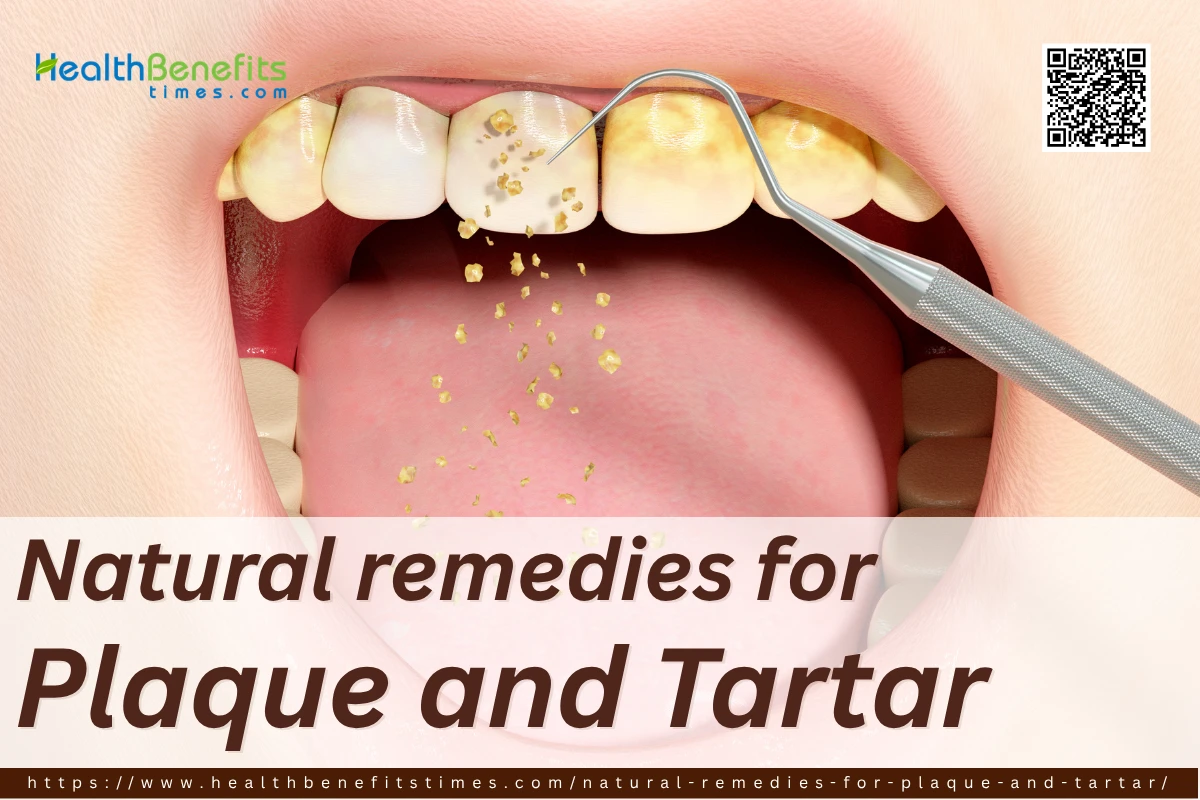
Causes of Plaque and Tartar
Understanding exactly how a healthy mouth transitions into one burdened by hardened deposits requires looking at everyday habits and biological shifts. Several distinct factors contribute to the rapid growth and calcification of oral biofilms.
- Inadequate Daily Cleaning: Failing to physically sweep away the soft bacterial film through routine brushing and flossing leaves the matrix intact, providing the perfect foundation for future calcification 5.
- Frequent Consumption of Sugars and Carbohydrates: Eating soft, starchy foods provides a constant food supply to oral bacteria, which eagerly consume these fermentable carbohydrates to multiply rapidly 6.
- Acidic Oral Environments: When bacteria feed on dietary sugars, they produce lactic acid, which significantly lowers the pH of the mouth and causes a shift toward aggressive, acid-tolerating microbial species that build thicker biofilms 7.
- Natural Mineral Precipitation: Saliva is naturally rich in calcium and phosphate ions, which act as a defense mechanism to remineralize teeth; however, when these minerals precipitate directly into uncleared plaque, they create small foci of calcification that turn into tartar 8.
- Reduced Saliva Production: A dry mouth—often caused by breathing through the mouth, dehydration, or certain medications—eliminates the natural washing and buffering effect of saliva, allowing sticky bacterial colonies to thrive uninterrupted 9.
Symptoms of Plaque and Tartar
Recognizing the physical signs of oral biofilm accumulation can prevent mild irritation from escalating into severe disease. The presence of plaque and tartar often produces several noticeable physical changes in the mouth.
- A distinct fuzzy, rough, or “sweater-like” feeling when running the tongue across the surfaces of the teeth.
- Visible, hard deposits near the gumline that range in appearance from a creamy yellow to a dark brown or black crust 10.
- Gums that look unusually bright red, swollen, and feel tender when touched 11.
- Spontaneous bleeding that occurs during regular brushing or when using dental floss 12.
- A persistent bad breath, known as halitosis, resulting from the toxic byproducts and sulfur compounds released by trapped bacteria 13.
- Receding gum tissue that visually pulls away from the teeth, making them look longer and exposing sensitive root areas.
Plaque and Tartar Facts
| Facts and Characteristics | Details |
| # Symptoms |
|
| # Causes |
|
| # Types of Plaque and Tartar |
|
| # How does spread |
|
| # Age Group |
|
| # You might be at a higher risk for exposure of this disease if you: |
|
| # How doctors diagnose |
|
| # Other facts |
|
Natural Remedies for Plaque and Tartar
1. Oil Pulling with Coconut and Sesame Oil
Traditional therapies like oil pulling rely on the natural properties of edible plant oils to cleanse the oral cavity. Swishing coconut or sesame oil creates a saponification effect, acting like a natural soap that physically lifts microbial cells away from the tooth surface. Coconut oil is particularly noted for its antibacterial activity against common decay-causing organisms due to its rich fatty acid profile 16. Incorporating a daily oil pulling routine over several weeks demonstrates a significant reduction in the total microbial count, directly lowering plaque buildup and reducing the severity of bleeding gums 17. Both oils are shown to be highly effective at inhibiting the regrowth of dental plaque, serving as an accessible preventative measure 12.
Note: You should take a tablespoon of cold-pressed coconut or sesame oil and swish it gently around your mouth and through your teeth for 15 to 20 minutes before spitting it into a trash bin and rinsing your mouth with water.
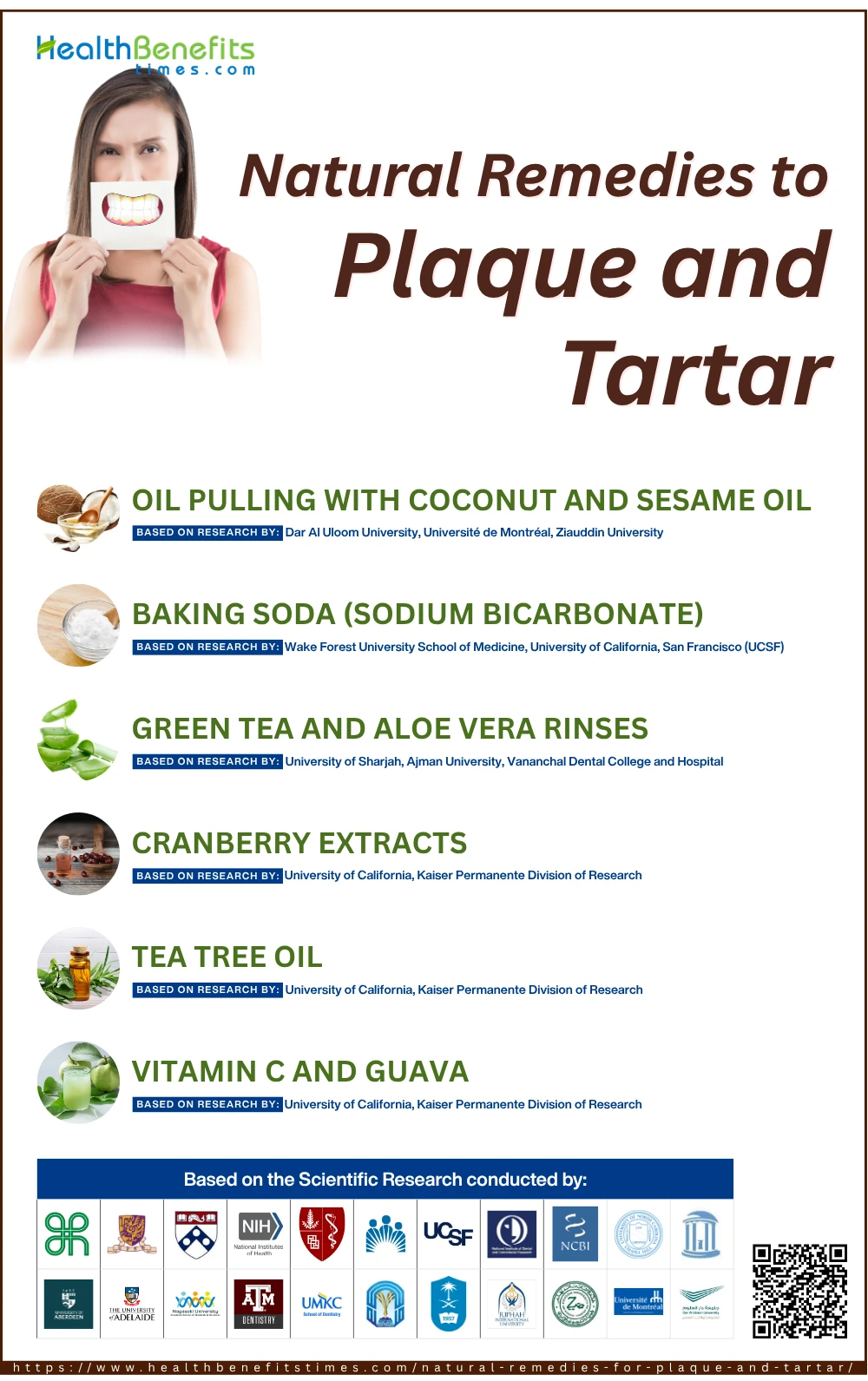
Found in almost every kitchen, baking soda is an incredibly practical, highly biocompatible agent for daily oral care. It acts as a very mild abrasive that physically breaks apart the sticky matrix holding the plaque together, doing so without scratching the delicate tooth enamel 18. Beyond its physical cleaning ability, baking soda is naturally alkaline; it quickly neutralizes the harmful acids produced by bacteria, creating an environment where decay-causing microbes cannot easily survive 19. Routine brushing with baking soda solutions enhances the removal of plaque from harder-to-reach areas of the mouth significantly better than non-baking soda alternatives 20.
Note: You can easily create a paste by mixing a pinch of plain baking soda with a few drops of water, applying it to a soft toothbrush, and brushing gently for two minutes.
3. Green Tea and Aloe Vera Rinses
Plant-derived mouthwashes offer a gentle but highly effective alternative to commercial antiseptic rinses. Green tea contains powerful natural antioxidants called catechins, which help to suppress the growth of periodontopathic bacteria and reduce overall acid production. Using green tea as a rinse displays significant reductions in gingival inflammation, plaque indexes, and bleeding scores 21. Similarly, the natural gel from the aloe vera plant possesses soothing, anti-inflammatory compounds that calm irritated gum tissue. Rinsing with aloe vera liquid safely inhibits the activity of cariogenic bacteria and works just as effectively as some medical mouthwashes to lower plaque scores 22.
Note: You can use a half-cup of cooled, freshly brewed green tea or a pure, alcohol-free aloe vera juice to swish around your mouth for one minute after brushing.
4. Cranberry Extracts
Certain fruits contain unique compounds that fundamentally alter how bacteria behave. Cranberries are rich in bioactive polyphenols, specifically A-type proanthocyanidins, which target the mechanisms bacteria use to stick to surfaces. Instead of killing the bacteria outright, these cranberry phenols prevent the microbes from synthesizing the sticky sugars they need to attach to the tooth enamel 23. By disrupting this cellular adhesion, cranberry extracts drastically reduce the formation of new biofilms and lower the acid-producing capabilities of the plaque 24. This offers a targeted therapeutic approach that stops tartar formation while keeping the healthy resident microbes of the mouth perfectly safe 25.
Note: You can incorporate unsweetened, pure cranberry juice or high-quality cranberry supplements into your daily diet to benefit from these anti-adhesion properties.
5. Tea Tree Oil
Extracted from a native Australian plant, tea tree oil is a potent essential oil long valued for its natural antiseptic and bactericidal properties. The active components within the oil penetrate the structural defenses of dental plaque, directly attacking the cell walls of harmful oral fungi and bacteria 26. When utilized correctly, diluted tea tree oil mouthwashes show remarkable clinical outcomes in reducing stubborn plaque and easing gum inflammation. Importantly, it achieves these impressive results without causing the unwanted side effects commonly associated with heavy chemical rinses, such as altering your sense of taste or leaving dark stains on the teeth 27.
Note: You must carefully dilute just one single drop of pure tea tree oil into a full cup of warm water to use as a rinse, taking extreme caution to never swallow the mixture.
6. Vitamin C and Guava
Local oral health is deeply connected to overall systemic nutrition. Vitamin C is a critical hydrophilic antioxidant essential for producing collagen, the main structural protein that holds the gums and periodontal ligaments firmly in place 28. An adequate intake of Vitamin C strengthens the gum tissue’s resistance against the inflammatory challenges produced by bacterial plaque, noticeably improving instances of gingival bleeding 29. Furthermore, eating fresh, raw foods heavily concentrated with this nutrient, such as guava fruit, actively prevents the development of gingivitis while the fibrous texture of the fruit provides a mild, mechanical sweeping of the teeth 30.
Note: You should aim to consume raw, vitamin C-rich fruits like fresh guava daily to naturally strengthen your gum tissue from the inside out.
Is there any exercise or physical activities for Plaque and Tartar
Maintaining a clean mouth is not exclusively about applying treatments; mechanical movement and physical stimulation play an immense role in washing away bacterial invaders.
- Masticatory Stimulation via Sugar-Free Gum
The simple physical act of chewing serves as a powerful exercise for the mouth’s natural defense systems. Engaging the jaw in sustained masticatory effort stimulates the major salivary glands to release a heavy flow of fresh saliva 31. This rushing fluid physically washes away loose food debris and unattached bacteria. When the gum is sweetened with a non-fermentable substitute like xylitol, the benefits multiply; the saliva produced has an elevated pH and increased buffering capacity, which swiftly neutralizes the acidic environment that plaque needs to thrive 32. Regular chewing of these gums leads to a significant and measurable reduction in total dental plaque 33.
Note: You can pop a piece of xylitol-sweetened, sugar-free gum into your mouth and chew it actively for 15 to 20 minutes right after finishing a meal to flood your mouth with protective saliva.
- Salivary Gland Massage and Stimulation
When the mouth is excessively dry, plaque thickens and hardens rapidly. Physical interventions targeting the salivary glands can help coax them back into action. External mechanical stimulation or gentle massage of the cheeks and lower jaw provides a physical prompt that encourages the glands to secrete resting saliva 34. In clinical therapy, utilizing electrical muscle stimulation devices, such as Transcutaneous Electrical Nerve Stimulation (TENS) applied over the parotid glands, successfully increases saliva production without adverse side effects, which is especially beneficial for individuals suffering from chronic dry mouth 35.
Note: You can use your fingertips to apply firm, gentle circular massage pressure to the outside of your cheeks near your ears and directly under your jawbone for a few minutes daily to manually encourage saliva flow.
Foods and Activities to Avoid
Protecting your oral environment requires just as much attention to the habits and items you must eliminate as the remedies you add to your routine.
(i) Foods to Avoid When You Suffer from Plaque and Tartar
- Sticky, High-Sugar Candies: Sweets like caramels, gummies, and taffy cling stubbornly to the enamel, providing a constant, slow-releasing food source for acid-producing bacteria 9.
- Refined, Soft Starches: Items like white bread, crackers, and potato chips break down quickly into simple sugars inside the mouth, forming a gummy paste that easily gets wedged between teeth.
- Highly Acidic Beverages: Sodas, sports drinks, and certain fruit juices drastically drop the pH level in your mouth, which dissolves protective minerals and helps acid-loving bacterial communities dominate.
- Frequent Sweet Snacks: Grazing on sweet snacks throughout the day prevents your saliva from having enough time to naturally neutralize the mouth’s acidic conditions, ensuring plaque continues to grow aggressively.
(ii) Activities to Avoid When You Suffer from Plaque and Tartar
- Using Metal Dental Scalers at Home: You should never attempt to scrape off tartar with sharp tools or consumer ultrasonic devices. These tools can cause permanent thermal damage to the tooth, heavily scratch the enamel, create dangerous infectious aerosols, and even interfere with cardiac pacemakers 36.
- Smoking Tobacco: You must avoid combustible tobacco because it severely restricts blood flow to your gums, masking the early warning signs of disease while simultaneously accelerating the aggressive breakdown of surrounding tissue 37.
- Skipping the Floss: Brushing alone leaves the tight spaces between your teeth completely untouched. You must avoid neglecting interdental cleaning, as this is where dark, subgingival tartar most frequently forms.
- Brushing Too Aggressively: You should not scrub your teeth with immense pressure or hard-bristled brushes in a desperate attempt to remove tartar; this only damages your sensitive gums and strips away enamel without actually budging the calcified deposits.
Myths and Misconceptions
| Myth | Reality |
| You can brush tartar away if you scrub hard enough. | Dental calculus is a mineralized, rock-hard substance that forms a secure bond with the tooth structure. No amount of aggressive brushing will remove it; it absolutely requires professional scaling instruments 13. |
| Bleeding gums mean you should stop brushing. | Bleeding is a direct inflammatory immune response to the irritating bacteria in plaque. You must continue to gently brush and floss to remove the very bacteria causing the bleeding in the first place 38. |
| Mouthwashes that kill all bacteria are the best option. | The mouth relies on a delicate balance of good and bad microbes. Broad-spectrum biocides wipe out everything, which can allow dangerous, opportunistic pathogens to take over. Targeted, natural remedies often protect the healthy resident microbiome 39. |
| Losing teeth is just a natural part of being pregnant. | Hormonal surges during pregnancy do make the gums highly reactive to plaque, but meticulous daily hygiene and regular dental visits can completely prevent tissue destruction and tooth loss 40. |
| Home ultrasonic scrapers are just as safe as going to the dentist. | Consumer ultrasonic scalers are hazardous. The vibrating metal tips can produce severe heat, cause microscopic structural damage to the tooth, and accidentally break off inside the gum tissue, leading to a medical emergency 41. |
Special Considerations
Different stages of life and shifting health conditions demand customized approaches to managing oral biofilms effectively.
Children
The early years are critical for establishing the oral microbiome. Because young children lack the advanced fine motor skills required to perfectly clean the deep pits and fissures of newly erupted teeth, they are highly susceptible to rapid plaque buildup 42. Parents can utilize safe, food-grade disclosing agents—liquids that temporarily dye unbrushed plaque bright pink or blue—to visually educate children on the spots they missed, turning oral hygiene into a visible, interactive learning experience 43.
Pregnancy
Expecting a child triggers a massive cascade of physiological changes that profoundly impact the mouth. Elevated levels of estrogen and progesterone cause the gums to become highly reactive to even tiny amounts of dental plaque, leading to a condition known as pregnancy gingivitis in up to 75% of pregnant women 44. This swelling and bleeding typically escalate between the third and eighth months of gestation. Treating this inflammation is crucial, as clinical evidence highlights that resolving gingivitis during pregnancy is linked to a significantly decreased risk of preterm births and can result in higher infant birth weights 45.
Chronic Conditions (Diabetes)
A well-documented, two-way street exists between blood sugar levels and gum health. Individuals with diabetes face a much higher risk of developing severe gum disease because high blood glucose weakens the infection-fighting white blood cells and increases sugar levels in the saliva, directly feeding the plaque 46. As periodontitis advances, the chronic inflammation actually makes the patient’s blood sugar much harder to control. Thankfully, actively treating the plaque and tartar through professional therapy has been shown to successfully lower HbA1c levels, making oral care a vital part of overall diabetes management 47.
Elderly
Aging presents a unique set of hurdles for maintaining a clear oral cavity. Older adults frequently take multiple prescription medications that list xerostomia (dry mouth) as a primary side effect, completely removing the saliva necessary to buffer acids and wash away bacteria 48. Coupled with natural age-related gum recession, this exposes the vulnerable roots of the teeth to heavy, uninhibited calculus deposition 49. Furthermore, declining manual dexterity from conditions like arthritis means older adults often require adaptive tools, like electric toothbrushes and specialized natural rinses, to adequately perform daily cleaning.
Precaution Before Use of Natural Remedies
While holistic approaches offer incredible benefits, they require respectful, informed handling to ensure you are helping your mouth rather than accidentally harming it.
- You must dilute concentrated oils: Essential oils like tea tree are highly potent and toxic if swallowed. Always ensure you heavily dilute a single drop in a full glass of water to avoid severe chemical burns to your delicate oral mucosa 50.
- You should test for allergic reactions first: Natural ingredients can still trigger allergies. Before swishing a mouth full of coconut oil or aloe vera, place a tiny amount on your inner wrist or lip to check for redness or swelling.
- You need to be gentle with abrasives: Even though baking soda is considered a mild abrasive, vigorously scrubbing your teeth with raw powder every single day can eventually wear down your protective enamel and irritate your gumline.
- You must avoid acidic erosion: While Vitamin C is excellent for tissue health, you should never chew ascorbic acid tablets directly against your teeth or rinse with pure lemon juice, as intense acids rapidly dissolve enamel.
- You cannot rely on remedies for existing tartar: Understand that no natural oil or rinse can dissolve a rock-hard tartar deposit. You must use these remedies purely for prevention and soft plaque removal, not as a replacement for a professional dental cleaning.
When to See a Doctor
Certain oral symptoms clearly indicate that the bacterial infection has crossed the threshold from a manageable daily issue to a condition requiring immediate professional medical or dental care.
- You experience unprovoked, heavy bleeding: If your gums bleed spontaneously while you are just sitting or talking, or if bleeding from brushing refuses to stop, you have severe vascular inflammation that needs immediate evaluation.
- You notice your teeth feeling loose or shifting: The sensation that your permanent teeth are moving or creating new gaps means the underlying bone holding them in place is actively being destroyed by advanced tartar-induced periodontitis 11.
- You spot a painful, pus-filled bump: A swollen sac on the gums that oozes a yellow or white fluid is an acute dental abscess, signaling a deep, trapped bacterial infection that often requires draining and prescription antibiotics.
- You suffer from constant, throbbing pain: Simple plaque does not cause severe pain. If it hurts intensely to chew or you feel a constant throb, the bacteria have likely penetrated the deep tissues or the tooth nerve itself.
- You have a chronically dry mouth that won’t resolve: If drinking water and chewing sugar-free gum fails to produce saliva, you need a doctor to evaluate your medications or check for systemic autoimmune issues that are putting your teeth at immense risk 51.
- You have diabetes and notice worsening glucose control: If your blood sugar levels are becoming erratic and you simultaneously notice your gums are bright red and swollen, you must coordinate with your doctor and dentist immediately, as the oral infection is likely driving the systemic imbalance 52
Comments
comments
This article is based on Scientific Research Conducted by following Research Organization:
- Dental plaque biofilm in oral health and disease–The University of Hong Kong, China, Prince Philip Dental Hospital, China
- Development of bacterial plaque in the oral cavity–University of Pennsylvania School of Dental Medicine, United States, University of Pennsylvania, United States.
- Estimation and quantification of human DNA in dental calculus: A pilot study–University of California, San Francisco (UCSF), United States, Kaiser Permanente Division of Research, United States, Stanford University School of Medicine, United States, National Institutes of Health (NIH), United States.
- Oral Hygiene–National Institute of Dental and Craniofacial Research (NIDCR), United States, National Institutes of Health (NIH), United States.
- The structure of dental plaque microbial communities in the transition from health to dental caries and periodontal disease–University of California, San Francisco (UCSF), United States, Kaiser Permanente Division of Research, United States, Stanford University School of Medicine, United States, National Institutes of Health (NIH), United States.
- Chapter 99: Microbiology of Dental Decay and Periodontal Disease–National Center for Biotechnology Information (NCBI), United States, National Institutes of Health (NIH), United States.
- Dental plaque as a biofilm and a microbial community – implications for health and disease–University of North Carolina at Chapel Hill, United States, UNC School of Dentistry, United States, National Institute of Dental and Craniofacial Research (NIDCR), United States, National Institutes of Health (NIH), United States.
- An unusual presentation of dental calculus–University of California, San Francisco (UCSF), United States, Kaiser Permanente Division of Research, United States, Stanford University School of Medicine, United States, National Institutes of Health (NIH), United States.
- Ancient DNA analysis of dental calculus–The University of Adelaide, Australia;, University of Aberdeen, United Kingdom
- Dental calculus: recent insights into occurrence, formation, prevention, removal and oral health effects of supragingival and subgingival deposits–University of Pennsylvania School of Dental Medicine, United States, University of Pennsylvania, United States.
- Diabetes, Gum Disease, & Other Dental Problems–National Institute of Diabetes and Digestive and Kidney Diseases (NIDDK), United States, National Institutes of Health (NIH), United States.
- Comparison of the plaque regrowth inhibition effects of oil pulling therapy with sesame oil or coconut oil using 4-day plaque regrowth study model: A randomized crossover clinical trial
- Detection, removal and prevention of calculus: Literature Review–National Institutes of Health (NIH), United States., Stanford University School of Medicine, United States, Kaiser Permanente Division of Research, United States, University of California, San Francisco (UCSF), United States
- The Reevaluation of Subgingival Calculus: A Narrative Review–Texas A&M College of Dentistry, United States, Nagasaki University Graduate School of Biomedical Sciences, Japan, University of Missouri–Kansas City School of Dentistry, United States
- Efficacy of three-tone disclosing agent as an adjunct in caries risk assessment–University of California, San Francisco (UCSF), United States, Kaiser Permanente Division of Research, United States, Stanford University School of Medicine, United States, National Institutes of Health (NIH), United States.
- Oil pulling and importance of traditional medicine in oral health maintenance–Dar Al Uloom University, Saudi Arabia, Université de Montréal (Faculty of Dental Medicine), Canada, Ziauddin University, Pakistan, Riphah International University, Pakistan, King Saud University, Saudi Arabia., Taibah University, Saudi Arabia
- Effect of coconut and sesame oils on gingivitis
- Effect of baking soda in dentifrices on plaque removal–Wake Forest University School of Medicine, United States.
- The anti-plaque effect of high concentration sodium bicarbonate dentifrice on plaque formation and gingival inflammation, irrespective to individual polishing technique and plaque quality–University of California, San Francisco (UCSF), United States, Kaiser Permanente Division of Research, United States, Stanford University School of Medicine, United States, National Institutes of Health (NIH), United States.
- Enhancement of plaque removal by baking soda toothpastes from less accessible areas in the dentition–Church & Dwight Co., Inc., United States.
- Clinical efficacy of green tea, aloe vera and chlorhexidine mouthwashes in the treatment of dental biofilm induced gingivitis: A multi-arm, double-blinded, randomized controlled clinical trial–University of Sharjah, United Arab Emirates, Ajman University, United Arab Emirates, Sharad Pawar Dental College and Hospital (Datta Meghe Institute of Higher Education and Research), India, Vananchal Dental College and Hospital, India, ESIC Dental College, India.
- Preliminary Antiplaque Efficacy of Aloe Vera Mouthwash on 4 Day Plaque Re-Growth Model: Randomized Control Trial–University of California, San Francisco (UCSF), United States, Kaiser Permanente Division of Research, United States, Stanford University School of Medicine, United States, National Institutes of Health (NIH), United States.
- Cranberry Polyphenols: Natural Weapons against Dental Caries–University of California, San Francisco (UCSF), United States, University of California, Kaiser Permanente Division of Research, United States, Stanford University School of Medicine, United States, National Institutes of Health (NIH), United States
- Exploring the Benefits of Cranberries in Dentistry: A Comprehensive Review–Federal University of Minas Gerais (Universidade Federal de Minas Gerais, UFMG), Brazil, Federal University of Juiz de Fora (Universidade Federal de Juiz de Fora, UFJF), Brazil
- Exploring the role of cranberry polyphenols in periodontits: A brief review–University of North Carolina at Chapel Hill, United States, UNC School of Medicine, United States, Centers for Disease Control and Prevention (CDC), United States, National Institutes of Health (NIH), United States
- [Effect of mouthwashing with tea tree oil on plaque and inflammation]–University of California, San Francisco (UCSF), United States, Kaiser Permanente Division of Research, United States, Stanford University School of Medicine, United States, National Institutes of Health (NIH), United States.
- Clinical and Microbiological Evaluation of 0.2% Tea Tree Oil Mouthwash in Prevention of Dental Biofilm-Induced Gingivitis
- Beneficial Effects of Vitamin C in Maintaining Optimal Oral Health–University of Rwanda College of Medicine and Health Sciences, Rwanda, Lake Erie College of Osteopathic Medicine (LECOM), United States.
- The Relationship between Vitamin C and Periodontal Diseases: A Systematic Review–University of California, San Francisco (UCSF), United States, Kaiser Permanente Division of Research, United States, Stanford University School of Medicine, United States, National Institutes of Health (NIH), United States.
- Effect of guava and vitamin C supplementation on experimental gingivitis: A randomized clinical trial–University of North Carolina at Chapel Hill, United States, UNC School of Medicine, United States, Centers for Disease Control and Prevention (CDC), United States, National Institutes of Health (NIH), United States
- The effect of increased mastication by daily gum-chewing on salivary gland output and dental plaque acidogenicity–University of Pennsylvania School of Dental Medicine, United States, University of Pennsylvania, United States.
- Effect of chewing xylitol chewing gum on salivary flow rate and the acidogenic potential of dental plaque–University of Pennsylvania School of Dental Medicine, United States, University of Pennsylvania, United States.
- Effects of Chewing Gum on Plaque Index: A 3-Dimensional Colorimetric Analysis
- A Review on Xerostomia and Its Various Management Strategies: The Role of Advanced Polymeric Materials in the Treatment Approaches–University of California, San Francisco (UCSF), United States, Kaiser Permanente Division of Research, United States, Stanford University School of Medicine, United States, National Institutes of Health (NIH), United States.
- Trans-cutaneous electrical nerve stimulation to treat dry mouth (xerostomia) following radiotherapy for head and neck cancer. A systematic review–University of California, San Francisco (UCSF), United States, Kaiser Permanente Division of Research, United States, Stanford University School of Medicine, United States, National Institutes of Health (NIH), United States.
- Potential hazards of the dental ultrasonic descaler–University of Federal de Santa Maria (UFSM), Brazil, Universidade do Estado de Santa Catarina (UDESC), Brazil, Lutheran University of Brazil (ULBRA), Brazil
- Periodontitis and diabetes: a two-way relationship–University of North Carolina at Chapel Hill, United States, UNC School of Medicine, United States, Centers for Disease Control and Prevention (CDC), United States, National Institutes of Health (NIH), United States
- Prevalence, Severity of Extension, and Risk Factors of Gingivitis in a 3-Month Pregnant Population: A Multicenter Cross-Sectional Study–Saveetha Institute of Medical and Technical Sciences, India
- Influence of Cranberry Proanthocyanidins on Formation of Biofilms by Streptococcus mutans on Saliva-Coated Apatitic Surface and on Dental Caries Development in vivo–University of North Carolina at Chapel Hill, United States, UNC School of Dentistry, United States, National Institute of Dental and Craniofacial Research (NIDCR), United States, National Institutes of Health (NIH), United States.
- Relationship between Gingival Inflammation and Pregnancy–South Medical University, China, The Affiliated Shenzhen Maternity and Child Healthcare Hospital of South Medical University, China, Tianjin Medical University, China
- Mechanized scaling with ultrasonics: Perils and proactive measures–Krishnadevaraya College of Dental Sciences, India, Department of Periodontics, Krishnadevaraya College of Dental Sciences, India
- –University of Pennsylvania School of Dental Medicine, United States, University of Pennsylvania, United States
- Oral Hygiene Instructions With Plaque-Disclosing Agents to Improve Self-Performed Dental Plaque Control: A Case Report–Saveetha Institute of Medical and Technical Sciences, India
- Talking to Pregnant Women about Oral Health–Centers for Disease Control and Prevention (CDC), United States, Division of Oral Health, CDC, United States, U.S. Department of Health and Human Services (HHS), United States
- Does Treatment of Gingivitis During Pregnancy Improve Pregnancy Outcomes? A Systematic Review and Meta-Analysis–Saveetha Institute of Medical and Technical Sciences, India
- Promoting Oral Health–Centers for Disease Control and Prevention (CDC), United States, National Center for Chronic Disease Prevention and Health Promotion, United States;, Division of Diabetes Translation, United States, U.S. Department of Health and Human Services (HHS), United States
- Oral Health and Diabetes–Centers for Disease Control and Prevention (CDC), United States
- Artificial Saliva for Therapeutic Management of Xerostomia: A Narrative Review–Xi'an Jiaotong University First Affiliated Hospital, China
- Plaque disclosing agent as a plaque control guide for oral hygiene in chronic periodontitis based on guided biofilm therapy: A retrospective cohort study
- Tea Tree Oil versus Chlorhexidine Mouthwash in Treatment of Gingivitis: A Pilot Randomized, Double Blinded Clinical Trial–University of North Carolina at Chapel Hill, United States, UNC Adams School of Dentistry, United States, Centers for Disease Control and Prevention (CDC), United States, National Institute of Dental and Craniofacial Research (NIDCR), United States.
- Therapeutic Strategies for Dry Mouth Management with Emphasis on Electrostimulation as a Treatment Option–Saveetha Institute of Medical and Technical Sciences, India
- Diabetes & Oral Health–National Institute of Dental and Craniofacial Research (NIDCR), United States, National Institutes of Health (NIH), United States.