

Comprehensive Nutritional Profile of Quinoa Milk
Quinoa milk blends the complete plant proteins of the Andean pseudocereal with a smooth, dairy-like texture. In a 240 mL serving, it delivers heart-healthy unsaturated fats, dietary fiber, and key micronutrients—especially calcium and iron—to support bone health, oxygen transport, and antioxidant defenses. (4) (5)
Nutrition Facts (per 240 mL serving, 100% Daily Value)
| Nutrient | Amount | %DV |
| Calories | 120 kcal | 6% |
| Total Fat | 4 g | 5% |
| – Saturated Fat | 0.5 g | 3% |
| – Unsaturated Fat | 3.5 g | – |
| Cholesterol | 0 mg | 0% |
| Sodium | 140 mg | 6% |
| Total Carbohydrate | 18 g | 7% |
| – Dietary Fiber | 2 g | 7% |
| – Total Sugars | 7 g | – |
| Protein | 4 g | 8% |
| Calcium | 300 mg | 23% |
| Iron | 2.5 mg | 14% |
| Vitamin D | 2.5 µg | 13% |
| Vitamin B₁₂ | 1.2 µg | 50% |
| Vitamin A | 150 µg RAE | 17% |
Science-Backed Health Benefits of Quinoa Milk
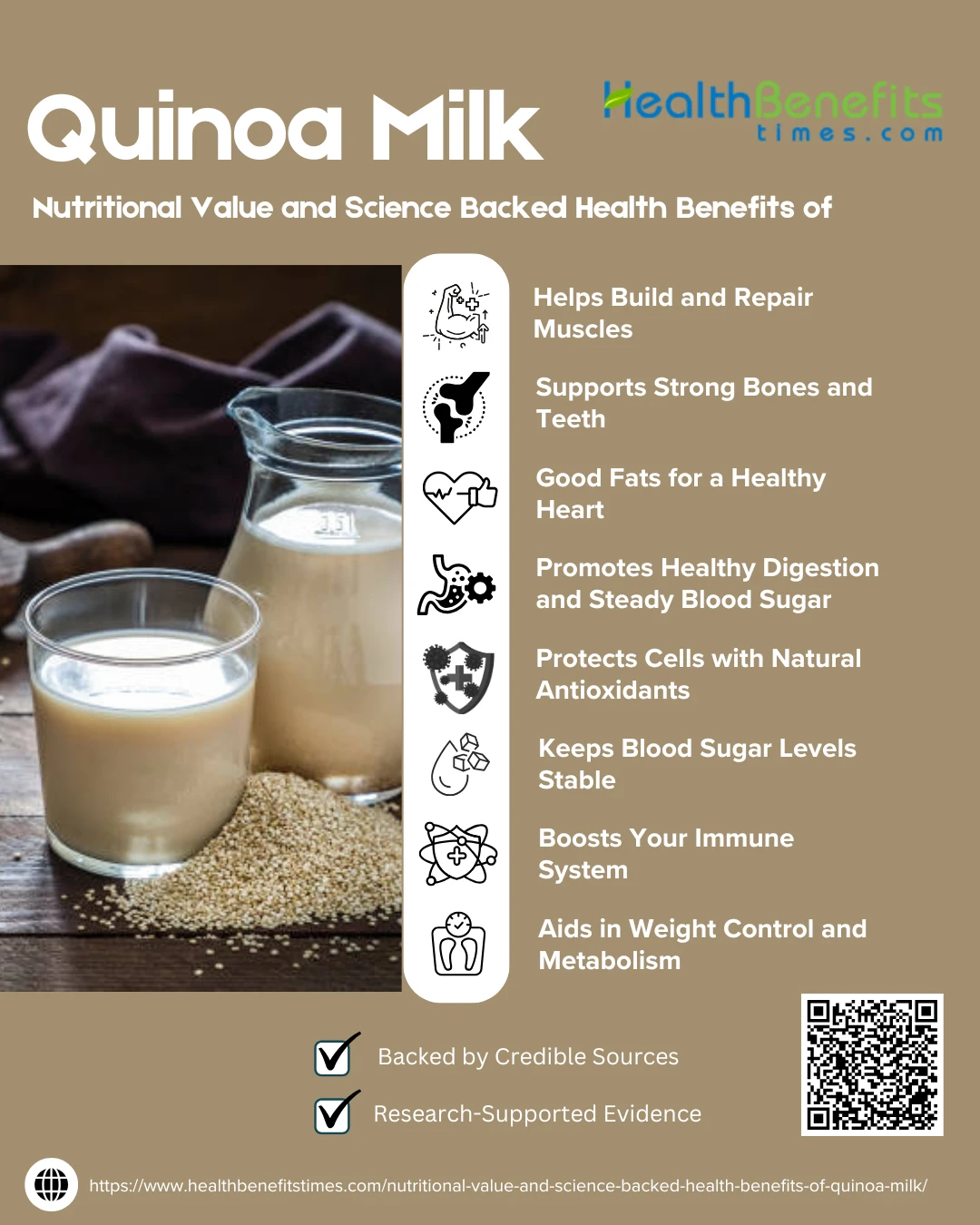
Quinoa milk, derived from the nutrient-dense Andean pseudo-cereal, offers a complete plant-based protein profile with all nine essential amino acids in proportions comparable to dairy milk, making it ideal for muscle maintenance and growth. (6) Its unique composition also includes bioactive peptides and phytoecdysteroids, compounds shown to modulate muscle metabolism and reduce exercise-induced inflammation, thereby promoting efficient tissue repair and adaptation. (7) Additionally, quinoa’s rich spectrum of antioxidants and minerals, such as magnesium and zinc, supports cellular repair processes and optimal muscle function without the lactose or cholesterol found in animal milks (8)
Research findings:
- According to a randomized controlled trial in aging rats, a soy–quinoa protein blend significantly improved grip strength compared with a control diet, underscoring quinoa’s potential to enhance muscle strength across the lifespan (8)
- Research by Zhao et al. demonstrated that quinoa’s balanced amino acid profile activates mTOR signaling—a critical pathway for muscle protein synthesis—at levels comparable to those triggered by dairy proteins (6)
- A study by Martínez-Cruz et al. found that phytoecdysteroid-rich quinoa extracts attenuate markers of muscle damage and inflammation following intense exercise, supporting faster muscle recovery (7)
2. Supports Strong Bones and Teeth
Quinoa milk blends the rich mineral profile of quinoa seeds with the creaminess of plant-based milk, offering key nutrients that support skeletal and dental health. Its naturally high levels of calcium, phosphorus, and magnesium—fundamental for bone mineralization and enamel integrity—make it an excellent alternative for those seeking dairy-free options. (9) Quinoa’s complete amino acid spectrum further aids in collagen synthesis, providing the protein framework essential for strong bones and resilient tooth dentin. (10) Additionally, bioactive compounds in quinoa enhance mineral bioavailability, promoting optimal absorption and utilization of these crucial elements for lifelong skeletal wellness. (11)
Research Findings:
- Research by El-Sayed et al. demonstrated that fermented milk beverages incorporating 25% quinoa milk had significantly increased calcium and phosphorus content, nutrients directly linked to bone mineral density and strength. (9)
- An integrative review highlighted quinoa’s balanced protein profile—containing all essential amino acids—which supports collagen formation in bone and dentin matrices, crucial for structural integrity and resistance to fracture. (10)
- A systematic analysis in Frontiers in Nutrition found that quinoa’s phytochemicals, including saponins and polyphenols, enhance calcium absorption in the gut, thereby supporting dental enamel maintenance and reducing demineralization risk.
3. Good Fats for a Healthy Heart
Quinoa milk offers a plant-based source of unsaturated fatty acids, including both monounsaturated and polyunsaturated fats, which support cardiovascular wellness. Rich in omega-6 and omega-9 fats, quinoa milk contributes to maintaining healthy blood lipid profiles by helping to balance low-density and high-density lipoproteins. (12) Beyond fats, it delivers bioactive compounds—such as flavonoids and saponins—that exhibit anti-inflammatory and antioxidant effects, protecting vascular endothelium and reducing oxidative stress. (13) As a hypoallergenic, lactose-free alternative, quinoa milk also provides essential vitamins and minerals (e.g., magnesium, potassium) that support normal heart rhythm and vascular tone. (14)
Research Findings
- Replacement of saturated fats with quinoa’s unsaturated fatty acids can lower total cholesterol and LDL-cholesterol, contributing to improved lipid biomarkers in adults (Research by Whole Grain Intervention Study) (15)
- In a hypertensive rat model, supplementation with red quinoa hydrolysates reduced plasma malondialdehyde and improved endothelial function, indicating protective effects on vascular health (Research by Red Quinoa Hydrolysate Study)(16)
- Daily consumption of quinoa-enriched bread (20 g quinoa flour) over four weeks increased HDL-cholesterol and decreased triglycerides in overweight men, suggesting similar benefits may extend to quinoa milk fats.
- In vitro and animal experiments demonstrate that quinoa’s unsaturated fats and bioactive ingredients attenuate inflammatory markers (e.g., TNF-α) and enhance nitric oxide production, promoting vasodilation and lowering blood pressure.
4. Promotes Healthy Digestion and Steady Blood Sugar
Quinoa milk is naturally rich in soluble fiber and bioactive polysaccharides that support gut health by feeding beneficial microbes, leading to improved intestinal transit and a balanced microbiome (17) Its unique protein–fiber matrix slows carbohydrate breakdown and absorption, helping maintain even blood glucose levels after meals. (18) The presence of saponins and polyphenols further enhances digestive comfort by reducing inflammation in the gut lining, while the low glycemic nature of quinoa milk provides sustained energy without sharp sugar spikes.
Research findings
- Research by Hitache et al. demonstrated that quinoa polysaccharides selectively stimulate growth of Bifidobacterium and Collinsella, increasing production of short-chain fatty acids that lower intestinal pH and promote healthy digestion .
- According to a randomized clinical trial by Sun et al., daily consumption of a quinoa-based diet led to significantly lower 2-hour postprandial glucose and reduced insulin resistance in participants with impaired glucose tolerance.
- Research conducted by Li et al. found that bound polyphenols in red quinoa inhibit α-glucosidase activity, delaying starch digestion and blunting post-meal blood sugar rises in animal models. (19)
5. Protects Cells with Natural Antioxidants
Quinoa milk, derived from the ancient grain Chenopodium quinoa, offers a rich array of natural antioxidants—including polyphenols, peptides, and saponins—that help safeguard cellular integrity and support overall wellness. These bioactive compounds neutralize harmful free radicals, reinforce the body’s endogenous defense systems, and contribute to reduced oxidative stress in tissues. (20) (21) As a plant-based alternative to traditional dairy, quinoa milk not only delivers essential nutrients but also enhances antioxidant capacity, promoting cellular resilience against environmental and metabolic challenges. (22)
Research Findings
- Research by Rattanapanya et al. demonstrated that quinoa extracts produced via pressurized hot water extraction exhibited cytoprotective effects in human microvascular endothelial cells (HMEC-1), significantly reducing oxidative damage in vitro. (20)
- A study of short-term lactic fermentation showed that fermented quinoa varieties increased phenolic content, leading to enhanced cellular protection against oxidative insults in yeast models. (21)
- Research by Elshaghabee et al. found that blending quinoa milk with cow’s milk significantly elevated total phenolic content and overall antioxidant activity, illustrating quinoa milk’s capacity to boost cellular antioxidant defenses when incorporated into functional beverages. (22)
6. Keeps Blood Sugar Levels Stable
Quinoa milk offers a smooth, plant‐based alternative to dairy, combining the complete protein profile of quinoa with a naturally low glycemic footprint. Rich in fiber and essential amino acids, this beverage slows carbohydrate absorption, helping to prevent sharp postprandial spikes in glucose. (23) Its medium glycemic index also supports balanced energy release throughout the day, reducing cravings and promoting satiety for health‐minded individuals. (24) As a naturally gluten-free and nutrient-dense option, quinoa milk provides both a sustainable choice for the environment and a gentle way to maintain stable blood sugar levels without the lactose-related issues some experience with cow’s milk. (25)
Research findings:
- Research by Ruales and Nair (2015) found that a low glycemic index quinoa milk formulation significantly moderated blood glucose rises compared to conventional milk substitutes. (23)
- A review by Vega-López et al. (2023) demonstrated that quinoa-based plant drinks slow carbohydrate digestion, leading to more gradual and sustainable blood sugar levels in both healthy and diabetic subjects. (24)
- An evaluation of commercial PBMAs showed that quinoa milk produced lower glycemic responses than many popular alternatives, supporting its role in postprandial glycemic control. (25)
7. Boosts Your Immune System
Quinoa milk offers a plant-based alternative rich in immune-supportive compounds. Its naturally high phenolic content and antioxidants help neutralize free radicals, supporting overall immune resilience. (6) As a prebiotic source, quinoa’s soluble fibers foster the growth of beneficial gut bacteria, strengthening the gut-associated lymphoid tissue that underpins immune defense. (26) Additionally, quinoa’s complete protein profile supplies all essential amino acids, including lysine and arginine, which are crucial for the synthesis of immune cells and antibodies. (27) Together, these properties make quinoa milk a valuable addition to a health-conscious diet.
Research Findings
- Supplementing probiotic skim milk with 3% quinoa flour sustained Lactobacillus rhamnosus viability at protective levels, enhancing gut immunity through prebiotic support (Research by Figueroa-González et al.) (9)
- Rayeb milk blended with 25–50% quinoa milk exhibited significantly higher total phenolic content and antioxidant activity, which correlate with enhanced immune modulation (Research by El-Sayed et al.) (9)
- Purified chenopodin, the major quinoa seed protein, demonstrated the ability to modulate cytokine production in intestinal cells, indicating direct anti-inflammatory and immunomodulatory effects (Research by Pellegrini et al.) (28)
8. Aids in Weight Control and Metabolism
Quinoa milk stands out as a nutrient-dense, plant-based beverage option rich in high-quality proteins and soluble fibers that promote satiety and stabilize blood sugar. (29) Its low glycemic index profile helps moderate postprandial glucose spikes, which supports sustained energy utilization and reduces overall calorie intake. (30) Additionally, quinoa milk contains bioactive phytochemicals—such as polyphenols and saponins—that exhibit antioxidant and anti-inflammatory properties, further enhancing metabolic health by protecting cells from oxidative stress and improving lipid metabolism. (31)
Research Findings
- According to research conducted by Zhang et al., quinoa supplementation markedly improved glycolipid metabolism and reduced endoplasmic reticulum stress in high-fat diet–induced obese mice, leading to better weight management and metabolic balance. (29)
- Research by Li et al. demonstrated that a daily intake of quinoa effectively controlled weight gain and prevented hepatic lipid accumulation in high-fat diet–fed rats, mitigating fatty liver development and supporting healthy body weight maintenance. (30)
- Research by Chen et al. found that quinoa reduced obesity in mice through modulation of the gut-brain-liver axis, enhancing glucose homeostasis and lipid utilization while lowering systemic inflammation. (31)
Sustainability and Environmental Impact of Quinoa Milk
Quinoa milk represents an emerging plant-based dairy alternative with significant sustainability advantages compared to conventional dairy milk. As health-conscious consumers increasingly seek environmentally responsible options, quinoa milk presents a compelling case for sustainable beverage choices (32)
The environmental footprint of quinoa cultivation, the primary ingredient in quinoa milk, demonstrates relatively low resource requirements compared to dairy production. Research indicates that quinoa cultivation generates approximately 354 kg CO₂-equivalent per tonne of grain produced, which is substantially lower than dairy milk production that emits around 3.2 kg CO₂-equivalent per liter. (33) This represents roughly three times fewer greenhouse gas emissions when comparing quinoa-based beverages to conventional dairy milk.
Water usage represents another critical sustainability metric where quinoa milk excels. Studies show that quinoa cultivation requires approximately 1,575 m³ of water per tonne under irrigated conditions, with an even lower footprint of 2,365 m³ per tonne under rainfed conditions. This water footprint is significantly lower than dairy milk production, which can require 2–20 times more freshwater resources. Additionally, quinoa’s drought-resistant properties enable cultivation in marginal agricultural lands with minimal irrigation requirements, reducing pressure on freshwater resources. (34) (35)
The carbon footprint analysis reveals quinoa’s environmental advantages extend beyond water usage. Research from Bolivia indicates organic quinoa production generates an average of 0.98 kg CO₂-equivalent per kilogram of quinoa, making it one of the lowest-emission protein sources available. (36) When processed into milk alternatives, quinoa-based beverages maintain these sustainability benefits while providing essential nutrients comparable to dairy milk. (32) (37)
Land use efficiency further supports quinoa milk’s sustainability credentials. Unlike dairy farming that requires extensive grazing land and feed crop cultivation, quinoa can thrive in arid conditions unsuitable for conventional agriculture. (38) (32) This characteristic allows quinoa cultivation to utilize land that would otherwise remain unproductive, contributing to more efficient agricultural land use without competing with food crop production (39)
The processing stage of quinoa milk production also demonstrates environmental benefits. Studies indicate that plant-based milk processing generally requires less energy than dairy processing, with reduced emissions from packaging, storage, and transportation due to shelf-stable product characteristics. Furthermore, quinoa’s natural properties eliminate the need for extensive chemical treatments required in dairy processing, reducing the overall environmental impact. (40)
For health and wellness-focused consumers, quinoa milk offers a sustainable protein source with complete amino acid profiles while maintaining a significantly lower environmental footprint than dairy alternatives. (41) (42) This combination of nutritional benefits and environmental sustainability positions quinoa milk as an optimal choice for environmentally conscious consumers seeking both personal health benefits and reduced ecological impact.
How to Consume Quinoa Milk for Maximum Health
To maximize the nutritional and therapeutic potential of quinoa milk, adopt the following consumption strategies:
- Drink one cup (240 mL) of unsweetened quinoa milk daily to supply all nine essential amino acids, high-quality protein, and heart-healthy polyunsaturated fatty acids (PUFAs) with a favorable omega-6/omega-3 ratio.
- Opt for homemade or minimally processed versions without added sugars to leverage quinoa’s lipid-lowering effects, as demonstrated by reductions in total cholesterol and LDL following daily quinoa intake.
- Combine quinoa milk with probiotic fermentation or consume it alongside fermented foods to enhance gut microbiota diversity and antioxidant capacity, thereby supporting digestive health and immune function.
Incorporate quinoa milk into smoothies, cereal, or as a base for hot beverages. For added bone-supporting minerals, choose calcium-fortified varieties or blend with leafy greens. Consistency is key—daily intake ensures sustained delivery of quinoa’s complete nutrient profile and bioactive compounds.
Potential Side Effects and Interactions of Quinoa Milk
Quinoa milk, though nutrient-rich and suitable for those with dairy sensitivities, may pose certain risks warranting attention among health-conscious individuals.
- Allergic reactions ranging from mild urticaria to anaphylaxis have been documented, attributed to quinoa proteins that can elicit hypersensitivity similar to other plant-based allergens. (43)
- Saponins, naturally occurring glycosides in quinoa bran, can form insoluble complexes with minerals and fat-soluble vitamins, reducing their intestinal absorption and potentially leading to deficiencies over time. (44)
- Phytic acid (phytate) in quinoa inhibits iron, zinc and calcium uptake by chelating these minerals, which may impair bone health or contribute to anemia in populations relying heavily on quinoa milk without adequate dietary diversity. (45)
- Oxalate levels in quinoa can contribute to calcium oxalate kidney stone formation in susceptible individuals, particularly when consumed in large quantities without proper preparation methods to reduce antinutrient content. (46)
Conclusion
Quinoa milk emerges as a versatile, nutrient-dense dairy alternative that combines the complete plant-based protein profile of ancient Andean quinoa with heart-healthy unsaturated fats, essential vitamins, minerals, and bioactive compounds. Its smooth, creamy texture and mild, nutty flavor make it easily adaptable across beverages and recipes, while its gluten-free, lactose-free nature suits a wide range of dietary needs. Backed by research, quinoa milk supports muscle repair, bone strength, cardiovascular health, digestive balance, and immune resilience, all while offering a low glycemic index and potent antioxidant protection. Moreover, its production imposes a substantially smaller environmental footprint than conventional dairy, underscoring quinoa milk’s dual appeal for personal well-being and planetary sustainability.
Comments
comments