

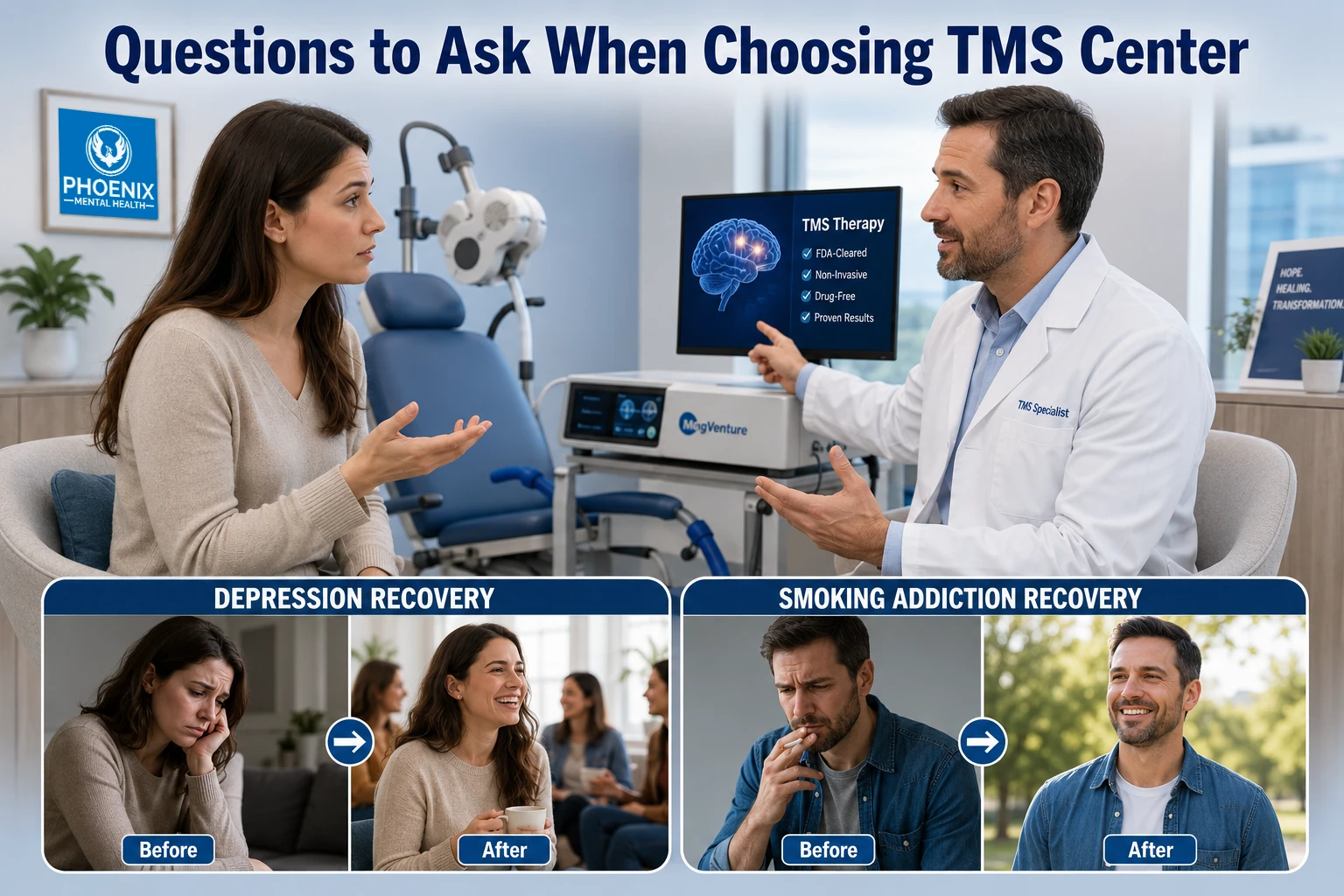
Before beginning treatment, it’s important to ask the right questions to ensure you’re selecting a clinic that offers high-quality care, experienced providers, and personalized treatment. Here are some key questions to consider.
1. Who Will Oversee My Treatment?
The expertise of the medical team can significantly impact your treatment experience. Ask whether a licensed psychiatrist or qualified mental health professional supervises the TMS program.
Important questions include:
- Is a psychiatrist involved in treatment planning?
- How experienced is the team with TMS therapy?
- How many patients have they treated?
Experienced providers are better equipped to assess your needs and monitor your progress throughout treatment.
2. Am I a Good Candidate for TMS Therapy?
Not every patient is an ideal candidate for TMS therapy. A reputable Seattle TMS center should conduct a comprehensive evaluation before recommending treatment.
Ask:
- What conditions do you treat with TMS?
- How do you determine eligibility?
- What factors could affect treatment success?
A thorough assessment helps ensure TMS is the right option for your specific situation.
3. What Type of TMS Technology Do You Use?
TMS technology continues to evolve, and different systems may offer varying features and treatment protocols. Understanding the equipment used at the center can provide insight into the quality of care offered.
Questions to ask include:
- Is the equipment FDA-cleared?
- What type of TMS system do you use?
- How is treatment customized for patients?
Modern technology can improve treatment precision and patient comfort.
4. What Results Can I Realistically Expect?
While TMS therapy has helped many individuals, outcomes vary from person to person. A trustworthy provider will discuss realistic expectations rather than making guarantees.
Consider asking:
- What success rates have you observed?
- How long does it typically take to see improvement?
- What happens if I don’t respond to treatment?
Clear expectations can help you feel more prepared for the treatment journey.
5. How Will My Progress Be Monitored?
Effective TMS centers use regular assessments to track patient progress and make adjustments when necessary.
Ask about:
- How progress is measured
- Frequency of follow-up evaluations
- Treatment modifications if needed
- Communication regarding results
Ongoing monitoring ensures your treatment remains aligned with your goals and needs.
6. Does the Center Accept My Insurance?
TMS therapy is often covered by insurance when specific criteria are met. Understanding financial responsibilities before starting treatment can prevent unexpected costs.
Questions to ask include:
- Do you accept my insurance plan?
- Will your staff assist with authorization?
- What are the estimated out-of-pocket expenses?
- Are financing options available?
Financial transparency is an important aspect of choosing the right provider.
7. What Support Is Available During Treatment?
A positive patient experience often depends on the level of support provided throughout therapy.
Ask:
- Who can I contact with questions?
- How are concerns addressed?
- Is additional mental health support available?
Strong patient support can make the treatment process smoother and less stressful.
Conclusion
Choosing a Seattle TMS center involves more than simply finding a clinic that offers treatment. By asking thoughtful questions about provider experience, technology, treatment expectations, progress monitoring, insurance coverage, and patient support, you can make a well-informed decision. The right TMS center will prioritize your individual needs and help you take meaningful steps toward improved mental health and long-term well-being.
Comments
comments