

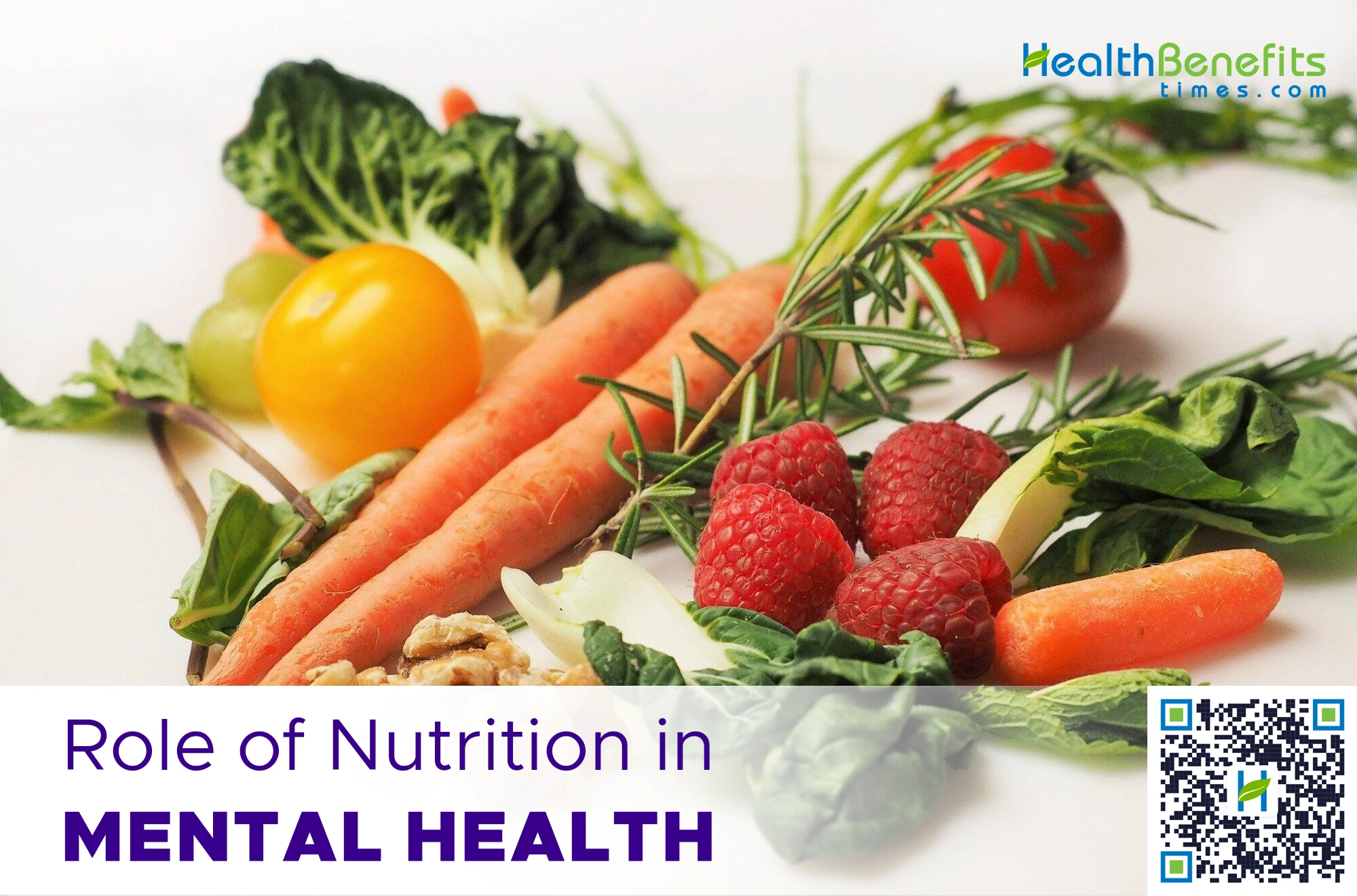
The nutrients consumed daily can influence sleep, emotions, memory, and mental performance. Poor eating habits may contribute to tiredness, irritability, and difficulty concentrating throughout the day.
Fortunately, simple dietary changes can help support emotional balance and overall well-being. Understanding these connections makes healthier food choices easier and more rewarding.
This guide explains how nutrition supports mental health and offers practical ways to improve daily eating habits. Read on!
How Nutrition and the Brain Are Linked
The brain needs fuel to work well, just like a car needs gas. Food provides the energy and nutrients the brain uses every day. Without the right nutrients, the brain may not function at its best.
Poor nutrition can make it hard to concentrate or remember things. Eating the right foods can help the brain stay healthy and alert. Nutrients from food support the brain’s structure and communication.
A healthy diet can even help lower the risk of mental health problems. It shows how nutrition and brain health go hand in hand.
Essential Nutrients for a Healthy Mind
Certain vitamins and minerals are especially important for mental health. B vitamins, like B6 and B12, help the brain create chemicals needed for a good mood. Vitamin D may also support emotional balance.
Minerals such as zinc, magnesium, and iron help the brain send messages and stay calm. Omega-3 fatty acids, found in fish, support memory and focus. Antioxidants from fruits and vegetables protect the brain from stress.
Protein helps build brain chemicals that affect how you feel. Eating foods rich in these nutrients supports a happier, healthier mind.
The Impact of Sugar and Processed Foods
Sugary snacks and processed foods are everywhere, but they can take a toll on mental health. Eating too much sugar may cause mood swings and even sadness.
Highly processed foods often lack the vitamins and minerals the brain needs. These foods can also cause energy spikes and crashes, making it hard to focus. Over time, a diet high in sugar and processed foods may raise the risk of depression.
Choosing whole foods, like fruits and vegetables, helps keep energy steady. Simple swaps can make a big difference in how you feel each day. Small changes add up to better brain health.
Dietary Patterns That Support Mental Well-Being
Some eating patterns are linked to better mood and less stress. The Mediterranean diet is rich in fruits, vegetables, whole grains, and healthy fats. This pattern supports brain health.
The DASH diet, designed for heart health, can also help the mind stay sharp. Both diets limit processed foods and focus on fresh, natural ingredients. Eating a variety of foods ensures you get all the nutrients your brain needs.
Meals shared with family or friends can also boost happiness. Staying hydrated is another key part of a healthy eating pattern. Good habits make eating well easier every day.
Foods That Boost Mood
Certain foods may positively affect mood and stress. Fatty fish like salmon, sardines, and mackerel are rich in omega-3s that support brain health. Leafy greens, nuts, and seeds provide magnesium, which can help you feel calm.
Berries and citrus fruits are packed with antioxidants to protect the brain. Whole grains give steady energy and support clear thinking. Beans and lentils support gut health, which may also affect mood.
Dark chocolate in small amounts can lift spirits. Fermented foods like yogurt and kefir may help balance mood. All these foods can fit into a balanced diet.
The Gut-Brain Connection
Many experts now talk about the gut-brain axis, which links the stomach and the mind. The gut is home to billions of bacteria that help digest food. These bacteria can also affect mood and thinking.
A healthy gut may lower feelings of stress and sadness. Eating fiber-rich foods like fruits, vegetables, and whole grains supports good gut health. Fermented foods also add helpful bacteria to the gut.
When the gut is healthy, the brain often feels better too. This shows how food choices can impact both body and mind.
Nutrition Tips for Focus and Cognitive Function
Eating well can help you stay sharp and focused throughout the day. Start with a balanced breakfast that includes protein, whole grains, and fruit. Drink enough water for clear thinking.
Snack on nuts, seeds, or fruit instead of chips or candy. Choose whole foods over processed meals whenever possible. Limit sugary drinks, as they can make you feel tired.
Eating at regular times helps keep energy steady. These simple tips can make a big difference in how well you think and learn.
Special Considerations: Age, Gender, and Lifestyle
Nutritional needs can change with age, gender, and activity level. Children and teens need extra nutrients for growing brains. Older adults may need more vitamin B12 and calcium.
Pregnant women require extra iron and folic acid for the baby’s brain. Active people need more calories and protein to fuel their minds and bodies. People with certain health conditions may need special diets.
For those looking to tailor nutrition to their needs, they can learn more on websites like Well Nourished Psych. Talking to a doctor or dietitian can help you make the best choices.
Steps to Improve Nutrition for Mental Health
Making changes to your diet does not have to be hard. Start by adding one or two healthy foods to your meals each week. Plan simple meals with whole grains, lean protein, and colorful veggies.
Swap sugary snacks for fruit or nuts. Prepare meals at home to control what goes into your food. Drink water or herbal tea instead of soda.
Try new recipes to keep meals interesting. Over time, small changes can lead to big improvements in how you feel every day.
Nourishing the Mind for Lasting Wellness
Food choices play a big part in supporting mental health and well-being. Eating a variety of nutrient-rich foods helps the brain work at its best. Small changes, like adding more fruits and vegetables, can make a real difference.
Remember, every meal is a chance to support a healthy mind. Even small steps can boost mood and focus over time. Good nutrition is one powerful tool for mental wellness.
For more helpful tips, browse our blog regularly!
Comments
comments