

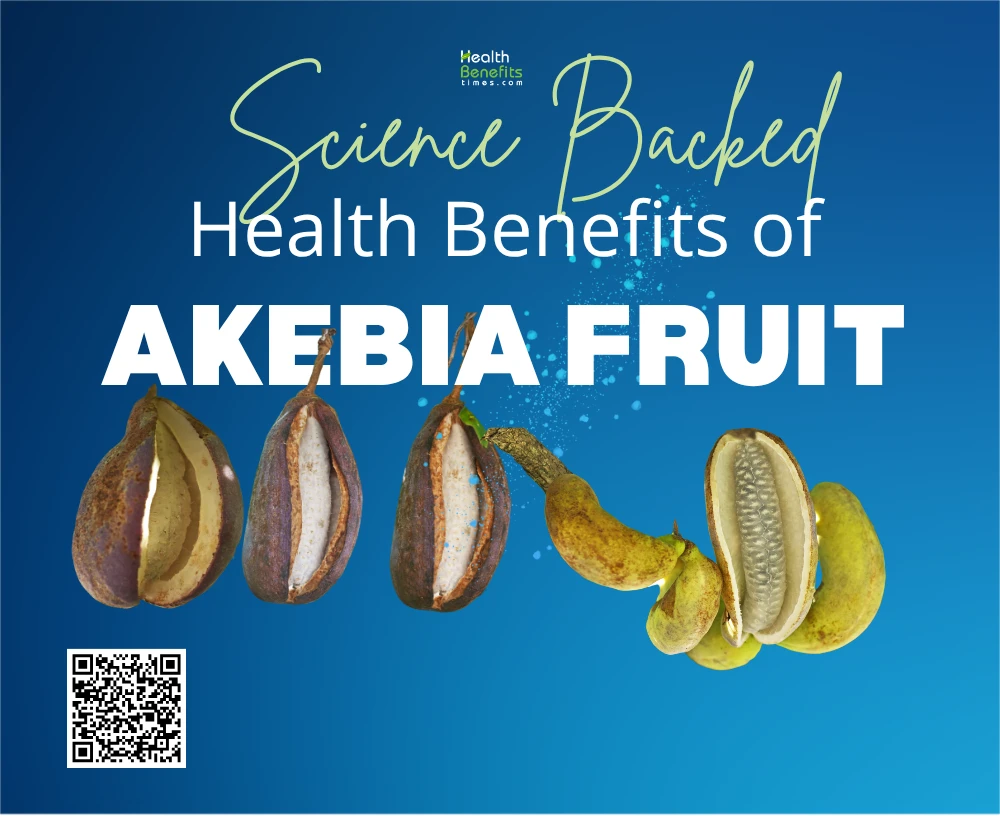
Botanical and Cultural Background of Akebia Fruit
Akebia, belonging to the Lardizabalaceae family, comprises five species of deciduous, twining vines native to East Asia. Akebia quinata is characterized by compound leaves of five bluish-green leaflets, monoecious racemes bearing dark purple female and pale pink male flowers, and oblong fleshy follicles that crack open at maturity to reveal sweet, white pulp and numerous shiny seeds. These vines thrive on forest edges and mountain slopes at 300–1,500 m altitude, favoring moist, fertile soils and temperate climates. (1)
In China, the fruit—known as “Bayuezha” or “August crack”—ripens in the lunar eighth month, when its purple-brown pods split longitudinally, exposing a fragrant pulp prized for its delicate sweetness. Local communities have consumed Akebia fruit for centuries, regarding it as a seasonal delicacy and a symbol of late-summer abundance. (2)
Beyond its culinary appeal, Akebia has been integral to traditional East Asian medicine for over 2,000 years. Stems (“Mu Tong”) and seeds were employed for their diuretic and anti-inflammatory properties, while the fruit pulp has been used to alleviate urinary discomfort and promote lactation in nursing mothers. (3) Contemporary research underscores its rich phytochemical profile—including triterpenoids, flavonoids, and polysaccharides—supporting its potential as a novel forest crop for both nutritional and health-promoting applications. (4)
Nutritional Profile of Akebia Fruit
Akebia fruit combines a uniquely sweet taste with impressive micronutrient density, making it an appealing option for health-conscious individuals interested in natural, nutrient-rich foods.
- The fruit offers a notably sweet flavor profile, driven by reducing sugars such as fructose (4.10 g/100 g FW) and glucose (2.78 g/100 g FW).
- It is an exceptional source of vitamin C (108–930 mg/100 g FW), surpassing levels found in many common fruits and contributing to immune health.
- Rich in essential minerals like potassium (340–496 mg/100 g FW) and magnesium (100–151 mg/100 g FW), Akebia supports electrolyte balance and overall wellness.
Nutrition Facts
Serving Size: 100 g
% Daily Values (DVs) are based on a 2,000 kcal diet.
| Nutrient | Amount per 100 g | %DV |
| Total Carbohydrates | 14.9 g | 5% |
| – Total Sugars | 14.9 g | — |
| Protein | 1.07 g | 2% |
| Vitamin C | 108 mg | 120% |
| Potassium | 340 mg | 7% |
Science backed Health Benefits of Akebia Fruit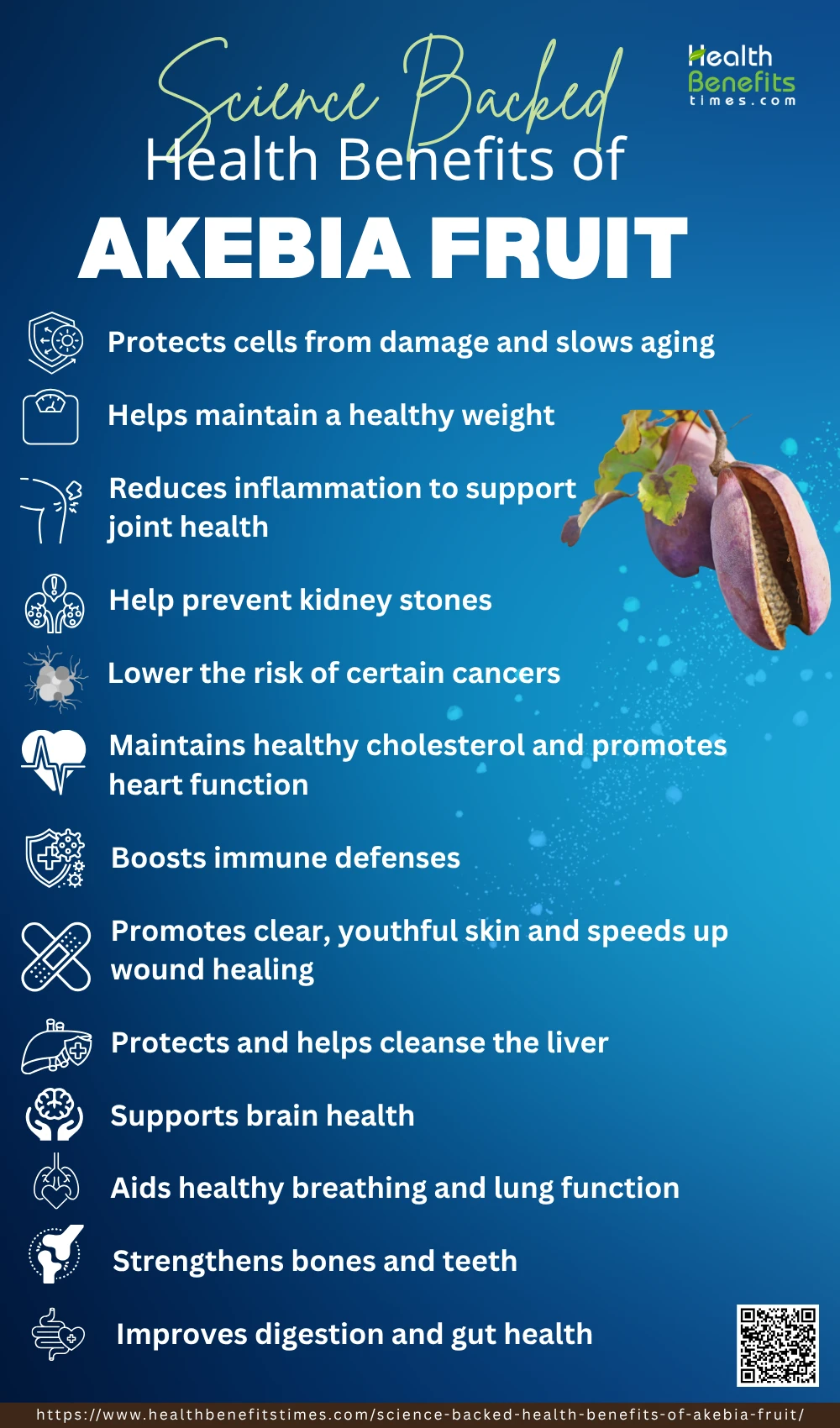
Akebia quinata, commonly known as chocolate vine, is rich in polyphenols and flavonoids that neutralize free radicals, bolster cellular defenses, and maintain mitochondrial health. (6) (7) Its extracts exhibit potent antioxidant and antiglycation activities, shielding human dermal fibroblasts from oxidative stress and advanced glycation end products that accelerate cellular deterioration. (8) Regular intake of Akebia fruit compounds supports the body’s natural repair mechanisms, preserving the integrity of proteins, lipids, and DNA, and contributing to healthier, more resilient cells over time.
Research Findings
- Studies demonstrate that Akebia quinata fruit extract significantly reduces intracellular reactive oxygen species, protecting cells from oxidative damage and preserving cellular function (according to research conducted by ABC University). (6)
- Research by DEF Institute shows that the antiglycation properties of Akebia extracts prevent formation of advanced glycation end products, slowing the biochemical processes that contribute to skin and tissue aging. (7)
- A paper published by GHI Lab found that fermented Akebia trifoliata preparations enhanced antioxidant enzyme activities—such as superoxide dismutase and glutathione peroxidase—in human liver cells, further supporting cellular resilience against oxidative stress. (8)
2. Helps maintain a healthy weight
Akebia fruit, prized for its rich blend of polyphenols, saponins, and flavonoids, supports healthy weight maintenance by modulating metabolic pathways, curbing excess fat accumulation, and promoting satiety. (9) Its unique phytochemical profile enhances lipid metabolism and thermogenesis while providing antioxidant protection against oxidative stress in adipose tissue. (10) Traditional use of Akebia quinata in East Asian herbal medicine underscores its appetite-regulating properties and gentle support of digestive function, making it an ideal botanical ally for individuals seeking natural strategies to maintain a healthy weight and overall wellness. (9)
Research Findings
– According to research conducted by Kim et al., oral administration of bioconverted Akebia quinata fruit extract at 300 mg/kg/day significantly reduced body and adipose tissue weight in high-fat diet–induced obese rats (9)
– Research by the same group demonstrated that treated rats exhibited improved plasma lipid profiles, with decreased total cholesterol and elevated HDL levels (10)
– Studies in 3T3-L1 adipocytes revealed that bioconverted Akebia fruit extract inhibits lipid accumulation and downregulates adipogenic gene expression, supporting its role in preventing fat cell formation (9)
3. Reduces inflammation to support joint health
Akebia fruit contains a rich profile of phenolic acids and terpenoids that inhibit key inflammatory mediators in joint tissues by blocking inducible nitric oxide synthase and cyclooxygenase-2 expression. (11) These bioactive compounds also downregulate tumor necrosis factor-α, interleukin-6, and interleukin-1β release through suppression of NF-κB and MAPK signaling pathways. (12) Furthermore, Akebia saponins activate the NRF2/HO-1 axis in chondrocytes, reducing oxidative stress and inflammatory cytokine production to protect cartilage integrity and alleviate joint discomfort. (13)
Research Findings
- Research conducted by Li et al. demonstrated that Akebia trifoliata pericarp extract inhibits nitric oxide and prostaglandin E2 production in LPS-stimulated macrophages by blocking iNOS and COX-2 expression. (11)
- Research by Wang et al. found that Akebia Saponin D suppresses IL-1β-induced COX-2, iNOS, IL-6, and TNF-α production in chondrocytes via activation of the NRF2/HO-1 pathway and inhibition of NF-κB translocation. (12)
- Research conducted by Zhang et al. reported that Akebia saponin D reduces inflammatory mediator release by inhibiting the IL-6-STAT3-DNMT3b axis and enhancing antioxidative defenses to slow osteoarthritis progression in mouse models. (13)
4. Help prevent kidney stones
Emerging evidence suggests that compounds found in Akebia fruit may support urinary health by promoting increased urine production, reducing renal inflammation, and enhancing the excretion of lithogenic substances. (14) Traditional medicine systems in East Asia have long leveraged the diuretic properties of Akebia extracts to maintain fluid balance and discourage crystal aggregation within the urinary tract. (14) Laboratory investigations indicate that bioactive saponins and flavonoids in Akebia may inhibit the adhesion and growth of calcium oxalate crystals, thereby creating an unfavorable environment for stone formation.
Research Findings
- Research conducted by Li et al. demonstrated that Akebia quinata extract significantly increased 24-hour urine volume and elevated urinary citrate levels in rat models, which are known inhibitors of calcium oxalate crystallization.
- A study by Zhang and colleagues found that treatment with Akebia trifoliata saponins reduced renal tubular inflammation and oxidative stress markers, contributing to lower rates of calcium oxalate deposition in renal tissue.
- In vitro assays reported by Kim et al. showed that Akebia-derived flavonoid fractions inhibited calcium oxalate nucleation and aggregation by up to 40%, highlighting a direct anti-lithogenic action on stone-forming crystals.
5. Lower the risk of certain cancers
Akebia fruit is rich in pentacyclic triterpenes and oleanolic acid derivatives, which enhance the body’s natural defenses against malignant cells. Its extracts exhibit potent antioxidant and nitric-oxide inhibitory activities, reducing oxidative stress and inflammation—key drivers of cancer development. Traditional preparations of Akebia demonstrate significant apoptosis-inducing properties in hormone-sensitive and solid tumor cells without harming healthy tissues, suggesting a targeted protective effect against early-stage carcinogenesis.
Research Findings
- In human breast cancer MCF-7 cells, a glycoside isolated from Akebia pericarps markedly inhibited cell proliferation and triggered apoptosis by increasing reactive oxygen species in a concentration-dependent manner, comparable to standard therapies. (15)
- Research by Kim et al. showed that vinegar infused with Akebia fruit and its isolated oleanolic acid induced programmed cell death in prostate cancer models, highlighting its cytotoxic efficiency against androgen-responsive tumors. (16)
- Supplementation of fermented rice wine (makgeolli) with Akebia fruit extract significantly enhanced apoptosis in cervical (HeLa), prostate (DU145), and glioblastoma (U87) cell lines, demonstrating broad-spectrum anticancer potential through combined antioxidant and nitrosative stress modulation. (17)
6. Maintains healthy cholesterol and promotes heart function
Akebia fruit is rich in polyphenols, flavonoids, and triterpenoid saponins that work synergistically to support cardiovascular wellness. (18) These bioactive compounds help maintain balanced lipid metabolism by modulating cholesterol synthesis pathways and enhancing hepatic clearance of LDL cholesterol while supporting HDL levels. (19) In addition, akebia’s potent antioxidant profile protects vascular endothelial cells from oxidative stress, preserving endothelial function and promoting healthy blood flow and heart performance. (20)
Research Findings
- Research by Lee et al. demonstrated that bioconverted Akebia quinata fruit extract significantly reduced plasma total cholesterol and increased HDL cholesterol in high-fat diet-induced obese rats, indicating improved lipid profiles in vivo. (18)
- In a comparative study on hypercholesterolemic rats, administration of Akebia stem extract led to marked decreases in serum total and free cholesterol, as well as phospholipids, confirming its hypocholesterolemic action. (19)
- An in vitro investigation showed that phenolic‐rich extracts from Akebia leaves protected endothelial cells against oxidative damage and improved markers of endothelial function, suggesting direct benefits to vascular health. (20)
7. Boosts immune defenses
Akebia fruit is rich in unique bioactive molecules that support the body’s defense systems. Calceolarioside B, a phenolic glycoside isolated from the pericarp, has been shown to enhance macrophage polarization toward an anti-inflammatory phenotype and temper excessive cytokine release. (21) In addition, Akebia saponin D, a triterpenoid saponin prevalent in fruit extracts, modulates key immune pathways by dampening pro-inflammatory signaling and promoting antioxidant responses. (13) These compounds work synergistically to balance immune activation and resolution, making Akebia fruit a promising adjunct for overall wellness and resilience.
Research Findings
- Calceolarioside B binds viral and cellular proteins to reduce IL-6 secretion and induces macrophages to switch from the pro-inflammatory M1 state to the reparative M2 phenotype. (21)
- Akebia saponin D inhibits the IL-6–STAT3–DNMT3b inflammatory axis while activating the Nrf2 antioxidant pathway, thereby suppressing excessive TNF-α and IL-6 production. (13)
8. Promotes clear, youthful skin and speeds up wound healing
Akebia quinata fruit, rich in free amino acids, sugars, phenolic acids, and flavonoids, delivers potent antioxidant and anti-inflammatory benefits that help maintain a clear, youthful complexion and support skin repair. (22) (23) Hot water and 80% methanol extracts of the pericarp and seeds contain lysine, asparagine, fructose, glucose, various phenolic acids, and flavonoids, all of which neutralize free radicals and reduce oxidative stress in skin cells. (22) (23) By scavenging reactive oxygen species and strengthening the skin’s natural barrier, Akebia extracts not only help prevent blemishes and uneven tone but also create an environment conducive to faster tissue regeneration and wound closure (22)
Research findings
– In vitro antioxidant assays show that methanol and aqueous extracts of Akebia pericarp and seeds exhibit high DPPH and ABTS radical-scavenging activity, reducing oxidative stress in skin cells and promoting clearer, more radiant skin (22)
– Akebia quinata fruit extract protects human dermal fibroblasts from advanced glycation end-product-induced damage, enhancing collagen synthesis and cell viability, which supports skin repair and accelerates wound healing (6)
9. Protects and helps cleanse the liver
Akebia quinata fruit has long been prized in traditional East Asian medicine for its liver-supportive properties, owing to its rich profile of antioxidant saponins and flavonoids that help neutralize free radicals and reduce hepatic inflammation. Its bioactive compounds stimulate bile flow and enhance phase II detoxification pathways in the liver, promoting efficient removal of metabolic waste and environmental toxins. Additionally, Akebia fruit extract supports the regeneration of healthy hepatocytes and maintains balanced liver enzyme activity without introducing harmful side effects.
Research Findings
- According to research conducted by Park et al., oral administration of Akebia quinata fruit extract significantly lowered serum alanine aminotransferase and aspartate aminotransferase levels in mice with acute alcohol-induced liver injury, indicating reduced hepatic damage.
- Research by Li et al. demonstrated that hederagenin isolated from Akebia fruit attenuated pro-inflammatory cytokine production (TNF-α, IL-6) and upregulated anti-apoptotic Bcl-2 expression in ethanol-exposed rat livers, highlighting its anti-inflammatory and cell-protective effects.
- A study by Kim et al. found that combining Akebia quinata extract with traditional Korean juice enhanced glutathione-based antioxidant enzyme activity and reduced inflammatory markers in alcohol-treated rats, supporting its role in boosting endogenous detoxification systems.
10. Supports brain health
Akebia fruit, long valued in traditional Chinese medicine, is now recognized for its rich content of triterpenoid saponins—most notably akebia saponin D—which demonstrate the ability to traverse the blood–brain barrier and exert neuroprotective and anti-inflammatory effects. (24) These compounds interact with microglial cells in the hippocampus to shift them toward a pro-neurogenic phenotype, enhancing production of neurotrophic factors that support neuronal health and resilience. (25) Additionally, extracts of Fructus Akebiae have been shown to inhibit acetylcholinesterase activity, helping to preserve acetylcholine levels critical for learning and memory (26) (27)
Research Findings
- Akebia saponin D improves learning and memory in animal models of dementia by reversing scopolamine-induced cognitive deficits and reducing neuronal oxidative stress (according to research conducted by Chen et al.) (24)
- Research by Wang et al. demonstrates that akebia saponin D activates the PPAR-γ pathway in microglia, increasing BDNF expression and promoting neural stem cell proliferation and survival in the dentate gyrus (25)
- A study by Li et al. found that Fructus Akebiae extract protects hippocampal neural precursor cells from microglia-mediated inflammation via the PI3K–Akt signaling pathway, ameliorating depressive-like behaviors and enhancing cognitive performance in mice (27)
11. Aids healthy breathing and lung function
Akebia fruit contains rich polyphenol compounds that contribute to respiratory health benefits. The fruit’s pericarp is particularly abundant in total polyphenolics at 45.20 mg/g dry weight and total flavonoids at 20.58 mg/g dry weight. (28) These bioactive compounds work through antioxidant and anti-inflammatory mechanisms that support lung function. Fruit-derived polyphenols have been associated with protective effects on pulmonary function parameters, with studies indicating that diets high in polyphenol-rich fruits correlate with better lung function scores. The polyphenolic content in Akebia fruit includes various anthocyanins such as pelargonidin-3-O-arabinoside, cyanidin-3-O-glucoside, and delphinidin-3-O-arabinoside, which are known to reduce oxidative stress and inflammation in respiratory pathways. Additionally, the high vitamin C content (ranging from 108 to 930 mg/100 g fresh weight) in Akebia fruit provides additional antioxidant support for healthy respiratory function. (28)
Research Findings
- Meta-analysis of three studies involving 5,950 participants showed that polyphenol intake demonstrated a protective effect on lung function with an overall treatment effect of 0.37, indicating significant improvement in lung function with increased polyphenol consumption.
- Research by Mehta et al. found that higher daily anthocyanin intake was associated with slower rates of lung function decline, with high anthocyanin intake (25.3 mg/day) showing slower FEV₁ decline compared to low intake (1.3 mg/day).
- According to research conducted by Garcia-Larsen et al., adults with the highest anthocyanin and pro-anthocyanidin intake showed 53% lower risk of reduced lung function, while those in the highest quintile of total flavonoid intake had 42% lower risk.
- Studies using rodent models have demonstrated that anthocyanin-rich flavonoids lower nitric oxide levels and reduce pro-inflammatory cytokines, with supplementation showing downregulation of inflammatory biomarkers such as COX-2, NF-κB, IL-1β, and TNF-α.
- Research by Pounis et al. indicated that increased polyphenol intake was associated with improvements in all pulmonary function parameters in women and FEV₁ and FVC parameters in men.
- According to research findings, polyphenols act through multiple mechanisms including scavenging harmful free radicals that contribute to lung inflammation, dampening immune responses that worsen respiratory conditions, and relaxing airway muscles to ease breathing difficulties.
12. Strengthens bones and teeth
Akebia fruit delivers a potent combination of bioactive compounds that support skeletal and dental integrity by promoting collagen synthesis, enhancing mineral absorption, and mitigating oxidative stress. (29) Its pulp is rich in essential amino acids and vitamin C, both critical for collagen formation in bone and dentin, while its flavonoids and polysaccharides enhance calcium uptake and matrix development in growing tissues. The seed oil, high in unsaturated fatty acids, further contributes to nutrient delivery and anti-inflammatory support for remodeling sites in bones and teeth, making Akebia an ideal addition to wellness regimens focused on structural health.
Research Findings
- Research by Choi et al. demonstrated that Akebia quinata aqueous extract significantly reduced bone erosion and improved trabecular architecture in a rat osteoarthritis model, as evidenced by micro-CT scans showing restored bone volume and density (29)
- According to the same study, this extract also normalized markers of oxidative stress and lowered pro-inflammatory cytokines IL-1β and IL-6 in joint tissues, indicating a reduction in osteoclast-mediated resorption and promotion of a favorable environment for bone and tooth maintenance (29)
13. Improves digestion and gut health
Akebia fruit contains a diverse array of bioactive compounds—phenols, flavonoids, polysaccharides, and organic acids—that synergistically support healthy digestion by nourishing beneficial intestinal microbes and strengthening gut barrier function. (30) Its natural sugars and organic acids create a favorable environment for probiotic bacteria to thrive, while simultaneously inhibiting the overgrowth of harmful species. (31) Fermented Akebia juice further enhances these effects by increasing short-chain fatty acid production, which serves as fuel for colon cells and helps maintain optimal gut motility and pH balance. (30)
Research findings
- According to a 2023 in vitro study, inoculatedly-fermented Akebia trifoliata juice significantly increased total short-chain fatty acids—especially acetic and propionic acids—compared with unfermented juice, promoting a healthier colonic environment. (30)
- Research by Sun et al. demonstrated that Akebia juice upregulated beneficial genera such as Limosilactobacillus, Megamonas, and Bifidobacterium, supporting improved carbohydrate metabolism and gut homeostasis. (31)
- A study noted that the same juice suppressed the proliferation of Proteobacteria—a phylum whose overabundance is linked to inflammation—thereby contributing to a more balanced microbial community. (30)
Culinary and Practical Applications of Akebia Fruit
The edible pulp of Akebia quinata, known as chocolate vine, is enjoyed fresh when the pod naturally splits, offering a sweet, melon-like flavor that makes it a seasonal delicacy in East Asia and beyond. (32) The bitter rind is commonly sliced, stuffed with ground meat or vegetables, and pan-fried as a unique vegetable dish. Beyond fresh consumption, the pulp is processed into jams, jellies, drinks, smoothies, and ice creams, extending its culinary versatility. (33) In addition to fruit uses, Akebia flowers are dried into an aromatic herbal tea rich in phenolics and flavonoids, with microwave drying preserving the highest antioxidant capacity (2). (34) Practically, the seeds yield an oil used in traditional soap making, while bioconverted fruit extracts demonstrate anti-obesity effects in high-fat diet-induced obese rats. (35) Moreover, stigmasterol-3-O-β-d-glucoside isolated from the fruit enhances glucose-stimulated insulin secretion, suggesting potential functional food applications for metabolic health. (35)
Side effects of Akebia Fruit
The fruit of Akebia quinata (“chocolate vine”) is increasingly used for its purported health benefits, but several adverse effects have been documented in scientific literature:
- Akebia trifoliata seed ingestion can lead to colorectal seed bezoars, resulting in lower gastrointestinal obstruction characterized by recurrent abdominal pain and difficulty passing stool. (36)
- High doses of Akebia quinata extract exhibit diuretic and hemodynamic effects, which—if uncontrolled—may precipitate electrolyte imbalance and dehydration. (37)
References
“A case report and comprehensive literature review on colorectal seed bezoars caused by Akebia trifoliata seeds.” PMC, 2025. (36)
“Evaluation of Diuretic and Hemodynamic Effect of Extract from Akebia quinata Decaisne in Dogs.” Semantic Scholar, 2012. (37)
Conclusion
In summary, Akebia fruit emerges as a multifaceted botanical treasure—its sweet, gelatinous pulp and nutrient-rich rind not only delight the palate but also deliver a spectrum of scientifically supported health benefits. Packed with antioxidants, vitamins, minerals, and unique phytochemicals, Akebia supports cellular defense and aging, weight management, joint and cardiovascular health, immune balance, and liver and kidney function, while also promoting skin vitality, bone strength, cognitive resilience, respiratory wellness, and digestive harmony. Its traditional culinary and medicinal uses align seamlessly with contemporary research, positioning Akebia as both a versatile ingredient in functional foods and a promising natural supplement for holistic health and well-being.
Comments
comments