

Nutritional Profile of Amaranth Leaves
Cooked amaranth leaves (Amaranthus spp), when boiled and drained without salt, offer a remarkably nutrient-dense profile for a low-calorie vegetable.
Serving Size: 100 g
Percent Daily Value (% DV) based on a 2,000 kcal diet using FDA reference values for general adult nutrition.
| Nutrient | Amount per 100 g | % DV |
| Energy | 21 kcal | 1% |
| Protein | 2.11 g | 4% |
| Total Fat | 0.18 g | 0% |
| – Saturated Fat | 0.05 g | 0% |
| Cholesterol | 0m g | 0% |
| Total Carbohydrate | 4.11 g | 1% |
| Sodium | 21 mg | 1% |
| Potassium | 641 mg | 14% |
| Calcium | 209 mg | 16% |
| Iron | 2.26 mg | 13% |
| Magnesium | 55 mg | 13% |
| Phosphorus | 72 mg | 6% |
| Zinc | 0.88 mg | 8% |
| Copper | 0.158 mg | 18% |
| Manganese | 0.861 mg | 37% |
| Selenium | 0.9 µg | 2% |
| Vitamin C (Ascorbic Acid) | 41.1 mg | 46% |
| Thiamin (B₁) | 0.02 mg | 2% |
| Riboflavin (B₂) | 0.134 mg | 10% |
| Niacin (B₃) | 0.559 mg | 3% |
| Pantothenic Acid (B₅) | 0.062 mg | 1% |
| Vitamin B-6 | 0.177 mg | 10% |
| Folate, DFE | 57 µg | 14% |
| Vitamin A, RAE | 139 µg | 15% |
All nutrient values sourced from USDA FoodData Central SR Legacy for Amaranth leaves, cooked, boiled, drained, without salt.
Link: (1)
Science Backed Health Benefits of Amaranth Leaves (Amaranthus spp)
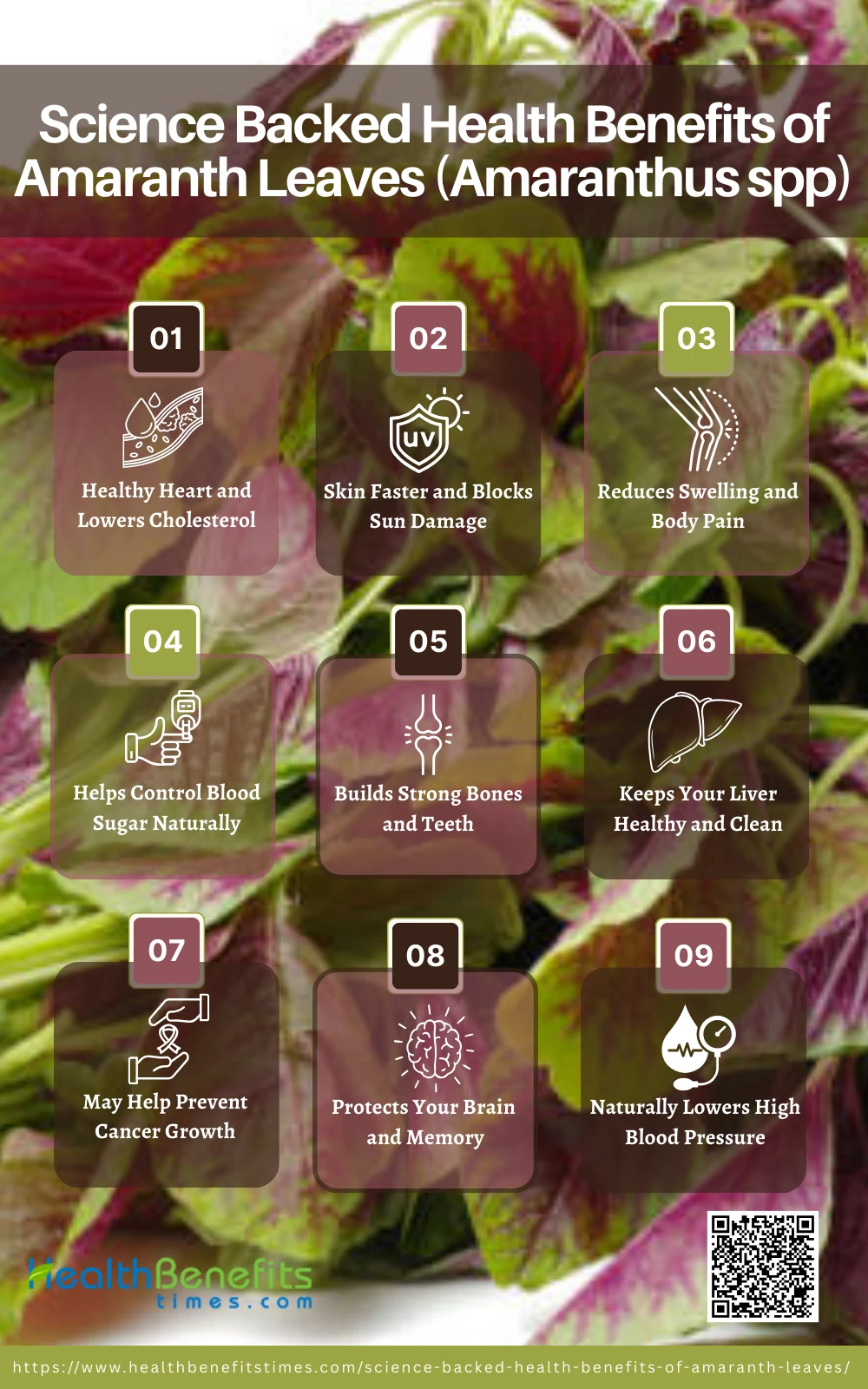
Remarkably, incorporating Amaranthus species into the diet can help maintain heart health by supporting balanced cholesterol levels through its rich array of bioactive compounds. Amaranth oil is particularly notable for its high squalene content, which contributes to healthy cholesterol metabolism and the body’s natural antioxidant defenses. (2) Additionally, the presence of phytosterols plant-based homologs of cholesterol interferes with dietary cholesterol absorption, further promoting favorable lipid profiles. (3) The seeds also deliver a generous supply of unsaturated fatty acids, especially linoleic and oleic acids, which are essential for cardiovascular wellness. (4) Beyond its lipid-modulating effects, Amaranthus provides plant-based proteins with peptides that influence cholesterol synthesis, as well as dietary fiber that supports healthy digestion and lipid regulation. (5) Its significant tocopherol (vitamin E) content underscores its role in combating oxidative stress and protecting blood vessels from inflammation. (6) Together, these nutrients squalene, phytosterols, unsaturated fatty acids, bioactive peptides, fiber, and tocopherols work synergistically to support heart health and help maintain lower cholesterol levels when Amaranthus is included as part of a balanced diet. (7) (8)
2. Heals Skin Faster and Blocks Sun Damage
Remarkably, Amaranthus spp. seed oil has been shown to accelerate skin repair while providing broad‐spectrum protection against ultraviolet (UV)‐induced damage. Rich in linoleic acid and squalene, this oil supports the skin’s natural barrier function and stimulates collagen production in dermal fibroblasts, helping wounds close more quickly and reducing the appearance of fine lines. (9) (10) Its high content of vitamin E derivatives and phytosterols delivers powerful antioxidant activity that neutralizes free radicals generated by UVA radiation, thereby preventing the breakdown of collagen and elastin in the dermis. (11) (12) In addition, flavonoids and phenolic compounds present in Amaranthus extracts exhibit anti‐inflammatory effects, suppressing proinflammatory mediators like NF-κB and COX-2 to further protect against photoaging and promote a healthier skin environment. (9) (11) Studies also indicate that betacyanins and other bioactive pigments in Amaranthus leaves and seeds absorb UVA and UVB wavelengths, functioning as natural photoprotective agents when incorporated into topical formulations or textiles. (13) (14) Together, these nutrients and phytochemicals make Amaranthus spp. seed oil an excellent candidate for inclusion in cosmeceutical products aimed at enhancing skin healing and offering safe, plant‐based UV defense.
3. Reduces Swelling and Body Pain
Interestingly, Amaranthus species have long been valued for their natural ability to ease swelling and relieve body aches by harnessing a rich mix of plant-derived compounds. These leafy plants contain potent flavonoids and phenolic acids that help calm overactive inflammatory pathways, supporting healthier tissue function and reducing discomfort. (15) (16) Moreover, key antioxidant substances such as betalains and carotenoids work together to neutralize free radicals that can fuel pain and swelling, promoting a more balanced response within the body. (16) (17) In addition, specialized molecules like 2-caffeoylisocitric acid, unique to Amaranthus leaves, have been shown to impair signals that normally drive inflammatory reactions, further contributing to reduced redness and soreness. (17) Regular inclusion of Amaranthus in the diet also delivers essential vitamins (notably vitamin C and vitamin E) and minerals that bolster overall resilience against stress and support joint health. (18) Beyond these nutrients, the presence of bioactive peptides and squalene adds extra layers of protection by enhancing circulation and aiding natural repair mechanisms. (19) (20) By offering an array of synergistic phytochemicals, Amaranthus spp. stand out as a gentle, plant-based way to help soothe swelling and body pain.
4. Helps Control Blood Sugar Naturally
Remarkably, Amaranthus spp naturally supports healthy blood sugar levels through its rich content of bioactive compounds such as flavonoids, polyphenols, and phenolic acids, which work synergistically to improve glucose metabolism and insulin sensitivity. (21) (22) Quercetin and kaempferol derivatives found in the leaves and seeds exhibit antioxidant activity by neutralizing harmful free radicals, thereby protecting pancreatic β-cells and enhancing their function. (21) (22) Additionally, procyanidins and catechins present in Amaranthus seed extracts have been shown to inhibit key carbohydrate-digesting enzymes, helping to slow glucose absorption and prevent postprandial blood sugar spikes. (22) (23) The high levels of vitamin C and rutin contribute further antioxidant support, reducing oxidative stress that can impair insulin signaling pathways. (21) (24) Dietary fiber from Amaranthus, including both soluble and insoluble forms, aids in modulating glycemic response by promoting a gradual release of glucose into the bloodstream. (25) (26) Together, these nutrients flavonoids, polyphenols, antioxidants, and fiber make Amaranthus spp a valuable natural ally in maintaining balanced blood sugar and supporting overall metabolic health. (21) (22) (26)
5. Builds Strong Bones and Teeth
Adapted from traditional knowledge and modern research, Amaranthus species offer a natural way to support bone and dental health by supplying essential nutrients and protective compounds. Amaranth grains are notably rich in calcium and phosphorus, minerals that form the structural matrix of bones and teeth and help maintain their strength and density. In addition, these grains contain bioactive peptides and flavonoids with antioxidant properties that help counteract inflammation and oxidative stress, two factors that can weaken bone tissue over time. (27) (20) Moreover, the extrusion process used in some amaranth-based foods enhances calcium bioavailability, making it easier for the body to absorb and incorporate this mineral into bone and tooth structures. (28) Beyond minerals, amaranth seed extract delivers natural compounds such as lysozyme and catalase, which play a role in protecting gum tissues and maintaining oral health by balancing microbial populations and supporting tissue repair. (29) Overall, including Amaranthus spp in the diet contributes not only calcium and phosphorus but also a spectrum of protective bioactive compounds that work together to build and preserve strong bones and teeth throughout life. (30)
6. Keeps Your Liver Healthy and Clean
Remarkably, Amaranthus species are valued for their rich content of bioactive compounds that support liver health and detoxification. Their leaves and seeds contain high levels of antioxidant polyphenols and flavonoids, such as chlorogenic and gallic acids, which help neutralize harmful free radicals and reduce oxidative stress in liver cells. (31) (32) In addition, these plants are a good source of squalene, a natural lipid known to promote healthy cholesterol metabolism and protect liver tissues from damage (3). ({% %}) Vitamins C and E found in Amaranthus contribute further by boosting the body’s antioxidant defenses and aiding in tissue repair. (31) (33) The fiber and protein in Amaranthus also support normal digestion and nutrient absorption, indirectly easing the liver’s workload. (32) Moreover, Amaranthus contains important minerals like potassium and calcium that help regulate fluid balance and enzyme activities essential for liver function (1). ({% %}) Regular inclusion of Amaranthus in the diet provides a range of nutrients antioxidants, vitamins, minerals, and fiber that work together to keep the liver functioning smoothly, maintain healthy lipid levels, and support the body’s natural detox processes. (34) (35) (36)
7. May Help Prevent Cancer Growth
Interestingly, research suggests that consuming Amaranthus species may contribute to slowing the progression of cancer by delivering a rich array of bioactive compounds that support healthy cell function. These plants are high in antioxidants such as phenolic acids and flavonoids that help neutralize damaging free radicals, thereby reducing oxidative stress that can lead to abnormal cell growth. (37) (38) Moreover, Amaranthus contains lectins and peptides that have been shown to promote programmed cell death in unhealthy cells and inhibit their proliferation, supporting the body’s natural defenses against tumor development. (37) (39) The seeds and leaves also provide essential micronutrients, including vitamins C and E, which play key roles in maintaining immune health and protecting genetic material from damage. (40) (41) Additionally, certain saponins isolated from Amaranthus have demonstrated the ability to disrupt the pathways that cancer cells use to grow and spread, further underscoring their potential as dietary allies in cancer prevention. (42) (42) Taken together, these findings indicate that incorporating Amaranthus spp. into a balanced diet may bolster the body’s natural mechanisms for preventing uncontrolled cell growth, making these nutrient-dense greens a promising component of a cancer-preventive lifestyle.
8. Protects Your Brain and Memory
Remarkably, Amaranthus species are rich in bioactive flavonoids such as kaempferol and apigenin that support brain health by strengthening the cholinergic system and scavenging free radicals. These antioxidants help maintain healthy levels of acetylcholine by modestly inhibiting acetylcholinesterase activity and reducing oxidative stress, which together support clearer thinking and memory retention. (43) In addition, Amaranthus leaves contain phenolic compounds that curb lipid peroxidation in brain tissues, helping to preserve cell membranes and improve overall cognitive resilience. (44) Moreover, the plant’s phytochemicals appear to modulate key brain pathways by impeding the buildup of amyloid proteins and enhancing the brain’s natural antioxidant defenses, including boosting glutathione levels and superoxide dismutase activity. (45) By restoring these protective systems, Amaranthus offers a natural approach to protect neurons against age-related stress and promote sharper recall and learning. Including Amaranthus greens in the diet may thus contribute essential nutrients that nourish brain cells, support healthy neurotransmitter balance, and defend against factors that can undermine memory over time. (46)
9. Naturally Lowers High Blood Pressure
Among nature’s remarkable superfoods, amaranth stands out as a powerful ally against high blood pressure through its unique collection of bioactive compounds. Research reveals that amaranth proteins contain special peptide sequences that effectively inhibit angiotensin-converting enzyme (ACE), a key enzyme responsible for blood pressure regulation. (47) (48) These antihypertensive peptides, including specific sequences like VIKP and ALEP, work by blocking the formation of angiotensin II, a potent substance that causes blood vessels to constrict. Amaranth oil contributes additional benefits through its high content of squalene, polyunsaturated fatty acids, and tocopherols, which help improve blood vessel function and reduce cholesterol levels. (49) Studies demonstrate that regular consumption of amaranth can significantly reduce systolic blood pressure, with effects comparable to moderate physical exercise. (50) The grain’s rich nutritional profile, including high levels of magnesium, potassium, and dietary fiber, further supports cardiovascular health by promoting proper blood vessel relaxation and sodium balance. (51) These natural compounds make amaranth an excellent dietary choice for maintaining healthy blood pressure levels.
Different Culinary Uses of Amaranth Leaves
Amaranth leaves are nutrient-dense leafy greens rich in vitamins A and C, as well as iron, calcium, and dietary fiber. Their high antioxidant content supports cardiovascular health and digestive wellness. Versatile in the kitchen, amaranth leaves adapt to various cooking methods, enhancing both flavor and nutrient bioavailability for health-conscious individuals.
- Boiled as a side dish to maximize mineral retention and reduce antinutrient factors.
- Steamed before chopping to preserve carotenoids and increase antioxidant capacity.
- Stir-fried with onion, garlic, and chili for a simple, nutrient-packed sauté.
- Incorporated into soups, stews, or curries (e.g., saag) for added texture and micronutrients.
- Fermented or blended into porridges and smoothies to improve iron bioavailability and digestive comfort.
Potential Risks and Precautions of Amaranth
Diving into the world of amaranth uncovers not only its nutritional perks but also some precautions worth noting. Amaranth can accumulate heavy metals like lead (Pb) and cadmium (Cd) when grown in contaminated soils or irrigated with polluted water. Over time, these metals concentrate in the edible parts, especially leaves, and may pose health risks, particularly for children whose bodies absorb metals more readily. Additionally, certain bioactive compounds such as flavonoids and antioxidants like glutathione (GSH) and ascorbic acid (AsA) while beneficial in moderation, can contribute to cellular stress or cytotoxicity if consumed in excessive amounts or when plant antioxidant systems become overwhelmed. (52) (53) To enjoy amaranth safely, it’s important to source it from clean environments and to vary one’s diet to minimize potential accumulation of unwanted compounds.
1. Heavy Metal Exposure
Amaranth grown in contaminated soils or irrigated with polluted water can accumulate heavy metals such as lead (Pb) and cadmium (Cd) in its leaves and stems. Over time, these metals concentrate in the edible parts and, when consumed regularly, may impair kidney and neurological function. Children are particularly vulnerable, as their bodies absorb metals more readily and their developing organs are more sensitive to toxicity. (52) (53)
2. Oxidative Stress and Cellular Damage
Amaranth contains bioactive compounds like flavonoids and antioxidants (glutathione and ascorbic acid) that protect plants against stress. However, when plants are exposed to very high metal levels, their antioxidant systems may become overwhelmed. Consuming such overburdened tissues could introduce pro-oxidant compounds that contribute to cellular damage if intake is excessive. (54) (55)
3. Gastrointestinal Discomfort
Amaranth leaves contain insoluble oxalates, which can irritate the digestive tract when eaten in large quantities. Oxalates may bind dietary calcium, reducing its absorption and potentially leading to gastrointestinal upset, including stomach pain and bloating, particularly in individuals sensitive to oxalate intake. (53)
4. Allergic Reactions
Some people may be sensitive to amaranth proteins, especially seed storage proteins with bioactive properties. Such sensitivities can trigger mild allergic symptoms itching, hives, or nasal congestion similar to other grain or seed allergies. Individuals with known seed allergies should introduce amaranth gradually and monitor for reactions.
5. Nutrient Imbalance
Amaranth is rich in minerals like calcium and phosphorus, but excessive consumption of a single food can disrupt the balance of mineral uptake. For example, very high oxalate intake can lower calcium availability, while an overabundance of phosphorus may interfere with zinc absorption. A varied diet helps maintain proper mineral balance. (53)
6. Cytotoxic Potential of Mature Tissues
Studies have found that extracts from the post-flowering stages of amaranth can exhibit higher cytotoxicity in laboratory assays. While these findings do not directly translate to dietary risk, they underscore the importance of consuming the young leaves and avoiding overharvesting mature plants, which may contain higher levels of stress-induced compounds. (56)
7. Increased Risk for Vulnerable Groups
Because amaranth can concentrate contaminants from soil and air, vulnerable populations such as young children, pregnant women, and individuals with compromised health should either limit consumption or ensure their amaranth comes from verified clean sources. Rotating crops and sourcing from low-pollution areas can reduce potential health risks. (55) (53)
Conclusion
In conclusion, Amaranth leaves (Amaranthus spp.) stand out as a nutrient-dense superfood with wide-ranging health benefits, from supporting heart health, bone strength, liver function, and blood sugar balance to protecting the brain, skin, and immune system. Their rich profile of vitamins, minerals, antioxidants, and bioactive compounds makes them a valuable addition to a balanced diet, while their versatility in cooking ensures easy incorporation into everyday meals. However, as with any food, mindful sourcing and moderate consumption are important to avoid potential risks, ensuring that amaranth can be enjoyed safely as part of a healthy lifestyle.
Comments
comments