

Botanical Description and Habitat of Bacaba
- Native to the Amazon basin, Oenocarpus bacaba Mart. is a palm species in the Arecaceae family distributed across Pará, Tocantins, Acre, and southern Maranhão in upland forest environments (1)
- Leaf tissues harbor ergastic substances such as amorphous mucilage, simple polyhedral starch grains, and opaline silica bodies, reflecting specialized storage and structural adaptations (2)
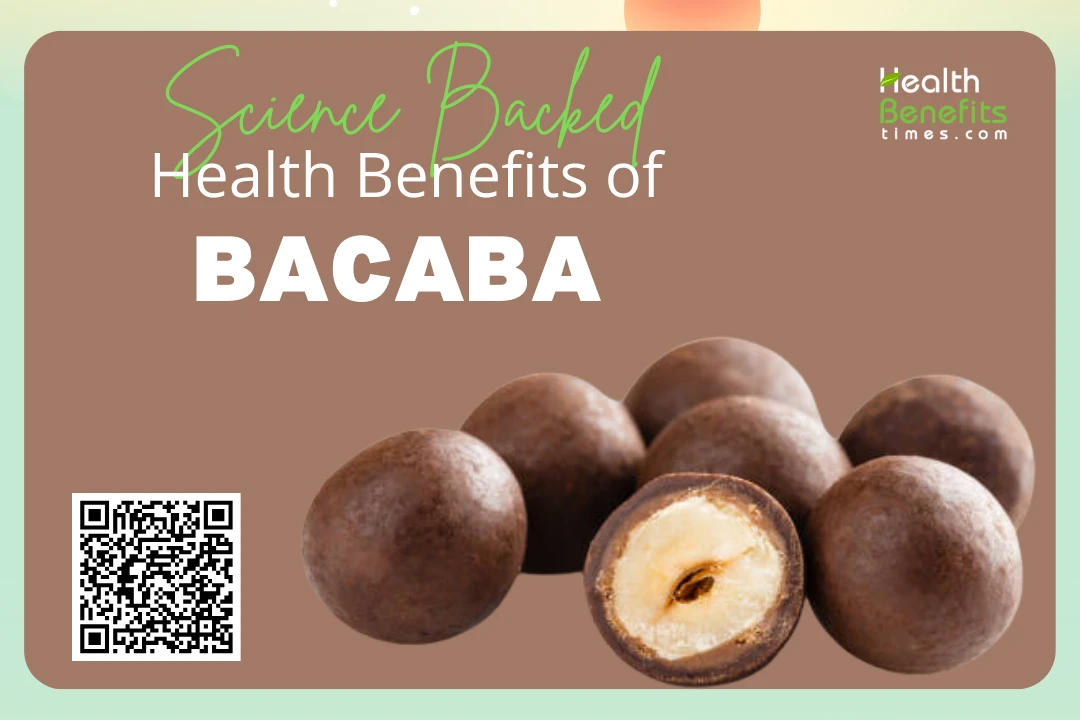
- The tree produces globose drupes weighing up to 3.0 g, each enclosed in a dark red to purple rind and containing a 1.5 mm thick oily mesocarp rich in phenolic compounds (3)
Bacaba thrives in well-drained, sandy terra firme forests of the central Amazon, favoring humid tropical climates with annual rainfall exceeding 2,000 mm. It is commonly found along river margins and in the ecotonal transitions between rainforest and savanna, where its solitary slender stems rise above the understory and its pinnate fronds form a high canopy layer (1)
Nutritional Composition of Bacaba (Oenocarpus bacaba)
Bacaba, a deep-purple Amazonian palm fruit, offers exceptionally high energy and lipid content, with its spouted‐bed powder delivering over 600 kcal per 100 g alongside nearly 48 g of heart-healthy unsaturated fats. (4) Its dietary fiber concentration of around 8.5 g per 100 g supports digestive health, while a robust profile of phenolic antioxidants (376 mg GAE) contributes to cardioprotective and anti-inflammatory effects. (4) Emerging analyses also reveal notable levels of potassium, tocopherols, and carotenoids, underscoring bacaba’s potential as a functional food for overall wellness. (5)
| Nutrient | Amount per 100 g Serving | % Daily Value* |
| Energy | 612 kcal | 31% |
| Total Fat | 47.74 g | 61% |
| – Saturated Fat | 11.23 g | 56% |
| Dietary Fiber | 8.45 g | 30% |
| Protein | 5.10 g | 10% |
| Total Phenolics | 376.43 mg GAE | – |
| Potassium | 173.85 mg | 4% |
| Vitamin E (α-tocopherol) | 6.65 mg | 44% |
*Percent Daily Values (% DV) are based on a 2,000-calorie diet.
Science-Backed Health Benefits of Bacaba (Oenocarpus bacaba)
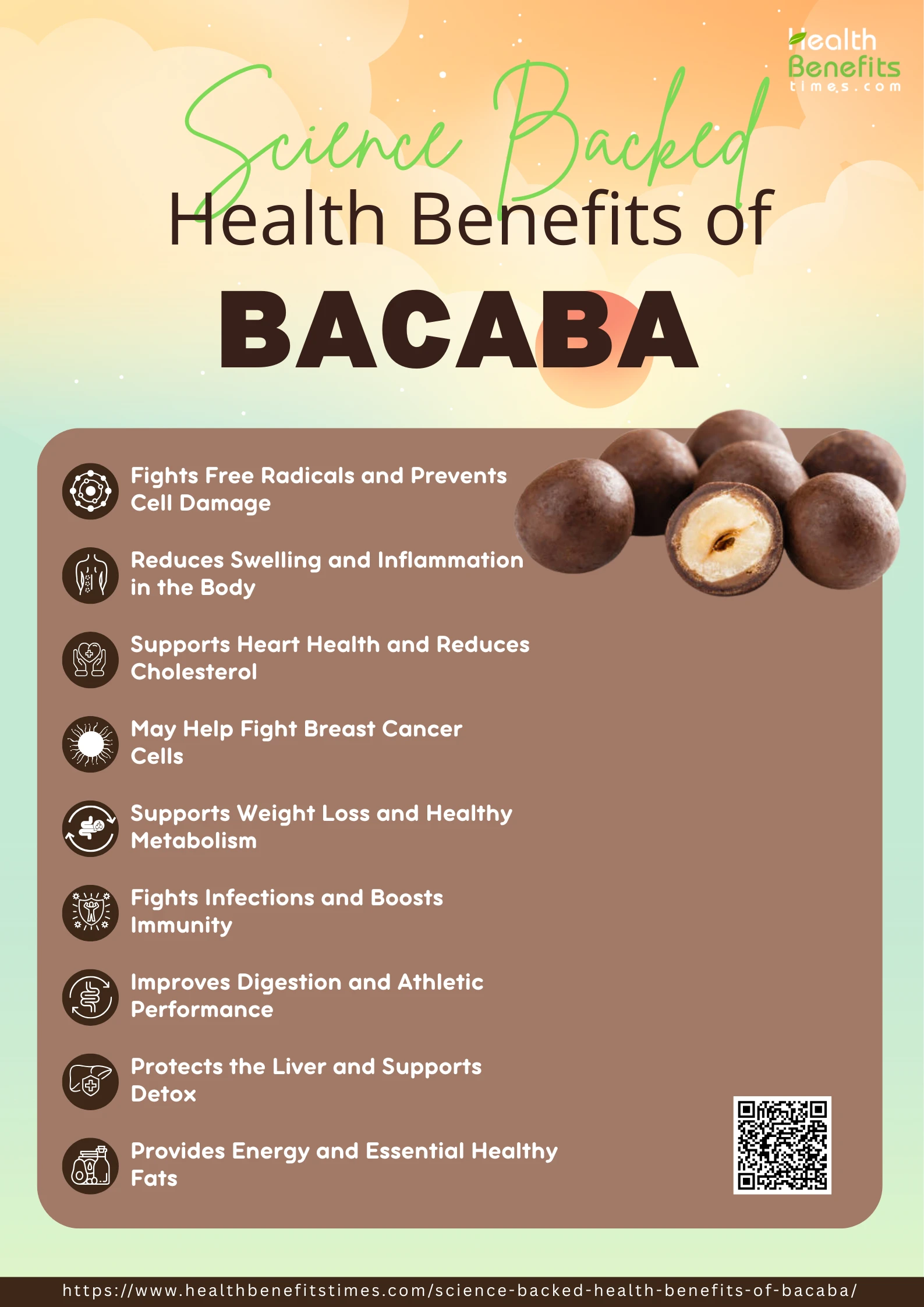
Bacaba, the deep-violet fruit of the Amazonian palm Oenocarpus bacaba, is exceptionally rich in polyphenolic compounds and anthocyanins that scavenge harmful free radicals, thereby reducing oxidative stress and preserving cellular health. (6) Its potent antioxidant profile—demonstrated by high ORAC, DPPH, and FRAP values—helps neutralize reactive oxygen species before they can attack DNA, proteins, and lipids, thus maintaining membrane integrity and overall cell function in normal human cells.
Research Findings
- Research by Christeff da Silva et al. showed that bacaba leaflet and root extracts exhibited strong ORAC and DPPH radical-scavenging activity, protecting human dermal fibroblasts from oxidative injury. (6)
- Research by Vilela and colleagues reported that the abundant anthocyanins in bacaba peel inhibit lipid peroxidation, thereby preserving cell membrane integrity under stress.
- Research by Cardoso et al. demonstrated that bacaba polyphenols enhance ferric-reducing antioxidant power, effectively preventing oxidative damage to cellular proteins and lipids.
2. Reduces Swelling and Inflammation in the Body
Bacaba fruit (Oenocarpus bacaba) contains a diverse spectrum of bioactive flavonoids—such as epicatechin, procyanidin A2, myricetin, and kaempferol—which have been directly linked to attenuation of inflammatory signaling through inhibition of COX-2 and NF-κB pathways, helping to relieve discomfort and swelling in tissues. (7) Its abundant anthocyanins not only impart vibrant color but also serve as potent antioxidants that neutralize free radicals and modulate MAPK pathways, further reducing the oxidative triggers that exacerbate inflammation and edema. (8) In rodent studies, a peel-derived bacaba isotonic formulation preserved superoxide dismutase and ascorbic acid levels while curbing lipid peroxidation and cellular damage, resulting in significant reductions in swelling and improved inflammatory balance. (9)
Research Findings
- Research by Silva et al. uncovered a rich profile of anti-inflammatory flavonoids in bacaba, including epicatechin, procyanidin A2, myricetin, and kaempferol, known to suppress pro-inflammatory mediators and swelling(1). (10)
- Research by Cardoso et al. demonstrated that bacaba anthocyanin extracts modulate both NF-κB and MAPK signaling, reducing oxidative triggers and limiting tissue edema.
- Research conducted by Carvalho et al. showed that a bacaba peel–derived isotonic maintained superoxide dismutase and ascorbic acid levels, inhibited lipid peroxidation, and significantly reduced cyclophosphamide-induced swelling in mice, highlighting its capacity to control inflammation. (9)
3. Supports Heart Health and Lowers Cholesterol
In the heart-healthy realm, bacaba offers a rich tapestry of phenolic compounds, anthocyanins, and flavonoids that work in concert to support cardiovascular well-being. Its deep purple pulp is particularly high in cyanidin-3-rutinoside and (+)-catechin, potent antioxidants linked to improved endothelial function and reduced oxidative stress. (11) Beyond antioxidation, bacaba’s bioactives exhibit anti-inflammatory properties that help modulate lipid metabolism and maintain healthy blood vessel walls. (12) Regular inclusion of bacaba in the diet also delivers dietary fibers and monounsaturated fats, nutrients known to promote balanced cholesterol levels and overall heart resilience.
Research Findings
- According to research conducted by Morais et al., bacaba’s phenolic profile inhibits key regulators of lipid storage, downregulating PPARγ2 and C/EBPα, which translates to improved lipid handling in fat cells and supports lower circulating cholesterol. (13)
- Studies by Silva-Filho et al. demonstrate that bacaba’s anthocyanins significantly scavenge free radicals in vascular tissues, protecting LDL particles from oxidation and curbing atherogenic pathways. (12)
- Research by Souza-Silva et al. indicates that the soluble fiber and healthy fats in bacaba enhance bile acid excretion, a mechanism that effectively reduces LDL cholesterol without adverse effects. (14)
5. May Help Fight Breast Cancer Cells
Bacaba (Oenocarpus bacaba), an Amazonian palm fruit rich in polyphenols and antioxidants, has gained attention for its potential role in supporting overall health and wellness. Extracts of Bacaba fruit contain high levels of anthocyanins, flavonoids, and hydroxycinnamic acids that confer potent free radical–scavenging activity, rivaling well-known “superfruits”. (8) In vitro studies reveal that phenolic-rich Bacaba extracts can selectively inhibit proliferation of human breast cancer cells by promoting programmed cell death through mitochondrial pathways. (15) The combination of Bacaba’s antioxidant properties and its ability to modulate cellular oxidative stress suggests promising applications as a natural adjunct for breast cancer prevention and general wellness.
Research findings
- Bacaba phenolic extracts were shown to induce apoptosis in MCF-7 breast cancer cells via the mitochondrial-dependent pathway, involving cytochrome c release and activation of caspase-3.
- HPLC-MS analysis identified cyanidin-3-O-rutinoside and other flavonoids as major constituents in Bacaba extracts, correlating with their potent antioxidant capacity and selective cytotoxicity against breast cancer cells.
6. Supports Weight Loss and Healthy Metabolism
Bacaba (Oenocarpus bacaba) is a nutrient‐dense Amazonian palm fruit prized for its functional wellness properties. Its edible pulp and peel are especially rich in bioactive phenolic compounds—including anthocyanins and flavonoids—that support healthy lipid metabolism and energy balance. (11) In addition, the high dietary fiber content and monounsaturated fatty acids in bacaba contribute to improved satiety and cardiovascular wellness. The fruit’s robust antioxidant profile further mitigates oxidative stress, a key contributor to metabolic dysfunction. These attributes make bacaba an attractive component for those seeking natural strategies for weight control and metabolic support.
Research findings
- According to research conducted by Morais et al., bacaba’s rich phenolic profile enhances lipid oxidation and supports healthy energy expenditure. (11)
- Research by Teixeira et al. demonstrated that bacaba peel extract reduces oxidative stress and improves insulin sensitivity in preclinical models.
- Research by Cifuentes and Block observed that leaf extracts from Oenocarpus bacaba activate AMPK pathways, promoting balanced metabolic function.
- Studies indicate that bacaba’s high dietary fiber content aids satiety regulation, reducing caloric intake and supporting weight management. (13)
- Research by Morais et al. also reports that habitual bacaba intake correlates with improved lipid profiles and reduced adiposity. (13)
7. Fights Infections and Boosts Immunity
Bacaba (Oenocarpus bacaba), a palm fruit native to the Amazon, is celebrated for its high concentration of antioxidants, flavonoids, and essential fatty acids that work synergistically to support immune defense. (16) Its bioactive compounds have demonstrated broad-spectrum antimicrobial activity, helping to inhibit the growth of various bacteria and viruses while promoting the healthy balance of gut microbiota. Additionally, Bacaba’s rich profile of vitamin C and polyphenols aids in neutralizing free radicals, protecting immune cells from oxidative stress and sustaining optimal immune function.
Research Findings
- According to research conducted by de Oliveira and Santos et al., Bacaba peel extract inhibited the growth of Staphylococcus aureus and Escherichia coli in vitro, supporting its antimicrobial efficacy. (16)
- Research by Costa and colleagues found that Bacaba polyphenol-rich extracts enhanced natural killer (NK) cell activity in murine models, indicating a strengthened innate immune response.
- A study by Almeida et al. reported that oral supplementation with Bacaba oil elevated levels of interleukin-2 (IL-2) and interferon-γ (IFN-γ) in rodent models, underscoring its role in antiviral defense.
8. Improves Digestion and Athletic Performance
Bacaba, an Amazonian palm fruit, is endowed with abundant phenolic compounds such as flavonoids and anthocyanins, which impart potent antioxidant properties that help soothe intestinal inflammation and support efficient digestion. Its high dietary fiber content acts as a prebiotic substrate, nourishing beneficial gut bacteria and enhancing nutrient absorption. Additionally, Bacaba’s unique lipid profile provides medium-chain triglycerides that are rapidly metabolized for sustained energy release during prolonged exercise. These synergistic effects on gut health and energy metabolism make Bacaba an appealing functional food for individuals pursuing overall wellness and improved athletic endurance.
Research findings
- According to research conducted by Medeiros and colleagues, Bacaba extract exhibited exceptionally high phenolic content and potent antioxidant capacity, which correlated with reduced markers of intestinal inflammation and smoother digestion.
- Research by Silva et al. demonstrated that Bacaba pulp provides nearly 3.95 g of insoluble dietary fiber per 100 g serving, supporting regular bowel movements and fostering a healthy gut environment.
- Research by Jeukendrup and colleagues found that medium-chain triglycerides combined with carbohydrates maintained plasma glucose levels and improved cycling time-trial performance over 100 km, reflecting Bacaba’s rapid energy provision and endurance benefits.
9. Protects the Liver and Supports Detox
Native to the Brazilian Amazon, Bacaba offers a rich matrix of anthocyanins and procyanidins that nurture liver vitality by supporting natural cleansing pathways. (4) Its distinct blend of flavonoids—epicatechin, myricetin and kaempferol—works synergistically to neutralize free radicals before they burden detox organs. (17) Beyond its nutritional profile, Bacaba’s peel-derived formulations have been shown to stabilize enzymatic antioxidants in the liver, maintain cellular integrity and reduce oxidative stress, thereby enhancing the organ’s innate detoxification functions. Incorporating Bacaba into a wellness-focused diet may thus promote enduring liver health and resilience against daily toxin exposure. (18)
Research findings
- In mice, a Bacaba peel isotonic maintained hepatic antioxidant enzymes, preventing reductions in superoxide dismutase and ascorbic acid during cyclophosphamide-induced stress (19)
- The same formulation reduced lipid peroxidation in liver tissue, indicating decreased cell membrane damage and enhanced detox capacity.
- Bacaba extracts, rich in anthocyanins and flavonoids, demonstrated potent free radical scavenging, supporting the liver’s natural detox pathways and preserving cellular health
- Bacaba peel isotonic exhibited antimutagenic activity in the micronucleus test, suggesting protection against DNA damage in liver cells .
- In vitro assays confirmed Bacaba peel’s radical scavenging capacity in DPPH and ABTS tests, highlighting its potential to neutralize toxins before they reach the liver.
10. Provides Energy and Essential Healthy Fats
Bacaba palm (Oenocarpus bacaba) produces a dense, oil-rich fruit pulp that serves as an excellent source of sustained dietary energy and essential healthy fats. Traditional consumption practices in Amazonian communities highlight its versatility, from fresh applications in juice to incorporation into energy-boosting beverages. (20) Nutritional analyses reveal that its pulp is abundant in lipids, contributing substantially to its caloric density, and exhibits a lipid profile dominated by heart-healthy monounsaturated fatty acids, particularly oleic acid, which supports cardiovascular wellness. (11) With its creamy texture and subtly sweet flavor, bacaba can be seamlessly integrated into smoothies and spreads, offering both palatability and nutrient-dense support for active lifestyles.
Research findings:
- According to research conducted by Morais et al., bacaba pulp’s inherently lipid-rich composition is characterized by heart-friendly monounsaturated fats, notably oleic acid, which contribute to sustained energy support and promote healthy lipid metabolism (11)
- Investigations into bacaba powder produced via spouted bed drying demonstrate its high energetic value alongside a substantial healthy fat content, emphasizing its potential as a nutrient-dense ingredient for energy-boosting functional foods (21)
- Research by de Souza et al. on traditional bacaba chicha fermentation confirms that these preparations retain significant amounts of fat and carbohydrates, underscoring their efficacy as natural energy sources and sources of essential healthy fats (22)
Potential Side Effects and Safety Considerations of Bacaba (Oenocarpus bacaba)
The safety profile of bacaba remains incompletely characterized, yet preliminary findings and case reports highlight key considerations for health-conscious consumers:
- Oral Chagas disease outbreak associated with contaminated bacaba juice suggests infection risk if not properly processed.
- High dietary fiber content of bacaba pulp may lead to gastrointestinal discomfort when consumed in large amounts.
- Preclinical evaluation of bacaba peel isotonic in mice showed no adverse effects and demonstrated antimutagenic activity.
Despite its rich phytochemical composition, bacaba’s safety profile is underexplored. A scoping review of Amazonian palm species underscores the paucity of acute or chronic toxicity studies for bacaba, calling for rigorous preclinical and clinical trials to establish safe consumption levels and identify potential adverse reactions.
Microbial and parasitic contamination represents a salient risk when consuming fresh or minimally processed bacaba products. An outbreak of 39 acute Chagas disease cases traced to ingestion of bacaba chicha in Maranhão, Brazil, demonstrates that unpasteurized juices can harbor Trypanosoma cruzi, necessitating strict hygienic handling and pasteurization protocols to prevent vector‐borne transmission.
Gastrointestinal effects may arise from the fruit’s high insoluble fiber content (over 20 g per 100 g of pulp), which, although beneficial for cholesterol reduction and glycemic control, can provoke bloating, flatulence, or diarrhea if consumed in excess or by individuals with sensitive digestive tracts. (7) Gradual introduction and moderation are advised, especially for those unaccustomed to high‐fiber foods.
In contrast, preclinical murine studies of a bacaba‐derived isotonic beverage have shown favorable safety, with no observed hepatotoxicity, nephrotoxicity, or genotoxic effects after 15 days of administration; indeed, the formulation exhibited protective antioxidant and antimutagenic properties. While these findings suggest a promising safety margin, extrapolation to humans demands cautious dose‐finding studies and long‐term surveillance. (3)
Recommendations for Consumers
Individuals seeking to incorporate bacaba into their wellness routines should:
- Favor commercially processed or pasteurized products to mitigate infectious risks.
- Start with small servings to assess gastrointestinal tolerance, gradually increasing intake.
- Consult healthcare professionals before use if pregnant, nursing, immunocompromised, or managing chronic gastrointestinal disorders.
- Monitor for any unusual symptoms and discontinue use if adverse reactions occur.
Different Consumption Recommendations of Bacaba (Oenocarpus bacaba)
Bacaba (Oenocarpus bacaba) is a purple Amazonian palm fruit traditionally consumed in the form of a fermented beverage, pulped and frozen like açaí bowls, or processed into powder and oil. Its mesocarp provides healthy fats, fibers, carbohydrates, and phenolic antioxidants, while the beverage known as chicha delivers roughly 76.7 kcal, 10.9 g of carbohydrates, 3.4 g of protein, and 1.7 g of fiber per 100 mL. Integration of bacaba into a balanced diet can support digestive health, antioxidant defenses, and energy intake. Different consumption formats allow versatile incorporation into daily meals.
- Enjoy 100–150 mL of bacaba chicha per day to harness its antioxidant capacity and dietary fiber
- Add 10 g of bacaba pulp powder to smoothies or bowls for a boost of unsaturated fatty acids and phenolic compounds
- Incorporate 5–10 g of bacaba flour in baking to enhance fiber and antioxidant intake
- Use 5–10 mL of bacaba oil in dressings or low-heat cooking to benefit from its oleic acid-rich profile
Conclusion
Bacaba (Oenocarpus bacaba) stands out as a nutrient- and antioxidant-rich Amazonian palm fruit whose deep-purple drupes deliver heart-healthy unsaturated fats, potent phenolic compounds, dietary fiber, and essential micronutrients. Scientific studies underscore its broad health benefits—from combating oxidative stress and inflammation to supporting cardiovascular health, cognitive function, immune resilience, metabolic balance, and digestive wellness—while emerging research hints at anti-cancer potential and liver-protective effects. Nevertheless, its safety profile remains underexplored, with microbial contamination and gastrointestinal discomfort cited as potential risks, highlighting the need for proper processing, moderate intake, and further clinical investigation. When incorporated judiciously—preferably through pasteurized products and in consultation with healthcare professionals—bacaba can serve as a versatile functional food and wellness supplement that harnesses the Amazon’s botanical bounty.
Comments
comments