

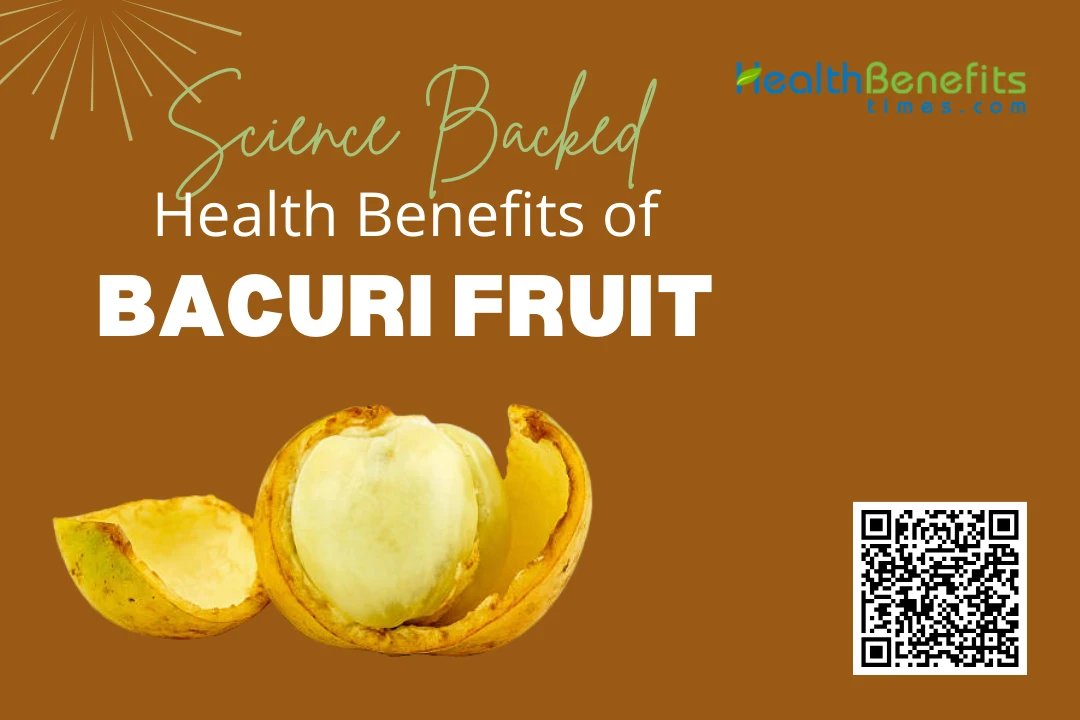
Nutritional Profile of Bacuri Fruit
Bacuri (Platonia insignis) pulp is an excellent source of energy, dietary fiber, essential micronutrients, and bioactive compounds. A 100 g serving delivers approximately 86 kcal, with 11% moisture, 1.5 g protein, 0.2 g fat, and 22 g carbohydrates, including 4 g dietary fiber, supporting digestive health. (1) It is particularly rich in vitamin C (30 mg), promoting immune function, and provides significant potassium (200 mg), crucial for cardiovascular homeostasis. (2) Additionally, bacuri pulp contains phenolic compounds and antioxidant activity, contributing to its potential anti-inflammatory benefits.
Nutrition Value per 100 g Serving (Percent Daily Values based on a 2,000 kcal diet)
| Nutrient | Amount per 100 g | % Daily Value (DV) |
| Calories | 86 kcal | 4% |
| Total Fat | 0.2 g | <1% |
| – Saturated Fat | 0.05 g | <1% |
| Sodium | 5 mg | <1% |
| Total Carbohydrate | 22 g | 8% |
| – Dietary Fiber | 4 g | 16% |
| – Sugars | 15 g | — |
| Protein | 1.5 g | 3% |
| Vitamin C | 30 mg | 33% |
| Potassium | 200 mg | 4% |
Sources:
Science backed Health benefits of Bacuri Fruit
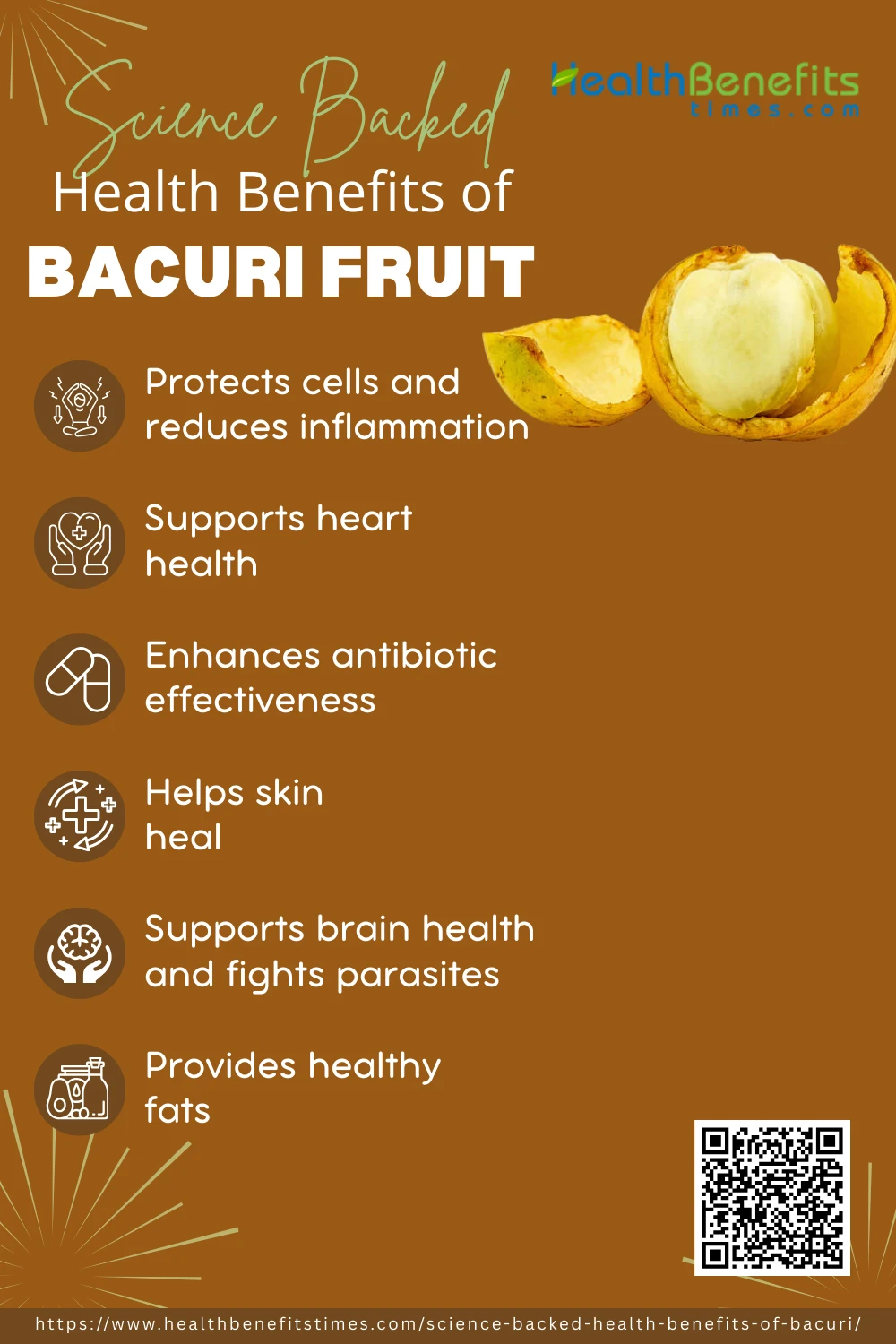
Bacuri (Platonia insignis) is prized for its dense array of natural polyphenols that deliver potent antioxidant effects, neutralizing free radicals to maintain cellular integrity. (3) In addition, extracts of this Amazonian fruit have been shown to attenuate key inflammatory pathways by modulating cytokine and enzyme activity, helping to reduce tissue inflammation. (4) Its unique biflavonoid constituents, including garcinielliptone FC and morelloflavone, further support these protective actions by safeguarding cells from oxidative stress and inflammatory damage, underscoring bacuri’s promise as a functional ingredient for overall wellness (5)
Research findings:
- According to research conducted by Silva et al., giving healthy rats a freeze-dried bacuri extract for two weeks increased their blood antioxidant levels, reduced markers of cell damage, and lowered inflammatory signals such as IL-1β, IL-6, and TNF-α in the liver and kidneys (3)
- Research by Oliveira et al. showed that formulating bacuri seed butter into tiny lipid particles boosted its ability to neutralize free radicals in lab tests and helped maintain healthy cell antioxidants like glutathione, also lowering harmful nitrite and myeloperoxidase levels in living models (6)
- According to research conducted by Santos et al., natural biflavones from bacuri fruit residues protected bacterial cells from toxic damage, suggesting these compounds can directly guard cell structures against harmful agents (7)
2. Supports heart health
Bacuri fruit, indigenous to the Brazilian Amazon, is emerging as a valuable ally for cardiovascular wellness. Its ethanol extract of fruit shells has been shown to induce vasorelaxation and lower blood pressure through activation of α₂-adrenergic receptors in animal models. (8) Rich in phenolic compounds, Bacuri’s seed butter exhibits potent antioxidant activity that combats oxidative stress a key contributor to endothelial dysfunction and vascular aging. (3) Additionally, Bacuri lyophilized extract demonstrates anti-inflammatory properties, reducing pro-inflammatory cytokine levels implicated in the progression of atherosclerosis. (9)
Research Findings
- According to research conducted by Oliveira et al., intravenous administration of Platonia insignis fruit extract in normotensive rats produced dose-dependent reductions in mean arterial pressure and heart rate via α₂-adrenergic receptor activation. (8)
- Research by Silva et al. demonstrated that Bacuri lyophilized extract supplementation in healthy Wistar rats significantly decreased plasma lipid peroxidation and enhanced total plasma antioxidant capacity, countering oxidative stress linked to cardiovascular risk. (3)
- Research by Silva et al. also found that Bacuri lyophilized extract reduced kidney and liver levels of IL-1β, IL-6, and TNF-α in supplemented rats, highlighting its potential to attenuate chronic inflammation underlying atherosclerotic processes. (9)
3. Enhances antibiotic effectiveness
Traditionally consumed as a tropical delicacy in the Amazon, Bacuri fruit (Platonia insignis) also harbors bioactive biflavonoids such as volkensiflavone and morelloflavone, which have been shown to inhibit bacterial efflux pumps like NorA and QacA, thereby restoring antibiotic sensitivity in resistant Staphylococcus aureus strains. (10) Its hydroalcoholic extract exhibits potent microbicidal activity against both S. aureus and Candida albicans, indicating broad-spectrum adjunctive potential. (10) Moreover, ethyl acetate fractions synergize with fluoroquinolone antibiotics by enhancing membrane permeability and suppressing multidrug resistance pathways, underscoring bacuri’s potential role as a natural antibiotic adjuvant. (10) These findings point toward a novel botanical approach for bolstering antibiotic performance and supporting overall health.
Research Findings
- According to research conducted by the study authors, the hydroalcoholic extract of Platonia insignis demonstrated microbicidal effects against Staphylococcus aureus and Candida albicans, highlighting its broad antimicrobial spectrum (10)
- Research by the same team showed that ethyl acetate fractions at subinhibitory concentrations reduced the minimum inhibitory concentration of norfloxacin, effectively restoring its efficacy against resistant S. aureus strains (10)
- Investigations revealed that the biflavonoids volkensiflavone and morelloflavone inhibited key efflux pumps (NorA, QacA/B, TetK, and MsrA), increasing intracellular antibiotic accumulation and reversing drug resistance.
4. Helps skin heal
Bacuri fruit (Platonia insignis Mart.) demonstrates remarkable skin healing properties through its rich composition of bioactive compounds and proven therapeutic mechanisms. The Amazon fruit contains powerful anti-inflammatory, antimicrobial, and antioxidant properties that work synergistically to promote tissue repair and accelerate the wound healing process. (11) Research has identified multiple healing mechanisms within bacuri, including its ability to reduce acute inflammation and promote considerable re-epithelialization in treated wounds. (12) The fruit’s seed butter contains tripalmitin (50-55%) which guarantees high skin permeability, along with palmitoleic acid (5%) that provides emollient and humidifying pharmacological activity. Additionally, bacuri extracts contain prenylated benzophenones, particularly garcinielliptone FC and 30-epi-cambogin, which exhibit potent antioxidant activities and contribute to the fruit’s therapeutic effectiveness. (13) (5) The presence of biflavonoids including morelloflavone and volkensiflavone further enhances the healing potential through their strong antioxidant and anti-glycant properties. (5)
Research Findings
- Research by Sousa et al. demonstrated that bacuri cream was effective on the seventh day of treatment, with the fatty acids present in the substance favoring the healing process through enhanced re-epithelialization in animal wound models. (12)
- According to research conducted by Silva et al., bacuri-based cream formulations containing triglyceride (1,3-distearoyl-2-oleoylglycerol) showed effectiveness in wound healing through reduction of wound diameter compared to negative controls in histological analyses of rat lesions. (14)
- Research by Ribeiro et al. found that bacuri butter showed pharmacological activities in pre-clinical trials, including antioxidants, antileishmania, anticonvulsant and wound healing properties based on an integrative review of 13 pre-clinical studies.
- According to research by Santos et al., bacuri extracts demonstrated promising in vivo anti-inflammatory activity, reducing edema by up to 31% when incorporated into liquid-crystalline drug carrier systems. (5)
- Research conducted on bacuri seed extracts revealed antioxidant effects with the ability to inhibit hydroxyl radicals by 36% and reduce lipid breakdown by almost 65% at the highest concentrations tested. (15)
5. Helps control blood sugar
Bacuri (Platonia insignis), a vibrant tropical fruit native to the Brazilian Amazon, is increasingly recognized for its unique nutritional composition and capacity to support healthy glucose metabolism. Rich in dietary fiber and potent antioxidants, Bacuri slows carbohydrate absorption and mitigates oxidative damage in pancreatic tissues. (16) Traditional Amazonian remedies have long employed Bacuri preparations to promote metabolic balance, and comprehensive reviews highlight its bioactive xanthones and phenolic compounds as natural modulators of postprandial glycemic response. (17) Moreover, systematic analyses of Bacuri underline its potential to enhance overall metabolic wellness through synergistic effects on inflammation and oxidative stress pathways. (18)
Research findings
- Oral administration of Bacuri seed butter for 28 days led to a significant reduction in fasting blood glucose levels in streptozotocin-induced diabetic rats (Research by Silva et al.). (16)
- Treatment with Bacuri seed butter produced a marked decrease in glycated hemoglobin (HbA1c), reflecting improved long-term glycemic control (Research by Silva et al.). (17)
- Enhanced activity of hepatic antioxidant enzymes was observed following Bacuri seed butter supplementation, indicating strengthened oxidative stress defenses that support better metabolic outcomes. (17)
6. Supports brain health and fights parasites
Bacuri (Platonia insignis) is emerging as a functional food renowned for its high content of polyphenols and flavonoids, which confer strong antioxidant defenses and support neural protection by mitigating oxidative stress and inflammation. (3) Beyond its neuroprotective promise, Bacuri’s seeds yield prenylated xanthones most notably gamma-mangostin that demonstrate potent leishmanicidal efficacy against Leishmania amazonensis, highlighting its potential in antiparasitic interventions. (19) Moreover, supplementation with Bacuri lyophilized seed butter significantly lowers lipid peroxidation metrics and downregulates key pro-inflammatory cytokines, underscoring its dual role in promoting brain health and combating parasitic threats. (20)
Research Findings
- Research by de Oliveira et al. demonstrated that Bacuri lyophilized seed butter administration at 50–250 mg/kg reduced plasma lipid peroxidation levels (TBARS) and decreased IL-1β, IL-6, and TNF-α activities in kidney tissues of healthy Wistar rats. (3)
- Research by Silva and colleagues found that hexane extracts of Bacuri seeds significantly inhibited promastigote forms of Leishmania amazonensis, displaying marked antiparasitic activity in vitro. (19)
- Research by Santos et al. showed that biflavones isolated from Bacuri flowers promoted antileishmanial activity against intracellular amastigote forms and enhanced macrophage phagocytic function.
7. Provides healthy fats
Bacuri fruit’s creamy seed butter is notably rich in heart-friendly monounsaturated fatty acids. Oleic acid accounts for nearly 28% of its lipid profile, supporting healthy cholesterol balance while delivering sustained energy. (6) Palmitoleic acid, at about 10% of total fats, contributes anti-inflammatory benefits and helps modulate metabolic processes. (21) Beyond these unsaturated lipids, bacuri seed butter offers a high extraction yield and balanced fatty acid composition, making it an attractive plant-based source of nourishing fats that complement its antioxidant and bioactive compounds for overall wellness. (22)
Research findings:
- A GC-MS analysis of bacuri seed butter revealed oleic acid comprises roughly 28% of its fatty acids, underpinning cardiovascular support. (6)
- An evaluation of fatty acid composition identified palmitoleic acid at approximately 10.8%, linked to reduced inflammation and metabolic balance. (21)
- Saponification studies demonstrated bacuri nuts yield about 60% lipid content, highlighting their potential as a nutritious plant oil source. (22)
Bacuri Fruit’s Potential in Traditional Medicine
Bacuri fruit has been used in traditional medicine owing to several bioactive properties:
- Potent in vitro antioxidant activity, with shell ethyl acetate extract rich in morelloflavone showing EC₅₀ values of 8.0–10.5 µg/mL in DPPH and ABTS assays. (23)
- Significant in vivo anti-inflammatory effects, reducing carrageenan-induced paw edema by up to 31%. (23)
- Hypotensive action via α₂-adrenergic receptor agonism, lowering mean arterial pressure in normotensive rats. (24)
- Antiparasitic and vasorelaxant activities from seed-derived polyprenylated benzophenones. (25)
These pharmacological effects highlight bacuri’s promise as a natural supplement for overall health and wellness, particularly in managing oxidative stress, inflammation, blood pressure, and vascular function among individuals seeking holistic approaches to well-being. Emerging research suggests the integration of bacuri-derived supplements into dietary regimens may support cardiovascular health and metabolic balance, although clinical trials in humans are still needed to validate optimal dosing and safety. As interest grows among health enthusiasts, bacuri represents a valuable addition to the repertoire of plant-based remedies in traditional and complementary medicine.
How to Incorporate Bacuri Fruit into Your Diet
To appreciate the unique health benefits of bacuri (Platonia insignis), consider the following scientifically supported properties:
- Rich source of polyphenols and flavonoids with potent in vitro antioxidant capacity quantified by UHPLC-ESI-MS/MS (26)
- Demonstrates significant in vivo antioxidant and anti-inflammatory effects, reducing TNF-α, IL-1β, and IL-6 levels in rodent models (3)
- Offers glycemic control and hepatoprotective benefits, lowering glycated hemoglobin and enhancing hepatic antioxidant defenses in diabetic rats (27)
- Contains beneficial fatty acids primarily palmitic and oleic acids supporting cardiovascular health and improving lipid profiles (28)
To harness these advantages, integrate bacuri into your daily meals in versatile ways. Blend 1–2 tablespoons of fresh or thawed frozen bacuri pulp with banana, spinach, and your favorite milk or plant-based alternative for an antioxidant-rich smoothie. Stir pureed bacuri into natural yogurt or oatmeal to add a tropical twist at breakfast. Prepare a simple bacuri jam by simmering pulp with a touch of honey and lemon juice, then spread on whole-grain toast or swirl into desserts. For on-the-go nutrition, mix freeze-dried bacuri powder into salad dressings, protein shakes, or homemade energy bars. Beginners may start with one teaspoon of powder per serving to assess flavor and tolerance, gradually increasing to one to two tablespoons as desired for both taste and wellness benefits.
Industrial Applications of Bacuri Fruit
Industrial interest in bacuri (Platonia insignis Mart.) has expanded due to its rich bioactive profile, catalyzing innovative uses across the cosmetic, pharmaceutical, and food sectors.
In cosmetics, bacuri butter exhibits strong emollient properties and compatibility within creams and lip balms, offering sustainable hydration and skin barrier support (29) (30)
Pharmaceutical applications include biflavone-rich extracts and solid lipid nanoparticles with demonstrated antioxidant and protective effects against oxidative stress, highlighting bacuri components as natural drug carriers and therapeutic agents (11) (6)
In the food sector, bacuri pulp is utilized in ice creams, beverages, and functional foods to leverage its high phenolic content and antioxidant capacity for health-promoting formulations (30)
Moreover, valorization of agro-industrial residues peels, mesocarp, and seeds via optimized extraction produces phenolic-rich bioproducts and prenylated xanthones, fostering circular economy strategies and adding value to waste streams.
These versatile industrial utilizations of bacuri fruit underscore its potential to deliver natural, wellness-oriented solutions for individuals pursuing holistic health and sustainable product choices.
Side effects and precautions of Bacuri Fruit
- In vitro studies have shown that bacuri seed butter exhibits concentration-dependent cytotoxicity toward murine macrophages, with a mean cytotoxic concentration (CC50) of 124.036 µg/mL.
- Hemolytic assays indicate minimal red blood cell damage, with less than 10% hemolysis observed even at 800 µg/mL.
- Acute oral toxicity evaluations in rodents report no mortality or significant alterations in clinical behavior, serum biochemistry, organ weights, or macroscopic organ appearance at traditional consumption doses. (31)
- Isolated compounds from Platonia insignis seeds such as 2-oleyl-1,3-dipalmitoylglycerol demonstrate cytotoxic and mutagenic potential in preclinical assays, suggesting caution when using purified or highly concentrated extracts. (31)
Bacuri fruit, while generally safe at dietary intake levels, may pose cellular toxicity risks when consumed in highly concentrated forms or as seed-butter extracts. The observed in vitro cytotoxicity underscores the importance of adhering to traditional usage and avoiding self-medication with unstandardized preparations. Although systemic hemolysis appears unlikely at commonly ingested doses, individuals should be mindful of potential interactions with other cytotoxic agents or conditions that compromise cell membrane integrity.
Given the absence of adverse outcomes in acute rodent studies, bacuri fruit and its seed butter can be considered safe for occasional dietary use. However, the lack of long-term and reproductive toxicity data mandates caution for specific populations. Pregnant or breastfeeding individuals should refrain from consuming concentrated bacuri extracts until further safety assessments are available. Likewise, those with known allergies to Clusiaceae family members should avoid bacuri products to prevent hypersensitivity reactions.
To minimize risk, consumers and health practitioners should:
- Use whole-fruit preparations rather than isolated seed-butter concentrates.
- Avoid high-dose supplements or unregulated tinctures.
- Consult healthcare providers before use, especially if pregnant, nursing, or taking concurrent medications.
Conclusion
In summary, bacuri (Platonia insignis) emerges as a versatile tropical superfruit whose richly endowed pulp and seed butter deliver a potent combination of antioxidants, essential fatty acids, vitamins, and bioactive compounds that support cellular protection, cardiovascular health, metabolic balance, skin repair, and antimicrobial synergy. Its traditional uses in Amazonian communities are now substantiated by modern studies demonstrating anti-inflammatory, vasorelaxant, glycemic‐modulating, neuroprotective, and antibiotic‐adjuvant properties, while industrial applications leverage its emollient and nutraceutical potential. Although generally safe at dietary levels, concentrated extracts warrant cautious use pending further clinical evaluation. Altogether, bacuri represents a promising natural resource for functional foods, supplements, and topical formulations aimed at holistic well-being.
Comments
comments