

Nutritional values of Basil
Source: usda.gov
Based on the provided PDF, here are the top 16 nutritional values found in fresh basil.
Serving Size: 2 tbsp, chopped (5.3 g) 1
| Nutrients | Amount | DV% |
| Water | 4.88 g 2 | – |
| Energy | 1.22 kcal 3 | < 1% |
| Protein | 0.167 g 4 | < 1% |
| Total Lipid (Fat) | 0.034 g 5 | < 1% |
| Carbohydrate | 0.14 g 6 | < 1% |
| Fiber, total dietary | 0.085 g 7 | < 1% |
| Total Sugars | 0.016 g 8 | – |
| Vitamin K (phylloquinone) | 22 µg 9 | ~18% |
| Manganese | 0.061 mg 10 | ~2.6% |
| Vitamin A, RAE | 14 µg 11 | ~1.5% |
| Vitamin C | 0.954 mg 12 | ~1% |
| Iron, Fe | 0.168 mg 13 | < 1% |
| Calcium, Ca | 9.38 mg 14 | < 1% |
| Magnesium, Mg | 3.39 mg 15 | < 1% |
| Folate, total | 3.6 µg 16 | < 1% |
| Potassium, K | 15.6 mg 17 | < 1% |
Percent Daily Values (%DV) are based on a 2,000-calorie diet. Individual nutritional needs may vary depending on age, gender, activity level, and overall health.
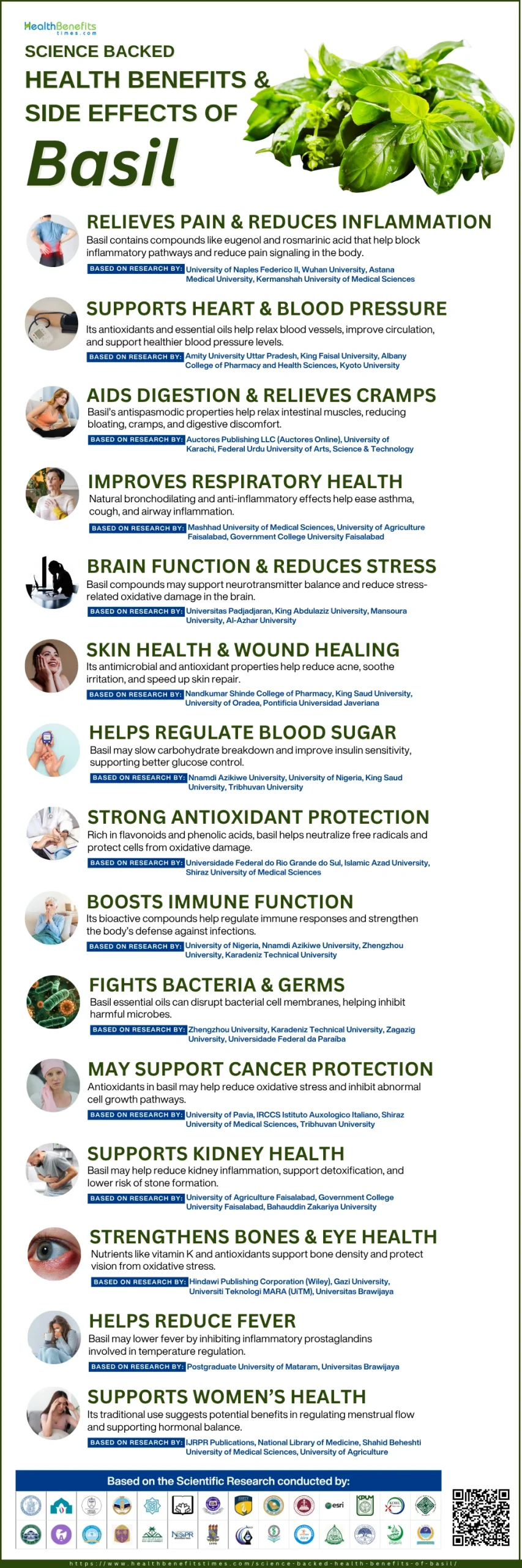
Science backed Health benefits of Basil
1. Relieves Pain and Reduces Inflammation
Inflammation serves as the body’s biological defense mechanism against injury and pathogens, yet its chronic activation can drive tissue damage and disease. Nature offers a potent countermeasure in this plant, which is rich in bioactive phytochemicals such as linalool, eugenol, estragole, and rosmarinic acid. 1 2 3 These nutrients exert their therapeutic effects by inhibiting pro-inflammatory enzymes like cyclooxygenase (COX) and suppressing the release of cytokines such as TNF-alpha and interleukins, mimicking the pathways targeted by non-steroidal anti-inflammatory drugs. 4 2 This botanical intervention proves particularly effective for conditions ranging from knee osteoarthritis and colitis to post-operative trauma. 5 6 7 Whether consumed or applied topically, these compounds penetrate tissues to modulate spinal pain receptors, specifically GluR1 subunits, and prevent leukocyte accumulation at injury sites, thereby dampening pain signaling and resolving swelling. 8 6
What Research Says:
- A randomized clinical trial conducted at Fasa University of Medical Sciences determined that topical application of a traditional basil oil formulation improved physical function and alleviated pain in knee osteoarthritis patients with efficacy comparable to diclofenac gel. 7
- Research involving the Indonesian Institute of Sciences established that oral administration of basil essential oil significantly reduced serum TNF-alpha levels and downregulated spinal GluR1 receptor expression, leading to a marked decrease in spontaneous post-operative pain and mechanical hyperalgesia. 6
- According to studies from the Regional University of Cariri, complexing basil essential oil with beta-cyclodextrin significantly inhibited vascular permeability and leukocyte recruitment in acute inflammation models, while also suppressing granuloma formation in chronic settings. 3
- Investigations by Isfahan University of Medical Sciences revealed that basil seed mucilage and extract ameliorated acetic acid-induced colitis by reducing myeloperoxidase (MPO) activity and mitigating mucosal damage. 5
- Further data indicates that these extracts accelerate wound healing by decreasing mast cell and leukocyte infiltration, while simultaneously inhibiting the NF-kB signaling pathway involved in inflammatory gene transcription. 8 9 2
Cardiovascular disease, characterized by oxidative stress, inflammation, and arterial dysfunction, remains a leading cause of morbidity, often manifesting as atherosclerosis, myocardial infarction, or cardiac hypertrophy. Nature offers potent interventions through aromatic herbs rich in bioactive compounds that defend against these pathologies. Essential nutrients such as potassium and magnesium, alongside phytochemicals like flavonoids, eugenol, rosmarinic acid, and linalool, play a pivotal role in maintaining vascular integrity. 10 11 These constituents function by scavenging reactive oxygen species (ROS), inhibiting platelet aggregation, and relaxing blood vessels to reduce systemic resistance. 12 Whether consumed to manage lipid profiles and blood sugar or applied and inhaled to modulate the autonomic nervous system, these compounds help prevent ischemic injury and alleviate hypertension by targeting critical pathways, including the renin-angiotensin system and endothelin release. 13 14 15
What Research Says:
- Scientific investigations at the Department of Human Physiology in Nigeria observed that aqueous and methanol extracts significantly reduced systolic and diastolic blood pressure in feline models via cholinergic mechanisms. 2 16
- Research utilizing the Goldblatt 2K1C model demonstrated that basil extracts reduced cardiac hypertrophy and plasma endothelin-1 levels, functioning similarly to endothelin-converting enzyme inhibitors. 15
- Studies on isoproterenol-induced myocardial infarction revealed that rosmarinic acid-rich extracts suppressed ST-segment elevation, effectively preventing myocardial necrosis and fibrosis. 17
- According to findings from Mahidol University, specific peptides (Asp-Leu-Ser-Ser-Ala-Pro) isolated from green basil leaves exhibit strong Angiotensin-Converting Enzyme (ACE) inhibitory activity comparable to synthetic drugs like lisinopril. 13
- Clinical trials monitoring human EEG found that inhaling linalool-rich basil essential oil significantly decreased blood pressure and pulse rates while activating brain waves linked to stress reduction. 18
- Analyses of I-NAME induced hypertensive models confirmed that phenolic compounds and terpenes like tau-cadinol correlate directly with vasodilation and oxidative hemolysis inhibition. 14
3. Aids Digestion and Relieves Stomach Cramps
Digestive pathology often involves inflammation, erratic motility, and visceral hypersensitivity, necessitating interventions that stabilize smooth muscle function without disrupting the microbiome. Relief is frequently mediated by bioactive phytochemicals such as eugenol, linalool, and rosmarinic acid, which possess profound antispasmodic and anti-inflammatory properties. 11 12 Medically, these compounds modulate calcium channels and cholinergic receptors within the enteric nervous system, leading to the direct relaxation of intestinal smooth muscles and the subsequent alleviation of acute cramping and spasms. 19 This pharmacological action is particularly effective in managing conditions ranging from irritable bowel syndrome (IBS) and gastroenteritis to gastric colic and chronic diarrhea. 12 20 Furthermore, the hydrophilic mucilage and fiber found in the seeds act as therapeutic hydrocolloids, regulating peristalsis and soothing inflamed mucosa, while simultaneous inhibition of inflammatory markers like IL-6 and PGE-2 reduces tissue swelling associated with gastritis. 19 11 20 Whether ingested to target the jejunum or utilized to reduce systemic stress impacting the gut, these nutrients provide a comprehensive defense against gastrointestinal dysfunction. 10
What Research Says:
- According to ex vivo studies conducted by researchers at the University of Montpellier, aqueous stem and leaf extracts demonstrated significant concentration-dependent relaxation of jejunum smooth muscles contracted by barium chloride and methacholine, confirming a dual mechanism of action involving calcium channel blockade and anticholinergic effects. 19
- Investigations into bioaccessibility by the University of Life Sciences in Lublin reveal that while the endogenous plant matrix may initially limit the release of rosmarinic acid during the gastric phase, the intestinal environment facilitates the liberation of these co-compounds, ensuring they reach effective concentrations to combat oxidative stress and inflammation. 21
- Comprehensive reviews from the Pakistan Agricultural Research Council and other institutions corroborate traditional Ayurvedic and Unani applications, identifying volatile oils like methyl chavicol and eugenol as key agents in inhibiting antibiotic-resistant pathogenic bacteria responsible for dysentery and gastroenteritis. 12 10
- Nutritional analyses emphasize that the hemicellulose and cellulose present in the seeds function as effective biological hydrocolloids and prebiotics, aiding in the management of constipation, weight loss, and metabolic disorders. 20 11
4. Improves Respiratory and Lung Health
Respiratory diseases encompass a wide range of pathological conditions affecting the airways and lung tissue, often driven by chronic inflammation, obstruction, and oxidative stress. 22 To combat these debilitating issues, therapeutic botanicals rich in specific phytochemicals offer a powerful intervention. Bioactive compounds such as linalool, eugenol, and rosmarinic acid function as natural bronchodilators and anti-inflammatory agents, directly targeting the physiological roots of respiratory distress. 22 10 These nutrients relax tracheal smooth muscles by blocking voltage-dependent calcium channels and inhibiting pro-inflammatory signaling pathways like NF-κB, which is essential for managing asthma, bronchitis, and chronic obstructive pulmonary disease (COPD). 22 20 Whether consumed as an extract or applied as an essential oil, these constituents modulate the immune response by suppressing allergy-associated Th2 cytokines and enhancing antioxidant defenses, thereby protecting lung parenchyma from cellular damage and improving overall respiratory function. 23 12
What Research Says:
- Experimental studies conducted by researchers at Mashhad University of Medical Sciences demonstrate that hydro-ethanolic extracts significantly reduce airway inflammation in asthma models by decreasing IgE and IL-4 levels while enhancing the IFN-γ/IL-4 ratio. 23
- Research regarding sepsis-induced pneumonia reveals that Basil Polysaccharide (BPS) improves survival rates and bacterial clearance by promoting CCL4 secretion and enhancing macrophage phagocytosis. 24
- According to comparative pharmacological reviews, linalool and eugenol exhibit bronchodilatory effects comparable to the drug theophylline, effectively managing bronchospasms through calcium channel blockage. 22 20
- Investigations into infectious diseases indicate that specific compounds like ursolic acid and apigenin possess strong inhibitory activity against human adenovirus and Mycobacterium tuberculosis, validating traditional applications for bronchitis and tuberculosis. 22 25 11
- Further analysis confirms that essential oils inhibit biofilm formation in resistant respiratory pathogens like Staphylococcus aureus, offering a sustainable approach to treating bacterial lung infections. 10 12
5. Enhances Mood, Brain Function, and Reduces Stress
Chronic neurodegenerative disorders and mood disturbances, such as depression, Alzheimer’s, and Parkinson’s disease, are frequently driven by oxidative stress, inflammation, and neuronal apoptosis (504, 506). {% %} {% %} Ocimum basilicum exerts profound neuroprotective and anxiolytic effects primarily through bioactive phytochemicals like linalool, eugenol, and rosmarinic acid. 25 These compounds modulate the central nervous system by enhancing GABAergic transmission and upregulating brain-derived neurotrophic factor (BDNF), which are critical for mood stabilization and cognitive function. 26 27 Mechanistically, whether ingested or inhaled as essential oils, these nutrients scavenge free radicals, inhibit lipid peroxidation, and reduce corticosterone levels, thereby protecting hippocampal tissue from atrophy and promoting neurogenesis. 26 28
What Research Says:
- A randomized, single-blind clinical trial conducted at Fasa University of Medical Sciences observed that patients with Major Depressive Disorder receiving basil syrup alongside sertraline experienced significantly greater reductions in Hamilton Anxiety Rating Scale and Beck Depression Inventory scores compared to the placebo group (503). 27
- In animal models subjected to chronic unpredictable mild stress, researchers at King Abdulaziz University found that basil essential oil inhalation significantly downregulated caspase-3 gene expression and upregulated GFAP and Ki67, effectively reversing stress-induced neuronal shrinkage and apoptosis in the olfactory bulb. 29 26
- Investigations by Mashhad University of Medical Sciences into pentylenetetrazole-induced seizures revealed that hydro-ethanolic extracts and specific fractions (ethyl-acetate and N-hexane) delayed seizure onset and protected the hippocampus by elevating antioxidant enzymes like superoxide dismutase and catalase. 28
- In silico studies indicate that novel flavonoids in basil bind effectively to Caspase-3, suggesting a targeted molecular mechanism for mitigating memory deficits and neuronal death. 25
6. Promotes Healthy Skin and Healing
Skin pathology, including conditions like acne vulgaris, eczema, and psoriasis, often arises from microbial dysbiosis, chronic inflammation, or oxidative degeneration that disrupts the dermal barrier. Basil exerts potent dermatological protection primarily through bioactive phytochemicals such as linalool, eugenol, and phenolic acids, which function as natural antimicrobials and antioxidants to neutralize free radicals. These compounds, alongside essential nutrients like Vitamin A, K, and C, modulate inflammatory pathways (such as NF-κB) and disrupt the cell membranes of pathogens, thereby preventing infections and promoting tissue repair. 30 31 When ingested, these nutrients support collagen synthesis and systemic detoxification, while topical application delivers concentrated essential oils that directly inhibit biofilm formation and accelerate epithelialization. 20 25
What Research Says:
- Research conducted by the University of Oradea demonstrated that a novel hydrogel combining Ocimum basilicum and Trifolium pratense achieved 100% wound healing in animal models within 13 days and significantly reduced psoriasis erythema in clinical cases within one week. 32
- In a randomized controlled trial involving acne patients, topical application of fresh basil leaf juice was found to be as effective as oral tetracycline in reducing comedones and pustules over an eight-week period, without adverse side effects. 30
- A study on cosmetic formulations found that a toner containing 3% basil essential oil exhibited the optimal balance of stability and efficacy, producing a 51 mm inhibition halo against Propionibacterium acnes, the bacteria responsible for acne. 33
- Histopathological evaluations in mice revealed that daily topical treatment with ethanolic extract (38–100 mg/kg) reduced leukocyte infiltration and promoted the deposition of thicker, better-organized collagen fibers, resembling intact skin. 34
- A formulation utilizing shea butter and basil extract tested on volunteers showed significant improvement in acne, minor cuts, and inflammation over a 10-day period, attributed to the plant’s ability to modulate inflammatory mediators. 35
7. Helps Regulate Blood Sugar (Diabetes Management)
Diabetes mellitus is a chronic metabolic condition characterized by persistent hyperglycemia resulting from defects in insulin secretion, insulin action, or both. Addressing this, Ocimum basilicum offers significant therapeutic potential by modulating carbohydrate metabolism and enhancing insulin sensitivity. 36 11 Key phytochemicals, including flavonoids like methyl chavicol and polyphenols such as eugenol, alongside dietary fibers found in the seeds, play a pivotal role in these antidiabetic mechanisms. 25 20 These nutrients function by inhibiting carbohydrate-metabolizing enzymes like alpha-amylase and alpha-glucosidase, thereby retarding glucose absorption and suppressing endogenous glucose release. 36 Furthermore, they aid in the reconstitution of pancreatic islets and stimulate glycogen synthesis in the liver. 37 This botanical intervention is particularly relevant for managing Type 2 diabetes and mitigating complications in gestational diabetes. 38 30 Whether consumed as fresh leaves, seeds, or applied via extracts, these bioactive compounds work systematically to lower blood glucose and reduce oxidative stress associated with the disease. 39
What Research Says:
- Research conducted by the Department of Food Science and Nutrition at Sultan Qaboos University demonstrated that extracts from ‘Italian Genovese’ and ‘Thyrsiflora’ cultivars significantly restored serum insulin levels and combated oxidative DNA damage in pancreatic tissues. 40
- In studies involving gestational diabetes models, treatment with O. basilicum extract downregulated inducible nitric oxide synthase (iNOS) expression and lowered total cholesterol and LDL levels, highlighting its protective vascular effects. 38
- Investigations at the National Institute for Pharmaceutical Research and Development revealed that the extract inhibits hepatic glucose mobilization and suppresses postprandial hyperglycemia by blocking $\alpha$-glucosidase and $\alpha$-amylase enzymes. 36
- According to experimental studies on bio-nanotechnology, silver nanoparticles synthesized from leaf extracts exhibited inhibitory activity against antidiabetic targets superior to the drug acarbose. 25
- Further data indicates that ethanol extracts effectively reduce Advanced Glycation End-products (AGEs), which are implicated in long-term diabetic complications. 41
- Histopathological results from separate chronic study models showed that aqueous seed extracts helped regenerate the cellular architecture of pancreatic islets and improved body weight in diabetic subjects. 37 30 20
8. Protects Cells from Damage (Antioxidant)
Oxidative stress occurs when unstable molecules called free radicals overwhelm the body’s defenses, leading to significant damage to DNA, lipids, and cellular proteins. This deterioration is counteracted by antioxidants, which neutralize these harmful agents before they cause systemic injury. The protective capacity of Ocimum basilicum arises from a potent profile of phytochemicals, particularly rosmarinic acid, phenolic acids, and flavonoids like vicenin and orientin. 2 42 43 These compounds, along with essential oil constituents such as linalool and eugenol, actively scavenge reactive oxygen species, including hydroxyl radicals, superoxide anions, and hydrogen peroxide. 44 43 Whether consumed or applied topically, these nutrients intervene by donating electrons to stabilize free radicals and chelating metal ions that catalyze oxidation. 44 19 This biological mechanism effectively inhibits lipid peroxidation in cell membranes and reduces protein oxidation, thereby preserving cellular integrity against degenerative processes and environmental stressors. 42 45
What Research Says:
- Research indicates that Ocimum basilicum extracts significantly reduce malondialdehyde (MDA) levels, a primary marker of lipid peroxidation, while enhancing the activity of endogenous defense enzymes like catalase (CAT) and superoxide dismutase (SOD) in models of induced oxidative stress. 2 43
- Studies conducted on human leukocytes exposed to hydrogen peroxide demonstrate that basil extracts effectively revert oxidative damage, decreasing protein carbonylation and preserving DNA integrity against genotoxic agents. 42
- According to comparative analyses, ethanol extracts of basil leaves exhibit superior radical scavenging activity in DPPH and FRAP assays compared to stem or aqueous extracts, a result directly correlated with higher concentrations of phenolics and flavonoids. 46 19
- Investigations into hepatotoxicity induced by pesticides reveal that basil essential oil mitigates oxidative injury by reducing thiobarbituric acid-reactive substances (TBARS) and restoring depleted glutathione levels. 45
- Furthermore, specific bioassays confirm that basil extracts neutralize nitric oxide and superoxide radicals more effectively than certain commercial synthetic antioxidants, supporting its traditional use in managing inflammatory conditions 44 22
9. Boosts the Immune System
Immune system dysfunction refers to a physiological imbalance where the body’s defenses either aggressively overreact, leading to allergies and chronic inflammation, or fail to mount an adequate defense against pathogens. Immunomodulation corrects this dysregulation by managing critical inflammatory mediators, such as cytokines (IL-4, TNF-α), and restoring the delicate equilibrium between Th1 and Th2 immune cells. 2 This restorative capacity is driven by potent phytochemicals, including phenolic acids (rosmarinic, caffeic, and p-coumaric acid), flavonoids like orientin and vicenin, and essential oils rich in linalool. 47 12 These nutrients are pivotal in preventing and managing diverse conditions, ranging from allergic asthma and colitis to bronchitis and microbial infections. 23 10 When ingested, these compounds inhibit pro-inflammatory signaling pathways such as NF-κB and ERK2 MAP-kinase to lower systemic oxidative stress; when applied externally, extracts containing eugenol and linalool target microbial cell membranes to facilitate wound healing and prevent infection. 47 10
What Research Says:
- Research conducted by the China Medical University indicates that aqueous extracts containing caffeic and p-coumaric acids significantly stimulate DNA synthesis in human peripheral blood mononuclear cells (PBMC) and modulate cytokine secretion via the ERK2 signal pathway. 47
- In a controlled study involving Wistar rats, hydro-ethanolic extracts were found to significantly reduce IgE and IL-4 levels while increasing the IFN-γ/IL-4 ratio, demonstrating therapeutic efficacy against allergic asthma that was comparable to, and in some metrics more potent than, the corticosteroid dexamethasone. 23
- Experiments performed by the Faculty of Fish Resources revealed that dietary supplementation with basil oil (0.25-1%) in Nile tilapia enhanced non-specific immune responses, specifically increasing respiratory burst activity and serum lysozyme levels, which significantly reduced mortality rates upon challenge with Aeromonas hydrophila.
- Pharmacological reviews highlight that essential oils rich in methyl chavicol and linalool possess broad-spectrum antimicrobial properties, showing significant growth inhibition zones against various Gram-positive and Gram-negative bacteria, including multidrug-resistant strains. 12 10
10. Fights Bacteria and Germs
Bacterial infections occur when harmful microorganisms proliferate within the body, disrupting physiological balance and damaging tissues through toxin production or direct cellular invasion. Nature offers robust defense mechanisms against these pathogens through specific bioactive compounds found in medicinal flora. Potent phytochemicals such as linalool, eugenol, estragole (methyl chavicol), and rosmarinic acid are critical in this defense, as they possess the ability to disrupt the structural integrity of bacterial cell membranes and inhibit vital enzymatic functions necessary for microbial survival. 25 48 This biological activity is instrumental in preventing a wide array of conditions, ranging from respiratory ailments like bronchitis and coughs to gastrointestinal disorders such as dysentery and diarrhea, and even effective management of skin infections. 12 10 When consumed, these nutrients bolster the systemic immune response, while topical application allows the lipophilic compounds to penetrate the microbial cell wall, inducing cytoplasmic leakage and ultimately leading to the eradication of the germ. 49 12
What Research Says:
- Research conducted at KAHER’S KLE Vishwanath Katti Institute of Dental Sciences demonstrated that aqueous extracts of Ocimum basilicum effectively inhibit anaerobic periodontal pathogens like Porphyromonas gingivalis and Tannerella forsythia, showing antimicrobial potential comparable to standard chlorhexidine without the adverse side effects. 50
- According to studies from the University of Dhaka, methanol extracts displayed significant inhibition zones against food-borne pathogens such as Listeria monocytogenes, Vibrio, and Salmonella typhi, often surpassing the efficacy of the antibiotic streptomycin against Gram-positive strains. 51
- Investigations involving scanning electron microscopy revealed that treatment with these plant extracts results in physical degradation and shrinking of the bacterial cell walls in resistant strains like Pseudomonas aeruginosa and Shigella species. 49
- Furthermore, data indicates a synergistic relationship where basil essential oil enhances the activity of standard antibiotics like imipenem, effectively combating drug-resistant bacteria. 52
11. May Help Protect Against Cancer
Cancer is fundamentally characterized by uncontrolled cellular proliferation initiated by genetic mutations and often fueled by chronic oxidative stress and inflammation. 53 43 Bioactive phytochemicals found in nature, particularly phenolics, flavonoids (such as anthocyanins), and essential oils like linalool, eugenol, and rosmarinic acid, intervene in these pathological processes by neutralizing free radicals and modulating inflammatory signaling pathways like NF-kB to suppress tumor initiation. 2 25 These nutrients facilitate apoptosis—programmed cell death—and inhibit angiogenesis, thereby depriving tumors of the blood supply necessary for growth (2, 5). {% %} {% %} Evidence suggests potential protective effects against a broad spectrum of malignancies, including breast, colon, liver, lung, cervical, and prostate cancers. 54 55 56 Whether delivered through dietary consumption or concentrated extracts, these compounds disrupt cancer cell metabolism, arrest the cell cycle, and inhibit DNA synthesis in malignant cells while generally sparing normal tissue. 55 22 11
What Research Says:
- In vivo research involving Swiss mice demonstrated that daily administration of ethanol extracts significantly reduced solid tumor growth in Ehrlich’s carcinoma models by downregulating the anti-apoptotic protein Bcl-2. 57
- Laboratory studies conducted at the University of Tabriz revealed that aqueous leaf extracts effectively inhibited proliferation in human colon cancer cell lines (LS174T and COLO205) by significantly upregulating the expression of pro-apoptotic genes BAX and BAD. 54
- Comparative cytotoxicity assessments indicate that essential oils derived from seeds exhibit potent inhibitory effects against liver (Hep3B) and breast (MCF-7) cancer cells, showing efficacy comparable to the standard chemotherapy drug doxorubicin. 56
- Investigations into synergistic therapies highlighted that polysaccharides combined with the drug gefitinib suppressed lung tumor growth in xenograft mouse models, while other extracts enhanced cisplatin activity against cervical cancer cells. 43
- Clinical observations by Nomura and colleagues noted that thyroid cancer patients consuming tea made from Ocimum leaves experienced reduced anxiety and better salivary gland protection during radioactive iodine therapy. 43
12. Supports Kidney Health
Kidney pathology frequently involves oxidative stress, inflammation, and the precipitation of mineral aggregates which compromise filtration and structural integrity. Basil actively supports renal function through its dense concentration of bioactive phytochemicals, specifically flavonoids like orientin and vicenin, and polyphenols such as rosmarinic acid. 12 These nutrients offer robust nephroprotection against urolithiasis (kidney stones) and diabetic nephropathy by acting as antioxidants that neutralize reactive oxygen species and prevent lipid peroxidation in renal tissues. 58 59 When basil leaves or aqueous extracts are ingested, they function as natural diuretics and crystallization inhibitors; this modulation of urine volume and pH helps flush toxins and hinders the aggregation of calcium oxalate crystals, effectively mitigating the risk of stone formation and toxin-induced renal injury. 60 61
What Research Says:
- Research conducted by the Faculty of Pharmacy at Al-Azhar University and Damietta University determined that aqueous basil extracts, particularly when combined with celery or nettle, significantly ameliorated urinary stone formation and reduced renal inflammation markers like TNF-alpha in ethylene glycol-induced models. 61 62
- According to preclinical trials at Albaha University, Ocimum basilicum treatment in diabetic subjects not only lowered blood glucose but also preserved glomerular architecture by reducing fibrosis markers such as alpha-smooth muscle actin and desmin. 58 63
- Pharmacological assessments at Indukaka Ipcowala College of Pharmacy confirmed that hydro-alcoholic basil extracts exert dose-dependent diuretic effects, normalizing creatinine clearance and urinary magnesium levels to dissolve calculi. 60
- Further investigations into chemical nephrotoxicity indicate that basil extracts counteract acute injury from toxins like acetaminophen and carbon tetrachloride by restoring vital antioxidant enzymes, including superoxide dismutase and catalase, within the kidney tissue. 64 65
13. Strengthens Bones and Vision
Osteoporosis and associated degenerative conditions often stem from hormonal imbalances or medication side effects, such as glucocorticoid therapy, which suppress bone formation and accelerate resorption. To counteract this deterioration, specific bioactive compounds including flavonoids (apigenin, luteolin), rosmarinic acid, and essential nutrients like Vitamin K and calcium are critical for maintaining skeletal integrity. 20 66 These phytochemicals function by stimulating osteoblastic differentiation—the cells responsible for bone formation—while simultaneously inhibiting the bone-resorbing activity of osteoclasts. 67 66 In terms of ocular health, oxidative stress and elevated pressure are primary drivers of degeneration. A rich supply of Vitamin A acts as a potent antioxidant within the retina to delay cataracts and macular degeneration, while potassium serves as a vasodilator to help regulate intraocular pressure. 20 68 Whether ingested to enhance systemic calcium absorption or utilized for their antioxidant capacity, these constituents effectively protect structural proteins in the lens and trabecular meshwork from oxidative damage. 69
What Research Says:
- Research conducted by Beni-Suef University indicates that administering aqueous extracts of Ocimum basilicum to rats with glucocorticoid-induced osteoporosis significantly increased Bone Mineral Density (BMD) and serum calcium levels, effectively reversing the toxic effects of dexamethasone. 66
- According to in vitro studies at Gazi University, the extract accelerates osteogenic differentiation in human dental pulp mesenchymal stem cells, evidenced by the rapid formation of calcium granules and modulation of the marker protein osteonectin. 67
- Investigations by Universiti Teknologi MARA demonstrated that seed extracts possess significant antiglaucoma potential, lowering intraocular pressure (IOP) in rabbit models of ocular hypertension with efficacy comparable to the beta-blocker timolol. 68
- Furthermore, experimental data suggests that methanolic extracts prevent selenite-induced cataracts by protecting lenticular structural proteins, such as $\alpha$-crystallin, from oxidative disruption (145), 69 supporting traditional claims regarding vision improvement through nutrient-dense supplementation. 20
14. Lowers Fever
Fever acts as a systemic immune response, typically characterized by an elevation in body temperature above 37. C to combat pathogenic invasions like bacteria and viruses. To mitigate this physiological stress, therapeutic interventions utilizing specific botanicals function by interrupting inflammatory cascades. The antipyretic mechanism of Ocimum basilicum is primarily attributed to its high concentration of flavonoids, which play a critical role in inhibiting the cyclooxygenase-2 (COX-2) enzyme; this inhibition blocks the biosynthesis of prostaglandins, the lipid mediators directly responsible for inducing fever. 70 Beyond flavonoids, the plant delivers essential bioactive constituents such as eugenol, 1,8-cineole, and linalool, which collectively support immune modulation. 11 71 These pharmacological properties make the herb effective against fevers associated with malaria, influenza, bronchitis, and common colds. 11 71 Whether administered orally through leaf juices and teas, or utilized via seed infusions, these phytochemicals are rapidly absorbed to assist in regulating body temperature. 71
What Research Says:
- Recent experimental research conducted by Umar, Pratama, and Nurjaya (2025) indicates that ethanol extracts of basil leaves effectively reduce body temperature in subjects with peptone-induced pyrexia, demonstrating an antipyretic efficacy statistically comparable to the standard drug Paracetamol. 70
- Extensive ethnopharmacological surveys by researchers at Universitas Padjadjaran reveal that traditional healers across diverse geographies—including the Batak Karo people of Indonesia and indigenous communities in India—have successfully employed leaf decoctions and raw consumption to treat fevers linked to malaria and respiratory infections. 71
- Pharmacological reviews further validate these traditional applications, confirming that both the seeds and leaves possess distinct antipyretic and immunomodulatory activities, supporting their established use in Ayurveda and Unani medicine for managing febrile conditions. 11
15. Supports Women’s Health (Bleeding Control)
Women’s health encompasses a delicate balance of hormonal regulation and reproductive well-being, where issues like menorrhagia (heavy menstrual bleeding) and menstrual irregularities can significantly diminish quality of life. Basil supports this domain as a haemostyptic agent—a substance that helps stop bleeding—specifically noted for its traditional utility in managing excessive blood loss during childbirth and correcting menstrual irregularities. 11 The primary bioactive drivers behind this efficacy are flavonoids and tannins, potent phytochemicals abundant in Basil. 72 From a medical perspective, these nutrients exert their effects through vasoconstriction (narrowing of blood vessels) and the inhibition of inflammatory pathways. When consumed or applied, the antioxidants and tannins in Basil likely facilitate clotting and reduce inflammation, thereby helping to control abnormal uterine bleeding and stabilize the menstrual cycle. 11 72
What Research Says:
Recent scientific inquiries and reviews provide a robust evidence base for the role of Basil and its constituents in reproductive health.
- Haemostyptic and Regulative Properties: A comprehensive review indicates that Ocimum basilicum is effectively used to treat menstrual irregularities and acts as a haemostyptic in childbirth, validating its role in bleeding control. 11
- Mechanism of Action: Research on flavonoid-rich herbal medicines confirms that compounds found in Basil, such as flavonoids and tannins, significantly reduce heavy menstrual bleeding by inhibiting prostaglandins (compounds that cause pain and inflammation) and utilizing antioxidant properties to improve hemostasis. 73
- Hormonal Support: In a controlled study on premenopausal subjects, the ethanol extract of Basil leaves was found to inhibit the depletion of ovarian follicles and increase estrogen levels, suggesting it not only manages bleeding but also actively supports ovarian function and hormonal balance during aging. 72
Health Risks and Precaution of Basil
Side Effects
1. In a pre-clinical study, the predetermined oral dose of basil essential oil (400 mg/kg) was noted to be well below the lethal dose for 50% death (LD50) of 532 mg/kg in rats (103). {% %} Conversely, a clinical trial evaluating topical basil oil reported that all patients tolerated the oil well, and it did not induce any adverse events in any of the participants. 7
2. While Ocimum basilicum is widely used and readily available, it is critical to note that although its active ingredients are derived from natural sources, administration of high dosages can cause harmful side effects. Therefore, large-scale toxicity studies are a major area of required future research. 4
3. No adverse effects or side effects in humans were reported in the provided texts. One study determined the median lethal dose (LD50) of the aqueous extract in normotensive cats, calculated as 1264.9 mg/kg body weight via intraperitoneal administration. 13 An in vitrocytotoxicity study using HT-29 colon cancer cells found that synthetic peptides derived from basil leaves were non-cytotoxic, maintaining cell viability at concentrations up to 10 μM, with viability decreasing only at the highest tested concentration of 1000 μM. 16
4. Basil seeds can be beneficial or harmful to human health, with improper use potentially leading to negative effects. Ethanol extracts of basil have been noted to compromise organ integrity and response in experimental settings, leading to their avoidance in antispasmodic activity tests. 12 Certain chemotypes of basil rich in methyl chavicol are not considered appropriate for therapeutic use due to some toxic activity associated with this compound. 20
5. In sub-chronic toxicity studies on Wistar rats, oral administration of O. basilicum extract over 45 days resulted in a reduction in hematocrit, platelets, and red blood cells (RBC), although no adverse effects on serum parameters or liver histopathology were observed. Acute toxicity studies on O. basilicum oils in rats indicated that doses higher than 1,500 mg/kg significantly altered stomach and liver histology, though no adverse effects were noted at lower doses. Studies on Ocimum oil (O. gratissimum) revealed dose-dependent sedative effects, significant weight changes in the testes, hearts, kidneys, intestines, and lungs, as well as significant changes in blood biochemical and hematological variables at higher doses. The LD50 of O. basilicum in an acute study was found to be higher than 5 mg/kg, indicating low acute toxicity. 22
6. Basil extract syrup was reported to be well-tolerated; however, mild adverse effects observed in a clinical trial included transient gastrointestinal discomfort and mild headache. These effects resolved without intervention, and no serious side effects were documented during the study period. 27
7. The provided documents indicate that basil is generally recognized for its favorable safety profile and is considered non-toxic in traditional and experimental use. One study evaluating oral administration of Ocimum basilicumleaf extract in male albino mice at a dose of 100 mg/kg body weight reported the treatment as suitable and without any safety concerns. Another study highlighted that the essential oil compound carvacrol, found in basil, possesses a favorable safety profile. 25 However, a general precaution is noted: although active ingredients are derived from natural sources, high dosages can cause harmful side effects, and toxicity studies are identified as a necessary area for future research. 48 No specific, detailed adverse effects from normal consumption or use were explicitly detailed in the provided texts.
8. One formulation containing basil extract caused slight initial irritation, which was attributed to the presence of coconut oil in the ointment base rather than the basil itself. 35 In a clinical study evaluating basil-containing formulations for acne treatment, some higher dosages of Ocimum gratissimum essential oil caused skin irritation, although no adverse effects were reported for Ocimum basilicum specifically. 30 No other adverse effects, systemic toxicity, or negative reactions from basil consumption or topical application were reported across any of the reviewed documents.
9. One study noted that a topical cream containing higher doses of Ocimum gratissimumessential oil caused skin irritation in some participants, but no systemic side effects or adverse effects from oral consumption of Ocimum basilicumwere reported. 30
10. The diethyl ether (Et2O) and chloroform (CHCl3) extracts of Ocimum basilicum demonstrated weak prooxidative properties when examined for hydroxyl radical production and inhibition of lipid peroxidation, exhibiting effects contrary to antioxidant activity in specific in vitro model systems. 42 Additionally, while not classified as a direct toxic effect, the lethal dose 50 (LD50) of Ocimum basilicum extract in human leukocyte cultures was determined to be 35.44 μg/mL, with cellular unviability and DNA damage showing dose-dependent relationships at higher concentrations. 44 Certain extracts, specifically Et2O and CHCl3 preparations, also showed weaker neutralizing effects against DPPH, nitric oxide, superoxide anion radicals, and hydrogen peroxide compared to other extract types. 42
11. Basil leaf aqueous extracts tested at concentrations of 10 to 1000 μg/mL showed no notable toxicity in the brine shrimp lethality assay; the lowest mortality rate (8.91%) was recorded at the second growth stage at the highest tested dose. Acute toxicity studies in Wistar rats administered hydroalcoholic extract of O. basilicum (50–2000 mg/kg, orally) for 14 days established an LD50 higher than 5 mg/kg, and sub-chronic administration (50–500 mg/kg for 45 days) resulted in no deaths or abnormal dose-dependent changes in biochemical or liver histopathological parameters, although reductions in hematocrit, platelets, and red blood cells were observed. In another acute and subacute toxicity evaluation, basil oils administered via gavage at doses above 1500 mg/kg produced significant histological changes in the stomach and liver of rats, but no adverse effects were noted at lower doses, indicating that basil oil is safe at recommended doses. Ocimum oil from related species demonstrated dose-dependent sedative effects and, at higher doses, toxic potential including significant weight changes in testes, heart, kidneys, intestines, and lungs, as well as alterations in blood biochemical and hematological variables. Conversely, aqueous leaf extract of Ocimum administered up to 8000 mg/kg in Swiss mice showed no mortality or significant behavioral changes, and sub-chronic administration (250–1000 mg/kg/day for 42 days) produced no toxicity in hematological, biochemical, or histological assessments. Mild hematological changes have been reported following sub-chronic oral administration of O. basilicum in rats, but the overall risk of oral consumption is considered negligible. 19
12. Some basil chemotypes rich in the compound methyl chavicol (estragole) are not considered appropriate for therapeutic use due to its association with toxic activity. 12
13. Experimental studies indicate that while generally safe, high doses of basil oil (above 1,500 mg/kg) significantly altered the stomach and liver histology of rats. Furthermore, sub-chronic oral administration of basil extract in Wistar rats resulted in several hematological changes, including a reduction in hematocrit, platelets, and red blood cells (RBC). 49 In a clinical study on acne treatment, higher doses of basil essential oil caused skin irritation in some participants, although no other side effects were reported. 51
14. Methyl chavicol (estragole), a compound present in basil leaves, is associated with some toxic activity. Consequently, basil chemotypes that are rich in methyl chavicol are not considered appropriate for therapeutic use. 12
15. General caution indicates that some herbs, including basil, may cause allergic reactions or gastrointestinal troubles in certain individuals. Additionally, a specific genotoxicity risk has been associated with the use of smaller and immature Ocimum basilicumplants; these contain elevated levels of the carcinogenic phenylpropanoid methyl eugenol. To avoid this potential hazard, taller plants (above 16 cm) are recommended for culinary purposes. 53
16. Animal studies indicate that very high oral doses of basil oil (above 1500 mg/kg) can cause histological changes in the stomach and liver, although no overt adverse effects were observed at these doses. Sub‑chronic administration of basil extract in rats was associated with reductions in hematocrit, platelets, and red blood cell counts, while serum biochemical parameters and mortality remained unaffected. The constituent methyl chavicol (estragole) is reported to possess toxic activity; consequently, basil chemotypes rich in this compound are not considered suitable for therapeutic use. 22
17. While Basil extract demonstrated protective effects when used as a post-treatment, one study reported that pretreatment with Basil aqueous extract prior to the induction of acute kidney injury caused an “additional increase in serum ALT and AST and MDA in liver”. 65
18. In an experimental animal study, a mortality rate of 20% was observed in rabbits that received topical prednisolone acetate treatment for 40 days to induce ocular hypertension; however, this mortality was not attributed to Ocimum basilicum extract administration but rather to the steroid treatment regimen. 68
19. A 45-day subchronic toxicity study on Wistar rats identified the hematologic system as a potential target organ for oral toxicity. Administration of Ocimum basilicumhydroalcoholic extract resulted in a significant reduction in red blood cells (RBC), platelets, and hematocrit in both sexes, as well as reduced hemoglobin in female rats. 74 In humans, a systematic review of 24 clinical trials on Tulsi (holy basil/Ocimum sanctum) reported no significant adverse events; only one study noted the occurrence of occasional mild nausea in obese adults taking 250 mg capsules twice daily. 75 Basil contains estragole, which might be a procarcinogen; consequently, many sources recommend that medicinal doses be avoided during lactation due to this content and a lack of safety information. 76 Cytotoxicity testing using the brine shrimp lethality assay indicated that aqueous extracts of basil do not show notable toxicity, with the lowest mortality rate (8.91%) recorded at the second growth stage. 77 The risk of oral toxicity in mammals is not considered negligible. 74
Food Incompatibilities
N/A
Timing & Conditions
- 1. In a clinical trial setting, basil syrup was administered nightly before sleep to enhance compliance and minimize gastrointestinal discomfort. 27 No specific warnings regarding administration on an empty stomach, specific time of day, or seasonal avoidance were identified in the provided documents.
- 2. Basil appears to be safe during breastfeeding in amounts found in foods; however, many sources recommend that medicinal doses of basil not be used during lactation because of its estragole content and lack of safety information. 74 No specific timing or seasonal restrictions are detailed in the provided documents.
Contraindications
1. While the provided documents do not explicitly list specific medical conditions that make basil consumption unsafe, toxicity studies suggest that very high doses should be avoided. Doses of O. basilicum oil higher than 1,500 mg/kg in animal models significantly altered stomach and liver histology. Sub-chronic administration of the extract resulted in hematological changes, suggesting that individuals with pre-existing blood disorders should exercise caution. 22
2. Specific medical conditions that make the consumption of Ocimum basilicum unsafe are not detailed in the provided documents. However, one document notes that certain chemotypes of basil are not recommended for therapeutic use. Specifically, chemotypes rich in methyl chavicol (estragole) are associated with “some toxic activity” and are therefore “not considered appropriate for therapeutic use” (406). 12
3. Basil varieties with high methyl chavicol content should be avoided for medicinal purposes because of the compound’s toxicological profile. 22 No other specific diseases or conditions contraindicating basil consumption were detailed in the provided documents.
Drug Interactions
1. The provided documents do not specify any particular medicines that should be avoided or are contraindicated in combination with Basil. One pharmacological study using normotensive cats demonstrated that the hypotensive effect of the extract was not mediated via adrenoceptors; however, the effect was significantly attenuated by cholinergic blockade with atropine. 15 Another study on renovascular hypertensive rats administered captopril concurrently with Basil extract, but no negative interaction was noted. 16
2. One study reported that the essential oil of O. basilicum L. combined with the antibiotic imipenem had a synergistic interaction, enhancing antibacterial activity against S. aureus and P. aeruginosa. Conversely, the essential oil combined with the antibiotic ciprofloxacin had an antagonistic and indifferent interaction. 25 No other specific drug interactions were detailed in the provided texts.
3. In a randomized placebo-controlled trial, basil (Ocimum basilicum) syrup was administered as an adjunctive therapy alongside the standard antidepressant sertraline (50–100 mg/day) in patients with major depressive disorder. The combination was found to be safe, well-tolerated, and significantly more effective than placebo plus sertraline in reducing both depression and anxiety symptoms. No adverse drug interactions were reported. 27
4. One study investigated the combination of basil essential oil with antibiotics such as imipenem and ciprofloxacin, reporting synergistic, antagonistic, or indifferent interactions depending on the antibiotic and bacterial strain, but this was presented in the context of efficacy research rather than a safety precaution or contraindication. 25
5. The essential oil of basilicumL. demonstrated an antagonistic and indifferent interaction when combined with the antibiotic ciprofloxacin against S. aureusand P. aeruginosa. 25
6. Combination of basil essential oil with the antibiotic imipenem showed a synergistic antibacterial effect against Staphylococcus aureusand Pseudomonas aeruginosa, whereas combination with ciprofloxacin demonstrated antagonistic effects against aureusand synergistic effects against clinical strains of P. aeruginosa. Lignin nanoparticles incorporating ethanolic extract of O. basilicum, when administered orally in combination with ciprofloxacin in a rat model of Salmonella Typhimurium infection, downregulated efflux pump genes (acrB and ramA), enhanced bacterial clearance, and improved blood, kidney, and liver parameters; topical combination with itraconazole in a guinea pig model of Trichophyton rubrum infection reduced lesion scores and mycological culture results. Basil polysaccharides demonstrated synergistic effects with the chemotherapeutic drug gefitinib in inhibiting lung tumor growth in a gefitinib-resistant xenograft mouse model, an action mediated via gut microbiota and metabolite modulation. O. basilicum extract combined with cisplatin increased interferon-gamma secretion and induced G0/G1 phase cell cycle arrest in HPV-positive cervical cancer cell lines. 43
7. While no direct contraindications with specific medicines were listed, an in vitro study demonstrated that basil essential oil combined with the antibiotic ciprofloxacin resulted in an antagonistic and indifferent interaction, suggesting it may reduce the efficacy of this specific drug. 48
8. The essential oil of Ocimum basilicumhas been shown to exert antagonistic effects when combined with the antibiotic ciprofloxacin against certain bacterial strains, which may reduce the effectiveness of the antibiotic. 43 No other specific drug interactions were detailed in the provided documents.
9. A synergistic interaction was reported when essential oil of Ocimum basilicum L. was combined with the antibiotic imipenem, resulting in enhanced antibacterial activity against Staphylococcus aureus and Pseudomonas aeruginosa. Conversely, an antagonistic and indifferent interaction was observed when the essential oil was combined with the antibiotic ciprofloxacin. 71
External Pesticides and Mold
1. Conventional production of basil may involve the application of pesticides against common soil pathogens and fungi, which can result in the presence of harmful pesticide residues in the fresh herb. Organic cultivation, free of synthetic chemicals, is considered the most desired approach and meets consumer expectations connected with the lack of pesticide residues in foods and their safety. 12
2. The documents mention the risk of pesticide residues associated with conventionally grown basil. One source explicitly states that conventional cultivation may require pesticides against common soil pathogens and fungi, which “may result in the presence of harmful pesticide residues in the resultant fresh herb.” The text supports the preference for organic production as it meets “consumer expectations connected with the lack of pesticide residues in foods and their safety”. The documents do not mention checking for certification labels. 12
3. One document mentioned a commercial skin care product containing basil that was described as “made completely of herbs, such as aloe vera, neem, and basil”, but no certification or organic labeling guidance was provided. 30
4. Cultivation of basil in conventional production systems often requires the application of pesticides against common soil pathogens and fungi, which may result in harmful pesticide residues in the herb; therefore, organic production (free of synthetic chemicals) is the most desired approach to meet consumer expectations for the lack of pesticide residues in foods. 12
5. Conventional production of basil may involve the application of pesticides against common soil pathogens and fungi, which can result in the presence of harmful pesticide residues in the fresh herb. Organic cultivation, free of synthetic chemicals, is considered the most desired approach to meet consumer expectations regarding the absence of pesticide residues and food safety. 12
6. Conventional basil production frequently involves pesticide application to control soil‑borne pathogens and fungi, which may lead to harmful pesticide residues on the harvested herb. Organic cultivation, free of synthetic chemicals, is therefore recommended to minimise consumer exposure. 22 The reviewed documents did not address mold contamination.
Comments
comments
This article is based on Scientific Research Conducted by following Research Organization:
- Basil (Ocimum basilicum L.) Leaves as a Source of Bioactive Compounds–University of Naples Federico II, Italy
- Anti-inflammatory, immunomodulatory and anti-oxidant effects of Ocimum basilicum L. and its main constituents: A review–Wuhan University, China
- Anti-inflammatory activity of the essential oil obtained from Ocimum basilicum complexed with β-cyclodextrin (β-CD) in mice–CSIR–Indian Institute of Integrative Medicine (IIIM), India, Academy of Scientific and Innovative Research (AcSIR), India
- Antimicrobial and Other Pharmacological Properties of Ocimum basilicum, Lamiaceae–S.D. Asfendiyarov Kazakh National Medical University, Kazakhstan, Al-Farabi Kazakh National University, Kazakhstan, Astana Medical University, Kazakhstan, South Kazakhstan Medical Academy, Kazakhstan, M. Auezov South Kazakhstan University, Kazakhstan, Khoja Akhmet Yassawi International Kazakh-Turkish University, Kazakhstan
- Anti-Inflammatory Effect of Ocimum Basilicum Linn. Seeds Hydroalcoholic Extract and Mucilage on Acetic Acid-Induced Colitis in Rats–Kermanshah University of Medical Sciences, Iran
- Basil (Ocimum basilicum) Leaves Essential Oil Ameliorates GluR1 Receptor Expression, TNF-α Level, and Pain-like Behaviors in Post-operative Pain Setting–King Khalid University, Saudi Arabia
- A randomized double-blind active-controlled clinical trial on the efficacy of topical basil (Ocimum basilicum) oil in knee osteoarthritis–Fasa University of Medical Sciences (FUMS), Iran
- Anti-inflammatory effect of ethanolic extract of Ocimum basilicum L. in the healing process of incisional wounds in mice–CSIR–National Institute of Science Communication and Policy Research, India
- Formulation and evaluation of Ocimum basilicum-based emulgel for wound healing using animal model–University of Sargodha, Pakistan, King Khalid University, Saudi Arabia, Federal University of Paraíba, Brazil
- Ocimum Basilicum (basil/tulsi): a herbal sustainable treasure and its therapeutic potency–Amity University Uttar Pradesh, India
- Chemical components and pharmacological benefits of Basil (Ocimum basilicum): a review
- Sweet Basil (Ocimum basilicum) Products as Medical Treatment of Human Diseases–Auctores Publishing LLC (Auctores Online), United States
- Potential antihypertensive activity of novel peptides from green basil leaves–King Faisal University, Saudi Arabia, Hajee Mohammad Danesh Science and Technology University, Bangladesh, Albany College of Pharmacy and Health Sciences, United States
- Phytochemical characterization, antioxidant activity and antihypertensive evaluation of Ocimum basilicum L. in l-NAME induced hypertensive rats and its correlation analysis–Indian Institute of Remote Sensing (IIRS), India, Environmental Systems Research Institute (ESRI), India
- Hypotensive effect of aqueous and methanol leaves extracts of Ocimum Basilicum (sweet basil) on normotensive cats blood pressure–Ahmadu Bello University, Nigeria
- Antihypertensive effects of Ocimum basilicum L. (OBL) on blood pressure in renovascular hypertensive rats–Kyoto Prefectural University of Medicine, Japan, Kyoto University, Japan, Kobe University, Japan
- Phytochemical screening and evaluation of cardioprotective activity of ethanolic extract of Ocimum basilicum L. (basil) against isoproterenol induced myocardial infarction in rats–University of Karachi, Pakistan, Federal Urdu University of Arts, Science and Technology, Pakistan
- Exploration of basil (Ocimum basilicum) essential oil profiles using E-nose and GC–MS combined with GC-O and inhalation effects on the human EEG topography and tomography (s-LORETA) and blood pressure–University of Agriculture Faisalabad, Pakistan, Government College University, Faisalabad, Pakistan, Chinese Academy of Sciences, China
- Differential Nutrition-Health Properties of Ocimum basilicum Leaf and Stem Extracts–University of Karachi, Pakistan, Federal Urdu University of Arts, Science & Technology, Pakistan
- Nutritional composition and health benefits of sweet basil: A Review–University of Agriculture Faisalabad, Pakistan, Government College University Faisalabad, Pakistan, University Institute of Diet & Nutritional Sciences, The University of Lahore, Pakistan, Punjab Food Authority, Pakistan
- Bioaccessibility of Rosmarinic Acid and Basil (Ocimum basilicum L.) Co-Compounds in a Simulated Digestion Model—The Influence of the Endogenous Plant Matrix, Dose of Administration and Physicochemical and Biochemical Digestion Environment–University of Sfax, Tunisia, King Saud University, Saudi Arabia
- The Effect of Ocimum basilicum L. and Its Main Ingredients on Respiratory Disorders: An Experimental, Preclinical, and Clinical Review–Mashhad University of Medical Sciences, Iran
- Immunomodulatory and anti-inflammatory effects of hydro-ethanolic extract of Ocimum basilicum leaves and its effect on lung pathological changes in an ovalbumin-induced rat model of asthma–Mashhad University of Medical Sciences, Iran
- Basil Polysaccharide Reverses Development of Experimental Model of Sepsis-Induced Secondary Staphylococcus aureus Pneumonia–Tribhuvan University, Nepal
- Sweet Basil (Ocimum basilicum L.)―A Review of Its Botany, Phytochemistry, Pharmacological Activities, and Biotechnological Development–Universitas Padjadjaran, Indonesia
- Ocimum basilicum improve chronic stress-induced neurodegenerative changes in mice hippocampus–King Abdulaziz University, Saudi Arabia, Mansoura University, Egypt, Al-Azhar University, Egypt, King Saud bin Abdulaziz University for Health Sciences, Saudi Arabia, Assiut University, Egypt
- Basil (Ocimum basilicum) to Alleviate Anxiety in Patients With Major Depressive Disorder: A Randomized Placebo‐Controlled Clinical Trial–Institute for Implementation Science and Health, Nepal, Kathmandu University School of Medical Sciences, Nepal, Emory University, USA, Yale School of Public Health, USA, Nepal Health Research Council, Nepal, Ministry of Health and Population, Nepal, Norwegian University of Science and Technology, Norway
- Neuroprotective effects of the fractions of Ocimum basilicum in seizures induced by pentylenetetrazole in mice–Mashhad University of Medical Sciences, Iran, North Khorasan University of Medical Sciences, Iran, Torbat Heydariyeh University of Medical Sciences, Iran, Jiroft University of Medical Sciences, Iran, Birjand University of Medical Sciences, Iran
- Ocimum basilicum (Basil) Modulates Apoptosis and Neurogenesis in Olfactory Pulp of Mice Exposed to Chronic Unpredictable Mild Stress–Damietta University, Egypt, Delta University for Science and Technology, Egypt, King Abdulaziz University, Saudi Arabia, Assiut University, Egypt, Princess Nourah bint Abdulrahman University, Saudi Arabia, Mansoura University, Egypt
- Health Benefits And Antioxidant Properties Of Basil(Ocimum basilicum)–Nandkumar Shinde College of Pharmacy, India
- Basil (Ocimum basilicum): A Natural Approach to Skin Care and its Cosmeceutical Potential–King Saud University, Saudi Arabia
- Evaluation of Wound Healing Potential of Novel Hydrogel Based on Ocimum basilicum and Trifolium pratense Extracts–University of Oradea, Romania, Victor Babeș University of Medicine and Pharmacy, Romania, Iuliu Hațieganu University of Medicine and Pharmacy, Romania
- Study of the application of Basil (Ocimum basilicum L. ’Genovese’) essential oil in a topical cosmetic formulation–Pontificia Universidad Javeriana, Colombia
- Healing effects of topically applied Ocimum basilicum L. on excisional wounds in mice–Sultan Qaboos University, Oman
- Development, Evaluation and Efficacy of an Ointment Formulated from Sweet Basil (Ocimum basilicum) for Common Dermatological Conditions–Liaquat University of Medical & Health Sciences, Pakistan
- Ocimum basilicum extract exhibits antidiabetic effects via inhibition of hepatic glucose mobilization and carbohydrate metabolizing enzymes–Nnamdi Azikiwe University, Nigeria, University of Nigeria, Nsukka, Nigeria
- In-vivo study for anti-hyperglycemic potential of aqueous extract of Basil seeds (Ocimum basilicum Linn) and its influence on biochemical parameters, serum electrolytes and haematological indices–King Saud University, Saudi Arabia, University of Nigeria, Nsukka, Nigeria
- Ocimum basilicum alleviates blood glucose, lipid profile and iNOS in diabetes gestational rat model–Tribhuvan University, Nepal, Kathmandu University, Nepal, University of Oxford, United Kingdom, Harvard T.H. Chan School of Public Health, USA, Nepal Health Research Council, Nepal
- Therapeutic potential of basil (Ocimum basilicum L.) aqueous extract: Impact on glycemia and oxidative stress in normoglycemic and diabetic rats–University of Belgrade, Serbia
- Two Cultivars of Ocimum basilicum Leaves Extracts Attenuate Streptozotocin-mediated Oxidative Stress in Diabetic Rats–Sultan Qaboos University, Oman
- Glucose Lowering Effect of Basil Leaves in Diabetic Rats–Universitas Padjadjaran, Indonesia
- Open-access Evaluation of basil extract (Ocimum basilicum L.) on oxidative, anti-genotoxic and anti-inflammatory effects in human leukocytes cell cultures exposed to challenging agents–Universidade Federal do Rio Grande do Sul, Brazil
- Antioxidant Capacity of Ocimum basilicum L. and Origanum vulgare L. Extracts–Islamic Azad University, Iran, Shiraz University of Medical Sciences, Iran
- Ocimum basilicum Essential Oil Modulates Hematotoxicity, Oxidative Stress, DNA Damage, and Cell Cycle Arrest Induced by β-cyfluthrin in Rat Liver–Zagazig University, Egypt, Suez Canal University, Egypt
- Antioxidant, Antimicrobial, and Anticancer Activity of Basil (Ocimum basilicum)
- Toxicity, Antioxidant Activity, and Phytochemicals of Basil (Ocimum basilicum L.) Leaves Cultivated in Southern Punjab, Pakistan–Bahauddin Zakariya University, Pakistan, Government College University Faisalabad, Pakistan, University of Agriculture Faisalabad, Pakistan, University of Agriculture in Kraków, Poland, University of Hohenheim, Germany
- Immunomodulatory effects of aqueous extract of Ocimum basilicum (Linn.) and some of its constituents on human immune cells–University of Nigeria, Nsukka, Nigeria, Nnamdi Azikiwe University, Nigeria
- Antimicrobial and Other Pharmacological Properties of Ocimum basilicum, Lamiaceae–Zhengzhou University, China
- Antimicrobial Activity of Various Extracts of Ocimum Basilicum L. and Observation of the Inhibition Effect on Bacterial Cells by Use of Scanning Electron Microscopy–Karadeniz Technical University, Turkey
- Assessment of potential antimicrobial activity of Ocimum basilicum extract and chlorhexidine against Socransky’s complex pathogens of oral cavity: An in vitro study–Zagazig University, Egypt
- Antibacterial properties of essential oils and methanol extracts of sweet basil Ocimum basilicum occurring in Bangladesh
- Ocimum basilicum: Antibacterial activity and association study with antibiotics against bacteria of clinical importance–Universidade Federal da Paraíba, Brazil, Universidade Regional do Cariri, Brazil
- In Vitro and In Vivo Anticancer Activity of Basil (Ocimum spp.): Current Insights and Future Prospects–University of Pavia, Italy, IRCCS Istituto Auxologico Italiano, Italy
- Anti-proliferative Effects of Ocimum basilicum Leaf Aqueous Extract on Colon Cancer Cell Lines and the Expression of Apoptotic Genes–Shiraz University of Medical Sciences, Iran
- Ocimum basilicum but not Ocimum gratissimum present cytotoxic effects on human breast cancer cell line MCF-7, inducing apoptosis and triggering mTOR/Akt/p70S6K pathway–Tribhuvan University, Nepal
- Assessment of anticancer, antimicrobial, antidiabetic, anti-obesity and antioxidant activity of Ocimum Basilicum seeds essential oil from Palestine–Arab American University, Palestine, An-Najah National University, Palestine
- Ocimum basilicum L. (basil) presents pro-apoptotic activity in an Ehrlich’s experimental tumor murine model
- Renoprotective Effect of Ocimum Basilicum (Basil) Against Diabetes-induced Renal Affection in Albino Rats–University of Agriculture Faisalabad, Pakistan, Government College University Faisalabad, Pakistan, Bahauddin Zakariya University, Pakistan
- Physiological and histopathological study on the influence of Ocimum basilicum leaves extract on thioacetamide-induced nephrotoxicity in male rats–Springer Nature (BMC), United Kingdom
- Assessment of Anti-urolithic effect of the Ocimum basilicum L. seed extract on Ethylene Glycolinduced urolithiasis in male rats–A and V Publications, India
- Basil (Ocimum basilicum L.) and/or Celery (Apium graveolens L.) Leaves Aqueous Extracts Role in Opposition to Drinking Contaminated Water Induced Male Rats Urinary Stones and Renal Deteriorations–SCIENCEDOMAIN International, India
- Artificial Intelligence in Diagnostic Medical Parasitology: The State of the Art–Egyptian Knowledge Bank (EKB), Egypt
- Renoprotective Effect of Ocimum Basilicum (Basil) Against Diabetes-induced Renal Affection in Albino Rats–Macedonian Society of Medical Sciences, North Macedonia
- Antioxidant and Protective Effect of Ocimum basilicum Seeds Extract on Renal Toxicity Induced by Carbon Tetrachloride in Rats–Mary Ann Liebert, Inc., United States
- Effect of Ocimum basilicum leaves extract on acetaminophen-induced nephrotoxicity in BALB/c mice–De Gruyter, Germany
- Antiosteoporotic effect of Petroselinum crispum, Ocimum basilicum and Cichorium intybus L. in glucocorticoid-induced osteoporosis in rats–Hindawi Publishing Corporation (Wiley), United Kingdom
- Effect of Ocimum basilicum on mesenchymal stem cell proliferation and differentiation: Does the effect change according to niches?–Gazi University, Turkey
- IOP Lowering Effects of Ocimum basilicum Seed Extract in Two Rabbit Models of Ocular Hypertension–Universiti Teknologi MARA (UiTM), Malaysia
- Evaluation of the Putative Efficacy of a Methanolic Extract of Ocimum Basilicum in Preventing Disruption of Structural Proteins in an in Vitro System of Selenite-induced Cataractogenesis–Taylor & Francis Group, United Kingdom
- Antipyretic Efficacy of a Combined Ethanol Extract of Papaya (Carica papaya) and Basil (Ocimum basilicum) Leaves in White Mice (Mus musculus)–Postgraduate University of Mataram, Indonesia
- Sweet Basil (Ocimum basilicum L.)―A Review of Its Botany, Phytochemistry, Pharmacological Activities, and Biotechnological Development–Universitas Brawijaya, Indonesia
- Effect of Extract of Basil Leaf (Ocimum Basillicum L) on Ovarian Follice and Estrogen Level in Premenopausal Wistar Rats–IJRPR Publications, India
- Impact of flavonoid-rich herbal medicines on idiopathic heavy menstrual bleeding: A systematic review and meta-analysis of randomized controlled trials
- Basil–National Library of Medicine, United States
- Safety Assessment of Ocimum Basilicum Hydroalcoholic Extract in Wistar Rats: Acute and Subchronic Toxicity Studies–Shahid Beheshti University of Medical Sciences, Iran, Kermanshah University of Medical Sciences, Iran, Mashhad University of Medical Sciences, Iran
- Toxicity, Antioxidant Activity, and Phytochemicals of Basil (Ocimum basilicum L.) Leaves Cultivated in Southern Punjab, Pakistan–Bahauddin Zakariya University, Multan, Pakistan, Government College University, Faisalabad, Pakistan, University of Agriculture, Faisalabad, Pakistan
- The Clinical Efficacy and Safety of Tulsi in Humans: A Systematic Review of the Literature–King Abdulaziz University, Saudi Arabia, Al-Taif University, Saudi Arabia, Jazan University, Saudi Arabia, Umm Al-Qura University, Saudi Arabia