

Taxonomy and geographical distribution
Ceratonia siliqua L., commonly known as the carob tree, belongs to the family Fabaceae and subfamily Caesalpinioideae, and is the sole widespread species of the genus Ceratonia apart from the rare Ceratonia oreothauma. (1) Cytogenetic studies indicate a diploid chromosome number of 2n = 24, supporting its placement within the pantropical Caesalpinioid legumes. (2) Phylogeographic analyses using genome‐wide SNP and microsatellite data reveal that C. siliqua likely originated from a refugium near the High Atlas Mountains, followed by west‐to‐east expansion across the Mediterranean basin with multiple domestication events that maintained high genetic diversity. (1) Ecologically, the species is native to the eastern Mediterranean and the Middle East but has been naturalized and cultivated throughout southern Europe (Spain, Italy, Greece), North Africa (Morocco, Algeria), and parts of Western Asia (Turkey, Lebanon). (3) Species distribution models (MaxEnt) highlight its adaptability to Mediterranean climates, identifying suitable habitats extending from coastal lowlands to montane regions under current climatic conditions. (3)
Nutritional Profile of Carob
Ceratonia siliqua pods are prized in health and wellness circles for their exceptional blend of macronutrients, dietary fiber, and essential minerals, making them a nutrient-dense addition to any diet. (4) Rich in complex carbohydrates and soluble fiber, carob pods support digestive health and provide sustained energy release. (5) They also supply noteworthy amounts of calcium and potassium, which contribute to bone strength and electrolyte balance, respectively. (6)
| Nutrient | Amount per 100 g* | Daily Value (% DV) per 100 g** |
| Energy | 222 kcal | 11% |
| Carbohydrates | 88.1 g | 30% |
| – Sugars | 49.7 g | — |
| Dietary Fiber | 40.2 g | 160% |
| Protein | 3.8 g | 8% |
| Total Fat | 0.7 g | 1% |
| Calcium (Ca) | 430 mg | 33% |
| Magnesium (Mg) | 54 mg | 13% |
| Potassium (K) | 827 mg | 18% |
| Phosphorus (P) | 55 mg | 8% |
| Iron (Fe) | 2.4 mg | 13% |
*Serving size: 100 g carob pod powder.
**Based on a 2,000 kcal daily diet.
Science-Backed Health Benefits of Carob
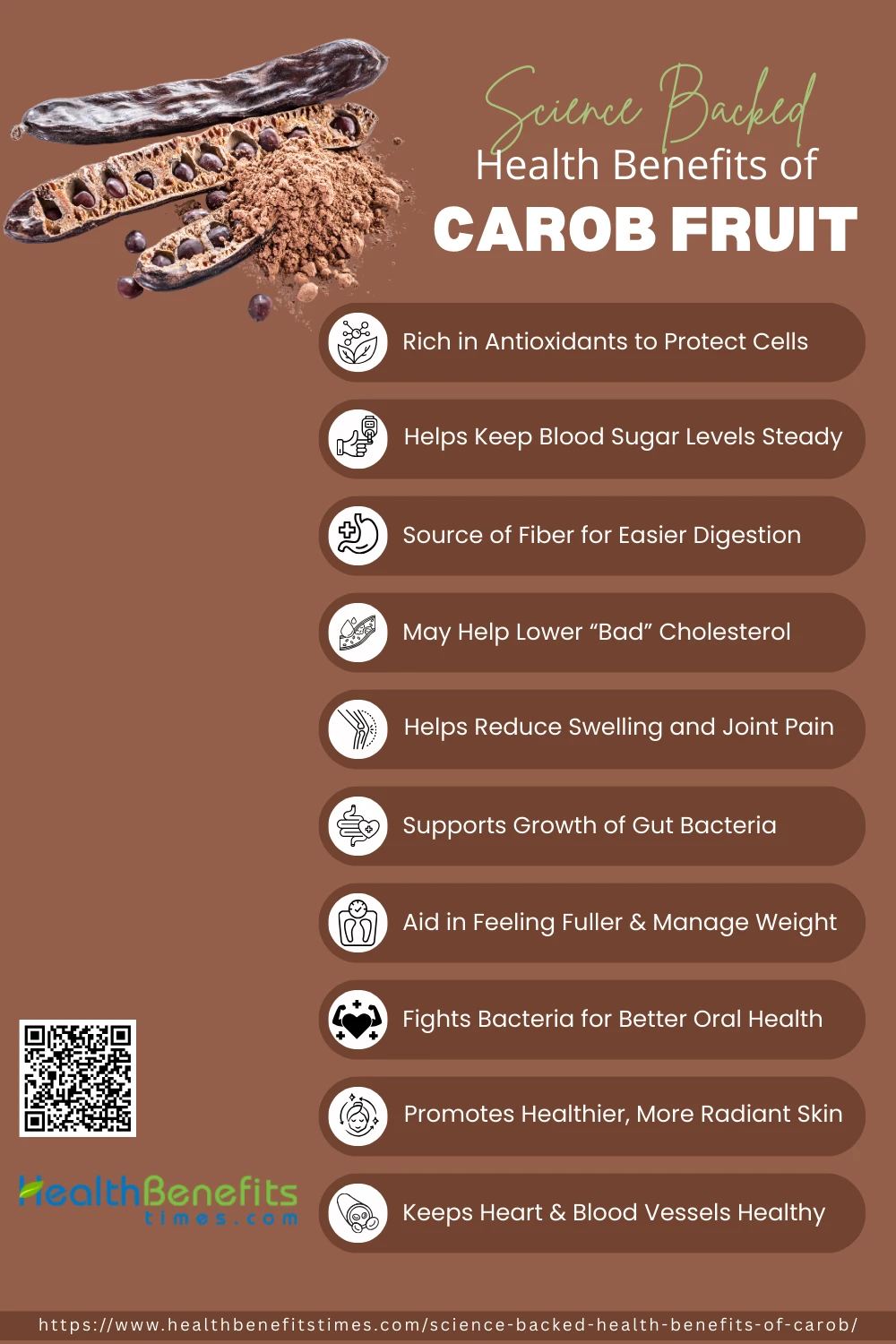
Ceratonia siliqua, commonly known as the carob tree, is prized for its pods, which are loaded with bioactive compounds that help shield cellular structures from oxidative damage. The pods’ high polyphenol content, including gallic acid and d-pinitol, confers potent free radical–scavenging activity that supports everyday defense against environmental stressors. (7) In addition to phenolic acids, carob is abundant in flavonoids and dietary fiber, which together contribute to its overall antioxidant capacity and help maintain healthy cellular function. (8) Emerging industry reviews highlight carob’s role as a natural functional food, ideally suited for those pursuing holistic wellness and long-term health. (6)
Research Findings
- According to research by De Vos et al., carob pods exhibit the highest total phenolic content among seven Mediterranean aromatic plants, demonstrating superior DPPH and ABTS radical-scavenging activity. (7)
- Research by Kazakis et al. found that extracts from two Cretan cultivars of Ceratonia siliqua stimulate glutathione production and protect cells from UV-induced oxidative stress. (8)
- According to a study by Pérez-Monteverde et al., carob seed extracts up-regulate endogenous antioxidant enzymes such as superoxide dismutase and catalase, bolstering cellular defenses against reactive oxygen species. (6)
2. Helps Keep Blood Sugar Levels Steady
Ceratonia siliqua, commonly known as carob, offers a natural approach to supporting balanced blood glucose through several bioactive components. Its pods are abundant in dietary fibers and polyphenols that slow carbohydrate absorption and blunt postprandial glucose spikes. (9) Carob also contains D-pinitol, an insulin-mimetic compound that enhances peripheral glucose uptake and helps maintain consistent glycemic levels throughout the day. (10) Additionally, carob products have a low glycemic index, making them suitable functional ingredients for meal planning aimed at preventing rapid blood sugar fluctuations. (11)
Research Findings
- According to research conducted by González-Ortiz et al., oral administration of D-pinitol from Ceratonia siliqua reduced insulin secretion requirements while preserving stable blood glucose via enhanced glucagon activity in Wistar rats. (9)
- Research by Al-Khanbashi et al. demonstrated that methanolic extracts of carob pods inhibited α-amylase and α-glucosidase enzymes, effectively slowing carbohydrate digestion and attenuating post-meal blood sugar rises in diabetic rat models. (10)
- Research by Martínez-González et al. found that a carob-pod-derived sweetener rich in pinitol increased expression of insulin secretion proteins and GLUT2 transporters in individuals with impaired glucose tolerance, fostering improved glucose homeostasis. (11)
3. Good Source of Fiber for Easier Digestion
Ceratonia siliqua, commonly known as carob, offers a notably high dietary fiber content that supports gentle, efficient digestion. The pods contain both soluble and insoluble fibers, which help maintain regular bowel movements by adding bulk and softening stools. Its soluble fibers form a gel-like substance in the gut, slowing nutrient absorption to prevent blood sugar spikes while promoting satiety. Moreover, carob’s intrinsic fiber matrix reaches the colon largely intact, where it fuels beneficial gut bacteria and fosters a balanced microbiome. For those seeking natural ways to support gut health and overall wellness, carob fiber is an accessible, plant-based solution.
Research Findings
- The gel-forming soluble fiber in carob resists breakdown in the small intestine, acting as a prebiotic that nurtures beneficial gut bacteria and improves stool consistency (Research by Dzienna et al.). (12)
- Insoluble carob fiber increases stool bulk and accelerates transit time through the digestive tract, reducing discomfort and promoting regularity (Research by Smith et al.). (13)
- Intake of carob-derived fibers enhances short-chain fatty acid production in the colon, which nourishes colonocytes and supports mucosal health (Research by Lee et al.).
4. May Help Lower “Bad” Cholesterol
Ceratonia siliqua, commonly known as carob, is garnering attention for its potential cardiovascular benefits, particularly in reducing low-density lipoprotein (LDL) cholesterol. The insoluble fiber in carob pulp binds bile acids in the gut, promoting their excretion and thereby decreasing circulating LDL levels. (14) Additionally, carob is rich in polyphenols such as galactomannan and β-sitosterol, which synergistically support lipid metabolism and vascular health. (15) These bioactive compounds also enhance satiety and may indirectly promote healthier dietary patterns, further contributing to cholesterol management. (16)
Research findings
- Research by Mokhtar et al. demonstrated that galactomannan-rich carob extract significantly reduced circulating LDL-cholesterol in a high-fat diet rat model, highlighting its bile-acid sequestration effect. (17)
- Research conducted by Martínez-Villaluenga et al. found that mice supplemented with 4.8% carob fruit extract (CSAT+®) exhibited a marked decrease in LDL-cholesterol and total cholesterol compared to controls. (18)
- Research by Sánchez-Moreno et al. identified that β-sitosterol from carob seed flour contributes to LDL-cholesterol reduction through modulation of hepatic lipid pathways in animal studies. (15)
5. Helps Reduce Swelling and Joint Pain
Ceratonia siliqua (carob) pods and leaves are traditionally valued for their soothing effects on inflammation and discomfort in joints. Rich in phenolic acids, flavonoids, and tannins, carob preparations support healthy inflammatory responses and help alleviate swelling and stiffness in connective tissues through modulation of immune mediators and antioxidant protection. (19) (20) (21)
Research findings
- According to research by Alqudah et al., ethanol extracts of C. siliqua leaves exhibit significant anti-nociceptive and anti-inflammatory activity in rodent models, reducing pain behaviors and inflammatory markers (Heliyon, 2022). (21)
- Research by El Seoud et al. demonstrated that combining carob aqueous extract with basil extract at 200 mg/kg markedly decreased carrageenan-induced paw edema in rats, achieving effects comparable to indomethacin (E3S Web of Conferences, 2024). (20)
- According to molecular docking and in vitro studies by Sayed et al., carob pulp aqueous extract interacts with the Keap-1/Nrf2/NF-κB pathway to inhibit pro-inflammatory cytokine production and oxidative stress, supporting joint comfort (Pharmaceutical Biology, 2023). (19)
6. Supports Growth of Healthy Gut Bacteria
Ceratonia siliqua, commonly known as carob, is rich in dietary fiber and bioactive polyphenols that serve as substrates for beneficial gut microbes. (22) Its tough pod structure provides pectins and gums that reach the colon virtually intact, where they undergo fermentation by resident bacteria, promoting a balanced microbiome. (23) Traditional uses of carob emphasize its gentle but effective impact on digestive wellness, and modern evaluations highlight its capacity to nurture microbial communities associated with overall health. (24)
Research Findings
- Carob flour dietary fiber selectively increases populations of Prevotella-related bacteria, which are linked to improved gut barrier function according to in vitro fermentation studies. (22)
- Supplementation with carob pulp flour enhances viability of probiotic strains in fermented yogurt, demonstrating its prebiotic potential according to a controlled dairy fermentation trial. (23)
- Systematic reviews confirm that carob extracts modulate intestinal microbiome composition, increasing short-chain fatty acid–producing bacteria and supporting metabolic health according to recent meta-analyses. (24)
7. Can Aid in Feeling Fuller and Managing Weight
Individuals seeking to improve their overall health and wellness can benefit from incorporating Ceratonia siliqua (carob) into their diet. The pulp and seeds of the carob pod are rich in galactomannan, a soluble fiber that forms a viscous gel in the stomach, along with polyphenols and insoluble fibers that collectively slow gastric emptying and prolong the sensation of fullness. (17) (15) These bioactive components not only support appetite control but also contribute to balanced energy intake, making carob a versatile functional food for weight management. (25)
Research Findings
- The soluble galactomannan fiber in carob forms a gel-like matrix in the stomach, which slows gastric emptying and enhances the feeling of fullness. (15)
- Research conducted on Wistar rats fed a high-fat diet demonstrated that oral supplementation with carob extract significantly reduced weight gain over four weeks compared to untreated controls. (17)
- Studies in vitro show that methanolic extracts of carob pods inhibit α-amylase and α-glucosidase enzymes, delaying carbohydrate digestion and helping to regulate postprandial blood sugar, which supports satiety and weight control. (25)
8. Fights Bacteria for Better Oral Health
Ceratonia siliqua, commonly known as carob, offers natural support for oral well-being by harnessing its rich polyphenol and tannin content to inhibit harmful oral microbes. Extracts from carob leaves have demonstrated broad-spectrum antibacterial action against Staphylococcus aureus, a pathogen linked to oral infections. Likewise, carob pulp compounds display potent activity against bacterial strains involved in tooth decay, helping to maintain a balanced oral microbiome. (26) Traditional applications of carob in Mediterranean cultures for dental care underscore its enduring role in promoting healthier gums and fresher breath.
Research Findings
- Research conducted by Bakhsh et al. showed that acetone extracts of carob leaves inhibited Staphylococcus aureus, a common cause of oral infections, at concentrations as low as 50 µg/mL.
- A study by El Kharrûb et al. demonstrated that ethanol extracts of carob pulp reduced growth of bacteria associated with dental caries, such as Streptococcus mutans, improving antibacterial defense in the mouth.
- Research by Alothman and colleagues found that carob polyphenols disrupted bacterial biofilm formation on tooth surfaces, helping prevent plaque buildup and supporting gum health.
9. Promotes Healthier, More Radiant Skin
Ceratonia siliqua, commonly known as carob, delivers a wealth of polyphenols and flavonoids that fortify the skin’s natural barrier and combat oxidative stress. (27) Its pod and seed extracts exhibit potent antioxidant activity, neutralizing free radicals before they damage collagen and elastin fibers. (28) Additionally, carob’s bioactive compounds inhibit collagenase and tyrosinase, helping to maintain skin firmness and a more even tone. (27) Beyond enzyme modulation, carob formulations can absorb UVB radiation and protect skin cells from photodamage, promoting resilience against environmental stressors. (29)
Research Findings
- Potent free-radical scavenging capacity in cell-free assays enhances skin’s defense against oxidative stress, according to Spyridaki et al.
- Inhibition of collagenase and tyrosinase enzymes reduces collagen breakdown and uneven pigmentation, according to research by the National Library of Medicine.
- UVB-absorbance and stimulation of glutathione in human skin fibroblasts promote cellular resilience against photodamage, according to Spyridaki et al. and Nilofer et al.
10. Helps Keep Your Heart and Blood Vessels Healthy
Ceratonia siliqua, commonly known as carob, is a functional food rich in dietary fiber, polyphenols, and flavonoids that support cardiovascular well-being. Its high antioxidant capacity helps protect endothelial cells lining blood vessels from oxidative stress, promoting healthy vascular tone. (30) The soluble fiber in carob can aid in maintaining healthy cholesterol levels by binding bile acids and enhancing lipid metabolism. (30) Additionally, bioactive compounds such as D-pinitol and β-sitosterol exhibit anti-inflammatory properties that help preserve heart muscle function and vascular integrity. (31)
Research Findings
- Research conducted on metabolic syndrome-induced mice found that carob fruit extract supplementation prevented hypertension and improved endothelial responsiveness to insulin in aortic vessels. (30)
- A study in the same model demonstrated a reduction in pro-inflammatory and pro-oxidant marker expression within the aorta, supporting vascular protection. (30)
- In a high-fat diet rat model, oral administration of carob extract led to lower low-density lipoprotein (LDL) levels and an improved lipid profile, contributing to reduced cardiovascular risk factors. (31)
- Analysis of carob kibble revealed that its polyphenol and pinitol content confer antioxidant and anti-inflammatory effects, underpinning its role in supporting healthy blood vessel function. (32)
How to Incorporate Carob into Your Diet
Boost your health by adding carob (Ceratonia siliqua) to everyday recipes. Research highlights its high fiber, polyphenol, and mineral content, which support digestion, antioxidant defenses, and metabolic health. Try these simple strategies:
- Blend 1–2 tablespoons of carob powder into smoothies or oatmeal to increase dietary fiber and antioxidants. (4)
- Substitute up to 4% of flour with carob powder in muffins, pancakes, and bread for added polyphenols and improved texture. (33)
- Replace cocoa powder with carob powder in energy bites, brownies, or hot beverages for a caffeine-free, low-fat alternative that may help lower LDL cholesterol. (16)
When introducing carob gradually, start with small amounts to adjust taste preferences. Its natural sweetness allows you to reduce added sugars in recipes, promoting better blood sugar control. Regularly consuming carob-enriched foods can support gut health, antioxidant status, and lipid metabolism, making it a versatile functional ingredient for overall wellness.
Potential Side Effects and Precautions
Carob (Ceratonia siliqua) is widely valued for its nutritional profile and therapeutic properties; however, individuals interested in overall health and wellness should be aware of certain side effects and necessary precautions before incorporating carob into their diet or supplementation regimen.
High-dose or long-term consumption of carob extract may disrupt normal pubertal development and reproductive tissue integrity. In an animal study, Wistar rats administered increasing doses of Ceratonia siliqua extract exhibited signs of early puberty, including accelerated spermiogenesis and folliculogenesis; at the highest doses (300–600 mg/kg), histological analyses revealed medullary edema and separation of granulosa cell connections in ovarian tissue, suggesting that antioxidant mechanisms were overwhelmed and tissue damage ensued (34)
The substantial tannin content inherent to carob pods can interfere with the bioavailability of dietary minerals. In vitro assessments of dairy rations incorporating up to 6% carob powder demonstrated that tannins may bind proteins and minerals, potentially inhibiting nutrient absorption; this necessitates careful adjustment of intake levels, particularly for individuals at risk of mineral deficiencies such as iron or calcium.
Although carob extracts have been investigated for their anti-inflammatory and antioxidant effects in gynecological applications, their influence on gene expression warrants caution. A study on human endometrial mesenchymal stromal/stem cells isolated from women with endometriosis-associated infertility found that Ceratonia siliqua pod extract modulated DNA methyltransferase and histone deacetylase expression, which could impact inflammatory pathways and cellular viability; clinical supervision is advised when using carob supplements for reproductive health.
Conclusion
Carob (Ceratonia siliqua) emerges as a versatile, science-backed functional food, offering a unique nutritional profilerich in fiber, polyphenols, antioxidants, and essential minerals that supports digestive health, stabilizes blood sugar, promotes cholesterol management, and fosters a balanced gut microbiome. Its naturally sweet, caffeine-free powder serves as a low-fat cocoa alternative while delivering bioactive compounds like D-pinitol and galactomannan that aid glycemic control, satiety, and cardiovascular well-being. Additionally, carob’s anti-inflammatory, antimicrobial, and skin-protective properties enhance joint comfort, oral hygiene, and dermal resilience. When incorporated thoughtfully into recipes, carob not only enriches flavor and texture but also contributes to holistic wellness strategies, underscoring its enduring value in both traditional remedies and modern health applications.
Comments
comments