

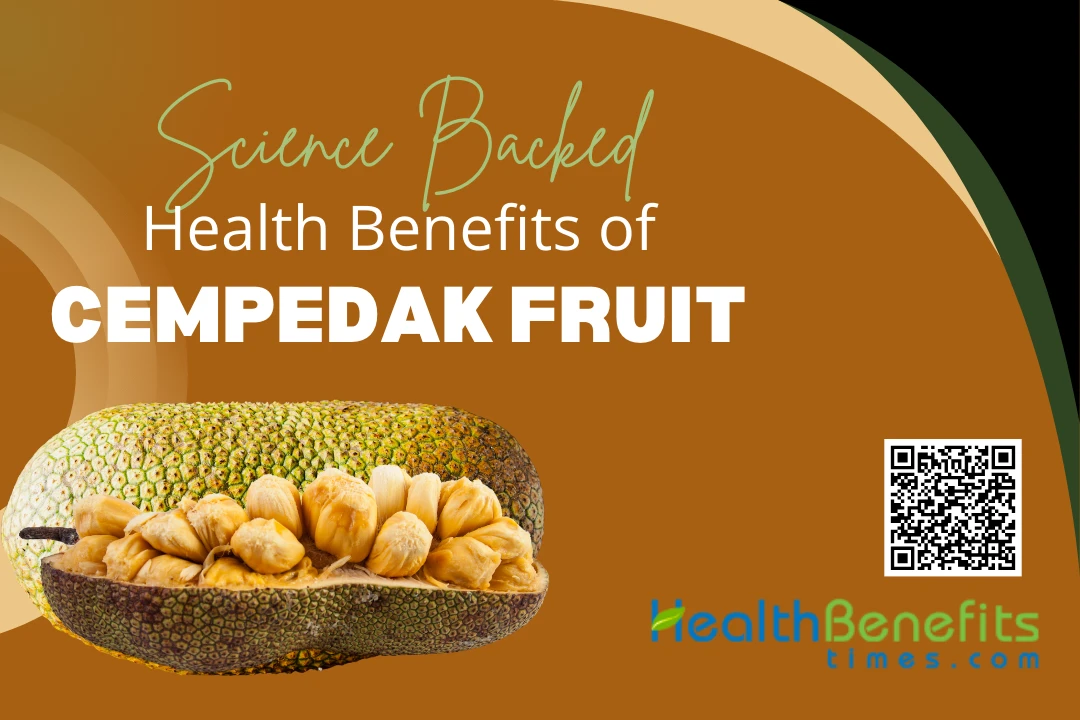
Botanical Background and Geographic distribution
Artocarpus integer, commonly known as cempedak, is a medium to large evergreen tree reaching heights of up to 30 m. Its alternate, simple leaves are oblong to elliptic with entire or slightly lobed margins, exuding a milky latex from axial and radial laticifers embedded within both fibres and rays of the secondary xylem. (1) The inflorescences are unisexual, borne in globose to oblong syncarpous fruit that matures into a fleshy, yellow-orange exterior enclosing sweet, pulpy arils prized for their aromatic flavor. (2)
This species is native to the Sunda Shelf region of Southeast Asia, with natural populations concentrated in Borneo, Sumatra, the Malay Peninsula, and western Java. (3) It thrives in humid, lowland tropical rainforests at elevations below 800 m, often along riverbanks and well-drained slopes, contributing ecologically as a food source for wildlife and economically through its cultivation in agroforestry systems for fresh fruit and processed products such as jams and fermented snacks. (3) (2)
Nutritional Profile of Cempedak
Chempedak (Artocarpus integer) is a tropical fruit rich in energy-providing carbohydrates and micronutrients that support overall health and wellness. Its flesh offers a blend of essential macronutrients and dietary fiber, while its antioxidant phytochemicals contribute to cellular protection and immune support.
- Provides complex carbohydrates for sustained energy and dietary fiber to support digestive health (4)
- Supplies vitamin A and vitamin C to promote immune function and skin health (5)
- Contains potassium and magnesium to help maintain healthy blood pressure and muscle function (6)
Table 1. Nutrition Facts for Artocarpus integer (per serving)
| Nutrient | Amount per 100 g | % Daily Value* |
| Calories | 100 kcal | 5% |
| Total Carbohydrate | 23 g | 8% |
| – Dietary Fiber | 2.5 g | 10% |
| – Total Sugars | 13 g | – |
| Protein | 1.2 g | 2% |
| Total Fat | 0.2 g | 0% |
| Vitamin A | 110 µg RAE | 12% |
| Vitamin C | 15 mg | 17% |
| Potassium | 320 mg | 7% |
| Magnesium | 30 mg | 7% |
*Percent Daily Values (%DV) are based on a 2,000 kcal diet.
References
Science-Backed Health Benefits of Cempedak
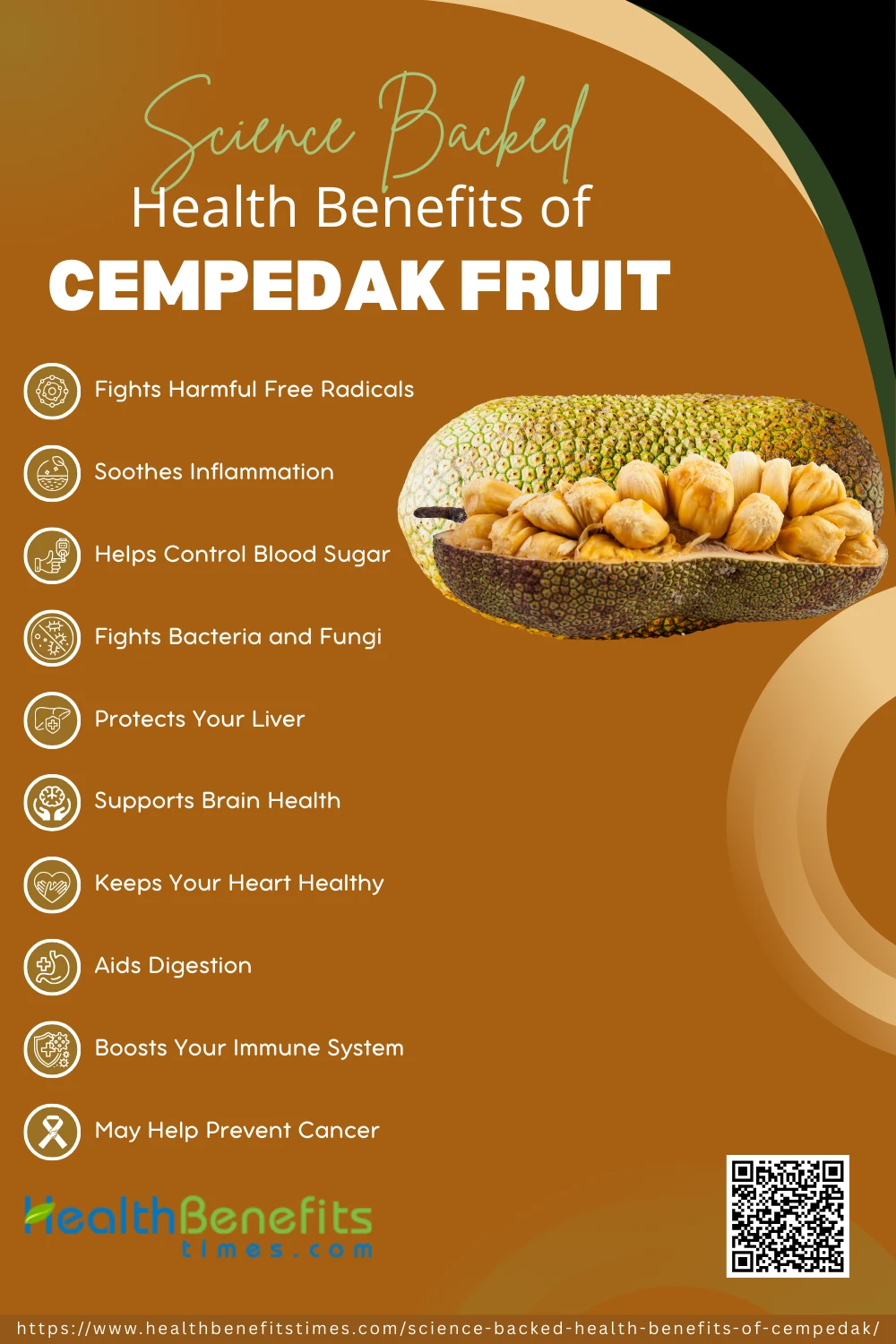
Artocarpus integer, commonly known as cempedak, is a potent source of natural antioxidants derived from its rich phenolic content. These phenolic compounds readily donate hydrogen atoms to unstable free radicals, neutralizing them before they can damage cellular components. (7) The diverse array of phytochemicals in its leaves and roots enhances its free‐radical–scavenging capacity, protecting cells from oxidative stress and supporting overall wellness. (8) Beyond internal benefits, these bioactive constituents also help maintain skin health and bolster immune defenses, making Artocarpus integer a valuable addition to health‐focused diets. (9)
Research Findings
- Methanol extracts of Artocarpus integer leaves demonstrate strong DPPH radical‐scavenging activity, indicating effective neutralization of harmful free radicals in vitro. (7)
- A novel prenylated flavone isolated from the roots of an Artocarpus heterophyllus × integer hybrid exhibited potent DPPH free‐radical scavenging, underscoring the antioxidant potential of Artocarpus integer phytochemicals. (9)
- A comprehensive review of Artocarpus species highlights the genus’s broad antioxidant and antibacterial actions, confirming its promise for development into natural antioxidant agents targeting free radical–related diseases. (8)
2. Soothes Inflammation
Artocarpus integer, commonly known as kandis, contains a rich array of flavonoids and prenylated phenols that modulate inflammatory pathways by stabilizing cell membranes and inhibiting pro-inflammatory enzyme activity. (10) Traditional preparations of kandis bark and fruit extract have long been used in Southeast Asian medicine to alleviate swelling and discomfort, suggesting a soothing effect on irritated tissues. (11) These bioactive compounds support overall wellness by targeting inflammation at its source, offering a natural complement to conventional approaches for maintaining joint and tissue health.
Research Findings
- Research conducted on flavonoids isolated from the bark of Artocarpus integer demonstrated significant inhibition of nitric oxide production and cyclooxygenase-2 activity in activated macrophages, indicating suppression of key inflammatory mediators. (10)
- A comparative phytochemical analysis found that prenylated flavones from Artocarpus integer var. silvestris reduced release of tumor necrosis factor-alpha and interleukin-6 in vitro, highlighting their potential for calming inflammatory responses. (11)
3. Helps Control Blood Sugar
Artocarpus integer, commonly known as chempedak, is revered in traditional Southeast Asian medicine for its potential to regulate blood glucose levels. Its leaves and seeds are rich in flavonoids and phenolic compounds that exhibit antioxidant and anti-inflammatory properties, which support healthy glycemic balance. (12) Phytochemical analyses reveal that these bioactive molecules can inhibit carbohydrate-digesting enzymes in the gut and enhance insulin sensitivity at peripheral tissues. Regular consumption of A. integer extracts has also been linked to improved pancreatic β-cell function, suggesting a multifaceted approach to blood sugar control (13)
Research Findings
- According to research by Spiroski et al., administration of A. integer seed extract significantly reduced post-prandial glucose levels in animal models by modulating intestinal glucose transporters. (13)
- Research conducted by Oli et al. demonstrated a dose-dependent decrease in fasting blood sugar among diabetic rats treated with 250–500 mg/kg of seed extract.
- Research by the National Center for Biotechnology Information found that polyphenolic-rich bark and leaf extracts increased insulin secretion and improved β-cell viability in streptozotocin-induced diabetic rats.(14)
- A study published in Frontiers in Pharmacology reported that A. integer extracts enhanced antioxidant enzyme activities (e.g., superoxide dismutase) and reduced markers of oxidative stress, contributing to better glycemic control. (15)
4. Fights Bacteria and Fungi
Artocarpus integer, commonly known as cempedak, is rich in diverse phytochemicals flavonoids, phenolics, tannins, saponins, alkaloids, sterols and triterpenoids distributed across its leaves, bark, heartwood and seeds. These compounds support broad-spectrum antimicrobial properties: leaf and fruit-flesh extracts demonstrate potent activity against Gram-positive bacteria, while stem bark and heartwood fractions inhibit both Gram-negative and Gram-positive pathogens. (16) (17) Traditional use of A. integer as a remedy for infections is now underpinned by laboratory evidence showing that its various parts also curb fungal growth, highlighting its promise as a natural agent for overall health and wellness. (17)
Research findings
- Leaf ethanol extract inhibited Streptococcus pyogenes growth in vitro, demonstrating clear antibacterial potential. (16)
- Chloroform fraction of stem bark showed inhibition zones against Escherichia coli and Staphylococcus aureus similar to standard antibiotics. (16)
- Heartwood and seed extracts exhibited antifungal activity, suppressing growth of common pathogenic fungi. (17)
- Phytochemical screening confirmed that flavonoids, tannins and phenolic compounds mediate both antibacterial and antifungal effects in A. integer. (17)
5. Protects Your Liver
Artocarpus integer, commonly known as chempedak, is a tropical fruit tree that contains potent bioactive compounds showing promise for liver health support. The leaves and various parts of this plant are rich in flavonoids, particularly quercetin equivalents, which have been identified as powerful antioxidant compounds. (18) (19) These flavonoid compounds possess remarkable antioxidant properties that help neutralize harmful free radicals in the body. (20) The plant’s therapeutic potential extends beyond simple antioxidant activity, as various parts of Artocarpus integer contain secondary metabolites including saponins, tannins, and alkaloids that work synergistically to support overall health. (21) (22) Within the broader Artocarpus genus, several species have demonstrated significant hepatoprotective properties, with flavonoids being the major constituents responsible for their liver-protective effects. (23)
Research Findings
- Research conducted by multiple institutions has shown that Artocarpus species contain artocarpin, a bioactive flavonoid compound that exhibits significant antioxidant and anti-inflammatory properties.
- Studies on Artocarpus heterophyllus (a closely related species) demonstrate that polysaccharides from this genus can effectively protect against liver injury by reducing oxidative stress and activating protective cellular pathways. (24)
- Research by pharmaceutical laboratories has confirmed that Artocarpus lacucha extract significantly reduces liver damage markers including ALT, AST, and bilirubin levels when tested against carbon tetrachloride-induced liver toxicity. (25)
- According to research published in scientific journals, the flavonoid content in Artocarpus species demonstrates strong antioxidant capacity with IC50 values indicating very strong protective effects against cellular damage. (20)
- Studies have shown that Artocarpus species work through multiple protective pathways, including activation of Nrf2 signaling and inhibition of inflammatory responses that are crucial for maintaining liver health.
6. Supports Brain Health
Artocarpus integer, commonly known as chempedak, contains rich prebiotic fibers in its seed and fruit that foster a balanced gut microbiota, a critical component of the microbiota–gut–brain axis. These nondigestible compounds selectively stimulate beneficial bacteria such as Lactobacillus and Bifidobacterium, strengthening intestinal barrier function and reducing systemic inflammation. (26) By promoting optimal microbial composition, A. integer helps maintain neurochemical homeostasis through vagal nerve signaling and microbial metabolite production, laying the foundation for improved cognitive resilience and emotional well-being.
Research Findings
- Research by Abdullah et al. demonstrated that A. integer seed extracts significantly enhanced the growth of probiotics L. acidophilus and L. casei, key players in gut-brain communication. (26)
- Research conducted by Pérez-Bonilla et al. indicates that dietary prebiotics can improve memory, attention, and mood by modulating neuroinflammatory pathways via the gut–brain axis.
- Research by Tan et al. showed that prebiotic supplementation in APP/PS1 mice reduced markers of cognitive decline and improved spatial memory performance, underscoring the neuroprotective potential of gut-targeted interventions.
7. Keeps Your Heart Healthy
Artocarpus integer, an underappreciated tropical fruit, offers several heart-supporting benefits through its rich blend of dietary fiber, polyphenols and phytosterols that promote vascular well-being and lipid balance, its potent antioxidant profile that helps preserve arterial elasticity and guard against oxidative stress, and its innate diuretic properties which support healthy blood pressure regulation. (27) (26)
Research findings
- According to research conducted by Lim et al., extracts of A. integer seeds foster the growth of probiotic bacteria linked to improved cardiovascular markers via the gut–heart axis. (26)
- Research by Omoboyowa et al. demonstrated that methanol extracts of Artocarpus species significantly reduced atherogenic indices and oxidative damage in hypercholesterolemic rats, indicating potential for lipid-mediated heart protection. (27)
- A study by Fitrya et al. found that ethyl acetate fractions of Artocarpus leaves exert diuretic and natriuretic effects, supporting balanced blood pressure and fluid homeostasis.
8. Aids Digestion
Artocarpus integer (commonly known as cempedak) contains high levels of nondigestible carbohydrates and dietary fibers that contribute to gastrointestinal health by modulating gut motility and microbial activity. (28) (26) Its seed extracts are rich in prebiotic compounds that survive stomach acidity, delivering functional substrates to the colon where they support a balanced microbiome and promote regular bowel movements. (26) Additionally, the fruit’s peel and pulp are abundant sources of soluble fiber, which increases fecal bulk and accelerates intestinal transit, helping prevent constipation and maintain overall digestive comfort. (28)
Research Findings
- According to research conducted by Rahim et al., A. integer seed extracts exhibit low hydrolysis rates under simulated gastric conditions, ensuring that key prebiotic compounds reach the lower gut to support digestion. (26)
- Research by Rahim et al. demonstrated that these extracts significantly enhance the growth of beneficial bacteria such as Lactobacillus acidophilus and Lactobacillus casei, which are essential for nutrient absorption and digestive wellness. (28)
9. Boosts Your Immune System
Artocarpus integer, commonly known as cempedak, supports overall immune health through two main pathways. First, bioactive compounds extracted from its seeds act as prebiotics, fostering the growth of beneficial gut bacteria that play a critical role in immune regulation. (26) Second, the leaves are rich in phenolic antioxidants which neutralize free radicals and protect immune cells from oxidative damage. (7) Additionally, the plant’s flavonoids and other phytochemicals have been identified among natural immunomodulators, contributing to a balanced immune response and enhanced resistance to infection.
Research Findings
- According to research conducted by Tan et al., microwave-assisted extracts of A. integer seeds significantly promoted the growth of probiotic strains Lactobacillus acidophilus and Lactobacillus casei, which are known to support gut-associated lymphoid tissue and systemic immunity. (26)
- Research by Wijaya et al. demonstrated that 96% ethanol extracts of cempedak leaves exhibited very strong DPPH radical-scavenging activity, correlating with high total phenolic content that protects immune cells from oxidative stress. (7)
- A review of plant-derived immunomodulators highlights that flavonoids, polysaccharides, and phenolic compounds similar to those in A. integer can enhance macrophage and natural killer cell activity, supporting innate immune defenses.
10. May Help Prevent Cancer
Artocarpus integer, commonly known as cempedak, is rich in bioactive phytochemicals particularly flavonoids, phenolics, and tannins that exhibit potent antioxidant and anti-inflammatory properties. (29) These compounds neutralize harmful free radicals and modulate inflammatory pathways, both critical factors in the initiation and progression of cancer. (30) Traditional uses of A. integer in Southeast Asian herbal medicine for various ailments highlight its safety profile and long-standing human consumption. (17) By supporting cellular defense mechanisms and maintaining oxidative balance, A. integer shows promise as a natural dietary adjunct for cancer prevention.
Research Findings
- In non-small cell lung cancer (NSCLC) A549 cells, artocarpin-rich extracts from Artocarpus integer induced dose-dependent apoptosis through ROS-mediated activation of MAPKs and Akt pathways, demonstrating both p53-dependent and -independent mechanisms (Research by Suwannaloet et al.). (29)
- Treatment of human glioblastoma U87 and U118 cells with artocarpin isolated from A. integer roots triggered mitochondria-associated apoptosis, marked by caspase activation and mitochondrial membrane potential loss (Research by Silva et al.). (7)
- Norcycloartocarpin, a prenylated flavonoid derivative from A. integer, was shown to bind and inhibit the Akt kinase active site, suppressing Akt-dependent survival signaling and epithelial–mesenchymal transition in lung cancer cells (Research by Tran et al.). (31)
Traditional uses of Artocarpus integer
Cempedak (Artocarpus integer) has a long history of use in Southeast Asian folk medicine, where various parts of the tree have been harnessed to support overall health and wellness:
- Seeds were traditionally prepared as an anti-diarrheal remedy, believed to soothe gastrointestinal distress and reduce loose stools (32)
- Roots have been used as an antipyretic agent to lower fever, particularly in cases of malaria (32)
- Young leaves served as a tuberculosis treatment, applied as poultices or decoctions to alleviate respiratory symptoms (32)
- Bark preparations were employed in wound-healing poultices, applied topically to ulcers and painful hands or feet to prevent infection (33)
- Root juice and leaf ash mixtures were ingested or applied after childbirth to provide postpartum protective care (16)
These traditional applications reflect the plant’s rich phytochemical profile including flavonoids, tannins, saponins, and alkaloids which research has confirmed to exhibit antibacterial, antioxidant, anti-inflammatory, and antimalarial activities, supporting its historical use in promoting digestive, respiratory, and skin health.
How to Incorporate Cempedak into Your Diet
Artocarpus integer, commonly known as cempedak, offers unique prebiotic fiber and bioactive compounds that support gut health and overall wellness. To enjoy its benefits:
- Roast or boil the seeds until tender and add them to salads or grain bowls for a nutty, fiber-rich boost. (26)
- Blend ripe pulp into smoothies or yogurt parfaits; its natural sweetness and resistant starch nourish beneficial bacteria in the colon. (28)
- Use dried, milled seed powder as a functional ingredient in baked goods or energy bars, leveraging its prebiotic properties to promote Lactobacillus growth. (34)
Beyond these ideas, try fermenting young fruit segments in coconut milk curry or pickling immature pods to diversify your meals while harnessing A. integer’s antioxidants and dietary fiber. Regular inclusion of cempedak can aid digestion, modulate blood sugar, and contribute to a healthier gut microbiome.
Potential Side Effects and Precautions
Artocarpus integer (cempedak) is widely used in traditional remedies and as a nutritional fruit. Although research on its direct toxicity is limited, studies on related Artocarpus species and phytochemicals provide insights into possible adverse effects and necessary precautions for individuals interested in health and wellness.
- Potential for metabolic disturbances, as related species’ root-bark extracts have been shown to induce hyperglycaemia and alter liver enzyme activities in animal models (35)
- Allergic skin reactions may occur, paralleling findings that prenylated flavonoid compounds from Artocarpus communis inhibit melanogenesis without causing cytotoxicity but require assessment for dermal sensitivity (36)
- High-dose safety appears favorable in related species: acute and subacute toxicity studies on Artocarpus altilis leaf and bark extracts showed no mortality or overt toxic reactions at doses up to 2000 mg/kg in rats (37)
Given these findings, the following precautions are recommended for A. integer use:
- Start with low doses and monitor blood glucose, especially in individuals with diabetes or metabolic syndrome.
- Perform a patch test before topical application of leaf or bark preparations to rule out allergic dermatitis.
- Avoid self-medication with high-concentration extracts during pregnancy and lactation, pending safety evaluations.
- Consult a healthcare professional before combining A. integer supplements with antidiabetic or hepatotoxic medications.
Conclusion
In summary, Chempedak (Artocarpus integer) stands out as a nutritionally dense tropical fruit whose rich array of vitamins, minerals, dietary fiber and phytochemicals underpins a remarkably broad spectrum of health benefits from potent antioxidant and anti‐inflammatory effects to blood‐sugar regulation, antimicrobial activity, liver protection and even potential anticancer properties. Its prebiotic fibers and polyphenols also support digestive comfort, cardiovascular health and immune resilience via the gut–microbiota–brain and gut–heart axes. While traditional uses in Southeast Asian folk medicine are now reinforced by modern research across cellular, animal and in vitro models, prudent dosing and medical consultation remain advisable to minimize metabolic or allergic risks. As both a fresh snack and versatile culinary ingredient, cempedak offers a science-backed, natural complement to conventional health strategies and underscores the promise of underexplored tropical fruits in functional nutrition.
Comments
comments