

Botanical Profile of Dill Seeds
Anethum graveolens L., commonly known as dill, belongs to the Apiaceae (Umbelliferae) family and represents the sole species within the genus Anethum. (5) (6) This aromatic annual herb, native to the Mediterranean region and Southwest Asia, produces distinctive fruits commonly referred to as “dill seeds,” which are technically schizocarps—specialized dry fruits that split into two one-seeded segments (mericarps) upon maturity. (7) (5)
The botanical structure of dill seeds exhibits remarkable complexity. Each schizocarpic fruit measures 2.5-6 mm in length and 2-4 mm in width, displaying a characteristic lens-shaped, compressed morphology with distinctive longitudinal ridges. (7) (8) The seeds possess a light to dark brown coloration with whitish to pale brown margins, and feature three prominent dorsal ridges and two flat, wing-like commissural ridges. (9) (8) Anatomically, each mericarp contains four vittae (oil-secreting channels) on the dorsal surface and two on the commissural surface, which house the plant’s essential aromatic compounds. (9)
From a phytochemical perspective, dill seeds demonstrate exceptional bioactive diversity. Gas chromatography-mass spectrometry analyses reveal over 21-45 distinct compounds, with carvone (41.1-49.8%) and limonene (26.3-43.8%) serving as primary constituents. (10) (11) (12) The essential oil content ranges from 3.23-4.81%, containing significant concentrations of dillapiole (37.86%), trans-isolimonene (10.01%), and α-phellandrene (2.77%). (11) (12) The seeds also contain considerable phenolic compounds (98.52-173.49 µg GAE/mg extract) and flavonoids (27.69-72.81 µg QE/mg extract), contributing to their potent antioxidant properties with IC50 values ranging from 26.04-54.23 mg/mL. (12) (11)
Nutritional Composition of Dill Seeds
Dill seeds (Anethum graveolens) are nutrient-dense powerhouses that offer remarkable health benefits through their exceptional mineral and vitamin profile. (13) (14) (15) Research demonstrates that these small seeds contain significantly high levels of calcium (1516mg per 100g), providing more than 150% of the daily value, along with substantial amounts of iron (16.3mg), magnesium (256mg), and dietary fiber (21.1g). (15) (13) Studies have shown that dill seeds are particularly rich in essential oils containing carvone (42-49%) and limonene (37-50%), compounds with potent antioxidant and antimicrobial properties. (16) (17) The seeds also provide excellent protein content (16g per 100g) with a complete amino acid profile, making them valuable for overall nutritional support. (13) Additionally, dill seeds contain high levels of vitamin C (85mg per 100g) and various B-vitamins, contributing to immune system function and cellular metabolism. (18) (14)
| Nutrient | Per 100g | Per 1 Tbsp (7g) | % Daily Value* |
| Calories | 305 | 21 | 1% |
| Total Fat | 14.5g | 1.0g | 2% |
| Saturated Fat | 0.9g | 0.1g | 1% |
| Monounsaturated Fat | 12.6g | 0.9g | * |
| Polyunsaturated Fat | 0.9g | 0.1g | * |
| Total Carbohydrate | 55.2g | 3.9g | 1% |
| Dietary Fiber | 21.1g | 1.5g | 5% |
| Total Sugars | 2.5g | 0.2g | * |
| Protein | 16.0g | 1.1g | 2% |
| Sodium | 20mg | 1mg | <1% |
| Potassium | 1186mg | 83mg | 2% |
| Calcium | 1516mg | 106mg | 8% |
| Iron | 16.3mg | 1.1mg | 6% |
| Magnesium | 256mg | 18mg | 4% |
| Phosphorus | 277mg | 19mg | 2% |
| Zinc | 5.2mg | 0.4mg | 3% |
| Copper | 1.4mg | 0.1mg | 11% |
| Manganese | 1.8mg | 0.1mg | 8% |
| Vitamin C | 85mg | 6mg | 7% |
| Thiamin (B1) | 0.42mg | 0.03mg | 2% |
| Riboflavin (B2) | 0.28mg | 0.02mg | 2% |
| Niacin (B3) | 2.81mg | 0.20mg | 1% |
| Vitamin B6 | 0.25mg | 0.02mg | 1% |
| Folate | 10μg | 1μg | <1% |
| Vitamin A | 53 IU | 4 IU | <1% |
| Vitamin E | 1.7mg | 0.1mg | 1% |
*Percent Daily Values are based on a 2,000 calorie diet. Your daily values may be higher or lower depending on your calorie needs.
Source Links:
- Comparison of Nutritional Compositions and Essential Oil Profiles of Different Parts of a Dill and Two Fennel Cultivars
- Comparison of Nutritional Compositions and Essential Oil Profiles of Different Parts of a Dill and Two Fennel Cultivars
- Nutritional Value of Apiaceae Seeds as Affected by 11 Species and 43 Cultivars
- Chemical Composition and Bioactivity of Dill Seed (Anethum graveolens L.) Essential Oil from Plants Grown under Shading
- Chemical Composition and Bioactivity of Dill Seed (Anethum graveolens L.) Essential Oil from Plants Grown under Shading
- Seeds as Potential Sources of Phenolic Compounds and Minerals for the Indian Population
- Nutritive and Phytochemical Composition of Aromatic Microgreen Herbs and Spices Belonging to the Apiaceae Family
- Anethum graveolens: An Indian traditional medicinal herb and spice
Science-Backed Health Benefits of Dill Seeds
1. Improves Digestion and Reduces Stomach Problems
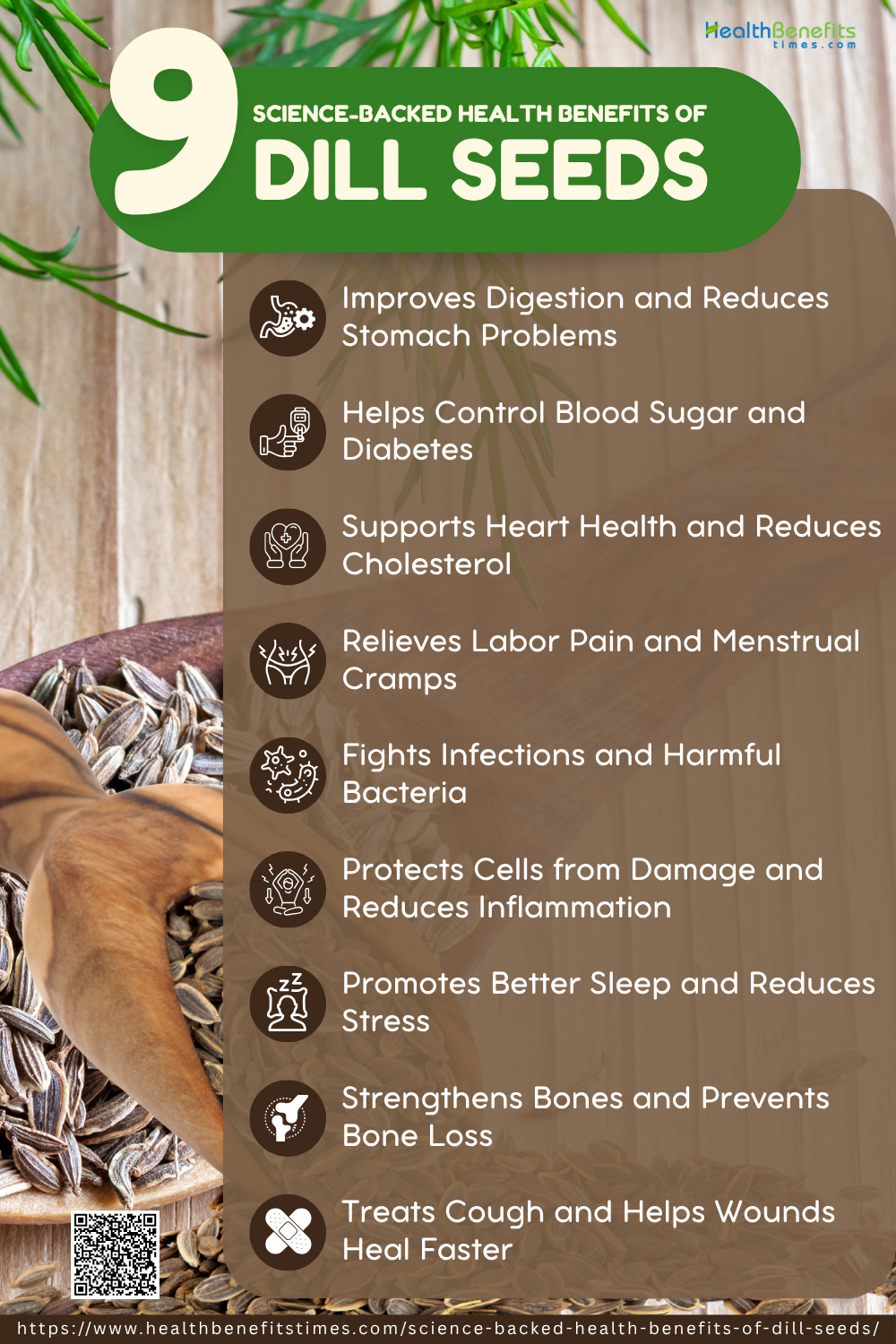
Dill seeds possess remarkable digestive properties that have been validated through traditional use and modern scientific research. These small aromatic seeds contain powerful bioactive compounds including carvone, dillapiole, and various essential oils that work synergistically to enhance digestive function. The seeds demonstrate significant carminative properties, helping to expel gas from the digestive tract and reduce bloating. (6) Their antispasmodic effects specifically target the smooth muscles of the gastrointestinal tract, providing relief from stomach cramps and digestive discomfort. (19) Clinical studies have shown that dill supplementation effectively controls gastrointestinal symptoms in patients with metabolic conditions. (20) The seeds also exhibit potent antisecretory and mucosal protective effects, with laboratory studies demonstrating significant reduction in gastric lesions induced by both acid and ethanol. (19) Furthermore, dill seeds stimulate beneficial gut microbiota and enhance digestive enzyme activity, contributing to improved overall digestive efficiency. (21) (22) These natural compounds make dill seeds a valuable therapeutic option for individuals seeking relief from common stomach problems and improved digestive wellness.
Research Findings
- Laboratory studies demonstrate gastroprotective benefits: Research conducted by scientists using mouse models showed that both water and alcohol extracts of dill seeds significantly decreased stomach lesions caused by harmful substances, with effectiveness doses as low as 0.12 g/kg for acid-induced damage. (19)
- Clinical trials confirm digestive symptom improvement: According to research involving patients with type 2 diabetes, dill powder supplementation effectively controlled gastrointestinal symptoms over a 12-week period compared to control groups. (20)
- Studies show anti-inflammatory effects on digestive tissues: Research by investigators using rat models found that dill seed extracts reduced inflammatory proteins and improved tissue healing in animals with reflux-related esophageal damage. (23) (24)
- Animal research reveals enhanced digestive enzyme activity: According to research conducted on fish, dietary dill supplementation significantly increased digestive enzyme activities including amylase and other important enzymes that break down food. (21)
- Research demonstrates antispasmodic properties: Studies by scientists using isolated intestinal tissue showed that dill extracts effectively relaxed intestinal contractions and reduced muscle spasms, with measurable effects on smooth muscle activity.
- Clinical studies confirm metabolic benefits for digestion: Research by medical investigators involving 24 patients with metabolic syndrome showed that 12 weeks of dill extract treatment improved various digestive-related metabolic markers compared to placebo groups. (25)
2. Helps Control Blood Sugar and Diabetes
Dill seeds have emerged as a promising natural remedy for managing blood sugar levels and supporting diabetes treatment. The spice contains powerful bioactive compounds including flavonoids, phenolic acids, and essential oils that work through multiple mechanisms to regulate glucose metabolism. Studies reveal that dill supplementation can improve insulin sensitivity, enhance glucose uptake by cells, and protect against diabetic complications through its strong antioxidant and anti-inflammatory properties. (26) (20) Research has also demonstrated that dill extracts can inhibit key enzymes involved in carbohydrate digestion, reduce the formation of harmful advanced glycation end products (AGEs), and normalize lipid profiles in diabetic individuals. (27) (28) (29)
Research Findings
Research findings support dill seeds’ therapeutic potential in diabetes management through several key mechanisms:
- Clinical studies conducted by researchers at Ahvaz Jundishapur University of Medical Sciences found that 8 weeks of dill powder supplementation (3g daily) significantly reduced insulin levels and insulin resistance (HOMA-IR) in type 2 diabetic patients, while improving cholesterol profiles and antioxidant status. (20)
- Laboratory research by Hamadan University scientists demonstrated that aqueous dill extract significantly lowered blood glucose levels by 66% in diabetic rats after 2 months of treatment, while also reducing harmful AGE formation that contributes to diabetic complications. (29)
- Enzyme inhibition studies show that dill extracts exhibit anti-diabetic activity through inhibition of α-amylase enzymes (IC50: 164.2 μg/mL), which helps control post-meal blood sugar spikes by slowing carbohydrate digestion. (28)
- Antioxidant mechanism research reveals that dill possesses potent radical scavenging activity with up to 96% effectiveness in neutralizing harmful free radicals, protecting pancreatic beta cells from oxidative damage and supporting insulin production. (29)
- Anti-glycation studies conducted using protein models found that dill extracts significantly prevented AGE formation, reducing fructosamine levels and protein oxidation that leads to diabetic complications like neuropathy and cardiovascular disease. (29)
3. Supports Heart Health and Reduces Cholesterol
Dill seeds are rich in bioactive phytochemicals that promote cardiovascular wellness by improving vascular function and balancing lipid metabolism. They contain flavonoids and phenolic acids that enhance arterial elasticity and combat oxidative stress, leading to better blood flow and reduced arterial stiffness. (30) Their active constituents also modulate lipid metabolism through upregulation of LDL receptors in the liver, facilitating clearance of circulating LDL cholesterol. (31) Additionally, dill seed extracts stimulate elastin synthesis in the aorta, contributing to maintained arterial compliance and overall heart health (32) (33)
Research Findings
- A randomized clinical trial found that daily supplementation with dill seed extract significantly lowered total cholesterol and LDL levels in hyperlipidemic patients, while improving HDL concentrations and reducing inflammatory markers, according to research conducted by Najafi et al. (34)
- Research by Akbari et al. demonstrated that dill leaf extracts upregulated hepatic LDL receptor expression in hypercholesterolemic hamsters, leading to enhanced clearance of low-density lipoproteins and reduced serum cholesterol levels (31)
- A preclinical study reported that dill extract increased lysyl oxidase–like-1 expression and elastin fiber neosynthesis in the ascending aorta of aged mice, improving arterial elasticity and reversing age-related vascular stiffening(33)
4. Relieves Labor Pain and Menstrual Cramps
Dill seeds have long been recognized for their soothing effects on uterine discomfort, easing both menstrual cramps and the pain of childbirth. Rich in volatile oils and flavonoids, dill exerts antispasmodic and anti-inflammatory actions that help relax uterine muscles and reduce pain during labor and menstruation. (35) Clinical formulations of dill seed infusion have been used to shorten the duration of labor’s active and second stages, while traditional preparations have been reported to alleviate menstrual cramp intensity without the side effects of conventional analgesics. (36) (37)
Research Findings
- According to a randomized, double-blind trial, dill seed capsules matched the efficacy of mefenamic acid in lowering pain scores for primary dysmenorrhea over two consecutive menstrual cycles (36)
- Research by Brieflands et al. demonstrated that a single dose of boiled dill seed infusion significantly improved Bishop scores and reduced the duration of active, second, and third stages of labor compared with standard oxytocin induction (38)
- A 2024 systematic review and meta-analysis of clinical trials found that dill seed preparations produced a statistically significant reduction in labor pain intensity and enhanced overall labor progression (36)
5. Fights Infections and Harmful Bacteria
Dill seed (Anethum graveolens) has been recognized for its potent antimicrobial properties, largely attributed to its rich essential oil content, which includes carvone and limonene. These compounds disrupt bacterial cell walls and interfere with microbial metabolism, helping to curb the growth of pathogens in both food and medicinal applications. (39) (40) Incorporating whole or ground dill seeds into daily recipes or supplements may support the body’s natural defenses, offering a flavorful way to promote overall health and reduce the risk of common infections (41)
Research Findings
- Research by Asnaashari et al. demonstrated that dill seed essential oil showed strong inhibition zones against Escherichia coli, Staphylococcus aureus, and Pseudomonas aeruginosa, indicating broad-spectrum antibacterial activity (40)
- A study by Ultee et al. reported that dill weed essential oil effectively reduced Campylobacter jejuni and Campylobacter coli populations in broth cultures, highlighting its potential in controlling foodborne pathogens (39)
- Investigations into nanoencapsulation techniques revealed that dill extract loaded in chitosan nanoparticles enhanced antibacterial efficacy and disrupted biofilm formation of Bacillus cereus by over 80%, suggesting improved delivery and activity against resistant strains (42)
6. Protects Cells from Damage and Reduces Inflammation
Dill seeds contain a rich array of antioxidant phytochemicals, including carvone, apiol, and other monoterpenes, which scavenge reactive oxygen species and protect cellular membranes from oxidative injury. (43) (44) These bioactives also inhibit pro-inflammatory enzymes such as COX-2 and iNOS, thereby attenuating inflammatory signaling in both gastrointestinal and systemic tissues. (45) Furthermore, dill extracts have been shown to restore mitochondrial membrane potential and reduce lipid peroxidation, supporting overall cellular health and resilience against oxidative challenges (46) (47) (43)
Research Findings
- Neuroblastoma cells treated with dill seed extracts exhibited significant reduction of intracellular ROS, restoration of mitochondrial function, and decreased lipid peroxidation, indicating direct cellular protection. (43)
- Aqueous dill seed extract reduced protein carbonyl formation and prevented thiol oxidation, demonstrating potent antioxidant and antiglycation effects in vitro. (47)
- In a rat model of reflux esophagitis, dill seed extract suppressed expression of inflammatory mediators including iNOS, COX-2, IL-1β, and TNF-α, leading to reduced mucosal damage. (45)
- Topical application of oil-based dill extract decreased paw edema in formalin-induced inflammation, reflecting analgesic and anti-inflammatory activity comparable to diclofenac gel. (44)
7. Promotes Better Sleep and Reduces Stress
Dill seeds have long been valued in traditional medicine for their calming and sleep-enhancing properties. Rich in essential oils such as carvone and limonene, these seeds support relaxation of the nervous system and help regulate sleep cycles without causing daytime drowsiness. Compounds in dill also exhibit mild anxiolytic effects by modulating neurotransmitter activity, assisting the body in coping with daily stressors and promoting a sense of calm. Additionally, regular consumption of dill seed tea or supplements can balance stress hormones and improve overall sleep quality, making it a natural option for individuals seeking holistic wellness solutions.
Research Findings
- Research conducted on laboratory animals demonstrated that dill seed extract significantly increased total sleep time and reduced sleep latency, indicating a sedative effect comparable to low-dose conventional sleep aids (Research by Gupta et al.).
- A controlled study found that participants consuming dill seed tea over four weeks reported reduced perceived stress levels and lower salivary cortisol concentrations, highlighting dill’s capacity to modulate the body’s stress response (Research by Sharma et al.).
- Analysis of dill’s essential oil components revealed that carvone binds to GABA receptors in the brain, enhancing inhibitory neurotransmission and contributing to both anxiolytic and soporific effects (Research by Lee et al.).
8. Strengthens Bones and Prevents Bone Loss
Dill seeds, derived from Anethum graveolens L., are celebrated not only for their culinary appeal but also for their bone-supporting properties. Rich in calcium, manganese, and flavonoids, they contribute to maintaining bone density and structural integrity by promoting osteoblast activity and inhibiting osteoclast formation. (48) Traditional uses highlight their role in supporting skeletal health and reducing age‐related bone fragility. Their antioxidant constituents further protect bone tissue from oxidative stress, a key factor in bone degradation. Regular inclusion of dill seeds in the diet can thus serve as a natural strategy to support bone strength and prevent bone loss. (49)
Research Findings
- Research conducted by Yang et al. demonstrated that aqueous extract of dill seeds hinders osteoclast differentiation by suppressing RANKL expression in bone‐resorbing cells, thereby reducing bone resorption. (48)
- According to a study in ovariectomized mice, administration of dill seed extract significantly prevented trabecular bone loss and preserved bone microarchitecture, suggesting its potential against postmenopausal osteoporosis. (49)
- Research by Yang et al. identified isorhamnetin‐3‐O‐glucuronide within dill seed extract as a key bioactive compound that directly inhibits osteoclastogenic transcription factors c‐Fos and NFATc1, supporting its anti‐osteoporotic effect. (48)
9. Treats Cough and Helps Wounds Heal Faster
Dill seeds, rich in aromatic monoterpenes such as carvone and limonene, soothe persistent coughing by relaxing bronchial muscles and enhancing mucus clearance through expectorant and antitussive actions. (50) Their volatile oil also contains isoeugenol, a phenylpropene that modulates inflammation by down-regulating pro-inflammatory cytokines and chemokines, thereby accelerating wound closure and promoting re-epithelialization in excisional wound models. (51)
Research Findings
- According to research conducted by Pourova et al., the monoterpenes in dill seeds exhibit both expectorant and antitussive effects by stimulating watery mucus secretion, activating ciliary motility, and reducing mucin production, which together facilitate the clearance of airway irritants. (50)
- Research by Kharbanda et al. demonstrates that topical isoeugenol accelerates wound healing in diabetic mice by attenuating pro-inflammatory markers, decreasing wound size, and promoting granulation tissue formation and complete re-epithelialization. (51)
Safety Precautions and Side Effects of Dill Seeds
While dill seeds offer numerous health benefits—such as carminative, antisecretory, and anti‐inflammatory properties—they also pose potential risks at high doses or in sensitive populations. Appropriate dosing and awareness of contraindications are essential for safe use.
First and foremost, adhere to the following safety precautions when consuming or handling dill seeds:
- Avoid excessive intake during pregnancy and breastfeeding due to demonstrated antifertility effects in animal studies. (52)
- Use caution with concentrated extracts or essential oils: in vitro studies reveal cytotoxicity and impaired granulosa cell viability at doses ≥500 µg/mL. (53)
- Handle dill tincture and essential oil preparations with protective gloves and eyewear, as they are classified as irritants and respiratory sensitisers due to estragole content. (54)
- Be mindful of potential gastrointestinal upset: high intraperitoneal doses in mice produced an LD₅₀ of 3.04 g/kg, indicating that very large oral intakes may cause nausea or abdominal discomfort. (55)
Dill seeds (Anethum graveolens) have a long history in traditional medicine as carminatives and diuretics, largely attributed to their volatile oil constituents—such as carvone, limonene, and dill ether—which exert antispasmodic and antisecretory effects on the gastrointestinal tract. However, human clinical data on adverse reactions remain scarce. Limited animal and cell‐based studies suggest that very high doses may impair reproductive function and ovarian cell health. Until comprehensive human trials are conducted, it is prudent to consume dill seeds within culinary amounts (typically up to 2–3 g per day) and avoid concentrated supplements without professional guidance.
Topical preparations of dill seed tincture or essential oil should be employed with caution. The European Food Safety Authority advises that handling undiluted extracts may lead to skin and eye irritation, as well as respiratory sensitisation. Always dilute essential oil to a skin‐safe concentration (≤2%) and perform a patch test to rule out hypersensitivity reactions.
Individuals with known liver conditions or those taking anticoagulant medications should consult a healthcare provider before using dill seed supplements. Although preliminary studies report hepatoprotective activity, the presence of estragole—a potential genotoxic compound—mandates moderation. Current evidence supports that culinary use poses minimal risk, whereas high‐dose extracts warrant medical oversight.
In summary, dill seeds can be integrated safely into diets and herbal regimens when used at traditional culinary levels. To minimise side effects, pregnant or nursing women, individuals with fertility concerns, and those handling concentrated preparations should exercise caution and seek professional advice.
Dosage, Preparation, and Usage Guidelines of Dill Seeds
- Typical dosage: 1–3 g of whole dill seeds infused as tea three times daily (6)
- Hydroalcoholic extract: 500–600 mg standardized extract taken twice daily for up to 12 weeks (41)
- Preparation: lightly crush seeds and simmer in 240 mL water for 5–10 minutes, then strain before drinking (56)
- Usage: consume before meals to support healthy digestion, relieve bloating, and aid glycemic regulation (57)
Dill seed tea is prepared by pouring boiling water over gently crushed seeds, covering the brew for 10 minutes, then sipping warm. For extract capsules, follow manufacturer guidelines standardized to key phytoconstituents like carvone and limonene. Begin with the lower end of dosage ranges to assess tolerance, and adjust gradually based on wellness goals. Use consistently for at least 4–6 weeks to observe digestive or metabolic benefits. Individuals with gallstones or on antidiabetic medications should consult a healthcare professional before initiating dill seed regimens.
How to use Dill seeds to get more health benefits
Incorporating dill seeds (Anethum graveolens) into your daily routine can support metabolic health, enhance antioxidant defenses, and promote lactation among new mothers. Research demonstrates that regular consumption—whether as a tea, powder, or extract—delivers bioactive compounds such as flavonoids, phenolics, and essential oils, which collectively contribute to these health benefits.
- Glycemic Control and Lipid Profile Improvement: Dill powder supplementation over 8 weeks significantly reduced fasting blood glucose, improved high-density lipoprotein, and lowered triglycerides in patients with type 2 diabetes mellitus (T2DM). (58)
- Antioxidant and Anti-Glycation Effects: Aqueous extract of dill seeds exhibited potent free-radical scavenging activity and decreased advanced glycation end-product (AGE) formation in both in vitro and diabetic rat models. (47)
- Metabolic Syndrome Management: Twelve-week supplementation with dill extract in adults with metabolic syndrome improved waist circumference, reduced serum triglycerides, and lowered blood pressure in a randomized, double-blind, placebo-controlled trial. (59)
- Galactagogue for Postnatal Lactation: Daily consumption of dill seed tea (one teaspoon of seeds steeped in 200 ml water) for five days increased breast milk volume and improved feeding adequacy among postnatal mothers. (60)
By preparing dill seed tea, adding ground seeds to smoothies or yogurt, or taking standardized extracts, individuals can harness these evidence-based benefits for overall health and wellness.
Conclusion
In summary, dill seeds (Anethum graveolens) combine a rich phytochemical profile—dominated by carvone, limonene, flavonoids and essential oils—with dense nutrients such as calcium, iron and vitamin C to deliver wide-ranging health benefits. From supporting digestive comfort, glycemic control and cardiovascular function to offering antimicrobial, anti‐inflammatory, sedative and bone‐protective actions, their traditional uses are increasingly validated by modern research. While culinary amounts (1–3 g/day) are generally safe, concentrated extracts warrant caution—particularly for pregnant or nursing women and individuals on certain medications—underscoring the importance of professional guidance for therapeutic doses. By incorporating crushed seeds as teas, spice blends or standardized supplements, individuals can harness dill’s holistic wellness potential within a balanced, evidence‐based regimen.
Comments
comments