

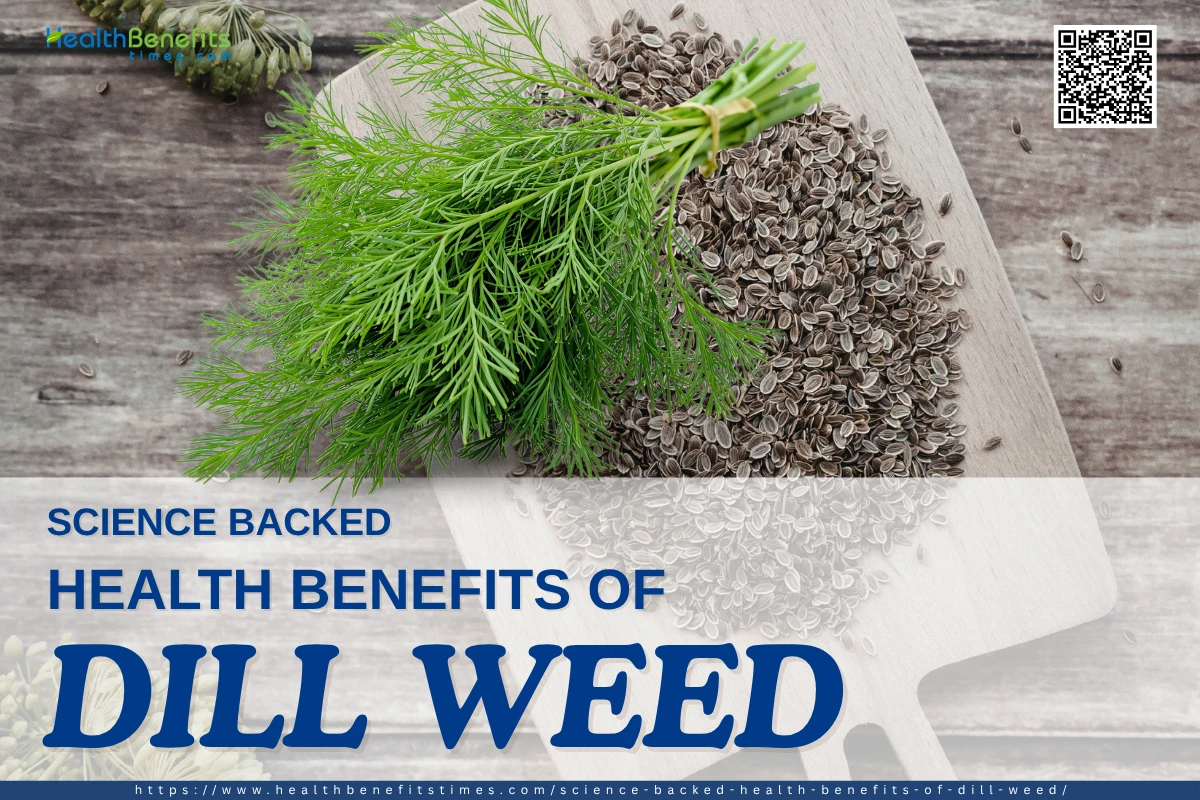
Nutritional values of Dill weed
Serving Size: 1 tbsp (3.1 g)
| Nutrients | Amount | DV%* |
| Energy | 7.84 kcal 2 | < 1% |
| Water | 0.226 g 3 | – |
| Carbohydrate, by difference | 1.73 g 4 | < 1% |
| Protein | 0.62 g 5 | 1% |
| Fiber, total dietary | 0.422 g 6 | 2% |
| Total lipid (fat) | 0.135 g 7 | < 1% |
| Calcium, Ca | 55.2 mg 8 | 4% |
| Iron, Fe | 1.51 mg 9 | 8% |
| Manganese, Mn | 0.122 mg 10 | 5% |
| Potassium, K | 103 mg 11 | 2% |
| Magnesium, Mg | 14 mg 12 | 3% |
| Phosphorus, P | 16.8 mg 13 | 1% |
| Vitamin C, total ascorbic acid | 1.55 mg 14 | 2% |
| Vitamin A, RAE | 9.08 µg 15 | 1% |
| Sodium, Na | 6.45 mg 16 | < 1% |
| Zinc, Zn | 0.102 mg 17 | 1% |
Source: usda.gov
*Percent Daily Values (%DV) are based on a 2,000-calorie diet. Individual nutritional needs may vary depending on age, gender, activity level, and overall health.
Science backed health benefits of Dill weed
1. Aids Digestion
Digestive well-being relies on the intricate balance of mucosal integrity, enzymatic activity, and efficient motility to process nutrients and expel waste. Botanical compounds modulate this system by exerting antispasmodic and anti-inflammatory effects, directly protecting the gastrointestinal lining from damage caused by acidity or oxidative stress. Bioactive constituents such as carvone, limonene, flavonoids, and tannins facilitate digestion by relaxing smooth muscles, which helps mitigate painful conditions like flatulence, colonic motility disorders, and castor oil-induced diarrhea. 1 2 3 Mechanistically, these phytochemicals downregulate inflammatory pathways specifically inhibiting NF-kB activation and reducing cytokines like TNF-α to prevent mucosal injury in conditions such as reflux esophagitis. 4 Furthermore, specific dietary inclusion has been shown to elevate the activity of critical digestive enzymes, including amylase, protease, and lipase, while simultaneously fostering a healthy microbiome populated by beneficial bacteria like Cetobacterium spp. and Akkermansia muciniphila. 5
What Research Says:
- Research by the Korea Institute of Oriental Medicine confirmed that Anethum graveolens seed extracts significantly reduced esophageal mucosal damage and inhibited inflammatory proteins like COX-2 in reflux esophagitis models. 4
- Clinical trials conducted at Mobini Hospital demonstrated that administering dill essential oil to women post-cesarean section reduced the intensity of flatulence and relieved abdominal pain more effectively than placebo. 1
- According to the Institut Pasteur, aqueous fruit extracts exhibited strong antidiarrheal properties in animal models by inhibiting intestinal transit speed and reducing fluid accumulation, showing efficacy comparable to standard drugs like loperamide. 3
- Studies at Universiti Malaysia Kelantan found that dietary dill significantly enhanced digestive enzyme activities and promoted disease resistance in catfish (6), while research from Tekirdag Namik Kemal University indicated that thermosonication of dill juice improved the bioaccessibility of antioxidants during the gastric and intestinal phases of digestion. 6
- Additionally, Ahvaz Jundishapur University researchers observed a significant reduction in colonic motility disorders in patients with Type 2 diabetes following dill powder supplementation. 2
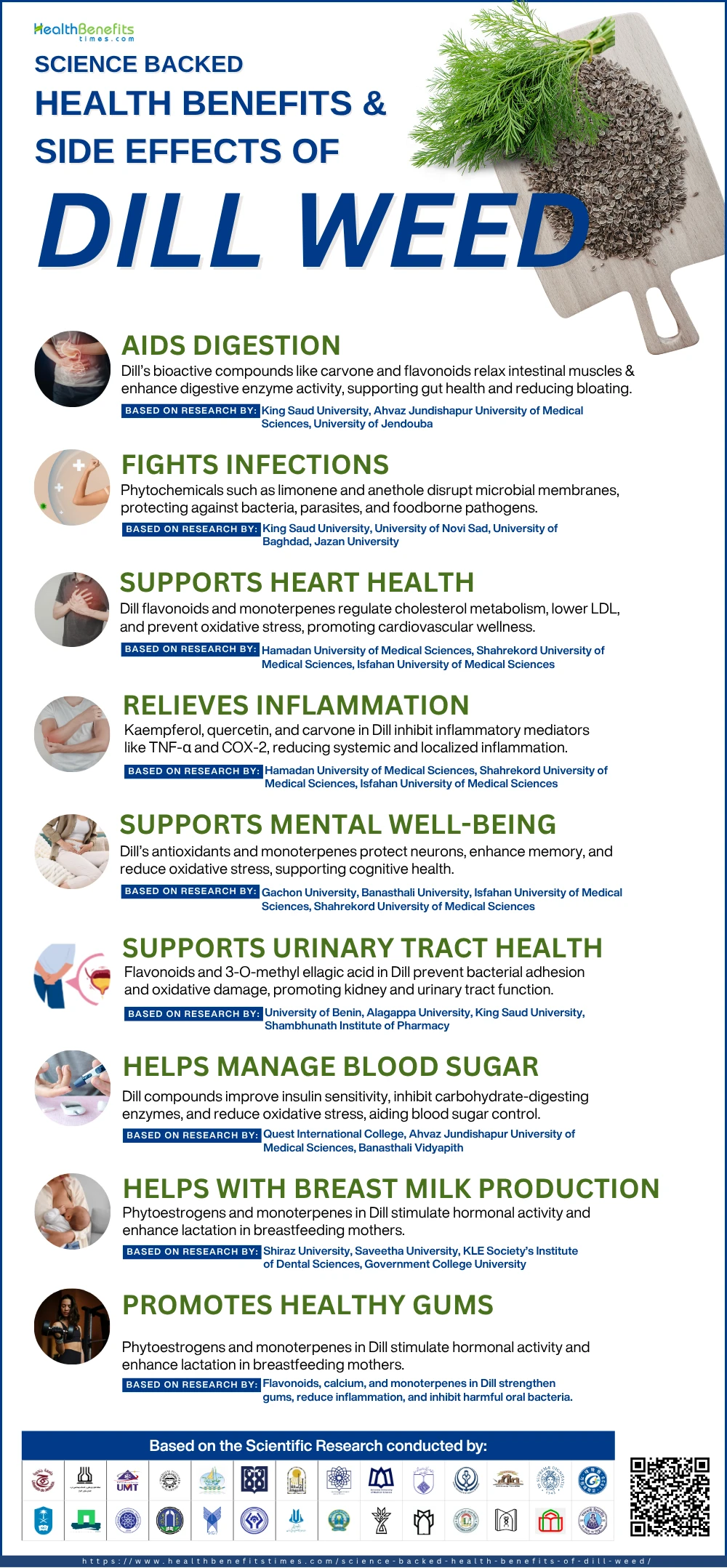
Infectious diseases arise when pathogenic microorganisms, such as bacteria, viruses, parasites, or fungi, invade the body and disrupt normal physiological functions. To combat these threats, certain botanical agents deploy potent phytochemicals like limonene, carvone, anethole, and flavonoids, which serve as the plant’s primary defense system. 7 8 These compounds, particularly lipophilic monoterpenes, penetrate microbial cell membranes, increasing permeability and destabilizing vital enzymes, effectively neutralizing threats like Staphylococcus aureus, Escherichia coli, and even the intestinal parasite Giardia lamblia. 9 10 Whether consumed in dietary forms such as fortified cheeses and meats or applied as essential oils, these bioactive constituents offer protection against gastrointestinal infections, dental pathogens like Streptococcus mutans, and food-borne contaminants. 11 12 13 Furthermore, secondary metabolites like tannins and chlorogenic acid provide synergistic antioxidant and antimicrobial defense, preventing the proliferation of resistant strains and biofilm formation. 7 10
What Research Says:
- Clinical trials indicate that pediatric patients with giardiasis treated with aqueous extracts for five days showed symptom improvement comparable to standard Metronidazole therapy, often with fewer reported side effects. 9
- According to investigations by the Faculty of Sciences at Moulay Ismaïl University and Kurdistan University of Medical Sciences, essential oils exhibited superior efficacy over aqueous or ethanolic extracts against resistant bacteria like Vibrio cholerae and Klebsiella pneumoniae due to high concentrations of carvone and limonene. 7 14 15
- Research utilizing chitosan nanoparticles at Jazan University demonstrated that loading these extracts significantly enhanced inhibition zones against Bacillus cereus and Salmonella typhi compared to free extracts. 10
- In food safety applications, studies reveal that incorporating essential oils or lipid extracts into minced meat and Kareish cheese effectively reduces Listeria monocytogenes, coliforms, and yeast populations within hours of storage. 11 8 13
- Technological advancements using fluidized bed microencapsulation have confirmed that maltodextrin-coated oils maintain stability and potency against cariogenic bacteria such as Streptococcus sobrinus. 12
3. Supports Heart Health and Cholesterol Balance
Cardiovascular disorders often stem from chronic oxidative stress, hyperglycemia, and dyslipidemia, where elevated triglycerides and low-density lipoproteins (LDL) induce vascular injury and atherosclerosis. 16 17 Anethum graveolens mitigates these risks through potent bioactive compounds, including flavonoids like quercetin, and monoterpenes such as limonene, carvone, and alpha-phellandrene, which function as antioxidants to neutralize free radicals and inhibit lipid peroxidation. 16 2 18 Medically, these nutrients regulate lipid metabolism by inhibiting HMG-CoA reductase the rate-limiting enzyme in cholesterol synthesis and upregulating hepatic LDL receptors to clear circulating cholesterol. 16 2 Furthermore, these phytochemicals facilitate the conversion of cholesterol into bile acids and activate PPAR-alpha to stimulate fatty acid oxidation, thereby addressing hyperlipidemia and potentially preventing diabetic cardiovascular complications. 19 20 Whether administered as a powder or extract, these agents systemically improve metabolic profiles and protect endothelial function. 2 18
What Research Says:
- A meta-analysis conducted by Jalili et al. concluded that supplementation with Dill and its derivatives significantly reduces fasting insulin, insulin resistance (HOMA-IR), and LDL concentrations, particularly in interventions exceeding eight weeks. 20
- Clinical trials from Ahvaz Jundishapur University demonstrated that Type 2 diabetic patients consuming Dill powder exhibited significant reductions in total cholesterol and malondialdehyde (a stress marker), alongside increased HDL levels. 2
- Comparative research indicates that Dill tablets may reduce total cholesterol more effectively than the drug Gemfibrozil, although the pharmaceutical was superior in lowering triglycerides. 17
- Conversely, a study by Shiraz University found no significant improvement in lipid profiles for hyperlipidemic patients, while trials on metabolic syndrome patients showed significant triglyceride reduction but no changes in other lipid markers, suggesting efficacy may depend on dosage and preparation. 21 22
- Experimental models reveal that Dill extract upregulates the gene expression of cholesterol 7 alpha-hydroxylase (CYP7A1), the enzyme responsible for breaking down cholesterol into bile acids, confirming its biological mechanism for lipid control. 19
4. Relieves Inflammation
Inflammation, while a natural immune response to injury or pathogens, can become a chronic pathological state driving conditions like diabetes and gastrointestinal disorders. Bioactive compounds within Anethum graveolens, specifically flavonoids such as kaempferol and quercetin, as well as monoterpenes like limonene and carvone, actively modulate these pathways. 23 24 25 When ingested or applied topically, these phytochemicals intervene by inhibiting key inflammatory mediators, including cytokines (TNF-α, IL-6) and enzymes like COX-2, effectively dampening the NF-kB signaling pathway responsible for gene expression in inflammation. 4 26 This biological action allows the plant to mitigate conditions ranging from esophageal mucosal damage and oxidative stress in the gut to external wound edema. 4 3 Furthermore, components like chlorogenic acid and tannins contribute to these protective effects, stabilizing cellular membranes and reducing the production of nitric oxide and prostaglandins. 4 3
What Research Says:
- Clinical trials conducted at Tabriz University of Medical Sciences involving type 2 diabetic patients demonstrated that 8 weeks of supplementation significantly lowered serum levels of pro-inflammatory biomarkers, specifically IL-6, TNF-α, and hs-CRP. 24
- In comparative animal studies, the topical application of oil-based extracts on formalin-induced paw edema significantly decreased swelling, showing efficacy comparable to, and in some metrics exceeding, the pharmaceutical drug Diclofenac. 27
- Research utilizing electrospun fibers loaded with the extract confirmed accelerated wound healing and a distinct downregulation of inflammation-associated genes like IL-1β in excisional injury models. 26
- Investigations into gastrointestinal health revealed that the extract protects against reflux esophagitis by inhibiting COX-2 expression in mucosal tissues and corrects plasma biochemical parameters such as C-reactive protein during castor oil-induced intoxication. 4 3
- Further pharmacological evaluations using formalin tests indicated that seed extracts possess significant antinociceptive properties, effectively reducing inflammatory pain by inhibiting peripheral inflammatory mediators, while other studies confirmed strong edema inhibition in carrageenan-induced models.25 23
5. Supports Mental Well-being
Neurodegenerative diseases and stress-related cognitive impairments often stem from progressive neuronal loss, oxidative stress, and inflammation which disturb mitochondrial function. 28 Natural interventions can mitigate this damage through specific phytochemicals like flavonoids, monoterpenes (specifically carvone and limonene), and apiole found in certain botanicals. 29 28 These bioactive compounds support mental well-being by scavenging reactive oxygen species (ROS), restoring mitochondrial membrane potential, and inhibiting acetylcholinesterase, an enzyme linked to memory deficits. 28 Furthermore, phytoestrogens present in the essence interact with brain receptors to enhance cognitive performance and memory retention, offering potential protection against conditions like Alzheimer’s disease and stress-induced amnesia. 30 Whether ingested to influence the gut-brain axis or utilized as essential oils, these nutrients help re-establish redox homeostasis and prevent amyloid-beta aggregation, crucial for maintaining long-term neural health. 28 31
What Research Says:
- Research conducted by the Isfahan University of Medical Science demonstrated that the essence significantly restored memory index in mice with induced amnesia, performing similarly to estradiol by engaging estrogen receptors. 30
- In vitro studies using human neuroblastoma cells revealed that ethyl acetate and hexane extracts effectively mitigated hydrogen peroxide-induced oxidative stress and displayed moderate anti-oligomerization activity against amyloid-beta proteins. 28
- Further animal trials indicated that aqueous extracts dose-dependently inhibited stress-induced urinary biochemical changes and improved retention in conditioned avoidance tasks, surpassing standard antioxidants like ascorbic acid in lipid peroxidation inhibition. 31
- Traditional Ayurvedic texts, including the Kashyapa Samhita, corroborate these modern findings by classifying the herb as a tonic that cures mental disorders and promotes intellect, validating its historical utility in treating cognitive ailments. 29
6. Supports Urinary Tract Health
Urinary tract pathologies, including cystitis and pyelonephritis, often stem from bacterial colonization or oxidative stress that compromises renal tissue integrity. Medical analysis reveals that Anethum graveolens provides significant protection through a potent complex of phytochemicals, specifically flavonoids, polyphenols, tannins, and the compound 3-O-methyl ellagic acid. 32 33 These nutrients biologically support the urinary system by neutralizing reactive oxygen species (ROS) and enhancing intrinsic antioxidant pathways, such as Nrf2/HO-1 signaling, which are critical for preserving kidney function against toxins. 32 Furthermore, these organic compounds operate by dismantling bacterial communication networks and reducing the hydrophobicity of pathogens, thereby preventing bacteria from adhering to the urinary tract lining. 33 Whether utilized to mitigate tissue injury or bacterial proliferation, these mechanisms collectively reduce inflammation and shield the renal system from degenerative changes. 32 34
What Research Says:
- Clinical Efficacy Against Pathogens: Research conducted on clinical isolates at Alexandria University demonstrated that Dill essential oil exhibited the highest antibacterial efficacy among five medicinal plants tested. It successfully inhibited 61% of Escherichia coli strains and affected 48% of all uropathogens collected from patients, outperforming other oils like Chamomile and Celery. 34
- Renal Protection Mechanism: Preclinical studies by King Saud University established that Dill extract significantly reduced renal ROS, lipid peroxidation, and inflammatory cytokines (TNF-α, IL-6) in mice. The findings confirmed that the extract protects kidney tissue from injury by upregulating the Nrf2/HO-1 antioxidant signaling pathway. 32
- Anti-Biofilm Activity: Investigations into the urinary pathogen Serratia marcescens revealed that Dill extract and its active constituent, 3-O-methyl ellagic acid, effectively disrupt quorum sensing. This interference significantly downregulated virulence genes (fimC, bsmA) and reduced biofilm formation, protease production, and bacterial motility without inducing antibiotic resistance. 33
7. Balances Blood Sugar Level
Diabetes mellitus manifests as a chronic metabolic disruption marked by hyperglycemia and impaired macronutrient metabolism due to insulin dysfunction. Bioactive compounds within Anethum graveolens, specifically flavonoids like quercetin and monoterpenes such as carvone, facilitate blood sugar balance by enhancing antioxidant capacity and modulating insulin secretion. 16 These nutrients exert hypoglycemic effects by inhibiting alpha-glucosidase, an enzyme pivotal for carbohydrate digestion, and activating PPAR-alpha to regulate lipid and glucose pathways. 35 16 Predominantly effective against Type 2 diabetes, these phytochemicals mitigate insulin resistance and oxidative stress. 36 Furthermore, the antioxidants present in the plant inhibit the formation of advanced glycation end products (AGEs), protecting tissues from diabetic complications whether the herb is ingested or utilized as an extract.
What Research Says:
- Clinical trials involving Type 2 diabetic patients demonstrated that supplementation with dill powder significantly decreased insulin resistance, serum insulin levels, and malondialdehyde (a marker for oxidative stress), while simultaneously increasing total antioxidant capacity. 36
- According to animal studies conducted by the Department of Bioscience and Biotechnology, aqueous extracts rich in carvone significantly lowered blood glucose levels and improved hematological parameters in diabetic mice, whereas ethanolic extracts were less effective. 37
- Research utilizing in silico and in vitro methods confirmed that polyherbal formulations containing Anethum graveolens effectively inhibit $\alpha$-glucosidase and pancreatic lipase, targeting key enzymes responsible for postprandial hyperglycemia and obesity. 35
- Investigations into aqueous extracts showed a significant reduction in fructosamine levels and the formation of advanced glycation end products (AGEs), validating the plant’s potential in preventing long-term diabetic complications.
- Conversely, a randomized trial on metabolic syndrome patients found beneficial effects on triglycerides but noted no significant difference in fasting blood sugar compared to placebo, highlighting the critical role of dosage and extraction methodology. 22
8. Helps with Breast Milk Production
Breastfeeding is considered the most critical initial nourishment for improving newborn health outcomes, yet many mothers struggle with insufficient milk supply, known as inadequate lactation. Galactagogues are specific substances, including herbs like dill seeds, that are medically recognized for aiding in the increase of milk production. The effectiveness of Anethum graveolens L. (dill) largely stems from its complex chemical profile, which includes monoterpenes like d-carvone and d-limonene, as well as flavonoids such as kaempferol and vicenin. 38 39 These phytochemicals can exhibit phytoestrogenic properties; for instance, components like kaempferol interact with estrogen receptors and serum alpha-fetoprotein, potentially modulating hormonal functions essential for reproductive health. 38 Furthermore, the ingestion of dill extracts has been observed to increase progesterone concentration and enhance the activity of cellular structures like the smooth endoplasmic reticulum (SER) and mitochondria in ovarian cells, suggesting a boost in steroidal synthesis which may support the physiological processes underlying lactation. 39
What Research Says:
- According to a quasi-experimental study conducted by the Sumandeep Nursing College, the administration of dill seed tea comprising dill seeds, water, jaggery, and ghee significantly corrected lactation deficits in postnatal mothers. 40
- Clinical observations revealed that while 86.7% of mothers initially experienced inadequate lactation, those consuming the tea saw a dramatic shift, with 80% achieving adequate lactation levels within five days. 40
- Research from Shiraz University corroborates the traditional medicinal claim that dill promotes milk production, highlighting that while high doses can regulate menstrual cycles or induce infertility in rats, the crude extracts significantly enhance progesterone levels and stimulate granulosa lutein cells. 38 39
- These histological studies indicate that the aqueous and ethanol extracts of dill successfully increase the presence of rough endoplasmic reticulum (RER) and mitochondria, providing the cellular energy and synthetic machinery required for robust reproductive system function. 39
9. Promotes Healthy Gums
Gum disease, particularly gingivitis, is characterized by inflammation and infection of the oral soft tissues primarily driven by the accumulation of bacterial plaque. Natural therapeutic agents can mitigate this pathology by altering the oral environment and strengthening tissue defense. Anethum graveolens provides substantial periodontal support through its high concentration of flavonoids, calcium, and specific monoterpenes such as alpha-phellandrene and limonene. 41 42 These phytochemicals function as potent antioxidants and antimicrobials; flavonoids neutralize free radicals that damage gingival tissue, while calcium contributes to the maintenance of alveolar bone density. 41 When utilized as an oral rinse or consumed, these bioactive compounds permeate the cell membranes of cariogenic bacteria and inhibit their efflux pumps, effectively reducing the microbial load responsible for plaque and gingivitis without inducing bacterial resistance. 42
What Research Says:
- Clinical Efficacy: A randomized controlled trial conducted at the KLE Society’s Institute of Dental Sciences demonstrated that dill seed oil is a viable alternative to synthetic antiseptics. Over a 90-day period, subjects using a dill seed oil mouth rinse exhibited a significant reduction in both plaque and gingival scores, showing effectiveness statistically comparable to 0.2% chlorhexidine gluconate, the gold standard, but potentially without side effects like staining. 41
- Mechanistic Action: Research involving the University of Bucharest indicates that dill essential oil possesses distinct “perioceutic” properties targeting specific oral pathogens. The study found that the oil effectively inhibits bacteria such as Streptococcus mitis and Fusobacterium mortiferum, isolated from patients with periodontitis, by compromising bacterial membrane integrity and blocking efflux pump activity, thereby preventing the colonization required for biofilm and plaque formation 42
Health Risks and Precautions of Dill weed
Side Effects
1. Based on the provided research, no significant adverse effects or side effects from dill consumption were reported. In a randomized, double-blind, placebo-controlled trial, participants receiving dill essential oil did not report any side effects either during or after the study. 1 Similarly, a study on patients with type 2 diabetes who consumed dill powder for eight weeks reported no significant side effects. 2 An acute toxicity study on animals found the lethal dose (LD50) of aqueous dill fruit extract to be greater than 3500 mg/kg, indicating a high safety margin with no mortality or abnormal behavior observed during the test period. 3
2. Dill is generally well-tolerated. A clinical trial on infants treated with dill aqueous extract reported it to be safe, with mothers noting fewer crying episodes in their children compared to those treated with the standard drug metronidazole, which was attributed to dill’s spasmolytic properties. 7 However, in silico (computer-based) toxicity predictions for some of dill’s major compounds, such as (E)-anethole, estragole, umbelliferone, and coumarin, suggest potential for minimal carcinogenic effects. Additionally, other compounds like rosmanol, trans-caftaric acid, methyl rosmarinate, and 1-caffeoyl-beta-D-glucose were predicted to have potential immunotoxicity effects. 9 It is important to note that these are predictive computational analyses and not findings from direct human or animal trials within these documents.
3. In clinical studies, dill extract was reported to be well-tolerated by participants. In one study, only a few subjects complained about the smell of the dill capsules, but they continued the study to the end. 17 Another trial reported that patients treated with dill did not express any signs of adverse effects. 22 Safety assessments, including physical examinations and laboratory measurements of liver enzymes, kidney function (serum creatinine, electrolytes), and blood cells, revealed no clinically significant changes attributable to dill consumption. 17
4. While generally considered safe, the administration of dill (Anethum graveolens) may rarely lead to allergic reactions, vomiting, diarrhea, oral pruritus (itching in the mouth), urticaria (hives), and throat swelling. 16 However, other clinical trial studies did not report any side effects from dill administration. 16 2 A Data Monitoring Committee in one study supervised for possible side effects and reported none. 2
5. Based on the provided documents, no adverse effects were reported by participants in the included human study following the consumption of Anethum graveolenstablets (3.3 gm/day for 8 weeks). 23 Furthermore, acute toxicity studies in animal models confirmed the safety of the extract, with no mortality or abnormal behavior observed at high doses, including an aqueous fruit extract dose greater than 3500 mg/kg and an ethanolic seed extract dose of 5 g/kg. 3 One study specifically notes that dill extract is generally considered safe and tolerable, with no reported side effects. 24
6. While generally recognized for its therapeutic properties, consuming dill extract may have specific side effects. In a study on pain, the crop and seed extracts of Anethum graveolensdemonstrated hyperalgesic properties in the hot plate test, meaning they increased sensitivity to pain. 25 However, in a neuroprotection study, dill extracts and its bioactive compounds showed no cytotoxicity in SH-SY5Y neuroblastoma cells at concentrations up to 30 μg/mL, indicating a lack of toxic effects on these cells at that dosage. 29 Traditionally, dill seeds are used to relieve colic pain in babies and flatulence in young children, suggesting it is generally well-tolerated for these purposes at traditional doses. 28
7. While generally considered safe, dill administration may rarely lead to adverse effects such as allergic reactions, vomiting, diarrhea, oral pruritus (itching in the mouth), and swelling of the tongue and throat. 22 Other clinical trials have reported that dill extract was well-tolerated, with only a few subjects complaining about the smell of the capsules, and no adverse reactions were observed in the studies. 36 In one study, dill powder supplementation was noted to significantly reduce the frequency of colonic motility disorder. 16
8. Research on animals indicates that high doses of dill extract can significantly alter the female reproductive cycle. In rats, a high dose led to a longer estrous cycle and a prolonged diestrus phase (a resting phase), along with an increase in progesterone concentration. Other studies have confirmed these anti-fertility effects, showing that crude extracts of dill can cause infertility in female rats. 37 While it has been shown to increase milk production in postnatal mothers, its effect on hormonal regulation suggests it could potentially disrupt menstrual cycles in women at high doses. On a positive note, one study found that dill extract did not have toxic effects on body growth or reproductive organs in rats. 40 38 For hematological health, aqueous dill extract and its component carvone were found to significantly increase red blood cell count and hemoglobin in mice, suggesting a benefit to the hematopoietic system, while no adverse effects were observed. 39
9. Studies on animal models indicate that the consumption of dill seed aqueous extract can significantly impact the female reproductive system. In adult female rats, treatment with the extract led to an increased duration of the estrous cycle, a prolonged diestrus phase, and significantly higher progesterone concentrations. The extract also increased the time from mating to pregnancy and resulted in newborns with significantly lower weight and crown-rump length in the high-dose group. 42 These findings suggest potential fertility-related side effects. In a different in vitro study, dill essential oil demonstrated antimicrobial and immunomodulatory activity, acting by permeabilizing bacterial membranes and inhibiting efflux pumps, though its effect on human cell cytokine profiles was not significant. 43
Food Incompatibilities
N/A
Timing & Conditions
N/A
Contraindications
1. Dill consumption is not suggested during pregnancy. 16
2. The provided research papers outline specific exclusion criteria for their studies, which suggest conditions under which Dill consumption should be approached with caution or avoided. Based on these criteria, individuals with the following conditions were not included in the studies: acute and chronic diseases including kidney, liver, cardiovascular, and gastrointestinal diseases. Pregnant and breastfeeding women were also excluded from one of the clinical trials. While not a direct contraindication, one study’s exclusion criteria also included smoking and alcohol use. 24
3. Dill should be used with caution by individuals with conditions sensitive to hormonal changes. The plant contains phytoestrogens, and its extract has been shown to increase estrous cycle duration and progesterone concentration, which could induce infertility, indicating a potential to interfere with normal reproductive functions. 30 Furthermore, the beneficial effects of dill on memory were antagonized by tamoxifen, a selective estrogen receptor modulator, suggesting that dill’s mechanism of action involves estrogenic pathways. 28 The presence of compounds like carvone, which can cross the blood-brain barrier and exhibit drug-like properties, also warrants consideration for individuals with central nervous system conditions. 30 Although an animal study showed dill’s protective effects against nicotine-induced injury, the high dose of pure carvone has an LD50 of 1640 mg/kg in rodent models, indicating potential toxicity at very high concentrations. 28
4. Dill administration is not suggested during pregnancy. Individuals with a known allergy to plants in the Apiaceae family should also be cautious, as rare allergic reactions have been reported. 16
5. Due to its demonstrated effects on the female reproductive system and fertility in animal studies, dill weed should be used with caution by individuals with hormone-sensitive conditions. The research showing that it can increase progesterone levels and prolong the diestrus phase, and that certain fractions of the plant can induce infertility, suggests it may not be suitable for women trying to conceive or those with conditions like polycystic ovary syndrome (PCOS) or other hormonal imbalances. 40 38 Its traditional use to promote menstruation also supports this precaution. 40 Pregnant women should avoid medicinal doses, as one study noted that some fractions of dill extract could increase the duration of pregnancy in rats. 38 Conversely, it is used as a galactagogue to promote lactation in postnatal mothers. 39
6. Based on the observed effects in animal studies, dill seed extract may be contraindicated for individuals with conditions sensitive to hormonal changes, particularly those involving the female reproductive system, due to its impact on the estrous cycle and progesterone levels. The study’s findings on delayed pregnancy and reduced newborn metrics in rats also suggest that consumption during pregnancy or when trying to conceive could pose a risk. 42 Additionally, an in vitro study indicated that dill oil has antimicrobial and immunomodulatory properties, which might be a consideration for individuals with autoimmune or inflammatory conditions, although its specific effects on human cytokines were not significant. 43
Drug Interactions
1. One study notes that more research is needed to understand the interaction of dill with other drugs, implying that the period of consumption and interaction with other medications must be normalized. 16 Furthermore, studies on dill supplementation were conducted on patients already taking medications for diabetes, such as metformin and glibenclamide, suggesting a potential for interaction or additive effects with these drugs. 2 20
2. The clinical trial on type 2 diabetic patients adjusted for “type of consumed hypoglycemic drug” and “use of hypolipidemic drugs” as confounding variables in their analysis. Additionally, “insulin therapy at the onset or during the study” was an exclusion criterion. 24 This suggests a potential interaction with diabetes medications and lipid-lowering drugs, warranting caution and professional medical advice before combining them.
3. Dill may interact with medications affecting the nervous system and those metabolized through specific pathways. Its extracts and bioactive compounds, particularly carvone, were shown to be competitive inhibitors of the acetylcholinesterase (AChE) enzyme. This suggests a potential interaction with Alzheimer’s medications like galantamine, which was used as a control in the study. 30 The research also demonstrated that the memory-protective effects of dill essence were blocked by tamoxifen, indicating that dill’s efficacy could be altered when taken with such hormonal therapies. 28 Additionally, a study highlighted dill’s ability to protect against nicotine-induced oxidative stress and tissue injury, implying it could potentially interfere with nicotine replacement therapies or the effects of nicotine itself. 32
4. The documents suggest that the lipid-lowering effect of dill might appear more efficient or may interact with other antihyperlipidemic agents. Due to this potential for interaction, clinical studies often exclude patients taking concomitant medications to assess the pure effect of dill extract 22 More research is required to understand the interaction of dill with other drugs. 16
5. The documents suggest a potential interaction with diabetes medication. Anethum graveolens has demonstrated hypoglycemic (blood sugar-lowering) properties. A study found that the aqueous extract significantly decreased blood glucose levels in diabetic mice. 37 Therefore, consuming dill weed alongside conventional anti-diabetic drugs could have an additive effect and potentially lead to hypoglycemia. Monitoring blood sugar levels is advisable.
External Pesticides and Mold
- While the documents do not make explicit recommendations about purchasing organic dill, one study performed quality control on dill seeds, which included testing for heavy metals. The study concluded that the levels of heavy metals like chromium, lead, and cadmium were within the allowable range set by FAO/WHO standards, indicating the plant material was suitable for consumption. 7 This suggests that checking for contaminants is a relevant quality control measure, though pesticide and mold contamination were not directly addressed.
Comments
comments
This article is based on Scientific Research Conducted by following Research Organization:
- Effects of Anethum graveolens L. (Dill) essential oil on the intensity of retained intestinal gas, flatulence and pain after cesarean section: A randomized, double-blind placebo-controlled trial–King Saud University, Saudi Arabia
- The effects of Anethum graveolens (dill) powder supplementation on clinical and metabolic status in patients with type 2 diabetes–Ahvaz Jundishapur University of Medical Sciences, Iran
- Antidiarrheal, anti-inflammatory and antioxidant effects of Anethum graveolens L. fruit extract on castor oil-induced diarrhea in rats–University of Jendouba, Tunisia
- Anti-Inflammation and Protective Effects of Anethum graveolens L. (Dill Seeds) on Esophageal Mucosa Damages in Reflux Esophagitis-Induced Rats–Wageningen University & Research, Netherlands
- Dietary Dill Weed (Anethum graveolens) Stimulated Disease Resistance of African Catfish (Clarias gariepinus) Against Edwardsiellosis Infection–Universiti Malaysia Terengganu, Malaysia
- Thermosonication-enhanced bioaccessibility and functional quality of dill juice: an in vitro digestion approach–Tekirdag Namık Kemal University, Türkiye
- Phytochemical Analysis and Evaluation of Antioxidant and Antimicrobial Properties of Essential Oils and Seed Extracts of Anethum graveolens from Southern Morocco: In Vitro and In Silico Approach for a Natural Alternative to Synthetic Preservatives–King Saud University, Saudi Arabia
- Effects of Dill (Anethum graveolens) Essential Oil and Lipid Extracts as Novel Antioxidants and Antimicrobial Agents on the Quality of Beef Burger–University of Novi Sad, Serbia
- Antigiardial effect of Anethum graveolens aqueous extract in children–University of Baghdad, Iraq
- Induction role of chitosan nanoparticles to Anethum graveolens extract against food-borne bacteria, oxidant, and diabetic activities in vitro–Jazan University, Saudi Arabia
- The effect of essential oil of Anethum graveolens L. seed and gallic acid (free and nano forms) on microbial, chemical and sensory characteristics in minced meat during storage at 4 °C–Islamic Azad University, Iran, Tehran University of Medical Sciences, Iran
- Investigation of physicochemical and antibacterial properties of dill (Anethum graveolens L.) microencapsulated essential oil using fluidized bed method–Islamic Azad University, Tehran, Iran, Iranian Research Organization for Science and Technology (IROST), Tehran, Iran
- Antimicrobial effects of pepper, parsley, and dill and their roles in the microbiological quality enhancement of traditional Egyptian Kareish cheese–Assiut University, Assiut, Egypt
- “Antibacterial Activity of Dill (Anethum graveolens) Essential Oil and Antibiofilm Activity of Cumin (Cuminum cyminum) Alcoholic Extract”–Kurdistan University of Medical Sciences, Sanandaj, Iran, Shahid Beheshti University of Medical Sciences, Tehran, Iran
- Antibacterial and phytochemical screening of Anethum graveolens, Foeniculum vulgare and Trachyspermum ammi–Guru Nanak Dev University, India
- The Role of Anethum graveolens L. (Dill) in the Management of Diabetes–Hamadan University of Medical Sciences, Iran.
- Anethum graveolens and hyperlipidemia: A randomized clinical trial–Shahrekord University of Medical Sciences, Shahrekord, Iran
- Hypolipidemic activity of Anethum graveolens in rats–Isfahan University of Medical Sciences, Iran.
- Favorable effects of Anethum graveolens on liver oxidative stress and cholesterol 7 alpha-hydroxylase levels in non-alcoholic fatty liver disease (NAFLD) rat models–Hamadan University of Medical Sciences, Hamadan, Iran
- Effects of Anethum graveolens (dill) and its derivatives on controlling cardiovascular risk factors: A systematic review and meta-analysis–Kermanshah University of Medical Sciences, Kermanshah, Iran
- Effects of anethum graveolens and garlic on lipid profile in hyperlipidemic patients–Shiraz University of Medical Sciences, Shiraz, Iran
- The effect of 12 weeks Anethum graveolens (dill) on metabolic markers in patients with metabolic syndrome; a randomized double blind controlled trial–Tehran University of Medical Sciences, Tehran, Iran
- Phytochemical characterization, antioxidant and anti-inflammatory properties of Anethum graveolens L. seeds’ ethanolic extract: In vitro and In vivo studies–Setif 1 University, Algeria, University of Mohamed Khider, Biskra, Algeria
- Anethum graveolens L. supplementation has anti-inflammatory effect in type 2 diabetic patients–Tabriz University of Medical Sciences, Tabriz, Iran
- Antinociceptive Properties of Hydro Alcoholic Extracts of Anethum graveolens L. (dill) Seed and Aerial Parts in Mice–Islamic Azad University, Tehran, Iran, Tehran University of Medical Sciences, Tehran, Iran, University of Pisa, Pisa, Italy
- Wound healing and anti-inflammatory effects of Anethum graveolens extract loaded in PVA fibers: An in vitro and in vivo study
- The Study of Anti-Inflammatory Activity of Oil-Based Dill (Anethum graveolens L.) Extract Used Topically in Formalin-Induced Inflammation Male Rat Paw–Shahed University, Tehran, Iran
- Neuroprotection by Anethum graveolens (Dill) Seeds and Its Phytocompounds in SH-SY5Y Neuroblastoma Cell Lines and Acellular Assays–Gachon University, Republic of Korea
- Anethum graveolens: An Indian traditional medicinal herb and spice–Banasthali University, India
- The effects of Anethum graveolens essence on scopolamine-induced memory impairment in mice–Isfahan University of Medical Sciences, Iran, Shahrekord University of Medical Sciences, Iran
- Anethum Graveolens Linn (Umbelliferae) Extract Attenuates Stress-induced Urinary Biochemical Changes and Improves Cognition in Scopolamineinduced Amnesic Rats–University of Benin, Nigeria
- Interference of quorum sensing in urinary pathogen Serratia marcescens by Anethum graveolens–Alagappa University, India
- Anethum graveolens Prevents Liver and Kidney Injury, Oxidative Stress and Inflammation in Mice Exposed to Nicotine Perinatally–King Saud University, Saudi Arabia
- Susceptibility of Bacteria Infecting Urinary Tract to Some Antibiotics and Essential Oils–Shambhunath Institute of Pharmacy, India
- Synergistic effects of Momordica charantia, Nigella sativa, and Anethum graveolens on metabolic syndrome targets: In vitro enzyme inhibition and in silico analyses–Quest International College, Nepal
- The effects of Anethum graveolens (dill) powder supplementation on clinical and metabolic status in patients with type 2 diabetes–Ahvaz Jundishapur University of Medical Sciences, Iran
- Haematological and hypoglycemic potential Anethum graveolens seeds extract in normal and diabetic Swiss albino mice–Banasthali Vidyapith, India
- Anti-Fertility Effects of Different Fractions of Anethum Graveolens L. Extracts on Female Rats–Shiraz University, Iran
- “Evaluation of the effect of Anethum graveolens L. crude extracts on serum lipids and lipoproteins profiles in hypercholesterolaemic rats.”–Tehran University of Medical Sciences, Iran
- Effect of Dill Seed Tea on Lactation Among Postnatal Mothers Admitted in Tertiary Care Hospital–Saveetha University, India
- Comparison of Dill Seed Oil Mouth Rinse and Chlorhexidine Mouth Rinse on Plaque Levels and Gingivitis - A Double Blind Randomized Clinical Trial–KLE Society’s Institute of Dental Sciences, Bangalore, India
- In Vitro Evaluation of the Antimicrobial and Immunomodulatory Activity of Culinary Herb Essential Oils as Potential Perioceutics–Government College University, Faisalabad, Pakistan
- Effects of Anethum graveolens L. (dill) on Oocyte and Fertility of Adult Female Rats–University of Sargodha, Pakistan