

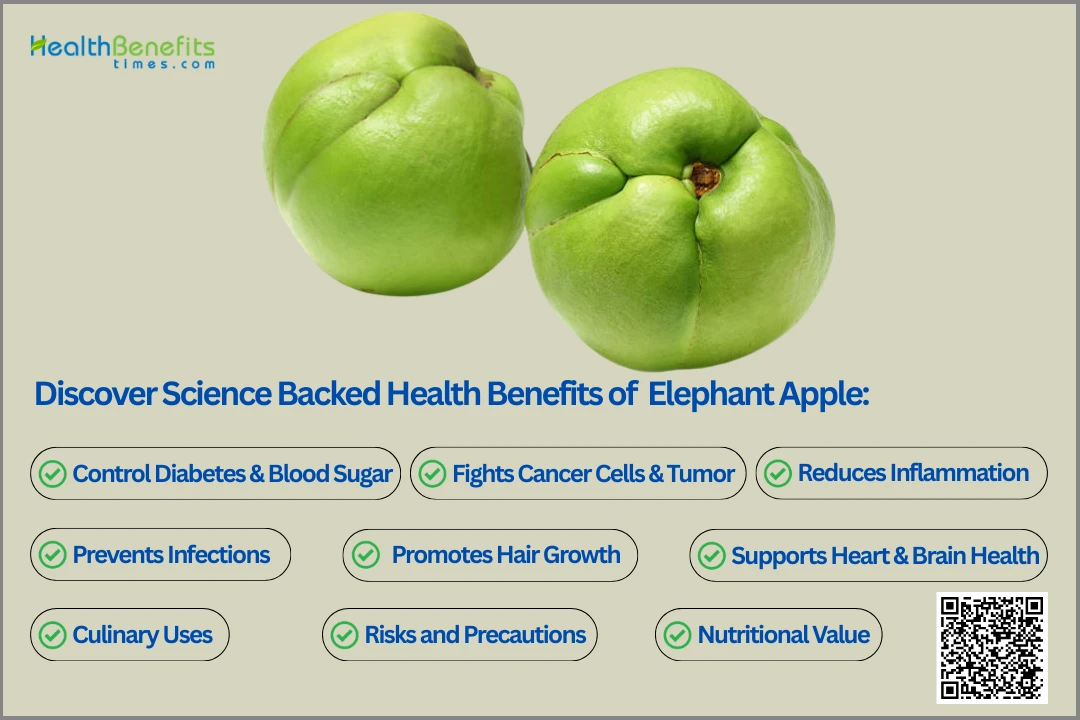
Morphologically, elephant apple is characterized as a medium to large evergreen tree that can reach heights of 15-30 meters with distinctive spreading branches forming a dense, rounded crown. The species exhibits remarkable leaf characteristics, featuring large, oblong-lanceolate leaves measuring 15-36 cm in length with a distinctively corrugated surface and prominent parallel secondary veins numbering 25-50 pairs. The petioles are channeled and winged, measuring 2.5-10 cm in length.
Nutritional Profile of Elephant Apple (Dillenia indica)
Based on extensive research data from the attached scientific papers, I’ve compiled comprehensive nutritional tables for Dillenia indica (elephant apple) targeting individuals interested in overall health and wellness.
TABLE 1: BASIC NUTRITION FACTS (Fresh Fruit)
Serving Size: 100g
| Nutrient | Amount per 100g | Daily Value (%) |
| Calories | 59 kcal | 3% |
| Total Carbohydrates | 10.09 g | 3% |
| Dietary Fiber | 2.1-2.5 g | 8-10% |
| Protein | 0.69 g | 1% |
| Total Fat | 0.24 g | <1% |
| Moisture | 88.61 g | – |
| Ash (Minerals) | 0.37 g | – |
| Calcium | 16 mg | 2% |
| Phosphorus | 26 mg | 4% |
| Vitamin C | High* | Significant** |
TABLE 2: BIOACTIVE COMPOUNDS & PHYTOCHEMICALS
| Bioactive Compound | Concentration | Health Benefit |
| Total Phenolic Content | 19.06-42.11 mg GAE/g DM*** | Antioxidant |
| Total Flavonoids | Present | Anti-inflammatory |
| Antioxidant Capacity (FRAP) | 59.87-73.69 mg TE/g DM | Free radical scavenging |
| Betulinic Acid | 97.99±7.61 mg/g fraction | Anticancer |
| Proanthocyanidin | 1.06×10⁴ mol TE/g | Antioxidant |
| Tannins | Present | Astringent |
| β-Sitosterol | Present | Cholesterol lowering |
| Quercetin | Present | Antioxidant |
| Kaempferol | Present | Antioxidant |
| Myricetin | Present | Antioxidant |
TABLE 3: CARBOHYDRATE COMPOSITION BREAKDOWN
| Carbohydrate Type | Percentage of Total Carbs | Amount per 100g fresh fruit |
| Oligosaccharides | 42.71% | 4.31 g |
| Starch | 10.59% | 1.07 g |
| Pectin | 20.94% | 2.11 g |
| Hemicellulose | 17.07% | 1.72 g |
| Cellulose | 0.79% | 0.08 g |
TABLE 4: MATURE FRUIT COMPOSITION (At Optimal Harvest)
| Component | Amount | Notes |
| Crude Protein | 5.64-5.70% | Higher than fresh |
| Crude Fiber | 32.02-33.95% | Very high fiber |
| Crude Fat | 3.33-3.34% | Low fat |
| Ash | 4.61-4.74% | Rich in minerals |
| Total Carbohydrate (NFE) | 48.71-54.76% | Energy source |
| Fresh Weight (whole fruit) | 523 g | Average whole fruit |
| Calyx Fresh Weight | 480.53 g | Edible portion |
| Seed Fresh Weight | 38.21 g | Non-edible seeds |
Nutritional Value Link: (1) (2) (3)
Science-Backed Health Benefits of Elephant Apple (Dillenia indica)
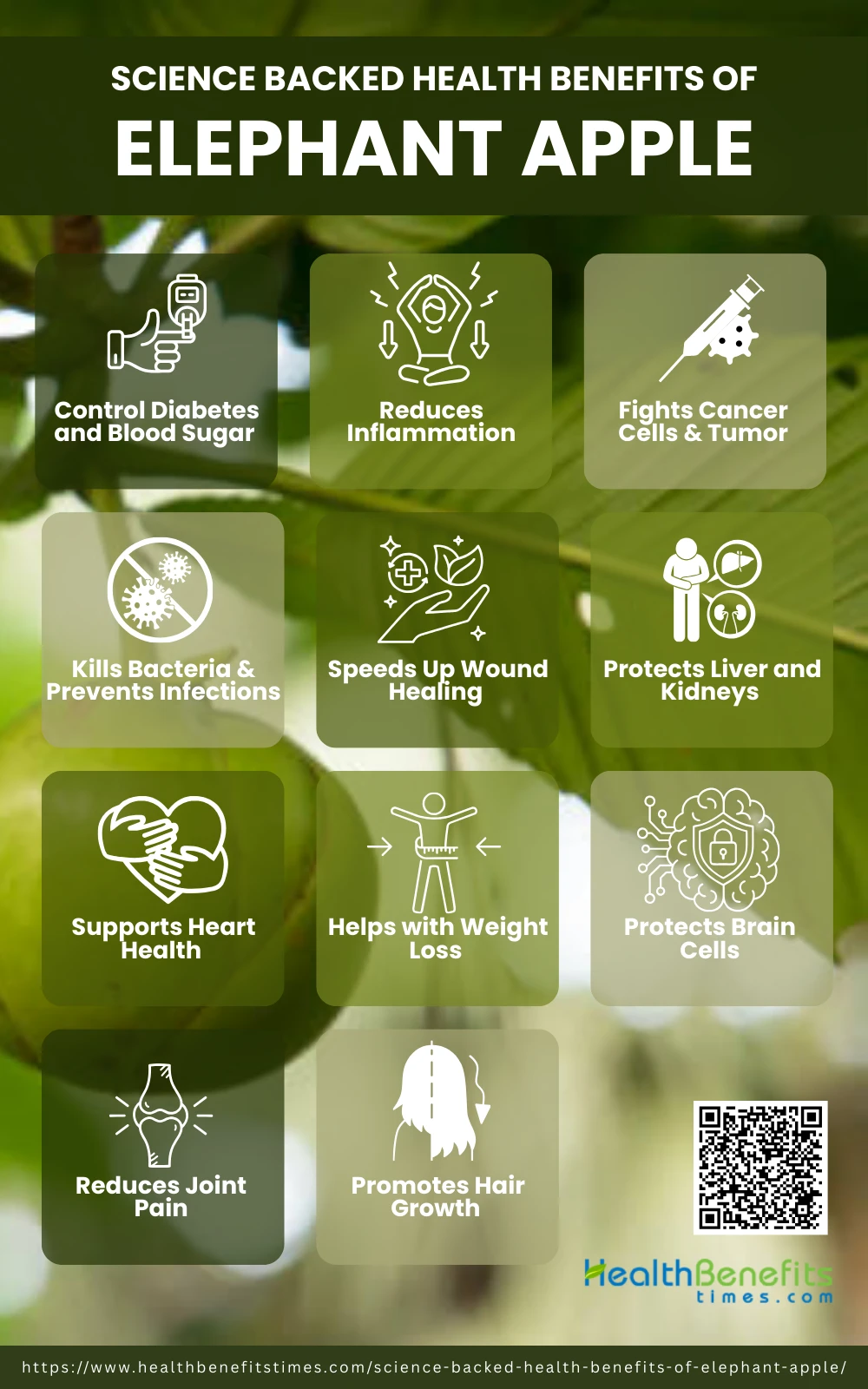
Elephant Apple (Dillenia indica) contains bioactive compounds such as flavonoids and pentacyclic triterpenoids that support healthy blood sugar regulation. Research indicates that these plant-derived flavonoids help moderate the digestive enzymes α-amylase and α-glucosidase, slowing carbohydrate breakdown and reducing post-meal glucose spikes. (4) (5) In addition, triterpenoids like betulinic acid exhibit antioxidant activity, protecting the body’s cells from oxidative stress linked to elevated glucose levels. (6) (7) Traditional clinical observations have also noted that regular inclusion of this fruit in the diet may contribute to better long-term glycemic balance, with its rich content of vitamins and polyphenols enhancing insulin sensitivity and glucose uptake in tissues. (8) (9) Furthermore, components such as naringenin and ascorbic acid, identified through chromatographic analysis, provide additional antioxidant support that can mitigate inflammation associated with impaired glucose metabolism. (10) (11) Collectively, these nutrients work synergistically to promote balanced blood sugar levels, making Elephant Apple a promising natural adjunct for maintaining healthy glycemic control.
2. Reduces Inflammation and Swelling in the Body
Elephant Apple is celebrated for its ability to alleviate inflammation and swelling throughout the body by harnessing the power of natural bioactive compounds. (12) (13) Rich in flavonoids, tannins, and phenolic constituents, this fruit offers significant anti-inflammatory benefits without the need for synthetic drugs. (14)The methanolic and ethyl acetate extracts of Elephant Apple have been shown to support the body’s natural defenses by inhibiting the release of pro-inflammatory mediators, thereby reducing tissue swelling and discomfort. (12) (14) (15) In addition, the high antioxidant content—particularly flavonoid glycosides—helps neutralize free radicals that can exacerbate inflammatory processes, further promoting tissue recovery and easing pain. (13) (16) Beyond its anti-inflammatory activity, Elephant Apple supplies essential nutrients such as quercetin and kaempferol, which play a crucial role in maintaining healthy vascular function and preventing fluid buildup. (15) (17) Overall, integrating Elephant Apple into a balanced diet can provide gentle yet effective support for managing everyday aches, pains, and puffiness, making it a valuable natural option for those seeking plant-based relief.
3. Fights Cancer Cells and Tumor Growth
Elephant Apple (Dillenia indica) contains powerful bioactive compounds that help combat cancer cells and inhibit tumor growth. Studies attribute this effect largely to the triterpenoid betulinic acid, which triggers programmed cell death and prevents malignant cell proliferation in various leukemia and solid tumor lines. (18) In addition, ellagic acid, a potent polyphenol antioxidant, has been identified as a key nutrient that induces apoptosis and autophagy in breast and ovarian cancer cells, thereby reducing their viability. (19) The plant’s flavonoids and phenolic acids further bolster its anticancer potential by neutralizing harmful free radicals and supporting the body’s natural defense enzymes. (20) Innovative formulations, such as copper nanoparticles synthesized using Dillenia indica bark, have demonstrated enhanced delivery and efficacy of these phytochemicals against lung and breast cancer cells. (21) Moreover, other triterpenoids like koetjapic acid also interfere with critical signaling pathways (e.g., Akt/mTOR, NF-κB, JAK/STAT3), disrupting cancer cell survival, proliferation, and metastasis. (22) Altogether, Elephant Apple stands out as a remarkable dietary source of antioxidants, flavonoids, and triterpenoids, offering promising complementary support in the fight against cancer.
4. Kills Harmful Bacteria and Prevents Infections
Elephant Apple (Dillenia indica) harbors a potent combination of bioactive compounds—such as flavonoids, phenolic acids, and triterpenoids like betulinic acid—that work in concert to suppress harmful bacteria and help prevent infections. Research indicates that leaf and bark extracts exhibit a broad spectrum of activity against both Gram-positive and Gram-negative strains, interfering with microbial cell walls and membranes to inhibit growth. (23) (24) These extracts are rich in organic acids (e.g., malic and propanoic acids) that can penetrate bacterial cells in their undissociated form, release protons internally, and disrupt essential metabolic processes, leading to bacterial death. (25) Additionally, extracts contain unsaturated fatty acids—such as linoleic acid—and long-chain alcohols that further destabilize bacterial membranes, enhancing the overall antimicrobial effect. (24) Beyond direct antibacterial action, Elephant Apple’s antioxidant constituents help bolster the body’s defenses, neutralizing free radicals and supporting immune function. (23) By harnessing natural substances like antiviral phenolics and membrane-active fatty acids, Dillenia indica offers a promising, plant-based strategy for reducing infection risk and promoting microbial balance without relying on synthetic antibiotics.
5. Speeds Up Wound Healing and Skin Recovery
Suddenly, interest has grown in Elephant Apple’s (Dillenia indica) ability to accelerate wound healing and enhance skin recovery through its rich profile of bioactive compounds. The fruit extracts are standardized to contain high levels of the triterpenoid betulinic acid, a specific nutrient that supports anti-inflammatory activity and helps restore the skin’s natural barrier. (26) (27) Additionally, flavonoids and other antioxidants present in these extracts neutralize free radicals, protecting skin cells from oxidative stress and promoting faster regeneration. (26) (26) Moreover, the combination of phenolic compounds and triterpenes has been shown to stimulate collagen formation and encourage the formation of healthy epithelial tissue, leading to improved tissue remodeling and reduced scarring. (26) (28) Importantly, these natural constituents work synergistically to modulate inflammatory responses, support cellular proliferation, and foster the orderly deposition of new connective tissue, without relying on harsh chemicals or synthetic drugs. (29) (30) By harnessing the therapeutic potential of Elephant Apple’s bioactive phytochemicals, traditional remedies gain scientific validation for their role in promoting efficient wound closure, faster restoration of skin integrity, and overall dermal health.
6. Protects Liver and Kidneys from Toxic Damage
Elephant Apple (Dillenia indica) has been shown to support both liver and kidney health by harnessing its rich content of phenolic acids, flavonoids, and triterpenoids. Research indicates that these antioxidants help neutralize harmful free radicals, thereby reducing oxidative stress which otherwise leads to tissue damage. (31) (32) Furthermore, specific terpenoids such as betulinic acid, estimated at nearly 30 mg per gram of bark extract, contribute to stabilizing cellular function and inhibiting inflammatory pathways that underlie organ injury. (7) In the kidneys, the plant’s flavonoids have been associated with decreased accumulation of advanced glycation end products (AGEs), a key factor in renal deterioration in diabetes, effectively preserving filtration capacity and normalizing biochemical markers of renal stress. (33) (31) Similarly, in the liver, both phenolic acids and flavonoids derived from Elephant Apple have demonstrated the ability to modulate protective enzymes such as superoxide dismutase and heme oxygenase-1, which guard hepatocytes against toxic insults and promote recovery of normal tissue architecture. (34) (32) Overall, the combination of antioxidant vitamins, polyphenolics, and triterpenoids in Elephant Apple offers a multifaceted defense, making it a promising natural ally for maintaining liver and kidney resilience.
7. Supports Heart Health and Prevents Heart Damage
Often celebrated in traditional medicine, elephant apple is rich in potent antioxidants such as ascorbic acid and naringenin, which help neutralize harmful free radicals and protect heart cells from oxidative damage. (35) (36) Additionally, its high content of polyphenolic compounds supports healthy cholesterol metabolism by promoting the conversion of cholesterol into bile acids, thus helping to maintain normal blood lipid levels. (37) Furthermore, the fruit’s flavonoids, including quercetin derivatives, have been associated with enhanced expression of protective cardiac proteins and reduced markers of heart stress, contributing to overall cardiovascular resilience. (11) Research also highlights the role of bioactive polysaccharides in elephant apple that exhibit anti-inflammatory properties, supporting the integrity of blood vessels and preventing early changes that lead to heart damage. (36) Moreover, studies indicate that regular intake of these bioactive compounds can upregulate cellular defense pathways—such as those governed by the Nrf-2 protein—further strengthening the heart’s natural ability to cope with stress and maintain healthy function. (38) By combining these nutrients, elephant apple offers a multifaceted approach to heart health, working through antioxidant, lipid-regulating, and cellular protection mechanisms to safeguard against heart damage.
8. Helps with Weight Loss and Prevents Obesity
Elephant Apple (Dillenia indica) supports healthy weight management by helping to regulate lipid metabolism and curb excess fat accumulation. Research indicates that extracts of this fruit down-regulate the activity of key transcription factors involved in fat cell formation and reduce the expression of enzymes that promote lipid storage, thereby contributing to the prevention of obesity. (39) Additionally, Elephant Apple is abundant in flavonoids and phytosterols—such as betulinic acid—and offers a significant source of antioxidants, which collectively aid in balancing cholesterol levels and mitigating oxidative stress associated with weight gain. (39) (40) (41) The fruit’s substantial vitamin C content further complements these effects by enhancing metabolic processes and supporting overall energy utilization (3). (42) Moreover, the presence of phenolic compounds and terpenoids contributes anti-inflammatory properties that can improve metabolic health and bolster the body’s natural ability to maintain a healthy weight. (42) (43) By incorporating Elephant Apple into the diet, individuals may benefit from these synergistic nutrients—flavonoids, antioxidants, phytosterols, and vitamin C—that work together to promote fat metabolism and prevent obesity without relying on synthetic supplements.
9. Protects Brain Cells from Age-Related Damage
Remarkably, Elephant Apple, known scientifically as Dillenia indica, offers promising protection for brain cells against the challenges of aging by harnessing its rich array of natural compounds. This tropical fruit contains potent antioxidants and flavonoids that help neutralize harmful free radicals, thereby reducing oxidative stress which is a major contributor to age-related neuronal decline. (44) (45) In particular, specialized bioactive molecules such as chromane and naringenin support the maintenance of healthy cellular function by enhancing the brain’s natural defense mechanisms and promoting cellular resilience against environmental stressors. (44) (45)Additionally, the presence of ascorbic acid and other phenolic acids in Dillenia indica further contributes to its neuroprotective profile by supporting key antioxidant pathways responsible for maintaining cellular integrity and reducing inflammation within neural tissues. (45) (46) By modulating these protective processes, Elephant Apple can help preserve cognitive function and slow the progression of age-related damage in nerve cells, offering a natural dietary approach to support brain health well into later life. (44) (45) (46)
10. Reduces Joint Pain and Arthritis Symptoms
Elephant Apple (Dillenia indica) has been recognized in traditional and modern research for its capacity to alleviate joint pain and ease arthritis symptoms through its rich composition of bioactive compounds. Flavonoids such as quercetin and kaempferol, along with triterpenes like betulinic acid, contribute to reducing inflammation by modulating the production of inflammatory mediators and supporting healthy cartilage maintenance. (47) Additionally, the antioxidant properties of these phytochemicals help neutralize free radicals that can exacerbate joint discomfort and tissue damage, thereby promoting overall joint health. (48) (49) The fruit and leaf extracts are also sources of tannins and phenolic acids, which have been shown to support the body’s natural anti-inflammatory pathways and provide relief from stiffness and swelling. (50) (13) Moreover, the presence of essential fatty acids and vitamins, including vitamin C, offers further protective effects against oxidative stress and supports collagen synthesis within joint tissues. (51) (52) Together, these nutrients and plant compounds form a synergistic profile that can help individuals manage the discomfort associated with arthritis, improve joint mobility, and enhance quality of life in a natural, holistic manner.
11. Promotes Hair Growth and Healthy Scalp
Elephant Apple (Dillenia indica) has long been recognized for its ability to strengthen hair fibers and nourish the scalp, thanks to its wealth of bioactive compounds and antioxidants. Its seed sap and fruit mucilage are rich in proanthocyanidins and flavonoids, which help protect hair proteins from oxidative damage and support the structural integrity of keratin. (53) Additionally, the presence of betulinic acid and triterpenoids contributes anti-inflammatory properties that soothe scalp irritation and promote a balanced environment conducive to healthy hair growth. (54) Dillenia indica’s bark extract also contains phenolic acids and flavonoids such as kaempferol and naringenin, which have been shown to reduce cellular oxidative stress and enhance the natural defense systems of skin cells, supporting scalp health and follicle vitality. (55) Its antioxidant potential, derived from a diverse array of alkaloids and phenolics, further protects scalp tissues and hair follicles from free-radical–induced damage, maintaining a healthy growth cycle. (55) Regular application or incorporation of Elephant Apple extracts into hair care formulations can therefore provide essential nutrients and bioactive protection, resulting in stronger, healthier hair and a revitalized scalp. (53) (54) (55)
Traditional and Medicinal Uses of Dillenia indica
Revered for centuries, Dillenia indica has been employed across Asia to address a wide array of ailments by harnessing its rich profile of bioactive compounds and nutrients.
Traditional healers have used the fruit’s high tannin and flavonoid content to aid digestive health and manage mild gastrointestinal discomfort, attributing its astringent properties to tannins and polyphenols that help tone mucous membranes. (56)
In scalp applications, the mucilage and saponins found in the fruit pulp support hair and skin health, helping to reduce dandruff and strengthen hair follicles through their soothing and cleansing activity. (57)
In northeastern Indian culinary traditions, the fruit’s unique blend of bioactive nutrients and dietary fibers is also valued for supporting metabolic balance, illustrating the harmonious integration of flavor and health benefits in local diets. (58) (59)
How to Include Elephant Apple (Dillenia indica) in Your Diet
- Chop fresh Elephant apple into fruit salads or salsas to leverage its tangy vitamin C boost and dietary fibre content. (60)
- Blend the pulp into smoothies with berries and greens to tap into its potent antioxidant and free radical–scavenging activity. (61)
- Simmer the fruit into chutneys or sauces alongside spices to help moderate postprandial blood glucose levels, thanks to its antidiabetic phytochemicals. (62)
- Dry and powder the dehydrated pulp, then stir it into muffin or pancake batters for a nutrient-rich snack, enhancing protein, fibre, and mineral intake. (63)
Risks and Precautions of Dillenia indica
While Dillenia indica shows promise as a natural therapeutic agent, several important safety considerations emerge from scientific research. The enriched fraction from elephant apple leaves demonstrates generally low toxicity in laboratory studies, with no significant adverse effects observed at standard doses. (60) (61) However, higher concentrations may cause mild liver and kidney concerns, particularly affecting liver enzymes like alanine aminotransferase (ALT) and aspartate aminotransferase (AST), along with mild tubular injuries in kidney tissue. (61) Notably, fruit extracts standardized to betulinic acid exhibit significant photosensitizing properties, meaning they can increase skin sensitivity to sunlight and UV radiation. (62) This photosensitivity effect occurs even at therapeutic concentrations and requires careful sun exposure management. While the plant shows minimal skin irritation potential, users should exercise caution with prolonged sun exposure after topical application. (62) Additionally, gender-specific responses have been observed, with female subjects showing different tolerance levels compared to males, particularly regarding kidney function parameters like creatinine levels. (61)
Comments
comments