

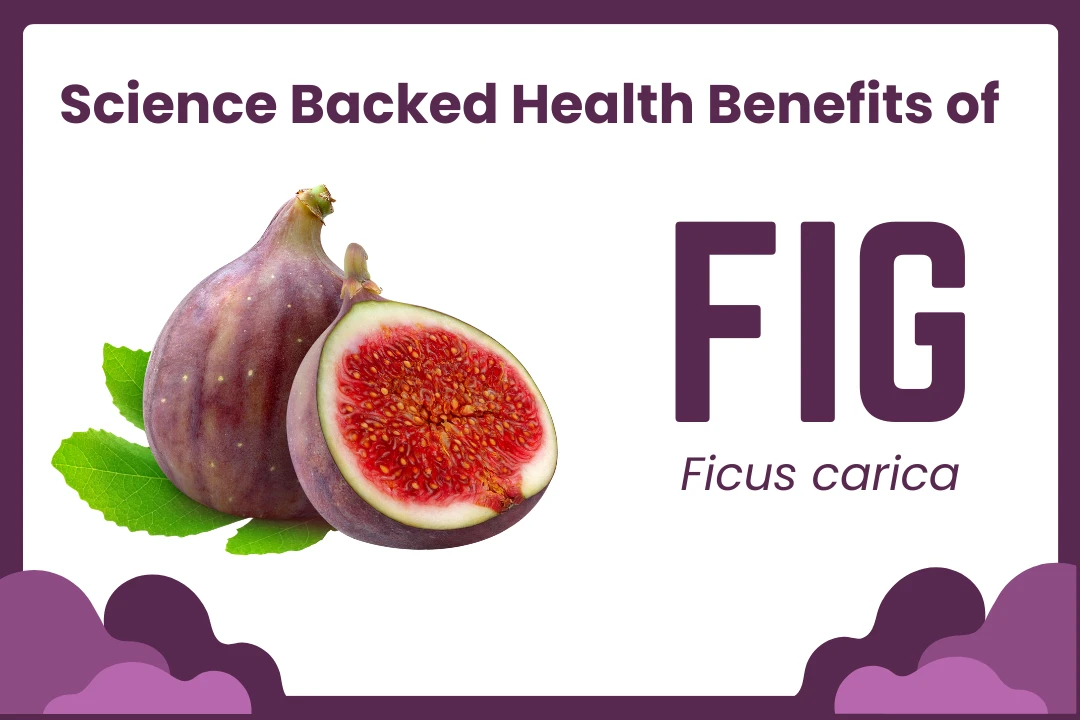
Fresh (Raw) Figs
- Appearance: Fresh figs are usually shaped like a teardrop or a small pear. Their skin is smooth and soft, ranging in color from bright green to deep purple or black, depending on the type. When cut open, the inside is filled with soft, pinkish-red flesh and more than thousands of tiny seeds.
- Taste: They have a gentle, honey-like sweetness with a hint of berry flavor. The texture is soft and jammy, while the seeds provide a slight crunch.
- Weight: A typical fresh fig is heavy with water content, usually weighing between 40 and 50 grams.
Dried Figs
- Appearance: Because the water has been removed, dried figs look shriveled, flat, and wrinkly. The skin often turns a light brown, tan, or dark beige color. They are much firmer to the touch compared to the fresh version.
- Taste: The flavor is much more intense and concentrated than a fresh fig. They are very chewy and taste like sweet candy or rich caramel, with the seeds being more noticeable.
- Weight: Since they have lost their moisture, they are much lighter, typically weighing about 8 to 20 grams each.
Nutrition Value of Figs
| Nutrients | Amount | DV%* |
| MACRONUTRIENTS | ||
| Energy | 20.9 kcal | 1% |
| Protein | 0.277 g | <1% |
| Total Lipid (Fat) | 0.078 g | <1% |
| Water | 2.52 g | – |
| CARBOHYDRATES (Subtypes) | ||
| Carbohydrate, by difference | 5.37 g | 2% |
| Fiber, total dietary | 0.823 g | 3% |
| Total Sugars | 4.02 g | ** |
| Glucose | 2.08 g | – |
| Fructose | 1.92 g | – |
| MICRONUTRIENTS | ||
| Vitamins | ||
| Vitamin K (phylloquinone) | 1.31 µg | 1% |
| Vitamin C, total ascorbic acid | 0.101 mg | <1% |
| Folate, total | 0.756 µg | <1% |
| Choline, total | 1.33 mg | <1% |
| Minerals (Electrolytes & Trace) | ||
| Potassium, K | 57.1 mg | 1% |
| Calcium, Ca | 13.6 mg | 1% |
| Magnesium, Mg | 5.71 mg | 1% |
| Phosphorus, P | 5.63 mg | <1% |
| Copper, Cu | 0.024 mg | 3% |
| Manganese, Mn | 0.043 mg | 2% |
| Iron, Fe | 0.171 mg | 1% |
| AMINO ACIDS | ||
| Aspartic acid | 0.054 g | – |
| Proline | 0.051 g | – |
| Glutamic acid | 0.025 g | – |
| Alanine | 0.011 g | – |
| Valine | 0.010 g | – |
| FATTY ACIDS | ||
| Fatty acids, total saturated | 0.012 g | <1% |
| Fatty acids, total monounsaturated | 0.013 g | – |
| Fatty acids, total polyunsaturated | 0.029 g | – |
| PHYTONUTRIENTS (Antioxidants) | ||
| Lutein + zeaxanthin | 2.69 µg | – |
| Beta-carotene | 0.504 µg | – |
Sourc: www.usda.gov
Percent Daily Values (%DV) are based on a 2,000-calorie diet. Individual nutritional needs may vary depending on age, gender, activity level, and overall health.
Science Backed Health Benefits of Figs (Ficus carica)
#1. Support Digestive Health
Figs are rich in dietary fiber, polyphenols, and flavonoids, which are compounds that support healthy digestion and relieve constipation. 1 2 These nutrients help increase the water content and bulk of stool, making bowel movements easier and quicker. The fiber in figs also enhances stool consistency, which can improve conditions like functional constipation and IBS-C (constipation-predominant irritable bowel syndrome). (3 (4 Additionally, regular consumption of figs may promote the production of mucin, a substance that helps protect and smooth the intestinal lining, reducing discomfort during digestion. 5
What Research Says:
- Studies show that fig paste has several benefits for digestion. In a study with beagles, fig paste helped increase the weight of feces and made it easier for food to move through the colon. 1
- In rats with constipation, fig paste increased the water content in their feces and improved the structure of their colon. 2
- A clinical trial at Tehran University found that fig paste helped relieve constipation symptoms in patients with multiple sclerosis. 3
- Research from Isfahan University showed that eating figs improved symptoms of IBS-C and overall quality of life. 4
- In another study, a trial by Chonbuk National University showed that fig paste helped people with functional constipation by making bowel movements more regular and easier. 5
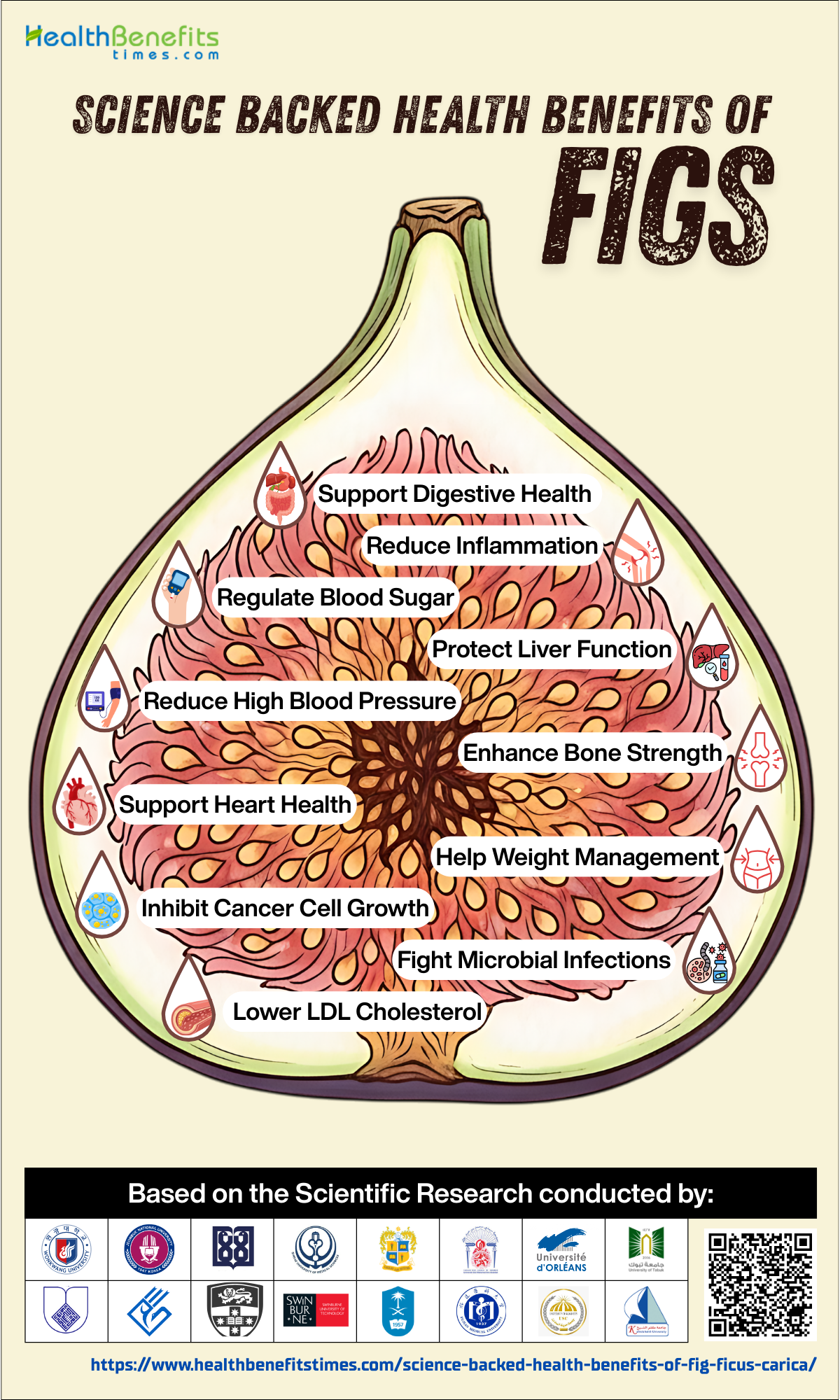
#2. Regulate Blood Sugar
Figs can help control blood sugar levels in a few important ways. They contain special plant compounds like abscisic acid (ABA) in the fruit and coumarins such as ficusin, psoralen, and umbelliferone in the leaves. 6 7 8 9 These compounds improve the body’s ability to control blood sugar after meals, help the body respond better to insulin, and support the function of cells in the pancreas that are responsible for producing insulin. 10 The antioxidants and anti-inflammatory properties in fig leaves and buds also play a role in reducing stress on the body and improving blood fat levels, which may lower the chances of heart problems related to diabetes. When you eat figs, these nutrients help regulate blood sugar and protect the body from damage caused by high blood sugar levels.
What Research Says:
- A clinical trial by Ahvaz Jundishapur University found that drinking fig leaf tea helped lower blood sugar levels after meals in people with type 2 diabetes, without affecting insulin production.
- Research from Euromed S.A. showed that fig fruit extracts, which are standardized for abscisic acid (ABA), lowered blood sugar and insulin levels in healthy adults in a dose-dependent way. 6
- Animal studies, including research from King Saud University, showed that compounds in fig leaves, like ficusin, improved insulin sensitivity in diabetic rats by helping insulin work better in the body. 7
- Traditional use of fig leaf tea for managing diabetes in Spanish folklore is backed by studies that show it improves blood sugar control and helps protect the pancreas. 8
- Fig leaf and bud extracts, which are rich in antioxidants, were also found to reduce stress and prevent organ damage in diabetic rats in studies from the University Sidi Mohamed Ben Abdellah. 10
#3. Lower LDL Cholesterol
Figs, especially their leaves, are packed with bioactive compounds like polyphenols, flavonoids, and alkaloids that help reduce “bad” LDL cholesterol. 11 12 These compounds work by blocking cholesterol absorption in the intestines and lowering its production in the liver. This can lead to healthier lipid profiles and lower the risk of heart problems, including atherosclerosis and coronary artery disease. 13 Eating fig leaf extracts regularly can help manage high cholesterol levels, while fig oils, though not as widely studied, may support skin health due to the anti-inflammatory effects of these compounds.
What Research Says:
- A study by the University of Sadat City found that extracts from Ficus carica leaves helped lower LDL cholesterol and triglycerides in diabetic rats. 11
- Research published in the American Journal of Animal and Veterinary Sciences showed that fig leaf extracts reduced cholesterol levels in liver cells when exposed to high glucose. 12
- A study by Diponegoro University discovered that fig fruit and leaf extracts helped lower LDL cholesterol, total cholesterol, and triglycerides in rats on a high-fat diet. It also reduced signs of inflammation and stress in the body. 13
- These traditional uses of fig leaves for managing metabolic problems back up their potential as a natural way to lower unhealthy fats in the blood.
#4. Reduce Inflammation
Figs have strong anti-inflammatory properties thanks to their high levels of flavonoids and phenolic acids like rutin, chlorogenic acid, and psoralen. 14 (15 These compounds, when consumed or applied to the skin, help reduce inflammation by blocking harmful cytokines like TNF-α, IL-1β, IL-6, and PGE2. They also influence pathways such as JAK-STAT and NF-κB. 16 17 18 This makes fig extracts helpful for managing conditions such as rheumatoid arthritis, psoriasis, and chronic skin wounds. Figs can reduce the growth of new blood vessels, ease skin damage, and speed up tissue healing. 19
What Research Says:
- Studies from Tabriz University of Medical Sciences found that methanolic leaf extract of figs reduced levels of TNF-α, PGE2, and VEGF in rats, similar to the effects of diclofenac. 16
- Research on RAW264.7 cells showed that fig fruit extract decreased the production of nitric oxide (NO) and reduced the activity of JAK1-STAT3, which may be important for treating psoriasis. Applying fig extract on the skin improved symptoms, made the skin thinner, and reduced STAT3 activation. 17
- Wound-healing tests on rats confirmed that a 5% black fig leaf cream lowered inflammation markers like IL-1β, IL-6, and TNF-α, while boosting collagen production and the growth of blood vessels. 19
- Traditional use of figs for treating skin and inflammatory issues is backed by modern research, including its ability to inhibit CCL20 in skin cells, which suggests it may help in treating psoriatic skin. 18
#5. Protect Liver Function
Figs are rich in antioxidants like polyphenols, flavonoids, and rutin. These antioxidants help protect the liver by fighting harmful molecules called free radicals and reducing oxidative stress. This protection may prevent or improve liver problems such as alcoholic liver disease, liver damage caused by chemicals, and fatty liver. 20 21 22 Figs also support the body’s natural defense system, reduce inflammation, and help liver cells grow back when eaten regularly. Applying fig extract on the skin might also help protect the liver, thanks to its anti-inflammatory properties, but eating it is the best way to support overall liver health.
What Research Says:
- Studies from places like Nanded Pharmacy College and Jamia Hamdard showed that fig leaf extracts helped lower high levels of liver enzymes (ALT, AST) and bilirubin in rats exposed to harmful substances like rifampicin and CCl4. 20 21
- Research published in Molecules found that dark-peeled fig types, which are high in rutin and phenolic acids, helped reduce liver damage and swelling in rats poisoned with CCl4. 22
- Traditional uses of fig for treating jaundice and liver problems are supported by lab studies that showed less LDH leakage in liver cells treated with fig extract. 23
- In addition, research from the University of Mostaganem confirmed that fig extracts helped improve liver cell health and antioxidant levels in rats with liver damage caused by nickel. 24
#6. Support Heart Health
Figs may help protect your heart because they contain healthy compounds like flavonoids, phenolic acids, and anthocyanins. These substances can lower bad cholesterol (LDL) and triglycerides while raising good cholesterol (HDL), which helps manage high cholesterol—a key factor in heart disease. 25 Figs also have compounds such as quercetin and gallic acid that act as antioxidants and relax blood vessels, helping lower blood pressure and improve blood vessel function, reducing the risk of high blood pressure and related problems. 26 Eating fig extracts regularly may reduce stress in the body and prevent damage to the heart caused by poor blood flow. 27
What Research Says:
- A study in Algeria showed that extracts from fig leaves and twigs helped lower harmful fats like triglycerides, total cholesterol, and LDL, while raising the good cholesterol (HDL) in mice with high fat levels. 25
- In research from Pakistan, fig fruit extract was found to lower both the top (systolic) and bottom (diastolic) blood pressure in rats, whether they had normal blood pressure or high blood pressure caused by sugar, thanks to certain key compounds like flavonoids and phenolics. 26
- In Iran, a study using rat hearts showed that a methanol-based leaf extract helped reduce irregular heartbeats and heart damage caused by poor blood flow, which was linked to its strong antioxidant and flavonoid content. 27
#7. Enhance Bone Strength
Figs are great for your bones because they are packed with important minerals like calcium, magnesium, and strontium, which help keep bones strong and maintain their structure. 28 Figs also have natural compounds, such as flavonoids, alkaloids, and polyphenols, that act as antioxidants and reduce inflammation, which can prevent bones from breaking down and support overall bone health. 29 Eating figs regularly may help protect against bone problems like osteoporosis and rheumatoid arthritis by improving bone strength and slowing bone loss. These nutrients work together to support bone tissue and reduce stress on the bones. While more research is needed on how fig extracts applied to the skin can help, they may also provide benefits by reducing inflammation in skin and tissues.
What Research Says:
- A review study from Universiti Kebangsaan Malaysia found that fig extracts help slow bone breakdown by stopping the formation of osteoclasts (cells that break down bone). This happens by blocking the RANKL pathway, which plays a major role in bone loss. 29
- Research from Universiti Sains Islam Malaysia reported that eating figs increases bone-building markers like osteocalcin. Figs also show phytoestrogen-like activity, which may help protect bones, especially in women after menopause. 30
#8. Inhibit Cancer Cell Growth
Figs contain various nutrients that may help fight cancer. The bioactive compounds in figs, like psoralen, bergapten, and ficin, have been shown to prevent the growth of cancer cells. Psoralen and bergapten, along with the proteolytic enzyme ficin, work by slowing down the growth of cancer cells and promoting their natural death (apoptosis). 31 32 These compounds may be helpful in fighting cancers such as stomach, breast, cervical, and melanoma cancers, as they specifically target cancer cells while often leaving healthy cells unharmed. 33 34 When eaten or applied to the skin, these nutrients may affect the pathways in our cells, offering a natural way to prevent or support cancer treatment. 35
What Research Says:
- Scientific studies show that fig extracts have strong potential to fight cancer. A review of 27 studies confirmed that Ficus carica (fig) affects several pathways in the body that are linked to cancer growth. 35
- Research from Mazandaran University found that fig latex can target stomach cancer cells and stop their growth without harming healthy cells. A study from Jilin University showed that fig leaf extracts can slow down the movement and growth of triple-negative breast cancer cells. 32
- Other research on cervical cancer found that fig latex helps reduce harmful proteins from the human papillomavirus (HPV) and turns on genes that prevent tumor growth. 33
- Additionally, work from Islamic Azad University showed that fig leaf extracts cause cancer cells in melanoma to die by affecting their mitochondria. 34
- These findings support the traditional use of figs and suggest they could be important for developing new cancer treatments.
#9. Fight Microbial Infections
Figs contain powerful nutrients that can help fight infections. Some key nutrients in figs, such as polyphenols, flavonoids, and phenolic acids (including rutin, quercetin, and ferulic acid), have strong antibacterial and antifungal properties. 36 When consumed, these nutrients help the body fight harmful bacteria like E. coli and S. aureus, as well as fungi such as Candida albicans. This can potentially help prevent problems like stomach issues, skin infections, and oral thrush. 37 Fig seed oil, when applied to the skin, may also provide protection from infections due to its anti-inflammatory and antimicrobial effects, helping to heal wounds and support skin health.
What Research Says:
- Research from the University of Mohammed Premier and King Saud University found that fig leaf extracts, when mixed with alcohol, can stop the growth of both Gram-positive and Gram-negative bacteria, as well as the fungus Candida albicans. The extracts were effective even at very low concentrations (32 µg/mL). 36
- Studies on the molecular level showed that certain compounds in fig leaves, like myricitin and neochlorogenic acid, can attach to enzymes in bacteria and fungi, disrupting their ability to function properly. 36 37
- In tests done in Eastern Morocco, fig pastes were shown to have strong antimicrobial effects, suggesting they could be used as natural preservatives or medicines for food and herbal medicine. 37
#10. Help reduce high blood pressure
Figs are packed with beneficial nutrients like flavonoids, phenolic compounds, and potassium, which play a key role in reducing high blood pressure. These nutrients help improve blood vessel function, reduce stress in the body, and may help the kidneys manage sodium levels better. This combination of effects supports overall heart health. Regularly eating figs can help control high blood pressure and lower the risk of heart-related issues like coronary artery disease, strokes, and heart attacks. 38 39
What Research Says:
- A study showed that an extract made from Ficus carica fruit helped lower blood pressure in rats, both in their general blood pressure and when it was raised by glucose. 38
- In a clinical trial at National Hospital Lahore, eating 12 grams of figs every day for two months also helped lower blood pressure in people with metabolic syndrome. 39
#11. Aid healthy weight management
Figs can help manage weight because they are rich in polyphenols, flavonoids, and dietary fiber. These nutrients work together to regulate metabolism and reduce fat buildup in the body. Polyphenols and flavonoids help improve insulin sensitivity and lower blood glucose levels. They also slow down digestive enzymes that break down carbs and fats, which means fewer calories are absorbed. 40 Eating figs or their extracts regularly has been linked to lower body weight, better cholesterol levels, and a reduced risk of obesity-related conditions like type 2 diabetes and non-alcoholic fatty liver disease. 41 42 While eating figs is the most studied and effective method, using fig-derived oils on the skin is not well researched for weight management.
What Research Says:
Scientific studies show that figs may help fight obesity in several ways:
- Research on mice fed a high-fat diet showed that fermented fig extract helped reduce body weight, liver fat, and the activity of genes linked to fat storage, such as FAS and C/EBPα. 41
- Laboratory tests found that an extract from fig fruit can stop enzymes like α-amylase, α-glucosidase, and pancreatic lipase, which play a role in obesity and diabetes management. 40
- Studies on rats showed that fig extract lowers cholesterol and triglycerides while boosting antioxidant enzymes like superoxide dismutase, which helps reduce the damage caused by obesity. 43 42
- The chemical makeup of fig leaves changes with the seasons. Leaves harvested in autumn had stronger effects in reducing fat cell development by affecting genes like PPARγ and leptin. 44
- A recent animal study on fig meal replacement powder found that it improved gut health by increasing microbiota diversity, lowering the Firmicutes/Bacteroidetes ratio, and reducing inflammation, which supports its role in metabolic health 45
Comments
comments
This article is based on Scientific Research Conducted by following Research Organization:
- Effects of Ficus carica paste on constipation induced by a high-protein feed and movement restriction in beagles–Wonkwang University, South Korea
- Effects of Ficus carica paste on loperamide-induced constipation in rats–Jeonbuk National University, South Korea
- Ficus carica (fig) paste supplementation in patients with multiple sclerosis associated constipation; a double blind randomized clinical trial–Tehran University of Medical Sciences, Tehran, Iran, Shiraz University of Medical Sciences, Shiraz, Iran
- Comparison and Assessment of Flixweed and Fig Effects on Irritable Bowel Syndrome with Predominant Constipation–Isfahan University of Medical Sciences, Isfahan, Iran, Bushehr University of Medical Sciences, Bushehr, Iran
- Randomized, double-blind, placebo-controlled trial of Ficus carica paste for the management of functional constipation–Jeonbuk National University, South Korea, Korea Food Research Institute, South Korea
- Abscisic Acid Standardized Fig (Ficus carica) Extracts Ameliorate Postprandial Glycemic and Insulinemic Responses in Healthy Adults–The University of Sydney, Sydney, Australia, Swinburne University, Australia
- Protective effects of Ficus carica leaves on glucose and lipids levels, carbohydrate metabolism enzymes and β-cells in type 2 diabetic rats–Loyola College, India, King Saud University, Saudi Arabia
- Chemical Constituents and Antidiabetic Activity of Dichloromethane Extract from Ficus carica Leaves–The Second Affiliated Hospital of Fujian Medical University, People’s Republic of China
- Antioxidant, antilipidemic and antidiabetic effects of ficusin with their effects on GLUT4 translocation and PPARγ expression in type 2 diabetic rats–Loyola College, India
- Ficus carica (Linn.) Leaf and Bud Extracts and Their Combination Attenuates Type-1 Diabetes and Its Complications via the Inhibition of Oxidative Stress–University Sidi Mohamed Ben Abdellah, Fez, Morocco, University of Orleans, France
- Comparison of the Efficiency of Lepidium sativum, Ficus carica,and Punica granatum Methanolic Extracts in RelievingHyperglycemia and Hyperlipidemia of Streptozotocin-InducedDiabetic Rats–University of Sadat City, Sadat City, Egypt, University of Tabuk, Saudi Arabia, Kafrelsheikh University, Egypt
- Effect of Fig (Ficus carica) Leaf Extract on the Secretion and Content of Cholesterol in Hepg2 Cell–University of Tehran, Tehran, Iran
- Ethanol Extracts of Ficus carica Fruit and Leaf Normalize High Serum Lipid Profile, TNF-α, and MDA due to High Fat Diet in Sprague Dawley Rat–Diponegoro University, Semarang, Indonesia
- Study on skin anti-inflammatory activity of fig (Ficus carica L.) fruit extract fractions–Korean Society for Applied Biological Chemistry, South Korea
- Physicochemistry, Nutritional, and Therapeutic Potential of Ficus carica – A Promising Nutraceutical–Universiti Kuala Lumpur, Kuala Lumpur, Malaysia, MAHSA University, Jenjarom, Selangor, Malaysia, University of Malaya, Kuala Lumpur, Malaysia, Universiti Sains Islam Malaysia, Nilai, Negeri Sembilan, Malaysia, Sultan Qaboos University, Muscat, Oman
- Methanolic Extract of Ficus carica Linn. Leaves Exerts Antiangiogenesis Effects Based on the Rat Air Pouch Model of Inflammation–Tabriz University of Medical Sciences, Tabriz, Iran, Universiti Sains Malaysia, Kelantan, Malaysia
- In Vitro and In Vivo Anti-Psoriasis Activity of Ficus carica Fruit Extracts via JAK-STAT Modulation–Soonchunhyang University, South Korea
- The inhibitory potential of chemical constituents of Ficus carica targeting interleukin-6 (IL-6) mediated inflammation–University of the Punjab, Lahore, Pakistan
- Molecular research: the effect of black fig (Ficus carica L.) leaf extract on inflammation in punch skin biopsy–Erciyes University, Kayseri, Türkiye
- Hepatoprotective Activity of Ficus carica Leaf Extract on Rifampicin-Induced Hepatic Damage in Rats–Nanded Pharmacy College, India, Government College of Pharmacy, India
- Hepatoprotective Activity of the Ethanolic Extract of Ficus caricaLinn. LeavesinCarbon Tetrachloride-Induced Hepatotoxicityin Rats–Faculty of Pharmacy, Jamia Hamdard, India, King Abdulaziz University, Jeddah, Kingdom of Saudi Arabia
- Antioxidant Activity and Effectiveness of Fig Extract in Counteracting Carbon Tetrachloride-Induced Oxidative Damage in Rats–University of Mostaganem (UMAB), Algeria, University of Opole, Opole, Poland
- Protection of Hepatic Cells from CCl4 Induced Cytotoxicity by Ficus Carica in Liver Slices Culture In Vitro–NRI Institute of Pharmacy, India, Jawaharlal Nehru Cancer Hospital and Research Center, Bhopal, India, Dr. H. S. Gaur University, Sagar, India
- Ameliorative or corrective effects of Fig “Ficus carica” extract on nickel-induced hepatotoxicity in Wistar rats–University of Oran 1 Ahmed Ben Bella, Oran, Algeria, University of Mostaganem, Mostaganem, Algeria, University of Liège, Belgium, University Hospital of Sidi Bel Abbes, Algeria
- Antioxidant activity and Hypolipidemic effect of Ficus carica leaf and twig extracts in Triton WR-1339-induced hyperlipidemic mice–University of Béjaïa, Algeria
- Evaluation of antihypertensive potential of Ficus carica fruit–University of Sargodha, Sargodha, Pakistan, University Faisalabad, Faisalabad, Pakistan
- Evaluation of General Toxicity, Anti-Oxidant Activity and Effects of Ficus Carica Leaves Extract on Ischemia/Reperfusion Injuries in Isolated Heart of Rat–Tabriz University of Medical Sciences, Iran
- A Micro-Computed Tomography (micro-CT) Analysis of Postmenopausal Osteoporotic Rat Models Supplemented with Ficus carica–Universiti Sains Islam Malaysia (USIM), Kuala Lumpur, Malaysia, Universiti Teknologi MARA (UiTM) Cawangan Selangor, Malaysia
- Ficus carica and Bone Health–Universiti Kebangsaan Malaysia Medical Centre (UKM Medical Centre), Kuala Lumpur, Malaysia, Universiti Kebangsaan Malaysia Medical Centre, Kuala Lumpur, Malaysia
- The Effects of Ficus CaricaFruit on Bone Markers and Oestrogen Level of Post-Menopausal Osteoporotic Rats–International Islamic University Malaysia, Malaysia
- The Effect of Fig Tree Latex (Ficus carica) on Stomach Cancer Line–Mazandaran University of Medical Sciences, Sari, Iran, Islamic Azad University, Iran
- Extracts and components of Ficus carica leaves suppress survival, cell cycle, and migration of triple-negative breast cancer MDA-MB-231 cells–Jilin University, People’s Republic of China
- Biological activities of Ficus carica latex for potential therapeutics in Human Papillomavirus (HPV) related cervical cancers–Kingston University London, United Kingdom, Jacobs University Bremen, Germany
- Assessment the Effect of Ficus carica Leaf Extract on B16F10 Melanoma Cancer Cells–Islamic Azad University, Mashhad, Iran
- A systematic review on potential anticancer activities of Ficus carica L. with focus on cellular and molecular mechanisms–Kermanshah University of Medical Sciences, Kermanshah, Iran, University of Guilan, Rasht, Iran, Lake Erie College of Osteopathic Medicine, Bradenton, FL, USA
- Antioxidant potential, antimicrobial activity, polyphenol profile analysis, and cytotoxicity against breast cancer cell lines of hydro-ethanolic extracts of leaves of (Ficus carica L.) from Eastern Morocco–Université Mohammed Premier, Oujda, Morocco, National Institute of Agricultural Research (INRA), Rabat, Morocco, Faculty of Science and Technology, Beni Mellal, Morocco, Moulay Ismail University of Meknes, Meknes, Morocco, Ministry of Health and Social Protection, Fez, Morocco, Mohamed Ben Abdellah University, Fez, Morocco, Sultan Moulay Slimane University, Beni Mellal, Morocco, King Saud University, Riyadh, Saudi Arabia, Université d'Artois, Beauvais Cédex, France
- Nutritional value antioxidant strength and antimicrobial efficacy of fig pastes from eastern morocco–Université Mohammed Premier, Oujda, Morocco, University Hassan II of Casablanca, Morocco, National Institute of Agricultural Research (INRA), Rabat, Morocco, Ministry of Health and Social Protection, Fez, Morocco, Sultan Moulay Slimane University, Beni Mellal, Morocco, University Cadi Ayyad of Marrakech, Morocco, Université de Lille, France, King Saud University, Riyadh, Saudi Arabia
- Evaluation of antihypertensive potential of Ficus carica fruit–University of Sargodha, Sargodha, Pakistan, Government College University Faisalabad (GCUF), Faisalabad, Pakistan
- Effects of Herbs on Blood Pressure, Diabetes Mellitus, and Hyperlipidemia–Quetta Institute of Medical Sciences (QIMS), Quetta, Pakistan, Lahore Medical and Dental College (LMDC), Lahore, Pakistan, University of Balochistan (UOB), Quetta, Pakistan, Jinnah Postgraduate Medical Centre (JPMC), Karachi, Pakistan
- The effects of Ficus carica on the activity of enzymes related to metabolic syndrome–University of KwaZulu-Natal, Durban, South Africa, Sri Venkateswara University, Tirupati, India
- Anti-Obesity and Antidiabetic Effects of Fig (Ficus carica L.) Fermented Extract Using Lactobacillus plantarum BT-LP-01–Jeonbuk National University, Iksan-si, Republic of Korea, Kunsan National University, Gunsan-si, Republic of Korea
- Ficus carica and Sizigium cumini Regulate Glucose and Lipid Parameters in High-Fat Diet and Streptozocin-Induced Rats–Ajman University, Ajman, United Arab Emirates, Beni-Suef University, Beni-Suef, Egypt, COMSATS University Islamabad, Lahore Campus, Lahore, Pakistan
- Anti-obesity effects and underlying molecular mechanisms of the ethanolic extract of figs from Ficus hispida using high fat-fed wister rats–University of Chittagong, Chittagong, Bangladesh
- Different Seasonal Collections of Ficus carica L. Leaves Diversely Modulate Lipid Metabolism and Adipogenesis in 3T3-L1 Adipocytes–University of Brescia, Brescia, Italy, University of Bologna, Bologna, Italy
- Fig Meal Replacement Powder Ameliorates Obesity, Oxidative Stress and Intestinal Microbiota in Mice Fed With High-Fat Diet–China Agricultural University, Beijing, People’s Republic of China