

Nutritional Profile of Genip Fruit (Melicoccus bijugatus)
Based on the comprehensive phytochemical research from the attached scientific papers, I’ve compiled a detailed nutritional and chemical composition table for Melicoccus bijugatus (also known as Guinep, Spanish Lime, or Quenepa).
| Nutrient | Amount per 100 gm. | % Daily Value |
| Calories | 75 kcal | 4% |
| Total Carbohydrates | 18 g | 6% |
| Sugars (Total) | 16 g | N/A |
| – Glucose | 6 g | N/A |
| – Fructose | 6 g | N/A |
| – Sucrose | 5 g | N/A |
| – Mannose | 0.3 g | N/A |
| – Raffinose | trace | N/A |
| Dietary Fiber | 2 g | 4% |
| Protein | 1.5 g | 3% |
| Total Fat | 0.3 g | 1% |
| Vitamin A | Present | Variable |
| Vitamin C | Present | Variable |
| Carotenoids | 0.44 mg | N/A |
Science-Backed Health Benefits of Genip Fruit (Melicoccus bijugatus)
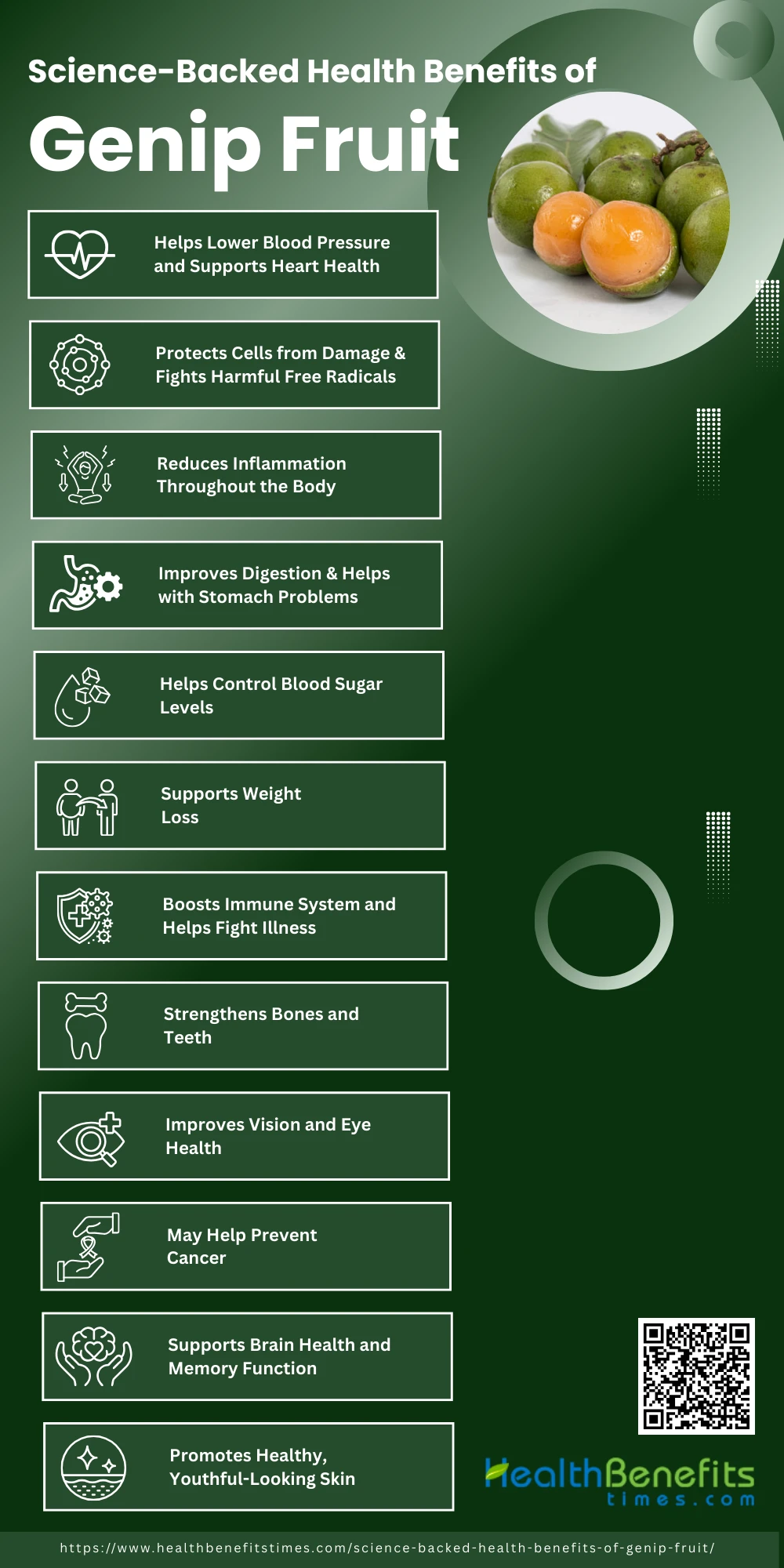
Scientific studies reveal that genip fruit (Melicoccus bijugatus) contains powerful cardiovascular-protective compounds that demonstrate significant blood pressure-lowering effects. (3) (2) Research shows that genip fruit extract significantly reduces systolic blood pressure, diastolic blood pressure, and mean arterial pressure while also decreasing heart rate. (4) (5) The fruit’s cardiovascular benefits stem from its rich content of phenolic compounds, particularly coumaric acid derivatives and caffeic acid, which possess anti-platelet activity and help prevent blood clotting. (1) These bioactive compounds work by inhibiting vascular smooth muscle cell proliferation and promoting vasodilation, which allows blood vessels to relax and reduces pressure on the cardiovascular system. (6) Additionally, genip contains flavonoids such as epicatechin, catechin, and procyanidins that provide antioxidant protection for the heart. (7) The fruit also demonstrates cardioprotective properties by normalizing heart rhythm abnormalities and reducing cardiac stress markers, making it a valuable natural option for supporting overall cardiovascular wellness. (3)(4)
2. Protects Cells from Damage and Fights Harmful Free Radicals
Brimming with potent bioactive compounds, genip fruit delivers a robust blend of phenolic acids and flavonoids that help neutralize harmful free radicals and protect cells from oxidative damage. (1) (8) Bursting with vitamin C alongside resveratrol derivatives, this fruit’s antioxidant profile supports cellular health by scavenging reactive molecules before they can harm vital tissues. (9) (10) Moreover, its high content of p-coumaric and ferulic acid derivatives contributes to its ability to combat oxidative stress and bolster the body’s natural defenses. (11) (1) Enriched with epicatechin and catechin dimers in its seeds, genip fruit also offers antimicrobial and anti-inflammatory benefits that further shield cells from damage and support overall wellness. (8) (1) With additional support from naringenin and other polyphenolic compounds, regular consumption of genip fruit promotes a balanced cellular environment by reducing oxidative burden and enhancing antioxidant capacity. (11)(9)
3. Reduces Inflammation Throughout the Body
Bursting with antioxidant-rich compounds, Genip fruit contains coumaric acid, caffeic acid, and resveratrol, which work together to help calm inflammation in the body. These plant-based phenolics support healthy immune responses by gently inhibiting molecules that drive swelling and discomfort. (12) (13) Alongside these, flavonoids like epicatechin help block pathways that signal cells to release inflammatory substances, promoting comfort in joints and tissues. (12) In addition, Genip’s natural saponins contribute to overall balance by supporting the lining of blood vessels, further reducing stress on the body’s systems. The fruit’s blend of bioactive chemicals also helps maintain healthy cell function by protecting against oxidative stress, a key trigger of widespread inflammation. (13) By including Genip fruit in the diet, people can tap into its natural arsenal of protective nutrients to support whole-body wellness and help keep inflammation in check without the need for synthetic additives.
4. Improves Digestion and Helps with Stomach Problems
Diverse natural compounds in genip fruit support healthy digestion and soothe stomach discomfort. The fruit pulp contains phenolic acids such as p-coumaric acid and ferulic acid derivatives, which help balance gut function and ease constipation by gently stimulating bowel movements. (1) (10) These phytochemicals also exhibit mild antimicrobial effects that may reduce the load of harmful bacteria in the digestive tract and help manage occasional diarrhea. (1) (14) In addition, the fruit’s flavonoids including catechin and epicatechin found especially in the seeds act as natural astringents, helping to tighten and tone digestive tissues to control excessive fluid loss during loose stools. (15) (10) Sugars like sucrose, glucose, and fructose in a balanced ratio further enhance digestibility, providing gentle energy without irritating sensitive stomachs. (10) (14) Traditional uses of genip seed preparations for treating intestinal parasites are linked to naringenin’s anti-parasitic activity, which supports overall gut health. (1) (16) Together, these bioactive compounds work in harmony to promote regular digestion, relieve mild stomach upsets, and support intestinal comfort for general well-being.
5. Helps Control Blood Sugar Levels
Remarkably, genip fruit contains phenolic compounds and flavonoids that help modulate blood sugar levels by slowing the breakdown and absorption of carbohydrates in the digestive tract. The fruit’s pulp is rich in p-coumaric acid and caffeic acid derivatives, which have been shown to inhibit enzymes responsible for carbohydrate digestion, thereby promoting a gradual rise in blood glucose rather than sudden spikes. (17) (1) Additionally, genip seeds harbor naringenin, a flavonoid that supports healthy glucose metabolism by enhancing insulin sensitivity in body tissues. (1) (18) The balanced ratio of glucose to fructose in the pulp also contributes to digestive comfort and stable energy release, reducing the risk of reactive hypoglycemia after meals. (17) (18) Beyond these actions, genip’s antioxidant bioactive compounds protect pancreatic cells from oxidative stress, helping maintain the cells that produce insulin. (17) By combining these effects enzyme inhibition, improved insulin responsiveness, and cellular protection genip fruit offers a natural dietary aid for managing post-meal blood sugar levels in a gentle, sustainable way.
6. Supports Weight Loss
Fortunately, genip fruit is rich in dietary fiber and bioactive compounds that may aid in weight management by promoting a feeling of fullness and supporting healthy digestion. Its pulp contains significant amounts of soluble fiber, which slows gastric emptying and helps regulate appetite. (19) Additionally, genip is a source of phenolic acids such as p-coumaric and caffeic acid, which have been associated with improved metabolic function and may contribute to more efficient fat processing. (6) (20) The fruit’s flavonoids including quercetin and naringenin exhibit antioxidant properties that can reduce inflammation and oxidative stress, factors often linked to metabolic imbalances and weight gain. (6) (20) Moreover, the balanced presence of natural sugars like glucose and fructose, alongside its modest caloric content, allows for a sweet taste without excessive energy intake, making genip a healthful alternative to high-calorie snacks. (19) (6) Vitamins A and C, also present in genip, support overall health by bolstering immune function and aiding in the maintenance of skin and connective tissues, thereby complementing dietary efforts for weight loss. (19) Together, these nutrients and phytochemicals make genip fruit a promising, natural addition to a balanced, weight-management–focused diet.
7. Boosts Immune System and Helps Fight Illness
Genip fruit is packed with a variety of naturally occurring bioactive compounds that help strengthen the body’s defenses and support overall wellness. Researchers have identified several flavonoids such as epicatechin, catechin, quercetin, myricetin, and naringenin that offer potent antioxidant and antimicrobial properties, helping to protect cells from damage and reduce the growth of harmful microbes. (17) (1) In addition, the fruit contains phenolic acids, including p-coumaric and caffeic acids, which are linked to anti-inflammatory effects and may help maintain healthy blood vessels, indirectly supporting immune function by ensuring optimal circulation. (17) (3) Genip also provides essential vitamins particularly vitamins A and C that are well known for their roles in bolstering the immune system by promoting the production and activity of white blood cells. (15) (1) Unique sugar derivatives found in the pulp, such as specific mannose compounds, have been shown to encourage immune cell signaling and activity, contributing to more effective responses against infections. (17) Together, these nutrients and phytochemicals make genip fruit a valuable addition to a balanced diet aimed at enhancing immune resilience and helping the body fight off illness.
8. Strengthens Bones and Teeth
Rich in essential nutrients, Genip fruit provides a natural way to support bone and dental health through its high mineral and vitamin content. The pulp contains notable amounts of phosphorus, which is critical for bone mineralization and maintaining the strength of teeth, while its iron content contributes to the overall health of connective tissues and blood supply necessary for bone maintenance. (21) Additionally, Genip is a good source of vitamin C, a vitamin known to promote collagen synthesis in the bone matrix and periodontal tissues, enhancing structural integrity and resilience. (21) (21) The fruit’s peel and seed are also rich in bioactive polyphenols and flavonoids such as coumaric and caffeic acids that exhibit antioxidant properties, helping to protect bone-forming cells from oxidative stress and supporting healthy tissue turnover. (21) (7) Furthermore, the presence of provitamin A carotenoids aids in the regulation of bone remodeling by influencing the activity of osteoblasts and osteoclasts, thereby ensuring balanced bone growth and repair. (15) Collectively, these nutrients and phytochemicals in Genip fruit work synergistically to bolster the skeletal system, making it a valuable dietary addition for maintaining strong bones and teeth.
9. Improves Vision and Eye Health
Genip fruit, also known as Melicoccus bijugatus, offers a natural boost to vision and overall eye health through its rich array of bioactive compounds. The fruit’s pulp contains potent antioxidants and phenolic compounds that help protect eye tissues from oxidative stress, reducing the risk of age-related vision decline and supporting clear eyesight. (15) (22) In addition, genip is a good source of vitamin C, which plays a key role in maintaining the health of the cornea and retina by promoting collagen formation and protecting against harmful free radicals. (15) Flavonoids found in the fruit further contribute to eye health by improving blood flow to the eyes and strengthening blood vessels, which can help prevent conditions like macular degeneration. (22) Genip’s natural sugars and other phytochemicals also support the nourishing environment within the eye, ensuring that cells receive the energy and nutrients they need to function optimally. Regular consumption of genip fruit or its extracts can help maintain healthy vision over time, making it a simple, food-based addition to an eye-healthy lifestyle.
10. May Help Prevent Cancer
Commencing with an increasing body of evidence, Genip fruit, also known as Melicoccus bijugatus, contains a rich assortment of bioactive compounds that may contribute to cancer prevention. Its seeds and pulp are abundant in phenolic acids and flavonoids such as coumaric acid, caffeic acid, epicatechin, procyanidins, quercetin, and resveratrol which are recognized for their strong antioxidant and anti-inflammatory properties. (12) These antioxidants neutralize harmful free radicals and support cellular health by reducing oxidative stress, a known contributor to the initiation and progression of cancerous changes. (12) (6) Additionally, the fruit’s high content of p-coumaric acid and caffeic acid has been shown to modulate key signaling pathways involved in inflammation, further reinforcing the body’s natural defenses against abnormal cell growth (12) Beyond phenolics, Genip fruit provides essential nutrients including vitamins A and C that bolster immune function and support DNA repair mechanisms, both critical factors in maintaining healthy tissue and preventing malignancy. (6) The combined action of these flavonoids, phenolic acids, and vitamins creates a synergistic effect, enhancing the body’s resilience against oxidative damage and inflammation, thereby potentially lowering cancer risk. (23)(6)
11. Supports Brain Health and Memory Function
Remarkably, genip fruit is rich in antioxidant and anti-inflammatory bioactive compounds that help maintain healthy brain function and support memory. The fruit pulp and seeds contain phenolic acids (including p-coumaric and ferulic acid derivatives) and flavonoids such as resveratrol and naringenin, which protect neural cells from oxidative stress and reduce inflammation linked to cognitive decline. (12) Additionally, genip fruit delivers vitamin C, a vital nutrient that neutralizes free radicals in the brain and supports the production of neurotransmitters essential for learning and memory processing. (9) These compounds work together to strengthen neuronal connections and preserve synaptic plasticity, contributing to improved memory retention and overall cognitive resilience. By incorporating genip fruit into the diet, individuals can benefit from its unique blend of natural antioxidants and bioactive nutrients that collectively foster a supportive environment for brain health and memory function. (12)(9)
12. Promotes Healthy, Youthful-Looking Skin
Brimming with potent antioxidants and bioactive compounds, genip fruit (Melicoccus bijugatus) helps protect skin from environmental stressors and supports a youthful appearance. Rich in phenolic acids such as p-coumaric acid and ferulic acid derivatives, the fruit pulp offers strong antioxidant activity that neutralizes free radicals, helping to prevent premature skin aging and maintain firmness. (16) In addition, the abundance of flavonoids including catechins, epicatechin, and procyanidins in the seed tissues contributes to collagen preservation and skin elasticity by supporting healthy connective tissue structure. (24) Moreover, caffeic acid present in genip fruit aids in reducing inflammation and calming redness, which can improve skin tone and clarity. (16) The balanced ratio of natural sugars like glucose and fructose in the pulp also ensures gentle hydration, helping skin retain moisture without irritation. (24) With its blend of polyphenols, flavonoids, and phenolic acids, genip fruit delivers comprehensive skin support by defending against oxidative damage, soothing inflammation, and promoting hydration, making it a valuable addition to any skincare regimen aimed at achieving healthy, youthful-looking skin. (12)
Traditional Uses of Genip Fruit (Melicoccus bijugatus)
Interestingly, communities across the Caribbean and northern South America have long valued the genip fruit for both nourishment and health support.
In many regions, the juicy pulp is enjoyed fresh for its sweet taste and high sugar content primarily sucrose, glucose, and fructose which provides quick energy and gentle relief from digestive discomfort. (1)(8)
Traditional healers prepare teas or syrups from roasted seeds rich in phenolic compounds like epicatechin and procyanidins to soothe diarrhea and promote gastrointestinal balance. (1)(8)
Local artisans also craft jams, jellies, and preserves, harnessing the fruit’s natural bioactive flavonoids quercetin and resveratrol to extend shelf life and enhance nutritional value. (25)(6)
Beyond the kitchen, the fruit’s astringent properties are trusted for skin toning, while the vibrant pulp serves as a natural dye.
How to Eat Genip Fruit
Genip (Genipa americana) is a tropical berry prized for its rich iridoid content and antioxidant properties, making it an excellent addition to a health-focused diet. To enjoy this fruit safely and maximize its nutritional benefits, follow these simple steps:
- Allow the fruit to fully ripen until its skin changes from green to a soft yellowish-brown, indicating optimal sweetness and bioactive compound development.
- Wash thoroughly, slice open the thin leathery rind, and gently pry out the soft, juicy pulp discard the inedible seeds to avoid digestive discomfort.
- Enjoy the pulp raw for a tangy snack or blend it with water and a touch of sugar (50:45:5 w/w/w ratio) to create a refreshing juice rich in iridoid derivatives that support antioxidant activity and overall wellness.
These methods ensure safe consumption while preserving the fruit’s potent health-promoting compounds, making genip a versatile option for smoothies, drinks, or direct consumption.
Possible Side Effects and Precautions of Genip Fruit (Melicoccus bijugatus)
Eating genip fruit in large amounts can sometimes cause throat irritation due to its high content of astringent polyphenolics, such as p-coumaric acid and other hydroxycinnamic acids, which may irritate the mucous membranes if overconsumed. (26)(1)
Moreover, these same polyphenolics have the ability to bind iron and other minerals, so adolescents or individuals with high iron requirements should be cautious, as excessive intake could contribute to iron deficiency. (1)(12)
Additionally, while saponins present in the fruit pulp may offer benefits like cholesterol reduction, they can be toxic at high levels and potentially damage red blood cells if taken in very large quantities, so moderation is key. (1)(12)
It is also advised to moderate intake during sensitive periods, such as puberty or rapid growth phases, to avoid possible adverse effects. Finally, those with gastrointestinal sensitivities should note that although the balanced glucose-to-fructose ratio promotes easy digestion, overindulgence could still lead to mild digestive discomfort. In general, enjoying genip fruit in modest quantities and alongside a varied diet will help ensure its bioactive compounds, like antioxidants and flavonoids, support health without causing unwanted side effects.
Comments
comments