

Nutritional Profile of Gooseberry
The table below summarizes all available nutrients and chemical constituents in a 100 g serving of raw gooseberries (Ribes uva-crispa), along with their approximate %DV (Daily Value) for adults and children aged 4 years and older, based on FDA reference values.
| Nutrient/Chemical | Amount per 100 g | Unit | %DV |
| Energy | 44 | kcal | — |
| Water | 87.9 | g | — |
| Protein | 0.88 | g | 2% |
| Total Lipid (Fat) | 0.58 | g | 1% |
| – Saturated Fatty Acids | 0.038 | g | <1% |
| – Monounsaturated Fatty Acids | 0.051 | g | — |
| – Polyunsaturated Fatty Acids | 0.317 | g | — |
| Cholesterol | 0 | mg | 0% |
| Carbohydrate, by difference | 10.2 | g | 4% |
| – Dietary Fiber | 4.3 | g | 15% |
| – Sugars (total)** | — | g | — |
| Ash | 0.49 | g | — |
| Vitamins | |||
| Vitamin C (total ascorbic acid) | 27.7 | mg | 31% |
| Thiamin (B₁) | 0.04 | mg | 3% |
| Riboflavin (B₂) | 0.03 | mg | 2% |
| Niacin (B₃) | 0.30 | mg | 2% |
| Pantothenic acid (B₅) | 0.286 | mg | 6% |
| Vitamin B-6 | 0.08 | mg | 5% |
| Folate, total | 6 | µg | 2% |
| Vitamin A, RAE | 15 | µg | 2% |
| Vitamin A, IU | 290 | IU | — |
| Vitamin E (alpha-tocopherol) | 0.37 | mg | 2% |
| Minerals | |||
| Calcium (Ca) | 25 | mg | 2% |
| Iron (Fe) | 0.31 | mg | 2% |
| Magnesium (Mg) | 10 | mg | 2% |
| Phosphorus (P) | 27 | mg | 2% |
| Potassium (K) | 198 | mg | 4% |
| Sodium (Na) | 1 | mg | <1% |
| Zinc (Zn) | 0.12 | mg | 1% |
| Copper (Cu) | 0.07 | mg | 8% |
| Manganese (Mn) | 0.144 | mg | 6% |
| Selenium (Se) | 0.6 | µg | 1% |
| Fatty Acid Breakdown | |||
| Palmitic acid (16:0) | 0.019 | g | — |
| Stearic acid (18:0) | 0.013 | g | — |
| Linoleic acid (18:2) | 0.271 | g | — |
| Alpha-linolenic acid (18:3) | 0.046 | g | — |
| Other | |||
| Cholesterol | 0 | mg | 0% |
Source: (1)
Notes on %DV Calculations
%DV values are based on the following FDA reference daily intakes for adults and children over 4 years.
Science Backed Health Benefits of Gooseberry (Ribes uva-crispa)
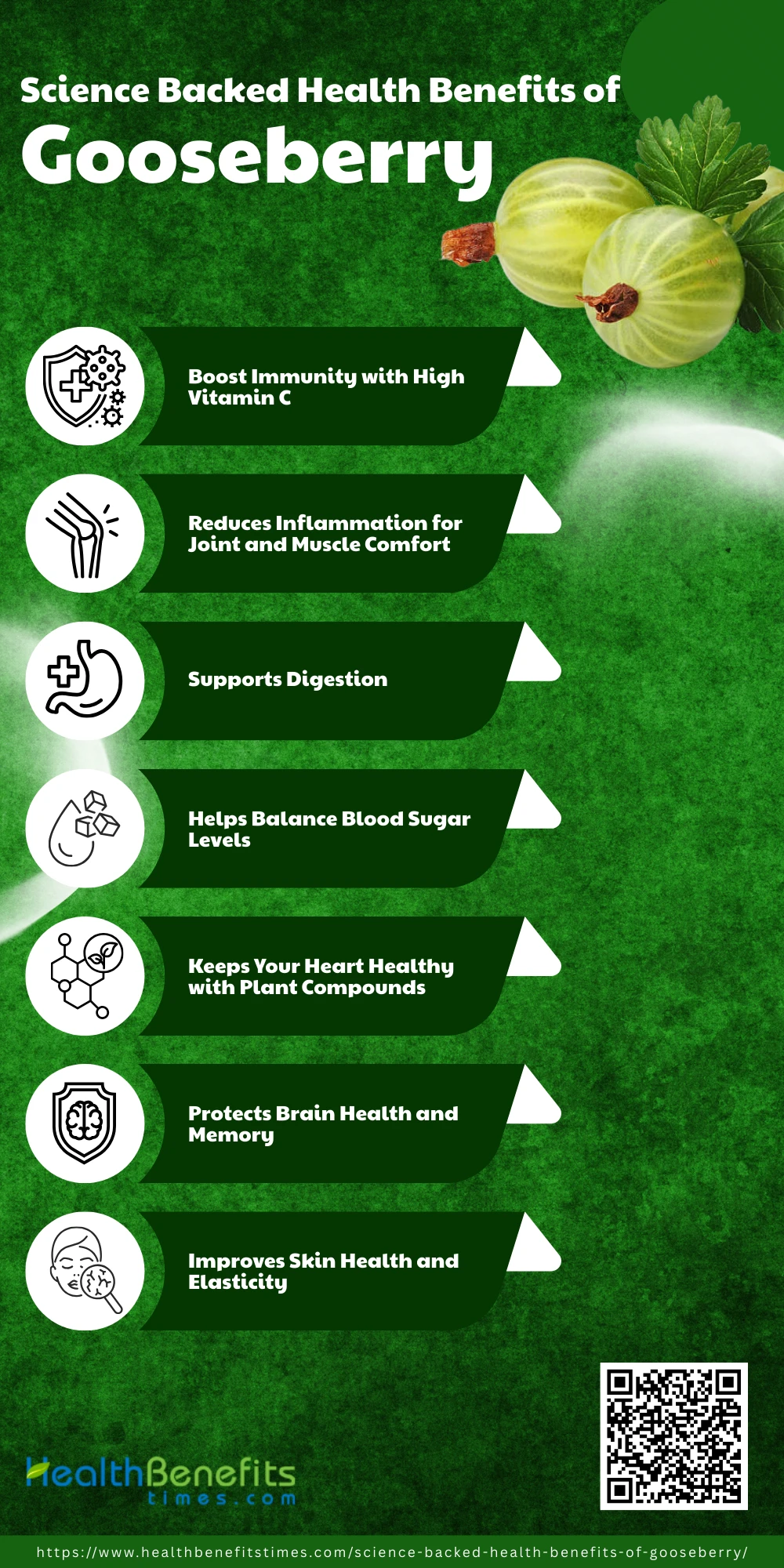
Emerging research reveals that gooseberry (Ribes uva-crispa) stands out as a remarkable natural source of immune-supporting compounds, with exceptionally high vitamin C concentrations that significantly exceed many common fruits. Scientific studies demonstrate that gooseberries contain total ascorbic acid levels ranging from 0.38 to 0.85 g per kilogram of fresh weight, representing concentrations up to three times higher than previously reported for most berry varieties. (2) (3) Beyond vitamin C, gooseberries contain a rich array of bioactive phenolic compounds including quercetin-3-rutinoside, isorhamnetin-3-rutinoside, and powerful flavonol glycosides that contribute to extraordinary antioxidant activity. Research indicates that these fruits also contain significant amounts of vitamin E, ranging from 0.43 to 12.85 mg per kilogram, along with anthocyanins and flavan-3-ols such as catechin and epicatechin. (2) The combination of these antioxidants helps protect cells from oxidative stress and supports immune function. Studies have particularly highlighted the antiviral properties of gooseberry extracts, with fruit aqueous extracts showing promising activity against respiratory viruses, making this humble berry a valuable addition to immune-supportive nutrition. (4)
2. Reduces Inflammation for Joint and Muscle Comfort
Among nature’s most potent anti-inflammatory fruits, gooseberry stands out for its remarkable ability to support joint and muscle health through its rich concentration of bioactive compounds. The fruit contains powerful antioxidants including anthocyanins, flavonoids, and phenolic acids that work synergistically to counteract oxidative stress processes in the body. (5) These compounds play a vital role in preventing chronic inflammatory conditions such as rheumatoid arthritis, which directly affects joint comfort and mobility. (5) Traditional medicine has long recognized the therapeutic value of Ribes species, with leaves being used specifically for rheumatism and arthritis relief. (6) The anti-inflammatory properties are attributed to specific phenolic compounds, particularly chlorogenic acid and rutin, which demonstrate significant biological activity. (6) Additionally, gooseberry’s high vitamin C content of 27.7 milligrams per 100 grams supports collagen synthesis, essential for maintaining healthy joint cartilage and muscle tissue. (5)
3. Supports Digestion
Beyond its reputation as a traditional fruit crop, gooseberry (Ribes uva-crispa) demonstrates remarkable potential for supporting digestive wellness through its rich array of bioactive compounds. The fruit contains significant amounts of phenolic compounds, including quercetin derivatives, flavonol glycosides, and hydroxycinnamic acid derivatives, which contribute to its digestive benefits. (3) Research indicates that gooseberry exhibits notable α-amylase and α-glucosidase inhibitory activities, which help regulate the breakdown of carbohydrates and support healthy glucose absorption in the digestive system. (7) Additionally, the fruit possesses natural laxative properties that promote regular bowel movements and digestive cleansing. Traditional medicine has long recognized unripe stewed gooseberries as an effective spring tonic for cleansing the digestive system. (8) The fruit’s high vitamin C content, ranging significantly across varieties, further supports digestive health by enhancing nutrient absorption and maintaining the integrity of the digestive tract. These combined properties make gooseberry a valuable natural option for those seeking gentle digestive support through whole food nutrition.
4. Helps Balance Blood Sugar Levels
Scientific research reveals that gooseberries (Ribes uva-crispa) possess remarkable properties for supporting healthy blood sugar levels through their rich concentration of bioactive compounds. These small, nutrient-dense berries contain significant amounts of phenolic compounds, particularly quercetin derivatives and flavonoids, which have been shown to inhibit key enzymes involved in carbohydrate digestion. (7) The berries’ total phenolic content ranges from 3.52 to 30.77 grams per kilogram, with flavonoids being the most abundant phenolic substances at levels of 345.0 to 3726.5 milligrams per kilogram. (9) These compounds work by inhibiting α-amylase and α-glucosidase enzymes, which are responsible for breaking down starches into simple sugars, thereby helping to slow glucose absorption and reduce post-meal blood sugar spikes. (7) Additionally, gooseberries provide substantial amounts of vitamin C (6.2-14.04 grams per kilogram) and vitamin E (0.43-12.85 milligrams per kilogram), which contribute to their antioxidant properties and support overall metabolic health. (9)
5. Keeps Your Heart Healthy with Plant Compounds
Throughout centuries of traditional medicine, gooseberries (Ribes uva-crispa) have emerged as a powerhouse of heart-protective plant compounds that modern science now validates. These vibrant berries contain remarkable concentrations of anthocyanins, particularly cyanidin-3-glucoside and peonidin-3-glucoside, which are responsible for their red coloration and cardiovascular benefits. (10) The fruits are exceptionally rich in flavonol glycosides, including quercetin-3-rutinoside and isorhamnetin-3-rutinoside, compounds that support healthy blood circulation and protect against oxidative stress. (11) Research reveals that gooseberries provide substantial amounts of vitamin C, with concentrations reaching up to 0.85 grams per kilogram, supporting arterial health and immune function. The berries also contain beneficial flavan-3-ols such as catechin and epicatechin, along with procyanidins that help maintain healthy blood vessels. (10) (11) Additionally, gooseberries possess hydroxycinnamic acid derivatives, including caffeic and coumaric acid compounds, which contribute to their antioxidant properties. These diverse bioactive compounds work synergistically to combat free radicals, reduce inflammation, and support overall cardiovascular wellness, making gooseberries an excellent natural choice for heart health maintenance. (11) (12)
6. Protects Brain Health and Memory
Emerging research reveals that gooseberries possess remarkable neuroprotective properties that safeguard cognitive function and support memory retention. These small but powerful berries contain high concentrations of vitamin C, a potent antioxidant that combats oxidative stress in brain cells and helps maintain healthy neural pathways. (13) (14) The fruit’s rich content of gallic acid, a bioactive compound, plays a crucial role in reducing inflammation and protecting against age-related cognitive decline. (13) Gooseberries are particularly valuable for their citric acid content, which blocks iron accumulation in brain cells and significantly reduces the risk of neurodegenerative diseases like Alzheimer’s and stroke. (14) (15) Additionally, the berries contain essential flavonoids including quercetin and anthocyanins that enhance blood vessel function in the brain, improving oxygen delivery and nutrient transport to neural tissues. (14) (15) The B vitamins, particularly B5 and B6, along with magnesium found in gooseberries, further support nervous system function, enhance memory formation, and help alleviate stress-related cognitive impairment, making these berries an excellent natural option for maintaining optimal brain health throughout life. (15)
7. Improves Skin Health and Elasticity
Scientific evidence reveals that gooseberry (Ribes uva-crispa) serves as a powerful ally in maintaining youthful skin through its rich arsenal of bioactive compounds. The fruit’s exceptional content of phenolic compounds, including anthocyanins and flavonoids, provides potent antioxidant protection that helps combat oxidative stress and prevents cellular damage in skin tissues. (9) These antioxidants work synergistically with the fruit’s high vitamin C content to support collagen synthesis, which is essential for maintaining skin elasticity and firmness. Gooseberry’s unique anthocyanin profile, particularly cyanidin derivatives, demonstrates remarkable skin-protective properties by reducing inflammation and promoting cellular regeneration. (16) The presence of vitamin E in gooseberries further enhances the fruit’s skin-nourishing capabilities by protecting cell membranes from free radical damage and supporting the skin’s natural barrier function. (9) Regular consumption of gooseberries may help maintain skin hydration, reduce signs of aging, and promote overall skin health through these combined nutritional benefits.
How to Add Gooseberry to Your Diet
Gooseberries, particularly Indian gooseberry (amla), offer remarkable health benefits when incorporated regularly into your diet. Research consistently demonstrates that daily consumption of gooseberry can significantly improve cardiovascular health, reduce oxidative stress, and enhance overall wellness through its rich concentration of bioactive compounds.
Clinical studies support consuming 250-500 mg of standardized gooseberry extract twice daily for optimal health benefits. For whole fruit consumption, research indicates that 1-3 grams of powdered dried gooseberry daily mixed with water provides therapeutic effects. A randomized controlled trial showed that 500 mg daily supplementation for 18 weeks significantly improved blood fluidity, reduced oxidative DNA damage markers, and enhanced HDL cholesterol levels in healthy adults.
The most effective ways to add gooseberries to your diet include consuming fresh fruit, incorporating gooseberry powder into smoothies and baked goods, or drinking fresh gooseberry juice. Studies demonstrate that processing methods affect nutrient retention – dried gooseberry maintains enhanced antioxidant activity due to concentrated phytochemicals, while high-heat processing only marginally reduces vitamin C content. Research shows that adding gooseberry powder to traditional foods like barfi significantly reduced their glycemic index from 78 to 58, making them suitable for diabetic individuals.
Start with small amounts and gradually increase intake to prevent digestive issues, as gooseberries’ high fiber content may cause bloating or cramping when consumed excessively. The USDA recommends 1½-2½ cups of fruits daily as part of a balanced diet. Consult healthcare providers before taking gooseberry supplements, especially if you have diabetes or take blood pressure medications, as gooseberries may enhance these medications’ effects.
Risks and Precautions of Gooseberry (Ribes uva-crispa)
Prolonged or inadequate storage of gooseberries poses significant challenges that can lead to deteriorated taste, texture, and appearance due to their naturally short shelf-life.
- Research reveals that gooseberry varieties are susceptible to extensive micromycetic contamination during storage, with fungi such as Aspergillus, Mucor, Penicillium, Rhizopus, Alternaria, and Cladosporium frequently occurring at rates between 20-100%. (17) These microorganisms can compromise fruit quality and potentially produce harmful mycotoxins that pose health risks to consumers.
- Temperature control emerges as a critical factor, as higher processing temperatures during preservation methods can significantly reduce beneficial compounds – with phenolic retention dropping to just 70.2% at elevated temperatures compared to 93.2% at lower temperatures. (18) (11)
- The thick skin characteristic of gooseberries creates additional preservation challenges, making them difficult to process through traditional osmotic dehydration methods.
- Essential organic acids including citric acid, malic acid, and shikimic acid can be significantly lost during improper processing, reducing the fruit’s natural antimicrobial properties and nutritional value. (18) (11)
- Proper storage conditions, including controlled temperature and humidity levels, remain essential to minimize these risks and preserve the fruit’s valuable antioxidant compounds and phenolic substances. (2)
Conclusion
In conclusion, gooseberry (Ribes uva-crispa) is far more than just a tart, refreshing fruit it is a powerhouse of nutrients and bioactive compounds that deliver wide-ranging health benefits. Rich in vitamin C, antioxidants, and plant-based compounds, gooseberries have been shown to boost immunity, support digestion, reduce inflammation, balance blood sugar, protect heart and brain health, and improve skin vitality. While proper storage and mindful consumption are important to preserve its nutritional value and avoid risks, incorporating gooseberries into your diet whether fresh, powdered, or as extracts offers a natural and science-backed way to enhance overall wellness.
Comments
comments