

It is famous for its superb nutritional profile because its leaves contain vitamins A, C, E, calcium, potassium, and protein. In traditional medicine, nearly all parts of the tree, namely, its pods, seeds, flowers, and root are edible and used in the treatment of ailments like inflammation, malnutrition, diabetes, etc. Water purification can also be done with the seeds. Thanks to its versatility and health benefits, Moringa is promoted as a superfood for fighting hunger and malnutrition in the developing world.
Science-Backed Health Benefits of Moringa Oleifera
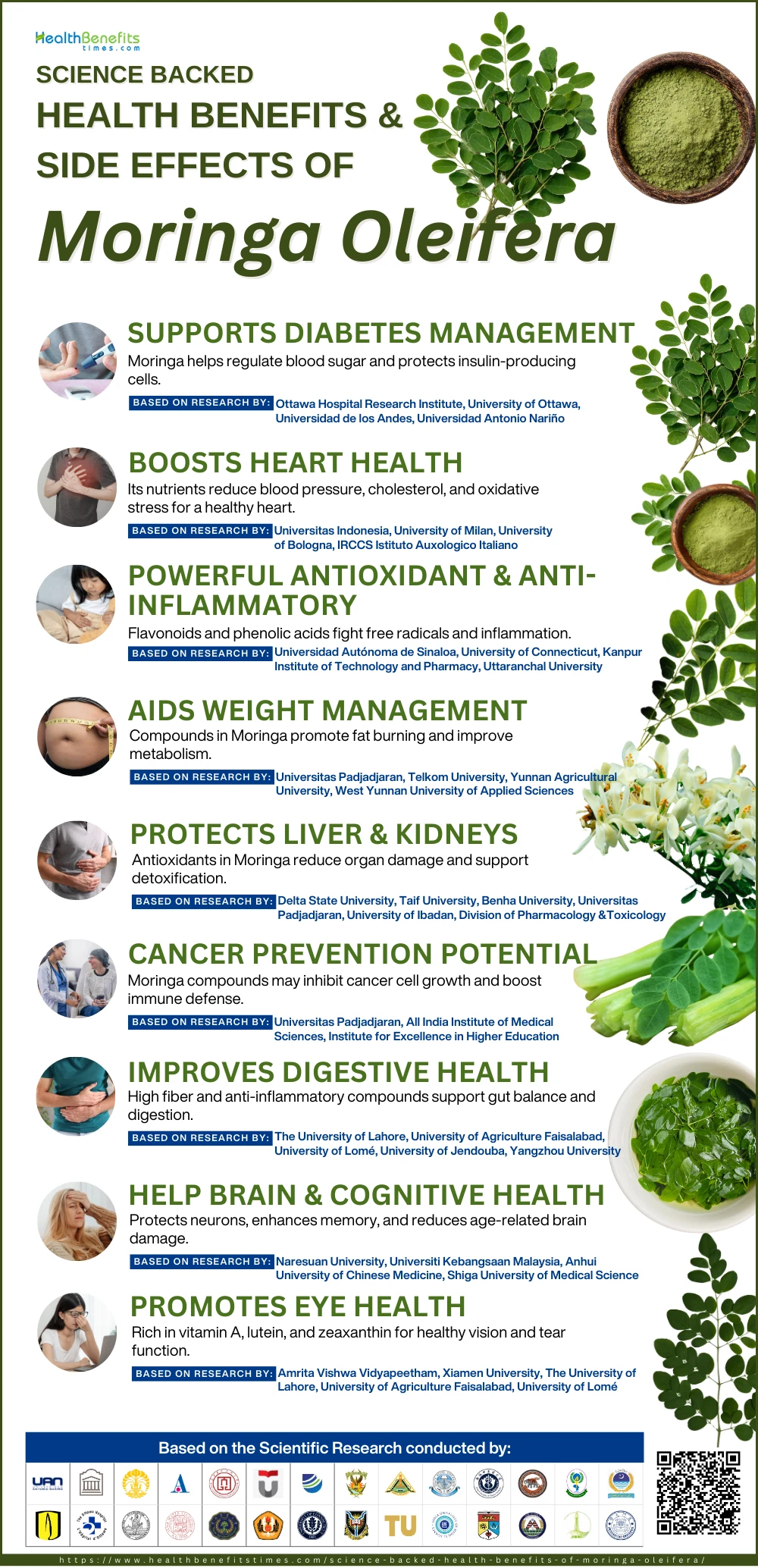
1. Helps in Diabetes Management
Moringa leaves pack a lot of nutrition. Just one cup of fresh leaves provides a good amount of potassium, calcium, and iron, along with vitamins A, C, and D. They are also rich in powerful plant compounds like beta-carotene and flavonoids, which act as antioxidants in your body. 1 If you are managing diabetes, these nutrients can be very helpful. For example, specific compounds in moringa, such as quercetin and chlorogenic acid, work by slowing down how fast your body absorbs sugar from food in your intestines. They also help your cells pull sugar out of your bloodstream more effectively. This two-step process helps stop your blood sugar from spiking too high after a meal. 2 On top of that, these same antioxidants protect the insulin-producing cells in your pancreas from damage. By keeping these cells healthy, your body can better maintain its natural insulin production. 2 Eating moringa regularly may also help your body release more insulin when needed, which is a direct way to keep blood sugar levels in check for people with diabetes. 3
What Research Says:
- A review of many studies showed that taking moringa helped lower blood sugar in diabetic patients in 5 out of 7 human studies and 21 out of 23 animal studies. 4
- However, a study at Siriraj Hospital found that taking moringa leaf capsules for 4 weeks didn’t significantly improve blood sugar control in people with type 2 diabetes who hadn’t started treatment yet, although it seemed to lower blood pressure a bit. 5
- Moringa has been used in traditional medicine for treating diabetes in many cultures, and more research is confirming its ability to lower blood sugar, reduce inflammation, and fight free radicals. 1 2
- A small study with healthy people showed that taking a high dose (4g) of moringa leaf powder helped increase insulin release, which may explain how it lowers blood sugar. 3
- Even though moringa shows potential, researchers from the National Institutes of Health say there isn’t enough evidence to recommend it as a standard treatment yet. More long-term studies are needed to confirm its effectiveness and safety. 1 6
2. Good for Cardiovascular Health
The antioxidants and anti-inflammatory compounds in Moringa oleifera support heart health by addressing multiple risk factors, such as high blood pressure, bad cholesterol, and blood sugar control. 7 For example, the potassium in Moringa helps relax blood vessels and improve circulation, which naturally reduces hypertension. 8 These nutrients protect blood vessels from oxidative damage and inflammation, which are root causes of heart disease. 9 Regular consumption of Moringa, whether as a powder in meals or as a tea, supports long-term cardiovascular wellness.
What Research Says:
- A review by Louisa et al. shows that Moringa helps protect the body by fighting damage from harmful molecules and reducing inflammation. This helps improve how the body handles sugar and fats, lowering the risk of heart and metabolic problems. 7
- Research by Menichetti et al. shows that Moringa leaf extracts can lower blood pressure in animals by helping the body produce more nitric oxide and blocking calcium, though human studies are still limited. 8
- Studies by Alia et al. confirm that certain compounds in Moringa, like quercetin and vincosamide, protect the heart and blood vessels by reducing stress, inflammation, and cell death in heart tissues. 9
- Clinical studies support traditional uses of Moringa, showing that it can improve fat levels and blood vessel health, which helps prevent heart disease and high blood pressure. 7 8
3. Have Antioxidant and Anti-inflammatory Defense
Chronic inflammation and oxidative stress can contribute to various health issues, including arthritis, diabetes, and heart disease. The leaves of Moringa oleifera, whether eaten as food or taken in supplement form, provide beneficial compounds that may help fight these conditions. For instance, flavonoids and phenolic acids found in Moringa leaves work together to neutralize harmful free radicals, which helps protect cells from damage that can lead to inflammation throughout the body. 10 Studies show that adding Moringa leaf powder to meals or taking it in capsules can reduce markers of inflammation, such as tumor necrosis factor-alpha and interleukin-6, offering benefits for people with inflammatory conditions. 11 Research also indicates that consuming Moringa helps protect organs like the liver from oxidative stress and supports the body’s overall immune balance. 12 Additionally, applying Moringa seed oil directly to the skin may provide local relief for inflammatory skin issues and aid in wound healing. 13 These findings support the traditional practice in parts of Asia and Africa of adding Moringa leaves to soups and stews during times of illness. 13
What Research Says:
- Research by Vergara-Jimenez and others shows that Moringa leaves have flavonoids like quercetin and kaempferol, which stop enzymes that cause inflammation. Also, phenolic acids, such as chlorogenic acid, help reduce the production of sugar in the liver and lower inflammation. 10
- Studies by Divya and team show that Moringa extracts can fight free radicals, with leaf extracts being rich in flavonoids. This helps reduce damage from oxidative stress in lab and animal tests. 11
- Research by Tilaoui and colleagues explains that Moringa’s compounds can affect the immune system by controlling certain signaling pathways, lowering Treg polarization, and boosting natural killer cell activity. This supports Moringa’s anti-inflammatory and anticancer properties. 12
- Díaz-Prieto and team found that in prediabetic patients, the level of a specific protein (TNF-alpha) can predict how the body responds to Moringa supplements. This suggests that Moringa’s anti-inflammatory effects are important for improving metabolism. 14
- Xu and team compared different parts of Moringa and found that the leaf extracts have the highest antioxidant power. The amount of flavonoids in the leaves was linked to their ability to reduce harmful molecules like DPPH radicals and nitric oxide. 15
- Manjunath and team discovered that Moringa can activate NRF2 signaling in human cells, boosting antioxidant genes while lowering harmful molecules produced by oxidants. 16
- Chiş and team found that isothiocyanates in Moringa can stop the production of inflammatory proteins like TNF-α and IL-1β, supporting Moringa’s traditional use for conditions like heart disease, type 2 diabetes, and gut inflammation. 13
4. Helps in Weight Management
Moringa leaves may help with weight management by targeting different parts of metabolic health. When you eat Moringa leaves, natural compounds in them help control body weight by affecting how fat tissue works and improving blood fat levels. Research shows that compounds in Moringa leaf extract can boost brown adipose tissue – a type of fat that burns energy instead of storing it – which may help prevent obesity and related disorders. 17 The polysaccharides in Moringa leaves help reduce harmful cholesterol and triglycerides. They also improve how your body responds to insulin, which protects against conditions like type 2 diabetes and fatty liver disease. 18 Additionally, Moringa leaves have anti-inflammatory properties that fight the chronic low-grade inflammation often linked to excess weight. 18 Overall, these compounds work throughout your body to create a healthier environment that naturally supports weight regulation.
What Research Says:
- Research from Universitas Padjadjaran showed that an extract from Moringa oleifera leaves helped increase the amount and density of brown fat in mice on a high-fat diet. It also raised the levels of bone morphogenetic protein 7, which is important for developing brown fat and burning energy. 17
- Scientists from Yunnan Agricultural University found that a substance from Moringa leaves helped prevent weight gain and fat buildup in obese mice. It worked by changing the bacteria in their gut, promoting healthy bacteria like Bacteroides, while reducing harmful bacteria like Blautia and Tyzzerella. 18
- The same study found that Moringa also improved blood fat levels by lowering total cholesterol, triglycerides, and bad LDL cholesterol, while boosting good HDL cholesterol. It also lowered inflammation markers such as TNF-α and IL-1β. 18
- Traditional use of Moringa for metabolic health is backed by these findings, which show it helps control genes related to fat metabolism and bile acid production in the liver. 18
5. Effective for Liver and Kidney Protection
Moringa leaves or seed powder may help protect the liver and kidneys from damage. They are rich in natural compounds like flavonoids and phenolic acids. These nutrients help neutralize harmful free radicals and reduce inflammation in the body. 19 This action may prevent fat buildup in the liver, reducing the risk of fatty liver disease. 20 It may also protect the liver from damage caused by certain painkiller medications. 21 When eaten, these antioxidants enter the bloodstream and support kidney function by helping to lower waste markers like creatinine and blood urea nitrogen. 22 23
What Research Says:
- A study published in Environmental Toxicology and Pharmacology showed that Moringa seed powder helped reduce damage caused by arsenic in rats. It improved blood activity of a certain enzyme and lowered arsenic levels in the blood, liver, and kidneys. 24
- Another study in Biomedicine & Pharmacotherapy by Soliman and others found that Moringa leaf extract helped protect the liver and kidneys from damage caused by a drug called methotrexate. It worked by controlling certain genes and reducing stress at the molecular level. 20
- Research on chronic kidney disease (CKD) showed that a mix of herbs, including Moringa leaves, helped lower kidney damage and stress, improving kidney function in animal models. 23
- Studies also support the traditional use of Moringa for kidney health. The flavonoids in Moringa leaves protect kidney function by boosting antioxidant enzymes, like glutathione peroxidase. Tests also showed that the water-based Moringa extract is safe to take by mouth, even at high doses, without causing harm. 22 21
6. Helps in Cancer Prevention
The moringa tree, often called the “Miracle Tree,” may help protect your body against cancer. Moringa leaves, seeds, and oil contain powerful nutrients like quercetin and kaempferol. 25 These substances act as strong antioxidants. They work by neutralizing harmful free radicals, which reduces oxidative stress that can damage cells and lead to cancer. 26 Test-tube and animal studies show that these compounds may specifically target and stop the growth of breast, colon, liver, and lung cancer cells. They do this by promoting apoptosis, which is the natural self-destruction of abnormal cells, while leaving healthy cells alone. 25 27 26 When moringa oil is applied to the skin, its anti-inflammatory properties may soothe tissue and protect against environmental harm. However, the most powerful cancer-preventive benefits come from regularly eating the leaves or seeds. 25 While more human studies are needed, including antioxidant-rich foods like moringa in your diet has been linked to a lower cancer risk.
What Research Says:
- Studies show that moringa seeds and leaves have compounds called glucosinolates that help trigger the death of cancer cells and stop harmful substances from turning into cancer-causing agents, slowing the process of cancer growth. 28
- Research suggests that moringa’s active compounds can affect a protein called HIF-1α, which plays a big role in the spread and poor outcome of breast cancer. 27
- A review of studies from 2015 to 2024 confirmed that moringa extracts have antioxidant and anticancer effects, especially against oral cancer in lab tests and animal models. 26
- Studies show that moringa helps control important pathways in the body, like the YAP/TAZ and Nrf2 pathways, which reduce inflammation and slow down tumor growth. It also helps the immune system by increasing the activity of specific immune cells (CD8+ T lymphocytes) and decreasing the suppression of the tumor environment. 29 30
7. Good for Neuro-protection and Cognitive Health
Eating Moringa may help protect the brain from age-related decline and diseases like Alzheimer’s and Parkinson’s. 31 32 The plant is rich in nutrients and helpful plant compounds, such as flavonoids and phenolic acids. These substances work to shield brain cells from damage caused by oxidative stress and inflammation, which are major causes of memory and thinking problems. 33 34 For example, the leaves provide key antioxidants like vitamin C and beta-carotene, which fight harmful free radicals in the body (703). {% %} Moringa seed oil may also support brain health. Its unique fatty acids and phytosterols are absorbed by the body and help control key brain proteins involved in memory and inflammation, which may ease symptoms linked to nerve disorders. 35 32
What Research Says:
- Research shows that Moringa helps protect the brain. A study by Sultangka et al. found that Moringa leaf extract helped improve memory and reduced brain damage in rats with age-related dementia by lowering harmful stress markers like MDA and increasing helpful antioxidants like SOD and catalase. 31
- Research by González-Burgos et al. showed that Moringa also protects brain cells by helping the energy centers of cells (mitochondria) work better. It prevents damage to cells by reducing fat breakdown and keeping calcium levels balanced. 34
- Arozal et al. found that Moringa seed oil helped improve memory in mice. It worked mainly by stopping the activity of a harmful enzyme (acetylcholinesterase) and changing the levels of important brain proteins like NF-κB and TrkB. 35
- Other research showed that Moringa helped reduce harmful amyloid-beta plaques in mice with Alzheimer’s disease by decreasing the enzyme BACE1, which creates plaques, and increasing the proteins IDE and NEP, which clear them away. 36
- A review by Azlan et al. highlighted that compounds from Moringa, like quercetin and kaempferol, reduce brain inflammation by stopping harmful pathways like TLR4/NF-κB and MAPK, which are active in sick brains. 32
8. Good for Eye Health
Moringa oleifera contains several nutrients that support eye health. The main nutrients in Moringa are powerful antioxidants like lutein and zeaxanthin, and it is also rich in vitamins A, C, and E. These nutrients help reduce the risk of eye problems such as dry eye disease and cataracts. 37 38 They protect the eyes from damage caused by everyday stress like screen time and pollution. Additionally, when Moringa oil or extract is applied around the eyes, it can soothe inflammation and improve the function of the tiny glands that keep your eyes lubricated. 37 Vitamin A from Moringa is essential for the function of multiple parts of the eye, including the retina, cornea, and conjunctiva. The conjunctiva is the protective membrane that covers the outside of your eye and the insides of your eyelids.
What Research Says:
- A recent study by Ayurvedic researchers looked at a combined treatment for Meibomian Gland Dysfunction (MGD), a common cause of dry eyes. The treatment used eye drops made from Moringa oleifera leaves (called aschyotana), nasal oil, and warm compresses. The results, published in 2024, showed that this treatment helped stabilize tear film and improved gland function, with patients feeling a noticeable decrease in dry eye symptoms. 37
- In another study, scientists at Xiamen University tested how Moringa oleifera stem extract affects cataract development. 38 They used a lens organ culture model and found that the extract helped prevent lens clouding caused by oxidative stress. The study showed that Moringa extract reduced harmful molecules called reactive oxygen species, boosted natural eye antioxidants like glutathione, and increased protective proteins such as PPARα, which helps keep the lens clear.
9. Effective for Gastrointestinal Health
The dietary fiber in Moringa oleifera may also improve digestive health. When you consume Moringa leaf powder, its high fiber content helps regulate bowel movements, relieve constipation, and maintain a healthy gut environment by feeding beneficial gut bacteria. 39 The leaves are also rich in anti-inflammatory compounds called polyphenols and flavonoids. These compounds can help prevent or manage conditions like gastritis and inflammatory bowel disease by reducing inflammation and oxidative stress in the gut. 40 39 Additionally, essential minerals in Moringa, such as potassium and magnesium, help maintain proper fluid balance in the intestines, which is important for preventing disorders like diarrhea. 40 That said, most of the evidence surrounding Moringa’s digestive benefits is from test-tube or animal studies. More human-based research is necessary before making recommendations.
What Research Says:
- Research by Hosameldeen Mohamed Husien and his team shows that certain sugars from Moringa leaves (MOLP) have strong anti-inflammatory effects at the cell level. Their study on gut cells found that MOLP helps lower harmful proteins like TNF-α and IL-6, and also helps restore important proteins like occludin and ZO-1 that keep the gut barrier strong. 41
- A study by Slimen Selmi and others found that Moringa has lots of important minerals, like potassium and magnesium, which help control diarrhea by balancing fluids and electrolytes in the gut. 40
- Traditional uses of Moringa, backed by research from Muhammad Tayyab Arshad and his team, show that Moringa’s natural compounds, such as isothiocyanates and flavonoids, not only reduce inflammation but also fight harmful bacteria like E. coli, protecting the gut and supporting digestion. 39
Side Effects
- Overall, Moringa oleifera (MO) appears to have a favorable safety profile, with no significant adverse events reported in most human studies at the doses used. 7 However, some potential side effects and signs of toxicity have been observed, particularly at very high doses.
- In a dose-escalation study in healthy subjects, four patients reported transient diarrhea after taking 4g of MO leaf powder capsules. 2
- An animal study found that acute treatment with an aqueous extract of MO leaves at very high doses of 1600 and 2000 mg/kg caused death in some rats, while surviving rats exhibited transient dullness for up to 5 hours. 1
- In the same animal study, sub-acute treatment with high doses (up to 1600 mg/kg) caused alterations in blood parameters, including changes in packed cell volume and white blood cell counts, as well as some inconsistent changes in liver enzyme levels (AST, ALT, ALP). A diffuse tissue degeneration was noted in the liver at the highest dose. 1
- A 4-week supplementation study of an aqueous extract of MO leaves in healthy mice caused mild abnormal activities, including increased inflammatory responses in the gut and liver and compromised gut barrier function. 7
- A study using a very high dose of steamed MO leaves (40-60 g per day) in a clinical trial resulted in an increase in triglycerides (TG) and LDL cholesterol in the subjects. 7
- One in vitro study showed that coagulant MO lectin (cMol) from seed aqueous extracts was potentially cytotoxic in PBMC (peripheral blood mononuclear cells), although diluted extracts were not. 7
Consumption of Moringa oleifera, particularly in high doses or from certain parts of the plant, is associated with several adverse effects. High intake may cause gastrointestinal side effects, which could limit its feasibility as a long-term therapy. 8 Toxicity studies on Moringa oleifera leaves using aqueous extracts have shown signs of mild organ toxicity, including increases in white blood cells (WBC), chloride, potassium, and calcium ions, as well as elevated levels of alkaline phosphatase (ALP), alanine aminotransferase (ALT), aspartate aminotransferase (AST), and total bilirubin. 9 Histopathological examinations have revealed focal hepatocyte swelling and necrosis in the liver, as well as changes in kidney and heart tissue. 9 Another study on a hydroethanolic leaf extract in mice reported that a single high dose (2000 mg/kg) led to increased AST, creatine kinase (CK), and creatinine, along with hepatic degeneration and renal necrosis; sub-acute administration (125-1000 mg/kg/day for 28 days) also caused moderate hepato-nephrotoxicity, including hepatic and renal necrosis and glomerulonephritis. 12 Similarly, seed oil administered at higher doses in animal models has been shown to induce renal and hepatic lesions, indicating a narrower therapeutic window for seed preparations compared to leaves. 12 While Moringa leaves are generally safe at nutritional doses, caution is warranted with overuse of the bark and roots, as they may carry toxicity risks due to the presence of potentially toxic bioactive compounds such as alkaloids. 12 Rare clinical case reports have also identified cutaneous reactions and potential renal or hepatic perturbations. 12
While Moringa oleifera exhibits significant therapeutic potential, some studies indicate possible adverse effects, particularly related to dosage and duration of use. One study noted that a high dose (400 mg/kg body weight) of a methanol extract of M. oleiferain rats resulted in lower activities of the antioxidant enzymes glutathione S-transferase (GST) and glutathione peroxidase (GPx) compared to control rats, suggesting potential pro-oxidant effects at higher dosages. Another review cautioned that compounds with antioxidant activity may sometimes act as pro-oxidants under certain conditions, such as when administered at high dosages. Furthermore, one study observed slight lethargy in animals receiving doses above 1600 mg/kg body weight during acute administration, and toxic changes were noted in animals above 2000 mg/kg body weight. The same source reports that the LD50 from an acute oral intraperitoneal toxicity study for Moringa oleiferaleaf extract was determined to be 1585 mg/kg body weight. 23 A systematic review also highlights potential toxicity, variability in efficacy, and challenges in standardizing extracts as limitations that need to be addressed. 22 Another study found that while a methanol extract of M. oleifera (200 and 400 mg/kg b.w.) showed nephroprotective effects against acute injury, a different study using similar doses administered orally for 8 weeks caused dose-dependent increases in serum BUN and creatinine, suggesting that prolonged treatment with the extract must be advised with caution. 23 Conversely, a study on the safety of aqueous leaf extract reported no fatalities even at the highest administered dose of 6400 mg/kg body weight, and it was considered safe even at dosages as high as 5000 mg/kg body weight. One source notes that a dose of 2 g/kg body weight was identified as the threshold for medicinal plant toxicity in acute oral toxicity studies. 25
In a study using human neuroblastoma cells, high concentrations (250 and 500 μg/ml) of a Moringa oleifera methanol leaf extract were found to significantly decrease cell viability, indicating a potential adverse effect at elevated doses. 34 Conversely, the same study noted a safe toxicological profile for methanol and aqueous leaf extracts in animals at doses up to 2000 mg/kg. Another study administering Moringa oleifera seed oil (2 ml/kg) and leaf extract (500 mg/kg) to mice for 28 days did not report any adverse effects, and the procedure was approved by an ethics committee, suggesting these doses were well-tolerated in that context. 35
While Moringa oleifera is generally considered safe, some studies have identified potential adverse effects, particularly with high doses or specific extraction methods.
- Cytotoxicity and General Toxicity: An in vitro study found that an aqueous extract of Moringa leaves showed cytotoxicity at concentrations of 20 mg/mL and above, indicated by an increase in the enzyme lactate dehydrogenase. In animal studies, an aqueous extract at a very high dose of 3,200 and 6,400 mg/kg caused dullness and reduced locomotion in mice after 2 hours. Acute toxicity has been observed at doses of 3,000 mg/kg and above. 32
- Organ Toxicity: A sub-acute toxicity study on Swiss albino rats revealed that an aqueous extract of Moringa at 16,100 mg/kg demonstrated mild signs of organ toxicity. This included increases in white blood cells, certain ions (potassium, chloride, calcium), and liver enzymes (alkaline phosphatase, aspartate aminotransferase, alanine aminotransferase), as well as total bilirubin. Notably, the ethanol extract was found to be safer than the aqueous extract at these high doses. 32
- High-Dose Effects: In a 21-day study, a seed extract at 1,600 mg/kg did not lead to significant alterations in blood cell parameters, indicating a margin of safety below this level for that specific preparation. 32
Several animal studies indicate that Moringa oleiferais generally safe at commonly used doses, but adverse effects have been observed at extremely high or unrealistic doses. One study found that an aqueous leaf extract was genotoxic based on blood cell analysis in rats at a very high dose of 3000 mg/kg, a level far exceeding typical human consumption. 42 Another study reported that rats fed a diet consisting of 75% M. oleiferapowdered leaves for 93 days developed necrosis of hepatic cells, splenic blood vessels, and neuronal glial cells, although the amount consumed was unquantified and considered to greatly exceed typical doses. A study using a highly concentrated methanol extract (30:1) at a dose of 200 and 400 mg/kg for 8 weeks in rats showed a significant increase in serum markers of liver and kidney damage, including alanine aminotransferase, aspartate aminotransferase, blood urea nitrogen, and creatinine. 43 Furthermore, an investigation into M. oleifera seed extract found that when used in combination with chemotherapy (doxorubicin and cyclophosphamide) in a mouse model of triple-negative breast cancer, it worsened tumor progression. Importantly, no adverse effects have been reported in the limited human studies conducted to date, which have used whole leaf powder preparations. 42
Food Incompatibilities
N/A
Timing & Conditions
- The documents do not specify precise times of day (e.g., empty stomach) or seasons for avoiding Moringa. However, one study on a root extract noted that the time to reach maximal concentration after oral administration was 10 minutes, and the compound was eliminated within 3 hours, suggesting a rapid absorption and clearance profile. 12 General precaution is advised regarding the dosage, as high consumption may be impractical due to its potential to alter the sensory characteristics of foods, particularly their taste. 9 Additionally, the safety of high doses has been questioned, with one study suggesting caution with long-term doses above 500 mg/kg in rodents, establishing a no-observed-adverse-effect level (NOAEL) close to that amount. 8
- Specific timing or seasonal conditions for avoiding Moringa oleifera, such as on an empty stomach, are not detailed in the provided documents. However, one study indicated that while a methanol extract of M. oleiferashowed protective effects against acute kidney injury, a similar treatment administered orally for a longer duration (8 weeks) led to negative effects, suggesting that prolonged use may require caution. 22
Contraindications
Based on the observed effects, MO should be used with caution in individuals with certain conditions, though no explicit contraindications are listed.
- Liver Conditions: Given the animal study findings of liver degeneration and altered liver enzymes at high doses, individuals with pre-existing liver conditions should be cautious. 1
- Pregnancy: Although not explicitly stated in the provided documents, the lack of long-term safety data and potential for adverse effects at high doses suggests that pregnant women should avoid MO or consult a healthcare provider before use. This is a general precaution for herbal supplements.
Moringa oleifera consumption may be unsafe or require caution for individuals with specific medical conditions. People with pre-existing liver or kidney conditions should be particularly cautious, as high doses or certain extracts have been shown to cause hepato-nephrotoxicity in animal models, marked by increased liver enzymes and histopathological damage. 11 10 Its use is also cautioned in pregnancy and infancy, as it has been traditionally used as an abortifacient, and although used to treat malnutrition in babies, its potent bioactive compounds warrant careful consideration. 9 12 Furthermore, individuals with cold constitutions or yang deficiency according to Traditional Chinese Medicine principles, characterized by sensations of coldness, are advised to exercise circumspection when consuming the leaves due to their refrigerant nature. 10 The document also notes that while Moringa is used for anemic patients, its strong effects require proper evaluation. 9
Based on the provided research, Moringa oleifera consumption should be approached with caution or avoided in the following specific medical contexts:
- Long-term Use: While single doses and short-term use appear safe, the assertion of safety may not apply to long-term use, as toxicity data for extended periods is limited. 32
- Preparation-Specific Concerns: Because different solvents (e.g., water vs. ethanol) used in extraction can influence toxicity, individuals should be cautious with Moringa preparations whose manufacturing process is unknown. 32
The most critical contraindication identified is for individuals with triple-negative breast cancer who are undergoing chemotherapy. A study in mice showed that consuming a Moringa oleiferaseed extract alongside chemotherapy (doxorubicin and cyclophosphamide) was not beneficial and, in fact, worsened tumor progression. The authors strongly advise caution against consuming moringa products while receiving chemotherapy for breast cancer treatment. 42 Additionally, the general safety studies suggest that consuming extremely high doses, far beyond what is typical, could pose risks based on observed organ toxicity in animal models. 43
Drug Interactions
Specific drug interactions with Moringa oleifera have been identified. Due to its antihypertensive effects, there is a potential for interaction with conventional antihypertensive medications, and it is crucial to ensure that there are no adverse effects when used concomitantly. 8 Similarly, given its ability to lower blood glucose, it may interact with antihyperglycemic drugs, necessitating careful use in patients receiving such therapies. 9 Pharmacokinetic evidence also indicates a possible interaction of Moringa oleifera with drugs metabolized by cytochrome P450 enzymes. 9 Studies have shown that Moringa leaf extracts can inhibit angiotensin-converting enzyme (ACE), an action similar to that of drugs like captopril. 8 9 For instance, quercetin-3-O-glucoside from Moringa leaves exhibited dose-dependent ACE inhibition, and compounds like β-sitosterol have been shown to have a higher affinity for the angiotensin-converting enzyme than captopril and enalapril. 12 Therefore, combining Moringa with prescription antihypertensive or antidiabetic drugs could potentiate their effects and lead to hypotension or hypoglycemia.
The documents suggest a potential for drug interactions, primarily through two mechanisms:
- Intestinal Motility: Moringa oleifera has demonstrated significant anti-diarrheal effects by modulating gut motility. 40 This property could theoretically interact with other medications that affect intestinal transit time or are designed to treat diarrhea or constipation.
- Drug Absorption: By influencing gastrointestinal motility and gut barrier function, Moringa could potentially alter the absorption rate of orally administered medications, although no specific drug interactions were detailed in the provided texts. 40
Yes, a significant drug interaction was identified. Research indicates that a Moringa oleiferaseed extract should not be taken in combination with the chemotherapy drugs doxorubicin and cyclophosphamide. In a study on mice with triple-negative breast cancer and obesity, this combination led to larger tumors compared to treatment with chemotherapy alone, suggesting a negative interaction that reduces the efficacy of the cancer treatment. The study also found that the combination therapy altered the expression of numerous genes and pathways, including those potentially involved in promoting cancer cell proliferation. 42
External Pesticides and Mold
The issue of external contaminants is addressed in the literature. One source recommends purchasing organic Moringa whenever possible and checking for certification labels to avoid pesticides and mold. 11 The document mentions that Moringa oleifera leaves used in a clinical trial were obtained from an organic cultivar, implying that organic sourcing is a recognized practice to ensure purity. 14
Comments
comments
This article is based on Scientific Research Conducted by following Research Organization:
- Therapeutic Potential of Moringa oleifera Leaves in Chronic Hyperglycemia and Dyslipidemia: A Review–Ottawa Hospital Research Institute, Canada, University of Ottawa, Canada
- Effects of Moringa oleifera on Glycaemia and Insulin Levels: A Review of Animal and Human Studies–Universidad de los Andes, Colombia, Universidad Antonio Nariño, Colombia, Universidad del Rosario, Colombia
- Moringa Oleifera Leaf Increases Insulin Secretion after Single Dose Administration: A Preliminary Study in Healthy Subjects–Mahidol University, Bangkok
- The effects of Moringa oleifera on blood glucose levels: A scoping review of the literature–Florida A&M University, United States, Mayo Clinic, United States, Edward Via College of Osteopathic Medicine, United States
- Moringa oleifera in a modern time–Henan University of Technology, China
- Effect of Moringa oleifera Leaf Capsules on Glycemic Control in Therapy-Naïve Type 2 Diabetes Patients: A Randomized Placebo Controlled Study–Mahidol University, Bangkok
- Moringa Oleifera Lam. in Cardiometabolic Disorders: A Systematic Review of Recent Studies and Possible Mechanism of Actions–Universitas Indonesia, Indonesia
- Moringa oleifera and Blood Pressure: Evidence and Potential Mechanisms–University of Milan, Italy, University of Bologna, Italy, Azienda Ospedaliero‑Universitaria S. Orsola‑Malpighi, Italy, IRCCS Istituto Auxologico Italiano, Italy
- The Potency of Moringa oleifera Lam. as Protective Agent in Cardiac Damage and Vascular Dysfunction–Universitas Padjadjaran, Indonesia
- Bioactive Components in Moringa Oleifera Leaves Protect against Chronic Disease–Universidad Autónoma de Sinaloa, Mexico, University of Connecticut, United States
- Exploring the Phytochemical, Pharmacological and Nutritional Properties of Moringa oleifera: A Comprehensive Review–Kanpur Institute of Technology and Pharmacy, India, Manav Rachna International Institute of Research and Studies, India, Advance Institute of Biotech & Paramedical Sciences, India, Uttaranchal University, India, University of Turin, Italy, University of Debrecen, Hungary, University of Khartoum, Sudan
- Harnessing Moringa oleifera for Immune Modulation in Cancer: Molecular Mechanisms and Therapeutic Potential
- Effects of Moringa oleifera Lam. Supplementation on Inflammatory and Cardiometabolic Markers in Subjects with Prediabetes–Institute of Food Science and Technology and Nutrition, Spain, Cea Bermúdez Primary Health Care Centre, Spain, Virgen de la Victoria University Hospital, Spain
- Effects of Moringa oleifera Lam. Supplementation on Inflammatory and Cardiometabolic Markers in Subjects with Prediabetes–Institute of Food Science and Technology and Nutrition, Spain, Puerta de Hierro-Majadahonda University Hospital, Spain, Primary Health Care Centers of the Madrid Health Service, Spain, Polytechnic University of Madrid, Spain
- Antioxidant and Anti-Inflammatory Activities of the Crude Extracts of Moringa oleifera from Kenya and Their Correlations with Flavonoids–Hubei University of Chinese Medicine, China, Hubei University of Technology, China, Wuhan Polytechnic University, China
- Development of Moringa oleifera as functional food targeting NRF2 signaling: antioxidant and anti-inflammatory activity in experimental model systems–JSS Academy of Higher Education & Research, India, University of Mysore, India, National Institute of Pharmaceutical Education and Research, India, SCIEX, DHR Holding India Pvt Ltd, India, University of KwaZulu-Natal, South Africa
- Ethanol extract from Moringa oleifera leaves modulates brown adipose tissue and bone morphogenetic protein 7 in high-fat diet mice–Universitas Padjadjaran, Indonesia, Telkom University, Indonesia, Bakti Asih School of Analyst, Indonesia
- Crude Polysaccharide Extracted From Moringa oleifera Leaves Prevents Obesity in Association With Modulating Gut Microbiota in High-Fat Diet-Fed Mice–Yunnan Agricultural University, China, Pu'er Institute of Pu-erh Tea, China, West Yunnan University of Applied Sciences, China
- Protective effect of Moringa oleifera oil against HgCl2-induced hepato- and nephro-toxicity in rats–Delta State University, Nigeria
- The ameliorative impacts of Moringa oleifera leaf extract against oxidative stress and methotrexate-induced hepato-renal dysfunction–Taif University, Saudi Arabia, Benha University, Egypt
- Effects of Moringa oleifera Leaf Extract on Liver Histopathology: A Systematic Review–Universitas Padjadjaran, Indonesia
- Nephroprotective effect of methanol extract of Moringa oleifera leaves on acute kidney injury induced by ischemia-reperfusion in rats–University of Ibadan, Nigeria
- Evaluation of the Protective Effects of Moringa oleifera, Zingiber officinale, and Allium sativum in a Rat Model of Chronic Kidney Disease (CKD)–Shri Vile Parle Kelavani Mandal’s Dr. Bhanuben Nanavati College of Pharmacy, India
- Therapeutic effects of Moringa oleifera on arsenic-induced toxicity in rats–Division of Pharmacology and Toxicology, India
- Biological properties of Moringa oleifera: A systematic review of the last decade–Universitas Padjadjaran, Indonesia
- Anticancer effect of Moringa oleifera in oral squamous cell carcinoma: a systematic review
- Potential anti-cancer activity of Moringa oleifera derived bio-active compounds targeting hypoxia-inducible factor-1 alpha in breast cancer–All India Institute of Medical Sciences, India, Institute for Excellence in Higher Education, India
- Moringa oleifera Lam: Targeting Chemoprevention–Universiti Putra Malaysia, Malaysia
- Unveiling the Miracle Tree: Therapeutic Potential of Moringa oleifera in Chronic Disease Management and Beyond–Universidad Nacional Autónoma de México (UNAM), Mexico, Universidad Global Latinoamericana, Mexico
- Harnessing Moringa oleifera for Immune Modulation in Cancer: Molecular Mechanisms and Therapeutic Potential
- Moringa oleifera mitigates memory impairment and neurodegeneration in animal model of age-related dementia–Naresuan University, Thailand
- An insight into the neuroprotective and anti-neuroinflammatory effects and mechanisms of Moringa oleifera–Universiti Kebangsaan Malaysia, Malaysia, Anhui University of Chinese Medicine, China, Shiga University of Medical Science, Japan
- A Review on the Neuroprotective Effect of Moringa oleifera–Arsi University, Ethiopia
- Nutritional Value of Moringa oleifera Lam. Leaf Powder Extracts and Their Neuroprotective Effects via Antioxidative and Mitochondrial Regulation–Universidad Complutense de Madrid, Spain
- Effects of Moringa oleifera in Two Independents Formulation and as Neuroprotective Agent Against Scopolamine-Induced Memory Impairment in Mice–Universitas Indonesia, Indonesia, Universitas Muhammadiyah Sumatera Utara, Indonesia, Kangwon National University, South Korea
- Moringa Oleifera Alleviates Aβ Burden and Improves Synaptic Plasticity and Cognitive Impairments in APP/PS1 Mice–Nantong University, China, The Third Affiliated Hospital of Shenzhen University, China, Huazhong University of Science and Technology, China, Africa University, Zimbabwe, Jianghan University, China
- Integrating ayurvedic eye care into primary health practice: an exploratory study on the combined effect of pratimarsha nasya, avagundana, and aschyotana in meibomian gland dysfunction–Amrita Vishwa Vidyapeetham, India
- Effect of Moringa oleifera stem extract on hydrogen peroxide-induced opacity of cultured mouse lens–Xiamen University, People’s Republic of China
- Recent Perspectives on the Pharmacological, Nutraceutical, Functional, and Therapeutic Properties of Moringa oleifera Plant–The University of Lahore, Pakistan, University of Agriculture Faisalabad, Pakistan, University of Lomé, Togo
- Functional Foods in Gastrointestinal Health: The Role of Moringa, Artichoke, and Welsh Onion in Managing Diarrhea–University of Jendouba, Tunisia, Center of Biotechnology of Borj‑Cedria, Tunisia
- The Anti-Inflammatory Properties of Polysaccharides Extracted from Moringa oleifera Leaves on IEC6 Cells Stimulated with Lipopolysaccharide In Vitro–Yangzhou University, China, Xinjiang Academy of Agricultural Reclamation Sciences, China, Albutana University, Sudan, Alexandria University, Egypt
- Moringa Oleifera Seed Extract Concomitantly Supplemented with Chemotherapy Worsens Tumor Progression in Mice with Triple Negative Breast Cancer and Obesity–Pennington Biomedical Research Center, USA, Case Western Reserve University, USA, University of Texas Southwestern Medical Center, USA
- Review of the Safety and Efficacy of Moringa oleifera–AdvoCare International, USA