

What Are Nigella Seeds?
Nigella sativa is a small flowering plant native to Southwest Asia, widely recognized for its black, tear-shaped seeds used in traditional medicine and cuisine. The seeds are slightly curved, matte black in color, and have a crunchy texture with a flavor profile that’s earthy, slightly bitter, and peppery—reminiscent of oregano or onion. Traditionally, they’ve been used in systems like Ayurveda, Unani, and Islamic medicine to support digestion, immunity, and respiratory health. Modern science has affirmed many of these claims, attributing the medicinal value of Nigella to bioactive compounds like thymoquinone. (1)
Commonly referred to as black cumin, black seed, or kalonji, Nigella seeds are cultivated across India, Pakistan, Iran, the Mediterranean, and parts of North Africa. They are a staple in Middle Eastern spice blends and are often sprinkled on bread or added to pickles and curries. (2)
Nutritional Composition of Nigella Seeds
Nigella seeds are small in size but nutritionally dense, offering a rich blend of essential fatty acids, proteins, vitamins, and minerals that contribute to their wide-ranging health-promoting properties.
1. Essential Fatty Acids (EFAs)
Nigella seeds are rich in fixed oils, making up approximately 30–40% of the seed’s weight. These include linoleic acid (omega-6), oleic acid (omega-9), and small amounts of linolenic acid (omega-3). These EFAs contribute to cardiovascular health, inflammation regulation, and skin integrity.
2. Thymoquinone
The primary bioactive compound in Nigella sativa, thymoquinone, is a potent antioxidant and anti-inflammatory agent. Although it forms only a small fraction of the seed oil, its pharmacological effects are significant in cancer, diabetes, and neurodegenerative conditions.
3. High-Quality Proteins
Nigella seeds contain 20–25% protein, including essential amino acids like arginine, lysine, and leucine. These are vital for muscle repair, enzymatic activity, and immune system function, making the seeds valuable in vegetarian and plant-based diets.
4. Carbohydrates and Dietary Fiber
The carbohydrate content is around 30–35%, with a notable fraction as insoluble fiber, which aids digestion and helps regulate blood glucose levels. Fiber also promotes gut health and satiety.
5. Alkaloids and Saponins
Nigella seeds are rich in secondary metabolites like nigellidine, nigellicine, and saponins. These compounds exhibit antihypertensive, anti-diabetic, and immune-boosting properties.
6. Vitamins (B1, B3, B6, C, and E)
The seeds contain water- and fat-soluble vitamins, especially Vitamin E (tocopherol), known for its antioxidant role, and B vitamins, essential for metabolic processes and energy production.
7. Minerals (Calcium, Iron, Zinc, Potassium, Magnesium)
Nigella seeds are mineral-dense, particularly rich in iron (for hemoglobin synthesis) and zinc (immune health). They also supply magnesium and potassium for nerve function and muscle health.
8. Flavonoids and Phenolic Acids
These antioxidants (like quercetin and gallic acid) are present in moderate amounts and help neutralize free radicals, reducing oxidative stress and chronic disease risk.
Key Health Benefits of Nigella Seeds
Nigella seeds are valued for their powerful medicinal properties. Backed by scientific research, they offer numerous health benefits, including anti-inflammatory, antioxidant, antimicrobial, and blood sugar-regulating effects.
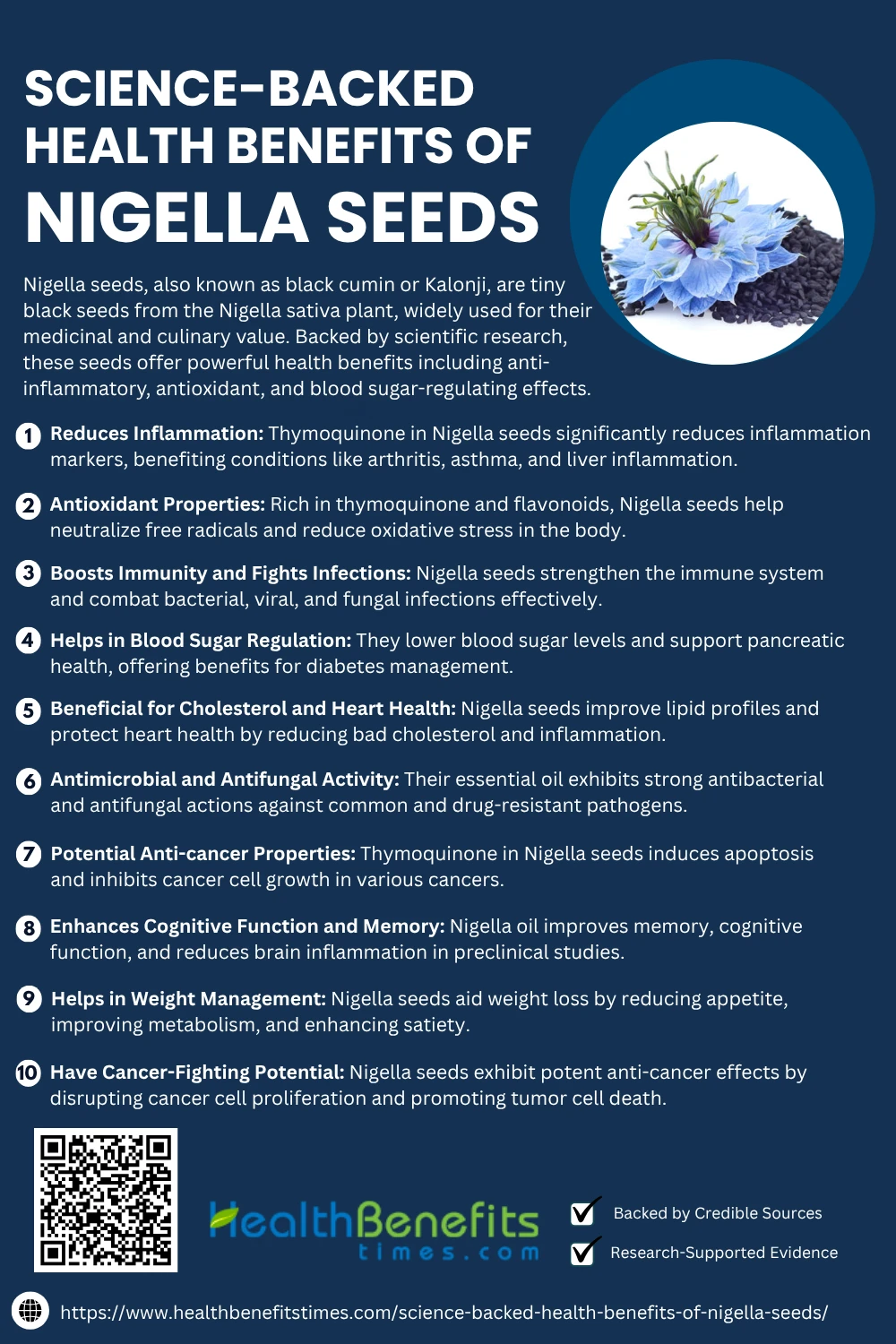
Nigella seeds are known for their strong anti-inflammatory properties, largely attributed to their key active compound, thymoquinone. This bioactive molecule reduces levels of inflammatory markers such as IL-6, TNF-α, and COX-2, thereby alleviating symptoms in conditions like arthritis and asthma. (3) Studies show thymoquinone modulates oxidative pathways to control inflammation in macrophages. It also inhibits both cyclooxygenase-2 and 5-lipoxygenase in liver inflammation models . Animal trials show significant joint swelling reduction. (4) Recent findings also confirm its protective role against drug-induced hepatorenal inflammation. (5)
2. Antioxidant Properties
Nigella sativa seeds exhibit strong antioxidant capabilities due to bioactive compounds like thymoquinone and flavonoids. Their extracts show high radical scavenging activity, as demonstrated in Sowunmi et al. (2025). (6) Phytochemical profiling confirms potent antioxidative indices. (7) Studies in food applications validate its stability and function. (8) Black seed oil enhances oxidative balance in functional foods. (9) Its protective effects extend to reducing oxidative liver stress. (10)
3. Boosts Immunity and Fights Infections
Nigella sativa, also known as black seed, has demonstrated significant immunomodulatory and antimicrobial properties. Studies have shown it enhances splenocyte proliferation and supports Th1/Th2 cytokine balance, thereby strengthening immune responses. (11) It also boosts antibody titers against viruses like H9N2 (Basurra et al., 2021). Additionally, black seed oil has been effective in reducing microbial infections and improving immune health in animals. (12) (13) Even during COVID-19, it aided immune resilience. (14)
4. Helps in Blood Sugar Regulation
Nigella sativa has been recognized for its hypoglycemic effects, contributing to improved blood glucose control in diabetic individuals. Recent research confirms its efficacy in reducing fasting blood sugar and glycosylated hemoglobin levels. Supplementation improved oxidative stress markers and pancreatic function in diabetic rats. Other reports highlight its antioxidant-rich profile supporting glucose metabolism. (8) Traditional perspectives also align with these findings. It offers promising complementary benefits for metabolic health.
5. Beneficial for Cholesterol and Heart Health
Nigella sativa seeds are known to significantly improve lipid profiles and support cardiovascular health. Studies have shown that their bioactive components lower LDL cholesterol and triglycerides and enhance HDL levels. Black seed extract also reduces cardiovascular risk markers. Additionally, its antioxidant properties contribute to vascular protection and anti-inflammatory actions support arterial health.
6. Antimicrobial and Antifungal Activity
Nigella sativa demonstrates potent antimicrobial and antifungal effects due to compounds like thymoquinone. Its essential oil inhibits pathogenic bacteria and fungi, making it a natural remedy against infections (Rahman et al., 2024). (15) Clinical studies confirm its inhibitory action against Candida albicans and Staphylococcus aureus. Further evaluations support its antifungal capacity and green nanoparticles from Nigella enhance this effect. (16) (17) Its oil also acts against resistant pathogens.
7. Potential Anti-cancer Properties
Nigella sativa exhibits promising anti-cancer potential, primarily due to thymoquinone, its active compound. Studies confirm its effectiveness against glioblastoma cells and pancreatic cancer via apoptosis induction. (18) It has also shown efficacy in leukemia targeting CDK pathways. Molecular docking studies reveal its bioactivity in cancer suppression.
8. Enhances Cognitive Function and Memory
Nigella sativa has demonstrated significant neuroprotective and memory-enhancing effects in preclinical models. Research shows that its oil improves cognition and alleviates anxiety-related behaviors in rats. (19) It also supports brain recovery after injury by enhancing spatial memory. (20) Nigella’s thymoquinone reduces amyloid-beta toxicity in Alzheimer’s models. It enhances hippocampal health by reducing inflammation. (21) These effects are both behavioral and biochemical.
9. Helps in weight management
Nigella sativa supports weight management through its metabolic and antioxidant properties. Research reveals it reduces BMI, waist circumference, and appetite markers in obese subjects. (22) It also improves lipid metabolism, contributing to weight reduction. (23) Antioxidant action in food matrices promotes satiety. (8) Its impact on energy homeostasis is notable. Meta-analyses confirm consistent benefits. (23)
10. Have Cancer-Fighting Potential
Nigella sativa demonstrates potent anti-cancer effects via thymoquinone, its active compound. It induces apoptosis and cell cycle arrest in cancer models, especially for pancreatic and colorectal cancers. Studies confirm suppression of tumor proliferation and angiogenesis. (24) Additional work shows efficacy in leukemia pathways. (25) Nigella-based nanoparticles enhance therapeutic targeting. (26) It remains a focus in dietary oncology research. (18)
How to include Nigella Seeds in your daily life
Incorporating Nigella seeds into your daily routine is simple and rewarding. From seasoning dishes to brewing tea or using oil, they offer versatile ways to boost overall health naturally.
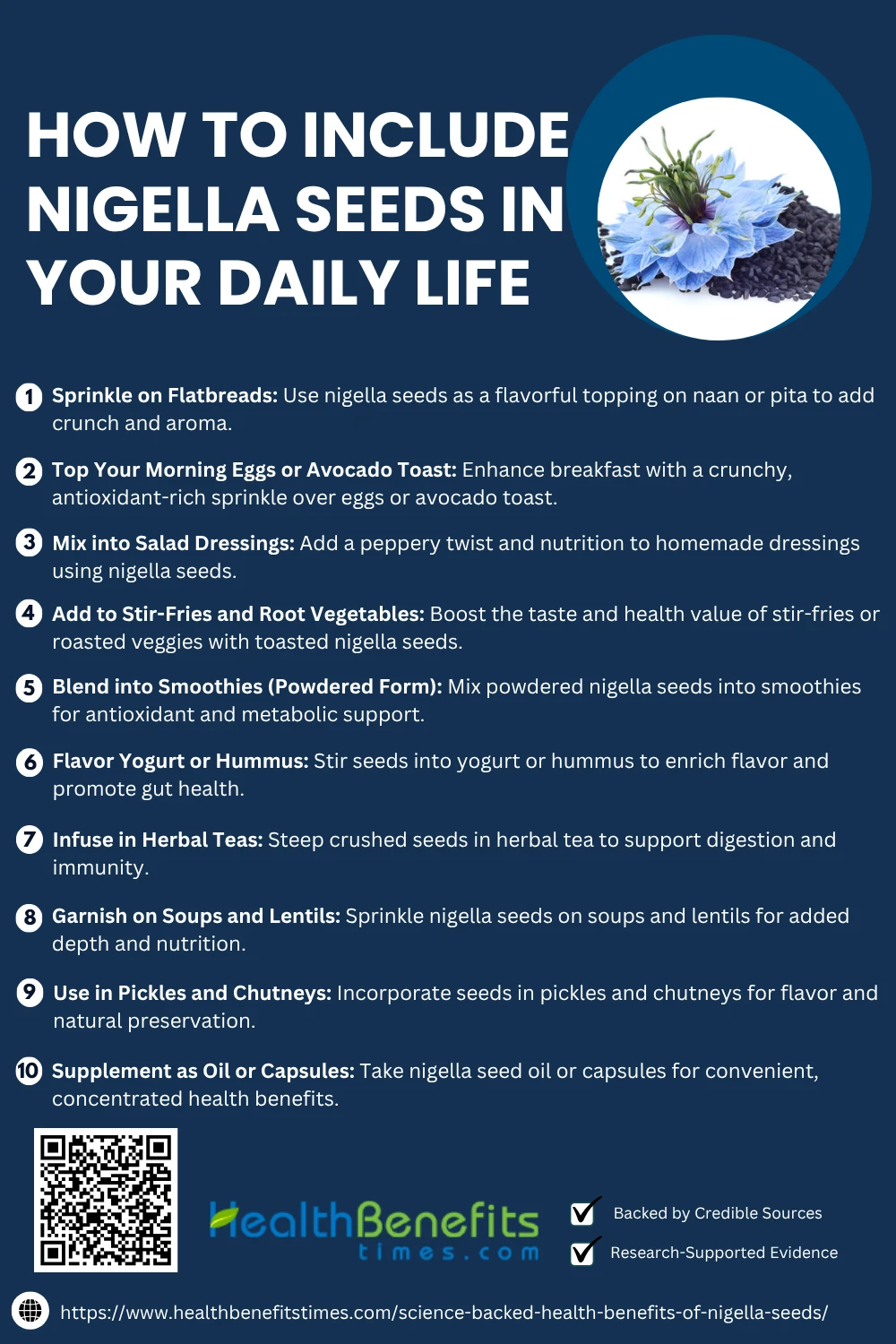
Nigella seeds are a traditional topping for flatbreads like naan and pita, offering an earthy, peppery flavor. Widely used in Indian and Middle Eastern cuisine, they are often toasted and sprinkled before baking (BBC Food). Their culinary role is recognized for adding aroma and texture (The Spicery). Recipes like Daktyla bread also incorporate them (King Arthur Baking).
2. Top Your Morning Eggs or Avocado Toast
Adding nigella seeds to eggs or avocado toast introduces a flavorful crunch and nutritional boost. Their antioxidants support cell health and reduce inflammation. The slightly bitter taste complements creamy textures like avocado. Daily inclusion in breakfast can enhance satiety and taste. (27)
3. Mix into Salad Dressings
Nigella seeds offer a peppery twist to homemade salad dressings, enhancing both flavor and nutrition. Their antioxidant-rich properties make them ideal for vinaigrettes and tahini blends. (28) The seeds complement citrus-based dressings and pair well with Mediterranean herbs. (27) They’re frequently recommended for culinary use in global cuisines. (29)
4. Add to Stir-Fries and Root Vegetables
Adding nigella seeds to stir-fries and roasted vegetables boosts both flavor and nutritional value. Toasted seeds release aromatic oils that enhance dishes like sautéed carrots or beets. (30) Their warming spice complements earthy vegetables and legumes. (29) Additionally, they offer anti-inflammatory benefits during regular consumption. (28)
5. Blend into Smoothies (Powdered Form)
In powdered form, Nigella seeds enrich smoothies with antioxidants and anti-inflammatory compounds. Their bioactive compound thymoquinone supports metabolic health and immune function. (28) Their peppery flavor pairs well with fruits like berries and bananas. (29) They’re even used in daily wellness blends for their adaptogenic properties. (27)
6. Flavor Yogurt or Hummus
Nigella seeds add depth to yogurt and hummus with their nutty, slightly bitter profile. In Middle Eastern cuisine, they enhance dips by pairing well with tahini and garlic. (29) Their antioxidant properties contribute to gut health and immune support. (28) They also complement probiotic-rich foods for daily nutrition. (31)
7. Infuse in Herbal Teas
Infusing Nigella seeds in herbal teas is a traditional practice that supports immunity and digestion. When steeped, they release bioactive compounds with antioxidant and anti-inflammatory effects. (28) The seeds have long-standing medicinal use across cultures. (32) For DIY use, steep crushed seeds as shown in this Food.com tea recipe.
8. Garnish on Soups and Lentils
Nigella seeds offer a tangy, slightly bitter note that enhances soups and lentil-based dishes. Frequently used in Middle Eastern and Indian cuisines, they provide depth to legumes like lentils. Their nutrient-rich profile includes essential fats and phytochemicals. Their bold flavor also complements curry bases. (29)
9. Use in Pickles and Chutneys
Nigella seeds are a staple in Indian and Middle Eastern pickles and chutneys, where they add a sharp, aromatic layer of flavor. Their antimicrobial and preservative properties support food safety and taste enhancement. (28) Culinary experts highlight their inclusion in spiced pickling blends and traditional condiments. (29) (33)
10. Supplement as Oil or Capsules
Nigella seed oil and capsules are popular supplements shown to lower cholesterol and regulate blood pressure. Rich in thymoquinone, these supplements support immune function and reduce inflammation. Used widely in integrative medicine, they also benefit skin health and metabolic conditions.
Who should avoid Nigella seeds?
While Nigella seeds offer many health benefits, they may not be suitable for everyone. Certain individuals, including pregnant women or those on medication, should exercise caution or avoid them entirely.
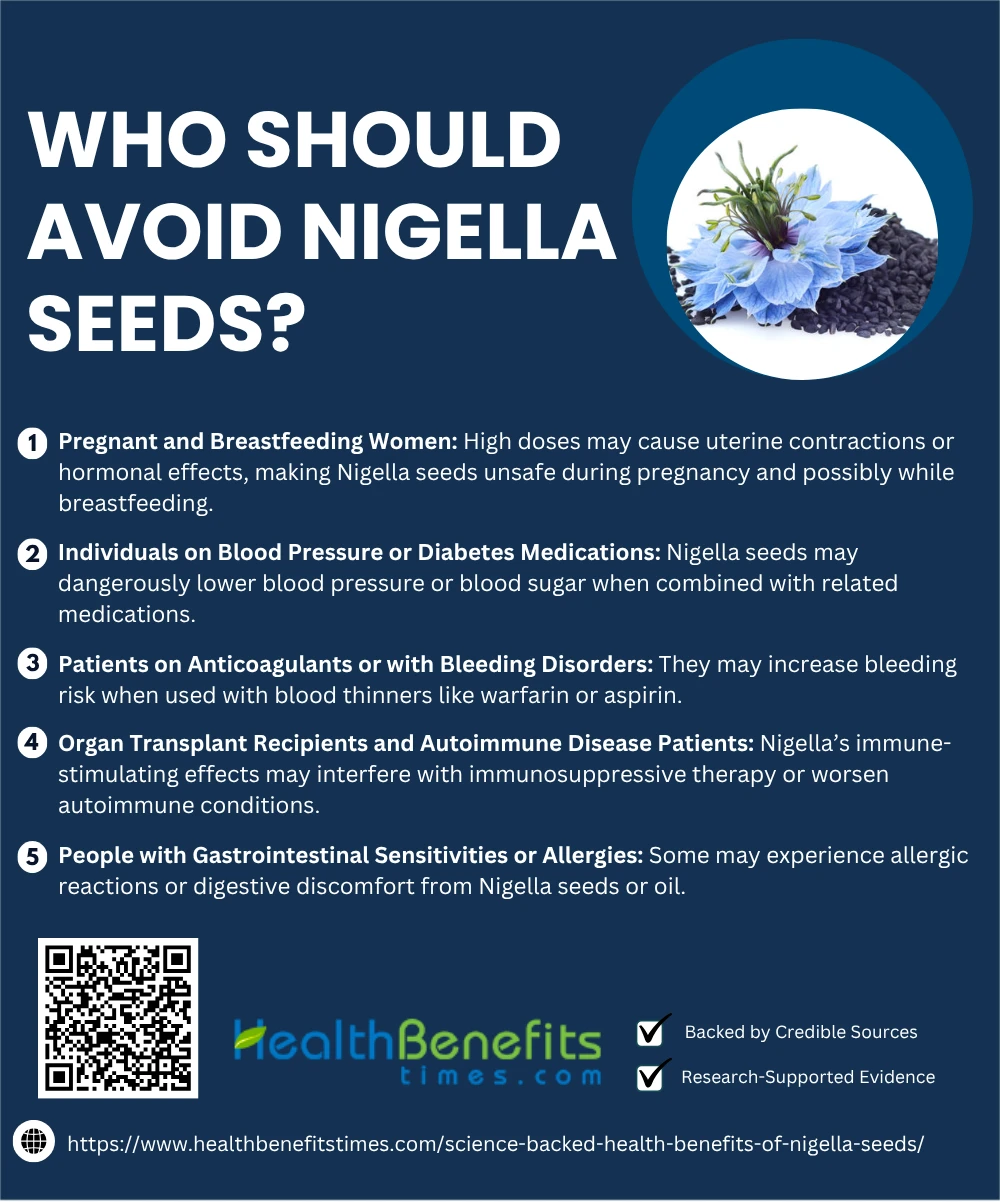
Nigella seeds may pose risks during pregnancy. High doses could potentially stimulate uterine contractions or alter hormone levels, increasing the risk of miscarriage or premature labor. While culinary amounts may be safe, medicinal doses are not recommended during pregnancy. There’s also a lack of reliable studies on safety for breastfeeding mothers, so cautious avoidance is advised.
2. Individuals on Blood Pressure or Diabetes Medications
Nigella seeds naturally lower both blood pressure (BP) and blood glucose levels. While this can be beneficial for some, combining the seeds with antihypertensive or antidiabetic drugs (like metformin or insulin) may lead to dangerously low readings, causing hypotension or hypoglycemia, with symptoms such as dizziness, fatigue, confusion, and fainting.
3. Patients on Anticoagulants or with Bleeding Disorders
Nigella sativa may impact blood clotting, increasing the risk of excessive bleeding, especially in those on blood thinners like warfarin, aspirin, or clopidogrel. Using it in combination with these drugs can lead to internal bleeding, bruising, or complications during and after surgical procedures.
4. Organ Transplant Recipients and Autoimmune Disease Patients
Nigella stimulates the immune system, making it problematic for individuals taking immunosuppressants such as those used after organ transplants (e.g., tacrolimus, cyclosporine). It can also exacerbate autoimmune conditions like multiple sclerosis, rheumatoid arthritis, or lupus, triggering flare-ups by increasing immune reactivity.
5. People with Gastrointestinal Sensitivities or Allergies
Although Nigella seeds offer digestive benefits for many, some users report allergic reactions, rash, constipation, nausea, or vomiting. Those with IBS, gastritis, or food allergies should be cautious. Its oil may also irritate the gastric lining in sensitive individuals.
Potential side effects of Nigella seeds
Although Nigella seeds are generally safe for most people, excessive use may cause potential side effects such as digestive issues, allergic reactions, or interactions with certain medications and treatments.
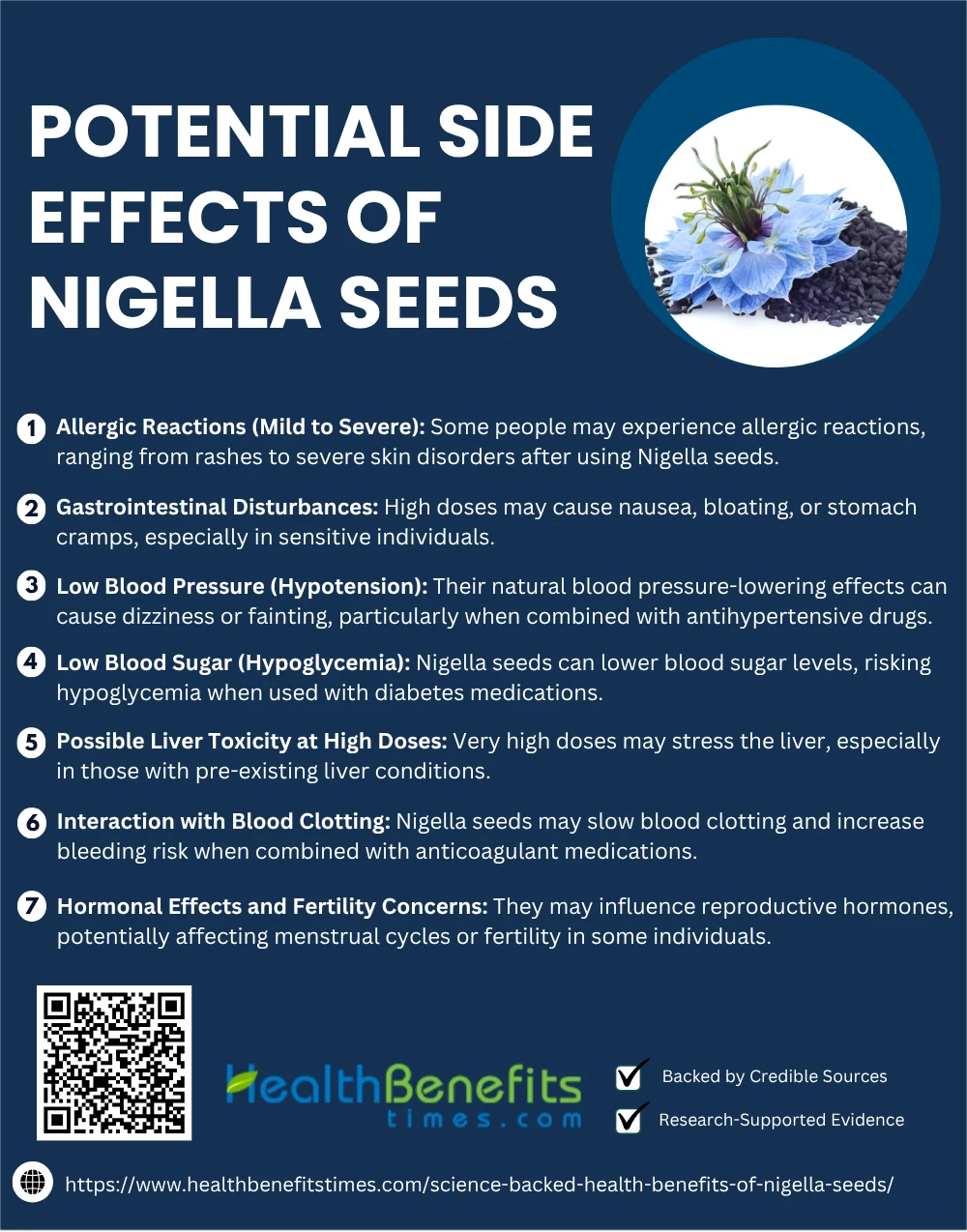
Some individuals may develop allergic responses to Nigella seeds, ranging from mild skin rashes and hives to severe conditions like Stevens-Johnson Syndrome or DRESS syndrome. (34) Topical or oral exposure has triggered reactions in sensitive users. (35) Caution is advised for those with known seed or spice allergies. (36)
2. Gastrointestinal Disturbances
Nigella seeds may lead to nausea, constipation, bloating, or stomach cramps when consumed in excess or by sensitive individuals. (35) Gastrointestinal upset is more common in high-dose supplements than in culinary use. In rare cases, vomiting and digestive irritation have been reported and may require medical attention. (34) (36)
3. Low Blood Pressure (Hypotension)
Nigella seeds can lower blood pressure due to their diuretic and vasodilatory effects, making them potentially risky for individuals already on antihypertensive medication. This can lead to dizziness, fatigue, or fainting. (28) Clinical trials confirm systolic BP reduction with regular intake. (37) Additional caution is advised with combined drug therapy. (35)
4. Low Blood Sugar (Hypoglycemia)
Known for their hypoglycemic properties, Nigella seeds may cause a drop in blood sugar when used with diabetes medications. This may result in symptoms like shakiness, confusion, and sweating. (38) They affect glucose metabolism and insulin secretion, which is beneficial for diabetes but risky without medical supervision. (34)
5. Possible Liver Toxicity at High Doses
Though generally safe, high doses of Nigella seed or oil might place stress on the liver. While clinical evidence of liver injury is rare, caution is advised for individuals with liver conditions. (39) Some studies suggest hepatotoxicity may occur at unregulated doses. (35)
6. Interaction with Blood Clotting
Nigella seeds have mild anticoagulant effects, which can slow blood clotting and increase the risk of bleeding—especially when combined with blood-thinning medications like warfarin or aspirin. (35) This raises concern for those undergoing surgery or with clotting disorders. (36)
7. Hormonal Effects and Fertility Concerns
Nigella seeds influence reproductive hormones, potentially increasing testosterone, LH, and progesterone levels. (40) While beneficial for some, this hormonal activity may disrupt cycles or fertility in others. Research also notes increased Leydig cell and follicle development. Women’s health studies suggest hormonal modulation varies by individual response.
Conclusion
Nigella seeds, also known as black cumin or Kalonji, offer a remarkable range of science-backed health benefits. Rich in nutrients and powerful bioactive compounds like thymoquinone, they support immune health, reduce inflammation, regulate blood sugar, and promote heart health. Their antimicrobial and antioxidant properties further enhance their value as a natural remedy. While widely used in traditional medicine, modern research continues to validate their therapeutic potential. However, like any supplement, they should be used responsibly and with medical guidance, especially for those with health conditions. Incorporating Nigella seeds into a balanced diet can be a simple step toward better overall wellness.
Comments
comments