

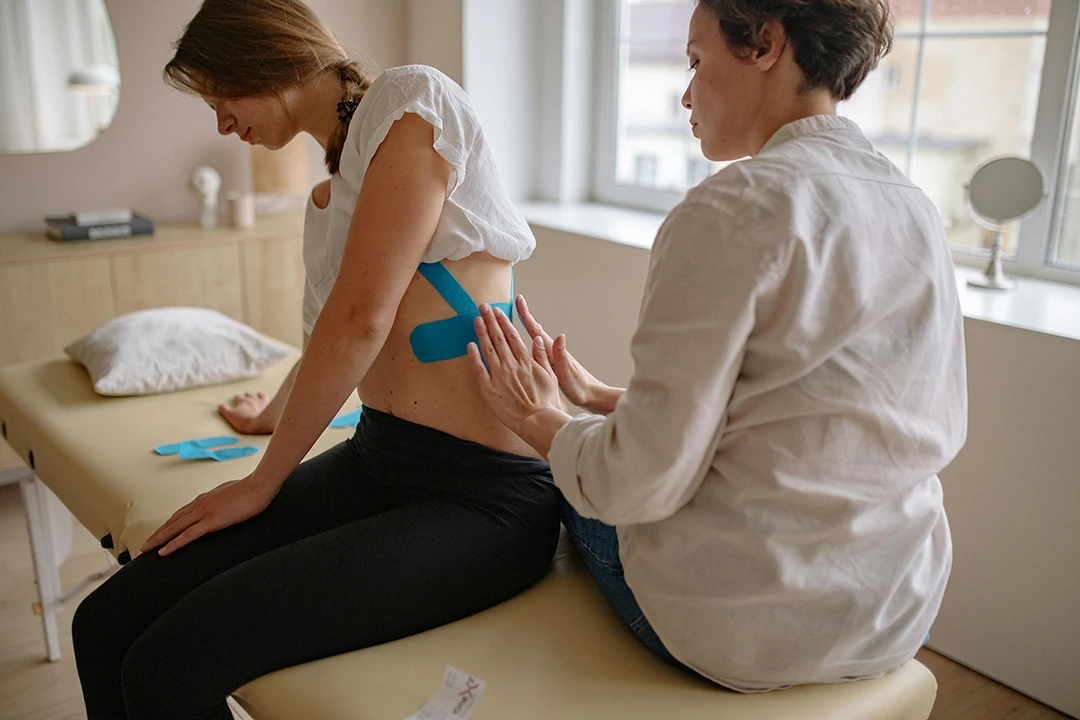
Slipping rib syndrome happens when the cartilage that holds your lower ribs together weakens. This can cause ribs to move out of place, leading to pain and discomfort that might worsen with certain movements or positions.
The good news is that what you eat and how you move can help manage these symptoms. Simple food choices and daily habits may support your recovery and help you feel better without relying solely on medication.
Nutritional Support: Foods That Promote Core Muscle Health
Protein-Rich Foods for Muscle Repair
Your body needs protein to build and fix muscles, including those in your core. Good sources include:
- Chicken and turkey breast
- Fish like salmon and trout
- Beans and lentils
- Greek yoghurt
- Eggs
- Tofu and tempeh
Try to include protein in each meal. This gives your body the building blocks it needs for strong core muscles that can better support your rib cage.
Anti-Inflammatory Foods to Reduce Pain
Some foods can help lower inflammation in your body, which may reduce pain from slipping rib syndrome:
- Fatty fish rich in omega-3s (salmon, mackerel)
- Colourful berries (blueberries, strawberries, blackberries)
- Leafy greens (spinach, kale, rocket)
- Nuts and seeds (walnuts, flaxseeds, chia seeds)
- Olive oil
- Turmeric and ginger
Studies show that eating these foods regularly may help ease pain from various conditions. The British Journal of Nutrition reports that diets high in these foods can lower inflammation markers in the blood.
Calcium and Magnesium for Muscle Function
These minerals help your muscles work properly and support rib cage stability:
- Calcium: found in dairy products, fortified plant milks, leafy greens, and tinned fish with bones
- Magnesium: found in nuts, seeds, whole grains, dark chocolate, and dark leafy greens
The Royal Osteoporosis Society notes that these minerals are vital for proper muscle contraction and relaxation, which can help maintain better rib position.
Vitamin D for Strong Bones and Muscles
Vitamin D helps your body absorb calcium and supports muscle function:
- Fatty fish
- Egg yolks
- Fortified foods
- Sun exposure (in safe amounts, particularly important in the UK where sunlight is limited in winter)
Research in the Journal of Clinical Endocrinology & Metabolism shows that healthy vitamin D levels may improve muscle strength and function, potentially helping to stabilise the rib cage.
Hydration for Tissue Health
Proper hydration is essential for healthy connective tissues, including those around your ribs:
- Aim for 6-8 glasses of water daily
- Herbal teas count toward your fluid intake
- Include water-rich fruits and vegetables in your diet
- Consider diluted fruit juices for variety
The NHS recommends adequate hydration for overall tissue health and proper muscle function.
Daily Habits and Exercises to Strengthen Your Core Safely
Gentle Core Strengthening Exercises
Start with exercises that don’t strain your ribs:
- Diaphragmatic breathing: Lie on your back, place a hand on your belly, and breathe deeply so your hand rises and falls. This engages the deep core muscles.
- Pelvic tilts: Lie on your back with knees bent, feet flat. Gently tilt your pelvis to flatten your lower back against the floor. This activates the abdominal muscles without pressure on the ribs.
- Modified planks: Start on your knees rather than toes until you build strength. This works the entire core while minimising strain.
- Wall angels: Stand with your back against a wall, performing slow arm movements while maintaining contact with the wall. This improves posture and engages the core.
The Chartered Society of Physiotherapy suggests starting with 5-10 minutes daily and slowly working up to longer sessions as your strength improves.
Yoga Poses for Core Support
These yoga poses can help strengthen your core without harsh impact:
- Cat-cow stretches for gentle spinal mobility
- Child’s pose to relax and stretch the back
- Modified side planks for lateral core strength
- Gentle spinal twists to improve rotation without strain
- Bridge pose for posterior chain engagement
Keep movements slow and steady. Stop if you feel pain or discomfort that doesn’t feel right.
Swimming and Water Exercises
Water supports your body weight, making it easier to move without strain. Try:
- Gentle swimming, especially backstroke which helps open the chest
- Water walking in chest-deep water
- Simple water aerobics with minimal arm movements initially
- Water yoga, which combines buoyancy with gentle stretching
The British Swimming Association notes that the buoyancy of water reduces pressure on your ribs while still working your core muscles effectively.
Lifestyle Tips for Managing Slipping Rib Syndrome Naturally
Improve Your Posture
Poor posture can make rib problems worse and increase pain. Try these tips:
- Stand tall with shoulders relaxed and ears aligned over shoulders
- Sit with back support that helps maintain the natural curve of your spine
- Take breaks from sitting every 30 minutes to reset your posture
- Use a supportive mattress and pillow that keep your spine properly aligned
- Consider a gentle posture-supporting device if recommended by a healthcare professional
The British Chiropractic Association reports that good posture helps balance muscle tension and may reduce symptoms of various musculoskeletal conditions.
Manage Stress Levels
Stress can make your muscles tighten, which may worsen rib pain and discomfort:
- Practice deep breathing for 5 minutes daily
- Try gentle meditation or mindfulness
- Take short walks in nature, which studies show reduces stress hormones
- Listen to calming music or nature sounds
- Consider keeping a journal to process difficult emotions
The Mental Health Foundation notes that stress reduction techniques can help relax tight muscles and reduce physical pain associated with tension.
Get Enough Rest
Sleep is when your body repairs itself, which is crucial for healing:
- Aim for 7-9 hours of sleep
- Use pillows for support if needed, particularly under knees or between legs.
- Create a cool, dark, quiet sleep space
- Stick to a regular sleep schedule, even at weekends
- Limit screen time before bed to improve sleep quality
Research from the Sleep Council shows that poor sleep can increase pain sensitivity and slow healing processes, which can worsen rib syndrome symptoms.
Adjust Daily Activities
Making small changes to how you move can reduce strain on your ribs:
- Lift objects properly, using your legs rather than your back
- Avoid carrying heavy bags on one shoulder
- Take breaks during activities that might stress your ribs
- Use proper technique during exercise and daily tasks
- Consider supportive clothing that helps maintain posture without restricting breathing
The Physiotherapy Association suggests that being mindful of movement patterns can prevent flare-ups of rib pain.
When to Seek Expert Help
While food and lifestyle changes help many people, they may not be enough for everyone with slipping rib syndrome.
See a doctor if you have:
- Severe or worsening pain
- Trouble breathing
- Pain that doesn’t improve with rest
- Symptoms that limit daily activities
- Any unusual symptoms that concern you
For those looking for more detailed information about this syndrome, where specialists offer advanced diagnosis and treatment options, working with thoracic experts is often helpful.
Healthcare providers can offer:
- Proper diagnosis to rule out other conditions
- Physical therapy referrals
- Pain management options
- In some cases, minimally invasive procedures to stabilise the ribs
The Royal College of General Practitioners notes that early treatment often leads to better outcomes for rib-related problems.
How to Track Your Progress
Keeping a simple journal can help you notice improvements:
- Note daily pain levels (1-10 scale)
- Track which foods seem to help or worsen symptoms
- Record which exercises feel beneficial
- Document sleep quality and how it affects pain
- Share these observations with healthcare providers
This information can help you identify patterns and refine your approach to managing symptoms.
Conclusion
Building core strength naturally through diet and gentle exercise can help support recovery from slipping rib syndrome. Focus on eating anti-inflammatory foods rich in key nutrients, practising safe core exercises, maintaining good posture, and getting enough rest.
Remember that these natural approaches work best alongside proper medical care. What you eat and how you move matter greatly, but don’t hesitate to work with healthcare providers for a complete treatment plan.
By combining smart food choices, gentle movement, and healthy habits, you can create a strong foundation for rib cage stability and better overall health. With patience and consistency, many people find significant improvement in their symptoms and quality of life.
Comments
comments