

Additionally, ingredients like neem, rosemary, and green tea contain powerful anti-inflammatory and antibacterial properties that target acne and impurities, making them ideal components in oily skin treatments. By incorporating these natural solutions, skincare enthusiasts can achieve balance and a healthy glow while minimizing dependence on synthetic products. Combining proper use of herbal skincare with expert recommendations ensures that oily skin remains clear and vibrant.
Understanding Oily Skin
Oily skin is characterized by an overproduction of sebum, a natural oil secreted by sebaceous glands to maintain skin hydration. While essential for protecting the skin barrier, excessive sebum can lead to shiny skin, enlarged pores, and an increased risk of acne. Studies highlight the biochemical complexity of sebum, which includes triglycerides, fatty acids, and wax esters. (2) This type of skin often appears thick and coarse, particularly in areas with high sebaceous gland density, such as the T-zone of the face. (3)
The causes of oily skin are multifaceted, involving both internal and external factors. Hormonal fluctuations, particularly during puberty, pregnancy, or stress, can stimulate sebaceous glands to produce more oil. (4) Additionally, genetic predisposition plays a significant role, as individuals with oily skin often have a family history of similar conditions. (5) Environmental factors, such as humidity and diet, may exacerbate the issue, as diets high in processed sugars can increase sebaceous activity. (6)
Proper skincare is crucial in managing oily skin and preventing complications like acne. Gentle cleansing twice a day helps remove excess oil without stripping the skin of its natural barrier. (7) Non-comedogenic products that avoid clogging pores are particularly beneficial 9. (8) Ingredients such as salicylic acid and niacinamide help regulate oil production and reduce pore size. (9) Regular exfoliation and the use of lightweight moisturizers can further enhance skin balance and hydration. (10)
Top Skincare Herbs for Oily Skin
Oily skin can be challenging, but natural herbs offer effective solutions. Discover the best skincare herbs to balance and refresh.
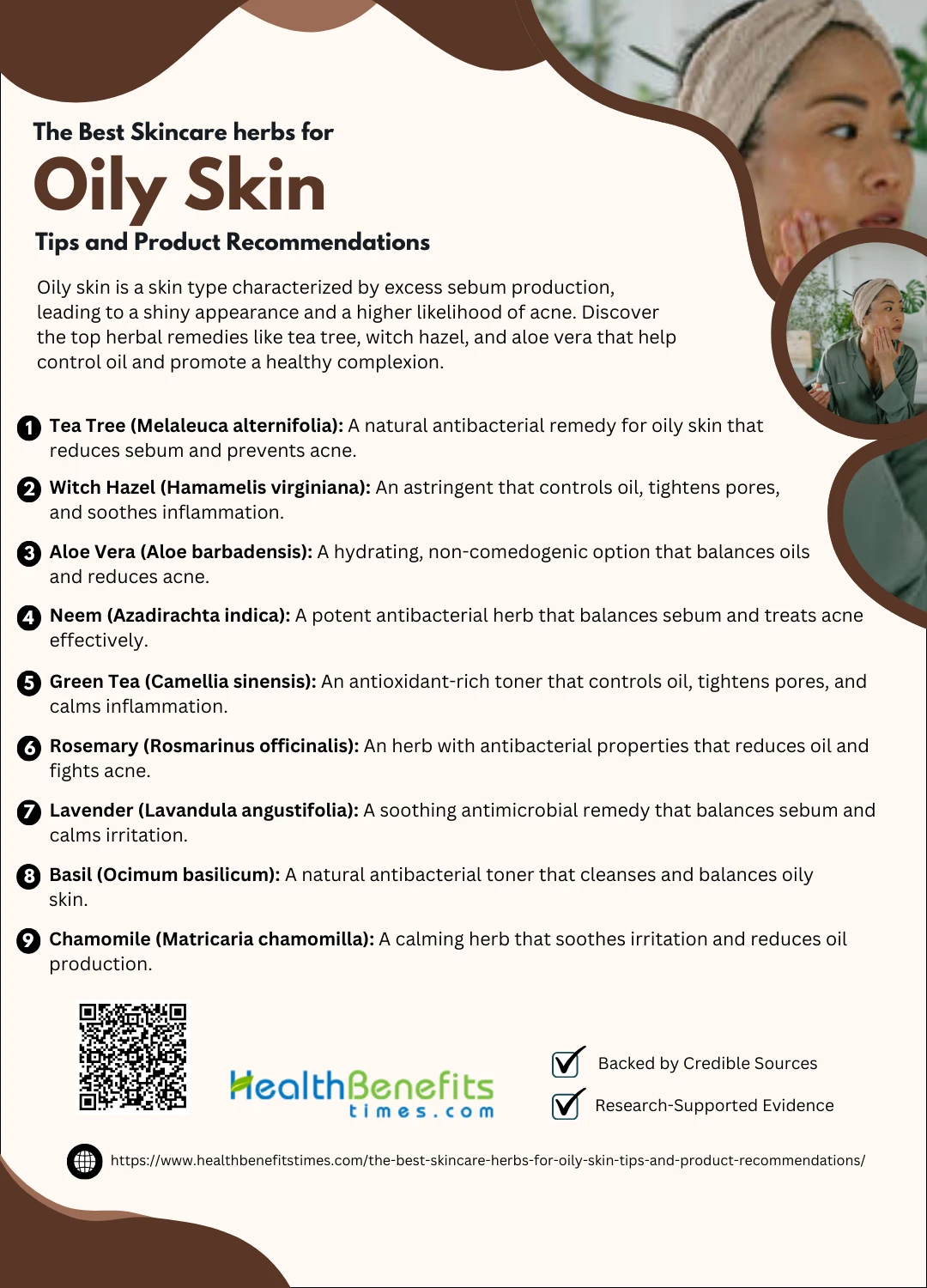
Tea tree oil, derived from the leaves of the Melaleuca alternifolia plant, is a powerful natural remedy for managing oily skin due to its antibacterial and anti-inflammatory properties. To incorporate tea tree oil into a skincare routine, dilute a few drops with a carrier oil, such as jojoba or almond oil, and apply it to affected areas using a cotton swab. (11) This helps reduce sebum production and prevent acne without causing irritation. Additionally, tea tree oil can be mixed with aloe vera gel for a soothing, lightweight moisturizer suitable for oily skin types. (12) Regular use in moderation is key, as overuse may lead to dryness or sensitivity.
2. Witch Hazel (Hamamelis virginiana)
Witch hazel (Hamamelis virginiana), renowned for its astringent properties, is a valuable natural remedy for oily skin. It helps control excess oil and tightens pores without stripping the skin’s moisture. To use witch hazel, apply a small amount of alcohol-free witch hazel toner onto a cotton pad and gently wipe it across your face after cleansing. This practice removes residual oil and impurities while soothing inflammation. (13) For enhanced benefits, it can be mixed with rose water to create a calming facial mist. (14) Regular use reduces the appearance of acne and inflammation, making it a favorite in managing oily skin. (15)
3. Aloe Vera (Aloe barbadensis)
Aloe vera (Aloe barbadensis), known for its soothing and hydrating properties, is an excellent choice for managing oily skin. It contains polysaccharides and gibberellins, which promote healing and reduce inflammation, making it ideal for acne-prone skin. To use, extract fresh aloe vera gel and apply a thin layer onto the skin as a moisturizer after cleansing. Its lightweight, non-comedogenic nature ensures hydration without clogging pores. (16) Combining aloe vera with ingredients like tea tree oil can enhance its anti-acne effects. (17) Aloe vera’s ability to balance the skin’s natural oils makes it a popular ingredient in herbal skincare products. (18)
4. Neem (Azadirachta indica)
Neem (Azadirachta indica), celebrated for its antibacterial and anti-inflammatory properties, is a potent natural remedy for managing oily skin. Neem leaves can be used to make a paste by blending them with water or aloe vera gel, which can then be applied as a face mask to reduce oiliness and control acne-causing bacteria 20. ({% %}) Neem oil, another effective preparation, should be diluted with a carrier oil like jojoba or almond oil before use to avoid irritation. (11) Regular use of neem-based products can help balance sebum production and minimize pore size. (17) Neem soap and cleansers are also excellent options for daily skincare, providing a deep cleanse and soothing irritated skin. (19)
5. Green Tea (Camellia sinensis)
Green tea (Camellia sinensis) is a versatile herb renowned for its anti-inflammatory, antioxidant, and oil-controlling properties, making it an effective skincare solution for oily skin. To incorporate green tea into your skincare routine, prepare a strong green tea brew, let it cool, and use it as a toner by applying it with a cotton pad after cleansing. This practice helps reduce excess sebum, tighten pores, and soothe inflamed skin. (20) Green tea extracts, when combined with aloe vera or witch hazel, enhance its soothing and hydrating effects, creating a powerful treatment for acne-prone oily skin. (21) Additionally, green tea masks, made by mixing the leaves or powdered extract with yogurt or honey, can be applied weekly for a refreshing boost and deep cleansing.
6. Rosemary (Rosmarinus officinalis)
Rosemary (Rosmarinus officinalis) is an herb valued for its antibacterial and anti-inflammatory properties, making it ideal for controlling excess oil and acne on the skin. To use rosemary for oily skin, prepare a rosemary infusion by boiling the leaves in water, allowing it to cool, and using it as a facial toner. This helps tighten pores and reduce sebum production. (22) Alternatively, dilute rosemary essential oil with a carrier oil like jojoba and apply it to affected areas to combat acne-causing bacteria and inflammation. (23) Incorporating rosemary into face masks, mixed with clay or yogurt, provides an additional boost for oil control and skin rejuvenation. (24)
7. Lavender (Lavandula angustifolia)
Lavender (Lavandula angustifolia), celebrated for its soothing and antimicrobial properties, is highly effective in managing oily and acne-prone skin. To use lavender, mix a few drops of lavender essential oil with a carrier oil, such as jojoba, and apply it to cleansed skin to reduce inflammation and prevent acne breakouts. (25) Lavender water or hydrosol can be used as a toner after cleansing to balance sebum production and refresh the skin. (26) Additionally, lavender can be infused into face masks with clay or honey to deeply cleanse pores and calm irritation. (27)
8. Basil (Ocimum Basilicum)
Basil (Ocimum basilicum), known for its antibacterial and anti-inflammatory properties, is a powerful herb for managing oily skin. To use basil, prepare a facial toner by steeping fresh basil leaves in hot water, allowing it to cool, and applying it with a cotton pad to cleanse and balance the skin’s oil production. (28) Basil essential oil can be diluted with a carrier oil, such as almond or jojoba oil, and applied as a spot treatment for acne-prone areas. (29) Incorporating basil into homemade face masks, mixed with yogurt or honey, provides additional cleansing and soothing benefits for oily skin.
9. Chamomile (Matricaria Chamomilla)
Chamomile (Matricaria chamomilla), known for its calming and anti-inflammatory properties, is an excellent herb for managing oily skin. Chamomile-infused water can be used as a toner by steeping chamomile flowers in boiling water, cooling, and applying it with a cotton pad to cleanse and balance oil production. (30) Chamomile essential oil, diluted with a carrier oil like jojoba, can be applied to acne-prone areas to soothe irritation and reduce redness. Additionally, chamomile extracts can be mixed with clay or honey to create a soothing and purifying face mask for oily skin. (31)
Tips for Using Herbal Skincare Products
Herbal skincare products provide natural solutions for healthy skin. Learn practical tips to maximize their benefits and enhance your routine.
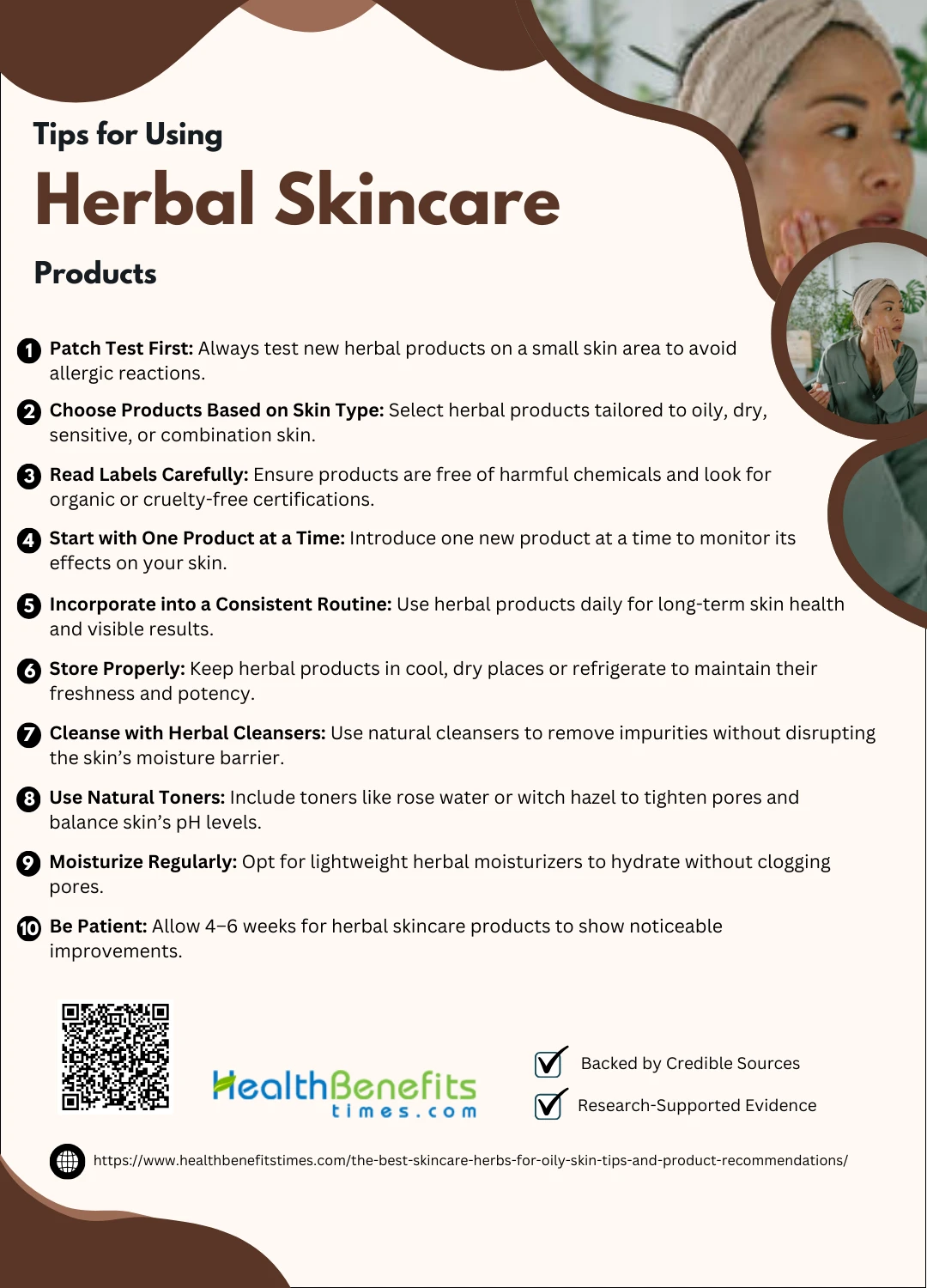
Before using a new herbal product, always perform a patch test on a small area of your skin, such as the inner arm. Herbal ingredients like essential oils or plant extracts may cause allergic reactions, so waiting 24 hours before full application can prevent potential irritation. This step is crucial, especially for individuals with sensitive skin.
2. Choose Products Based on Skin Type
Understanding your skin type is essential when selecting herbal skincare products:
- Oily Skin: Look for products with tea tree oil, neem, or witch hazel to control excess sebum and acne.
- Dry Skin: Aloe vera and chamomile-based products can hydrate and soothe.
- Sensitive Skin: Products with calendula or lavender are gentle and reduce redness.
- Combination Skin: A balanced formula with lightweight hydration works best.
3. Read Labels Carefully
Herbal skincare products often come with a mix of natural and synthetic ingredients. Ensure the product is free from harmful chemicals like parabens, sulfates, and artificial fragrances. Opt for products with certifications such as organic or cruelty-free, as these indicate a higher standard of safety and environmental consciousness.
4. Start with One Product at a Time
To monitor how your skin reacts, introduce one new herbal product at a time. This strategy allows you to pinpoint the cause of any irritation and gradually build a routine that works harmoniously with your skin.
5. Incorporate into a Consistent Routine
Herbal products often take longer to show visible results because they work gently and focus on long-term skin health. Using them consistently as part of your daily skincare regimen will yield the best outcomes.
6. Store Properly
Most herbal products lack preservatives and have a shorter shelf life. Store them in a cool, dry place away from sunlight to maintain their potency. Refrigeration is also a good option for products like aloe vera gel or rose water.
7. Cleanse with Herbal Cleansers
Switch to herbal cleansers made from natural ingredients like neem or green tea. These cleansers help remove dirt, excess oil, and impurities without stripping the skin of its natural moisture barrier.
8. Use Natural Toners
Incorporate toners like rose water, witch hazel, or cucumber extracts into your routine. They tighten pores, soothe the skin, and balance pH levels without causing dryness or irritation, unlike alcohol-based toners.
9. Moisturize Regularly
Herbal moisturizers, particularly those with lightweight ingredients like aloe vera, jojoba oil, or chamomile, provide hydration without clogging pores. This is especially important for oily and acne-prone skin.
10. Be Patient
Unlike chemical products that may show quick but temporary results, herbal products focus on nourishing the skin from within. Be patient and give your skincare routine 4–6 weeks to reveal noticeable changes in texture and tone.
Recommended Products Featuring These Herbs
Discover top skincare products infused with powerful herbs like tea tree, aloe vera, and green tea to revitalize oily skin.
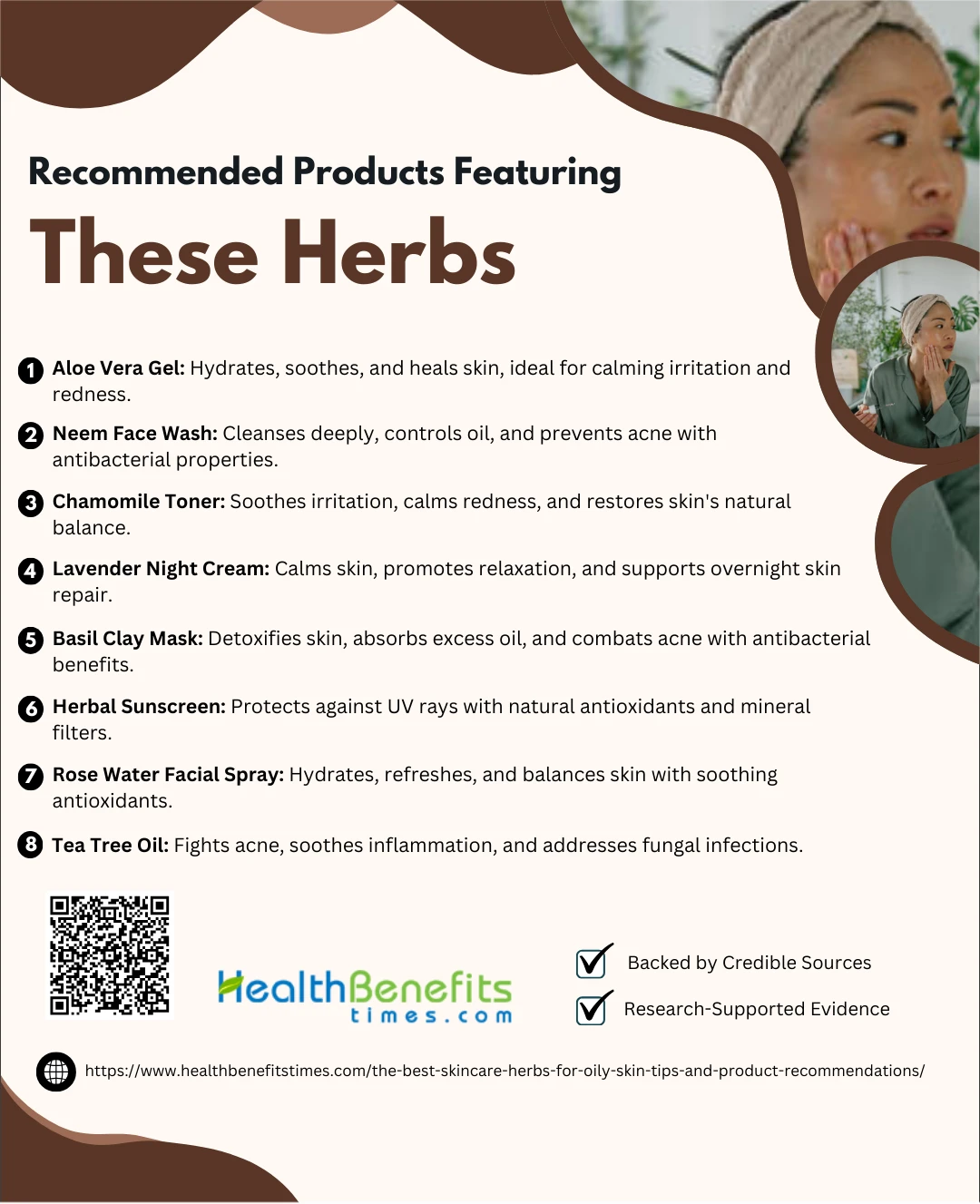
Aloe vera gel is widely regarded as a must-have in skincare routines due to its exceptional hydrating, soothing, and anti-inflammatory properties. It can help calm irritated skin, provide deep hydration, and assist in healing minor burns or redness. Below are two highly recommended aloe vera gel products:
- Lily of the Desert 99% Aloe Vera Gelly: Formulated with organic aloe vera, this gel is ideal for soothing sunburns and hydrating skin while maintaining a lightweight texture. (32)
- Forever Living Aloe Vera Gelly: Known for its vitamin-enriched formula, this product is perfect for repairing dry and damaged skin while providing a calming effect. (33)
2. Neem Face Wash
Neem face wash is a widely recommended skincare product known for its antibacterial and oil-controlling properties. It helps cleanse the skin deeply, remove impurities, and prevent acne, making it suitable for oily and acne-prone skin. Below are two popular examples:
- Himalaya Purifying Neem Face Wash: This gentle yet effective face wash combines neem and turmeric to combat bacteria, reduce inflammation, and control excess oil. It’s ideal for daily use on oily and combination skin types. (34)
- Mamaearth Neem Face Wash: Designed for acne-prone skin, this product uses natural neem extracts to cleanse pores and reduce breakouts without drying the skin. (34)
3. Chamomile Toner
Chamomile toners are a gentle and effective skincare solution, known for their soothing and anti-inflammatory properties. They help calm redness, reduce irritation, and restore the skin’s natural balance. These toners are suitable for all skin types, including sensitive skin. Below are two highly recommended chamomile toner products:
- Mario Badescu Chamomile Cleansing Lotion: This toner combines chamomile with a blend of natural ingredients to soothe and cleanse the skin, leaving it refreshed and hydrated. (35)
- Alteya Organics Chamomile Water Toner: Made with certified organic chamomile, this toner helps rejuvenate the skin, reduce redness, and provides a natural glow. (36)
4. Lavender Night Cream
Lavender night creams are popular skincare products known for their calming and rejuvenating properties, harnessing the therapeutic benefits of lavender essential oil. Lavender has been shown to possess anti-inflammatory, antimicrobial, and antioxidant properties, which can help soothe the skin, promote relaxation, and support overnight skin repair. Furthermore, lavender is effective in reducing stress and improving sleep quality, making it an excellent ingredient for nighttime skincare routines. Some well-known lavender night cream products include:
- L’Occitane Immortelle Precious Night Cream: Combines lavender oil with other potent ingredients for nourishing and revitalizing the skin.
- Kiehl’s Midnight Recovery Omega-Rich Cloud Cream: A luxurious cream with lavender and botanical extracts to hydrate and restore skin overnight.
5. Tea Tree Oil
Tea tree oil is a widely recognized natural ingredient with potent antimicrobial, antifungal, and anti-inflammatory properties, making it a staple in skincare products for acne-prone and sensitive skin. (37) Its ability to combat Propionibacterium acnes and soothe irritated skin has been demonstrated in several clinical studies. (38) Furthermore, tea tree oil is effective in addressing fungal infections, thanks to its active compound terpinen-4-ol, which contributes to its therapeutic efficacy. (39) Products incorporating tea tree oil offer versatile benefits for maintaining clear and healthy skin. Notable examples include:
- The Body Shop Tea Tree Oil: A concentrated formula for spot treatment and reducing blemishes. (40)
- Paul Mitchell Tea Tree Special Shampoo: Designed to cleanse and invigorate the scalp while controlling dandruf. (41)
6. Basil Clay Mask
Basil clay masks combine the detoxifying properties of clay with the anti-inflammatory and antibacterial benefits of basil, making them an excellent choice for cleansing and rejuvenating the skin. Basil is known for its rich content of essential oils and phenolic compounds, which help reduce acne, combat free radicals, and soothe irritated skin. (42) Additionally, clay masks are effective in absorbing excess sebum and unclogging pores, making them a popular choice for individuals with oily or combination skin types. (43) The synergy of basil and clay enhances skin purification and promotes a healthy glow. Prominent basil clay mask products include:
- Herbivore Botanicals Detoxifying Basil & Clay Mask: A natural formulation with basil and kaolin clay to detoxify and balance the skin. (44)
- Juicy Chemistry Basil & Bentonite Face Mask: Combines the purifying power of basil with bentonite clay for deep cleansing and hydration.
7. Herbal Sunscreen
Herbal sunscreens combine natural ingredients like aloe vera, green tea, and turmeric with mineral UV filters to provide effective sun protection while nourishing the skin. These formulations often feature antioxidants that reduce sun-induced oxidative stress. (45) Additionally, they are eco-friendly and ideal for sensitive skin. (46) Popular products include:
- Lotus Herbals Safe Sun UV Screen: Infused with chamomile and calendula for enhanced sun protection and hydration. (47)
- Juice Beauty SPF 30 Sport Sunscreen: Combines jojoba and green tea extracts for a hydrating, antioxidant-rich formula.
8. Rose Water Facial Spray
Rose water facial sprays are beloved for their hydrating, soothing, and refreshing properties, thanks to rose’s natural antioxidants and anti-inflammatory benefits. (48) Rose water helps balance skin’s pH, reduce redness, and revitalize tired skin, making it a skincare essential. (49) Popular options include:
- Mario Badescu Facial Spray with Aloe, Herbs, and Rosewater: A hydrating mist enriched with botanical extracts for a dewy glow. (50)
- Heritage Store Rosewater Spray: Pure rosewater crafted to refresh and tone the skin naturally.
DIY Herbal Remedies for Oily Skin
- Aloe Vera and Lemon Mask
Aloe vera soothes irritated skin and reduces oil production, while lemon acts as a natural astringent to tighten pores.
- Mix 2 tablespoons of aloe vera gel with a few drops of lemon juice.
- Apply to your face and leave it on for 15 minutes.
- Rinse with lukewarm water.
- Green Tea Toner
Green tea is rich in antioxidants and has sebum-regulating properties, perfect for oily skin.
- Brew a cup of green tea, let it cool, and pour it into a spray bottle.
- Use it as a toner after cleansing.
- Turmeric and Honey Mask
Turmeric has anti-inflammatory properties, while honey helps hydrate and reduce excess oil without clogging pores.
- Mix 1 teaspoon of turmeric powder with 1 tablespoon of honey.
- Apply the mixture to your face and leave it on for 20 minutes.
- Rinse off with warm water.
- Basil and Mint Face Wash
Basil and mint have antibacterial properties that help cleanse and refresh oily skin.
- Blend fresh basil and mint leaves into a paste.
- Add a little water and use it to cleanse your face.
- Witch Hazel and Rosewater Toner
Witch hazel is a natural astringent that tightens pores and reduces oiliness, while rosewater soothes and refreshes the skin.
- Combine equal parts witch hazel and rosewater.
- Apply with a cotton pad after cleansing.
- Oatmeal and Yogurt Scrub
Oatmeal absorbs excess oil and gently exfoliates the skin, while yogurt contains lactic acid to unclog pores.
- Mix 2 tablespoons of oatmeal with 1 tablespoon of plain yogurt.
- Gently scrub your face with the mixture and rinse off.
- Neem and Fuller’s Earth Pack
Neem has antibacterial and antifungal properties, while fuller’s earth absorbs excess oil and impurities.
- Blend neem leaves into a paste and mix with fuller’s earth and water.
- Apply to your face and wash off after 15 minutes.
- Cucumber and Aloe Vera Spray
Cucumber refreshes the skin and controls oil, while aloe vera hydrates without making skin greasy.
- Blend cucumber slices and mix with aloe vera gel.
- Strain and pour into a spray bottle for a refreshing mist.
Common Mistakes to Avoid
Using skincare herbs requires care. Avoid common mistakes like overuse, skipping patch tests, or neglecting proper hydration for optimal results.
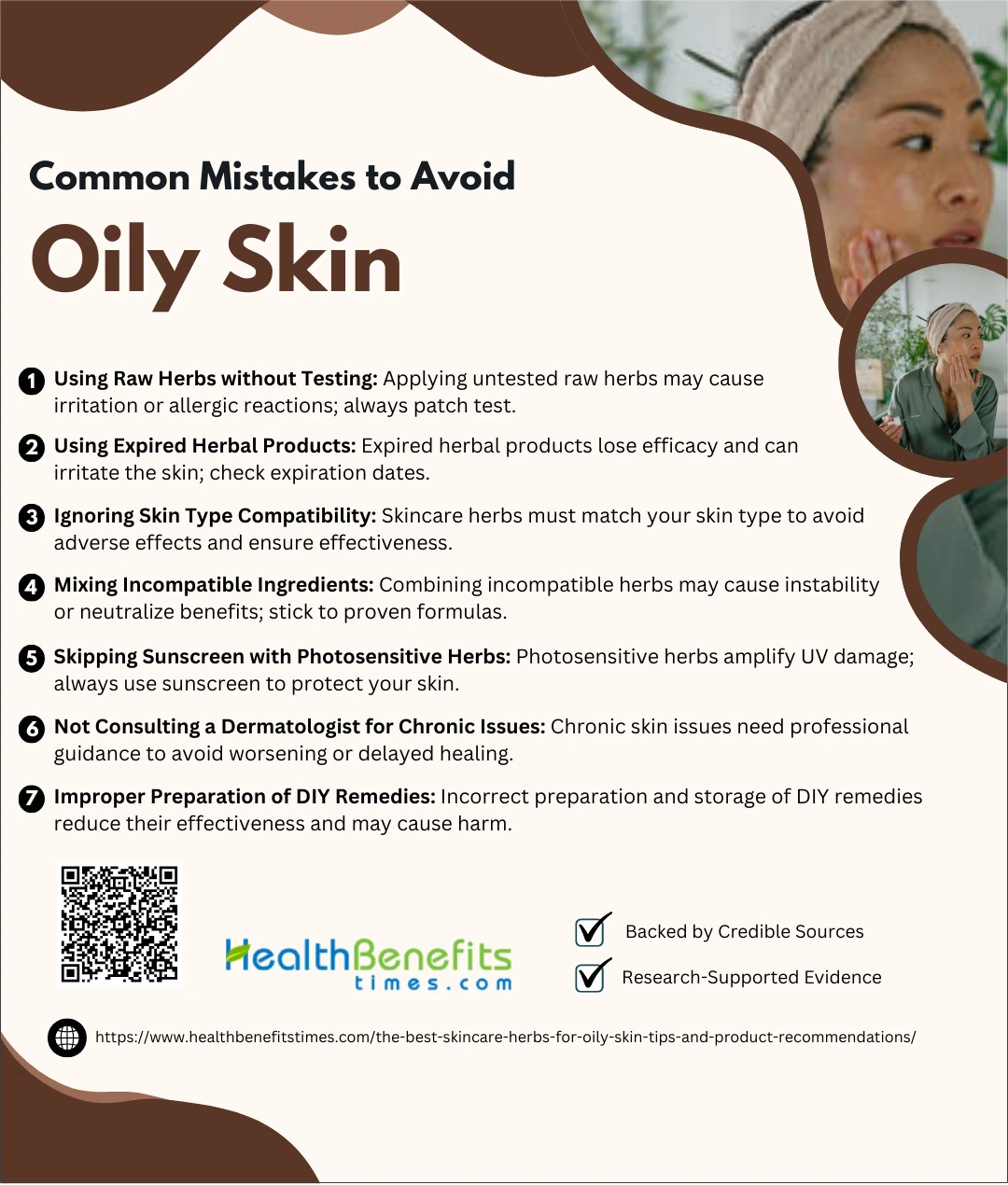
Using raw herbs in skincare without prior testing can lead to allergic reactions, irritations, or even long-term skin damage. Always research herbs thoroughly and perform patch tests before application. The importance of professional guidance in using herbs safely. (51) Some herbs can interact harmfully with medications, while the emphasizes risks of unregulated herbal products. (52) (53) For best practices, consult with licensed professionals and only use certified products. (54)
2. Using Expired Herbal Products
Using expired herbal skincare products can compromise skin health, leading to irritation or reduced efficacy. Experts like White and Foster (2003) emphasize checking expiration dates to avoid harm. Chevallier (2016) highlights the risks of degraded herbs. Similarly, Press (2015) recommends storing herbs properly to maintain potency. Potential allergens in outdated products. (55)
3. Ignoring Skin Type Compatibility
Ignoring skin type compatibility while using skincare herbs often leads to adverse reactions. Personalized care for optimal results. (56) Similarly, Stress understanding individual needs. (57) Balanced formulations, while advocate for tailored herbal remedies. (58) (59)
4. Mixing Incompatible Ingredients
Mixing incompatible skincare herbs can compromise product safety and efficacy. For example, interactions between herbal oils and active compounds may cause instability, as detailed in 63. ({% %}) Improper emulsification techniques can exacerbate these issues, discussed in Cosmetic Science. Such mistakes may lead to inconsistent results. (60) Additionally, combining acidic and alkaline herbs can neutralize their effects. (61) Adhering to tested formulations, like those in Herbal Healing for Women, prevents these complications.
5. Skipping Sunscreen with Photosensitive Herbs
Skipping sunscreen when using photosensitive herbs, like St. John’s Wort, can lead to severe skin damage. (62) Ingredients like bergamot oil amplify UV sensitivity, increasing risks . (63) Regular sunscreen application is essential to mitigate these effects, . (64) Overexposure without protection may result in inflammation or pigmentation. (65)
6. Not Consulting a Dermatologist for Chronic Issues
Failing to consult a dermatologist for chronic skin issues while using skincare herbs can exacerbate problems. Herbs may interact unpredictably with skin conditions, as noted in. (66) Dermatologists can identify allergens and triggers beyond DIY remedies. (67) Chronic issues may require integrated approaches combining herbal and clinical care. Unsupervised use of botanicals risks irritation and delayed healing, highlighted in. (68) Regular professional oversight ensures safe, effective treatment. (69)
7. Improper Preparation of DIY Remedies
Improper preparation of DIY skincare remedies can diminish their effectiveness and increase risks. For example, incorrect herb handling may lead to contamination, as discussed in. (70) Using reactive containers, such as aluminum, is strongly discouraged. Without proper storage, formulations degrade quickly, noted in “Do-It-Yourself Herbal Medicine”. Precise measurements are essential to avoid adverse reactions, as seen in “Prescription for Natural Cures”. Lastly, following standardized methods ensures safety.
Conclusion
In conclusion, incorporating the best skincare herbs for oily skin into your routine can make a significant difference in managing excess oil and achieving a healthy, balanced complexion. Natural remedies like tea tree, witch hazel, aloe vera, and green tea offer powerful benefits, from reducing sebum production to soothing and calming the skin. When combined with the right products tailored to your skin’s needs, these herbs can effectively combat common concerns such as acne and shine while promoting overall skin health. Embrace the power of nature and take the first step toward radiant, oil-free skin with these time-tested solutions.
Comments
comments