

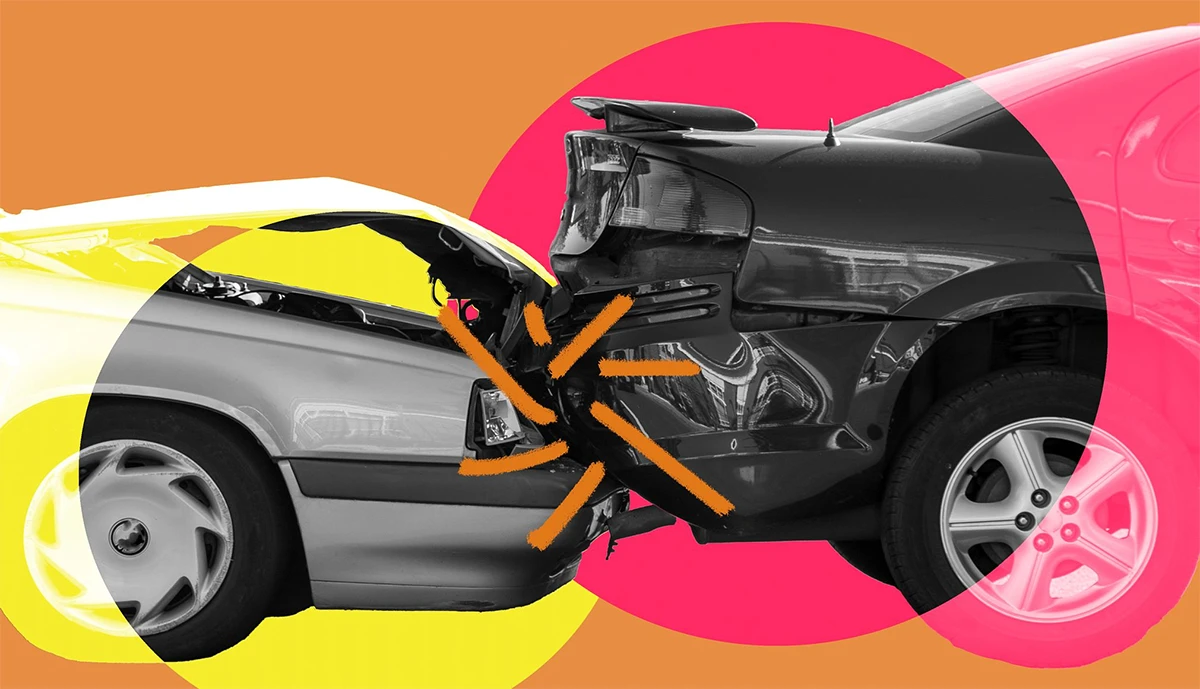
So what’s happening inside your body after a crash, and how do you protect your recovery?
Adrenaline Hides the First Signs of Injury
In the minutes after a collision, your body floods with adrenaline and cortisol. Pain signals get muted, heart rate climbs, and attention narrows to whatever is directly in front of you. That biological response is great for survival and terrible for self-assessment.
Plenty of people tell the responding officer they feel okay, wave off the ambulance, and then wake up the next morning barely able to turn their neck. Soft-tissue injuries, concussions, and internal bruising rarely announce themselves at the roadside. They arrive on a delay, once the stress hormones drop off and inflammation moves in.
The Injuries That Show Up Late
Some of the most common delayed injuries are also the easiest to shrug off in the moment. Knowing what to watch for in the days after a crash can spare you a much longer recovery.
- Whiplash and neck strain. Rear-end impacts snap the head forward and back faster than the neck muscles can brace. Stiffness, headaches, and reduced range of motion tend to peak 24 to 72 hours after the crash.
- Concussion symptoms. Brain injuries don’t require losing consciousness. Fogginess, light sensitivity, sleep disruption, and mood changes can surface gradually and get blamed on stress instead of the collision.
- Back and disc injuries. A herniated disc can feel like a minor ache before it starts radiating down a leg or arm. Ignore it and it can settle in as a chronic problem.
- Internal bleeding. Seatbelt bruising across the abdomen deserves a serious look. Slow bleeds from a bruised spleen or liver are rare, and genuinely dangerous.
- Post-traumatic stress. Flashbacks, driving anxiety, and disrupted sleep are physical health issues too. They alter blood pressure, appetite, and immune function if they linger.
Crashes Are More Common Than Most Drivers Realize
It’s easy to file a serious collision under things that happen to other people. The numbers push back. An AARP safety guide citing federal crash data notes that the average driver will be in three to four traffic incidents over a lifetime, with more than six million police-reported crashes in a single recent year.
Most of those are low-speed, non-catastrophic events. They still generate emergency room visits, physical therapy referrals, and prescriptions that stretch on for months.
Get Medical Documentation Early, Even If You Feel Fine
A same-day or next-day medical evaluation does two things at once. It catches injuries your adrenaline is hiding, and it creates a clean medical record tied to the date of the crash. That record matters if symptoms escalate later.
Skip care, then seek treatment three weeks later, and a doctor has a much harder time connecting what you’re feeling back to the collision. It also complicates the insurance side. State consumer guidance, including the California Department of Insurance’s post-accident guide, walks through reporting timelines and shows how claim investigations lean heavily on documentation created close to the event.
Protect Your Recovery, Not Just Your Car
Recovery is a health project first and a paperwork project second. Follow through on physical therapy. Keep the follow-ups even when you feel a little better, because soft-tissue injuries have a habit of plateauing and then flaring back up weeks later.
If someone else caused the crash, medical bills, missed work, and long-term therapy shouldn’t land on you by default. Talking with a qualified personal injury attorney early gives you a clearer picture of what your treatment is worth, and keeps insurers from steering the conversation before you know the full extent of your injuries.
The crash ends in seconds. The health effects can shape the next year of your life. Treat the aftermath with the same seriousness you’d give any other medical event, and a bad afternoon is less likely to become a chronic condition.
Comments
comments