

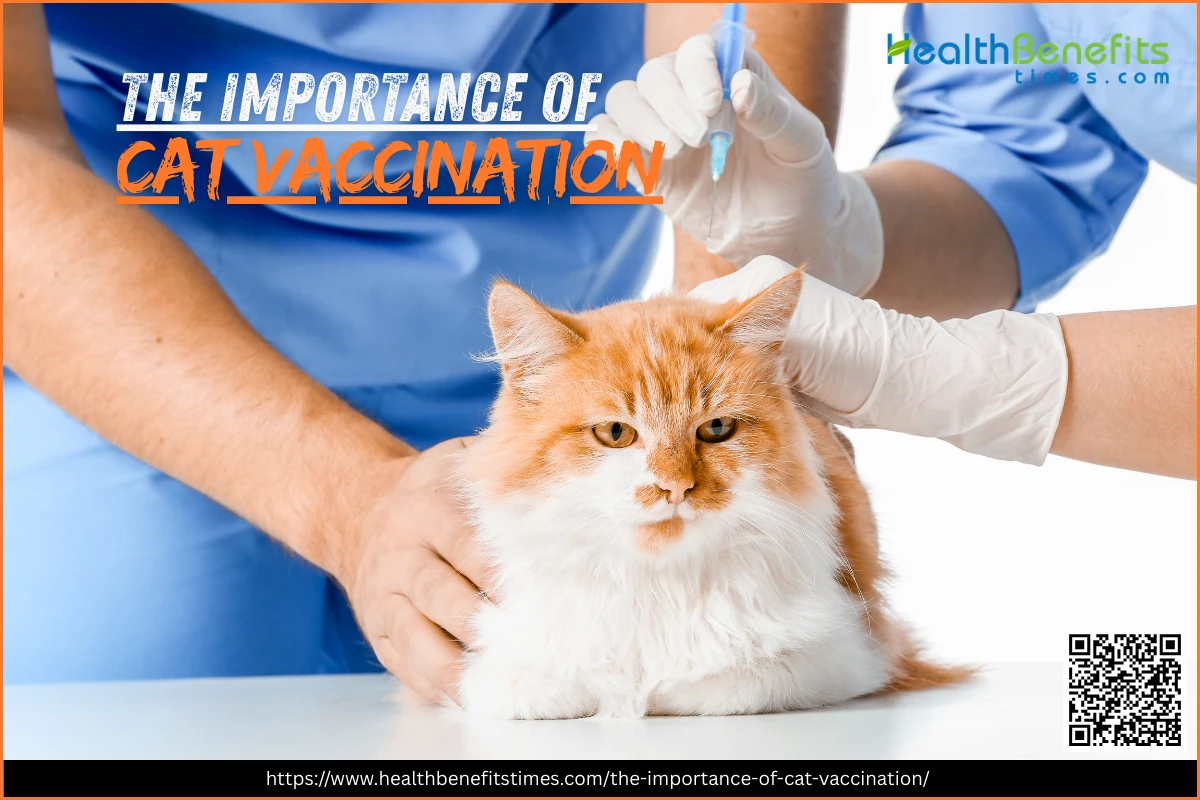
Why Vaccines Matter for Your Cat?
Vaccines train your cat’s immune system to fight off a weakened version of a disease. This way, when your cat is exposed to the actual disease, their immune system will be ready to act fast. The core vaccinations for cats generally include FVRCP (feline viral rhinotracheitis, calicivirus, panleukopenia) and rabies, with feline leukemia virus (FeLV) being included as a core vaccination in kittens and high risk cats.
These diseases are not colds or just sniffles. Panleukopenia can rapidly kill kittens with severe vomiting, diarrhea and collapse of the immune system. Caliciviruses and herpesviruses, which are responsible for cat flu, cause long-term health issues, including respiratory and eye problems that may remain for the rest of your cat’s life. Vaccinated cats are much less likely to get sick with these diseases, but even if they do, they will experience milder, easier to manage symptoms than unvaccinated cats.
Indoor vs Outdoor Cats: What Risks Do Owners Really Face?
Many pet owners feel that because they keep their cats indoors, there is no need for them to get vaccinated; however, all veterinary organizations strongly disagree with this belief. There are many ways for infectious agents to enter an indoor home, such as on clothing, shoes, new pets, while boarding your cat, grooming your cat, taking your cat to the emergency clinic, etc. If you have a “window cat” that gets outside even one time, he/she may be exposed to a sick stray cat, contaminated soil, water, etc.
As for outdoor cats, or cats that go outdoors at all, the risk of disease is exponentially increased by exposure to other cats’ saliva, urine, and respiratory droplets. Therefore, it is imperative to vaccinate all cats for diseases such as panleukopenia, cat flu, and FeLV. The decision to give lifestyle or non-core vaccinations, such as FeLV in adult cats, Bordetella, or Chlamydia, will depend upon how many other cats your cat comes into contact with, or shares space with, and this can be clarified in detail during a cat vaccination consultation.
Typical Cat Vaccination Schedule
Kitten Vaccinations
Kittens receive passive immunity from the mother through colostrum in her first milk, but the duration of this passive immunity varies in each kitten and will typically interfere with early vaccinations. Most veterinarians therefore recommend the following vaccination schedule:
- First FVRCP at approximately 6-8 weeks old
- Repeat FVRCP#2 repeated every 3-4 weeks thereafter until 16-20 weeks old
- FeLV started at approximately 8-12 weeks old in high-risk kittens; repeat 3-4 weeks after initial injection
- Rabies is administered once; timing will vary according to local laws, but is usually administered at 12-16 weeks of age
This sequence allows the veterinarian to ensure that when the passive immunity from the mother’s colostrum wanes, there will be a vaccine present to “catch” the kitten and stimulate long-lasting immunity.
Adult Cats
Adult cats who have not completed a full round of vaccinations can begin at any time with a core vaccination series of two injections three to four weeks apart. After receiving the initial vaccinations, boosters should be administered based on recommendations made by the owner’s veterinarian, typically one to three years after the last booster, depending on the presence of regional disease pressure, the type of vaccine being administered and the owner’s perception of the cat’s individual level of risk.
Developing a customized vaccination plan with a cat vaccination appointment (for example, through a pet-friendly veterinary practice) provides optimal protection while minimizing the number of vaccinations an adult cat will receive during its life.
Rabies: Protecting Your Cat and Community
Rabies is nearly always fatal once symptoms develop and is considered a significant public health issue since it can easily be transmitted to people from animals. Protecting cats, the household they live in and the larger community from rabies by vaccinating cats against rabies is a priority and in many areas is a legal requirement; even for cats that remain indoors year-round.
Indoor cats may be exposed to rabies by encountering bats that may fly into homes. Bats and other wild animals may bite a cat, which could result in the cat becoming infected with rabies. A rabies vaccination significantly decreases the risk of developing rabies and simplifies the process of responding to a cat that bites a person. For further information about why this one-time vaccination is so strongly recommended, there are many resources available that provide owners with the legal, medical, and safety aspects of the rabies vaccine in a manner that is easy to understand.
Common Misconceptions Regarding Feline Vaccines
My Indoor Cat Does Not Need Vaccinations
The misconception regarding this is very common. Indoor cats may be at risk due to many possible means (i.e., on your shoes, on carpet in a multi-unit building, by contact with another animal, etc.) of viruses being introduced into their environment. If an indoor cat should escape, be rehomed, or find themselves in a shelter as the result of some type of emergency, they will be safer if they have been vaccinated.
The Risks of Vaccination Exceed Those of the Disease
All medical interventions carry some risk, and the same applies to vaccinations. There are potential side effects to vaccinations, generally mild and transient (i.e., soreness, low energy for one day). Serious adverse reactions to vaccination are extremely rare; however, the current feline vaccination guidelines clearly indicate that the potential benefits of protecting against potentially lethal diseases greatly outweigh the minor risks associated with the vaccination process.
The One-Time Vaccine Series Will Provide Protection for Life
As immunity developed as a result of the initial vaccination series wanes, cats which were previously vaccinated require booster injections in order to regain adequate levels of protective antibodies. Booster injections “refresh” the immune response, providing long-term protective levels of antibody throughout adulthood.
Conclusion
Cats receive vaccinations that are not just routine check ups but rather a long term investment to protect your pet’s health as well as prevent diseases.
Regardless of whether your cat spends time indoors or outdoors, there are still serious health threats that your cat may be exposed to, and vaccinations help protect them from these serious health threats.
By being aware of the serious health threats to your cat, creating an individualized schedule for vaccinations and seeking guidance from a veterinarian, you will have helped create a healthy and safe environment for your cat.
Comments
comments