

The connection between diet and eye health extends far beyond the traditional understanding of carrots improving vision. Modern research reveals that specific nutrients found in various fruits can significantly reduce the risk of cataracts, age-related macular degeneration (AMD), and other serious eye conditions. (4) (5) (6) These protective compounds work through multiple mechanisms, including filtering harmful blue light, neutralizing free radicals, and supporting the structural integrity of ocular tissues.
Why Fruits Are Essential for Eye Health
The human eye requires a complex array of nutrients to function optimally and maintain its health throughout life. Fruits provide a concentrated source of essential vitamins, minerals, and antioxidants that specifically target eye health through various biological pathways. (2)(7)
Key Nutrients and Their Roles
- Vitamin A serves as the foundation for healthy vision by supporting retinal function and maintaining the cornea’s integrity. (8) (9) (10) This fat-soluble vitamin is crucial for rhodopsin production, a protein that enables vision in low-light conditions. Vitamin A deficiency can lead to night blindness, dry eyes, and in severe cases, complete vision loss. (11)(1)
- Vitamin C acts as a powerful antioxidant that protects the lens and other eye structures from oxidative damage caused by free radicals. (3) (8) (12) Research demonstrates that adequate vitamin C intake reduces the risk of cataract formation by up to 64% when consumed consistently over extended periods. (13) (14) This water-soluble vitamin also supports collagen production, which is essential for maintaining the structural integrity of blood vessels in the retina. (7)(9)
- Vitamin E works synergistically with other antioxidants to protect cell membranes throughout the eye from lipid peroxidation. (8) (15) (16) Studies indicate that individuals with higher vitamin E intake have significantly lower rates of age-related macular degeneration and cataracts. (15) (17) The Age-Related Eye Disease Study (AREDS) found that vitamin E supplementation, combined with other nutrients, reduced the progression of AMD by approximately 25%. (18)(19)
- Antioxidants, particularly lutein and zeaxanthin, function as natural filters for harmful blue light while providing protection against oxidative stress. (4) (20) (21) These carotenoids accumulate specifically in the macula, forming what scientists call “macular pigment,” which serves as the eye’s natural sunglasses. (4) (22) Research consistently shows that higher levels of lutein and zeaxanthin correlate with reduced risk of both cataracts and macular degeneration. (20)(5)(22)
The synergistic relationship between these nutrients creates a comprehensive defense system for the eyes. Studies demonstrate that consuming these compounds together through whole fruits provides superior protection compared to isolated supplements, likely due to the presence of additional phytonutrients and cofactors that enhance absorption and utilization. (2)(6)(23)
Top 10 Fruits for Eye Health
Oranges stand as one of nature’s most potent sources of vitamin C, with a single medium orange providing approximately 70mg of this essential antioxidant. (9) (14) Research conducted at the Westmead Institute for Medical Research established a direct association between regular orange consumption and reduced risk of macular degeneration. (24) The Mediterranean population studies reveal that individuals consuming high amounts of vitamin C from citrus fruits, including oranges, demonstrate significantly lower rates of cataract development. (17)(13)
The vitamin C content in oranges plays multiple roles in eye health protection. Clinical studies indicate that this antioxidant helps maintain the integrity of blood vessels in the retina while reducing inflammation that can lead to various eye diseases. (12) (14) Laboratory analysis confirms that orange juice contains approximately 124mg of vitamin C per cup, making it one of the most efficient ways to meet daily requirements for this crucial nutrient. (14)
Incorporation strategies: Orange consumption can be easily integrated into daily routines through fresh fruit consumption, freshly squeezed juice, or incorporation into smoothies and fruit salads. For optimal nutrient retention, consume oranges within a few days of purchase and avoid prolonged exposure to light and heat.
2. Blueberries
Blueberries contain exceptionally high concentrations of anthocyanins, powerful antioxidants that give these berries their characteristic deep blue color. (25) (26) (27) A landmark study published in the American Journal of Clinical Nutrition followed 36,653 women for over 11 years and found that those consuming one or more servings of blueberries weekly had a 32% reduced risk of total age-related macular degeneration. (25)(26)
The anthocyanin content in blueberries, particularly malvidin, delphinidin, and cyanidin compounds, demonstrates remarkable protective effects on retinal cells. (27) (28) Laboratory studies reveal that these compounds can cross the blood-retinal barrier and accumulate in ocular tissues, where they reduce oxidative stress and inflammation. (25) (27) Animal studies consistently show that blueberry consumption leads to measurable improvements in retinal health and reduced light-induced damage. (25)
Research indicates that blueberries may be particularly beneficial for individuals exposed to prolonged screen time or blue light exposure. The anthocyanins help regenerate rhodopsin, improving night vision and reducing eye fatigue. (29) (28) However, rigorous clinical trials show mixed results regarding night vision improvement in healthy individuals, with benefits more pronounced in those with existing visual challenges. (30)(31)(32)
Incorporation strategies: Fresh blueberries can be added to breakfast cereals, yogurt, smoothies, or consumed as healthy snacks. Frozen blueberries retain most of their nutritional value and can be used year-round. For maximum benefit, aim for 1/2 to 1 cup of blueberries 3-4 times per week. (33)(25)
3. Kiwi
Kiwi fruit provides an exceptional nutritional profile for eye health, containing higher levels of vitamin C than most citrus fruits, with a single medium kiwi delivering approximately 93mg. (34) (35) This tropical fruit also contains significant amounts of vitamin E, lutein, and zeaxanthin, creating a comprehensive eye health package. (34)(35)
Research examining kiwi’s impact on macular pigment optical density found that regular consumption leads to measurable improvements in this crucial eye health marker. (34) The combination of vitamin C and E in kiwi provides synergistic antioxidant protection, with studies showing enhanced cellular protection when these vitamins work together compared to individual supplementation. (34)(35)
The lutein and zeaxanthin content in kiwi, while not as high as in leafy greens, still contributes meaningfully to daily intake requirements. These carotenoids specifically accumulate in the retina, where they filter harmful blue light and protect against photochemical damage. (34) (35) Clinical observations suggest that individuals consuming kiwi regularly experience less digital eye strain and improved visual comfort during extended screen use. (34)
Incorporation strategies: Kiwi can be consumed fresh as a snack, added to fruit salads, or blended into smoothies. The skin is edible and contains additional nutrients, though many prefer to peel the fruit. For optimal freshness, store kiwis at room temperature until ripe, then refrigerate.
4. Mangoes
Mango stands out as an exceptional source of vitamin A and beta-carotene, with one cup providing over 1,262 IU of vitamin A, representing more than 25% of the daily recommended intake. (36) (37) This tropical fruit also contains significant amounts of lutein, zeaxanthin, and vitamin C, making it a comprehensive eye health food. (36)(38)
Studies demonstrate that the beta-carotene in mangoes converts efficiently to vitamin A in the body, supporting retinal function and preventing night blindness. (36) (36) Research indicates that populations with higher mango consumption show reduced rates of vitamin A deficiency-related eye problems, including dry eyes and corneal damage. (36)(37)
The antioxidant profile of mangoes provides protection against oxidative stress that contributes to age-related eye diseases. Laboratory analysis reveals that mangoes contain over 20 different carotenoids, many of which demonstrate protective effects against retinal damage. (36) Clinical observations suggest that regular mango consumption may help maintain tear production and reduce symptoms of dry eye syndrome. (36)
Incorporation strategies: Fresh mango can be eaten as a snack, added to smoothies, or incorporated into salsas and salads. Frozen mango retains most nutritional benefits and provides year-round availability. For optimal ripeness, mangoes should yield slightly to pressure and have a fragrant aroma at the stem end. (36)
5. Strawberries
Strawberries provide an excellent source of vitamin C, flavonoids, and anthocyanins that support comprehensive eye health. (16) (39) (40) One cup of strawberries contains approximately 89mg of vitamin C, exceeding daily requirements while providing additional antioxidant compounds that work synergistically to protect ocular tissues. (9)(16)
The flavonoid content in strawberries, particularly anthocyanins and ellagic acid, demonstrates significant anti-inflammatory properties that benefit eye health. (16) (39) Research shows that these compounds help protect retinal blood vessels from damage and may reduce the risk of diabetic retinopathy in susceptible individuals. (16) The vitamin E content, while modest, contributes to the overall antioxidant capacity of strawberries. (16)
Studies examining the relationship between berry consumption and eye health consistently show protective effects against age-related macular degeneration and cataracts. (16) (39) The lutein and zeaxanthin content in strawberries, though lower than in some other fruits, still contributes to macular pigment density when consumed regularly. (16)(39)
Incorporation strategies: Fresh strawberries are ideal consumed within a few days of purchase. They can be added to breakfast cereals, yogurt, smoothies, or eaten fresh as snacks. Frozen strawberries work well in smoothies and retain most of their nutritional value. Wash strawberries just before consumption to maintain freshness. (16)
6. Avocado
Avocado contains the highest concentration of lutein and zeaxanthin among commonly consumed fruits, with one medium avocado providing approximately 271mcg of these crucial carotenoids. (22) (41) This unique nutritional profile makes avocado particularly valuable for macular health and protection against age-related vision problems.
Clinical research demonstrates that avocado consumption leads to significant increases in macular pigment optical density, a key biomarker for eye health. (41) A randomized controlled trial found that individuals consuming half an avocado daily for six months showed 25% increases in serum lutein levels and notable improvements in macular pigment density. (41) The monounsaturated fats in avocado enhance the absorption of fat-soluble carotenoids, making it an excellent vehicle for these important nutrients. (41)
Studies examining cognitive function and eye health found that the lutein from avocados not only accumulates in the retina but also crosses the blood-brain barrier, potentially providing neurological benefits beyond vision protection. (41) Research indicates that the combination of healthy fats and carotenoids in avocados creates optimal conditions for nutrient absorption and utilization. (41)
Incorporation strategies: Avocado can be consumed fresh in salads, as toast toppings, in smoothies, or as guacamole. The fruit ripens at room temperature and should be consumed within a few days of reaching optimal ripeness. Adding avocado to meals containing other carotenoid-rich foods enhances overall nutrient absorption. (41)
7. Papaya
Papaya emerges as one of the richest sources of vitamin A among fruits, providing over 1,532 IU per cup, which represents approximately 30% of daily requirements. (42) (43) This tropical fruit also contains substantial amounts of vitamin C, lutein, zeaxanthin, and lycopene, creating a comprehensive nutritional profile for eye health. (43)
The beta-carotene content in papaya converts efficiently to vitamin A, supporting corneal health and proper tear production. (42) (43) Research demonstrates that populations with higher papaya consumption experience lower rates of vitamin A deficiency-related eye problems, including night blindness and dry eyes. (43) The vitamin C content provides additional antioxidant protection against cataract formation and retinal damage. (43)
Studies examining the anti-inflammatory properties of papaya reveal that regular consumption may help reduce ocular inflammation and support overall eye comfort. (43) The enzyme papain, naturally present in papaya, may contribute to these anti-inflammatory effects, though more research is needed to fully understand this mechanism. (43)
Incorporation strategies: Fresh papaya can be consumed as a snack, added to fruit salads, or blended into tropical smoothies. The fruit is ripe when it yields slightly to pressure and has a sweet aroma. Green papaya can be used in savory dishes and still provides nutritional benefits. (43)
8. Grapes
Grapes contain significant amounts of resveratrol and other antioxidants that provide protection against age-related eye diseases. (44) (45) (46) This polyphenolic compound demonstrates remarkable neuroprotective properties that benefit retinal cells and may help prevent various forms of vision loss. (44)(47)
Research examining resveratrol’s effects on eye health reveals multiple protective mechanisms, including anti-inflammatory, antioxidant, and anti-angiogenic properties. (46) (44) (47) Laboratory studies show that resveratrol can protect retinal pigment epithelial cells from oxidative damage and may help prevent the abnormal blood vessel growth associated with wet macular degeneration. (44)(46)
Clinical observations suggest that moderate consumption of grapes or grape products may contribute to overall eye health, particularly in older adults at risk for age-related vision problems. (44) (45) The anthocyanin content in dark grapes provides additional antioxidant benefits, while the overall flavonoid profile supports healthy blood circulation in ocular tissues (48) (49)
Incorporation strategies: Fresh grapes can be consumed as snacks, added to fruit salads, or used in cheese platters. Both red and purple varieties contain higher levels of beneficial compounds compared to green grapes. For maximum benefit, choose organic grapes when possible to reduce pesticide exposure. (50)
9. Pineapple
Pineapple provides substantial amounts of vitamin C and contains the unique enzyme bromelain, which demonstrates significant anti-inflammatory properties beneficial for eye health. (51) One cup of fresh pineapple delivers approximately 79mg of vitamin C while providing additional antioxidants and enzymes that support ocular wellness. (51)
The bromelain content in pineapple shows promise for reducing inflammation throughout the body, including in ocular tissues. (51) Research indicates that this enzyme can help reduce inflammatory cytokines and may provide relief for individuals experiencing eye discomfort or irritation. (51) Studies examining bromelain’s anti-inflammatory mechanisms show significant reductions in inflammatory markers when consumed regularly.
The vitamin A and beta-carotene content in pineapple, while modest compared to other tropical fruits, still contributes to overall eye health. (51) The combination of vitamin C, bromelain, and various antioxidants creates a synergistic effect that may enhance the fruit’s protective properties. (51)
Incorporation strategies: Fresh pineapple provides the highest levels of active enzymes and should be consumed within a few days of cutting. Pineapple can be eaten fresh, grilled, added to smoothies, or incorporated into both sweet and savory dishes. The core contains higher concentrations of bromelain and can be juiced or blended for maximum benefit. (51)
10. Bilberries
Bilberries contain the highest concentration of anthocyanins among berries commonly studied for eye health, with levels reaching up to 200mg per cup. (52) (31) (28) These compounds, particularly delphinidin, cyanidin, and malvidin derivatives, demonstrate exceptional antioxidant activity and specific affinity for ocular tissues. (52) (28)
Historical use of bilberries for vision improvement dates back to World War II, when British pilots reportedly consumed bilberry jam to enhance night vision. (28) (32) While controlled studies show mixed results for night vision improvement in healthy individuals, research indicates potential benefits for those with existing visual challenges or age-related changes. (30)(31)(32)
Recent clinical trials examining bilberry extracts for presbyopia and digital eye strain show promising results. (52) A randomized, double-blind study found that standardized bilberry extract containing anthocyanins and iridoids improved near visual acuity in 92.3% of participants over age 50. (52) Additional research demonstrates benefits for dry eye symptoms and visual fatigue associated with prolonged screen use. (52)(28)
Incorporation strategies: Fresh bilberries are rarely available commercially, but bilberry extracts and supplements provide standardized amounts of active compounds. Frozen wild blueberries can serve as a substitute, though they contain lower anthocyanin concentrations. For therapeutic benefits, standardized bilberry extracts containing 25% anthocyanosides are most commonly studied. (28)(31)
Nutritional Comparison of Top Fruits
| Fruit | Vitamin A (IU) | Vitamin C (mg) | Vitamin E (mg) | Lutein/Zeaxanthin (mcg) | Anthocyanins (mg) | Beta-Carotene (mcg) | Calories | Fiber (g) |
| Oranges (1 medium) | 295 (9) | 70 (9) | 0.2 (9) | 130 (9) | 0 (9) | 71 (9) | 62 (9) | 3.1 (9) |
| Blueberries (1 cup) | 80 (25) | 14(25) | 0.6 (25) | 80 (25) | 84 (25) | 32(25) | 84 (25) | 3.6 (25) |
| Kiwi (1 medium) | 87 (34) | 93 (34) | 1.5 (34) | 122 (34) | 0 (34) | 52 (34) | 61 (34) | 2.3 (34) |
| Mango (1 cup) | 1262 (36) | 60 (36) | 0.9 (36) | 23 (36) | 0 (36) | 640 (36) | 107 (36) | 2.6 (36) |
| Strawberries (1 cup) | 20 (16) | 89 (16) | 0.3 (16) | 26 (16) | 35 (16) | 12 (16) | 49 (16) | 3.0 (16) |
| Avocado (1 medium) | 147 (41) | 10 (41) | 2.1 (41) | 271(41) | 0 (41) | 63 (41) | 234 (41) | 10.0 (41) |
| Papaya (1 cup) | 153249 ({% %}) | 8749 ({% %}) | 0.349 ({% %}) | 7549 ({% %}) | 049 ({% %}) | 27649 ({% %}) | 5549 ({% %}) | 2.549 ({% %}) |
| Grapes (1 cup) | 100 (48) | 4 (48) | 0.2 (48) | 72 (48) | 12 (48) | 59 (48) | 104 (48) | 1.4 (48) |
| Pineapple (1 cup) | 96 (51) | 79 (51) ({% %}) | 0.2 (51) | 58 (51) | 0 (51) | 58 (51) | 82 (51) | 2.3 (51) |
| Bilberries (1 cup) | 120 (28) | 9 (28) | 0.8 (28) | 140(28) | 200 (28) | 70 (28) | 85 (28) | 8.6 (28) |
This comprehensive comparison reveals the diverse nutritional profiles among eye-health-promoting fruits. Papaya leads in vitamin A content, providing over 1,500 IU per serving, while kiwi dominates vitamin C content with 93mg per fruit. (43) (25) Avocado stands out for its exceptional lutein and zeaxanthin content, delivering 271mcg per serving, significantly more than other fruits. (41) Bilberries contain the highest anthocyanin levels at 200mg per cup, explaining their traditional use for vision support. (28)
The variation in nutrient density allows individuals to select fruits based on specific eye health needs. Those concerned about macular degeneration might prioritize avocado and bilberries for their lutein and anthocyanin content. (41) (28) Individuals focused on cataract prevention might emphasize kiwi, oranges, and strawberries for their vitamin C content. (9) (34) (16) The diversity ensures that various dietary preferences and availability can accommodate comprehensive eye health nutrition.
How These Nutrients Protect Your Eyes
The protective mechanisms of eye health nutrients operate through multiple interconnected pathways that address the primary causes of age-related vision problems. Understanding these mechanisms helps explain why dietary intervention through fruit consumption provides such significant benefits for long-term eye health. (4)(2)(7)
Lutein and Zeaxanthin: Natural Blue Light Filters
Lutein and zeaxanthin accumulate specifically in the macular region of the retina, forming what researchers term “macular pigment” . (4) (20) (22) These carotenoids function as natural blue light filters, absorbing high-energy visible light that can damage photoreceptor cells. (4) (21) Research demonstrates that individuals with higher macular pigment density show significantly better visual performance and reduced risk of age-related macular degeneration. (20)(22)
The mechanism involves direct absorption of blue light wavelengths between 400-500 nanometers, preventing these potentially harmful photons from reaching the underlying retinal pigment epithelium. (4) (21) Studies using sophisticated imaging techniques show that macular pigment density correlates directly with dietary intake of lutein and zeaxanthin-rich foods. (22) (41) This protective effect becomes increasingly important with age, as natural macular pigment levels tend to decline over time. (4)(20)
Vitamin A: Essential for Low-Light Vision
Vitamin A serves as the precursor for rhodopsin, a light-sensitive protein essential for vision in low-light conditions. (8) (7) (10) The conversion process involves the transformation of dietary beta-carotene to retinal, which then combines with opsin to form rhodopsin. (10) When light strikes rhodopsin, it triggers a cascade of biochemical reactions that ultimately result in the visual signal transmitted to the brain. (8)(10)
Deficiency in vitamin A leads to impaired rhodopsin regeneration, resulting in night blindness and eventual damage to the corneal surface. (11) (1) Population studies consistently show that areas with adequate dietary vitamin A intake have significantly lower rates of preventable blindness. (1) The process requires continuous replenishment of vitamin A stores, making regular consumption of vitamin A-rich fruits essential for maintaining optimal night vision. (8)(10)
Antioxidants: Combating Free Radical Damage
The eye’s exposure to light and oxygen creates an environment prone to oxidative stress, making antioxidant protection crucial for long-term eye health. (4) (2) (44) Free radicals generated through normal metabolic processes and environmental exposure can damage cellular structures throughout the eye, contributing to cataracts, macular degeneration, and other age-related conditions. (2)(7)
Vitamin C provides water-soluble antioxidant protection, particularly in the aqueous humor and lens. (7) (14) Research shows that the lens contains some of the highest concentrations of vitamin C in the body, reflecting its critical role in preventing protein oxidation that leads to cataract formation. (53) (14) Vitamin E offers fat-soluble antioxidant protection, working synergistically with vitamin C to protect cell membranes throughout the eye. (15) (16)
The anthocyanins found in berries demonstrate particularly potent antioxidant activity, with some compounds showing antioxidant capacity up to 10 times greater than vitamin E. (25) (28) These compounds can cross the blood-retinal barrier and accumulate in ocular tissues, providing targeted protection where it’s needed most. (25)(27)
Practical Tips for Incorporating These Fruits into Your Diet
1. Strategic Meal Planning
Developing a systematic approach to fruit consumption ensures consistent intake of eye-healthy nutrients while maintaining dietary variety. Plan weekly menus that incorporate at least 3-4 different eye-healthy fruits daily, rotating selections to maximize nutrient diversity. (33) (6) (54) Create shopping lists that include both fresh and frozen options to accommodate seasonal availability and budget constraints. (33)
Morning routines can easily incorporate eye-healthy fruits through breakfast combinations. Add blueberries and strawberries to oatmeal or yogurt, include kiwi and mango in smoothies, or prepare fresh fruit salads featuring multiple varieties. (33) (25) (16) Evening meals can include avocado in salads or as side dishes, while grapes serve as healthy dessert alternatives. (41)(48)
2. Eye-Healthy Smoothie Recipes
Smoothies provide an efficient method for combining multiple eye-healthy fruits while enhancing nutrient absorption through the breakdown of cellular structures. A basic eye-health smoothie might include 1/2 cup blueberries, 1 kiwi, 1/2 avocado, and 1 cup orange juice, providing a comprehensive array of vitamins, antioxidants, and healthy fats. (25)(34)(9)(41)
Advanced combinations can incorporate frozen mango chunks, fresh strawberries, and a handful of grapes for enhanced antioxidant content. (36) (16) (48) Adding a small amount of healthy fat, such as a few avocado slices, improves the absorption of fat-soluble vitamins and carotenoids. (41) Prepare smoothie ingredients in advance by freezing portioned fruit combinations for quick morning preparation. (33)
3. Optimizing Fresh, Frozen, and Dried Options
Fresh fruits generally provide the highest levels of water-soluble vitamins like vitamin C, but frozen alternatives retain most nutritional benefits while offering year-round availability. (33) (25) Choose frozen fruits without added sugars or preservatives, and use them in smoothies, baked goods, or thawed as toppings. (25)(16)
Dried fruits concentrate certain nutrients but also increase sugar density and often involve processing that reduces vitamin C content. (33) Limit dried fruit consumption to small portions and choose varieties without added sugars or sulfites. (40) Fresh fruits remain the optimal choice for maximizing nutrient intake while minimizing sugar concentration. (33)(40)
4. Storage Strategies for Nutrient Retention
Proper storage significantly impacts nutrient retention and extends the usable life of eye-healthy fruits. Store most fruits at room temperature until ripe, then refrigerate to slow further ripening and nutrient degradation. (33) (40) Berries should be refrigerated immediately and washed only just before consumption to prevent moisture-related spoilage. (25)(16)
Avocados ripen at room temperature and can be refrigerated once ripe to extend freshness for several days. (41) Citrus fruits store well at room temperature for short periods but benefit from refrigeration for extended storage. ({% https://www.aao.org/eye-health/tips-prevention/fabulous-foods-your-eyes%}) Cut fruits should be consumed within 24-48 hours and stored in airtight containers to minimize nutrient loss. (33)
5. Budget-Friendly Access Strategies
Cost-effective approaches to eye-healthy fruit consumption include purchasing seasonal varieties when prices are lowest and preserving them through freezing. (33) (54) Buy berries in bulk during peak season and freeze portions for year-round use. (25) Choose frozen alternatives during off-seasons when fresh options are expensive or of poor quality. (33)
Generic or store-brand frozen fruits often provide equivalent nutritional value at significantly lower costs compared to name brands. (33) Community-supported agriculture programs and farmers’ markets may offer fresh, seasonal fruits at competitive prices while supporting local agriculture. (54) Consider growing simple fruits like strawberries or blueberries if space and climate permit. (16) (25)
Potential Risks and Considerations
Moderation and Balance Principles
While fruits provide essential nutrients for eye health, excessive consumption can lead to unintended consequences, particularly related to sugar intake and digestive issues. (33) (40) The natural sugars in fruits, while accompanied by fiber and nutrients, still contribute to total carbohydrate intake and can affect blood glucose levels (54)(23)
Recommended daily fruit intake for optimal eye health typically ranges from 2-4 servings, with serving sizes varying by fruit type. (33) (6) (54) One serving might include a medium orange, 1/2 cup of berries, or 1/4 of an avocado. (9) (25) (41) This level provides substantial eye health benefits while maintaining appropriate caloric and sugar intake. (33) (6)
Special Considerations for Diabetic Individuals
Individuals with diabetes must carefully balance fruit consumption with blood glucose management while still obtaining eye health benefits. (23) (55) The glycemic index and fiber content of fruits affect blood sugar response, with lower glycemic options like berries and avocados providing better glucose stability. (23)(25)(41)
Portion control becomes particularly important for diabetic individuals, with smaller, more frequent fruit servings often providing better glucose control than larger portions. (23) Pairing fruits with protein or healthy fats can help moderate blood sugar responses while enhancing nutrient absorption. (23) (41) Monitor blood glucose responses to different fruits and adjust intake accordingly while maintaining adequate nutrient intake for eye health. (23)
Allergies and Sensitivities
Some individuals may experience allergic reactions or sensitivities to specific fruits, requiring careful selection and potentially elimination of certain options. (33) (40) Common fruit allergies include citrus fruits, strawberries, and tropical fruits like kiwi and mango. (9) (34) (36) (16) Symptoms can range from mild oral reactions to severe systemic responses requiring medical attention. (40)
Cross-reactivity between fruits and other allergens, such as birch pollen, can complicate fruit selection for sensitive individuals. (40) Work with healthcare providers to identify safe alternatives that still provide eye health benefits. (33) Often, cooking or processing fruits can reduce allergenicity while maintaining some nutritional benefits. (40)
Healthcare Provider Consultation
Individual nutritional needs vary significantly based on health status, medications, and existing medical conditions. (33) (6) (55) Certain medications can interact with fruit consumption, particularly those affecting blood clotting (with vitamin K-rich fruits) or blood pressure medications (with potassium-rich fruits). (33)(40)
Regular eye examinations remain essential regardless of dietary interventions, as some eye conditions require medical treatment beyond nutritional approaches. (56) (57) (58) Healthcare providers can assess individual risk factors and recommend personalized approaches to eye health that may include both dietary modifications and medical interventions. (56)(58)
Other Lifestyle Factors for Optimal Eye Health
Comprehensive Approach Beyond Diet
While proper nutrition through fruit consumption provides significant eye health benefits, optimal vision protection requires a holistic approach that addresses multiple risk factors. (18) (58) Research consistently demonstrates that lifestyle factors work synergistically, with dietary interventions providing maximum benefit when combined with other protective behaviors. (18)(58)
Regular Eye Examinations and Professional Care
Comprehensive eye examinations enable early detection of eye diseases before symptoms appear, allowing for timely intervention that can preserve vision. (56) (58) The American Academy of Ophthalmology recommends annual eye exams for individuals over 65 and biennial exams for younger adults with risk factors. (56) These examinations can detect glaucoma, macular degeneration, diabetic retinopathy, and other conditions that may not produce noticeable symptoms in early stages. (56)(57)
Professional eye care complements dietary approaches by providing targeted treatments when necessary while monitoring the effectiveness of nutritional interventions. (58) Eye care professionals can assess individual risk factors and recommend personalized approaches that may include both dietary modifications and medical treatments. (56)(58)
Screen Time Management and Blue Light Protection
Modern digital device usage exposes eyes to significant amounts of high-energy blue light, potentially contributing to digital eye strain and long-term retinal damage. (59) (60) The lutein and zeaxanthin obtained from fruits provide natural blue light filtering, but behavioral modifications enhance this protection. (4)(59)
Implement the 20-20-20 rule: every 20 minutes, look at something 20 feet away for at least 20 seconds. (59) Adjust screen brightness to match surrounding lighting conditions and use blue light filtering software or glasses when appropriate. (59) Position screens at arm’s length and slightly below eye level to reduce strain on ocular muscles. (59)
Physical Activity and Cardiovascular Health
Regular physical exercise promotes healthy blood circulation throughout the body, including the delicate blood vessels in the eyes. (18) (58) Studies demonstrate that individuals who engage in regular aerobic activity have significantly lower rates of age-related macular degeneration and diabetic retinopathy. (18)(58)
Cardiovascular health directly impacts eye health, as many eye diseases involve vascular components. (18) (58) Maintaining healthy blood pressure, cholesterol levels, and blood glucose through exercise and diet reduces the risk of diabetic retinopathy, hypertensive retinopathy, and vascular occlusions that can cause vision loss. (18)(58)
Hydration and Environmental Protection
Adequate hydration supports tear production and maintains the health of ocular surface tissues. (61) (62) While fruits contribute to overall fluid intake, additional water consumption ensures optimal tear film stability and comfort. (62) (61) Aim for 8-10 glasses of water daily, increasing intake in dry or windy environments. (61)
Environmental protection through appropriate sunglasses and protective eyewear reduces UV exposure that contributes to cataracts and macular degeneration. (18) (58) Choose sunglasses that block 99-100% of both UVA and UVB rays, and wear them consistently during outdoor activities. (58) Wide-brimmed hats provide additional protection from reflected UV radiation. (58)
Conclusion
The scientific evidence overwhelmingly supports the critical role of fruit consumption in maintaining optimal eye health and preventing age-related vision problems. Research spanning decades and involving hundreds of thousands of participants consistently demonstrates that individuals consuming diets rich in eye-healthy fruits experience significantly lower rates of cataracts, macular degeneration, and other serious eye conditions. (3)(22)(25)
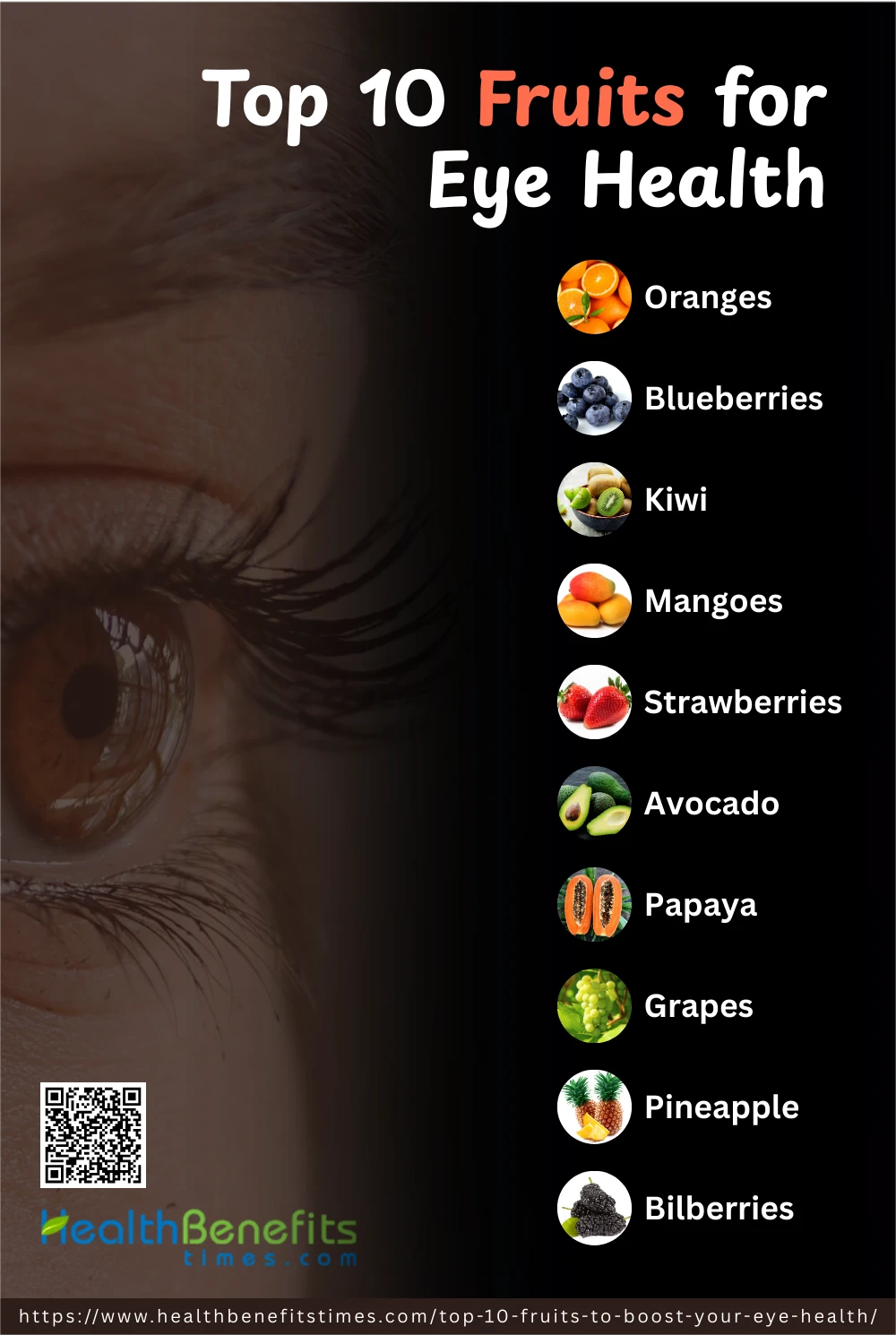
The ten fruits highlighted in this comprehensive review oranges, blueberries, kiwi, mango, strawberries, avocado, papaya, grapes, pineapple, and bilberries provide a diverse array of essential nutrients that work synergistically to protect vision. (9) (25) (25) (36) (16) (41) (43) (48) (51) (28) From the exceptional vitamin C content in kiwi and oranges to the unparalleled lutein and zeaxanthin concentrations in avocado, each fruit contributes unique protective compounds that address different aspects of eye health. (9)(34)(41)
The mechanisms underlying these protective effects involve multiple pathways, including blue light filtering, antioxidant protection, anti-inflammatory activity, and support for critical visual processes like rhodopsin regeneration. (4) (2) (7) (10) These biological processes demonstrate why whole food consumption provides superior benefits compared to isolated supplements, as the complex interplay of nutrients, fiber, and phytochemicals creates optimal conditions for absorption and utilization. (2)(6)(41)
Practical implementation of these research findings requires thoughtful planning and consistent commitment to dietary modification. The nutritional comparison table reveals how different fruits excel in providing specific nutrients, allowing individuals to tailor their selections based on personal risk factors and health goals [asset:1]. Strategic meal planning, proper storage techniques, and budget-conscious purchasing decisions can make eye-healthy fruit consumption both achievable and sustainable for most individuals. (33)(54)
However, fruit consumption represents just one component of comprehensive eye health management. The integration of regular eye examinations, appropriate screen time management, physical activity, cardiovascular health maintenance, and environmental protection creates a robust defense against age-related vision problems. (56) (18) (58) This holistic approach maximizes the protective benefits of dietary interventions while addressing the multifactorial nature of eye disease development.
The economic implications of implementing these dietary recommendations pale in comparison to the costs associated with vision loss and its treatment. Age-related macular degeneration alone affects over 10 million Americans and costs billions of dollars annually in treatment and lost productivity. (58) The relatively modest investment in high-quality, eye-healthy fruits represents a cost-effective strategy for reducing these individual and societal burdens. (54)(58)
Future research continues to expand our understanding of the relationship between nutrition and eye health, with emerging evidence suggesting that the gut microbiome, genetic factors, and epigenetic modifications may influence how dietary interventions affect individual outcomes. (18) This evolving knowledge base will likely lead to more personalized approaches to eye health nutrition while reinforcing the fundamental importance of consuming a diverse array of nutrient-dense fruits.
The evidence presented in this review provides compelling justification for making eye-healthy fruits a central component of daily nutrition. Whether motivated by preventing future vision problems or supporting current eye health, the consistent consumption of oranges, berries, kiwi, mango, and other nutrient-dense fruits offers a practical, enjoyable, and scientifically validated approach to maintaining optimal vision throughout life. The investment in dietary quality today pays dividends in preserved vision, maintained independence, and enhanced quality of life for decades to come.
Comments
comments