

Cerebral Palsy is typically diagnosed in early childhood, often within the first two years of life. Early signs may include delays in reaching motor milestones such as rolling over, sitting, crawling, or walking. Other indicators can include abnormal muscle tone (either too stiff or too floppy), poor coordination, tremors, or involuntary movements. Early diagnosis is crucial, as timely intervention can significantly improve outcomes and quality of life.
Causes and Risk Factors
The causes of cerebral palsy vary and are not always identifiable. In many cases, the condition results from brain damage occurring before birth due to factors such as infections during pregnancy, lack of oxygen to the brain, genetic mutations, or problems with brain development. Premature birth and low birth weight are among the strongest risk factors. Cerebral palsy can also develop from brain injury during or shortly after birth, or from serious infections or head trauma in early infancy.
Types of Cerebral Palsy
Cerebral palsy is classified based on the type of movement disorder and the parts of the body affected. The most common form is spastic cerebral palsy, characterized by stiff muscles and exaggerated reflexes. Dyskinetic cerebral palsy involves involuntary movements and difficulty controlling posture, while ataxic cerebral palsy affects balance and coordination. Some individuals have mixed cerebral palsy, which includes symptoms of more than one type.
The condition can also be described by its distribution in the body, such as hemiplegia (one side of the body), diplegia (mainly the legs), or quadriplegia (both arms and legs). The severity can range from mild, with minimal impact on daily activities, to severe, requiring lifelong care and support.
Associated Conditions
Many people with cerebral palsy experience additional challenges beyond motor impairment. These may include intellectual disabilities, epilepsy, vision or hearing impairments, speech and language difficulties, and feeding or swallowing problems. Chronic pain and fatigue are also common, particularly as individuals age. However, it is important to note that cerebral palsy affects each person differently, and not everyone will experience all associated conditions.
Treatment and Management
There is no cure for cerebral palsy, but a wide range of treatments can help manage symptoms and improve independence. Treatment plans are highly individualized and often involve a multidisciplinary team. Physical therapy focuses on improving strength, flexibility, and mobility. Occupational therapy helps individuals develop daily living skills, while speech and language therapy supports communication and swallowing.
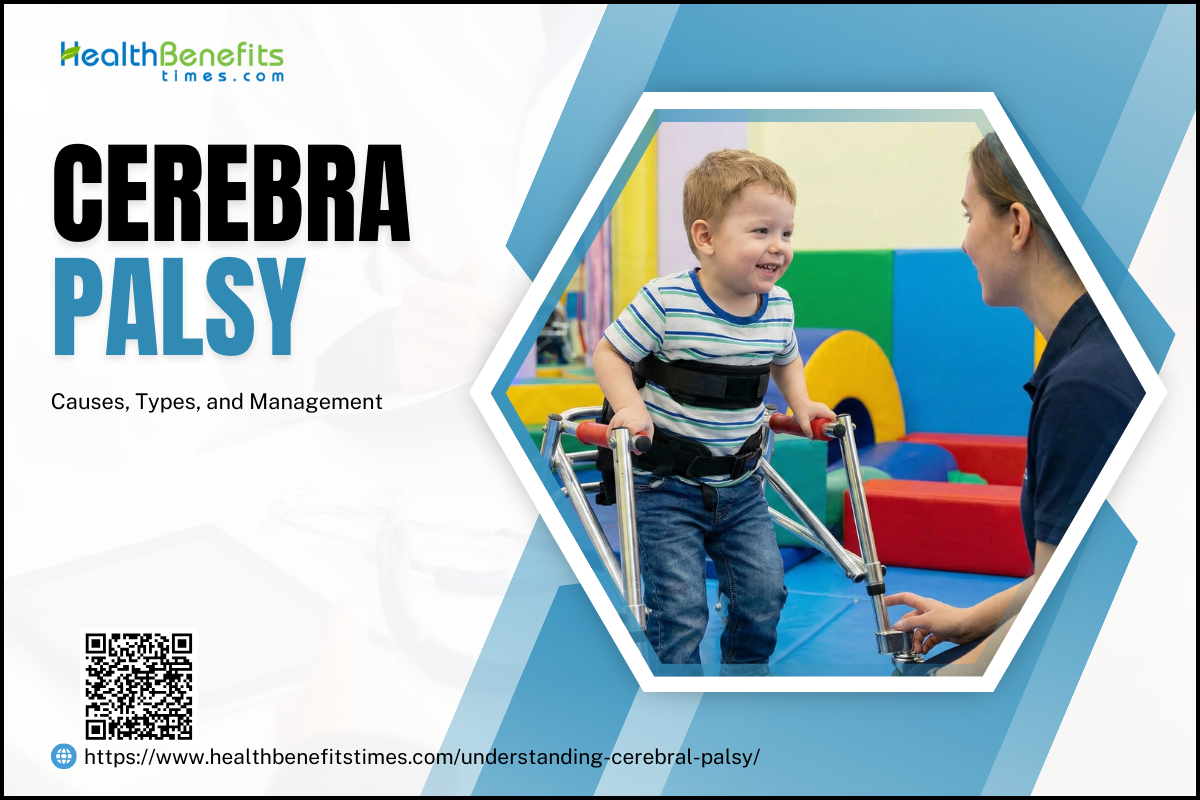
Medications may be used to manage muscle stiffness, seizures, or pain. In some cases, surgical interventions can help correct muscle tightness or skeletal deformities. Assistive devices such as braces, walkers, wheelchairs, and communication aids play a vital role in enhancing mobility and participation in daily life.
Living with Cerebral Palsy
With appropriate support, many people with cerebral palsy lead full, active, and meaningful lives. Advances in medical care, assistive technology, and inclusive education have significantly improved life expectancy and quality of life. Early intervention, family support, and access to healthcare and educational resources are key factors in helping individuals reach their full potential.
Conclusion
Cerebral palsy is a lifelong condition that presents unique challenges, but it does not define a person’s abilities or potential. Increased awareness, early diagnosis, and comprehensive care can make a profound difference in the lives of those affected. By promoting understanding and inclusion, society can help ensure that individuals with cerebral palsy are empowered to live with dignity, independence, and opportunity.
Comments
comments