

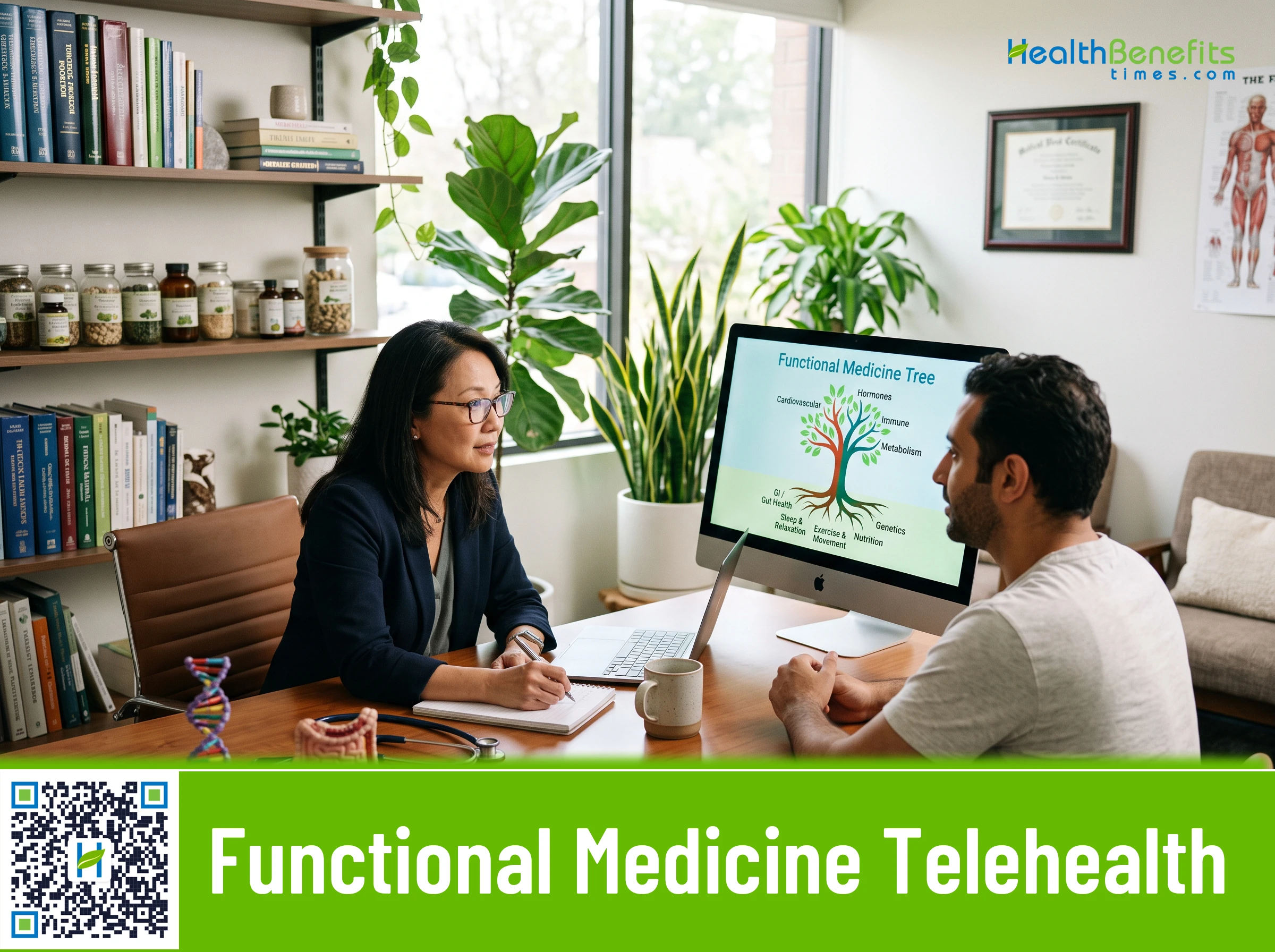
What Functional Medicine Actually Does Differently
Conventional medicine is organized around diagnosis and treatment of discrete conditions. You present symptoms, the physician identifies the condition those symptoms indicate, and the treatment addresses that condition. This model works well for acute conditions with clear causes and established treatments, and less well for the chronic, multisystem, and lifestyle-driven health patterns that represent a growing proportion of what patients actually experience.
Functional medicine approaches the same patient differently. Rather than asking what condition explains these symptoms, it asks what is causing the body to produce these symptoms. The investigation goes deeper into the history of the patient, looking at how the current health pattern developed over time, what dietary, lifestyle, environmental, and stress-related factors are contributing to it, and what the interconnections are between symptoms that conventional medicine might treat as separate conditions.
A patient with fatigue, weight gain, digestive issues, and mood changes might receive four separate diagnoses and four separate treatments in a conventional model. A functional medicine practitioner might identify a thyroid pattern, gut microbiome disruption, or inflammatory driver that connects all four symptoms and address the root rather than each branch independently.
How Telehealth Changes Access to Functional Medicine
Functional medicine practitioners are not as widely distributed as primary care physicians, which historically meant that access depended significantly on geography. Patients in major metropolitan areas had options. Those in smaller cities, suburban areas, or rural communities often did not have a functional medicine practitioner within a reasonable distance, or had long waits for appointments with the practitioners who did exist.
Telehealth eliminates the geographic constraint entirely. A functional medicine practitioner operating via telehealth can serve patients across the full range of locations that can support a video call, which in practical terms means most of the country. The initial consultation, the ongoing follow-up appointments, the review of laboratory results, and the iterative refinement of a health plan all happen through video without requiring the patient to travel to a specific clinic.
For patients whose health situation already makes travel difficult, whether from fatigue, chronic pain, or the unpredictability of their symptoms, telehealth removes a barrier that was keeping them from accessing care that might meaningfully help. For patients who have tried multiple conventional approaches without resolution and want to explore a different framework, telehealth makes it practical to work with a practitioner who is the right fit regardless of where that practitioner is located.
Hoyt Integrative Health’s functional medicine telehealth appointments provide access to functional medicine care through virtual appointments that cover the full scope of functional medicine evaluation and ongoing support, serving patients who want a thorough investigation of their health patterns rather than a symptom-focused conventional approach.
What to Expect From a Functional Medicine Telehealth Appointment
The first appointment with a functional medicine practitioner is typically longer and more comprehensive than a conventional medical appointment. The intake process covers health history in detail, including the timeline of how current health patterns developed, family history, dietary patterns, sleep, stress, and environmental exposures. This depth of intake is what allows the practitioner to begin identifying the factors that may be contributing to the presenting concern rather than cataloguing symptoms for diagnosis.
Laboratory testing is often part of the functional medicine evaluation, and it tends to go broader and deeper than standard panels. Thyroid assessment that includes markers beyond TSH, comprehensive stool analysis, organic acids testing, nutrient status assessment, inflammatory markers, and hormone panels are among the tests that functional medicine practitioners use to build a more complete picture of what is happening metabolically and physiologically. Many of these tests can be ordered as at-home collection kits, which fits the telehealth model without requiring in-person lab visits.
Follow-up appointments review laboratory findings, refine the health plan based on what the testing reveals and how the patient has responded to initial recommendations, and address any new developments. The relationship between patient and practitioner in functional medicine tends to be ongoing and iterative rather than episodic, which reflects the nature of the work being done.
The Conditions Functional Medicine Addresses Most Effectively
Functional medicine is most useful for chronic conditions where the conventional approach has not produced satisfactory resolution. Thyroid disorders, particularly in patients whose symptoms persist despite normal TSH results. Autoimmune conditions where immune system dysregulation is the underlying pattern. Digestive conditions including irritable bowel syndrome, small intestinal bacterial overgrowth, and inflammatory bowel conditions. Hormonal imbalances including adrenal fatigue patterns, perimenopause and menopause, and polycystic ovarian syndrome. Fatigue, brain fog, and mood disorders that do not have a clear conventional explanation.
These are conditions where the root cause investigation that functional medicine emphasizes produces information that changes the treatment approach in meaningful ways, and where addressing underlying drivers rather than managing surface symptoms can produce more durable improvement than conventional treatment alone.
Comments
comments