

What Happens If You Eat Too Much Salt?
Consuming excessive salt disrupts your body’s balance, leading to high blood pressure, heart disease, and kidney issues. Understanding the effects of too much salt is essential for maintaining overall health and well-being.
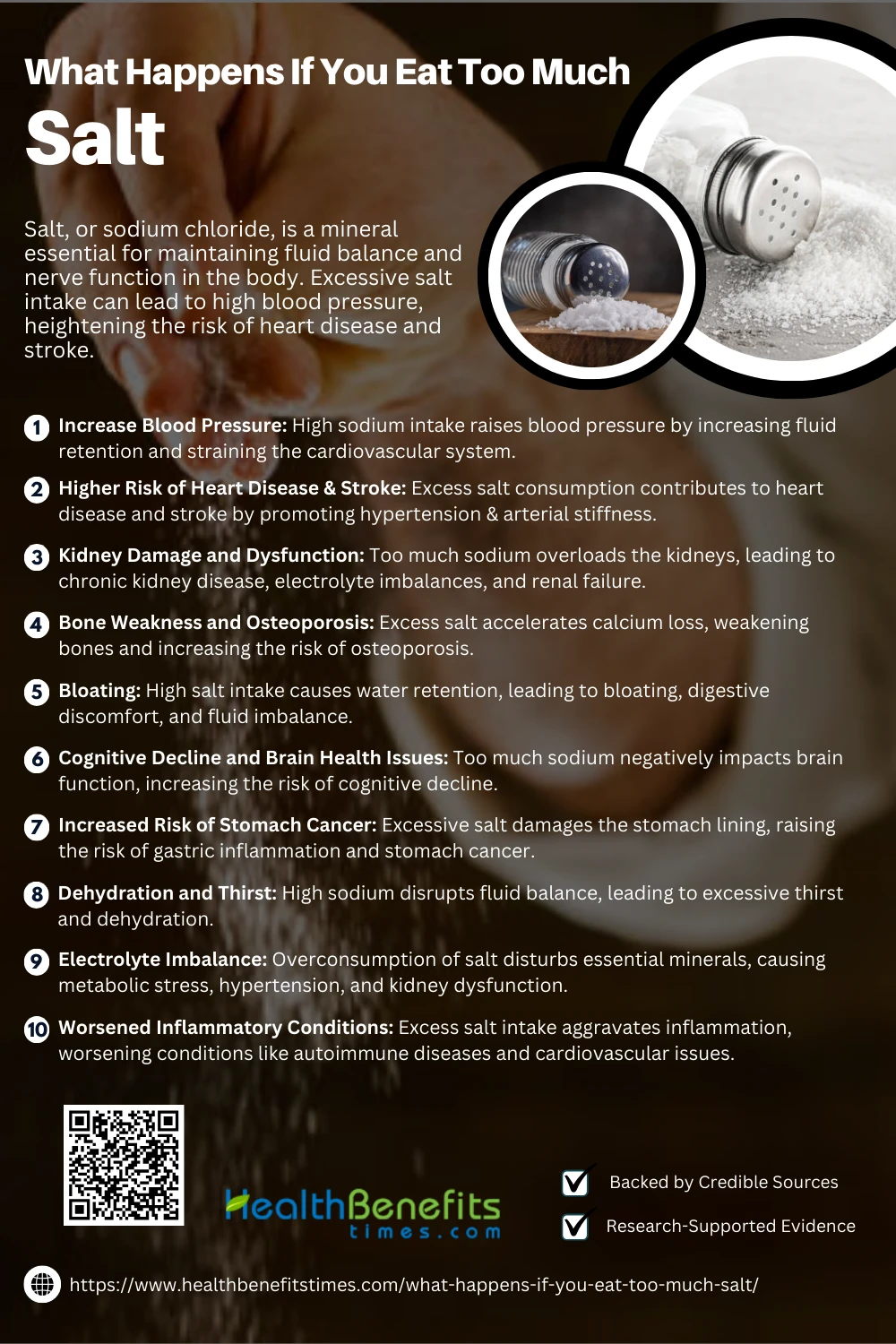
1. Increase Blood Pressure
Excessive salt consumption has been directly linked to elevated blood pressure due to sodium’s ability to retain fluid, increasing blood volume and straining the cardiovascular system. (10) Studies indicate that high sodium intake from processed foods significantly contributes to hypertension. (11) Long-term exposure to excessive salt affects vascular function and raises hypertension risks. (12) Additionally, research highlights that individuals with high sodium intake require medical intervention to regulate blood pressure. (13) Reducing sodium intake has proven effective in controlling hypertension, particularly in individuals with genetic predisposition to high blood pressure. (14)
2. Higher Risk of Heart Disease and Stroke
Excessive salt consumption contributes significantly to cardiovascular diseases by increasing blood pressure and promoting arterial stiffness, leading to heart disease and stroke. (15) Research highlights that high sodium intake is a major factor in hypertension, which directly elevates the risk of heart failure. (16) Increased salt sensitivity can cause long-term vascular damage, further exacerbating stroke risks. (17) Studies show a strong correlation between dietary salt intake and the development of atherosclerosis, a key contributor to cardiovascular events. (18) Additionally, processed food consumption rich in sodium worsens metabolic conditions, leading to chronic heart disease. (19)
3. Kidney Damage and Dysfunction
Excessive salt intake places significant stress on the kidneys, leading to chronic kidney disease (CKD) and electrolyte imbalances due to increased sodium retention. (20) High salt consumption is a major contributor to hypertension, which accelerates kidney dysfunction by damaging the renal arteries. (21) Studies also indicate that prolonged sodium overload leads to inflammation and oxidative stress, further worsening kidney function. (16) Research suggests that dietary modifications, such as reducing salt intake, significantly slow the progression of CKD and improve renal function. (22) Additionally, sodium-induced renal impairment can contribute to an increased risk of cardiovascular disease due to fluid retention and high blood pressure. (23)
4. Bone Weakness and Osteoporosis
Excessive salt intake accelerates calcium loss through urine, leading to weakened bone density and increasing the risk of osteoporosis. (24) Studies indicate that high sodium consumption disrupts calcium homeostasis, promoting bone resorption and reducing bone strength. (25) A diet rich in salt has been associated with increased bone fragility, particularly in postmenopausal women. (26) Additionally, prolonged high salt intake contributes to poor bone formation and mineralization, exacerbating skeletal weakness. (27) Reducing dietary sodium intake is essential for maintaining bone health and preventing osteoporosis. (28)
5. Bloating
Excessive salt consumption can lead to bloating due to its role in water retention and fluid imbalance in the body. Sodium increases osmotic pressure, causing tissues to retain excess water, which results in swelling and discomfort. (29) Studies indicate that a high-sodium diet disrupts gut microbiota, potentially exacerbating digestive issues. (30) Moreover, high salt intake affects kidney function, influencing fluid regulation and bloating severity. (31) Research also suggests that excessive sodium intake triggers inflammatory responses, further contributing to bloating and discomfort. (32) Adopting a balanced diet with controlled sodium intake can alleviate these symptoms. (33)
6. Cognitive Decline and Brain Health Issues
Excessive salt intake has been linked to cognitive decline and brain health issues, primarily due to its impact on vascular function and neuronal health. High sodium levels can impair cerebral blood flow, increasing the risk of neurodegenerative diseases. (34) Studies have shown that a high-salt diet accelerates neuronal loss and induces anxiety-related behaviors. (35) Additionally, excessive sodium intake disrupts endothelial function, leading to cognitive impairment and vascular dementia. (36) Implementing a balanced diet with reduced sodium intake can protect brain health and mitigate cognitive decline. (19)
7. Increased Risk of Stomach Cancer
Excessive salt consumption has been associated with an increased risk of stomach cancer due to its damaging effects on the gastric mucosa. High salt intake can lead to chronic inflammation, promoting carcinogenic processes in the stomach lining. (37) Studies indicate that salt-rich diets can exacerbate Helicobacter pylori infections, a known risk factor for gastric cancer. (38) Additionally, excessive sodium consumption alters gastric cell regeneration, increasing vulnerability to malignant transformation. (38) Research highlights that reducing dietary salt intake significantly lowers the risk of gastric malignancies. (38) Adopting a balanced diet with minimal processed and salty foods is crucial in preventing stomach cancer. (38)
8. Dehydration and Thirst
Excessive salt consumption disrupts fluid balance, leading to dehydration and intense thirst due to the body’s need to dilute high sodium levels. (39) Sodium excess triggers water retention in cells, subsequently causing increased urination and fluid loss, which exacerbates dehydration. (39) Studies show that elevated salt intake activates neural pathways responsible for thirst regulation, compelling individuals to drink more water to restore hydration. (39) Chronic high-sodium diets may also impair kidney function, reducing the body’s ability to conserve water effectively. (39) Reducing salt intake supports proper hydration and electrolyte balance, preventing long-term health complications. (39)
9. Electrolyte Imbalance
Excessive salt consumption disrupts electrolyte balance, leading to complications such as dehydration, hypertension, and kidney dysfunction. High sodium intake alters the body’s ability to regulate essential minerals like potassium and calcium, contributing to fluid retention and metabolic stress. (40) Studies indicate that an imbalance in electrolytes can strain renal function, potentially leading to chronic kidney disease. (20) Additionally, excess sodium affects cardiovascular stability by altering blood pressure and vascular resistance. (41) Research suggests that long-term high salt intake disrupts cellular hydration, increasing the risk of metabolic and neurological disorders. (42) Reducing salt intake is crucial for maintaining optimal electrolyte homeostasis and overall health. (43)
10. Worsened Inflammatory Conditions
Excessive salt consumption exacerbates inflammatory conditions by increasing immune cell activation and cytokine production. Studies indicate that high sodium intake can worsen inflammatory bowel diseases by promoting the migration of lymphatic B cells to the gut, leading to aggravated colitis. (44) Additionally, elevated salt levels contribute to systemic inflammation by enhancing the production of pro-inflammatory cytokines like IL-1 and TNF-α. (45) Research suggests that chronic inflammation caused by excessive sodium intake may increase the risk of autoimmune diseases and cardiovascular complications. (44) Furthermore, high salt diets have been linked to exacerbated symptoms in conditions like rheumatoid arthritis and multiple sclerosis. (44) Reducing dietary salt intake can play a crucial role in mitigating inflammation and improving overall health. (44)
Hidden Sources of Excess Sodium
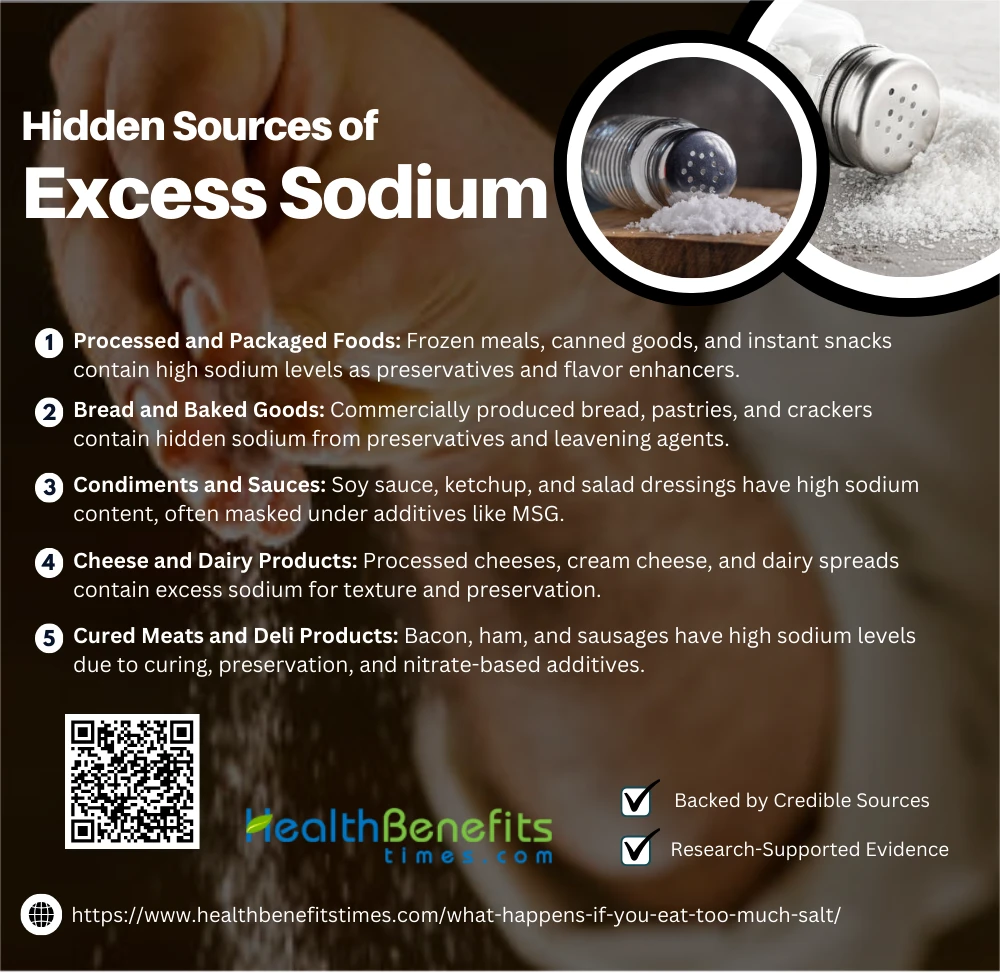
Excess sodium intake is often attributed to obvious culprits like table salt, but many foods contain hidden sources of sodium that contribute significantly to overall consumption. Here are some of the biggest hidden sources:
1. Processed and Packaged Foods
Processed and packaged foods are major hidden sources of excess sodium, contributing to increased health risks such as hypertension and cardiovascular disease. Many frozen meals, canned goods, and instant snacks contain high sodium levels as preservatives and flavor enhancers. (46) Research highlights that sodium content in processed foods often exceeds daily recommended limits, leading to excessive intake. (46) Hidden sodium sources in processed foods make dietary sodium reduction challenging. (46) Reducing processed food consumption can significantly lower sodium intake and improve overall health. (46)
2. Bread and Baked Goods
Bread and baked goods are significant hidden sources of excess sodium, often overlooked in daily diets. Many commercially produced breads contain added sodium for flavor, texture, and preservation. (47) Studies indicate that bread alone contributes to a substantial portion of daily sodium intake. (48) Baked goods such as pastries, bagels, and crackers also contain hidden sodium through leavening agents and preservatives. (49) Reducing reliance on processed bread can help lower sodium intake and promote better health. (50)
3. Condiments and Sauces
Condiments and sauces are hidden sources of excess sodium, significantly contributing to daily intake. Soy sauce, ketchup, and salad dressings contain high sodium levels used as preservatives and flavor enhancers. (51) Studies reveal that even small portions of these condiments contribute significantly to sodium overload. (51) Many processed condiments mask sodium under names like monosodium glutamate (MSG). (51) Reducing condiment consumption can significantly lower sodium intake and improve health outcomes. (51)
4. Cheese and Dairy Products
Cheese and dairy products are hidden sources of excess sodium, with processed cheeses and spreads containing high sodium levels for preservation and texture enhancement. (52) Studies indicate that many dairy products, including cream cheese and dips, contribute significantly to sodium intake. (53) High sodium in dairy-based additives can also pose health risks, especially for individuals with kidney disease. (54) Reducing sodium in dairy consumption can improve cardiovascular and renal health. (48)
5. Cured Meats and Deli Products
Cured meats and deli products are significant hidden sources of excess sodium, commonly used in preservation and flavor enhancement. Processed meats such as bacon, ham, and sausages contain high sodium levels due to curing and preservation methods. (85) Nitrate-based curing compounds also enhance sodium retention in deli meats. (56) Reducing processed meat intake can significantly lower sodium consumption and improve health outcomes. (57)
How Much Salt is Too Much?
Excessive salt intake poses health risks, with recommendations suggesting no more than 2,300 mg of sodium per day for adults. (58) However, most individuals consume well beyond this limit, leading to hypertension and cardiovascular issues. (59) Research suggests even moderate excesses increase kidney strain and dehydration risks. (60) High sodium consumption is also linked to cognitive decline and metabolic disorders. (61) Reducing processed food intake helps manage sodium levels and prevent related health conditions. (62)
Who is Most at Risk?
Individuals at the highest risk from excessive sodium intake include those with hypertension, kidney disease, and cardiovascular conditions. High sodium diets exacerbate blood pressure issues, increasing heart disease risks. (63) Obese individuals and those with metabolic disorders also face heightened health risks due to sodium’s effects on insulin resistance. (64) Additionally, high salt consumption disrupts gut microbiota, contributing to inflammation and digestive disorders. (65) Patients with end-stage renal disease struggle to manage sodium levels, worsening fluid retention. (66) Rural populations with limited healthcare access often experience unchecked sodium-related conditions. (7)
How to Reduce Excessive Salt Consumption?
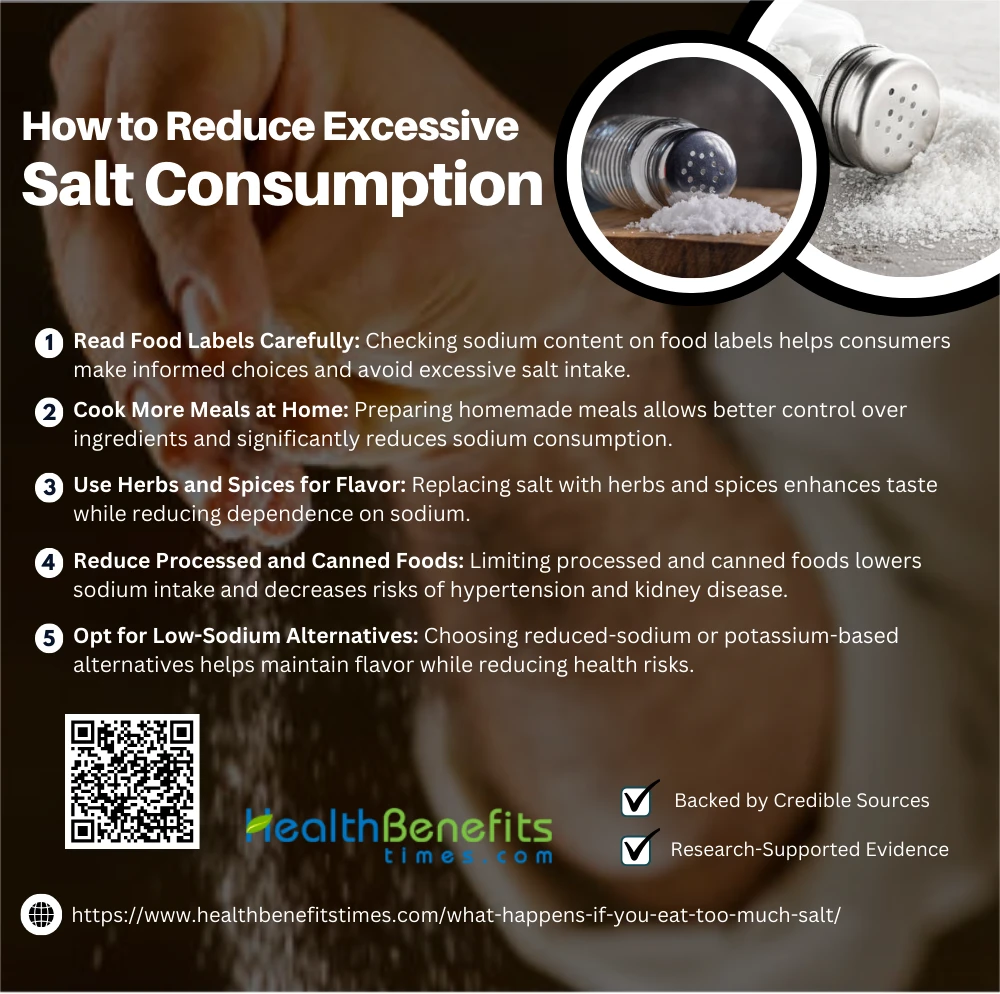
Excessive salt intake is linked to numerous health risks, including hypertension, kidney disease, and cardiovascular disorders. Here are evidence-based strategies to reduce sodium consumption:
1. Read Food Labels Carefully
Reading food labels is a crucial strategy for reducing excessive salt intake. Many processed foods contain hidden sodium, which contributes to hypertension and cardiovascular risks. (67) Checking sodium content per serving helps consumers make informed dietary choices. (68) Studies show that individuals who frequently read food labels tend to consume lower amounts of sodium and processed foods. (69) Promoting food label literacy can help people avoid excessive sodium intake and adopt healthier eating habits. (70)
2. Cook More Meals at Home
Cooking meals at home is an effective strategy to reduce excessive salt intake, as it allows better control over ingredients and sodium levels. (71) Studies show that home-cooked meals contain significantly less sodium than restaurant or processed foods. (72) Encouraging home cooking improves dietary habits and promotes long-term health benefits. (73)
3. Use Herbs and Spices for Flavor
Replacing salt with herbs and spices enhances food flavor while reducing sodium intake. Research highlights that natural seasonings such as basil, garlic, and turmeric provide health benefits and improve taste perception. (74) Studies suggest that culinary herbs contain bioactive compounds that support cardiovascular health while reducing sodium dependence. (75) Salt reduction strategies incorporating herbs have been effective in maintaining food acceptability without compromising taste. (76) Encouraging their use in home cooking fosters healthier eating habits and supports dietary sodium reduction. (77)
4. Reduce Processed and Canned Foods
Reducing processed and canned food consumption is a key strategy to lower excessive salt intake. These foods often contain high sodium levels used for preservation and flavor enhancement. (10) Studies show that frequent consumption of ultra-processed foods is linked to increased hypertension risks. (78) Minimizing processed food intake reduces cardiovascular and kidney disease risks associated with high sodium levels. (79) Encouraging whole-food consumption improves overall health outcomes. (80)
5. Opt for Low-Sodium Alternatives
Choosing low-sodium alternatives is an effective way to reduce excessive salt intake. Substituting regular salt with potassium-based or reduced-sodium options can help maintain flavor while lowering health risks. (81) Research shows that consumer awareness and food industry reforms are crucial in promoting lower sodium choices. (82) Low-sodium seasoning options, such as herbal blends, enhance food palatability without increasing salt intake. (83) Gradually reducing sodium content in processed foods has proven effective in improving dietary habits. (84)
Myths and Misconceptions about Salt
Salt is essential for bodily functions, but numerous myths and misconceptions exist about its consumption. Here are some common myths debunked with research-based insights:
1. “All Salt is the Same”
Myth: Many believe that table salt, sea salt, and Himalayan salt are identical in composition and health effects.
Reality: While all salts contain sodium chloride, they differ in mineral content and processing.
- Table salt is refined and often contains added iodine to prevent iodine deficiency disorders.
- Sea salt is less processed and retains trace minerals like magnesium and potassium.
- Himalayan salt contains small amounts of iron oxide, giving it a pink hue, along with trace minerals.
2. “A High-Sodium Diet Only Affects Blood Pressure”
Myth: Many people believe that high salt consumption only leads to hypertension (high blood pressure).
Reality: While excessive salt intake is a well-documented risk factor for hypertension, it also contributes to other serious health issues:
- Kidney disease: High sodium levels make the kidneys work harder, increasing the risk of kidney damage.
- Osteoporosis: Excessive sodium intake leads to calcium loss, weakening bones.
- Cognitive decline: Studies link high sodium diets to an increased risk of dementia and Alzheimer’s disease.
3. “Cutting Salt Completely is Healthy”
Myth: Eliminating salt from the diet is a good way to stay healthy.
Reality: While excessive salt intake is harmful, completely cutting out salt can lead to electrolyte imbalances and health problems, including:
- Muscle cramps: Sodium is essential for muscle function, and its deficiency can cause painful muscle contractions.
- Low blood pressure: An extreme lack of sodium can lead to dangerously low blood pressure, dizziness, and fainting.
- Hyponatremia: A condition where sodium levels in the blood drop too low, leading to confusion, fatigue, and severe complications.
4. “Processed Foods Aren’t That High in Sodium”
Myth: Processed and fast foods do not contain significant amounts of sodium.
Reality: Many processed foods contain hidden sodium, often in amounts much higher than people realize. Common culprits include:
- Canned soups and vegetables – Sodium is added as a preservative and flavor enhancer.
- Frozen meals – Ready-to-eat meals often contain excessive salt for taste and preservation.
- Bread and cereals – Surprisingly high in sodium, contributing significantly to daily intake.
- Condiments and sauces – Soy sauce, ketchup, and salad dressings contain large amounts of hidden sodium.
5. “Salt Cravings Indicate a Deficiency”
Myth: Craving salty foods means the body is deficient in sodium.
Reality: While the body does need sodium, cravings for salty foods are usually linked to habit, stress, or dehydration, rather than an actual deficiency.
- Habit and preference: Frequent consumption of salty foods trains the taste buds to crave more sodium.
- Dehydration: A lack of fluids can sometimes lead to salt cravings, but the body primarily needs water.
- Stress and fatigue: Stress can alter hormone levels, leading to an increased desire for salty foods.
Conclusion
In conclusion, consuming too much salt can have serious repercussions on your health, including elevated blood pressure, increased risk of heart disease, and potential kidney damage. By being mindful of your salt intake and making healthier dietary choices, you can mitigate these risks and promote overall well-being. Incorporating a balanced diet, reading food labels, and opting for natural, low-sodium alternatives are effective strategies to maintain optimal health. Taking proactive steps to control salt consumption not only supports your immediate health but also contributes to long-term vitality and a higher quality of life.
Comments
comments