

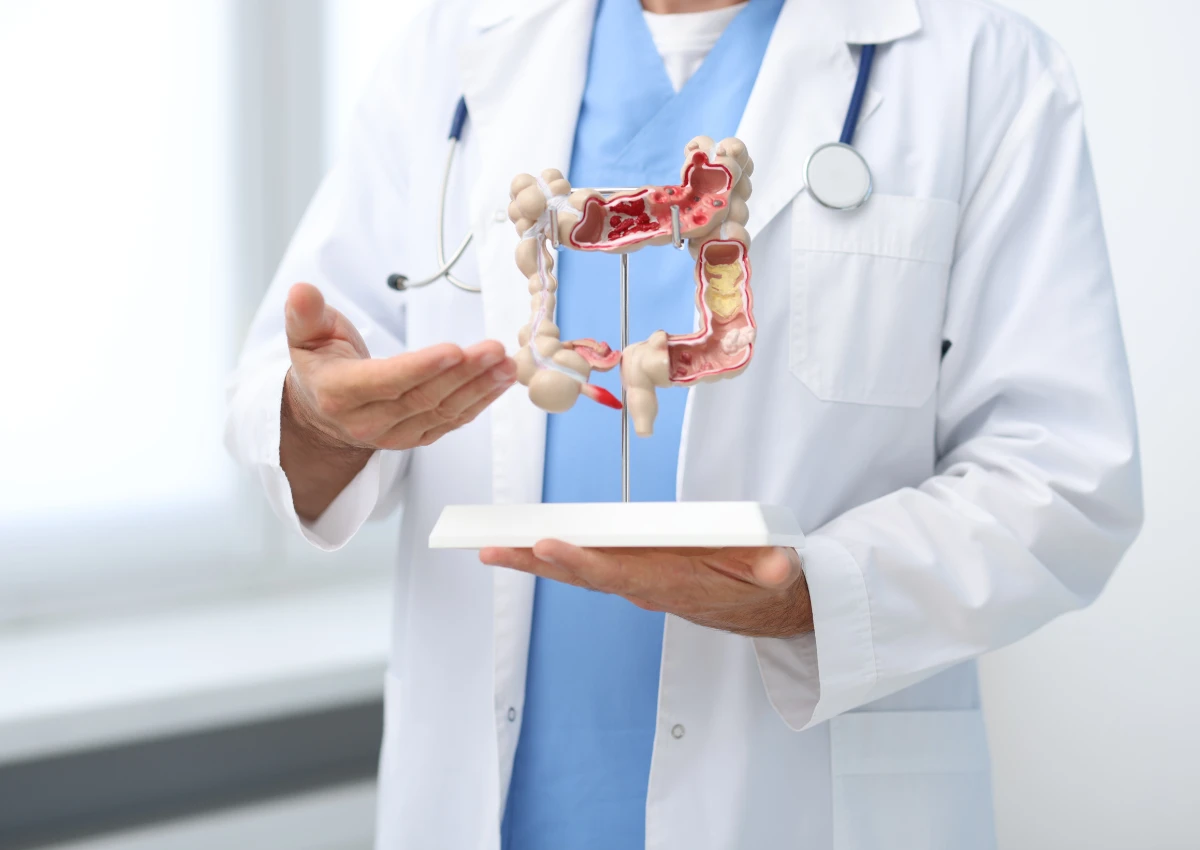
Understanding Achalasia
Achalasia occurs when the lower esophageal sphincter (LES)—a ring of muscle at the junction of the esophagus and stomach—fails to relax properly during swallowing. At the same time, the normal wave-like muscle contractions (peristalsis) of the esophagus are absent or impaired. This combination leads to difficulty in passing food into the stomach, causing it to accumulate in the esophagus.
The underlying cause of achalasia is not fully understood. However, it is believed to involve degeneration of nerve cells (ganglion cells) in the esophageal wall, particularly those responsible for inhibitory signaling. Autoimmune mechanisms, viral infections, and genetic predisposition have all been proposed as contributing factors.
Epidemiology and Risk Factors
Achalasia is rare, with an estimated incidence of 1–3 cases per 100,000 people annually. It can occur at any age but is most commonly diagnosed between 30 and 60 years of age. Men and women are affected equally. Unlike many gastrointestinal conditions, achalasia is not strongly associated with lifestyle factors such as diet, smoking, or alcohol consumption.
Clinical Presentation
The hallmark symptom of achalasia is dysphagia, or difficulty swallowing, affecting both solids and liquids. This feature helps distinguish it from mechanical obstructions like strictures or tumors, which typically cause difficulty with solids first.
Other common symptoms include:
- Regurgitation of undigested food
- Chest pain or discomfort
- Heartburn-like sensations
- Unintended weight loss
- Chronic cough or aspiration, especially at night
Because symptoms often develop gradually, diagnosis is frequently delayed, sometimes for years.
Diagnostic Evaluation
In gastroenterology practice, diagnosing achalasia involves a combination of clinical suspicion and specialized testing:
- Barium Swallow (Esophagram): This imaging study often reveals a dilated esophagus with a characteristic “bird-beak” narrowing at the LES.
- Esophageal Manometry: Considered the gold standard, this test measures esophageal pressure and muscle contractions, confirming impaired LES relaxation and absent peristalsis.
- Upper Endoscopy: While often normal in early disease, endoscopy is crucial to exclude malignancy or other structural causes of dysphagia.
Types of Achalasia
High-resolution manometry has allowed gastroenterologists to classify achalasia into three subtypes:
- Type I (Classic Achalasia): Minimal esophageal pressurization.
- Type II: Panesophageal pressurization with swallowing.
- Type III (Spastic Achalasia): Premature or spastic contractions.
This classification is clinically important, as treatment response varies among subtypes.
Management and Treatment Options
Although achalasia cannot be cured, effective treatments aim to reduce LES pressure and improve esophageal emptying. The choice of therapy depends on patient age, disease subtype, comorbidities, and local expertise.
Non-Surgical Treatments
- Pneumatic Dilation: A balloon is endoscopically inflated to disrupt the LES muscle fibers. It is effective but may require repeat procedures.
- Botulinum Toxin Injection: Botox injections temporarily relax the LES and are often reserved for elderly or high-risk patients due to limited durability.
Surgical and Advanced Endoscopic Options
- Heller Myotomy: A laparoscopic surgical procedure that cuts the LES muscle, often combined with an anti-reflux procedure.
- Peroral Endoscopic Myotomy (POEM): A minimally invasive endoscopic technique that has shown excellent outcomes, particularly for type III achalasia.
Prognosis and Long-Term Outlook
With appropriate treatment, most patients experience significant symptom relief and improved quality of life. However, long-term follow-up is essential. Some individuals may develop gastroesophageal reflux disease (GERD) after therapy, and there is a slightly increased risk of esophageal cancer in longstanding achalasia, warranting ongoing surveillance in select cases.
Conclusion
GASTROENTEROLOGY Achalasia represents a complex but manageable esophageal disorder when properly diagnosed and treated. Advances in diagnostic techniques and minimally invasive therapies have transformed patient outcomes. For individuals experiencing persistent swallowing difficulties, early referral to a gastroenterologist is key to preventing complications and restoring daily function.
Comments
comments