

What is Birch Sap Water?
Birch sap is the watery liquid extracted from birch trees, commonly harvested in early spring. It is known for its nutrient-rich composition, containing minerals like calcium, magnesium, and potassium, along with vitamins and antioxidants. Typically, birch sap is collected by tapping the tree during the spring thaw when sap flow is at its peak. (1) The collection process involves drilling a small hole into the tree and inserting a tube to allow the sap to flow into containers. This practice is sustainable when done carefully and ensures a renewable source of sap. (2) Fresh birch sap is highly perishable and must be consumed or processed quickly to avoid spoilage. (3) It is typically harvested from late winter to early spring, with the best sap yields occurring when the tree is in its dormant phase. (4)
Nutritional Value of Birch Sap Water
Birch Sap Water is a nutrient-rich beverage, offering essential vitamins, minerals, and antioxidants. Known for its hydrating properties, it’s a low-calorie, naturally sweet drink packed with health benefits.
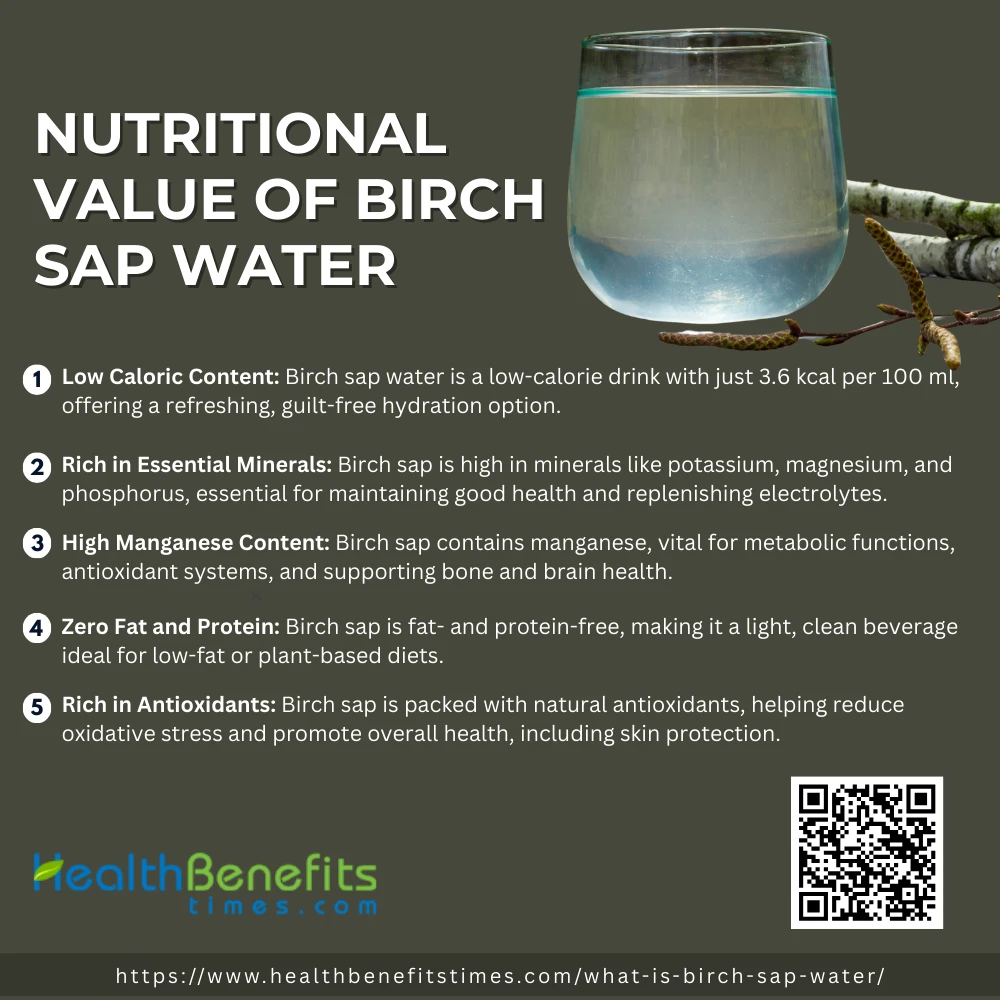
Birch sap water is a naturally low-calorie beverage, containing only about 3.6 kcal per 100 ml. This makes it a fantastic alternative to sugary drinks or sodas, providing a guilt-free hydration option without compromising on refreshment. Its low-calorie nature means that it can be enjoyed without adding unnecessary energy to your daily intake. For those watching their calorie consumption, birch sap is an excellent choice. (5) Additionally, its light taste and clean hydration make it popular among health-conscious consumers. The refreshing properties of birch sap have even led to its use in various wellness beverages, promoting hydration without any added sugar or artificial ingredients. (2)
2. Rich in Essential Minerals
Birch sap water is abundant in essential minerals like potassium, magnesium, and phosphorus, which play critical roles in maintaining good health. For example, potassium helps with fluid balance and muscle function, while magnesium supports bone health and nerve function. Birch sap contains around 120 mg of potassium per 100 ml, making it an effective drink for replenishing lost electrolytes, especially after exercise. (1) Magnesium is another key mineral found in birch sap, contributing to over 300 enzymatic reactions in the body, such as energy production and muscle relaxation. (2) In addition, the presence of phosphorus is essential for cellular functions and maintaining healthy bones, enhancing the overall mineral content of birch sap. (3)
3. High Manganese Content
Manganese, a trace mineral found in birch sap, plays a vital role in supporting various metabolic functions and antioxidant systems in the body. It is essential for the formation of connective tissue, bone development, and wound healing. Birch sap provides about 1.1 mg of manganese per 100 ml, which contributes to the daily recommended intake. This mineral is also known for its ability to protect cells from oxidative damage, which helps in the prevention of chronic diseases. (1) In addition, manganese supports healthy brain function and the body’s ability to process nutrients, making it an important mineral to include in a balanced diet. (5) For those looking to increase their manganese intake, birch sap offers a convenient and natural option. (2)
4. Zero Fat and Protein
One of the unique features of birch sap is that it contains no fat or protein. This makes it an ideal beverage for individuals following low-fat or plant-based diets who are looking for a light, clean drink. While it provides hydration, it does not contribute to daily protein or fat intake, making it a pure form of liquid refreshment. Birch sap is free from cholesterol and does not impact dietary fat consumption, making it suitable for people monitoring their fat intake or those seeking to avoid unnecessary calories from fat. (5) Additionally, this fat-free characteristic makes it an appealing option for those who want to avoid drinks that add extra fats or protein, which is especially beneficial for those on specific health plans. (2)
5. Rich in Antioxidants
Birch sap contains natural antioxidants, which play a significant role in reducing oxidative stress in the body. These antioxidants help neutralize harmful free radicals, preventing cell damage and promoting better overall health. Regular consumption of antioxidants is associated with a lower risk of chronic diseases, including heart disease and certain types of cancer. Birch sap is one of the few naturally occurring beverages with such antioxidant properties, offering a natural way to boost your antioxidant intake. (1) Furthermore, these antioxidants support the body’s defense mechanisms and contribute to anti-aging benefits by protecting skin cells from environmental stressors. (3) The refreshing nature of birch sap makes it an excellent choice for those looking to enhance their antioxidant levels without resorting to supplements. (2)
Health Benefits of Birch Sap Water
Birch Sap Water is celebrated for its numerous health benefits, including boosting hydration, supporting skin health, detoxifying the body, and strengthening the immune system, making it a natural, refreshing wellness drink.
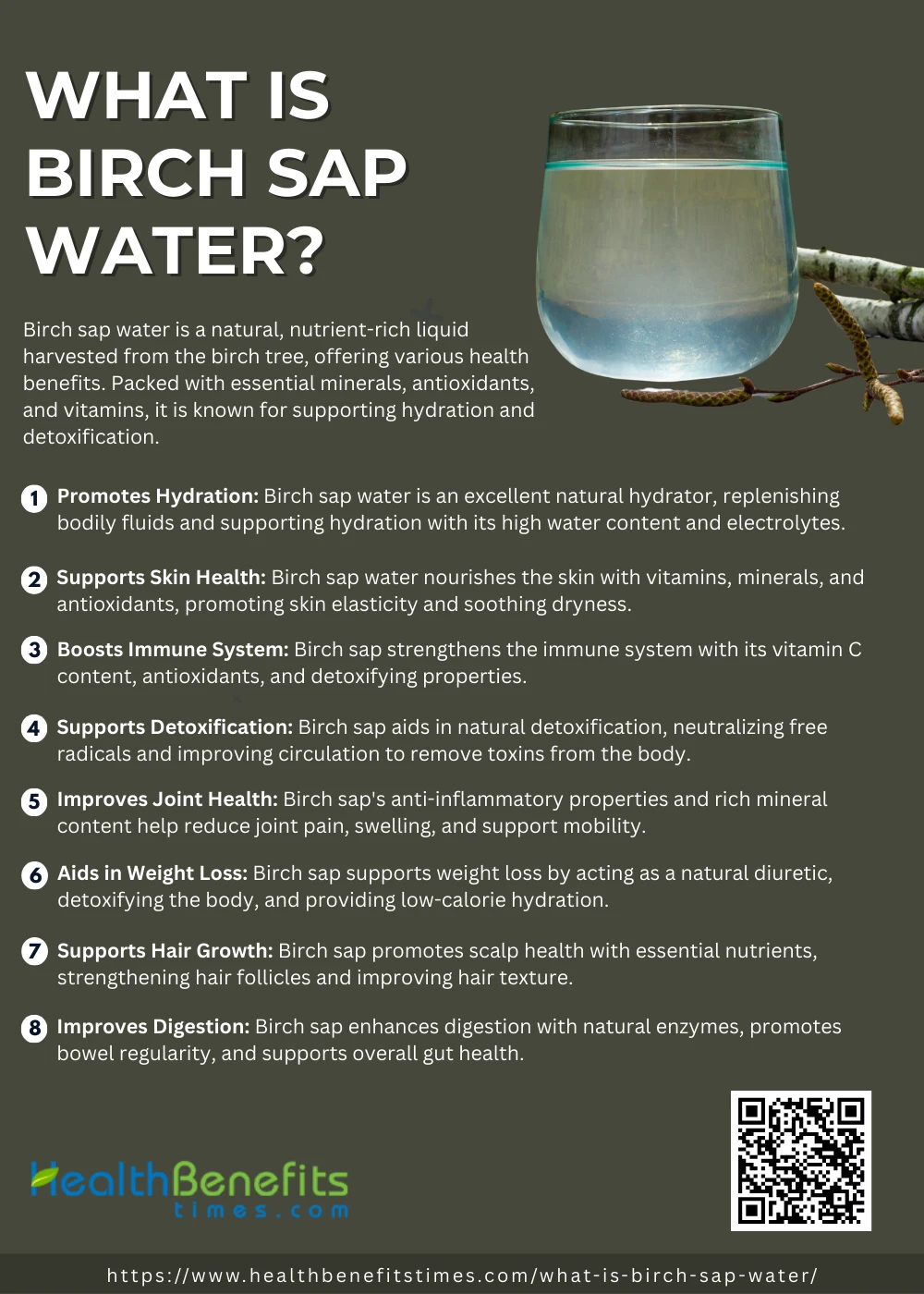
Birch sap water is an excellent natural hydrator due to its high water content, making up over 99% of the liquid. This makes it an effective alternative to water, helping replenish bodily fluids and maintain proper hydration levels. Birch sap also contains electrolytes like potassium and magnesium, which further support fluid balance and muscle function. (1) Additionally, its low-calorie nature ensures a healthy, refreshing drink without added sugars. (2) The natural minerals in birch sap enhance hydration by promoting cellular hydration and improving energy. (5) It provides an excellent way to stay hydrated during physical activity. (3)
2. Supports Skin Health
Birch sap water is highly beneficial for skin health, as it contains essential vitamins, minerals, and antioxidants that nourish the skin. The rich composition of birch sap, including manganese and magnesium, helps to maintain skin elasticity and reduce signs of aging. Birch sap is also known for its anti-inflammatory properties, making it a valuable ingredient in skincare routines, especially for soothing and hydrating dry skin. It has been used in various skincare products such as toners and serums to improve skin texture and provide hydration.
3. Boosts Immune System
Birch sap water is known to support the immune system due to its rich content of vitamin C and other essential nutrients. Its antioxidant properties help protect the body from free radicals and enhance immune function. Consuming birch sap may improve the body’s natural defenses, reducing the risk of infections. (6) Its mineral content, such as potassium and magnesium, contributes to overall health and vitality, making it a great natural drink to bolster the immune system. (7) Birch sap also promotes detoxification, helping to flush out toxins and further support immune health.
4. Supports Detoxification
Birch sap water is known for its natural detoxifying properties. It contains powerful antioxidants like flavonoids, which help neutralize free radicals in the body, thus protecting cells from oxidative stress and promoting detoxification. (7) The detox benefits of birch sap water are enhanced by compounds such as betuloside, which contribute to reducing inflammation and aiding in body cleansing (Darwin Nutrition). This natural cleansing effect supports kidney and liver health, making birch sap an ideal choice for those looking to naturally detoxify. (8) Additionally, birch sap’s ability to improve circulation further supports the body’s ability to remove toxins.
5. Improves Joint Health
Birch sap water offers numerous benefits for joint health due to its anti-inflammatory properties. The compounds betuloside and monotropitoside found in birch sap naturally release salicylic acid, which mimics the effects of aspirin and helps reduce joint pain and swelling (Darwin Nutrition). Birch sap is also rich in magnesium and potassium, minerals essential for maintaining strong and flexible joints. (7) Additionally, the sap has been traditionally used for muscle and joint pain relief, making it a popular remedy for inflammatory conditions like arthritis. (9) Its revitalizing properties help alleviate pain, promote mobility, and support overall joint function. (8)
6. Aids in Weight Loss
Birch sap water can assist in weight loss due to its detoxifying properties. It acts as a natural diuretic, helping to reduce water retention and promote detoxification (Terza Luna). This cleansing effect supports metabolism and promotes healthy digestion, making it beneficial during weight loss regimens. (2) Moreover, it’s low in calories and sugar, providing a refreshing, hydrating drink without adding unnecessary calories. ({% https://www.healthline.com/nutrition/birch-sap %}) Birch sap also helps cleanse the liver, an organ vital for metabolism and toxin elimination. (7) Its natural detox effect further supports overall weight loss goals. (1)
7. Supports Hair Growth
Birch sap water is praised for its ability to improve hair health due to its rich vitamin and mineral content. It is often used in hair rinses to hydrate the scalp and promote healthier hair follicles (Naturbunden). While there is no conclusive evidence to support its direct role in hair growth, many folk remedies suggest that it helps strengthen hair and reduce hair thinning. (8) Birch sap contains essential nutrients like potassium and magnesium that may support overall scalp health and improve hair texture. (10) Furthermore, birch bark essential oil, a derivative of birch sap, is used in shampoos aimed at promoting hair growth. (11)
8. Improves digestion
Birch sap water plays a beneficial role in improving digestion due to its natural enzymes, which support the breakdown of food and facilitate the absorption of nutrients. These enzymes help to optimize digestion, making it a great choice for individuals seeking digestive support. (7) Birch sap is also known for its ability to promote regular bowel movements and relieve constipation due to its mild laxative properties. (12) Additionally, it stimulates the digestive system, improving overall gut health. (13) The detoxifying properties of birch sap further contribute to a healthier digestive process. (8) This makes birch sap an excellent natural remedy for maintaining digestive wellness.
How to Use Birch Sap Water
Birch Sap Water can be enjoyed in various ways, from drinking it straight to incorporating it into smoothies or recipes. Its versatility makes it a refreshing and nutritious addition to your daily routine.
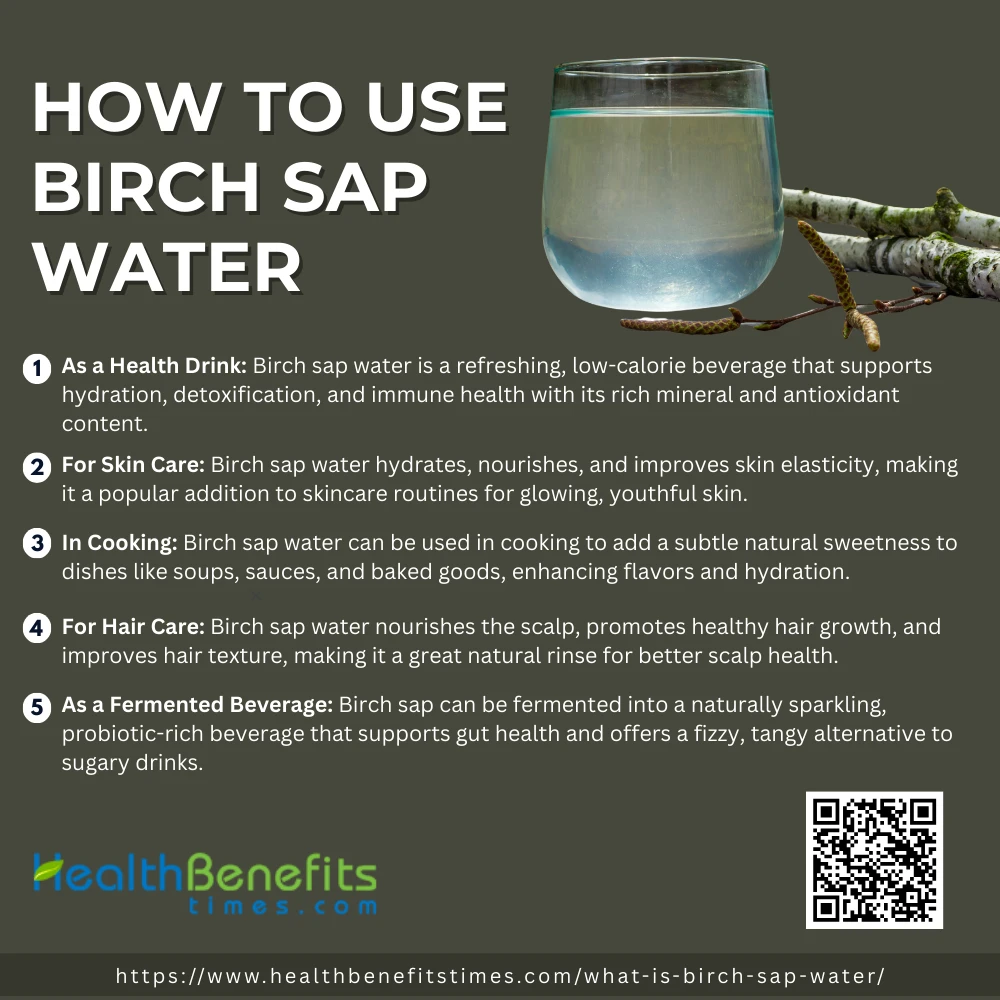
Birch sap water is a naturally refreshing and hydrating beverage. It’s low in calories and free from artificial sugars, making it an excellent choice for those looking to stay hydrated while avoiding sugary drinks. It offers a variety of health benefits, including detoxification and boosting the immune system due to its rich mineral and antioxidant content. Birch sap can be consumed directly, and it supports overall wellness by providing essential vitamins and minerals. (14) Many enjoy it for its mild, naturally sweet flavor, which is perfect for staying hydrated throughout the day. (8) Additionally, it promotes natural cleansing, making it a popular drink in detox regimens. (7)
2. For Skin Care
Birch sap water is a popular ingredient in skincare routines due to its hydrating and purifying properties. It helps to restore the skin’s natural moisture balance, making it ideal for people with dry or sensitive skin. The minerals in birch sap improve skin elasticity, reduce signs of aging, and enhance the skin’s barrier function. It is often used as a toner or essence, where it can be applied directly to the face after cleansing to prepare the skin for subsequent products. The botanical collagen in birch sap increases elasticity, leaving skin feeling soft and supple. (15) Birch sap also provides antioxidants that protect the skin from environmental damage. (14) With regular use, it supports healthy, glowing skin. (10)
3. In Cooking
Birch sap water can be used in a variety of culinary applications, adding a subtle natural sweetness to your dishes. It can be used as a base in soups, sauces, and stews or even incorporated into baked goods for a unique flavor profile. The light taste of birch sap allows it to blend well with other ingredients, enhancing the overall dish without overpowering it. Its versatility in cooking makes it a great ingredient for those looking to add something natural and unique to their meals. Birch sap’s high water content also makes it an excellent choice for hydrating foods like porridge or smoothies. (14) For those looking to experiment with new flavors, birch sap provides an exciting and healthy alternative to traditional water. (8)
4. For Hair Care
Birch sap water can be used as a natural hair rinse, offering a variety of benefits for the scalp and hair follicles. Rich in vitamins and minerals like magnesium and potassium, it helps nourish the scalp, promoting healthy hair growth and preventing dryness. By hydrating the scalp, birch sap water reduces irritation and supports overall scalp health. Regular use of birch sap water as a hair rinse can improve hair texture, making it softer and shinier. It is particularly beneficial for those with sensitive scalps or those dealing with conditions like dandruff or dry scalp. Additionally, birch sap can help balance oil production, keeping the scalp nourished without being greasy. (14) Birch sap’s natural detoxifying properties also promote a cleaner and healthier scalp. (8)
5. As a Fermented Beverage
Birch sap water can be fermented to create a naturally sparkling beverage, similar to birch beer or birch wine. The fermentation process adds a fizzy, effervescent quality to the sap, transforming it into a unique and health-boosting drink. This sparkling birch sap is not only refreshing but also carries the benefits of natural probiotics, which are excellent for gut health. The fermentation also enhances the flavor, giving it a pleasant, slightly tangy taste. Birch sap can be fermented at home or purchased from health stores that specialize in fermented beverages. This method of preparation preserves the nutritional benefits of birch sap while providing a fun and fizzy alternative to sugary sodas. (14) Birch sap’s ability to ferment naturally into a sparkling drink adds a touch of tradition while promoting digestive health due to its probiotic properties. (7)
Birch Sap Water vs. Other Health Waters
Here’s a comparison table highlighting the key differences between Birch Sap Water and other popular health waters:
| Aspect | Birch Sap Water | Coconut Water | Maple Water | Aloe Vera Water |
| Source | Harvested from birch trees | Extracted from coconuts | Tapped from sugar maple trees | Derived from the inner gel of Aloe Vera plant |
| Taste | Light, slightly sweet, and refreshing | Sweet, nutty, with a slightly tangy flavor | Slightly sweet with a mild maple flavor | Mild, slightly bitter or neutral taste |
| Nutritional Content | Rich in minerals like calcium, magnesium, potassium | High in potassium, low in calories, rich in antioxidants | Contains potassium, calcium, magnesium, and antioxidants | Contains vitamins, antioxidants, and amino acids |
| Hydration Benefit | Excellent for hydration and replenishing electrolytes | High in electrolytes, great for rehydration | Helps in hydration but lower in electrolytes than coconut water | Hydrates and soothes, beneficial for skin health |
| Health Benefits | Detoxifying, supports immune system, promotes skin health | Improves heart health, supports muscle function | Enhances energy, supports immune system | Supports digestive health, boosts skin repair |
| Antioxidant Properties | Contains antioxidants like Vitamin C | Contains antioxidants like Vitamin C | Rich in antioxidants, especially polyphenols | Rich in antioxidants like Vitamins C and E |
| Sugar Content | Low sugar, naturally occurring | Low sugar, naturally occurring | Contains natural sugars, less than maple syrup | Very low in sugar |
| Caffeine Content | None | None | None | None |
| Ideal Use | Detox, skin care, post-workout hydration | Post-workout, rehydration | Energy boost, immune support | Digestive health, skin care, detox |
Environmental Impact of Birch Sap Harvesting
Birch sap harvesting has raised concerns about its environmental impact, particularly regarding the potential strain it places on trees and surrounding ecosystems. Studies have shown that sap collection affects the health of birch trees, with excessive tapping leading to reduced growth and vitality, especially in areas with suboptimal climate conditions. For example, research on birch sap harvesting in changing spring conditions highlighted the impact of sap removal on tree growth, emphasizing the importance of timing and tapping methods to minimize damage BIRCH SAP HARVESTING IN CHANGING SPRING CONDITIONS AND ITS IMPACT ON TREES GROWTH. (16) Additionally, the intensity of birch sap leakage varies with tree age, location, and environmental factors, which can affect the tree’s ability to recover after tapping The effect of tree age, daily sap volume and date of sap collection. Studies also point out that large-scale sap collection can impact soil quality and biodiversity, particularly in forest ecosystems where the removal of nutrients through sap extraction alters the natural nutrient cycles Potential of Birch (Betula pendula Roth and B. pubescens Ehrh.) for Forestry. Furthermore, the economic and ecological risks associated with birch sap harvesting have been discussed in the context of forest management strategies, stressing the need for sustainable practices Current and future products as the basis for value chains of birch in Finland. The interaction between sap harvesting and climate change also presents a significant concern, as fluctuations in weather patterns affect both the quantity and quality of sap The Quantity and Biochemical Composition of Sap Collected from Silver Birch. (17) To mitigate these impacts, researchers emphasize the importance of optimized harvesting techniques and forest management practices that ensure the sustainability of birch sap extraction Identifying Sustainable Practices for Tapping and Sap Collection from Birch Trees. (18)
Side Effects of Birch Sap Water
While Birch Sap Water offers numerous health benefits, excessive consumption may lead to mild side effects like digestive discomfort or allergic reactions in sensitive individuals. Moderation is key to enjoying its benefits safely.
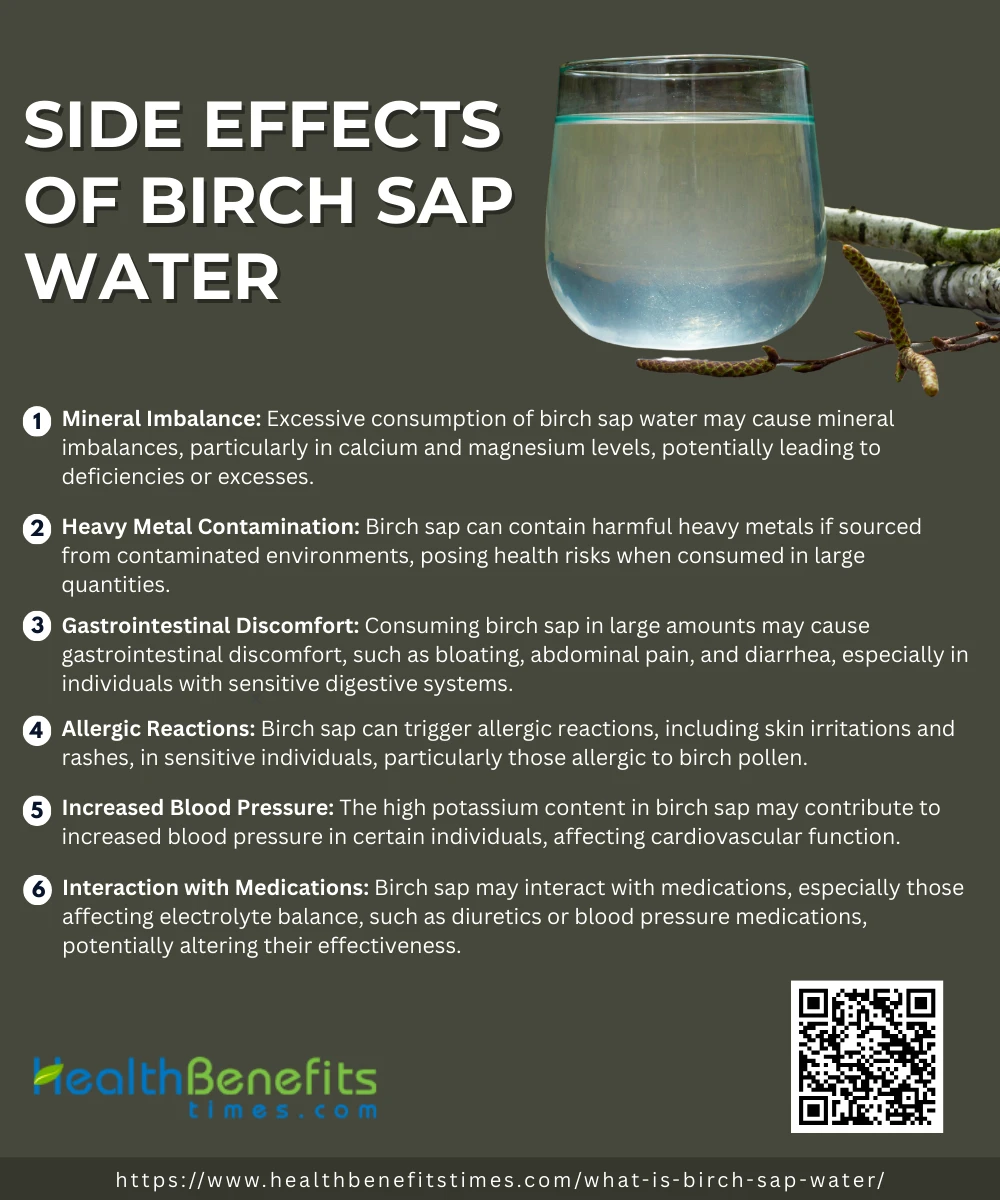
Consuming birch sap water may lead to mineral imbalances, particularly when consumed in excess. Studies have shown that the mineral content in birch sap varies depending on environmental factors, which could affect its consistency and impact on health. For instance, imbalances in calcium and magnesium levels can occur when sap is consumed in high quantities, potentially leading to mineral deficiencies or excesses (Time-related variability of the mineral content in birch tree sap, Variability of the minerals content). (19) (20) Additionally, heavy metal contamination, such as lead, may pose further risks (The effect of tree age, daily sap volume and date of sap collection). (21) Proper monitoring of mineral levels is therefore crucial to avoid adverse effects on health (Mineral nutrition of plants under soil water deficit condition).
2. Heavy Metal Contamination
Birch sap, although considered a healthy beverage, can sometimes contain harmful heavy metals, particularly when collected from trees growing in contaminated environments. Studies have shown that heavy metal levels in birch sap can pose health risks if consumed in large quantities, especially from trees growing in polluted soils (The bioactive and mineral compounds in birch sap collected in different types of habitats, Effect of drought and heavy metal contamination on growth and photosynthesis of silver birch trees, Content of heavy metals in the silver birch, Levels of selected trace elements in birch sap). (22)
3. Gastrointestinal Discomfort
Consuming birch sap can cause gastrointestinal discomfort in some individuals, particularly when it is consumed in larger quantities. This can include symptoms like bloating, abdominal pain, and diarrhea. These reactions may be more pronounced in individuals with sensitive digestive systems or when the sap is consumed in an unfiltered or overly sweetened form (Uses of tree saps in northern and eastern parts of Europe, Review of Sangre de Drago, Turbidity changes of birch tree sap, Fructose intake at current levels). (23) (24)(25)
4. Allergic Reactions
Birch sap, like birch pollen, can trigger allergic reactions in sensitive individuals, particularly those allergic to birch pollen. Studies have shown that birch sap can cause skin irritations and other allergic responses, such as rashes, especially when it comes into contact with the skin or is consumed in large quantities (Plants and plant products, Immediate contact allergy to birch leaves and sap, Turbidity changes of birch tree sap, Poisonous plants). (26)(25)(27)
5. Increased Blood Pressure
Birch sap may contribute to increased blood pressure in certain individuals, possibly due to its high potassium content and other active compounds. Research has suggested that the consumption of tree sap, including birch, can affect cardiovascular function by influencing heart rate and blood pressure, especially when consumed in large amounts (Cognitive enhancing activity of Betula platyphylla sap, Water relations in silver birch, Factors affecting on sap flows of birch trees, The theory of the rise of sap in trees). (28) (29) (30)
6. Interaction with Medications
Consuming birch sap water may interact with certain medications, potentially affecting their efficacy. Due to the sap’s mineral content, it might alter electrolyte balance, influencing drugs such as diuretics or those used for hypertension. For example, the high potassium levels in birch sap could potentially interfere with blood pressure medications or diuretics (The bioactive and mineral compounds in birch sap, Review of Sangre de Drago, Herbal medicine and interactions, Clinical evidence of herb-drug interactions). (22)(24)
Conclusion
In conclusion, Birch Sap Water is a naturally hydrating and nutrient-rich beverage with a variety of health benefits, ranging from supporting skin health to boosting the immune system. Its mild, slightly sweet flavor and low-calorie profile make it an appealing alternative to sugary drinks and a refreshing addition to your daily wellness routine. Whether consumed on its own, in smoothies, or as a detoxifying drink, Birch Sap Water offers a sustainable and natural option for staying hydrated. As its popularity grows, it’s important to choose high-quality, sustainably harvested Birch Sap Water to fully enjoy its health benefits without any potential risks.
Comments
comments