

What is Cranberry Seed Flour?
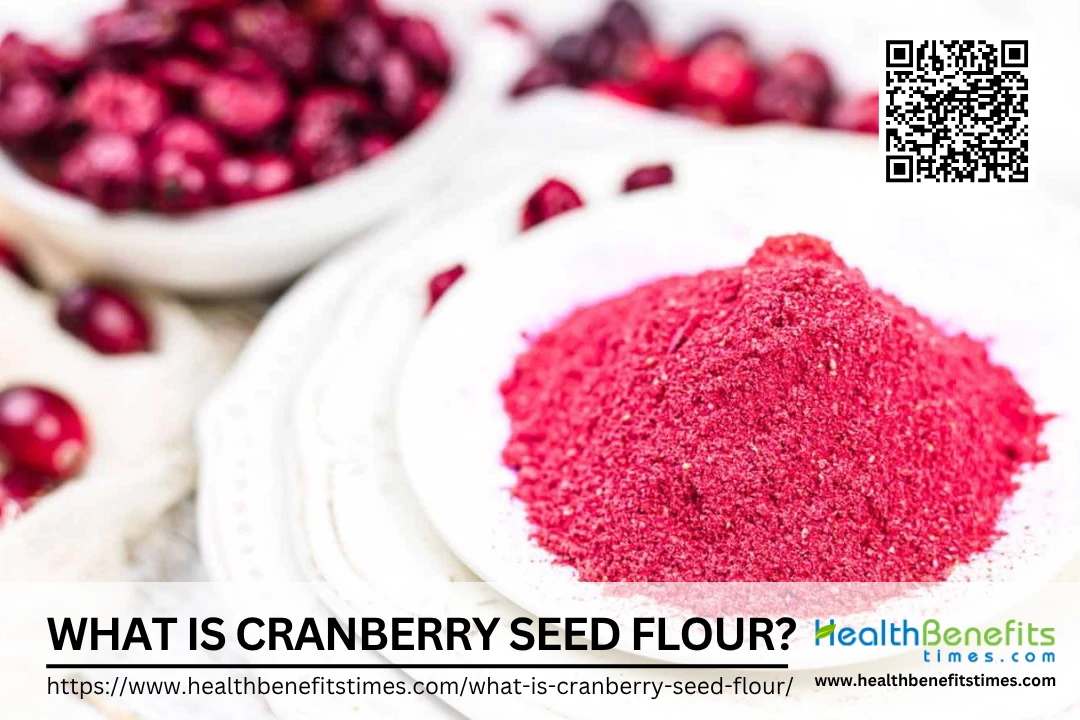
Cranberry seed flour is a nutritious, gluten-free flour made from the seeds of cranberries (Vaccinium macrocarpon). To make cranberry seed flour, the seeds are first separated from the fruit, cleaned, and then dried before being ground into a fine powder read more about cranberry seeds. This flour is rich in essential nutrients like fiber, protein, and omega-3 fatty acids, which contribute to its health benefits, including supporting cardiovascular health discover the benefits. It also contains powerful antioxidants, such as flavonoids and phenolic compounds, which can help reduce oxidative stress find out more. Cranberry seed flour is versatile, often used in gluten-free baking, smoothies, and snacks buy cranberry seed flour. (1) The high fiber content makes it a great addition to fiber-enriched foods, providing digestive support. Additionally, it has a mild, slightly nutty flavor, making it an appealing ingredient for various culinary applications explore cranberry seeds.
Nutritional Profile of cranberry seed flour
Cranberry seed flour is a nutrient-dense, gluten-free flour made from finely ground cranberry seeds. Packed with antioxidants, fiber, and healthy fats, it offers numerous health benefits and versatile culinary applications.
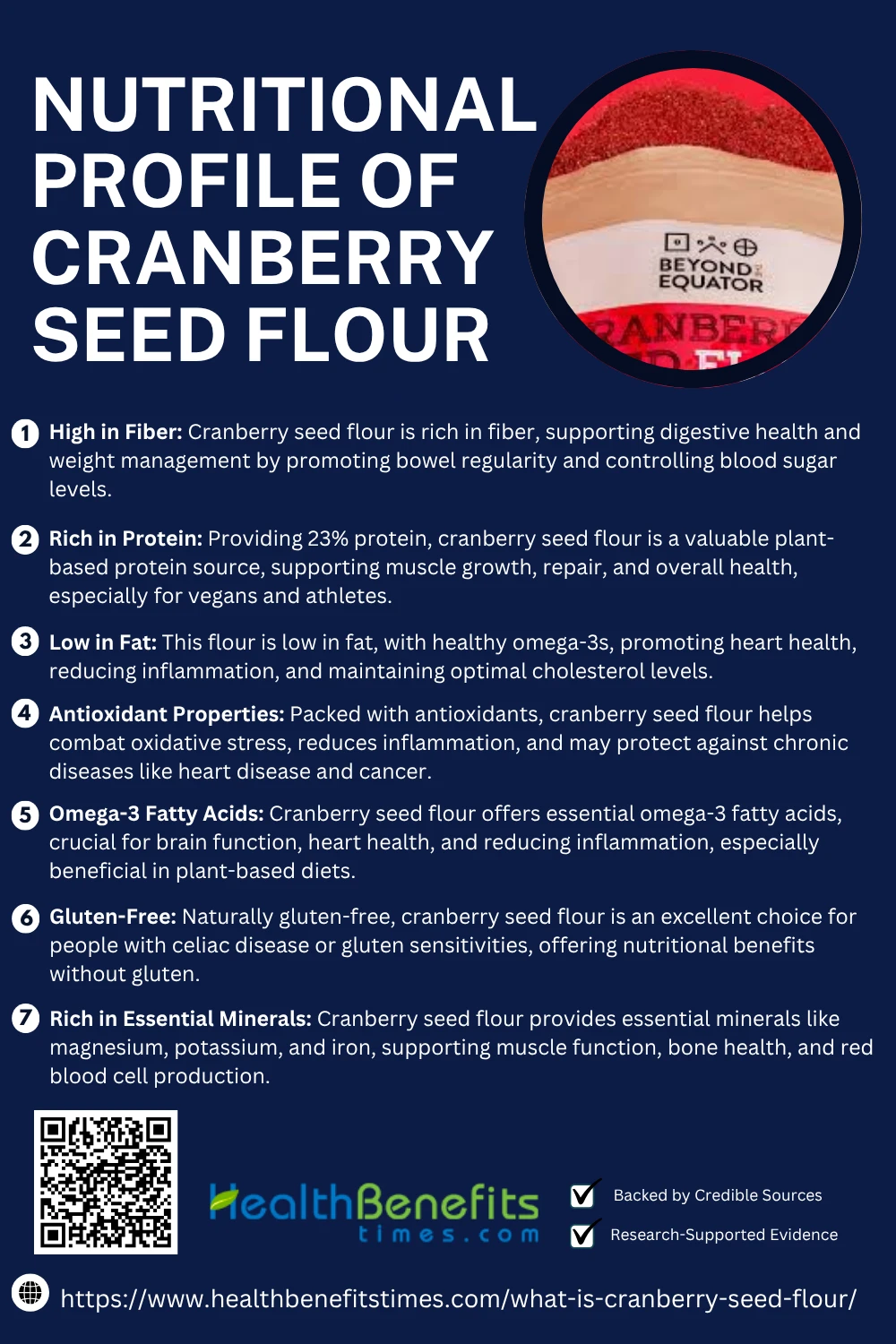
Cranberry seed flour is an excellent source of dietary fiber, providing approximately 57% fiber by weight. This high fiber content is particularly beneficial for digestive health, as it aids in maintaining bowel regularity and promoting a healthy gut microbiome. The fiber in cranberry seed flour is mainly insoluble, which helps to add bulk to stool and speed up the elimination of waste products. Additionally, soluble fiber in cranberry seed flour can help lower cholesterol levels and improve blood sugar control more on fiber benefits. Given its high fiber content, cranberry seed flour is a valuable addition to a healthy diet, especially for those seeking to increase their fiber intake source. (2) This fiber also contributes to its role as a filling food, helping individuals manage their weight more effectively learn more about fiber.
2. Rich in Protein
Cranberry seed flour contains approximately 23% protein, making it a significant plant-based protein source. This high protein content makes it an excellent choice for people looking to supplement their diets with more protein, especially in plant-based or vegan diets. Protein is essential for muscle growth, repair, and the production of enzymes and hormones. In addition, cranberry seed flour provides a full range of amino acids, offering a complete source of plant protein. This makes it a great option for athletes, vegetarians, or anyone in need of a protein-rich, plant-based food read about protein in plant foods. The protein content of cranberry seed flour has made it popular as a key ingredient in various health supplements and energy bars find out more. It’s a nutritious addition to smoothies, baked goods, and snack bars source. (2)
3. Low in Fat
Cranberry seed flour is relatively low in fat compared to other seeds like chia or flax. It provides a healthy, low-calorie option for individuals who are watching their fat intake. This makes it a great ingredient for people on low-fat or weight-management diets. It is also a good source of omega-3 fatty acids, which are essential for heart health. Omega-3s found in cranberry seed flour contribute to reducing inflammation, supporting brain function, and promoting cardiovascular health more on omega-3s. Unlike some other seed flours, cranberry seed flour is lower in saturated fats, making it a heart-healthy option that can be used in a variety of dishes, from smoothies to baked goods learn more about healthy fats. It’s also great for maintaining optimal cholesterol levels source.
4. Antioxidant Properties
Cranberry seed flour is rich in antioxidants, including flavonoids and phenolic compounds. These antioxidants help protect the body from oxidative stress caused by free radicals, which are unstable molecules that can damage cells and contribute to the development of chronic diseases, including heart disease and cancer. The antioxidants in cranberry seed flour can also help reduce inflammation, making it an excellent addition to a diet aimed at combating chronic inflammatory conditions more on antioxidants. Furthermore, studies have shown that cranberry seeds, from which the flour is made, have powerful anti-inflammatory effects source. (3) The antioxidant-rich properties of cranberry seed flour help to improve overall health and protect the body from cellular damage caused by oxidative stress explore antioxidant-rich foods.
5. Omega-3 Fatty Acids
Cranberry seed flour is an excellent source of omega-3 fatty acids, which are essential fats that the body cannot produce on its own. These fatty acids play a crucial role in reducing inflammation, supporting brain function, and maintaining heart health. Omega-3s also contribute to lowering the risk of chronic diseases such as cardiovascular diseases and autoimmune disorders. Incorporating cranberry seed flour into the diet can help ensure adequate omega-3 intake, particularly for individuals following plant-based or vegan diets that may lack sufficient omega-3 sources read more about omega-3s. The omega-3 fatty acids found in cranberry seed flour are primarily in the form of alpha-linolenic acid (ALA), a plant-based omega-3 fatty acid that the body can convert into eicosapentaenoic acid (EPA) and docosahexaenoic acid (DHA). (4) This makes cranberry seed flour a powerful supplement for brain and heart health. (2)
6. Gluten-Free
Cranberry seed flour is naturally gluten-free, making it an ideal choice for individuals with celiac disease or those who follow a gluten-free diet for other reasons. It can be used as a substitute for traditional wheat flour in many recipes, providing a nutritious alternative that offers numerous health benefits without the gluten. Gluten-free diets have gained popularity for their potential benefits in managing autoimmune disorders, digestive issues, and skin conditions. Additionally, cranberry seed flour offers a unique set of nutrients that aren’t typically found in other gluten-free flours, making it a valuable addition to gluten-free recipes read more on gluten-free diets. (5) It’s used in a variety of gluten-free products like energy bars, smoothies, and baked goods, helping people maintain a balanced diet while avoiding gluten learn more about gluten-free benefits.
7. Rich in Essential Minerals
Cranberry seed flour is also a good source of essential minerals, including magnesium, potassium, and iron. These minerals play a key role in several important bodily functions, such as muscle function, bone health, and the production of red blood cells. Magnesium, for example, is necessary for muscle relaxation and nerve function, while potassium helps regulate fluid balance and maintain healthy blood pressure. Iron is essential for the production of hemoglobin, which helps transport oxygen throughout the body. The combination of these minerals in cranberry seed flour makes it a great dietary addition for supporting overall health and wellness learn more about essential minerals. (6) The minerals found in cranberry seed flour help support metabolic processes and ensure the proper functioning of various systems in the body source. (2) These minerals also aid in the prevention of mineral deficiencies, which can lead to various health issues.
Health Benefits of Cranberry Seed Flour
Cranberry seed flour is rich in antioxidants, fiber, and healthy fats, promoting digestive health, heart health, and blood sugar regulation. Its anti-inflammatory properties make it a valuable addition to a balanced diet.
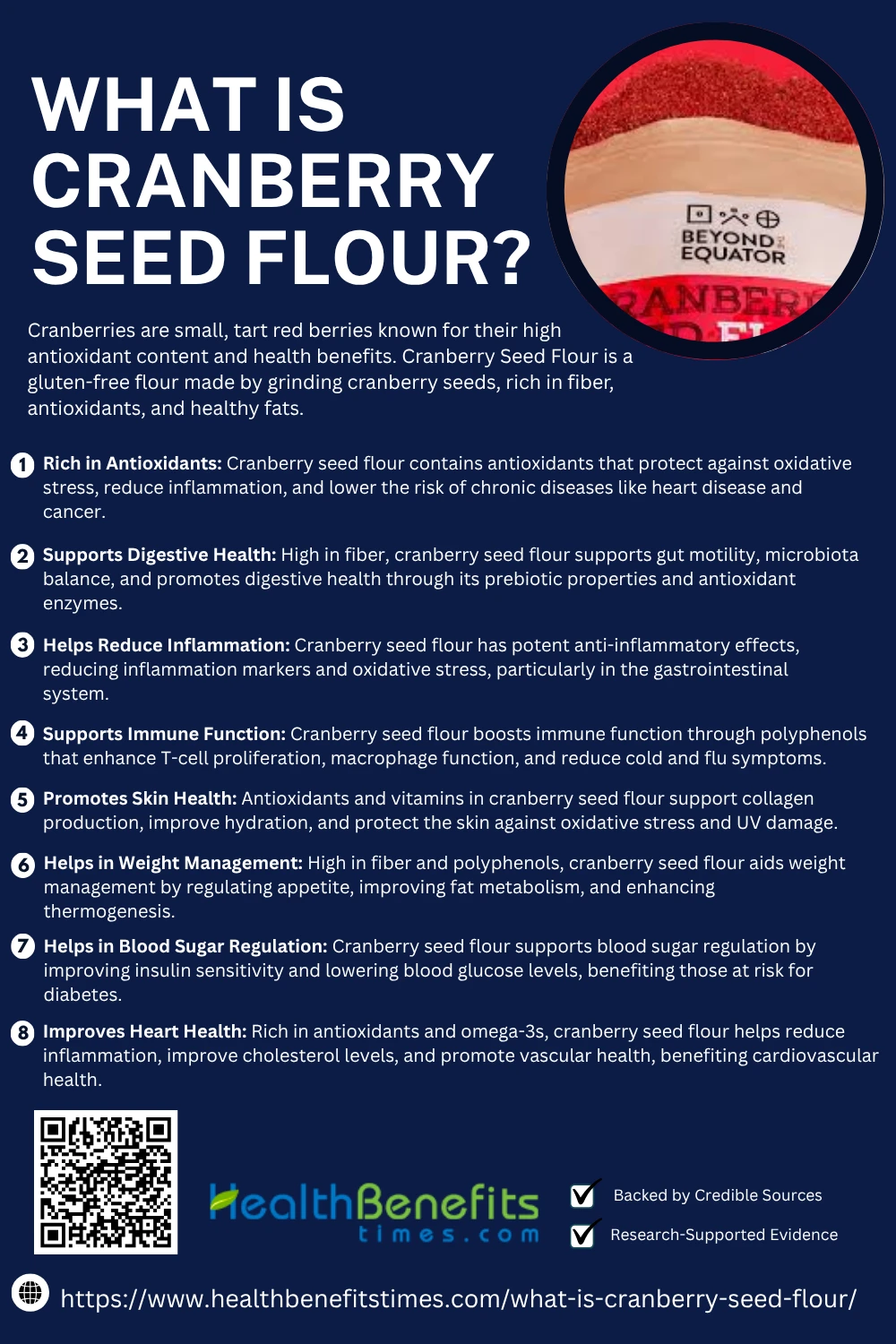
Cranberry seed flour is known for its rich antioxidant content, primarily flavonoids and proanthocyanidins, which play a vital role in protecting the body from oxidative stress and cellular damage read more on antioxidants. (7) These compounds help reduce inflammation and lower the risk of chronic diseases such as heart disease and cancer source. (8) Additionally, cranberry seed flour promotes overall health by improving skin vitality and protecting against UV damage learn more about antioxidants. The antioxidant-rich properties of cranberry seed flour make it a powerful dietary supplement for boosting immune function find out more.
2. Supports Digestive Health
Cranberry seed flour offers promising benefits for digestive health, largely due to its high fiber content, which may support gut motility and microbiota balance. Studies have suggested that cranberry seeds contribute to the production of beneficial enzymes that enhance digestive processes. Additionally, cranberry seed flour’s prebiotic potential could foster the growth of beneficial gut bacteria. Recent research explores its role in promoting gastrointestinal health. A study examines cranberry’s benefits, including its antioxidant enzymes’ role in digestion. Furthermore, the resistant starch found in cranberry seeds may positively affect gut fermentation and nutrient absorption according to another study. (9) This evidence supports the use of cranberry seed flour for enhancing gut function and reducing digestive discomfort. Lastly, cranberry’s prebiotic fiber has been noted for fostering a healthy microbiome according to.
3. Help reduce inflammation
Cranberry seed flour is recognized for its potent anti-inflammatory properties. Studies have demonstrated that cranberry seeds contain bioactive compounds that can reduce markers of inflammation, particularly in the gastrointestinal system. Research has shown that cranberry seed flour supplementation can decrease pro-inflammatory cytokines, providing a natural remedy for inflammatory conditions. This anti-inflammatory effect is supported by multiple studies, including one highlighting cranberry’s ability to modulate inflammation in the gut. Another study explores the seed’s capacity to mitigate inflammation in various tissues. (10) Furthermore, cranberry seed flour’s antioxidants may help combat oxidative stress, reducing inflammation as noted. (11) These findings suggest cranberry seed flour as a natural anti-inflammatory agent for dietary use.
4. Improves heart health
Cranberry seed flour may significantly contribute to heart health by providing bioactive compounds like antioxidants and omega-3 fatty acids. These compounds have been shown to reduce inflammation and oxidative stress, both of which are key contributors to cardiovascular disease. Studies have demonstrated that cranberry seed oil and flour help improve cholesterol levels and promote vascular health. Research also highlights the cardiovascular benefits of cranberry’s flavonoid content. (12) Additionally, cranberry seeds have been found to enhance lipid profiles, contributing to heart disease prevention according to. (10) Antioxidants in cranberry seed flour have also been reported to support endothelial function, which plays a crucial role in cardiovascular health as observed in. (13) These findings support cranberry seed flour as a valuable component in heart health management.
5. Supports Immune Function
Cranberry seed flour has potential immune-boosting properties, largely due to its polyphenolic content, which plays a vital role in enhancing immune function. Research suggests that cranberry seeds stimulate the immune system, increasing the proliferation of T-cells and reducing cold and flu symptoms. One study explores the immune-modulating effects of cranberry polyphenols. (14) Furthermore, cranberry seed flour has been shown to enhance macrophage function, which is critical for immune defense according to. (11) Additionally, cranberry’s antioxidant properties help in combating oxidative stress, thus supporting overall immune health as mentioned. (15) These immune-boosting effects make cranberry seed flour a promising natural supplement for immune support.
6. Promotes Skin Health
Cranberry seed flour is beneficial for skin health due to its rich content of antioxidants, including polyphenols and vitamins. These compounds help reduce oxidative stress, promote collagen production, and improve skin hydration. Recent studies have shown that cranberry seed oil has strong moisturizing and anti-aging properties, aiding in skin regeneration and reducing wrinkles. Research explores its effects on skin lipid profiles and inflammation. (12) Furthermore, cranberry’s high vitamin C content boosts skin repair as indicated. (16) Another study focuses on cranberry’s role in skin care formulations, showing its ability to maintain skin elasticity. (17) Cranberry seed flour’s natural oils provide additional protection against UV damage as discussed. (18) These properties make it a promising ingredient for topical applications and skincare products.
7. Helps in Weight Management
Cranberry seed flour is considered a useful aid in weight management due to its high fiber and polyphenol content, which may help regulate appetite and improve fat metabolism. Studies have suggested that cranberry extracts can reduce fat accumulation and body weight by enhancing thermogenesis and improving lipid profiles. One study examines cranberry’s effects on reducing obesity in mice fed a high-fat diet. (19) Cranberry seed flour’s fiber also supports digestion, contributing to overall weight control as shown. (12) Another research highlights cranberry’s role in managing non-alcoholic fatty liver disease, supporting its use for metabolic health. (20) Finally, cranberry’s antioxidant properties may also help regulate blood sugar, making it beneficial for weight management as discussed. (21)
8. Helps in blood sugar regulation
Cranberry seed flour may play a key role in blood sugar regulation due to its high content of polyphenols and fiber, which have been shown to improve insulin sensitivity. Research has indicated that cranberry seed flour helps lower blood glucose levels, particularly in individuals at risk for diabetes. One study explores cranberry’s potential for reducing blood sugar levels and improving insulin resistance. (12) Additionally, cranberry’s high antioxidant content may help regulate metabolic processes, as seen in another study published on the subject. (22) Another paper examines the effects of cranberry consumption on glycemic control in individuals with type 2 diabetes. (23) Moreover, cranberry seed meal’s dietary fiber has been associated with improved glucose metabolism according to another study. (24) Lastly, a review highlighted the benefits of cranberry in managing blood glucose and related metabolic disorders. (25)
Culinary Uses of Cranberry Seed Flour
Cranberry seed flour offers a versatile gluten-free option in the kitchen. Its mild, nutty flavor and nutritional benefits make it ideal for baking, smoothies, and energy bars, enhancing both taste and texture.
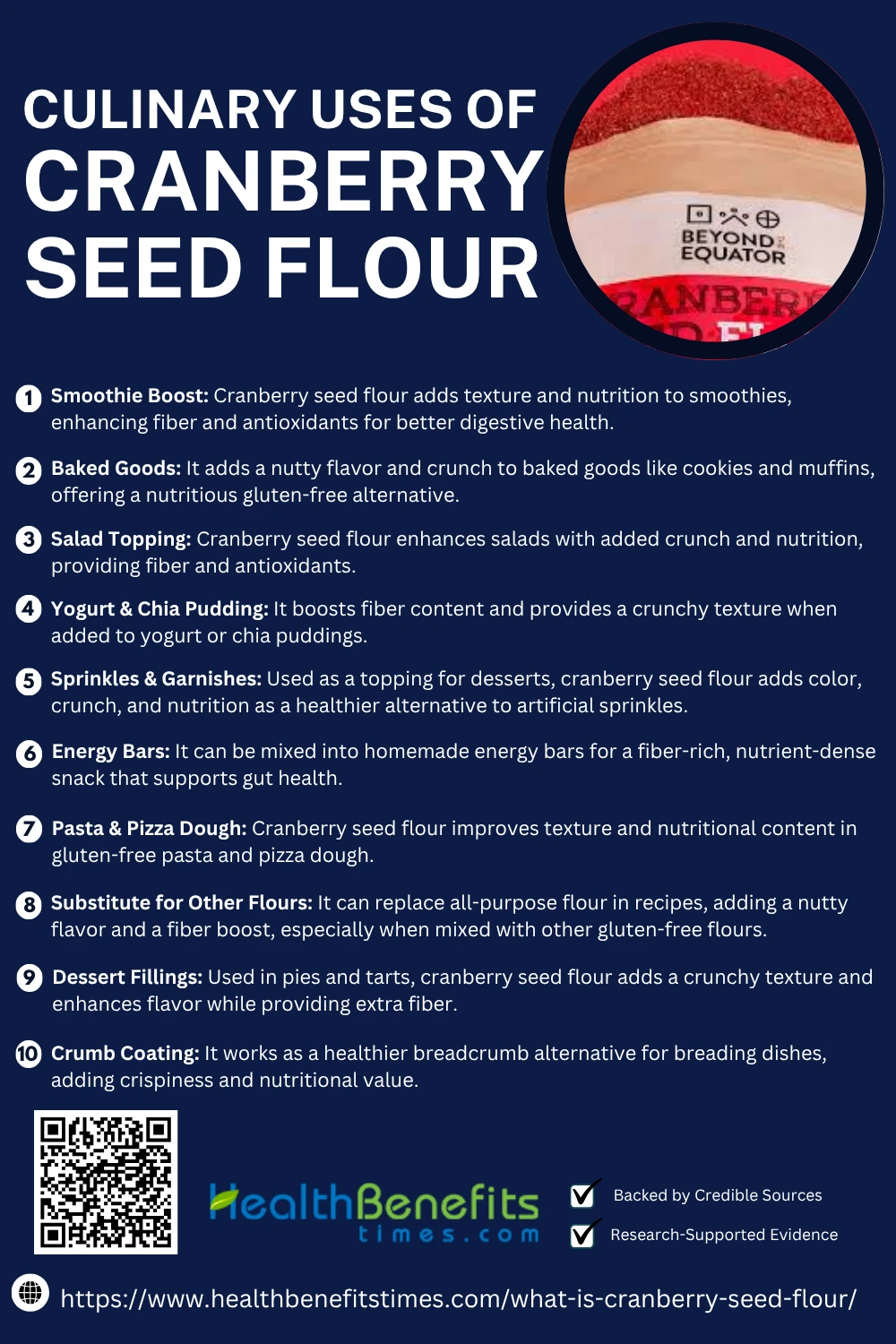
2. Baked Goods: Cranberry seed flour can add a nutritious touch to your favorite baked goods, including cookies, muffins, and scones. Its slightly nutty flavor and crunchy texture work beautifully in gluten-free and keto recipes. Many bakers have embraced cranberry seeds as a valuable addition for their high fiber content, as highlighted by GreenField Natural Ingredients. (3) The flour can help create a denser, more satisfying product compared to traditional all-purpose flour, which is useful for those looking for alternatives in gluten-free or low-carb diets. Additionally, it can enhance the overall flavor profile, bringing a refreshing twist to your standard baking routine.
3. Salad Topping: If you’re looking for a way to add crunch and extra nutrition to your salads, cranberry seed flour is the way to go. Simply sprinkle it on top for added texture. Rich in fiber and antioxidants, cranberry seed flour can elevate any salad, offering both nutritional benefits and a crunchy texture. You can also use cranberry seeds themselves to garnish salads, as seen in this healthy recipe. (26) The seeds can enhance your salad’s visual appeal and complement the freshness of the greens, just like how you would use flax or chia seeds as toppings.
4. Yogurt & Chia Pudding: Cranberry seed flour pairs excellently with yogurt and chia puddings, boosting their fiber content while providing a crunchy texture. When mixed with yogurt, cranberry seed flour enhances both the flavor and nutritional value, adding a pleasant crunch to the otherwise smooth texture. Similarly, when combined with chia pudding, it can serve as an excellent source of fiber and antioxidants. A detailed explanation of how cranberry seeds contribute to gut health can be found on this blog post. (26) Chia puddings, which are a popular choice for health-conscious individuals, can benefit from cranberry seed flour’s high fiber and antioxidant content. (1)
5. Sprinkles & Garnishes: Cranberry seed flour can be used as a natural, beautiful topping for a wide range of dishes. You can substitute artificial sprinkles with cranberry seed flour to add a pop of color and crunch, while also making your dessert or dish healthier. Whether it’s sprinkled on cupcakes, ice cream, or fruit bowls, cranberry seed flour provides a nutritious, eye-catching element. To learn more about how to incorporate cranberry seeds into desserts, visit this guide. (26) Unlike artificial sprinkles, cranberry seed flour is an antioxidant-rich option, helping to balance sweet treats with a nutritious addition. (3)
6. Energy Bars: Cranberry seed flour can be incorporated into homemade energy bars or granola to create a fiber-packed, nutrient-dense snack. Energy bars made with cranberry seed flour are great for people on the go, as they offer a boost of essential nutrients like fiber and omega-3s. The addition of cranberry seed flour to your energy bar recipes provides a satisfying crunch while supporting gut health and digestion, which is discussed in more detail by GreenField Natural Ingredients. (3) Additionally, they can contribute to heart health, as cranberry seeds are a good source of heart-healthy omega-3 fatty acids. (1)
7. Pasta & Pizza Dough: Cranberry seed flour can be added to gluten-free pasta or pizza dough to improve both texture and nutritional content. It brings a distinctive crunch to dough while enhancing the fiber content, making it a great option for those following a gluten-free or low-carb lifestyle. You can combine it with other gluten-free flours, such as rice or almond flour, to create a dough that holds together well while adding a unique flavor. Cranberry seed flour can be found in various specialty foods like gluten-free pizza crusts, and for more details, check out this resource on gluten-free baking.
8. Substitute for Other Flours: If you’re looking to replace all-purpose flour with a more nutritious alternative, cranberry seed flour can work wonders in many recipes. It can be mixed with other gluten-free flours like almond or coconut flour to create a healthier flour blend. The result is a baked product with a rich, nutty flavor and a fiber boost. It’s particularly useful for those looking to increase their fiber intake without compromising taste. Learn more about how cranberry seed flour can replace other flours in various recipes by reading this article. (26)
9. Dessert Fillings: Cranberry seed flour can also be used in the preparation of dessert fillings, such as in pies or tarts. Adding cranberry seed flour to fillings helps create a slightly crunchy texture while enhancing the flavor profile of the dessert. This makes it an excellent choice for those looking to add more nutrients to their sweet treats. Additionally, cranberry seed flour’s high fiber content can help balance out the richness of many desserts, as explained in more detail by Purely Healthy Living. (26)
10. Crumb Coating: Cranberry seed flour can be used as part of a breadcrumb coating for breaded dishes, providing both a crisp texture and nutritional value. This flour can be used to coat chicken, fish, or even vegetables, offering an alternative to traditional breadcrumbs while keeping the dish crunchy and flavorful. The high fiber and antioxidant content of cranberry seeds enhance the health benefits of breaded dishes. To explore how cranberry seed flour can improve your breading recipe, visit this informative article.
Cranberry Seed Flour vs. Other Gluten-Free Flours
Here’s a table comparing Cranberry Seed Flour to other common gluten-free flours based on various properties like fiber content, nutritional profile, and culinary uses:
| Property | Cranberry Seed Flour | Almond Flour | Coconut Flour | Rice Flour | Oat Flour |
| Fiber Content | High in fiber (1.6 times more fiber than chia seeds) | Moderate (about 10-12g per 100g) | Moderate (about 9g per 100g) | Low (about 1-2g per 100g) | Moderate (about 8g per 100g) |
| Protein Content | Moderate (contains protein but not as high as others) | High (21g per 100g) | Low (7g per 100g) | Low (less than 1g per 100g) | Moderate (about 11g per 100g) |
| Fat Content | Moderate (low in fat compared to flax or chia) | High in healthy fats (about 50g per 100g) | Moderate (about 14g per 100g) | Low (less than 1g per 100g) | Low (around 7g per 100g) |
| Taste/Texture | Nutty and slightly crunchy | Mildly sweet, nutty, and smooth | Slightly sweet, coconut flavor, dense texture | Neutral taste, very fine texture | Mild, slightly sweet, soft texture |
| Best Used For | Smoothies, baked goods, energy bars, salads, coatings | Baked goods, cakes, cookies, pancakes | Cakes, cookies, bread, thickening sauces | Baked goods, pancakes, noodles | Pancakes, cookies, muffins, quick breads |
| Nutritional Highlights | Rich in antioxidants, omega-3 fatty acids, high in fiber | Rich in vitamin E, good source of monounsaturated fats | Rich in medium-chain triglycerides (MCTs), very absorbent | Low in protein, basic carb source | Good source of fiber, beta-glucan for heart health |
| Gluten-Free Certification | Yes | Yes | Yes | Yes | Yes |
| Digestive Health | High fiber for gut health, promotes regular bowel movements | Moderate, good for blood sugar regulation | Excellent for gut health (absorbs liquids well) | Low in fiber, generally not ideal for digestive health | Moderate fiber, supports digestive health |
| Common Allergies | Generally well-tolerated, but may cause issues for some | Nut allergies (not suitable for people with nut allergies) | Coconut allergies | Rarely causes allergies | Oat allergies (if not certified gluten-free) |
Potential Side Effects of Cranberry Seed Flour
While cranberry seed flour offers numerous benefits, it may cause allergic reactions in some individuals. It’s important to consume it in moderation and monitor for any
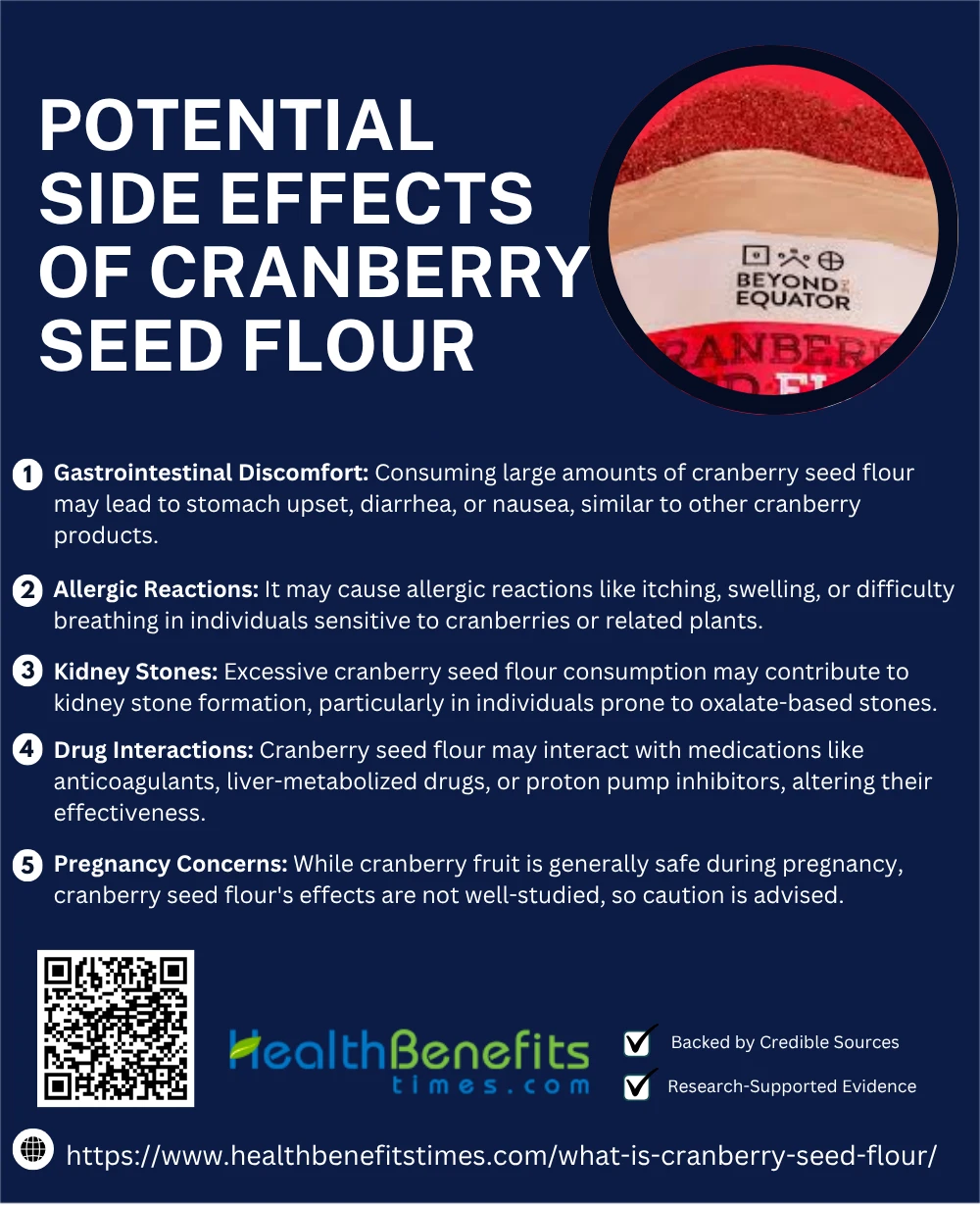
Cranberry seed flour, when consumed in large quantities, may cause gastrointestinal discomfort, including stomach upset and diarrhea. This is similar to other cranberry-based products, which can lead to digestive issues if overused. Excessive amounts of cranberry powder may also lead to nausea or acid reflux. (27) If discomfort persists, it’s important to consult a healthcare provider for guidance. (28) (29)
2. Allergic Reactions
Cranberry seed flour can cause allergic reactions in some individuals, particularly those sensitive to cranberries or related plants. Symptoms may include itching, swelling, hives, or more severe reactions like difficulty breathing. It’s essential to consult with an allergist if you suspect a cranberry allergy. (30) Rarely, gastrointestinal symptoms like nausea may also occur. (31)
3. Kidney Stones
Cranberry seed flour could potentially contribute to kidney stone formation, especially for those predisposed to oxalate-based stones. Cranberries, in general, contain moderate oxalate levels, which can combine with calcium to form kidney stones when consumed in excess. (32) Individuals with a history of kidney stones should be cautious and consult their healthcare provider before consuming cranberry seed flour regularly.
4. Drug Interactions
Cranberry seed flour can potentially interact with certain medications, including anticoagulants like warfarin, increasing the risk of bleeding. (33) It may also affect the effectiveness of drugs metabolized by the liver, such as atorvastatin or nifedipine. Additionally, combining it with proton pump inhibitors like omeprazole could alter their effectiveness. (34)
5. Pregnancy Concerns
Cranberry seed flour should be used cautiously during pregnancy. While cranberry fruit and juice are generally considered safe for pregnant women, cranberry seed flour is not extensively studied for its effects during pregnancy. High consumption might pose risks, and it’s advised to consult a healthcare provider before use. (35) Some studies have not identified major risks, but caution is always recommended. (36)
Conclusion
Cranberry seed flour is a versatile and nutrient-rich gluten-free flour made from finely ground cranberry seeds. It offers a unique combination of antioxidants, fiber, and healthy fats, contributing to various health benefits such as improved digestion, heart health, and blood sugar regulation. With its mild, nutty flavor, it can be easily incorporated into a variety of culinary creations, including baked goods, smoothies, and energy bars. While it provides an excellent alternative to traditional flours, it’s important to be mindful of potential allergic reactions or sensitivities. Overall, cranberry seed flour is a valuable addition to a balanced, health-focused diet.
Comments
comments