

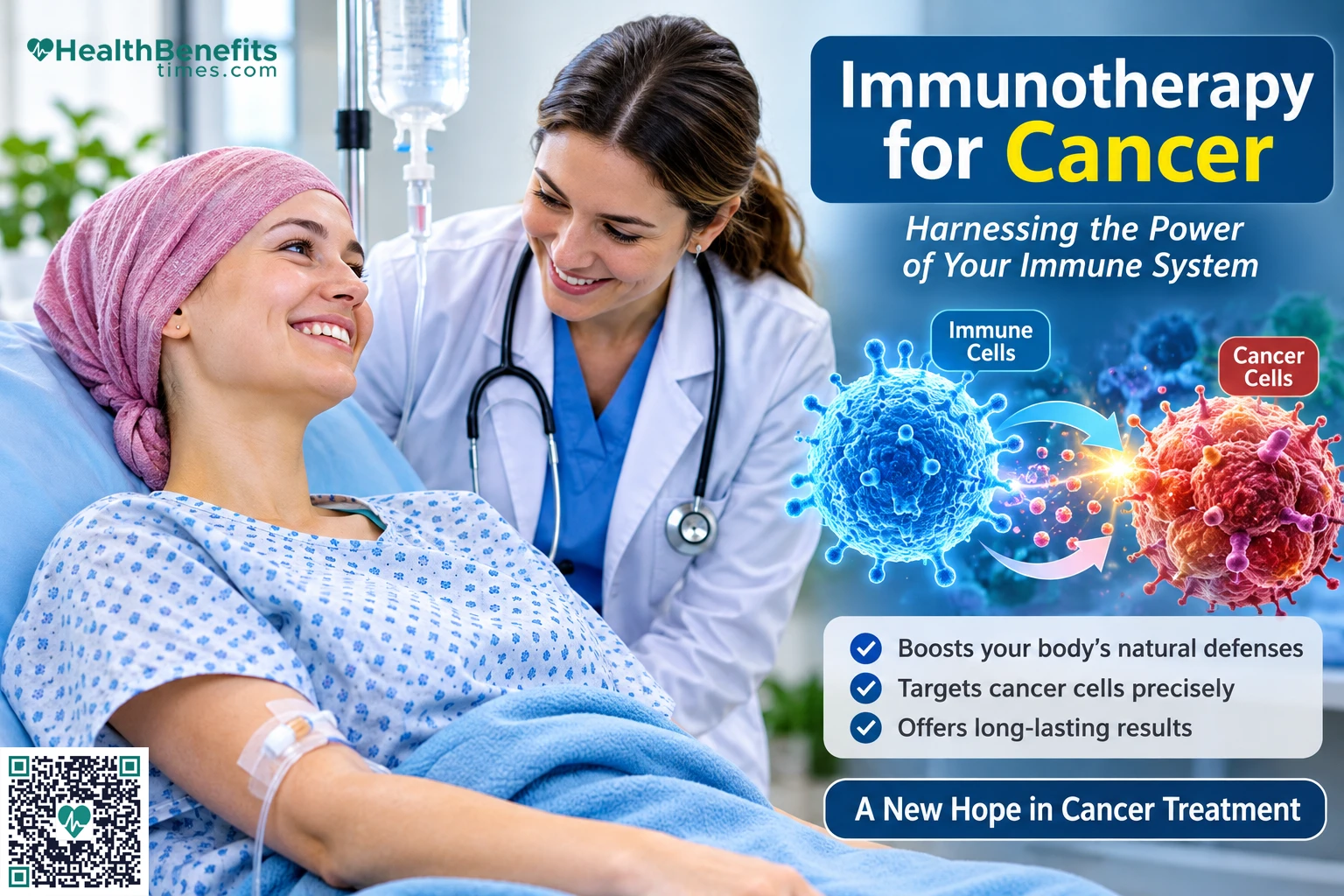
The rapidly growing field of immuno-oncology is increasingly offering cancer researchers and healthcare professionals new possibilities for treating cancer. Moreover, new approaches such as immune checkpoint inhibitors, monoclonal antibodies, adoptive cell therapies, therapeutic cancer vaccines and cytokines need to be evaluated regarding their mechanisms of action, clinical use and side effects.
What is Immuno-Oncology?
As mentioned earlier, the term immuno-oncology refers to the use of immunological therapies in cancer management or, in other words, the application of immunological principles in oncology or cancer management. The primary function of the body’s immune system is to recognize and eliminate abnormal cells. Cancer cells are also abnormal and are meant to be destroyed by the immune system.
Tumor-associated antigens (TAAs) can be expressed by tumor cells at levels that are below the threshold required to induce immune responses. Furthermore, cancer cells can also be shielded from immune destruction by the expression of proteins with immunosuppressive functions. This, in turn, can create an immunosuppressive tumor microenvironment that hampers effective antitumor immune responses by inhibiting the function of T cells.
There are many different types of immuno-oncology therapies in development. The primary aim of most of these is to stimulate an anticancer response or prevent cancer from escaping an immune response. This can be achieved by altering interactions between tumor cells and immune cells to encourage tumor destruction.
Types of Immuno-Oncology Treatments
These different types of treatments are all considered part of the field of immuno-oncology and have different mechanisms of action, as well as different applications across cancers at various stages of disease.
1. Immune Checkpoint Inhibitors
To temporarily disable certain immune-regulating checkpoints, cancer therapies target proteins that suppress immune responses. These proteins are called immune checkpoint molecules, as they are involved in controlling immune responses. The three main types of cancer therapies targeting immune checkpoints are therapies against PD-1, its ligands PD-L1 and PD-L2, and CTLA-4.
The binding of PD-1 to its ligands, PD-L1 or PD-L2, can suppress T-cell proliferation and the production of pro-inflammatory cytokines. Tumors can use this pathway to escape immune-mediated destruction. Blocking the interaction between PD-1 and its ligands, such as PD-L1, releases these inhibitory signals and allows T cells to re-engage with cancer cells and destroy them. Several PD-1 and PD-L1 inhibitors are currently approved for the treatment of various types of cancer.
2. Monoclonal Antibodies
Monoclonal antibodies (mAbs) are proteins produced in laboratories that specifically recognize and bind to certain molecules of interest. In cancer therapy, mAbs can bind to specific molecules on the surface of cancer cells and interfere with cancer cell growth. Alternatively, certain mAbs can stimulate an immune response against cancer cells. There are many different types of mAbs, each with distinct properties and uses in cancer therapy.
Monoclonal antibodies can interfere with growth signaling in cancer cells, act as a complement to the immune system or even attack cancer cells directly. The clinical use of these drugs depends on the type of cancer and the specific antibody.
3. Adoptive Cell Therapy
The patient’s own cells are removed from the body and then grown and/or modified in the laboratory to kill cancer cells. The cells are subsequently returned to the patient’s body.
Important approaches include:
- CAR-T cell therapy: T cells are genetically modified in the laboratory to produce chimeric antigen receptors (CARs) that recognize cancer cells that the T cells would otherwise miss.
- Tumor-infiltrating lymphocyte (TIL) therapy: TILs are isolated from a tumor, and in most cases, a subpopulation is expanded ex vivo before being administered back to the patient.
- T-cell receptor (TCR) therapy: T cells are engineered to express new T-cell receptors that recognize tumor-associated antigens presented by human leukocyte antigens (HLA) on cancer cells.
Therapeutic cancer vaccines, like the approaches mentioned above, are currently under investigation as treatments for patients with cancer. Examples of cancer types currently being investigated with vaccine therapies include lymphoma, ovarian cancer, multiple myeloma and brain tumors.
4. Therapeutic Cancer Vaccines
Cancer vaccines for therapeutic use (to treat patients with existing cancer) are designed to elicit an immune response in cancer patients by recognizing antigens presented by cancer cells. Antigens can be tumor-associated (found on some normal cells and on cancer cells) or tumor-specific (found only on cancer cells).
Another area of research into therapeutic cancer vaccines involves the use of peptide-based, DNA-based, RNA-based and dendritic cell-based vaccines to stimulate an immune response against tumors. Approaches are being developed that allow for the creation of personalized cancer vaccines, including those that are tumor-specific and target tumor-specific neoantigens.
5. Cytokine-Based Immunotherapy
Cytokines (e.g., interleukins and interferons) are proteins involved in the activation and communication of cells of the immune system. Many of these are currently under investigation as cancer treatments.
It is important to note, however, that although these agents can affect host immunity, systemic administration of most cytokines for cancer therapy can induce a wide range of harmful inflammatory reactions and toxicities in various organs. Recent studies of engineered cytokines and their targeted delivery have provided new insights into the potential therapeutic applications of these molecules for cancer treatment.
Clinical Applications of Immuno-Oncology
In addition to melanoma, several other tumors can be treated with immuno-oncology therapies, including non-small cell lung cancer, renal cancer, bladder cancer, gastric cancer and esophageal squamous cell carcinoma.
The choice of therapy depends on various factors, such as the type of cancer, the stage of the disease, previous treatments, the molecular profile of the cancer and approved indications according to local regulations.
In addition to cancer type, disease stage and previous treatments, the choice of an immunotherapeutic approach may also be influenced by a set of biomarkers, such as PD-L1 expression, tumor mutational burden (TMB), microsatellite instability (MSI) and mismatch repair deficiency (dMMR) in tumor cells.
Important biomarkers include:
- PD-L1 expression.
- Microsatellite instability (MSI).
- Mismatch repair deficiency (dMMR).
- Tumor mutational burden (TMB).
The relevance of these biomarkers may vary depending on cancer types and therapeutic indications. Importantly, biomarker findings must be correlated with clinical and pathological features.
Role of Tislelizumab-jsgr in Immuno-Oncology
is an Fc-engineered, humanized IgG4 monoclonal antibody targeting PD-1. Tislelizumab binds to PD-1 on the surface of immune cells and prevents interaction with its ligands, PD-L1 and PD-L2, thereby blocking the immunosuppressive PD-1 pathway and inducing a cascade of antitumor immune responses.
Clinical trials have evaluated tislelizumab for the treatment of esophageal squamous cell carcinoma, as well as gastric or gastroesophageal junction adenocarcinoma, both as monotherapy and in combination with chemotherapy for specific patient populations.
Approved indications, eligible patients and administration information must be obtained from the current prescribing information and regulatory authorities in the country where Tislelizumab-jsgr will be used.
Safety Considerations and Treatment Monitoring
Most side effects associated with the use of immuno-oncology treatments are related to immune activation and can affect organs including the lungs, liver, gastrointestinal tract, kidneys, endocrine organs, skin and heart. Examples include pneumonitis, colitis, hepatitis, nephritis, endocrine disorders such as thyroid dysfunction and cases of myocarditis.
Monitoring of patients may include regular assessment of parameters such as complete blood counts, liver function tests, renal function tests and other investigations to determine whether there is any new development or worsening of existing adverse reactions. Management of these adverse reactions may include treatment discontinuation and the use of corticosteroids or other immunosuppressive therapies as needed.
Future Directions in Immuno-Oncology
Current research goals include identifying predictive biomarkers, understanding mechanisms of resistance to current therapies and determining optimal combinations of various forms of immunotherapy. These investigations are being conducted to increase our knowledge of the mechanisms of action of cancer treatments and develop new strategies to address resistance mechanism to current therapies, including individualized or personalized cancer therapies.
Immunotherapy is an evolving field, with increasing numbers of clinical trials as well as basic and translational cancer research studies worldwide. Further research is needed to establish effective and safe cancer treatments for individual patients with specific types of cancer.
Disclaimer: This article is intended to provide a general overview of developments in oncology research and development. It is not intended to promote or recommend any specific treatment, product, or company. Information regarding investigational therapies reflects ongoing research and should not be interpreted as evidence of safety, efficacy, or regulatory approval. Readers are encouraged to consult healthcare professionals for the most current information.
Comments
comments